We were keen to stay in Eastbourne because of our affiliation with the NZ Eastbourne (we lived there for a few years when I obtained my first teaching position).
A lovely seaside town (as is its NZ counterpart) but a lot bigger, a traditional English pier and many beautiful old hotels. It was easy to imagine people promenading up and down the esplanade in their finery, back in the day!
Highlights for us here were riding the Hop on Hop off bus, exploring the area on foot, ‘Pirate Day’ on the pier and having lunch at one of those lovely hotels with Richard and his family (Kim’s cousin-Celia’s brother).
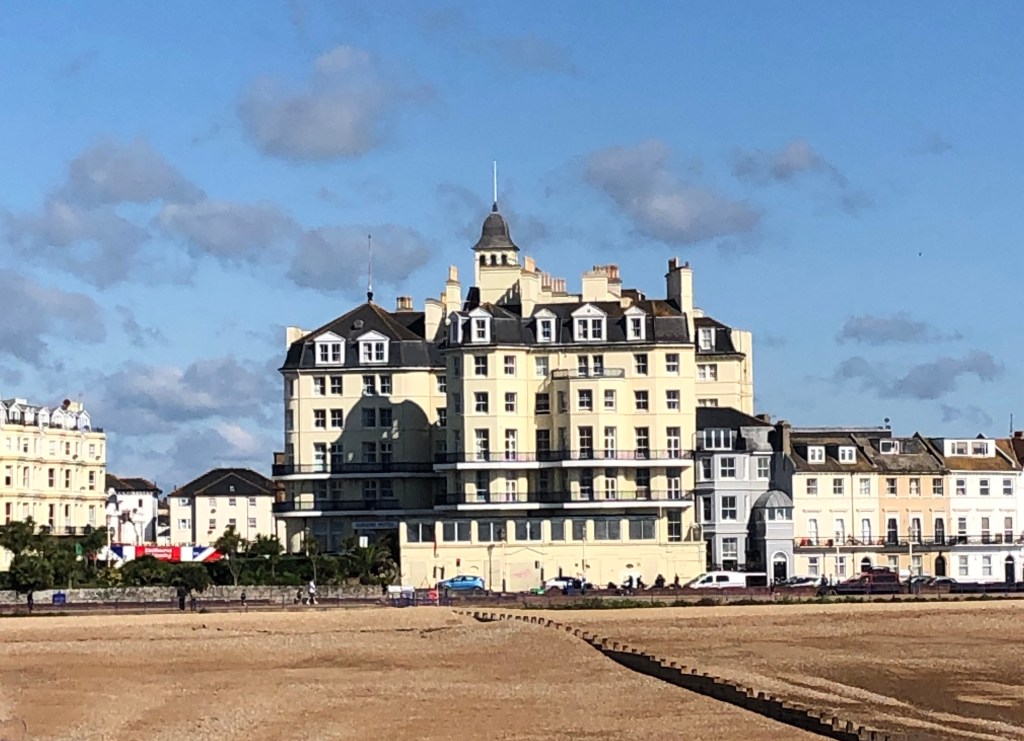
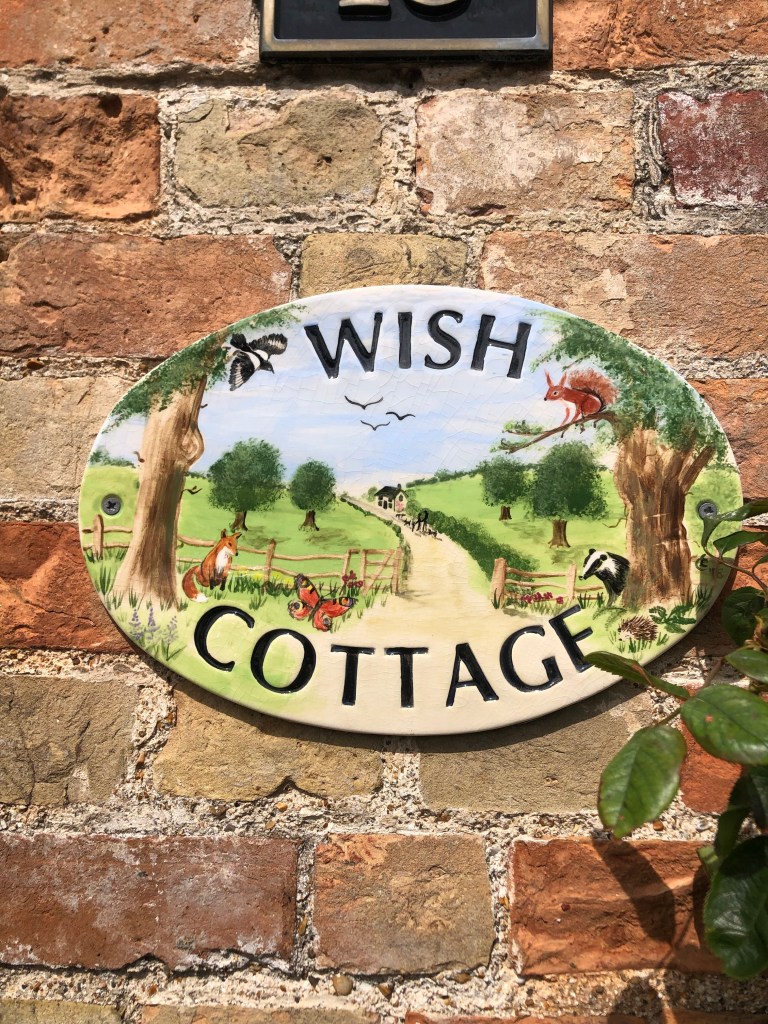
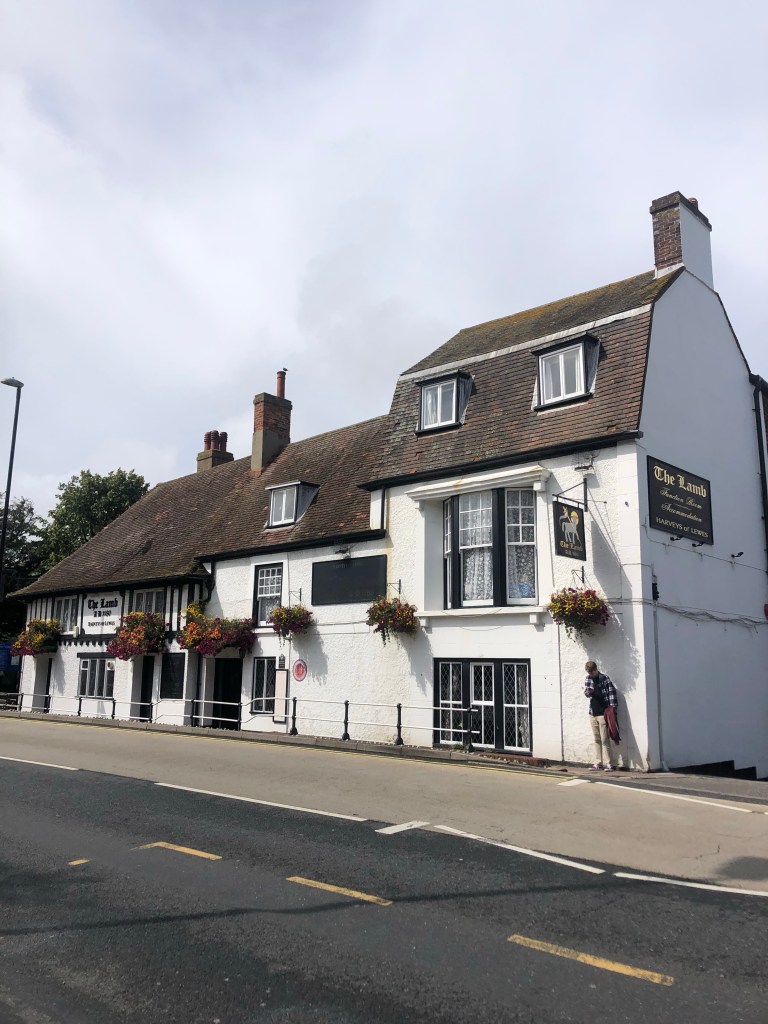
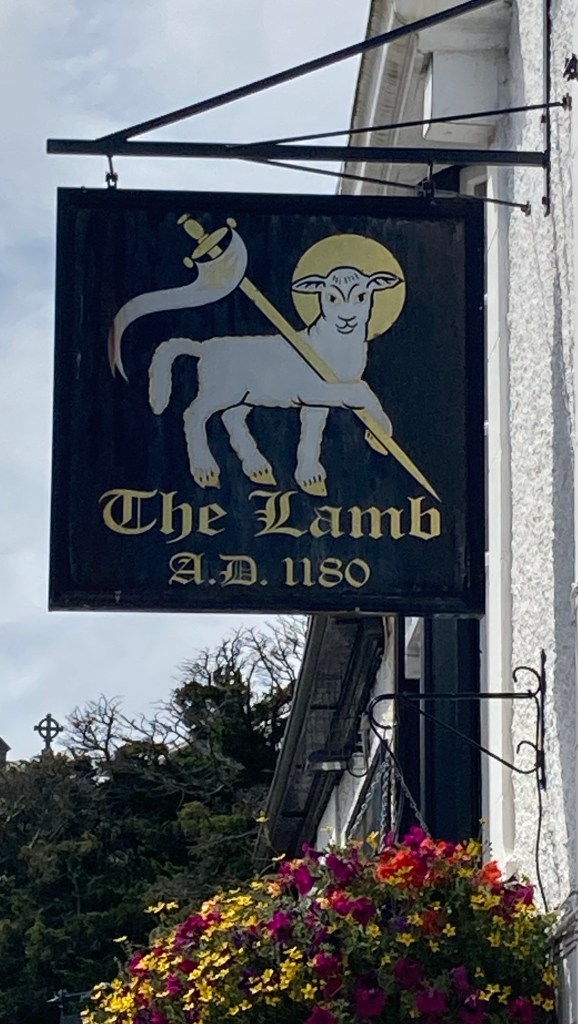
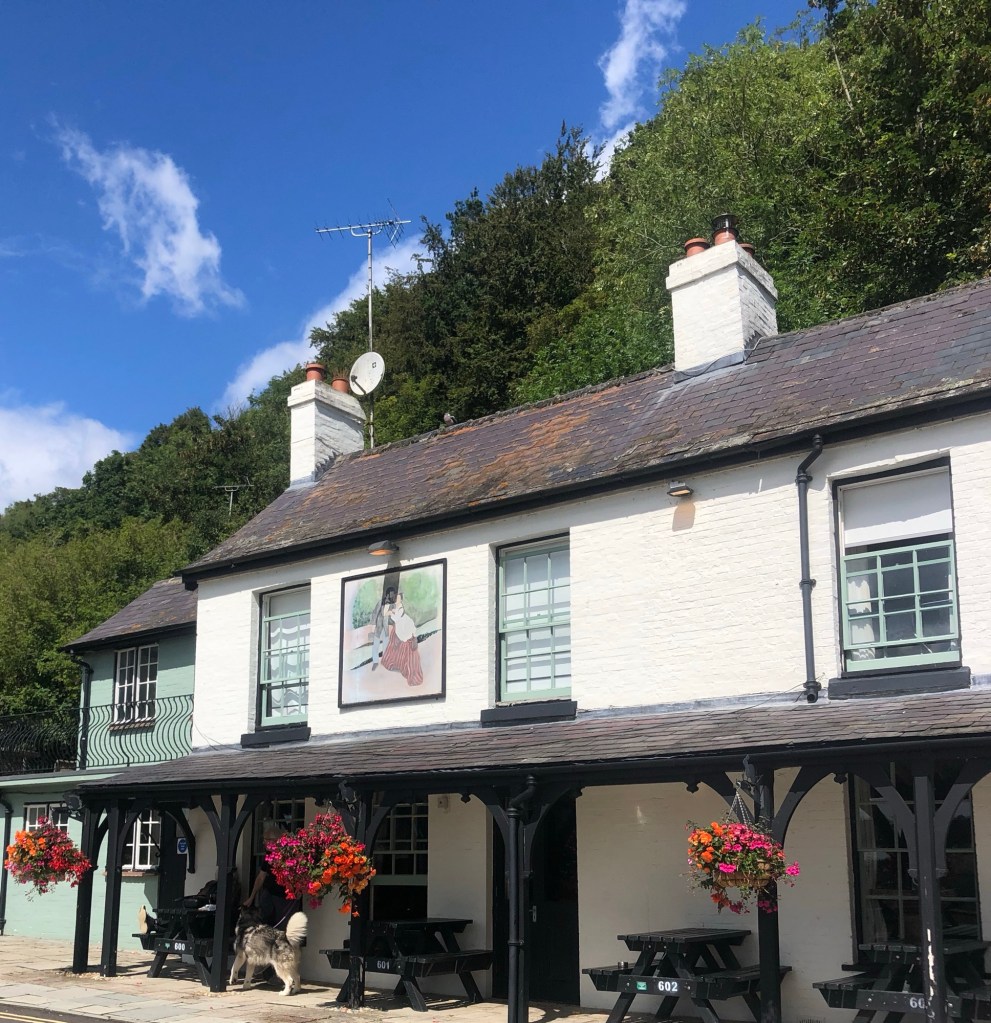
Our AirBnBEastbourne BeachSeafront hotelCute name!850 year old pub!Cute Cafe in Eastbourne
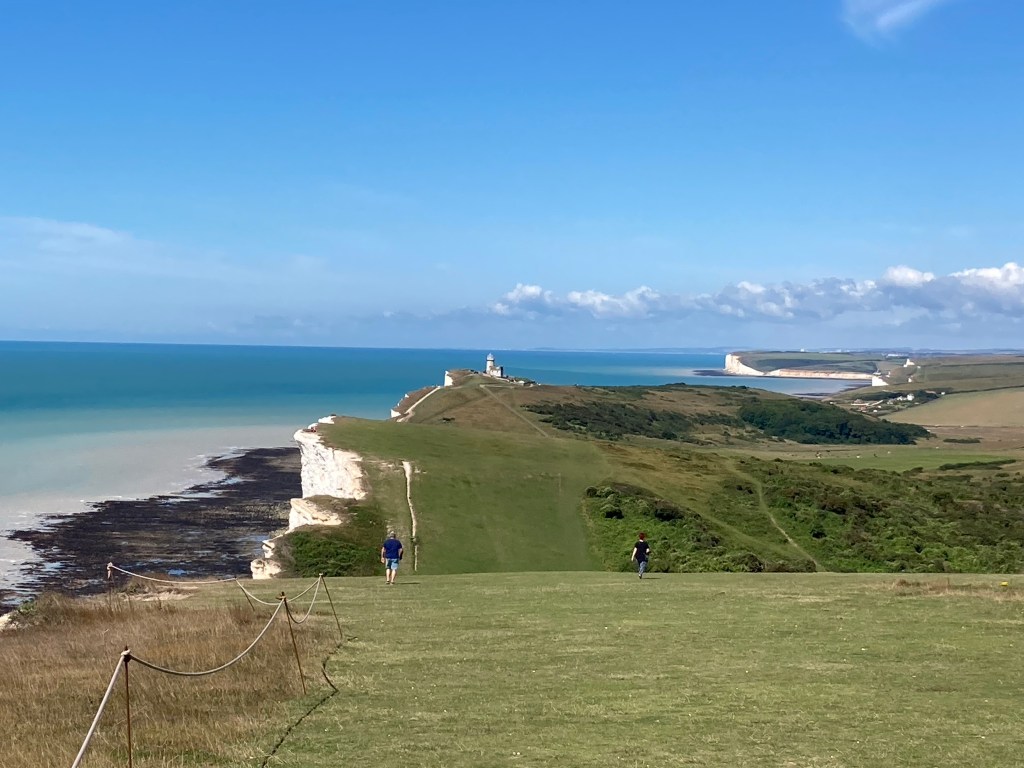
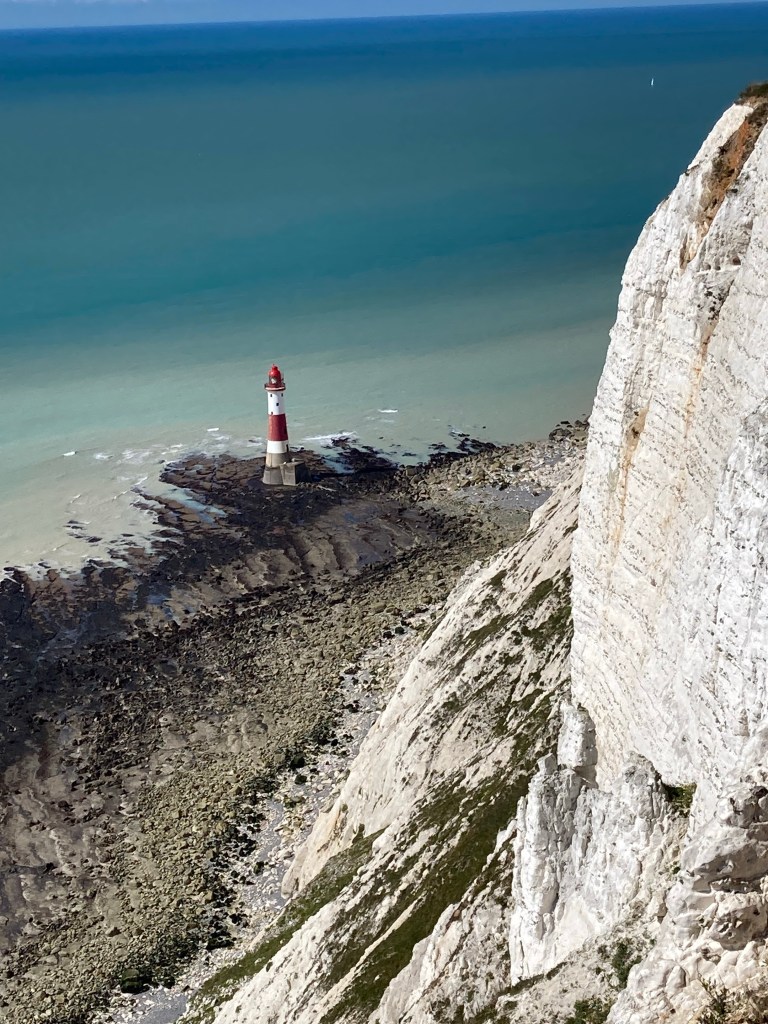
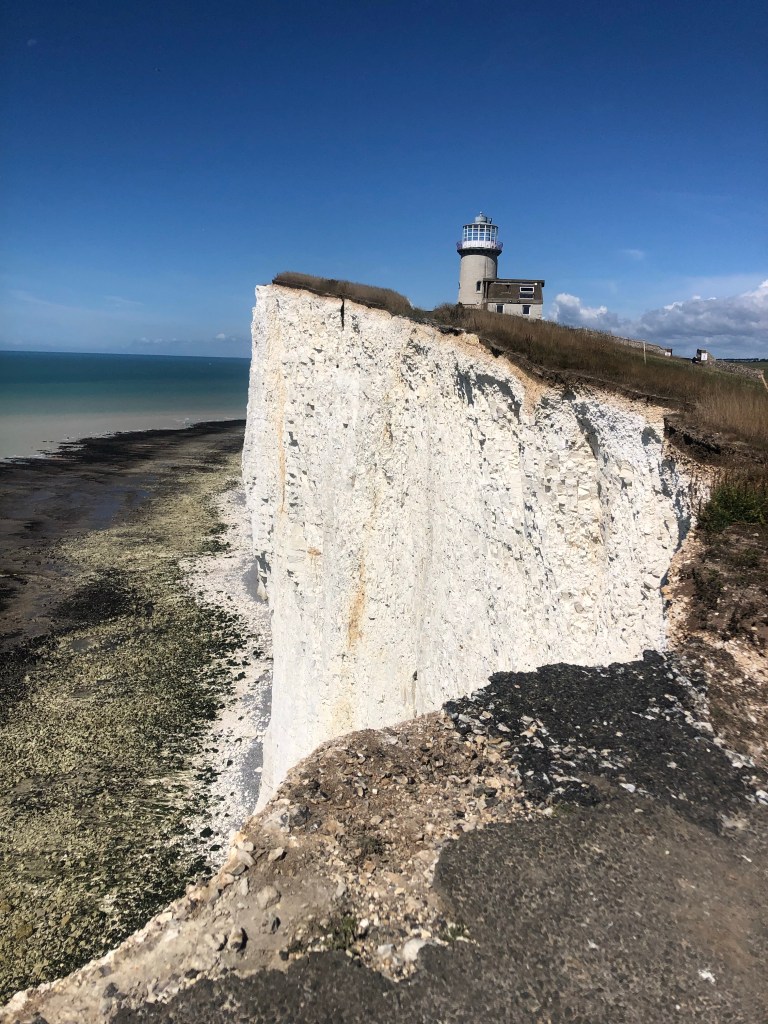
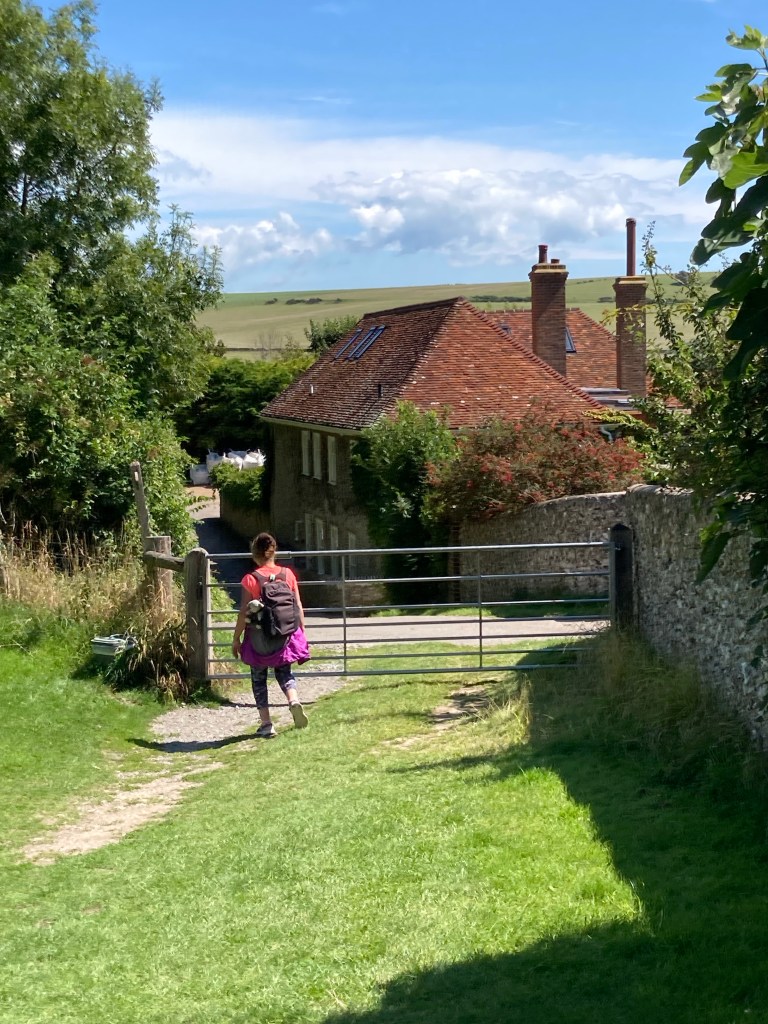
Beautiful views from our coastal walk along the chalk cliffs to Beachy Head and Birling Gap staircase. Health and safety not prevalent- could have walked straight off the cliff in some places!
Beachy HeadBeachy Head LighthouseChalk Cliffs of Beachy HeadBeachy Head
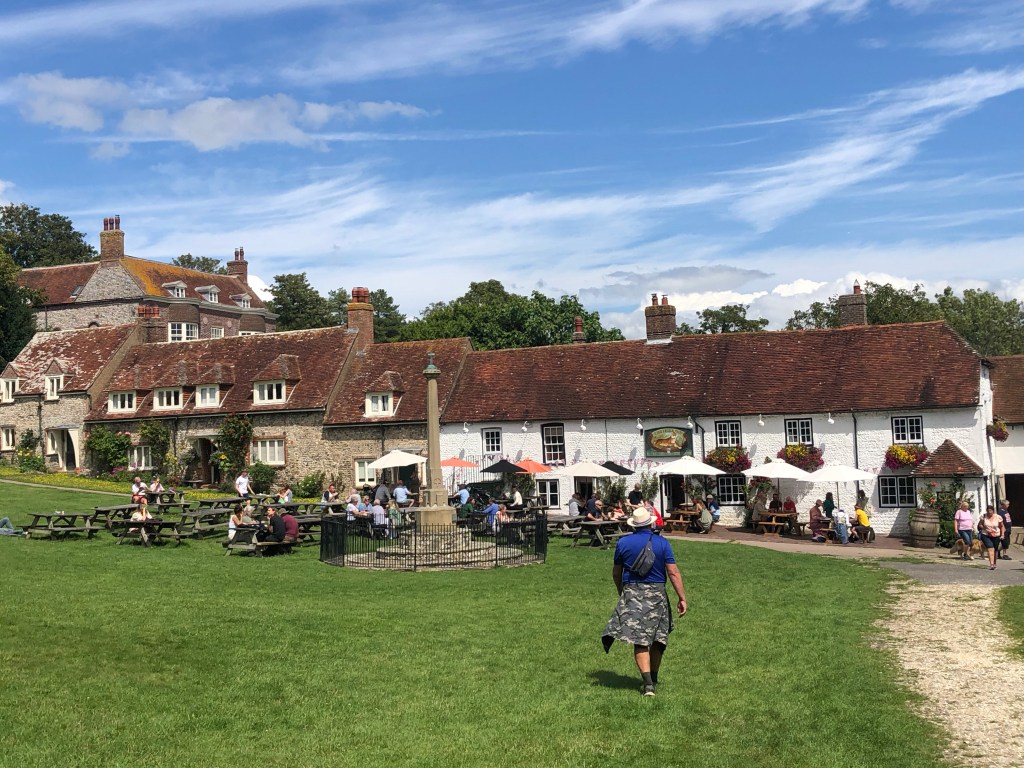
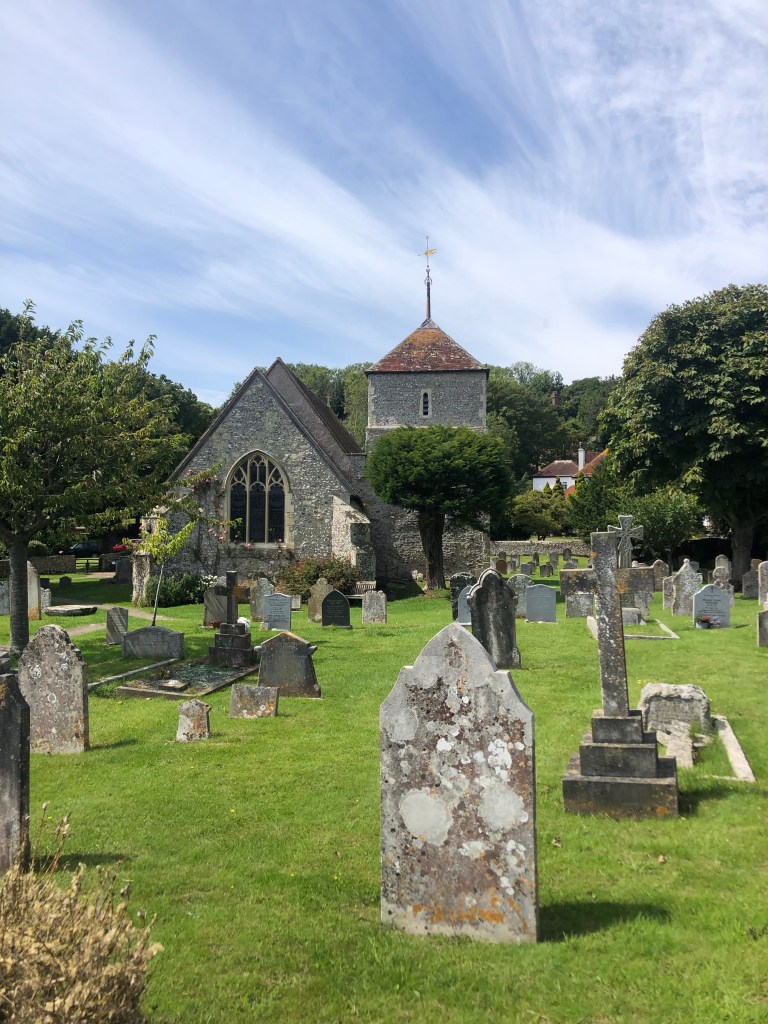
Walked through a lovely old village of East Dean on the other side and stopped for a spot of lunch then caught the bus back to Eastbourne.
East DeanEast Dean for lunchEast Dean Churchyard
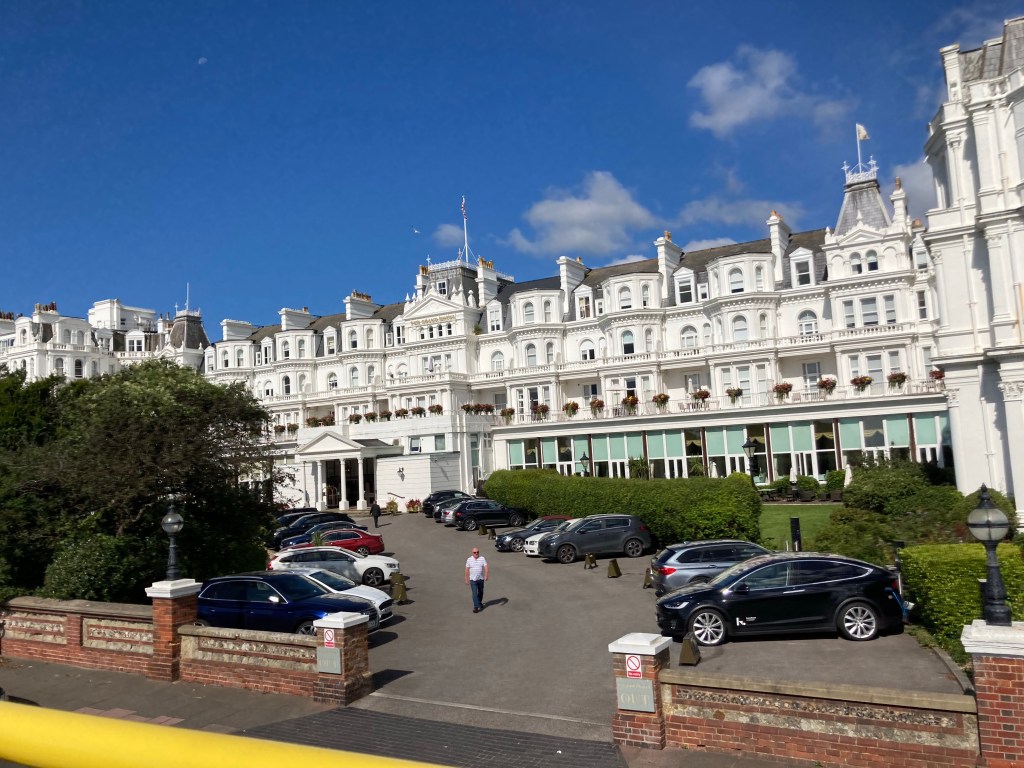
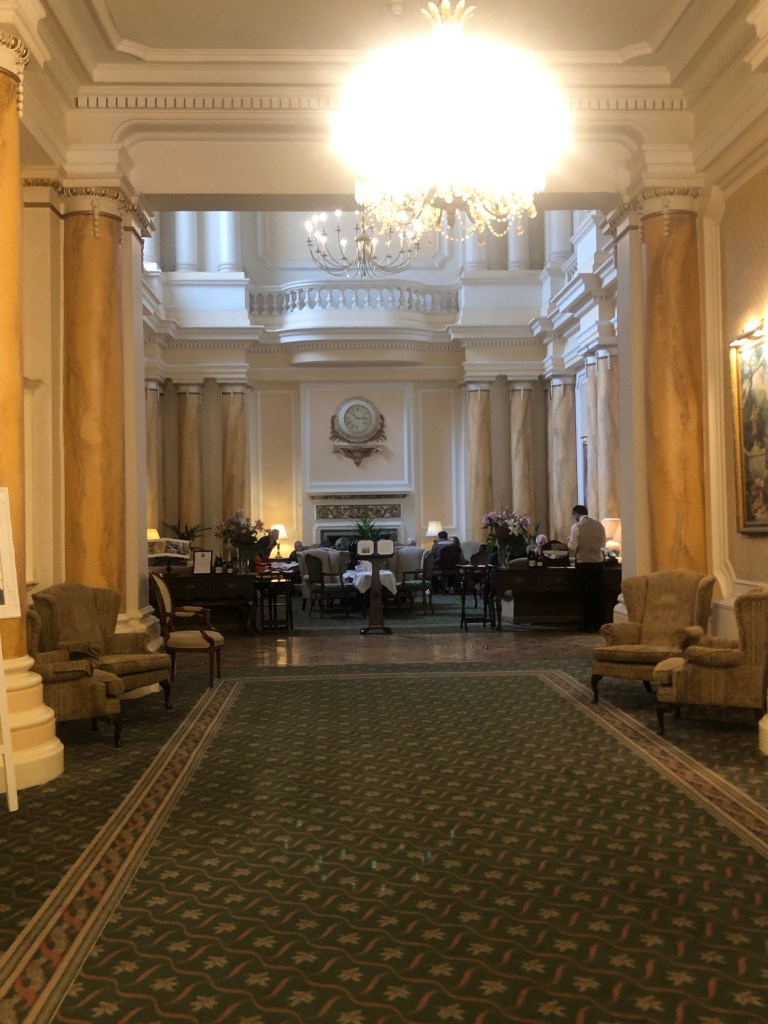
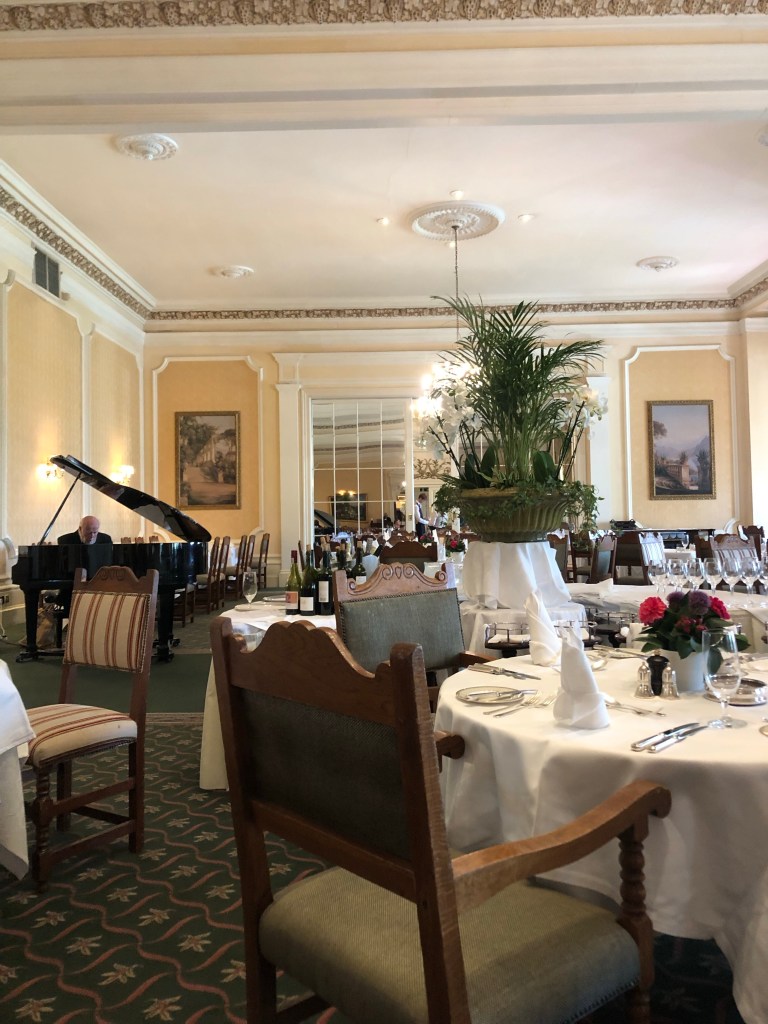
The flash hotel where we had lunch with Richard and his family! We even had silver covers over our food, and the waiters at our table counted to 3 before lifting the covers in unison!!
The Grand Hotel for lunchGrand Hotel foyerDining room of Grand Hotel
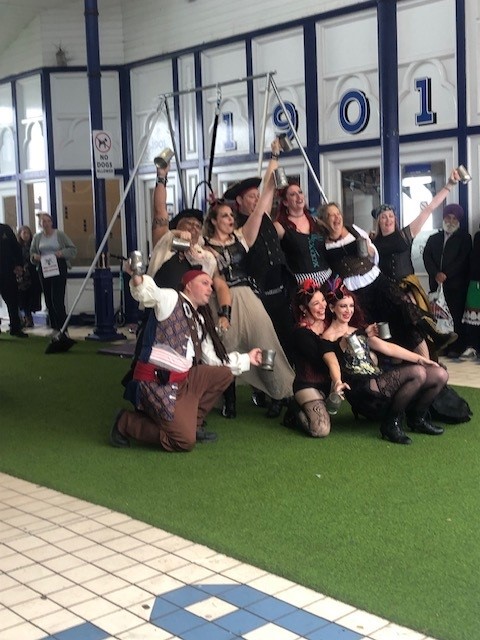
It was a cold wet day but these Pirates didn’t let that deter them from putting on a show, they had certainly dressed for the part, and sang a few shanties and danced.
Eastbourne PierThe Prates of Eastbourne
Next stop – Gatwick airport and we bid Tchau, au revoir, and Cheerio to our 4 1/2 month European adventure!
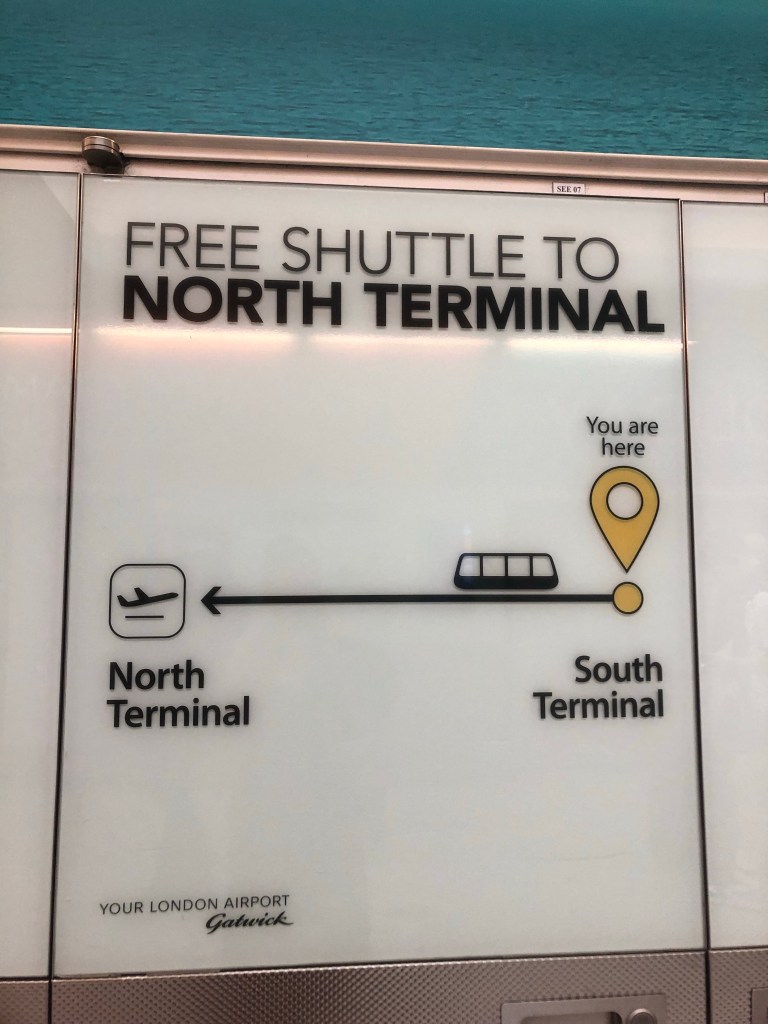
Shaun all packed and ready to go Such a huge airport you need a shuttle to get from one terminal to another! 
Our main reason for visiting Worthing was to catch up with some of Kim’s relations- his cousin Celia and her family, and his Uncle Trevor. We hit it off straight away with Celia and her husband Chris (in spite of the fact that the last time we’d seen Celia was about 40 years ago in NZ!). Promises were made to keep in touch, and Chris and Celia are hoping to visit NZ in the near future. They very kindly drove us around to visit the local attractions.
Celia, Jen and Trevor ChrisKim and Trevor
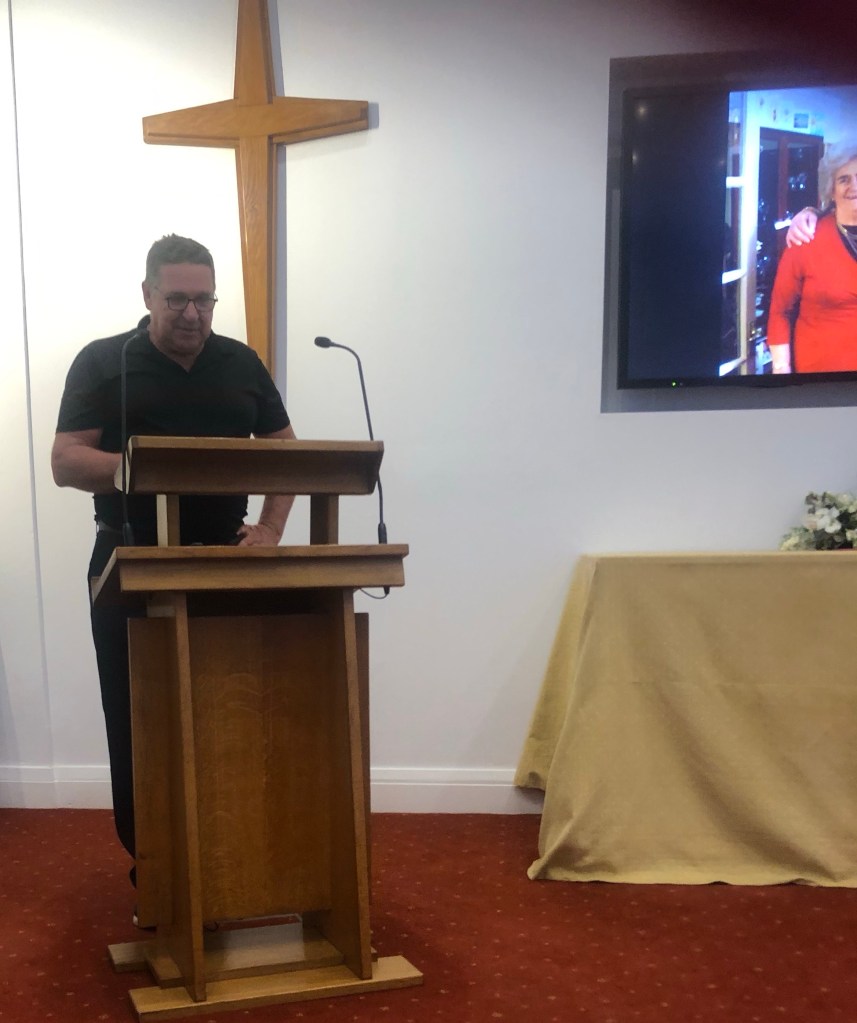
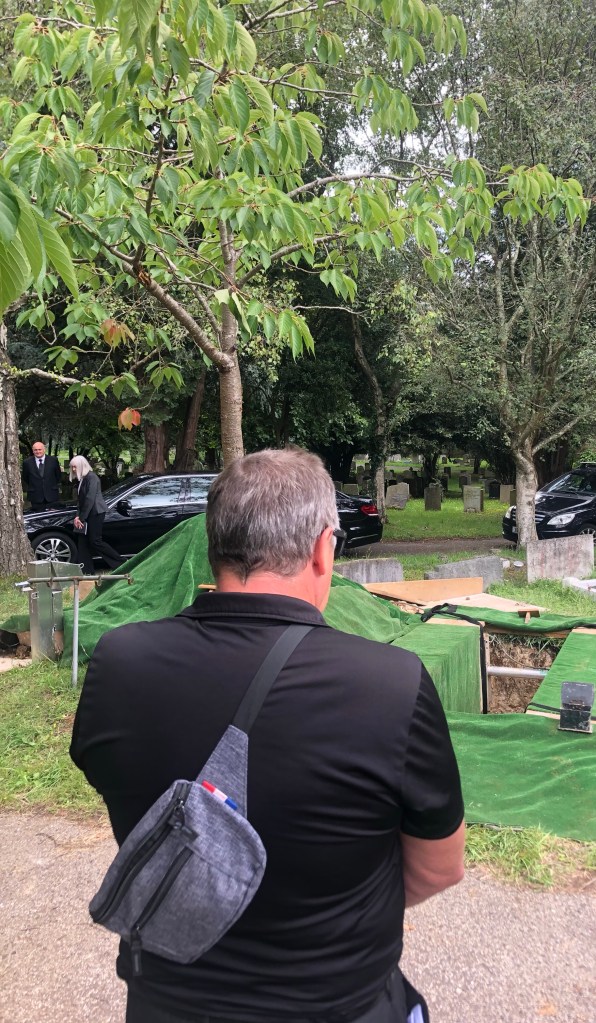
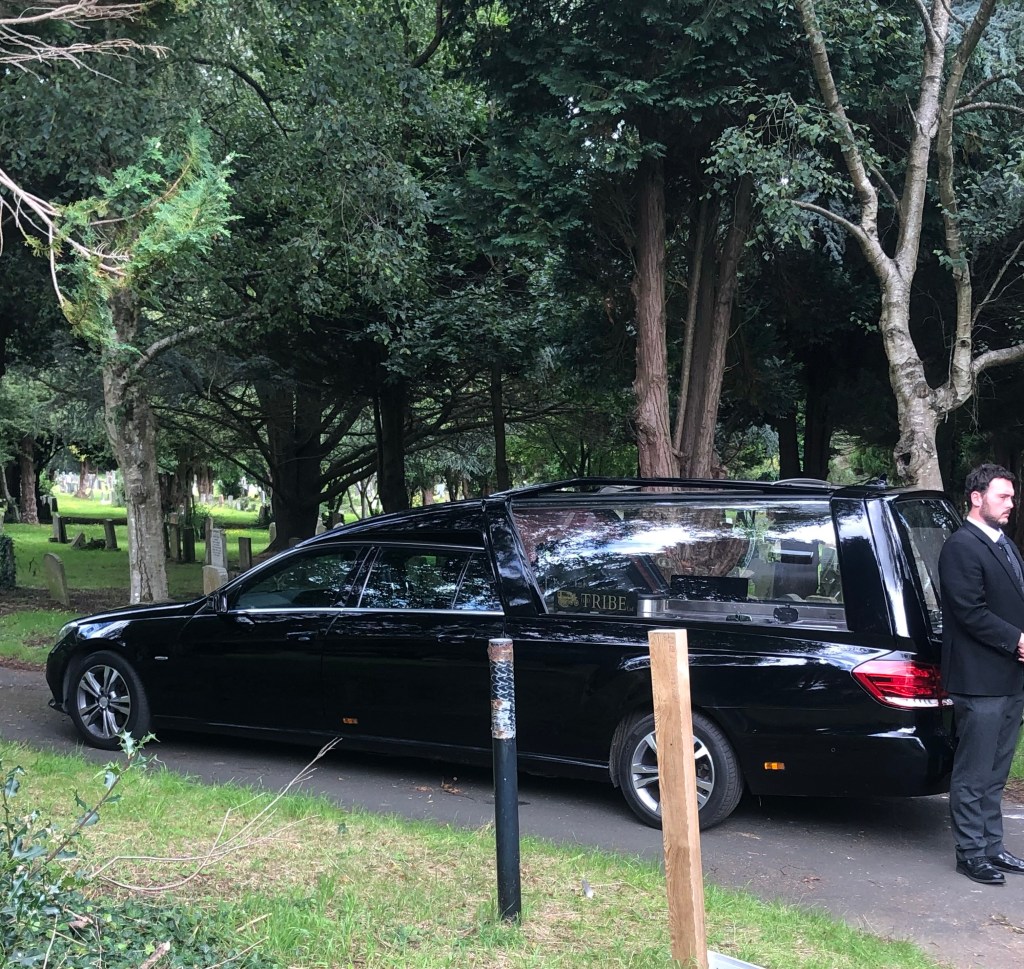
While staying here we were fortunate enough to be able to attend the funeral of one of Dexter’s very old school friends (John Potter). I think people appreciated that we had made the effort, and Kim stood up and spoke on his dad‘s behalf.
Was interesting to see how a funeral is conducted in England. For example, the food and drinks were served before hand, whereas in New Zealand we tend to have these after the service. I did not have anything to wear, so felt I stuck out like a sore thumb in my brightly coloured dress!
Kim speaking on his Dad’s behalf At the cemetery 
We will definitely be making an effort to visit this side of Kim’s family during our future trips to Europe. 
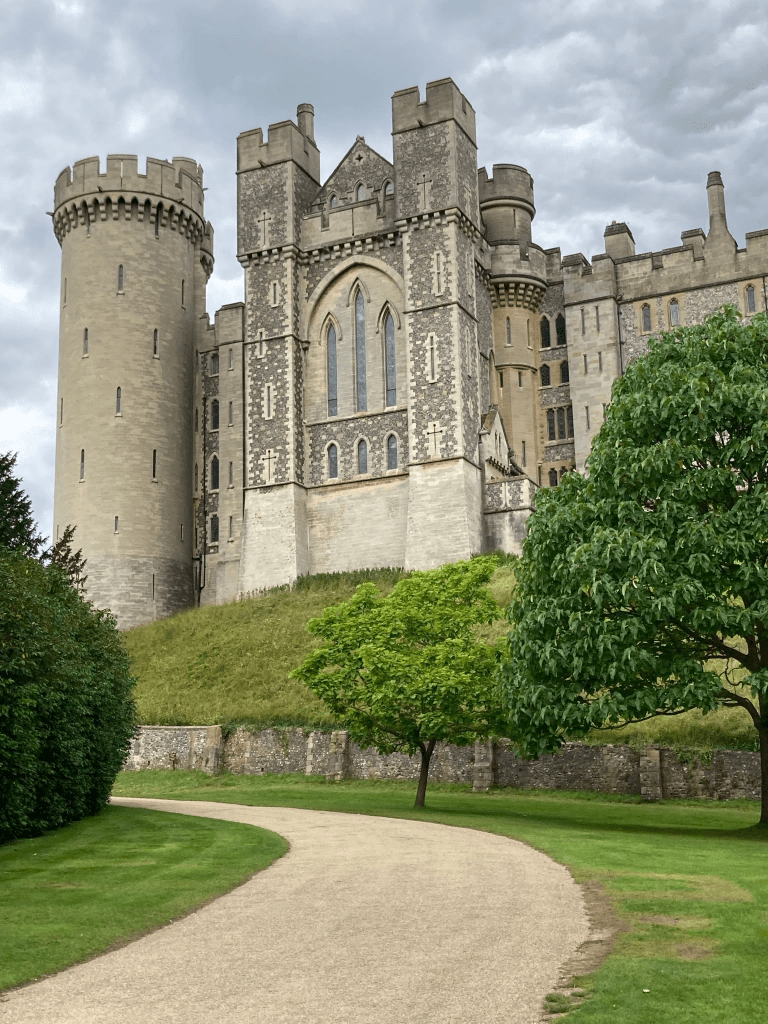
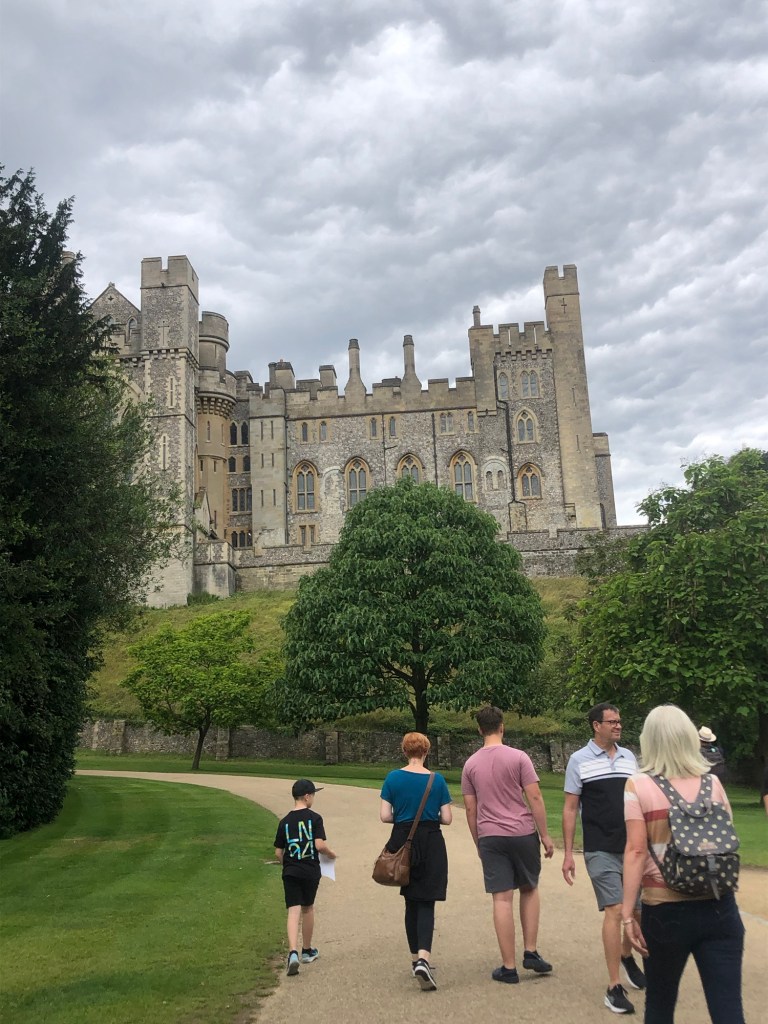
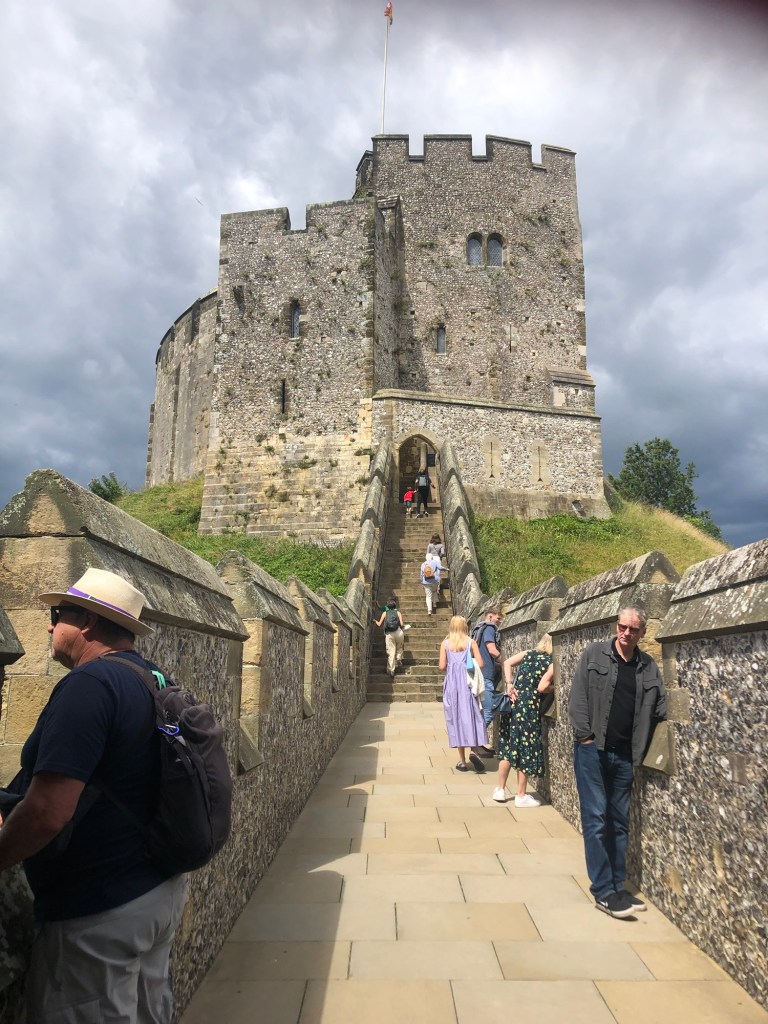
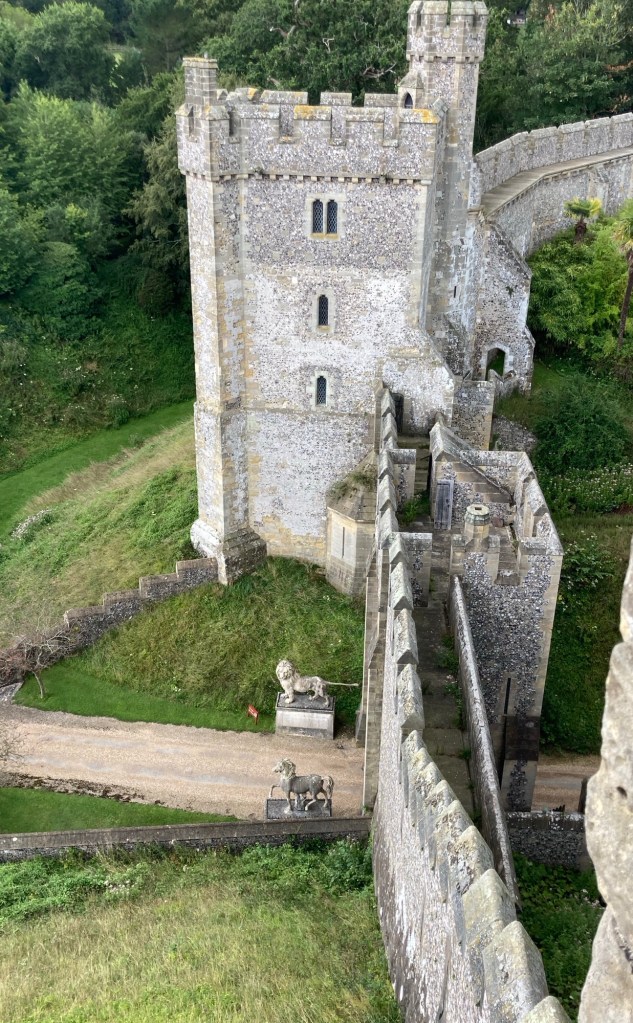
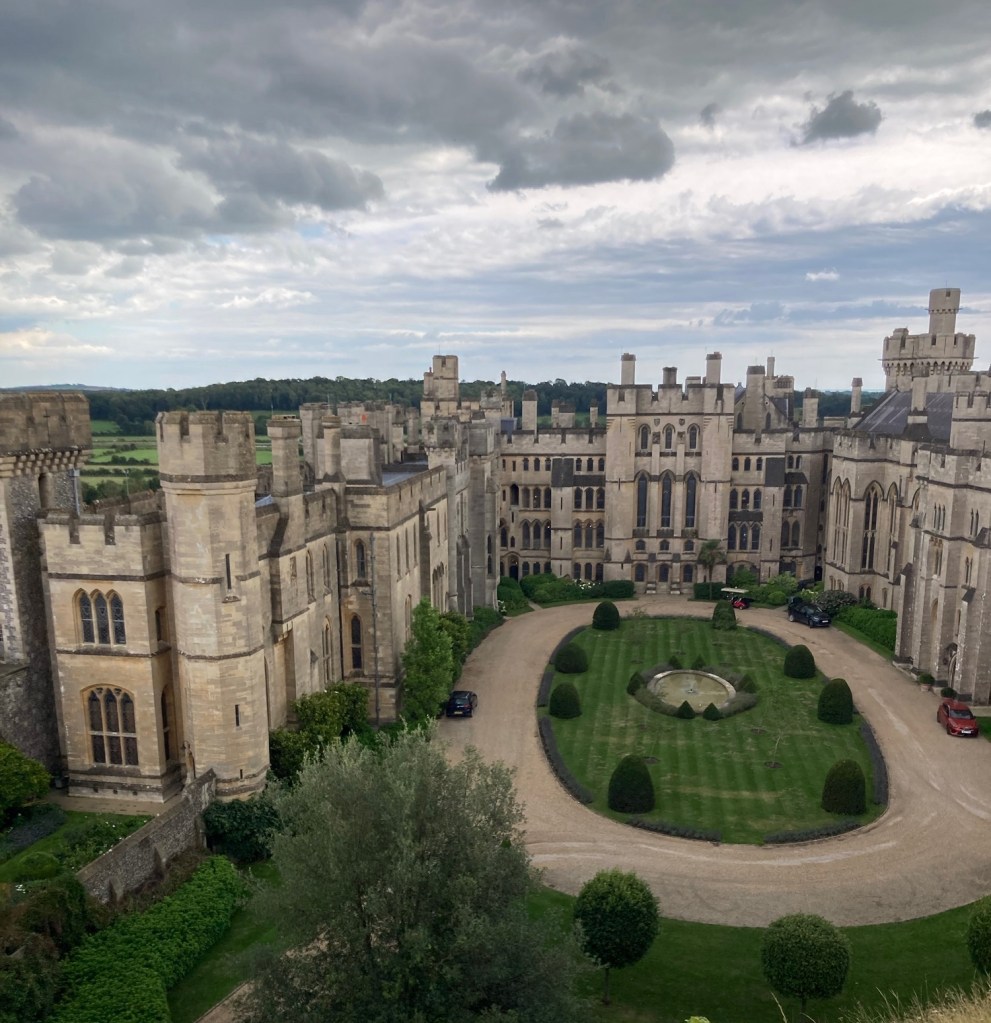
Was a much nicer today as Celia, Chris, Kim and I headed off in the car to Arundel castle. Last time Kim had been here was in 1979! Although we have seen many castles by now, we particularly enjoyed this one as it was a living castle, with the family living on the premises. Because of this it had a more homely feel, with books on the table etc.
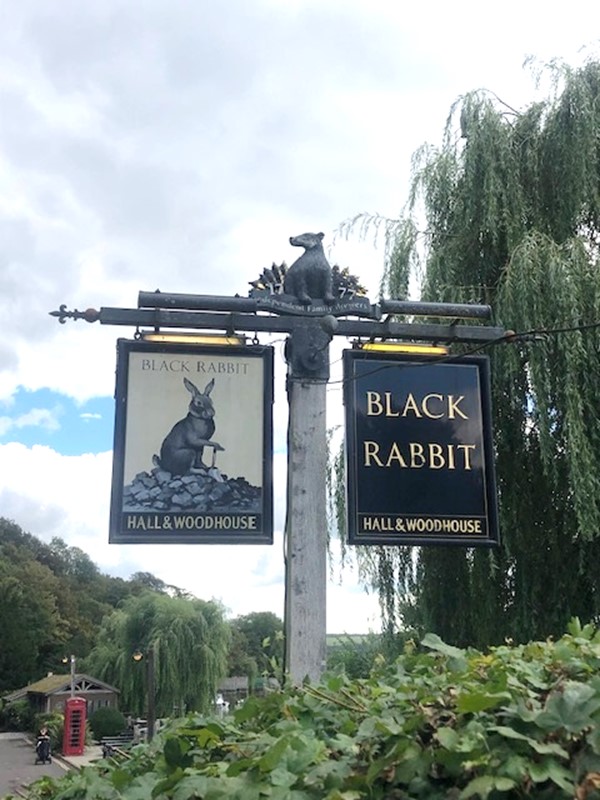
However, before we visited the castle we walked down a pretty country road to the ‘Black Rabbit’, for a delicious lunch in a very picturesque setting by the river.
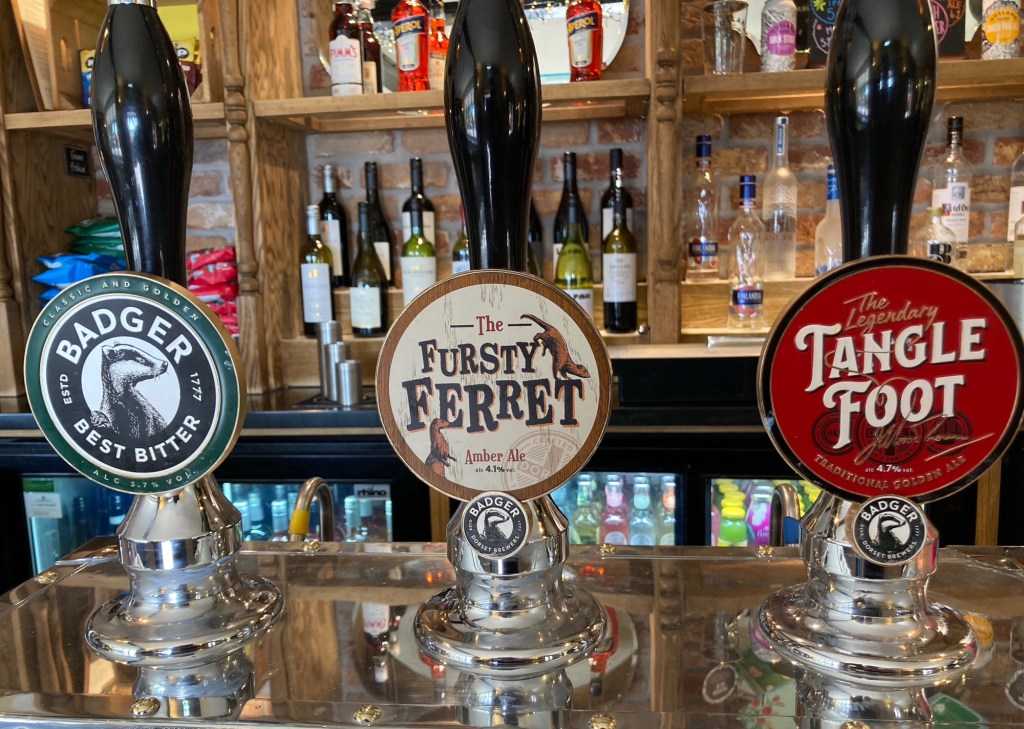
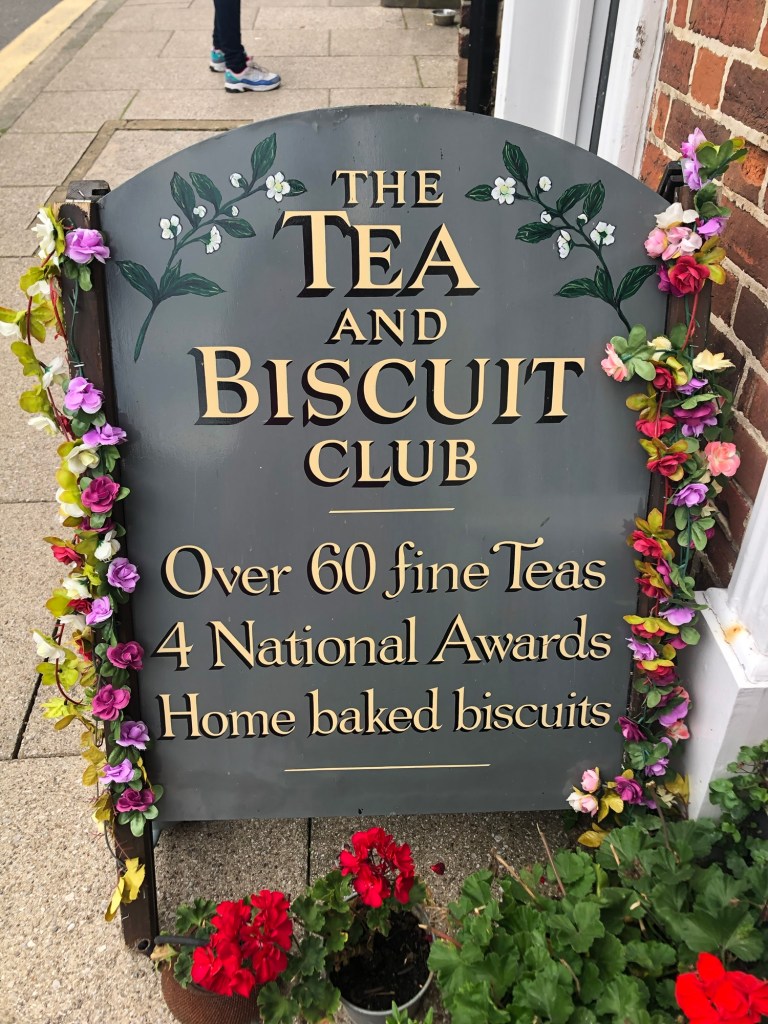
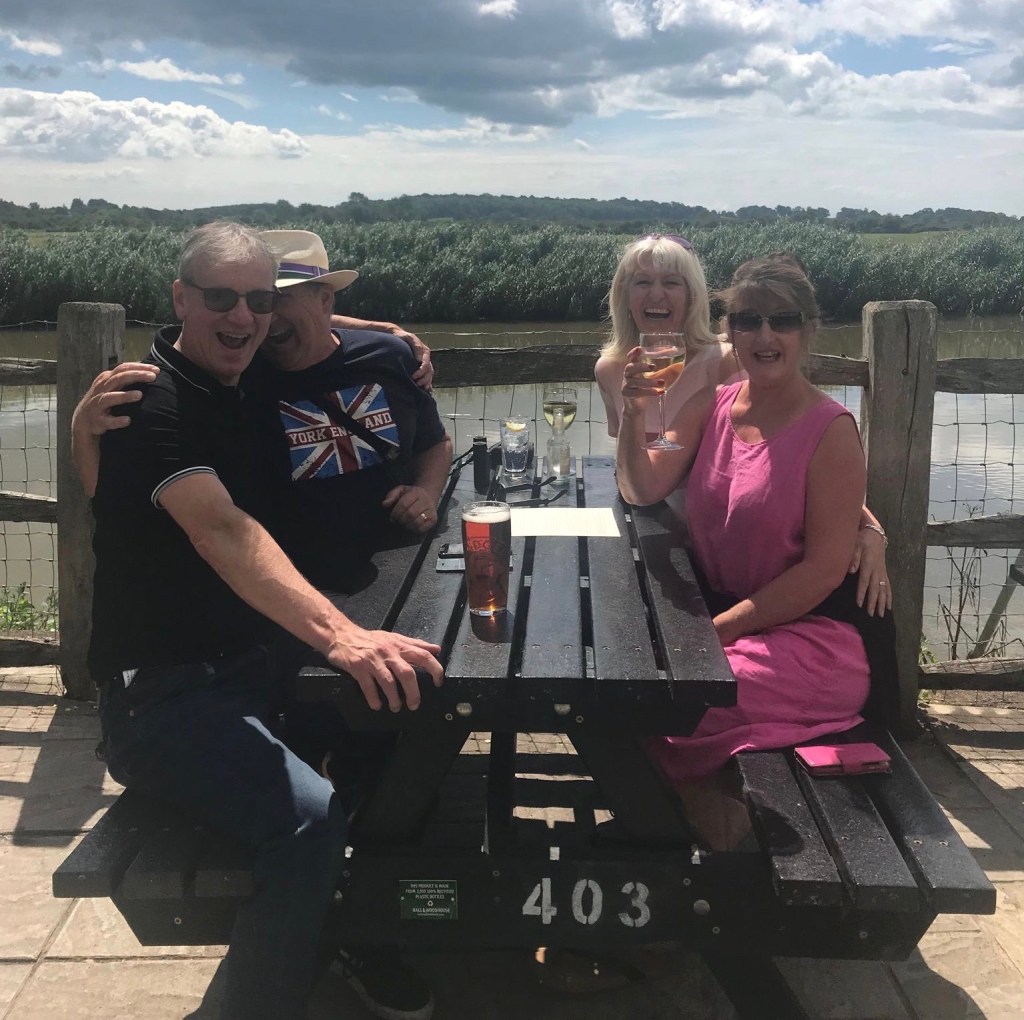
The Black RabbitGreat beer brands!Didn’t know you had to join a club to enjoy tea & biscuits!
Off to the castle……
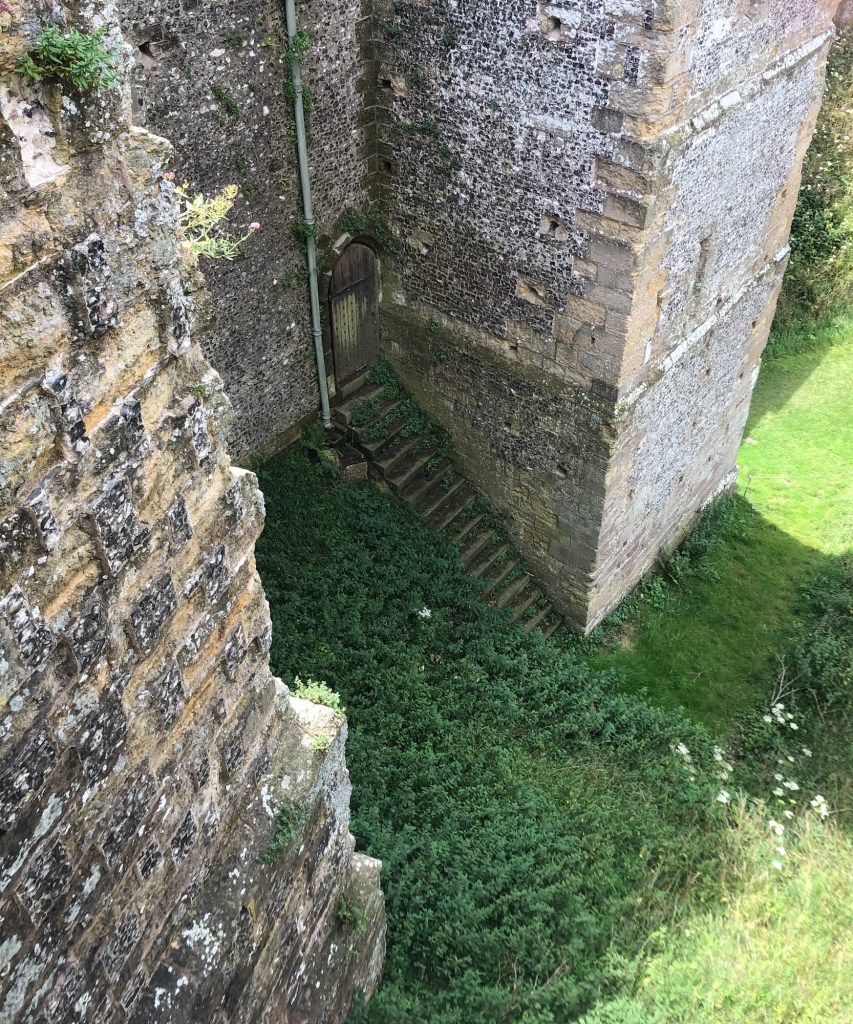
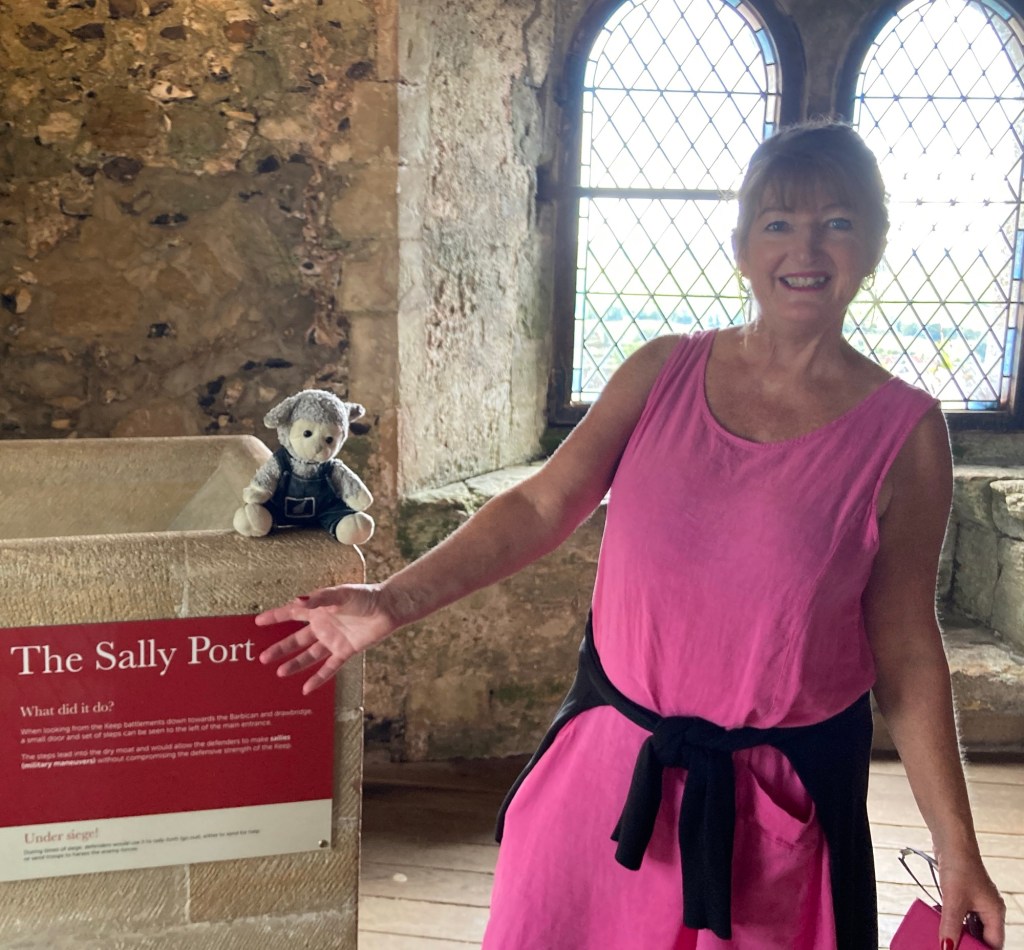
Off to the CastleWalking to the ‘Keep’. Chris, on the right, probably thinking “come on Kim, how long do you need to look at a view?!”The steps and door are called a Sally PortThe steps lead to a dry moat, and would allow the defenders to make ‘sallies’ (defensive manoeuvres) without compromising the defence of the Keep. Hence ‘to sallie forth’This is a family residence for the Duke of NorfolkOn top of the Keep
And now interior photos…..
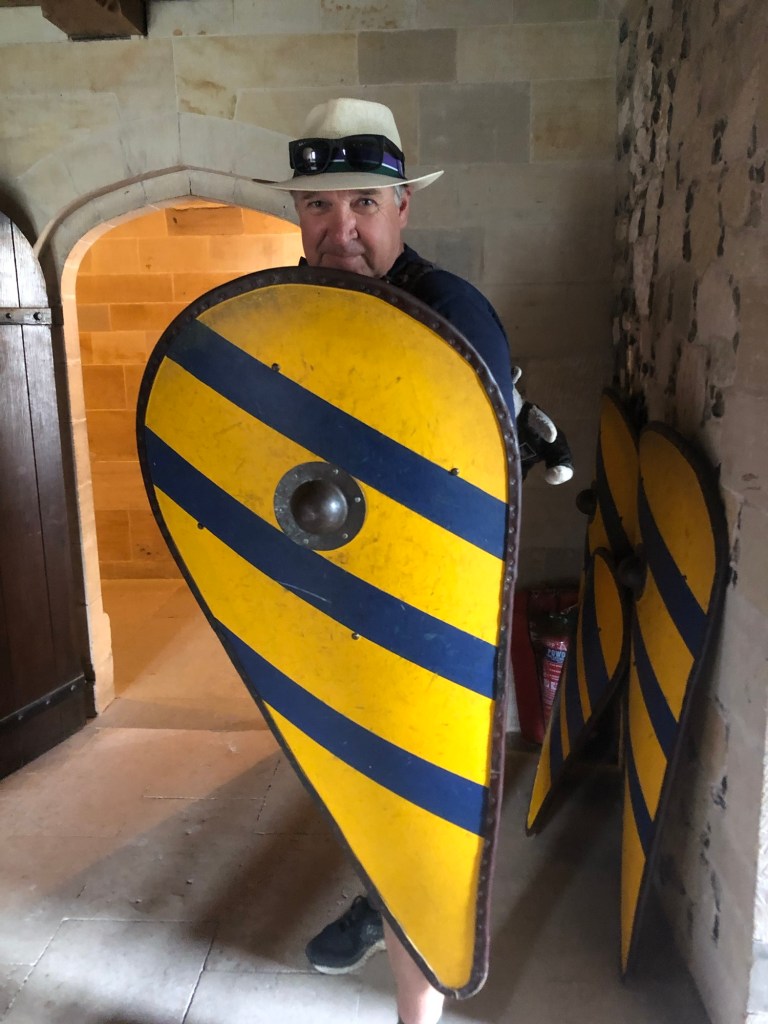
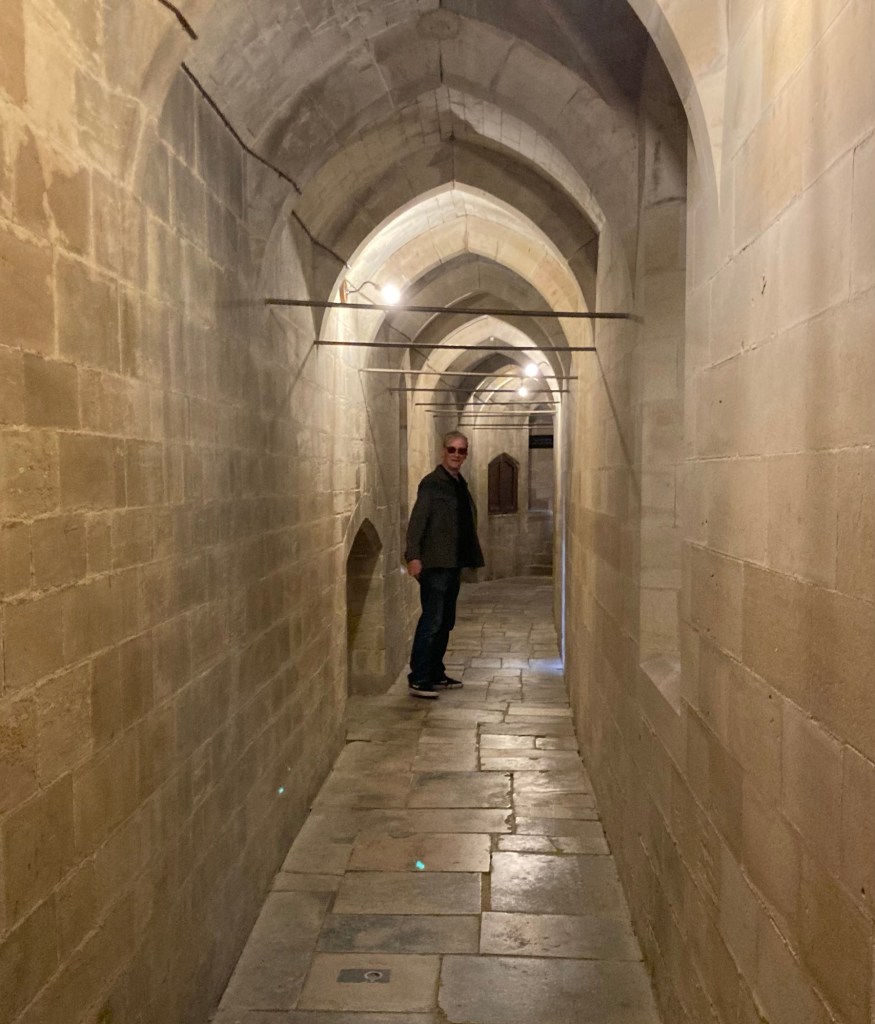
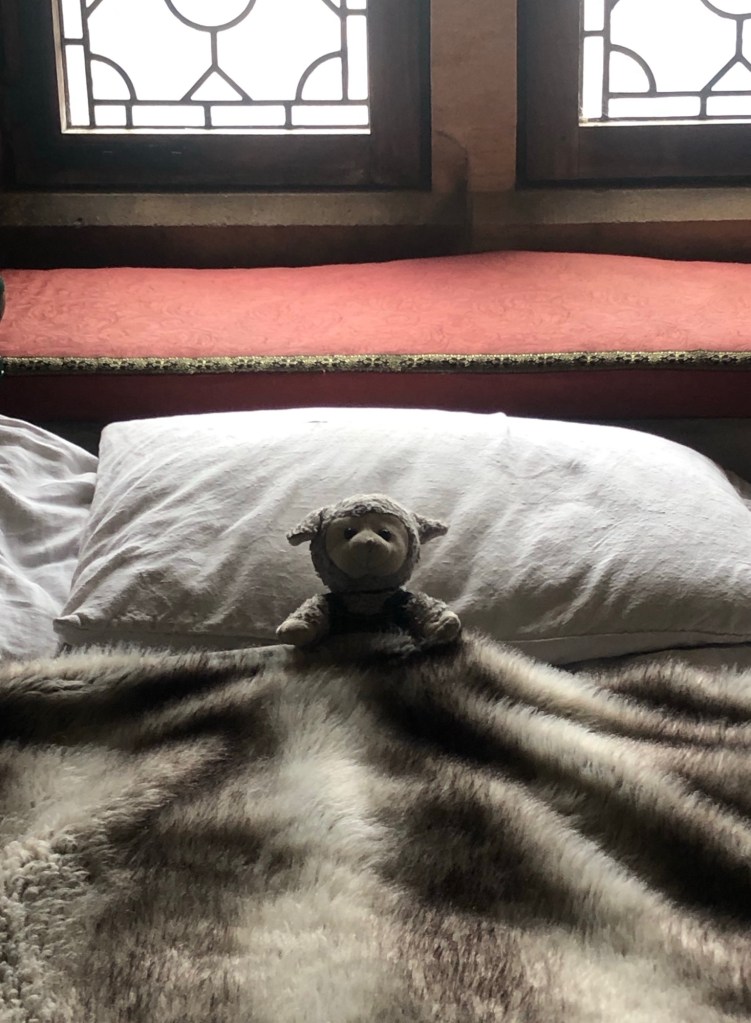
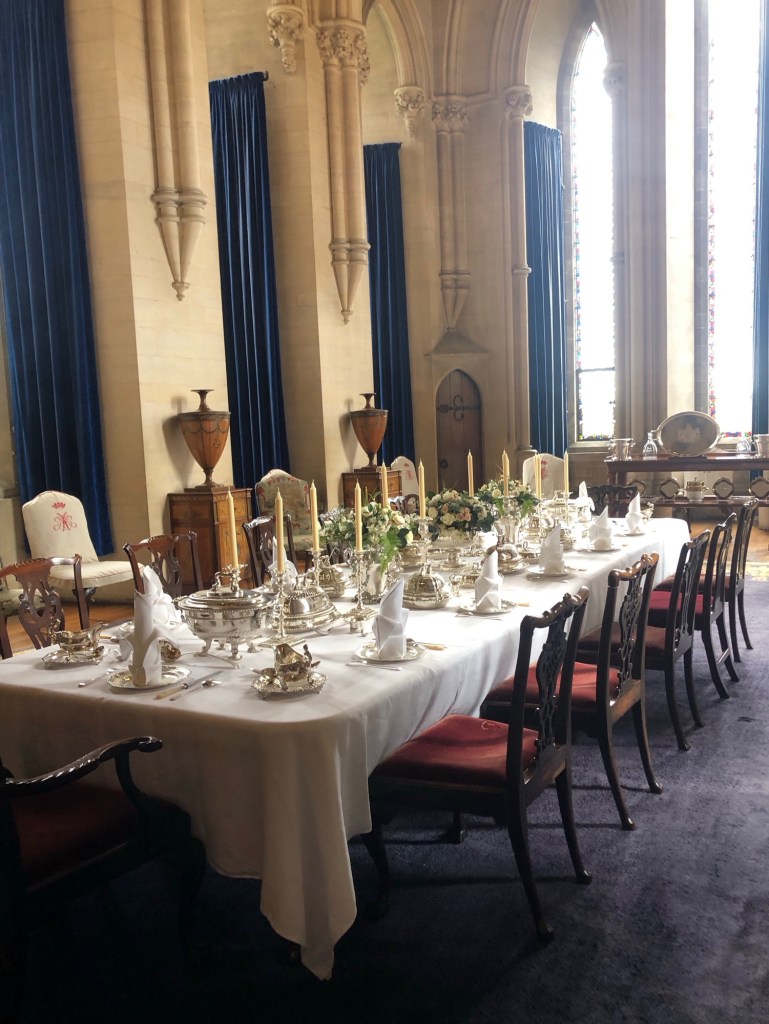
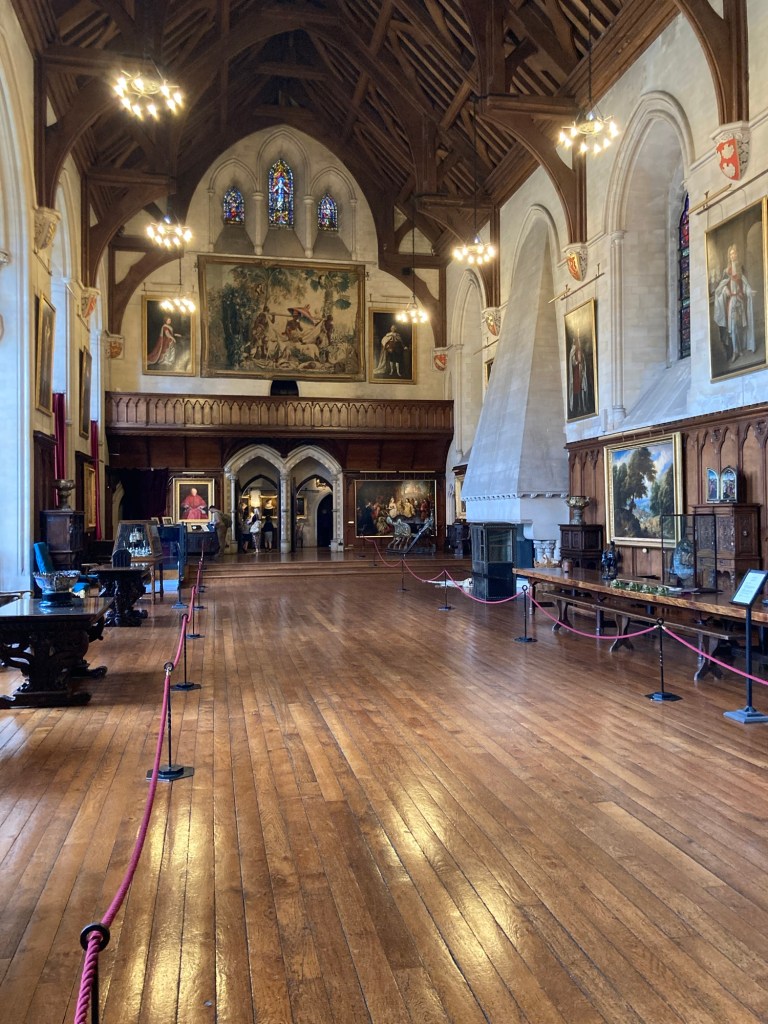
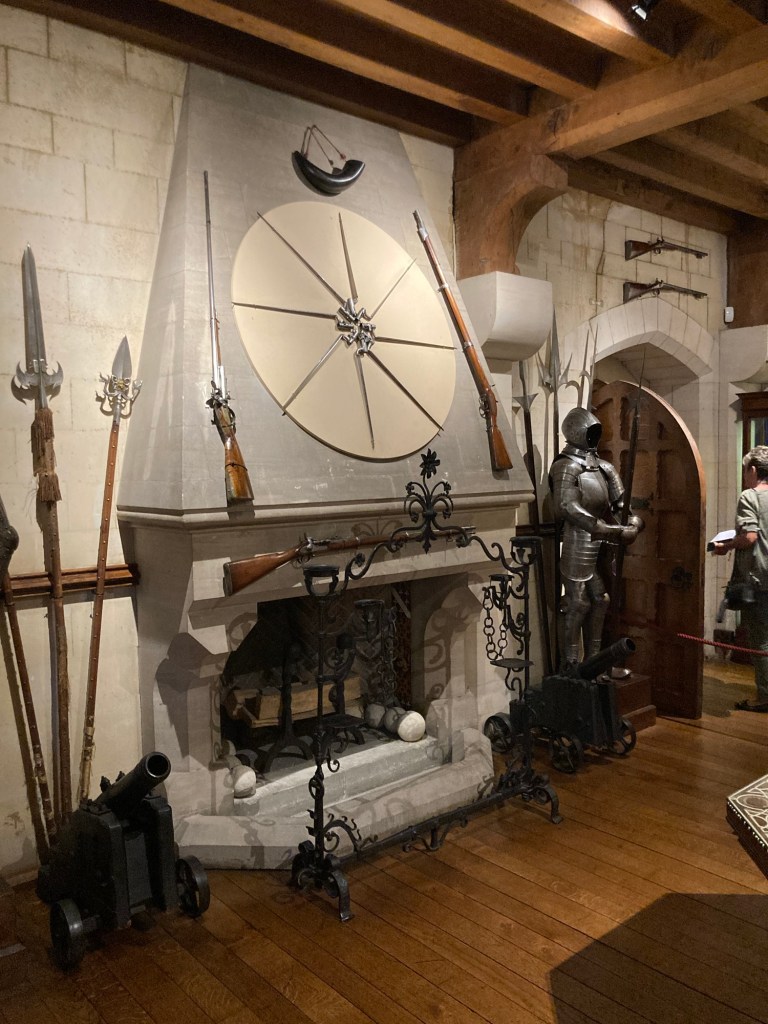
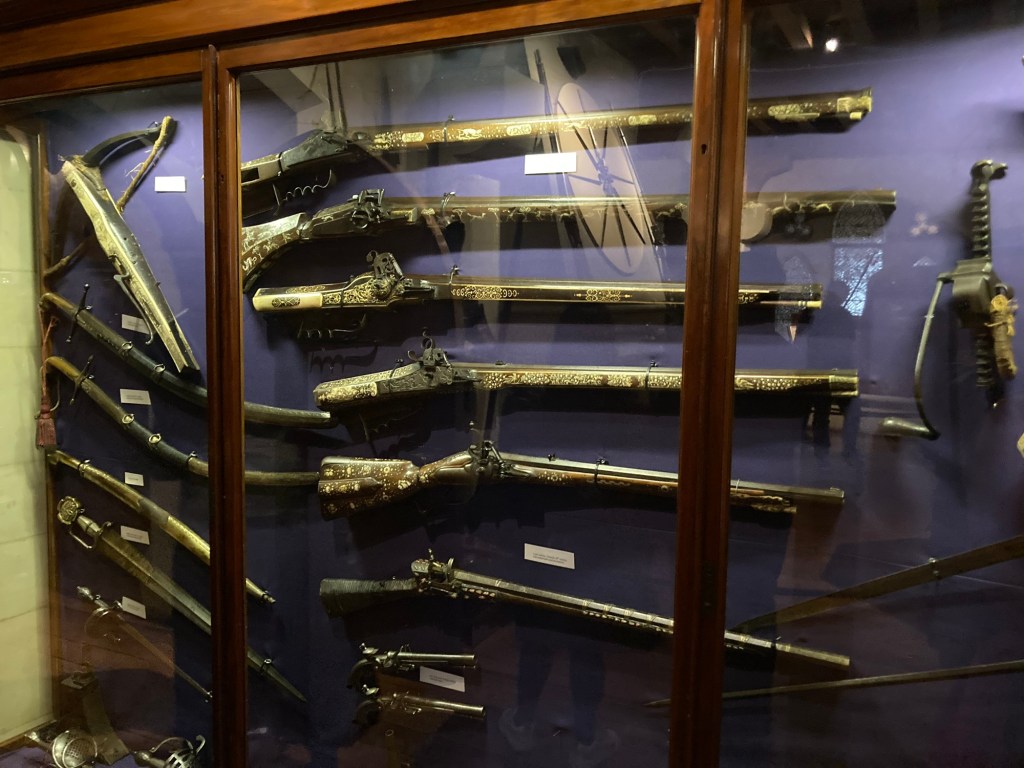
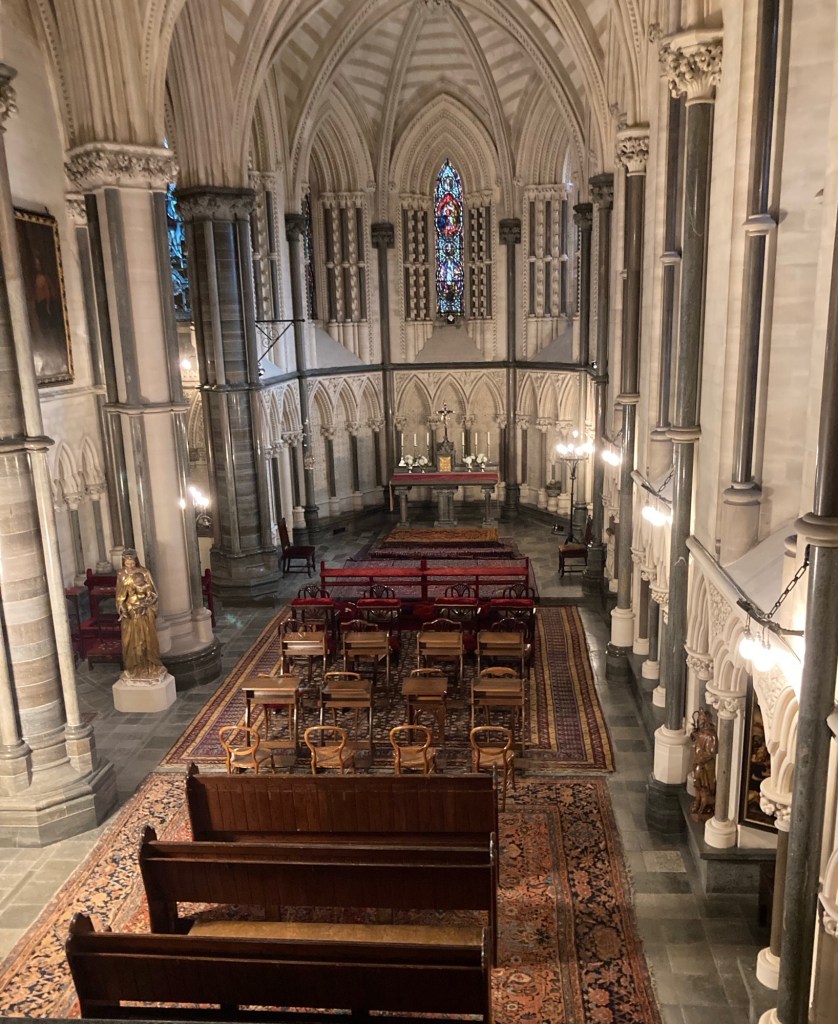
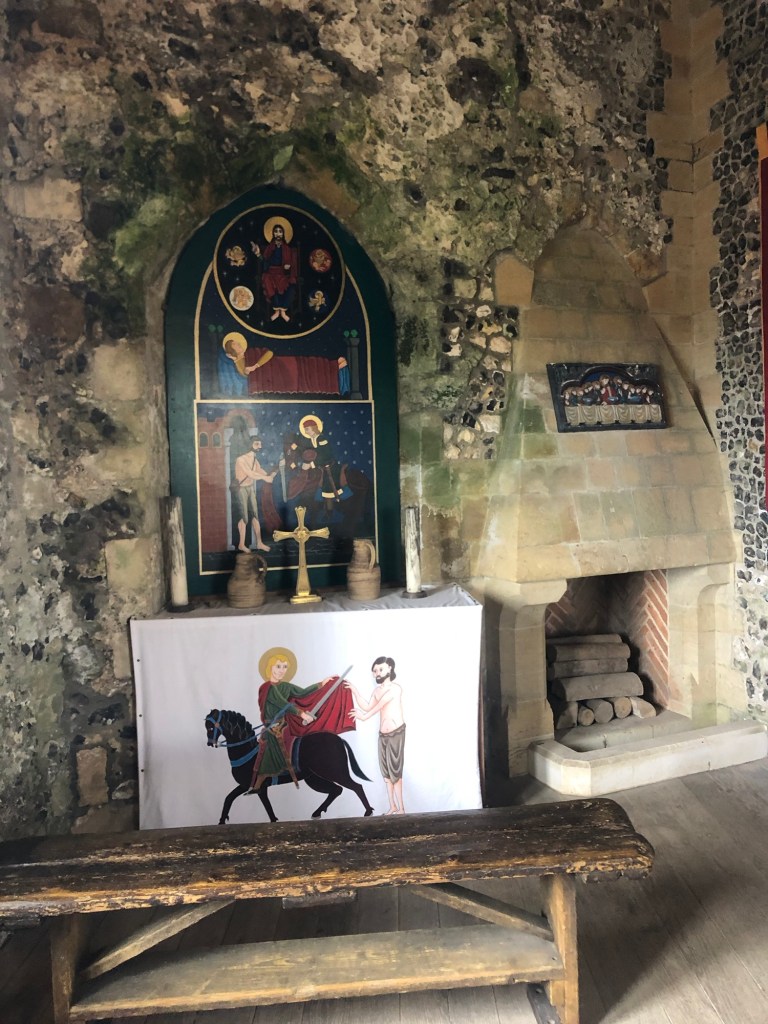
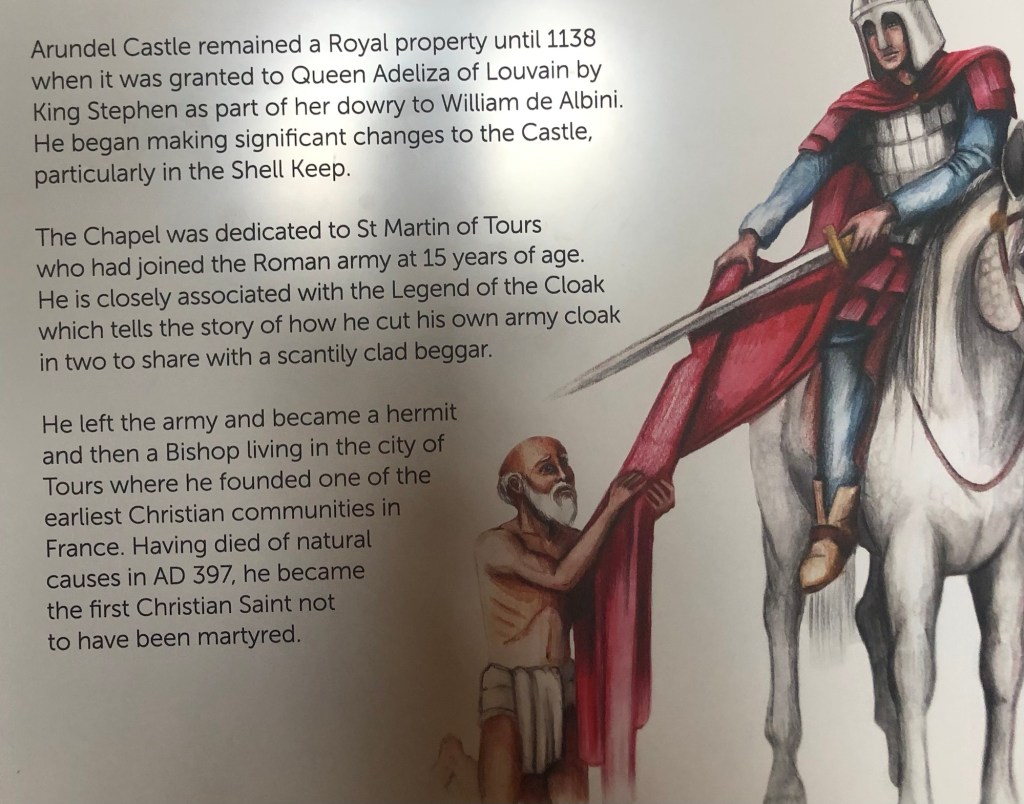
Ready for anything Role play!Lots of passageways Shaun trying out one of the beds for sizeThis table setting is still used by the familyThe armouryArmaments displayThe family don’t have far to go to church – they have their own private cathedral!Cute little St Martin’s chapel
The story behind the chapel…..
The story behind St Martin
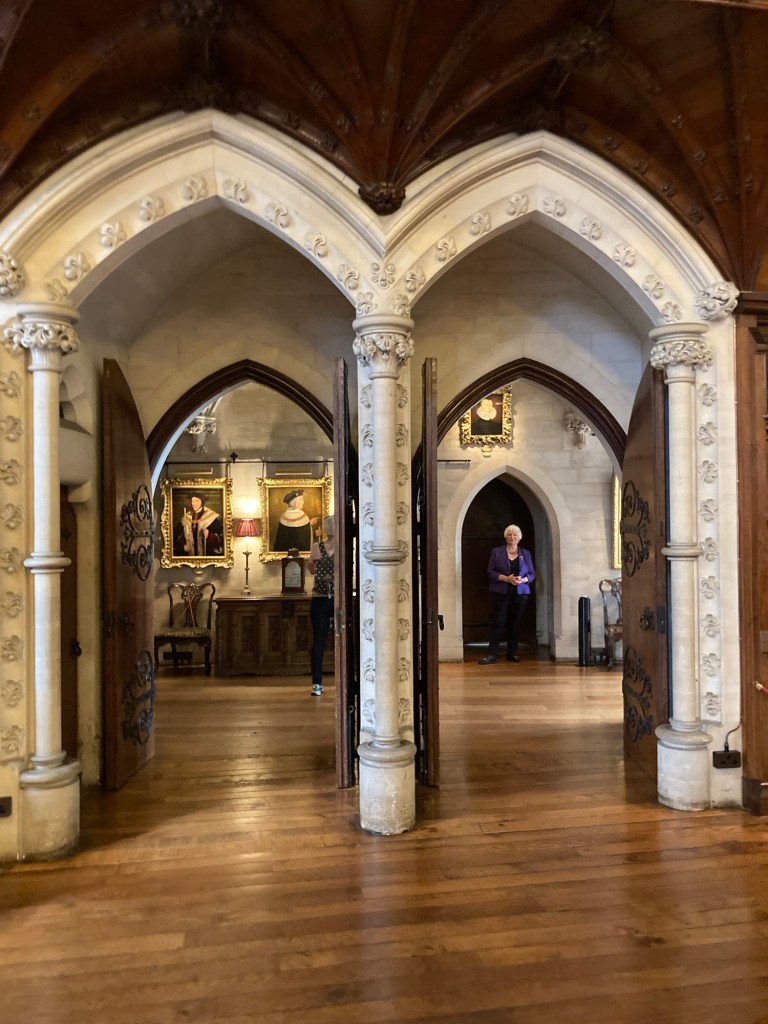
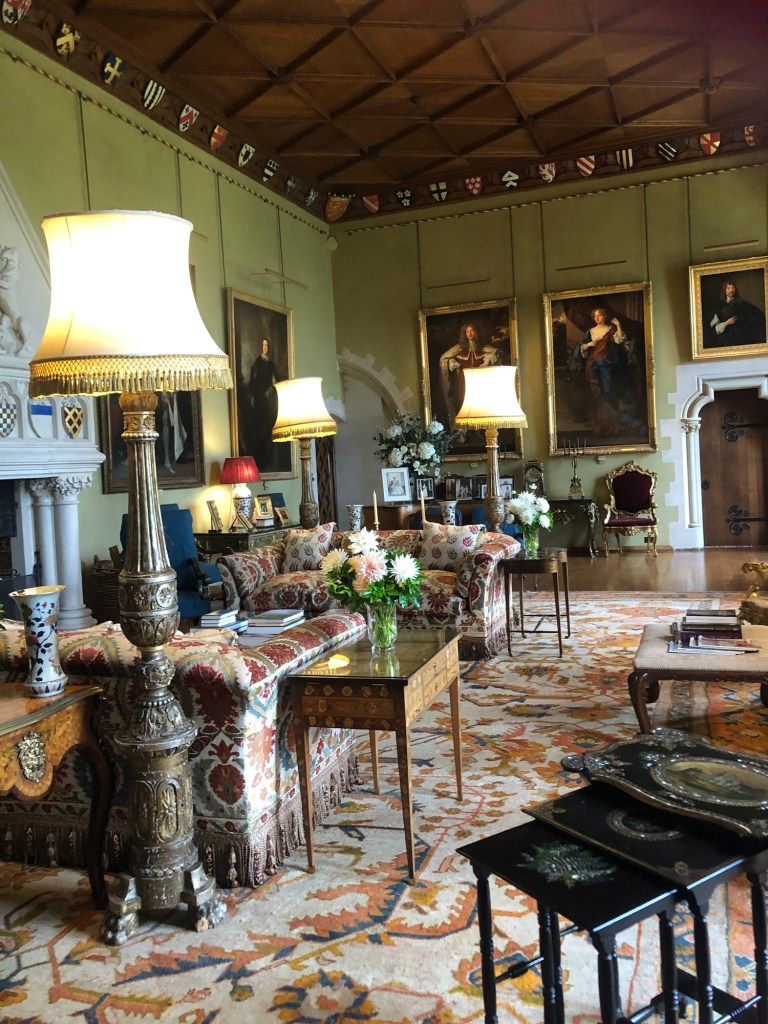
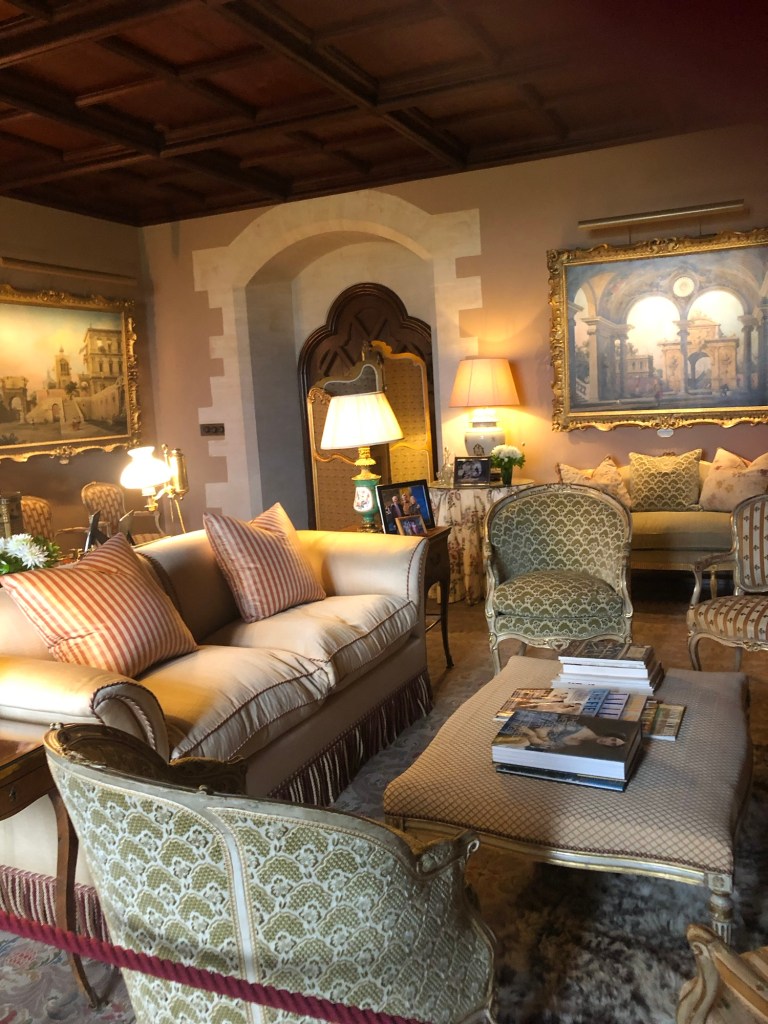
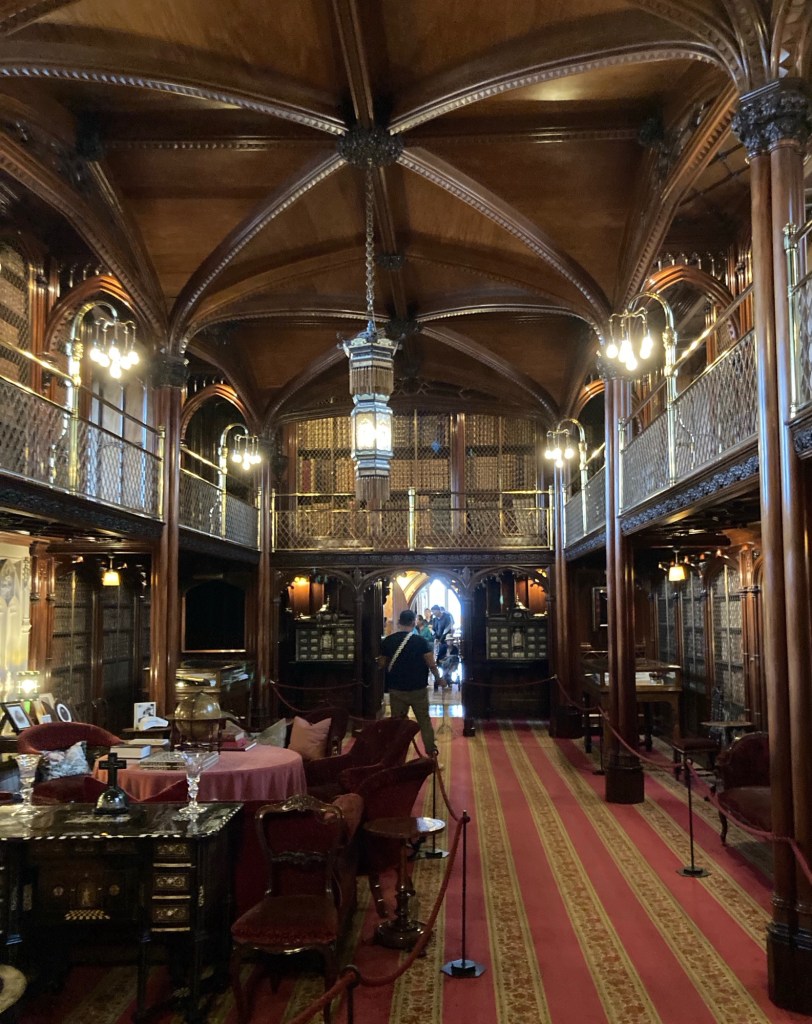
Some of the rooms in the castle
One of the sitting roomsAnother sitting room How about this for a library!
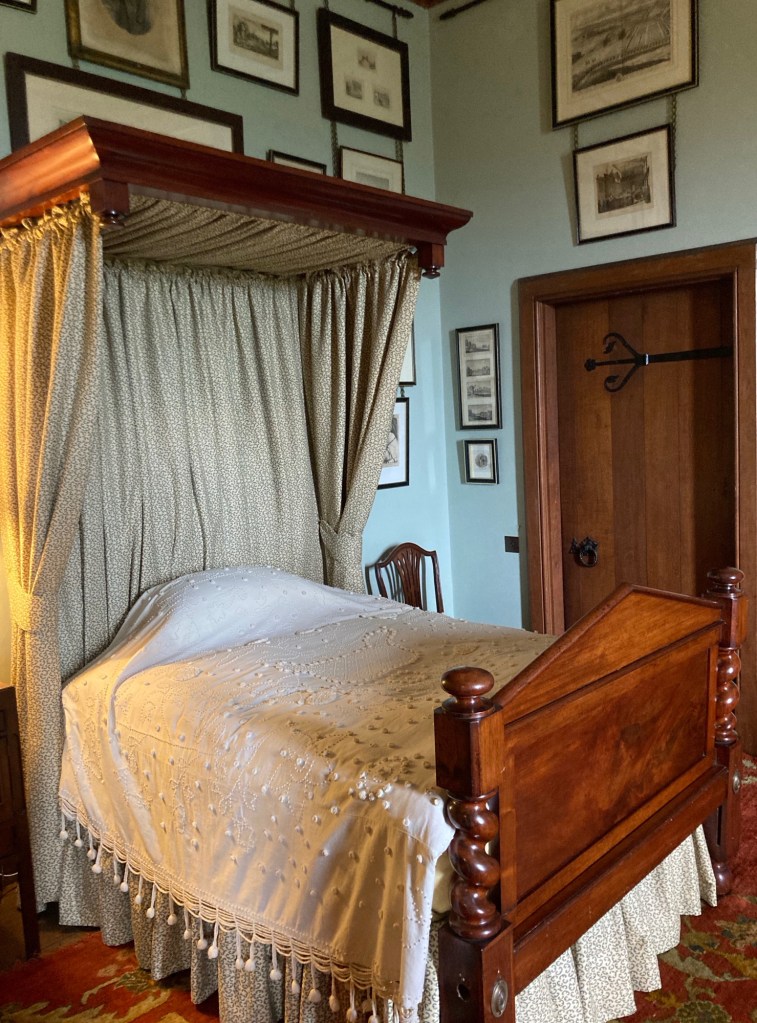
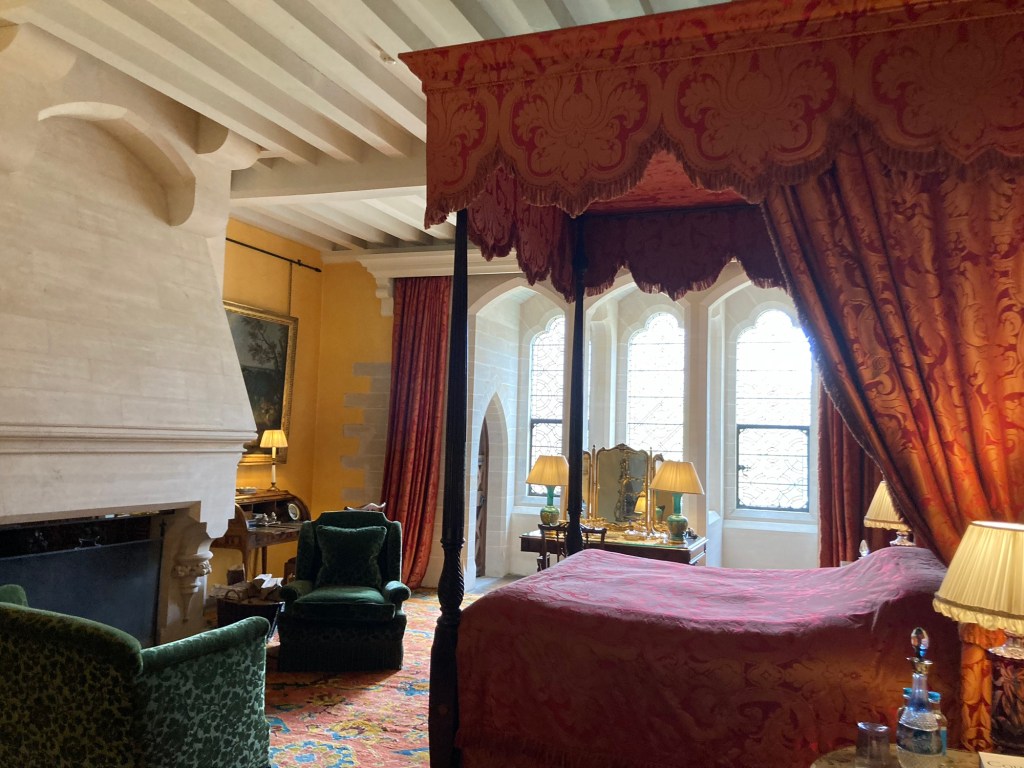
Some of the spacious guest bedrooms
One of the guest roomsAnother guest room
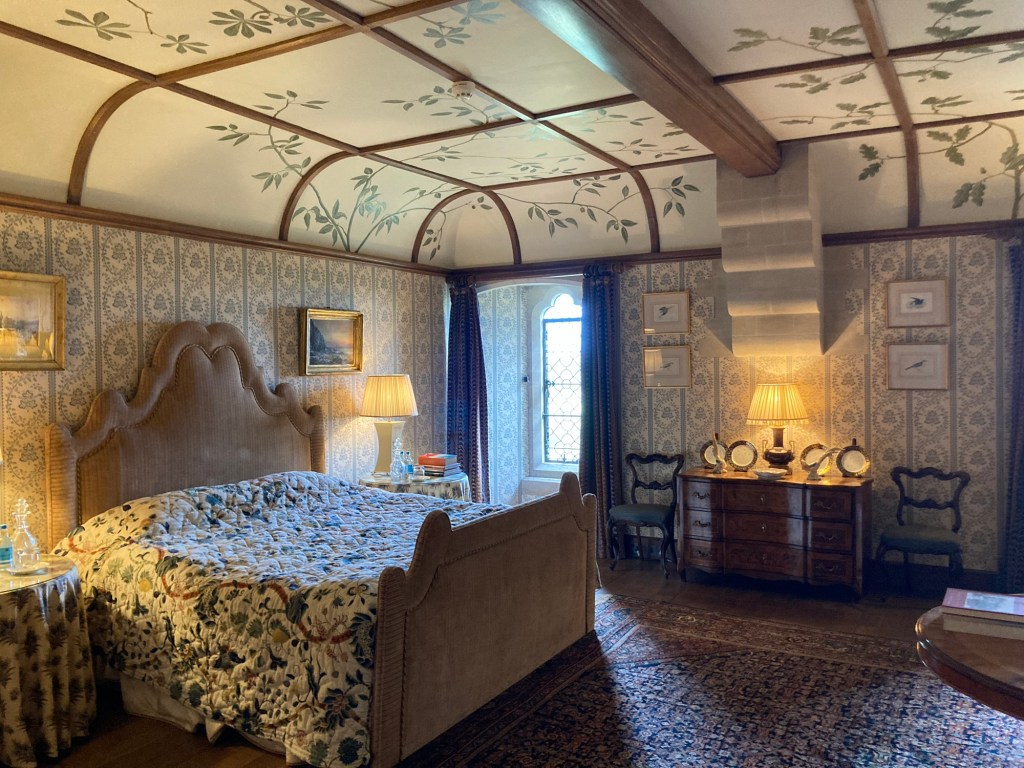
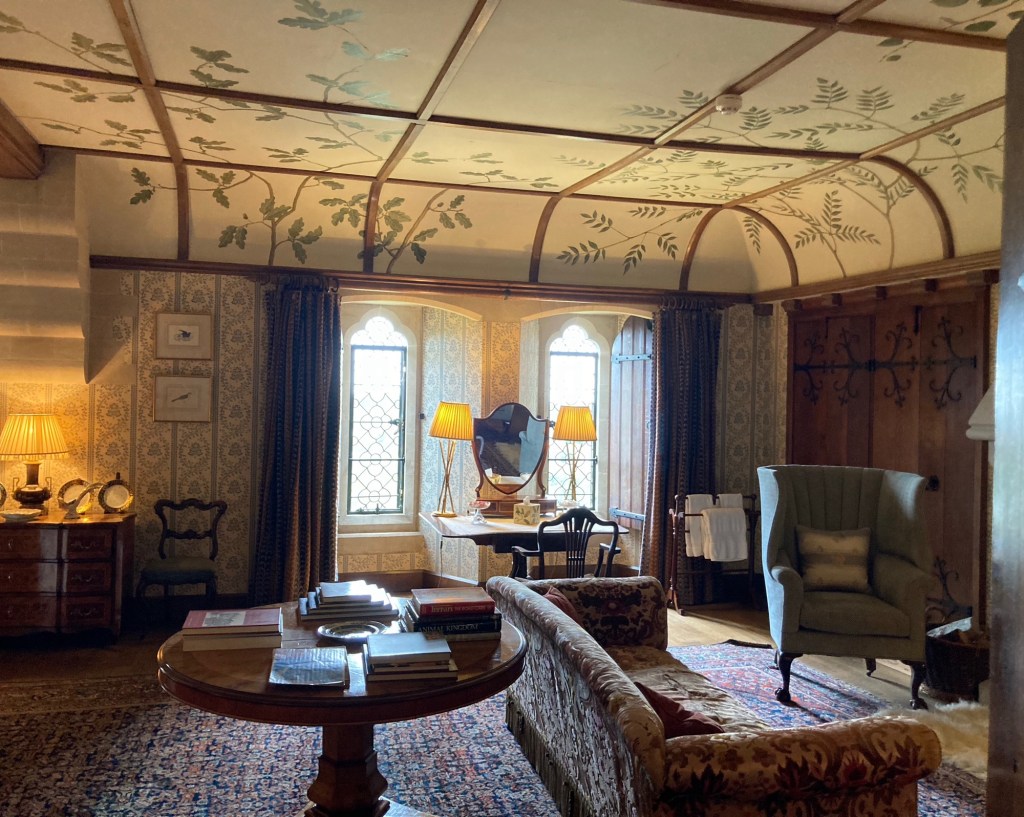
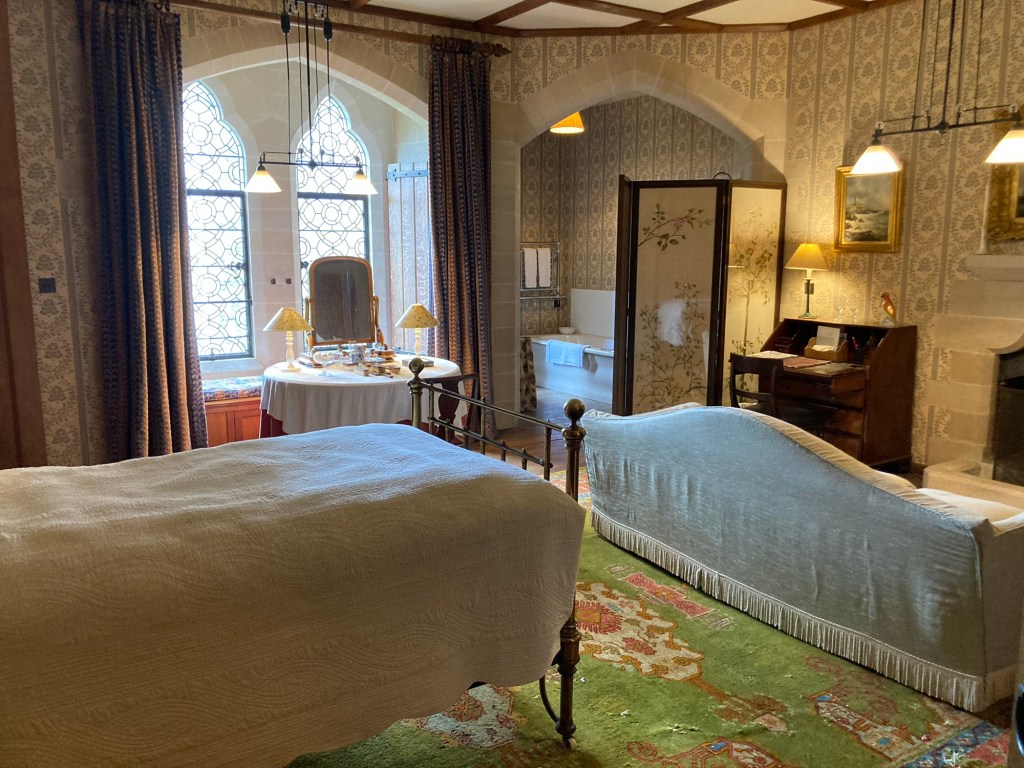
And my favourite! I particularly love the ceiling which depicts trees from the garden
The other half of the bedroomBedroom with a charming alcove
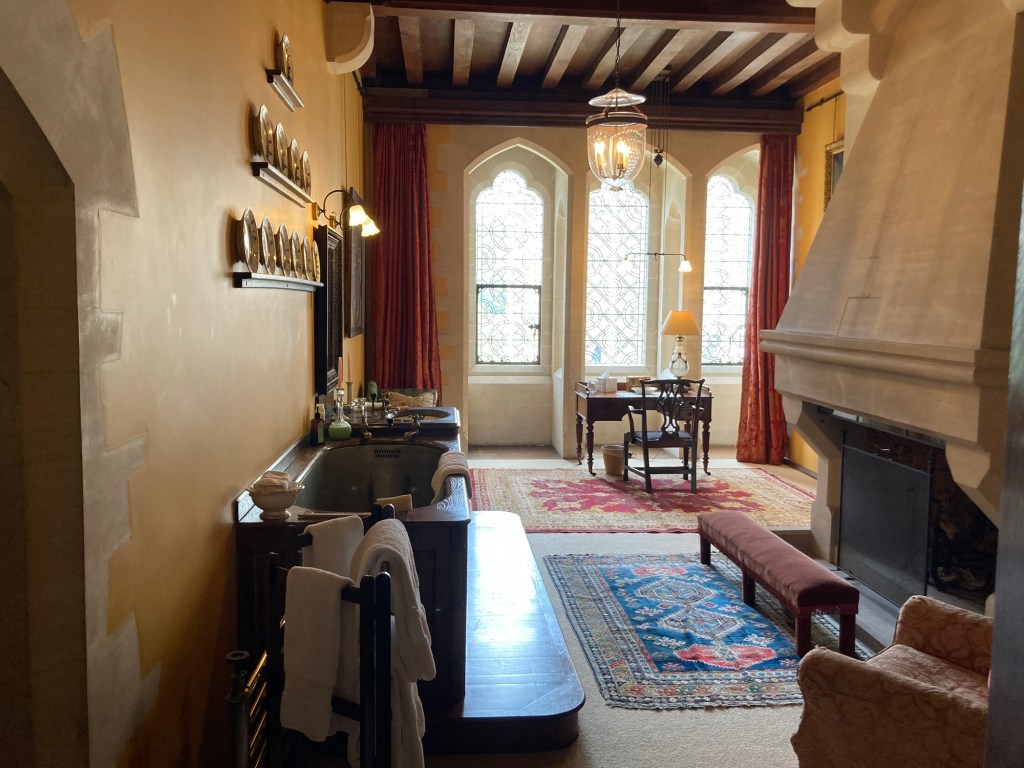
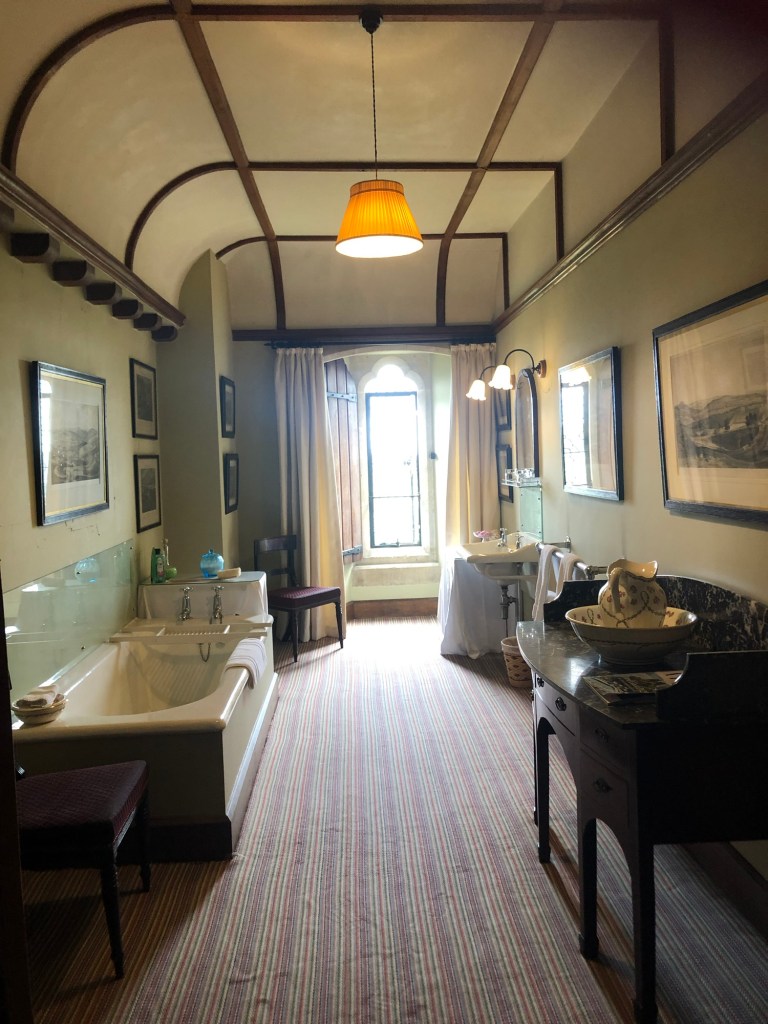
Guest bathrooms
Guest bathroom – bath on left and a desk by the window!Huge bathrooms
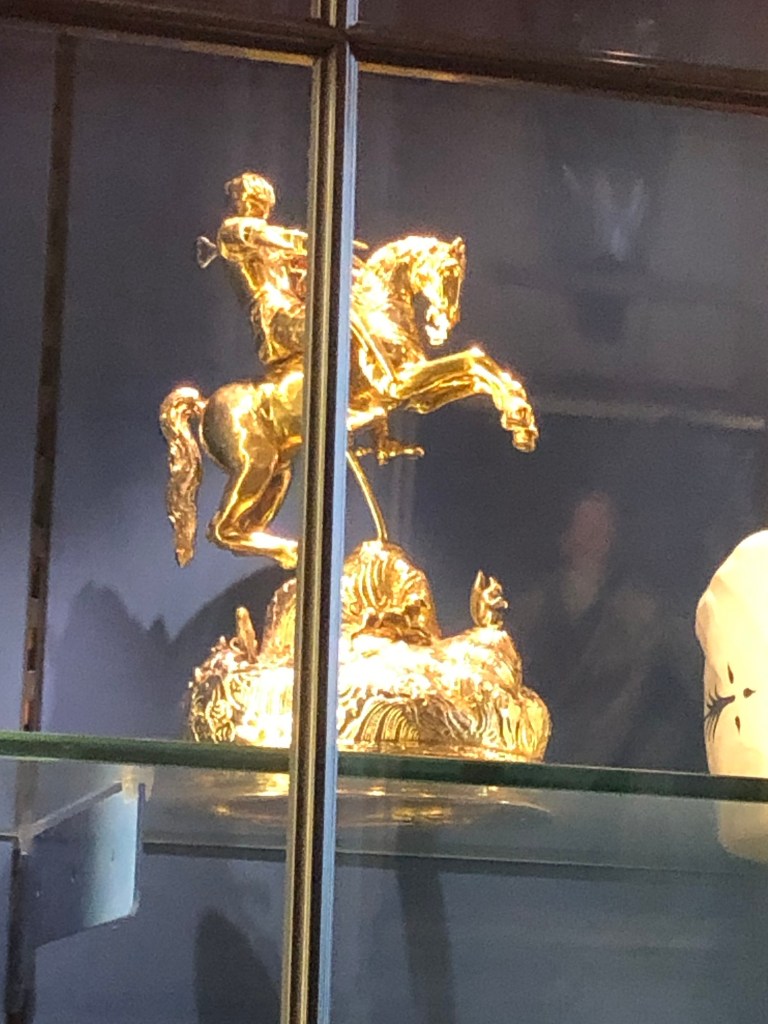
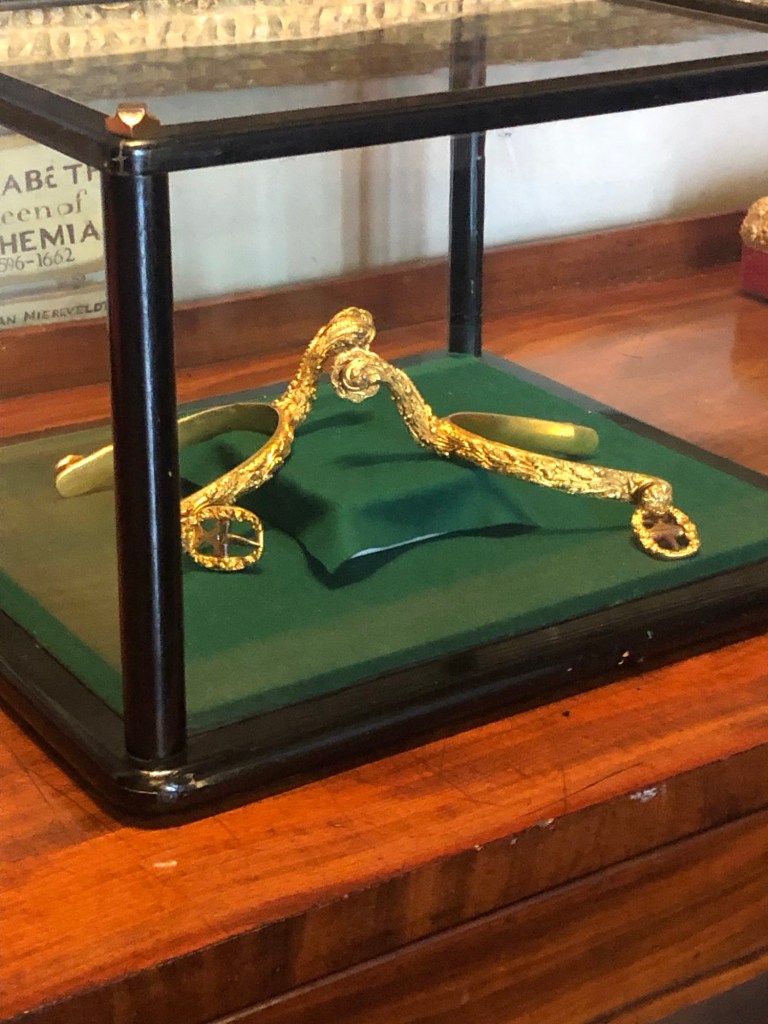
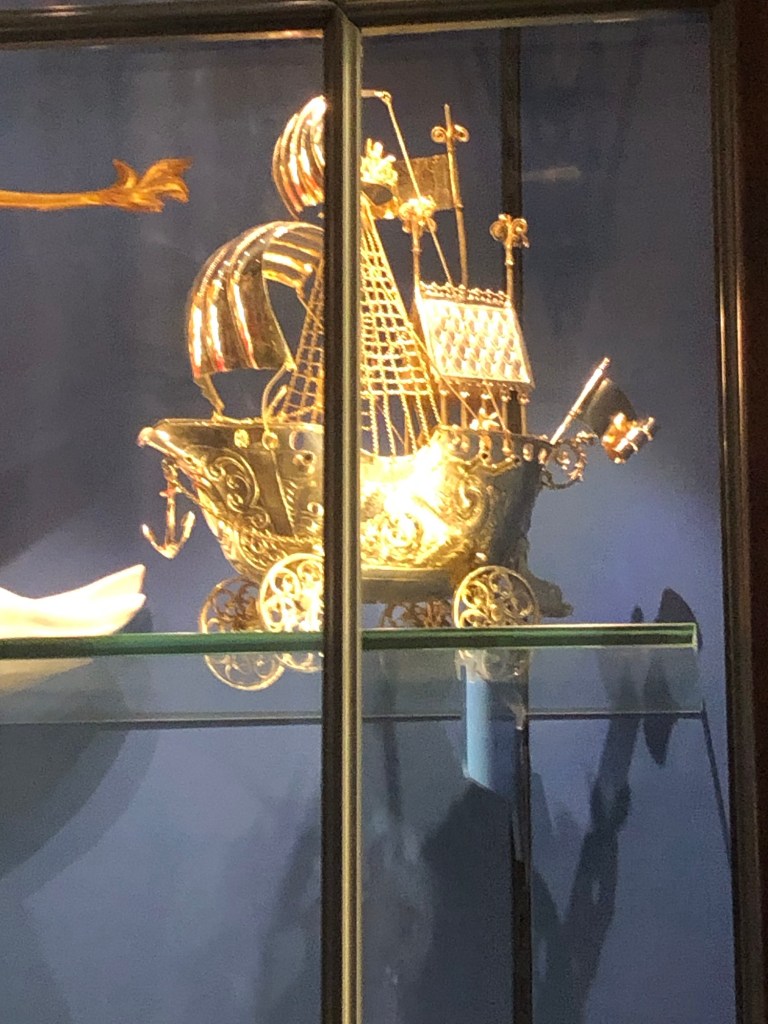
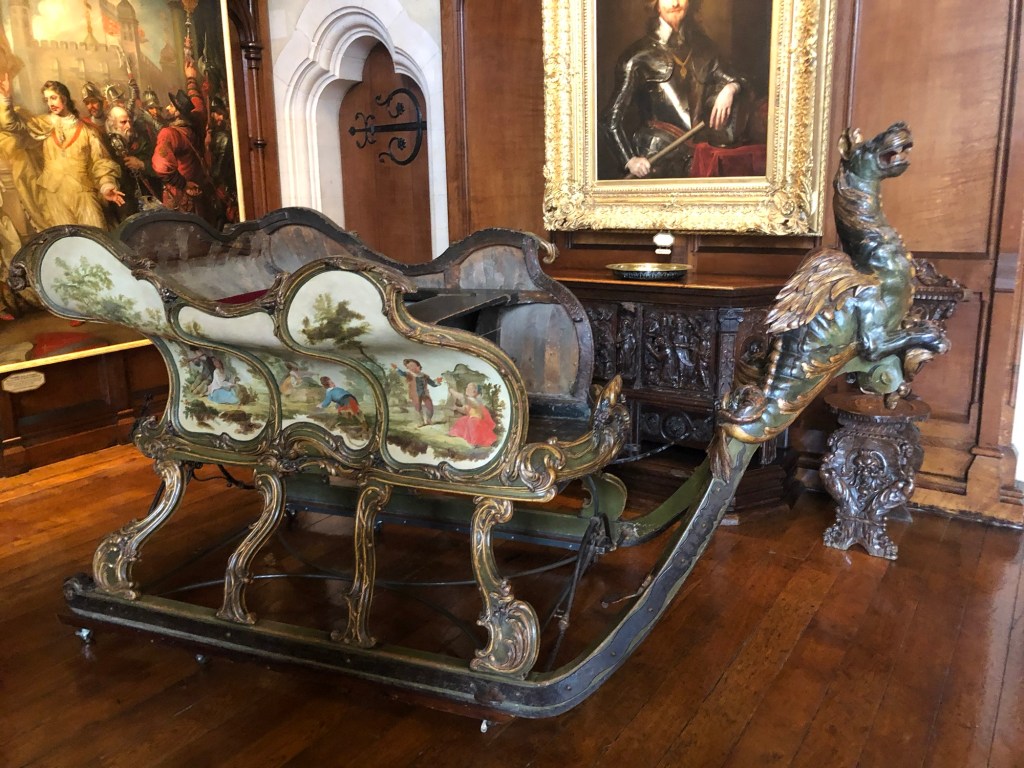
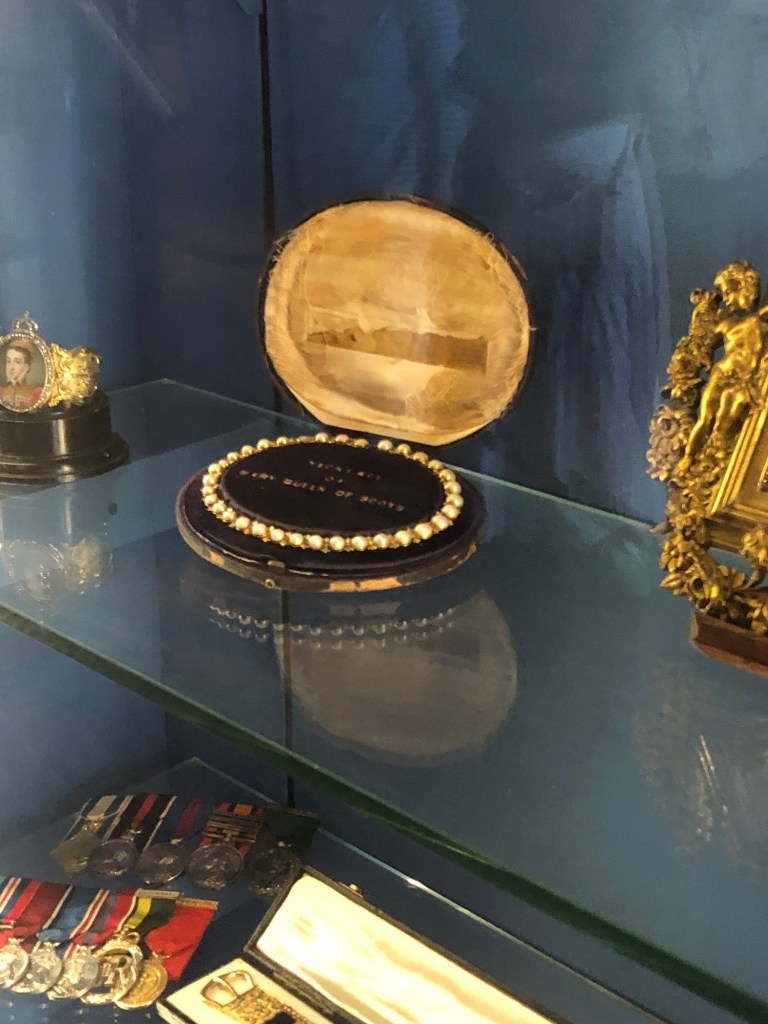
Some of the beautiful, valuable objects in the castle
Gold spurs belonged to Winston ChurchillFunky chariot shipVery cute sleigh Pearls worn by Mary Queen of Scotland Ornate carved pillar Lovely tapestry on staircase
We then had a look around the gardens. A lovely day!
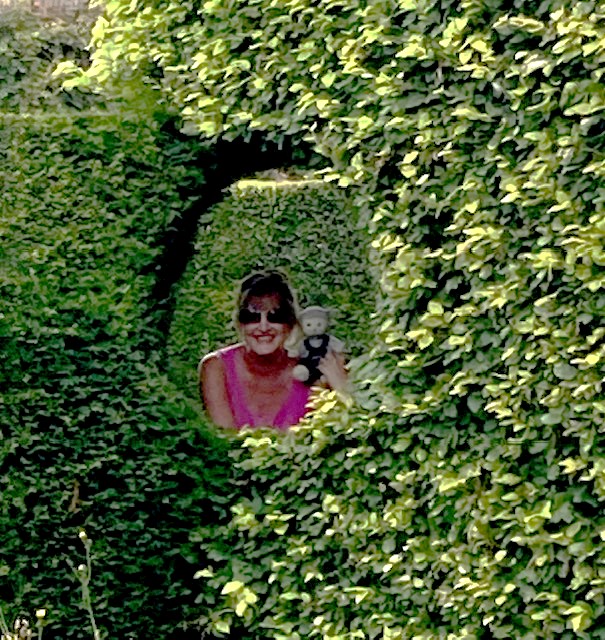
Two Roses in the gardenTea partyLovely place to sit and read or just chillAmazing what you see through a hole in the hedge!
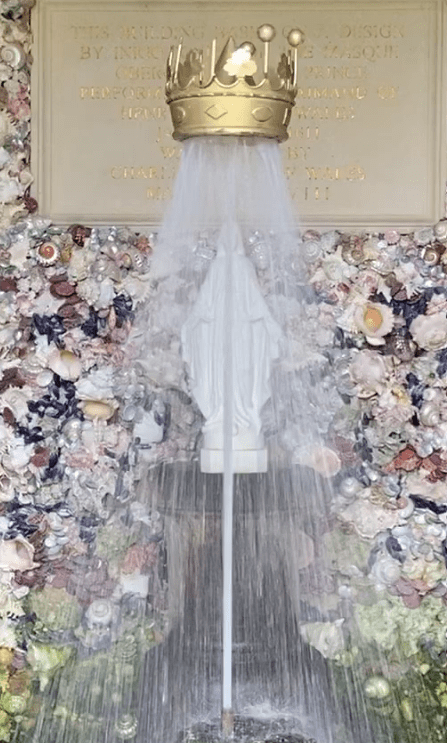
Such a cool effect.
Crown suspended on fountain This crown rotated on the water jet, amazing effect
Left our housesit in Croydon and trained to Worthing. Lovely day until we got off the train and the rain started.
Dropped our bags at the AirBnB then went to visit Kim’s cousin Celia and her partner Chris, and two daughters Ruth and Charlotte. Our host kindly drove us there because of the weather. Had a really nice afternoon eating and catching up on family news, time flew and before we knew it was 7pm!
Chris, Kim, Celia & Sally
The next day Celia and Chris called round and we walked to the waterfront and caught a bus to Brighton. It was a bit of a damp day, We wandered round town, past the Royal Pavilion (which we returned to visit at a later date) and through The Lanes – heaps of jewellery shops – and had a nice pub lunch. Caught the bus back to Worthing as the weather slowly cleared.
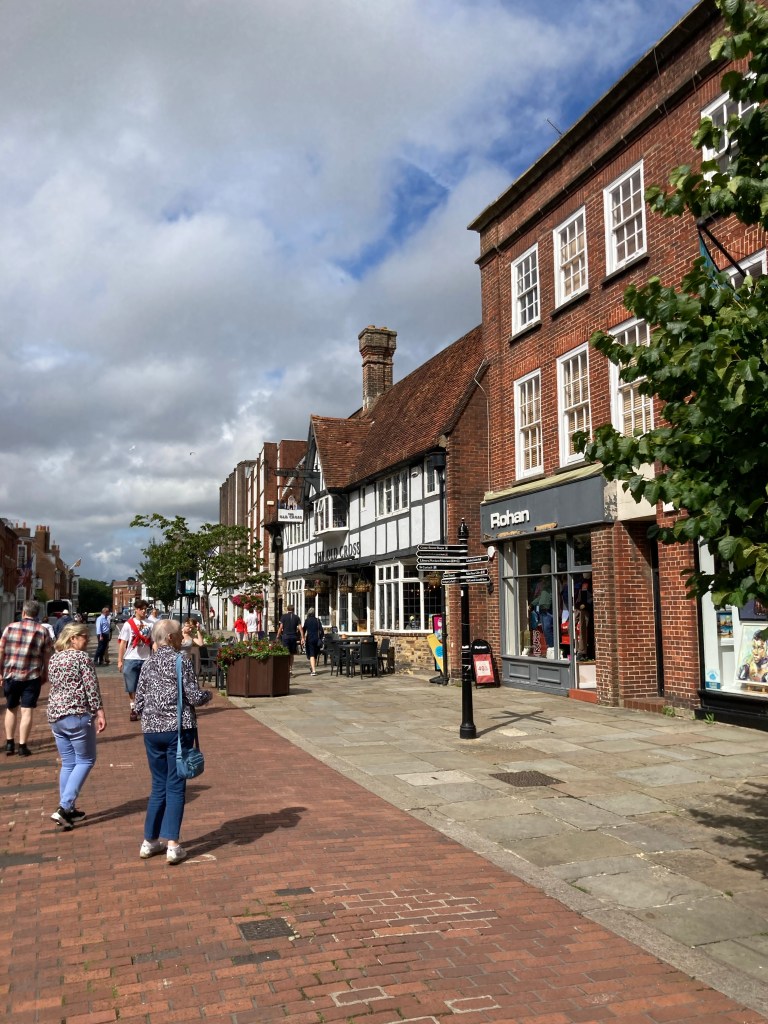
On Tuesday Celia and Chris picked us up and we drove to Chichester. Checked out the lovely old town, beautiful Cathedral and had a spot of lunch.
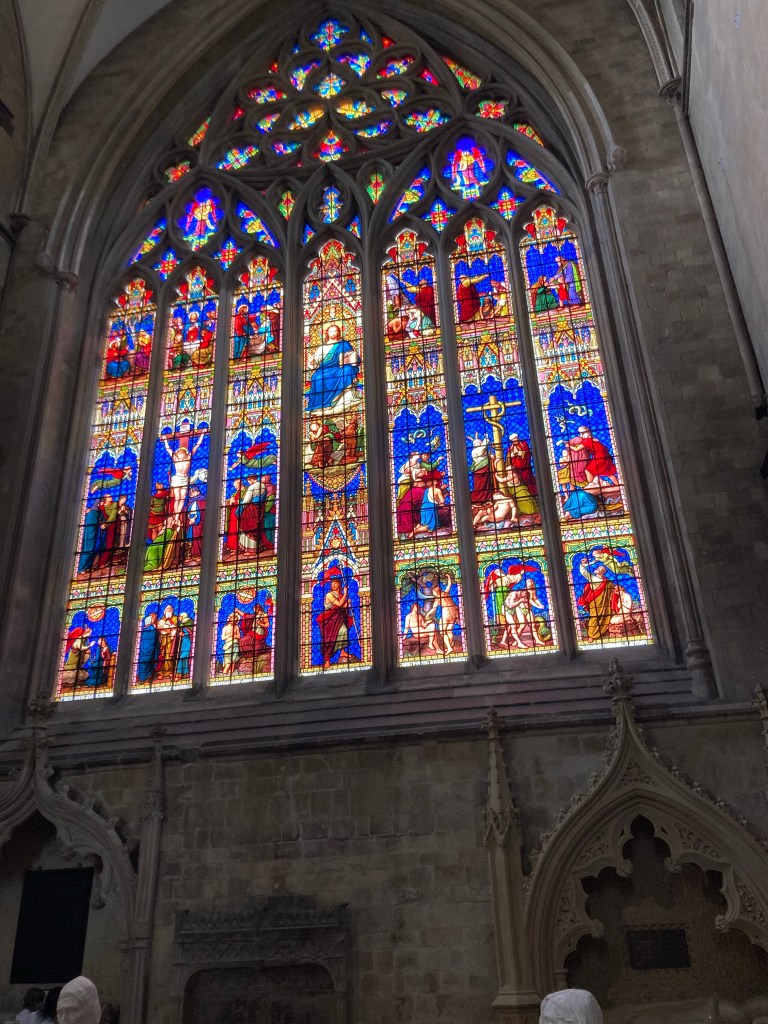
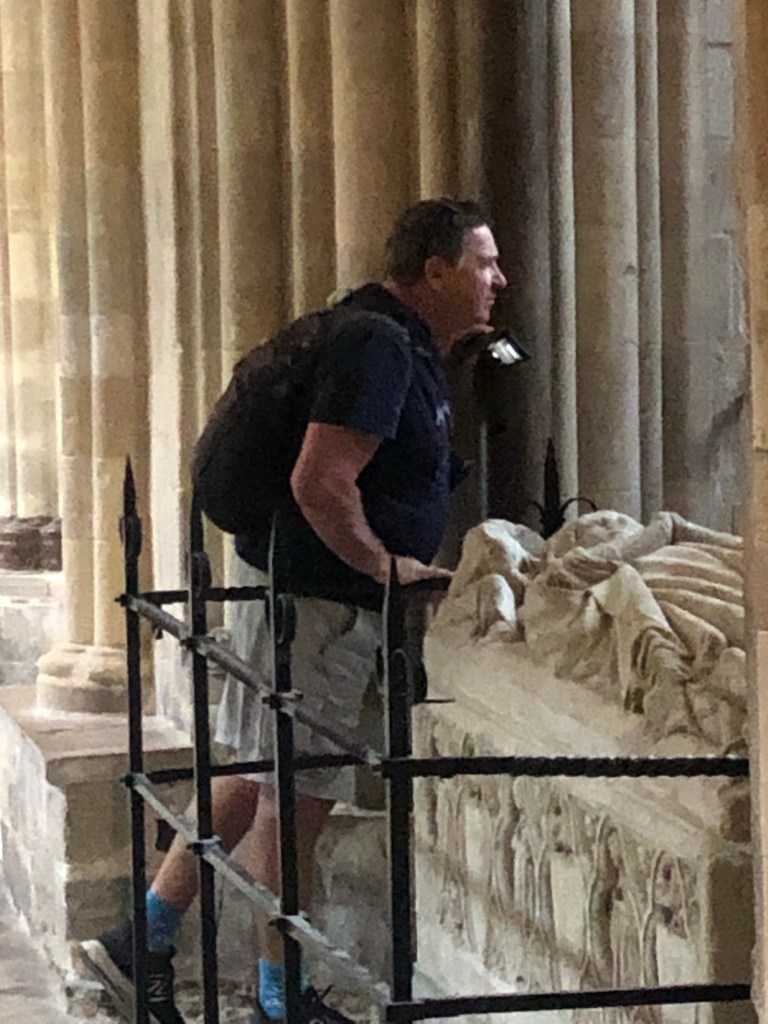
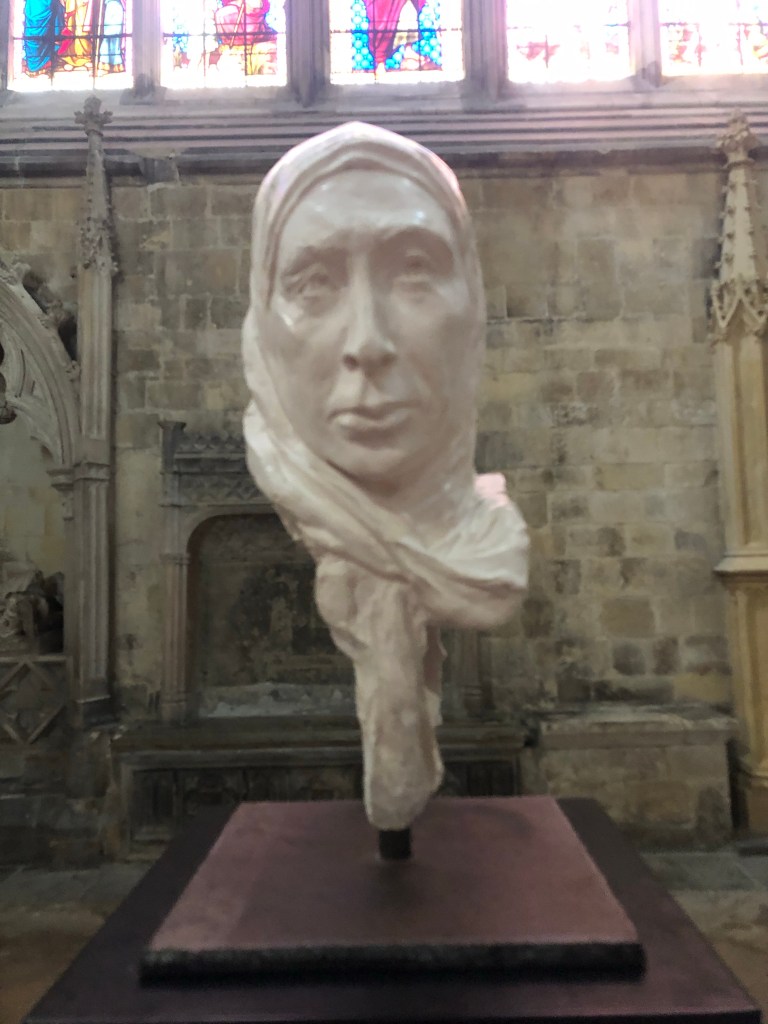
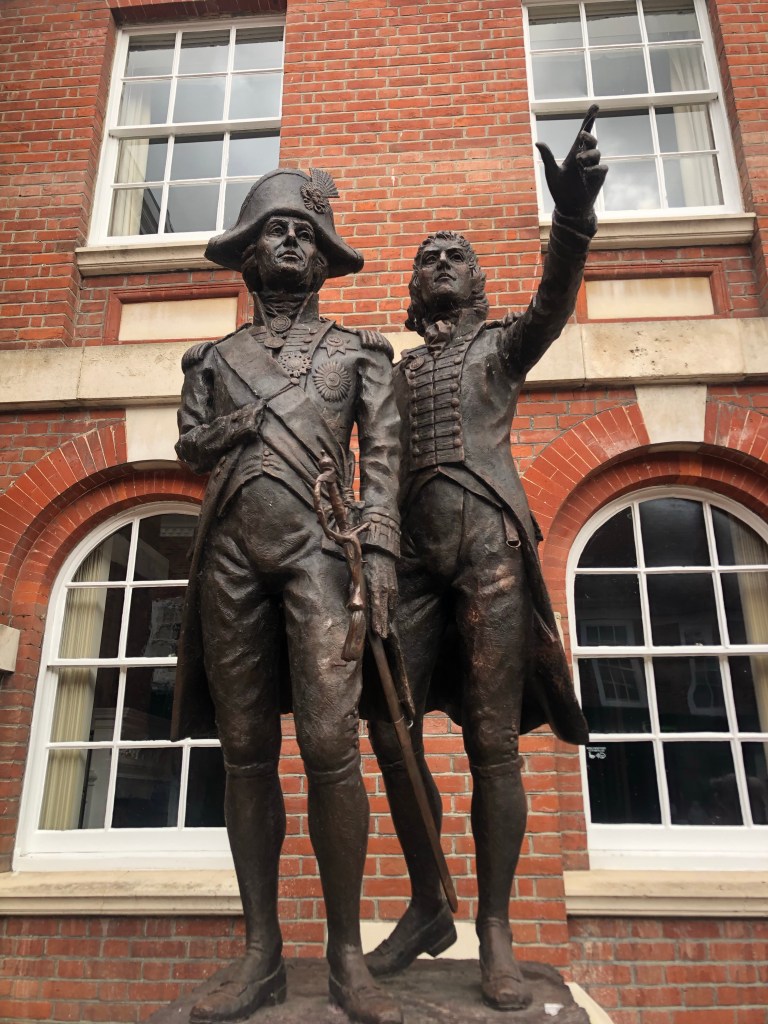
Chichester Cathedral Window Chichester CathedralTomb in CathedralInteresting head sculptures inside the cathedral The lovely old town of Chichester Admiral Nelson & Sir George Murray
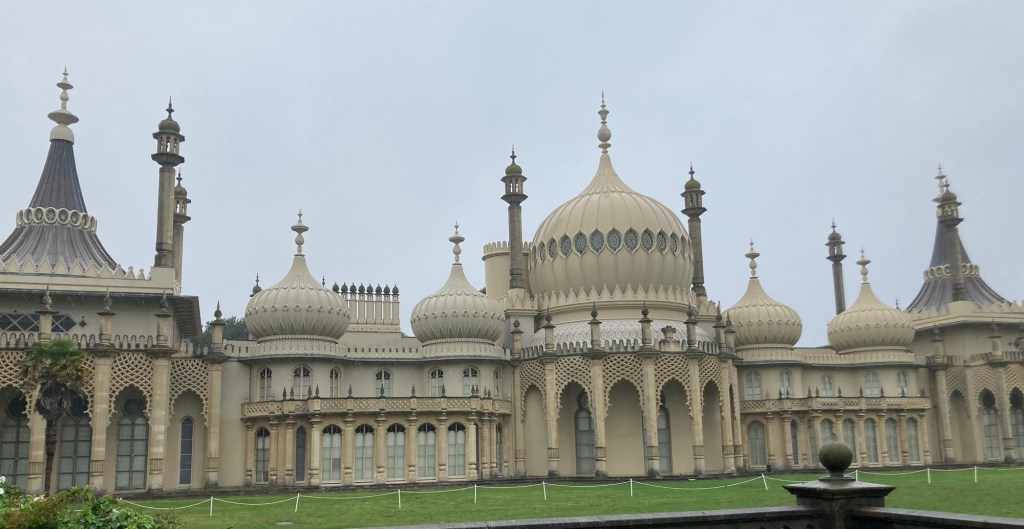
Thursday saw Sally and Kim back on the old 700 bus to Brighton to check out the Royal Pavilion, What an amazing place. It has Indian elements on the outside and Chinese on the inside. Built by George IV but he had not visited either country.
George IV was all about having a good time and the Pavilion was basically a pleasure palace. It took him 40 years to build and is the only British royal palace not owned by the state.
Brighton Pavilion
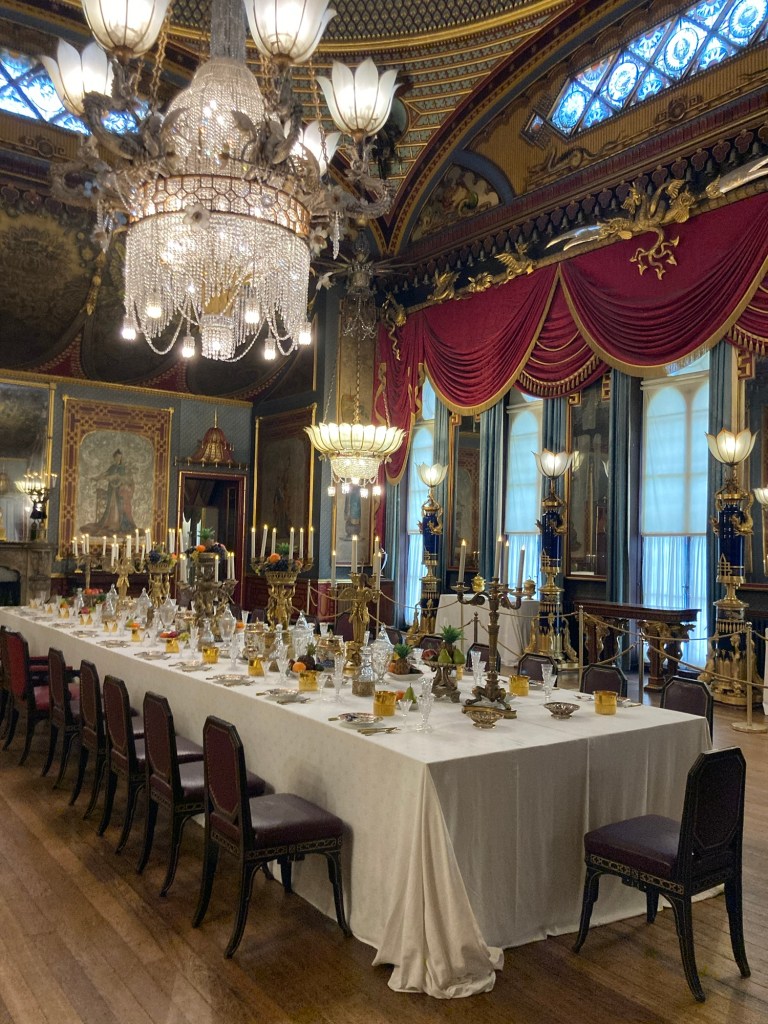
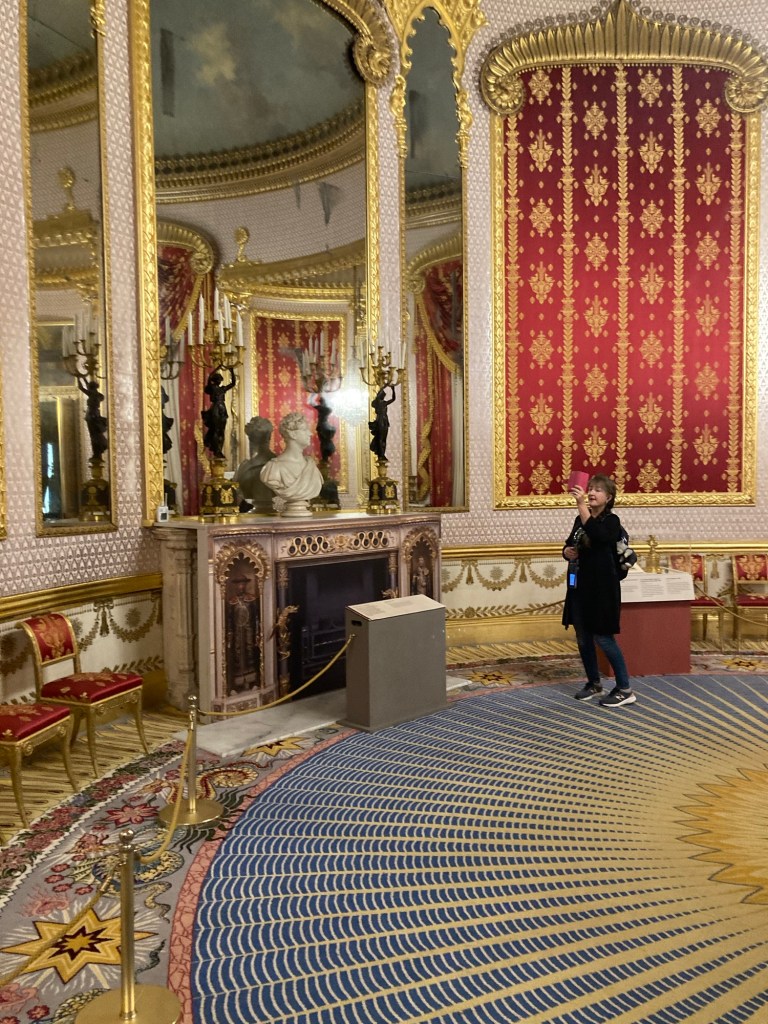
George loved to impress, and as you go through the palace each room gets progressively more and more lavish!
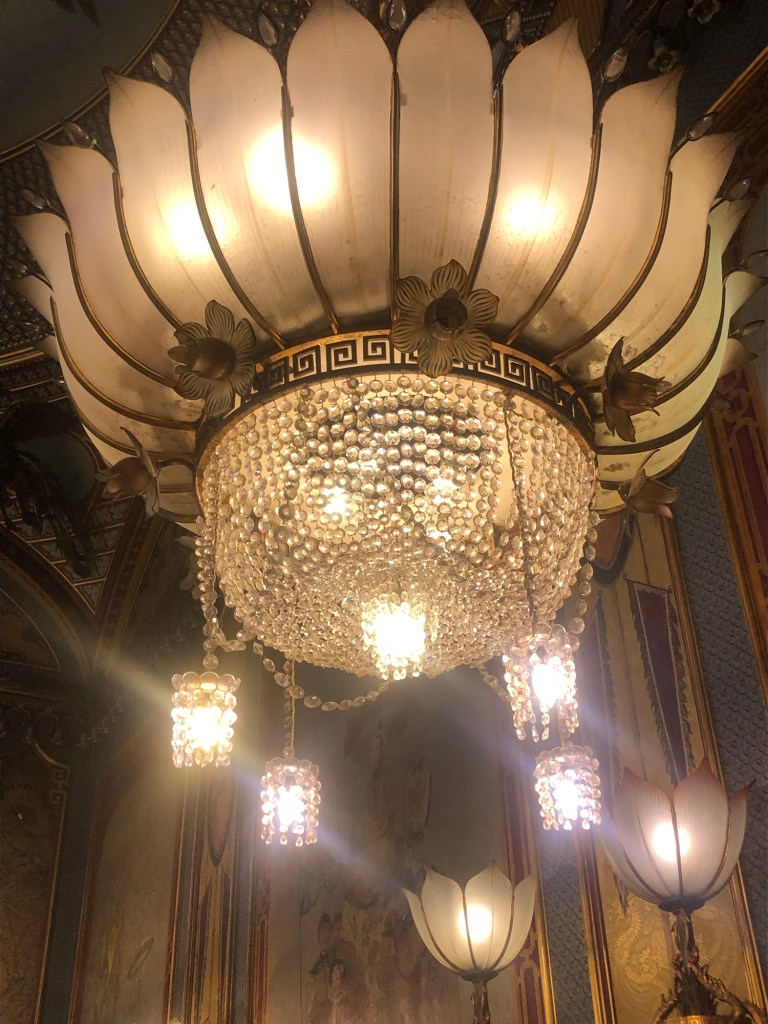
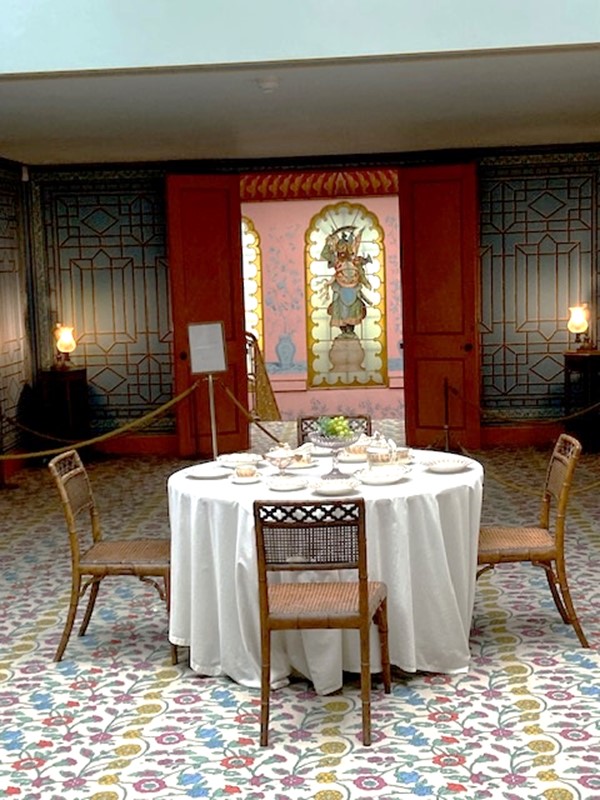
Pavilion dining room There were heaps of fancy chandeliers
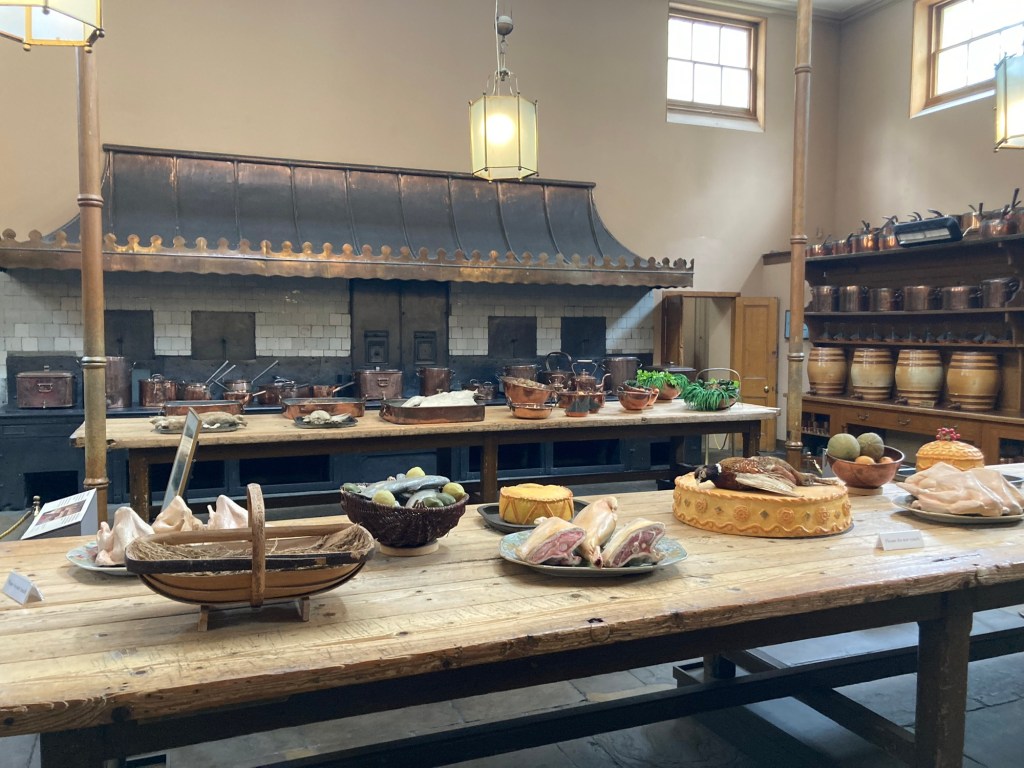
He even had a say in the design of the kitchens and, apparently, would even have his guests to dine there from time to time
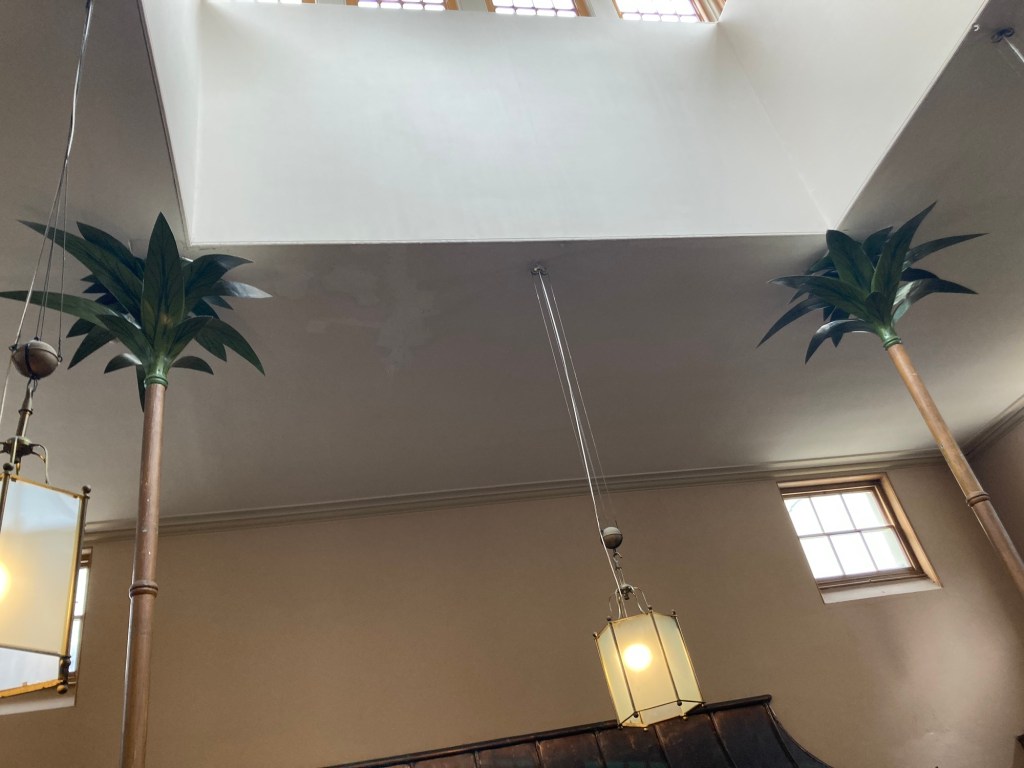
Pavilion kitchenEven these pole in the kitchen were designed to look like palm trees
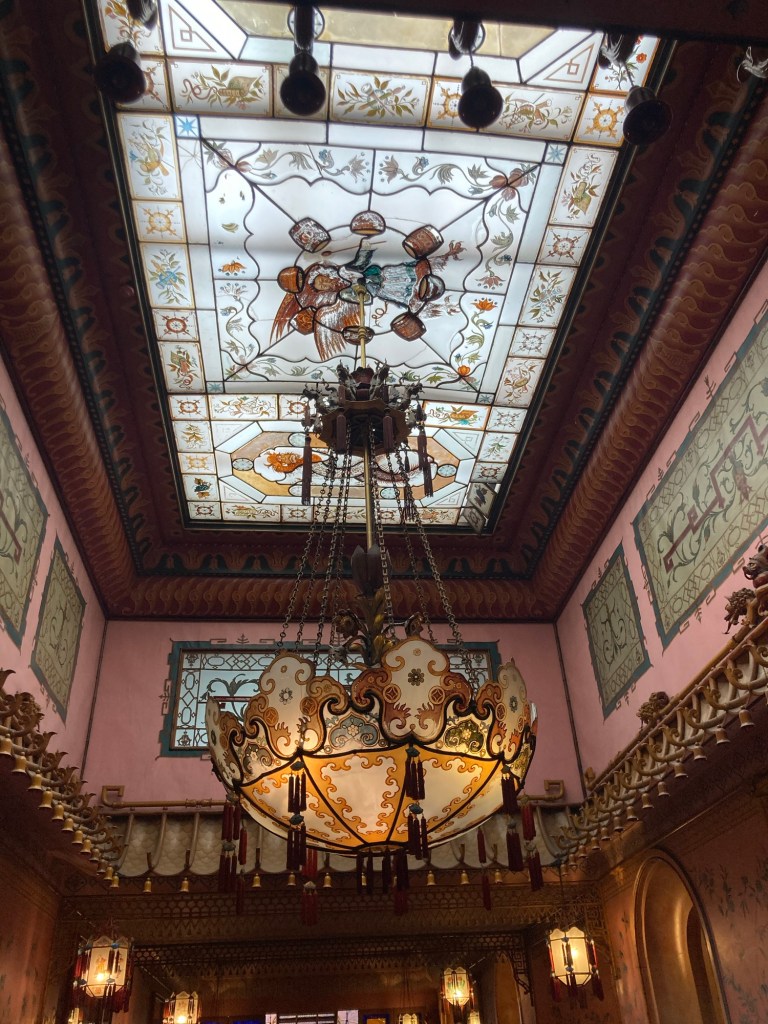
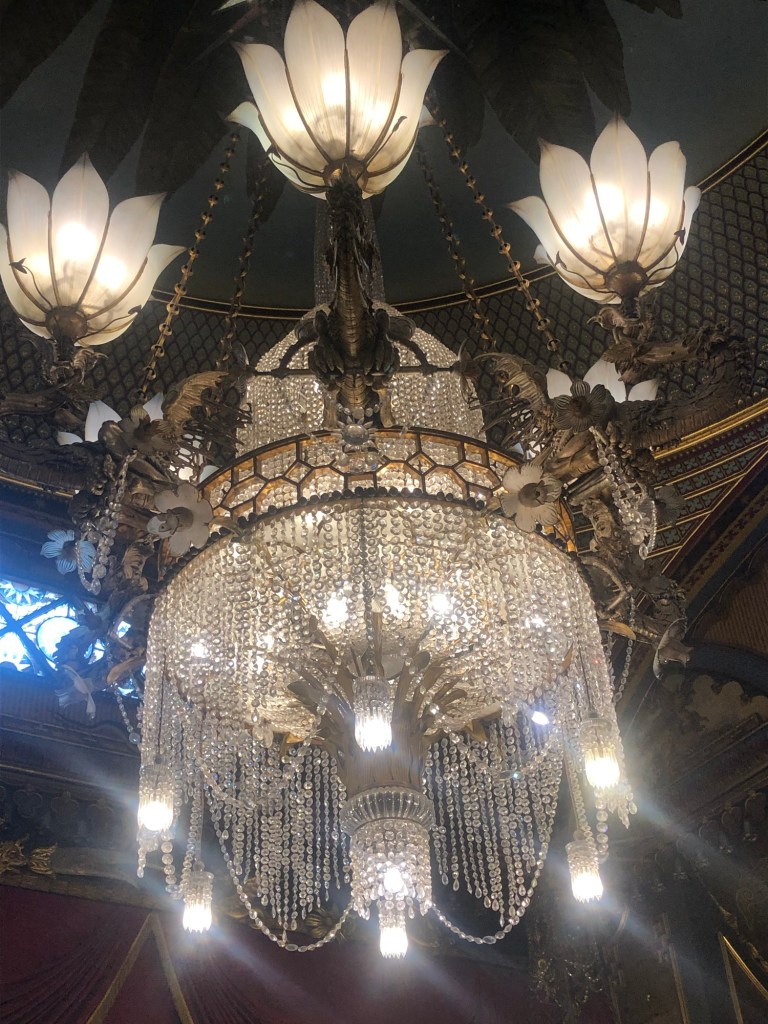
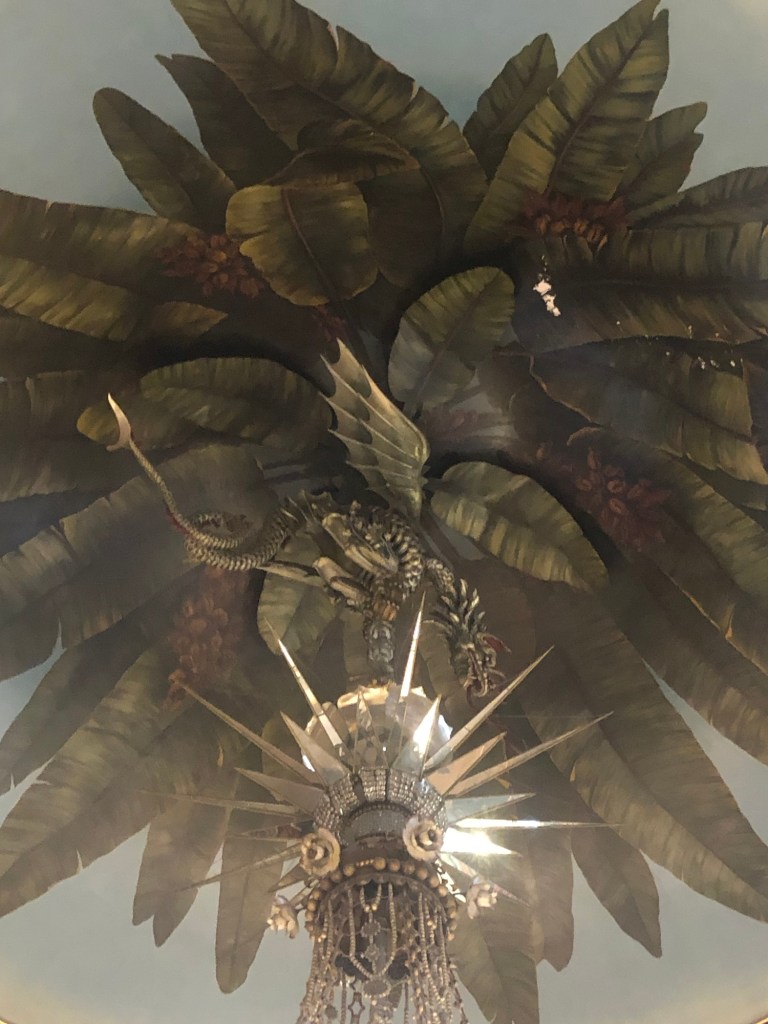
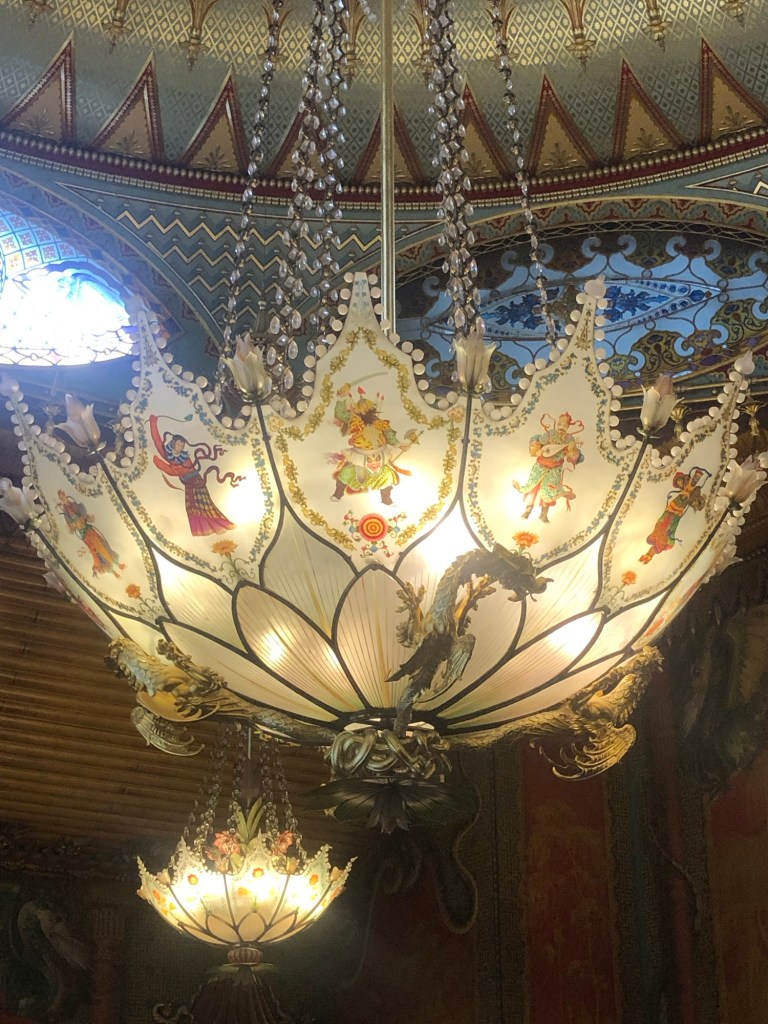
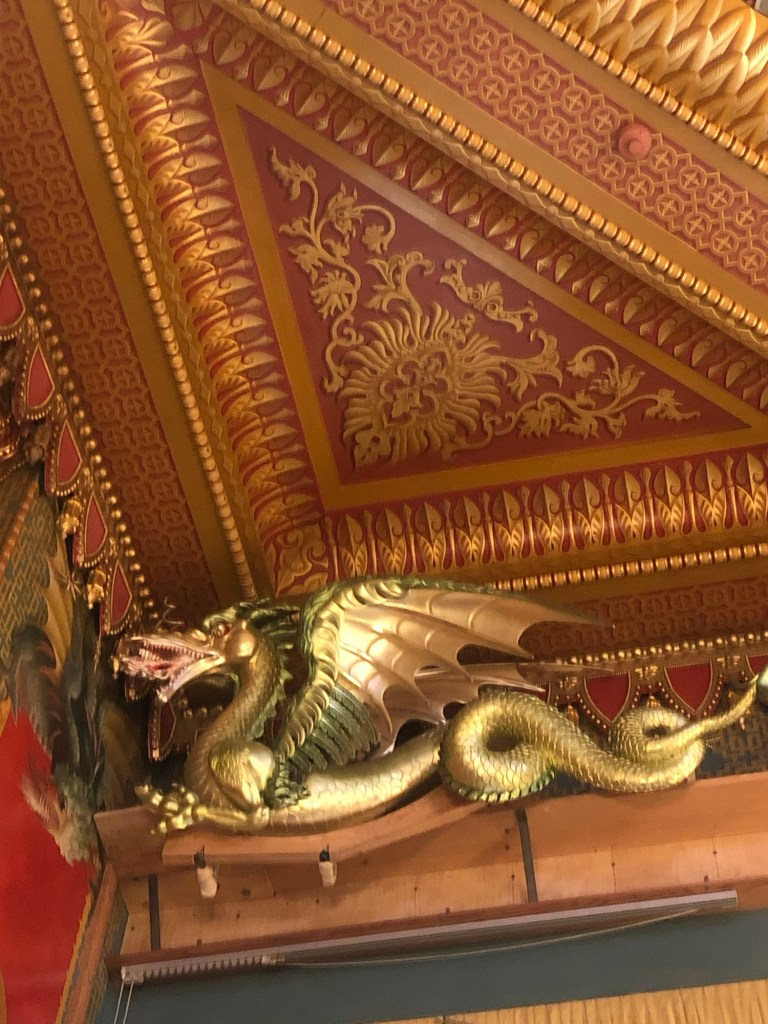
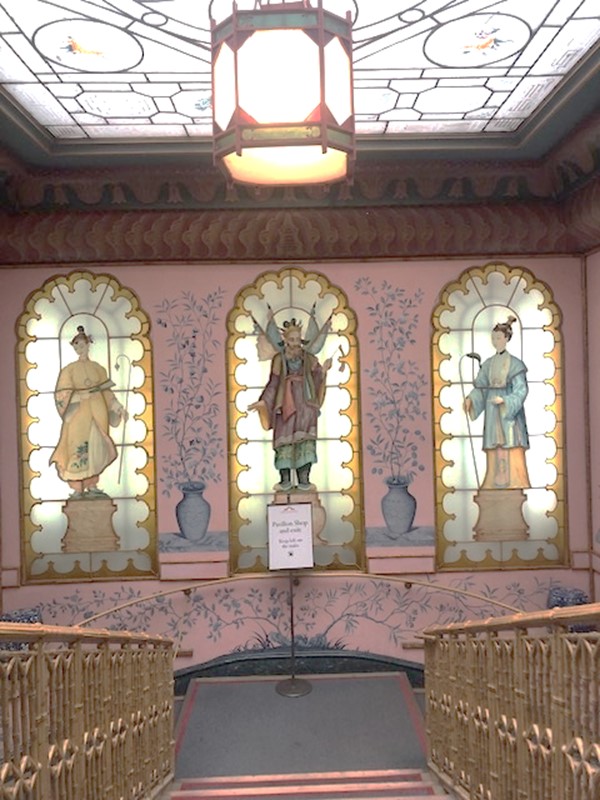
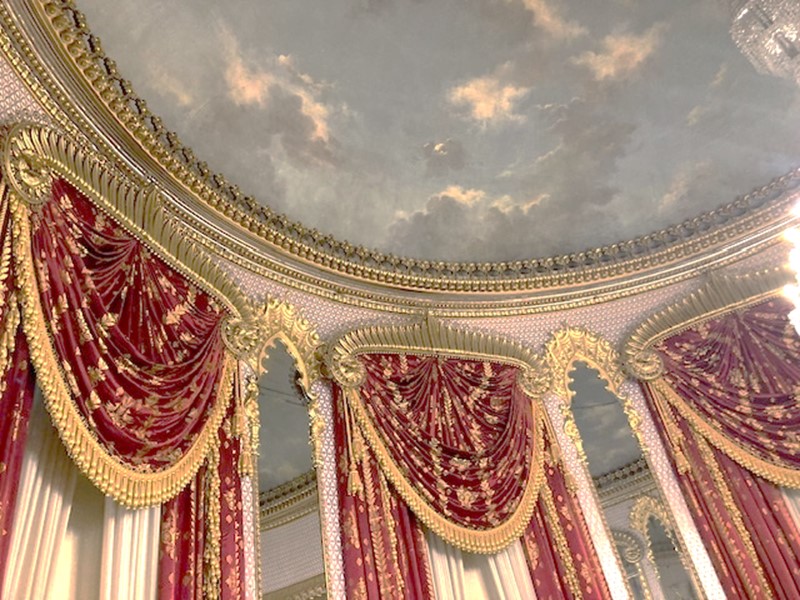
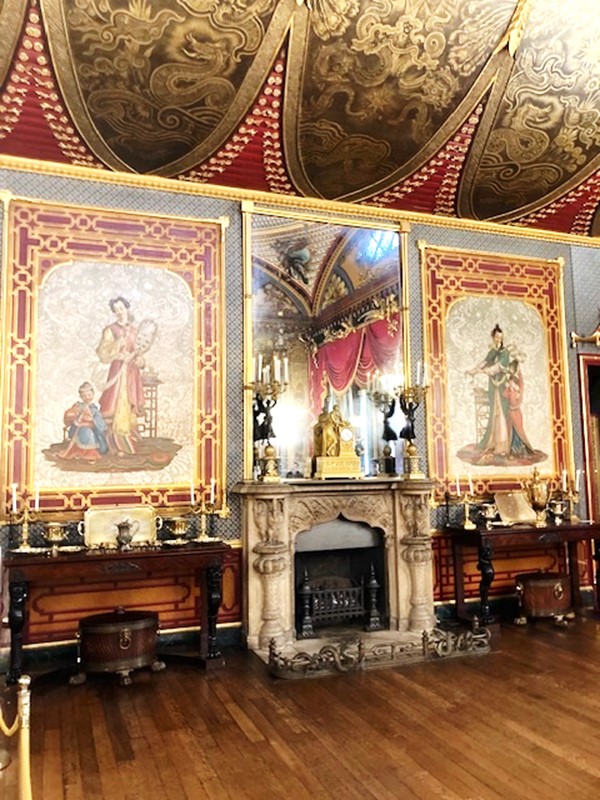
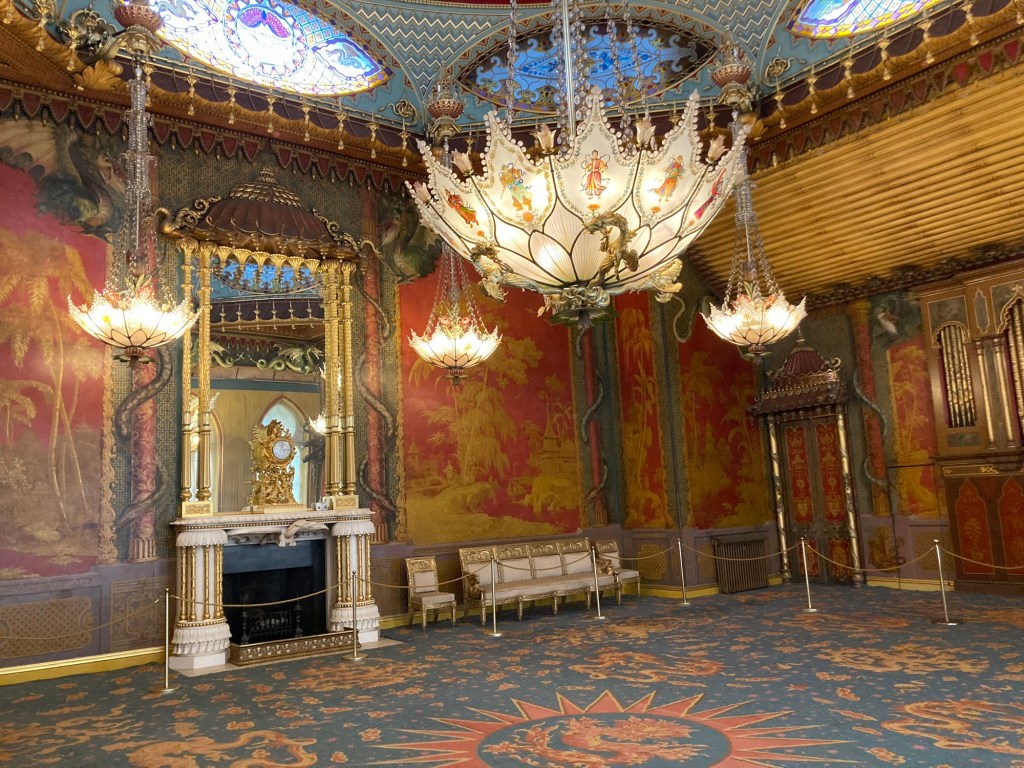
Dragons and chandeliers played a huge part in the interior design, as did lots of rich colour and bold designs
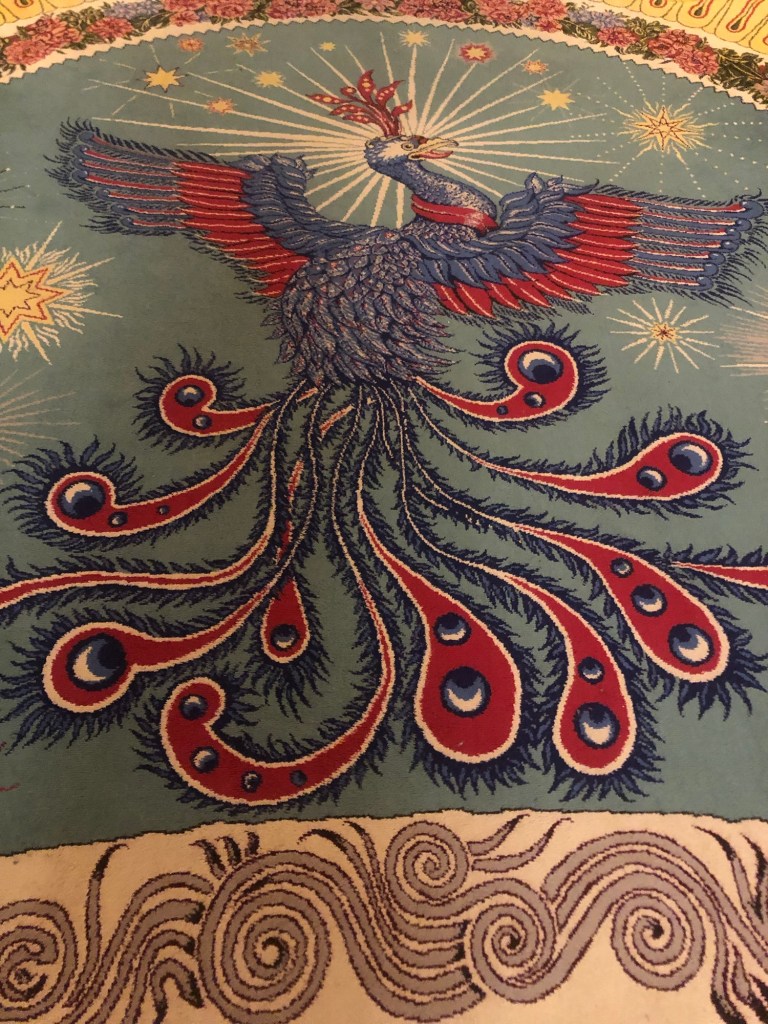
Lovely ornate chandelier Another really fancy chandelier Phoenix or Peacock? Not sure whichDragon on the light shade
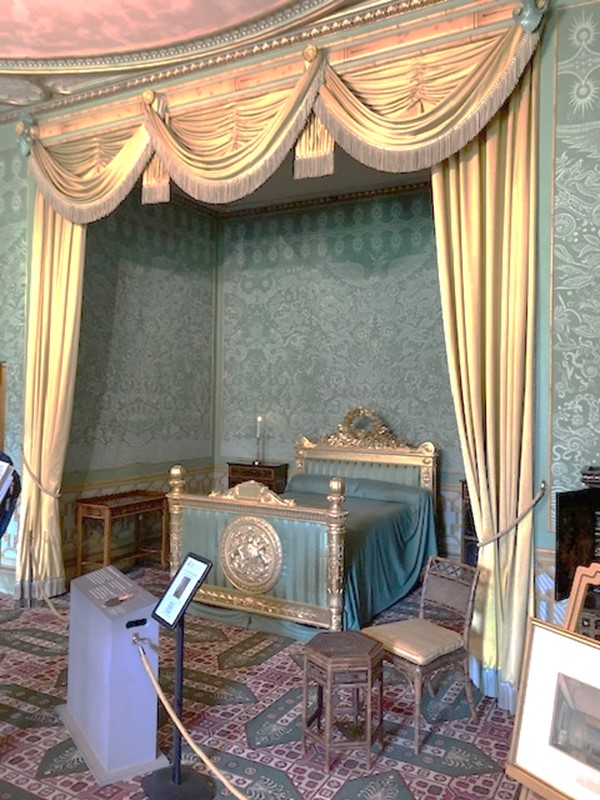
The rooms were ornately furnished with an Indian theme with Oriental overtones.
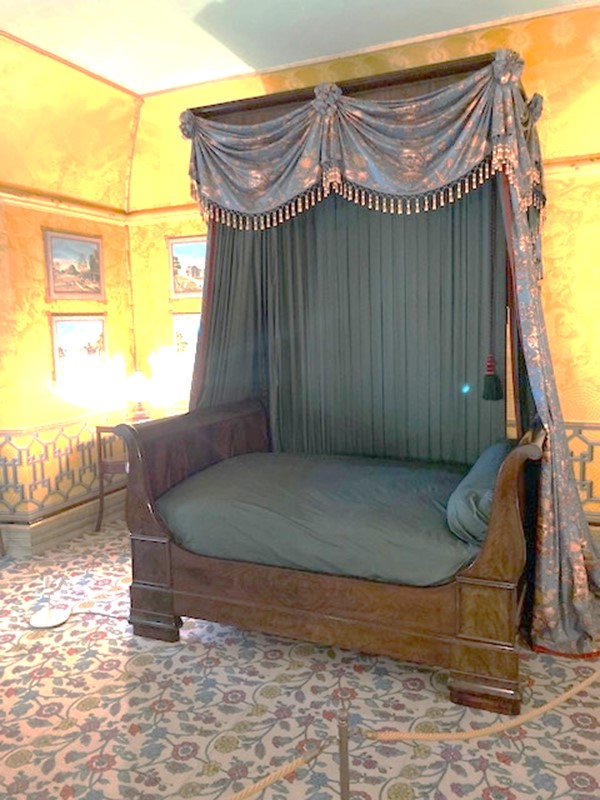
BedroomCasual dining table by bedroom
During the war the Pavilion was used as a hospital for recovering Indian soldiers, but expanded to all soldiers after 1916.
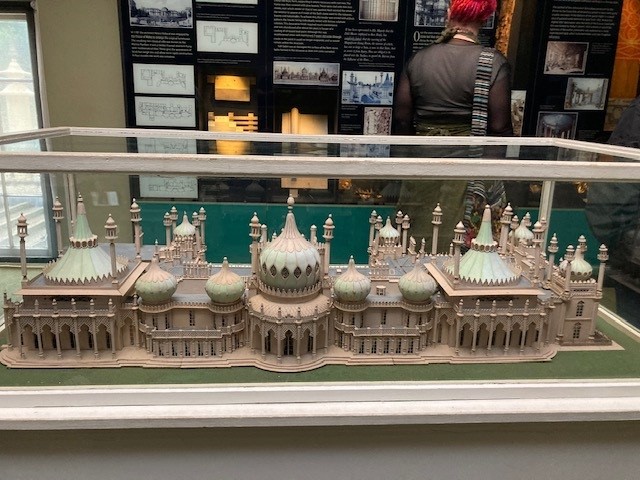
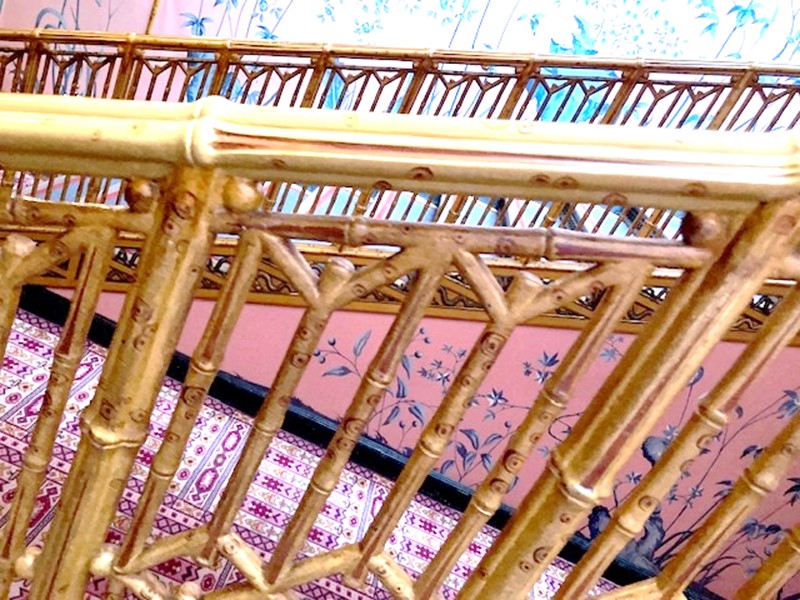
Used as a hospital during WW1 (archive photo)Oriental themesScale model of Brighton PavillionUse of bamboo in stair railingsBed alcove‘Heavens’ painted on ceilingWalls & ceilings very decorated
This Pavilion is definitely worth a visit, it cost a fortune to build back in the day (approx $40M NZD in todays money) and was the summer escape for the Prince of Wales. He had never visited Indian or the Orient but was fascinated by them.
Today we hopped on the train bound for Windsor Castle. On our arrival we had a six minute walk to the castle. When we bought our tickets, we were informed we would not get in for another hour, so we went to have a look around the little village of Windsor and grab a coffee.
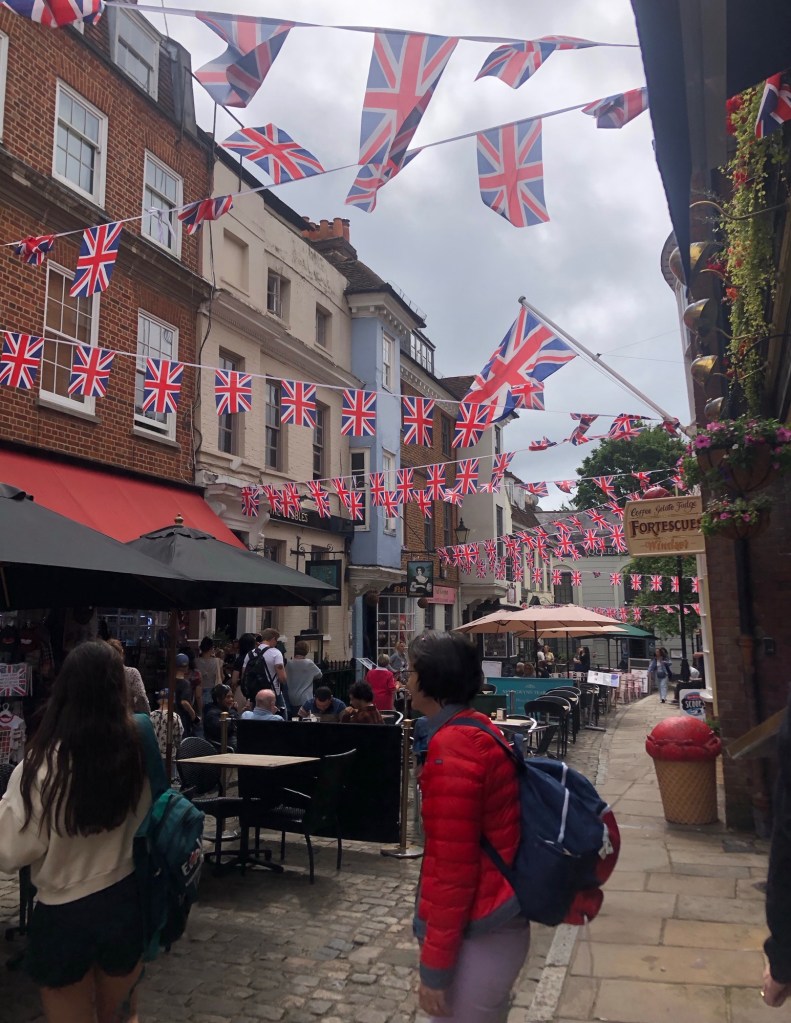
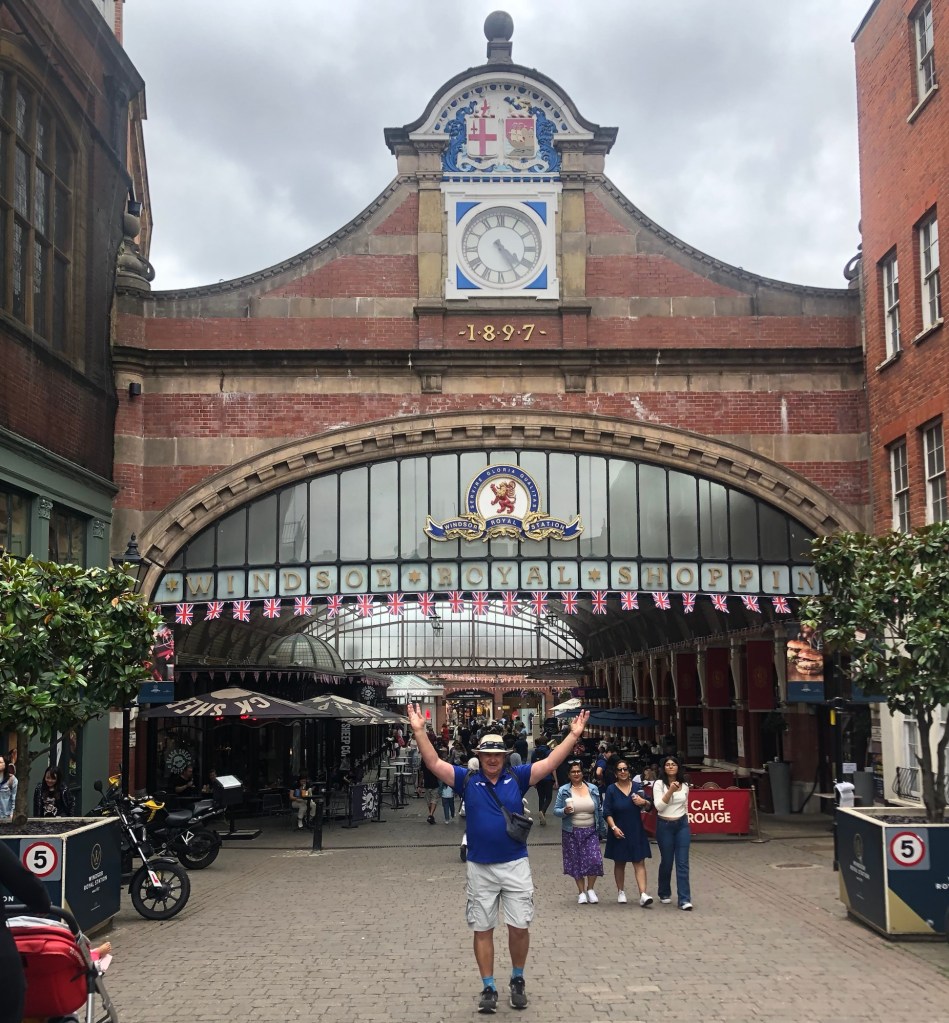
Aerial shot (from the net)The streets of Windsor, outside Windsor Castle wallsThe streets of Windsor, outside Windsor Castle wallsQuaint shopWindsor Castle StationLovely pub & terraced housingWaiting, waiting, big lines.
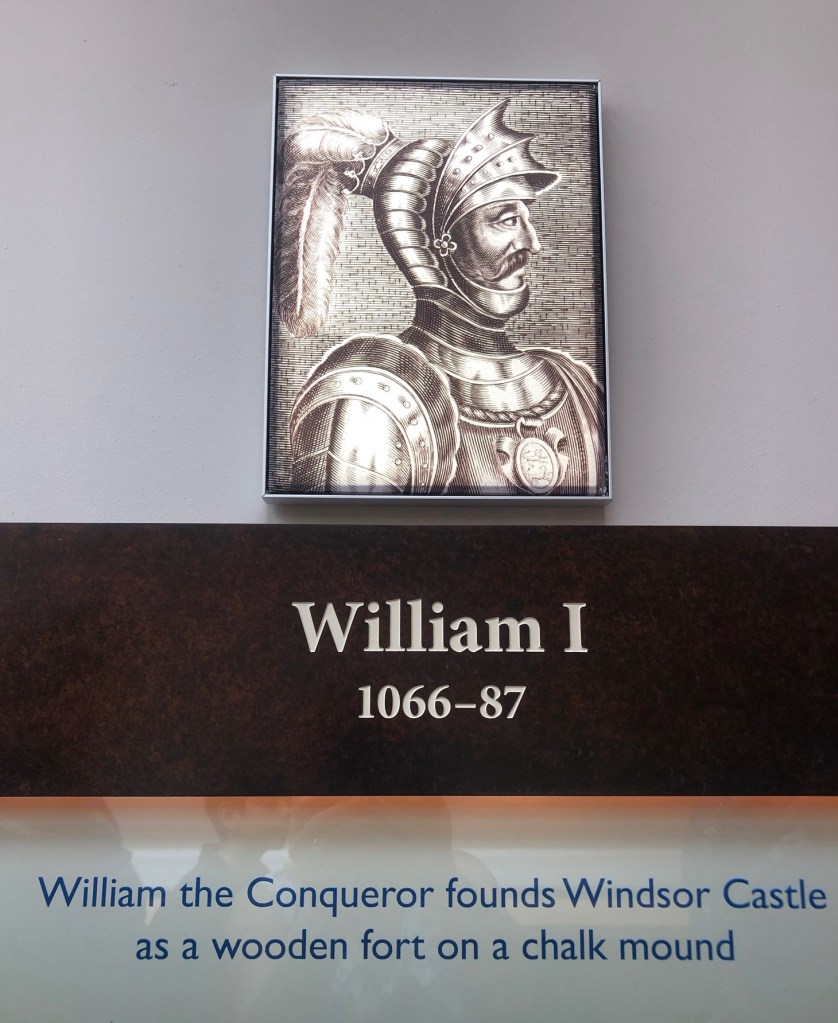
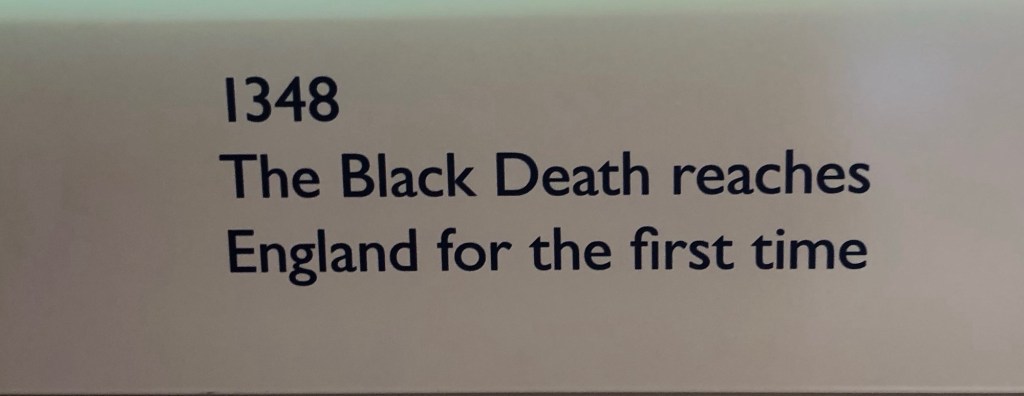
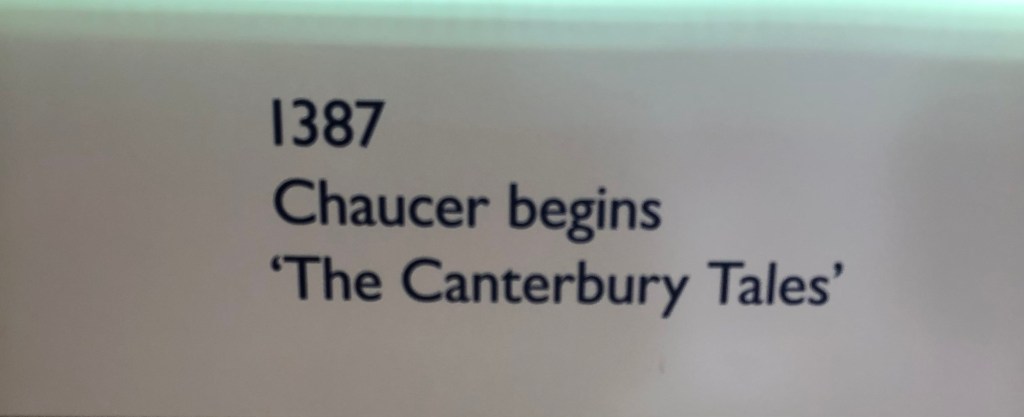
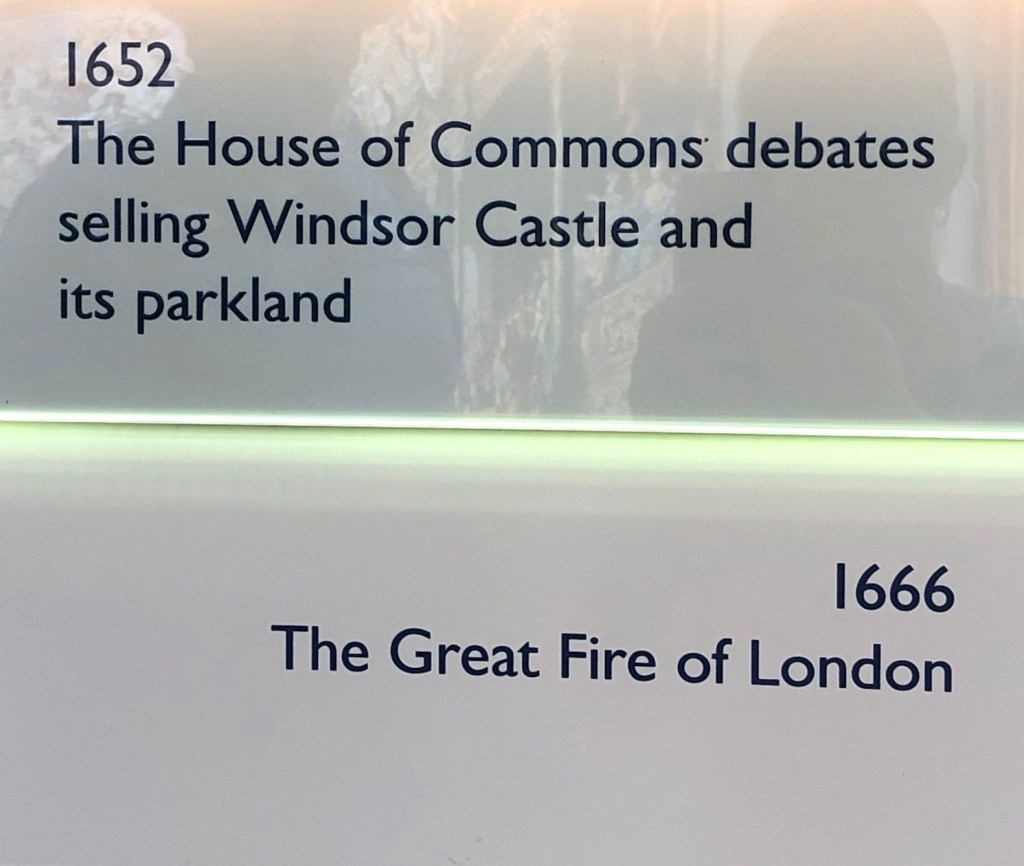
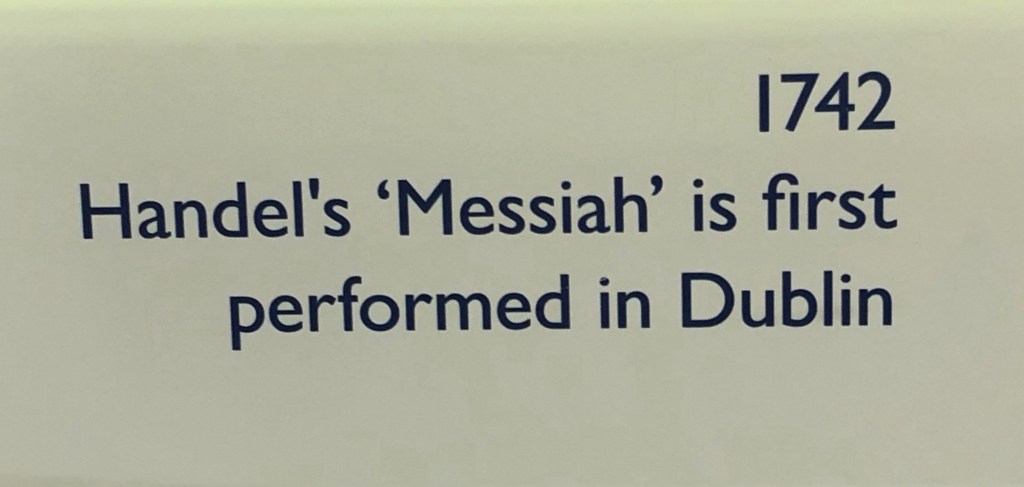
While waiting to collect our audio guides we read some interesting snippets of information displayed on the walls……
Hope everyone learned something !
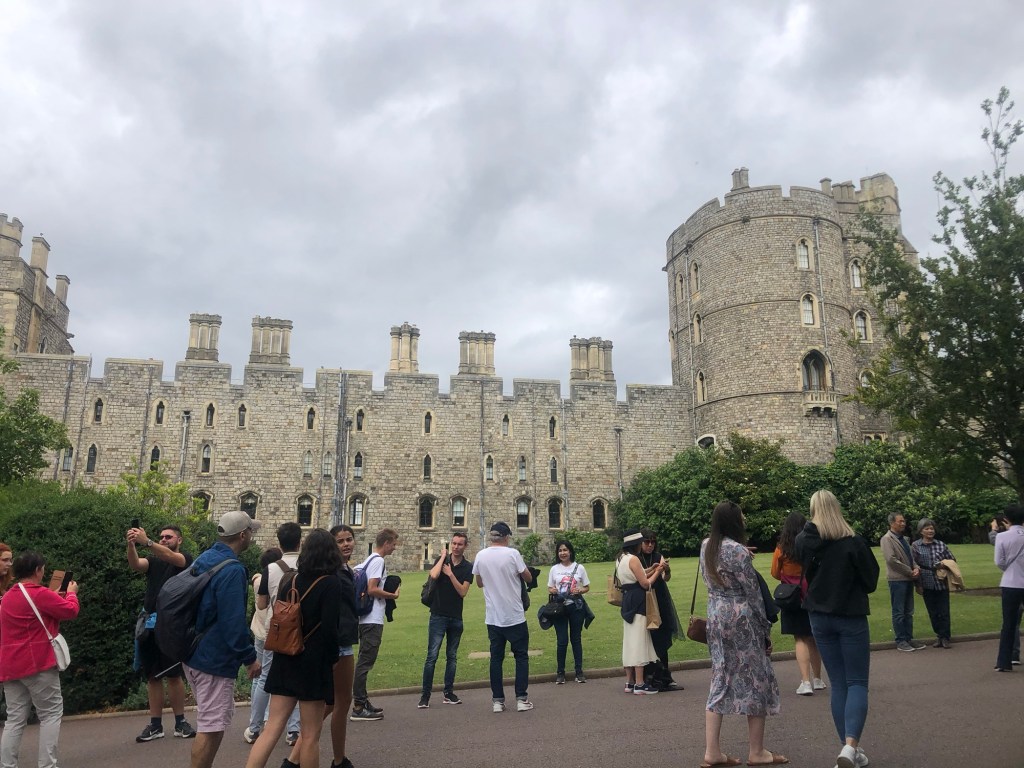
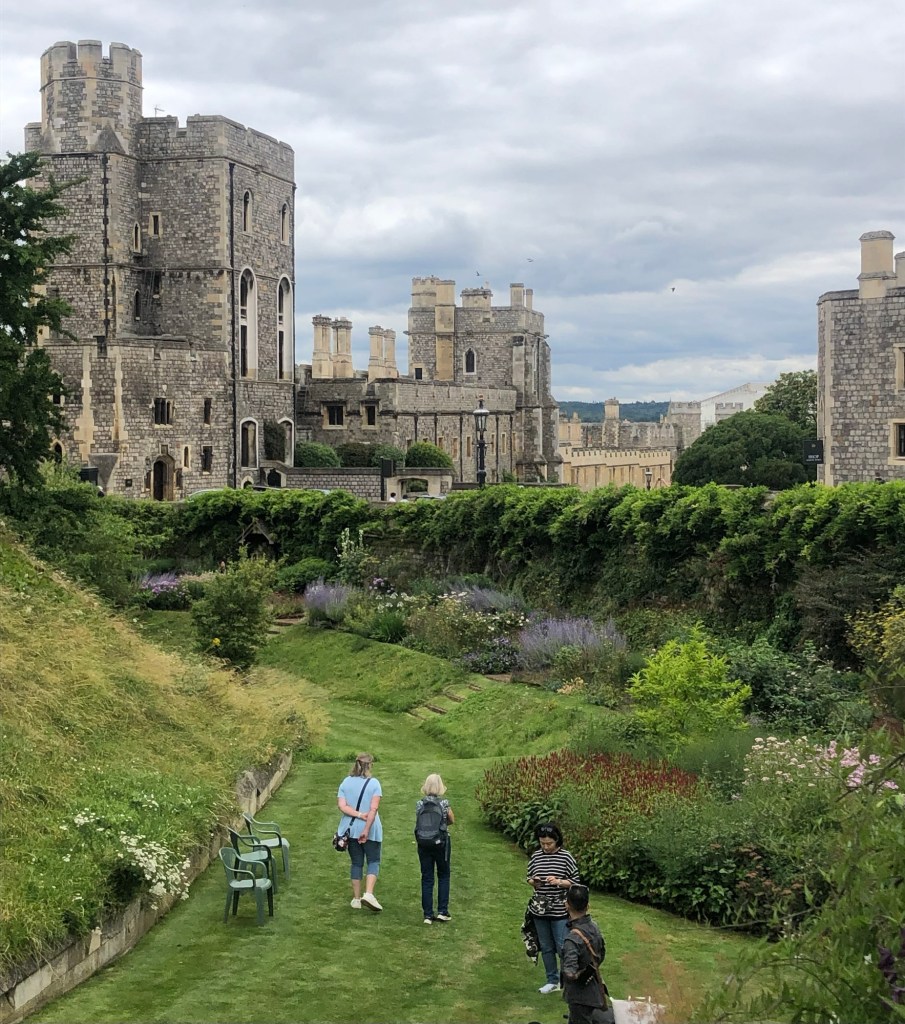
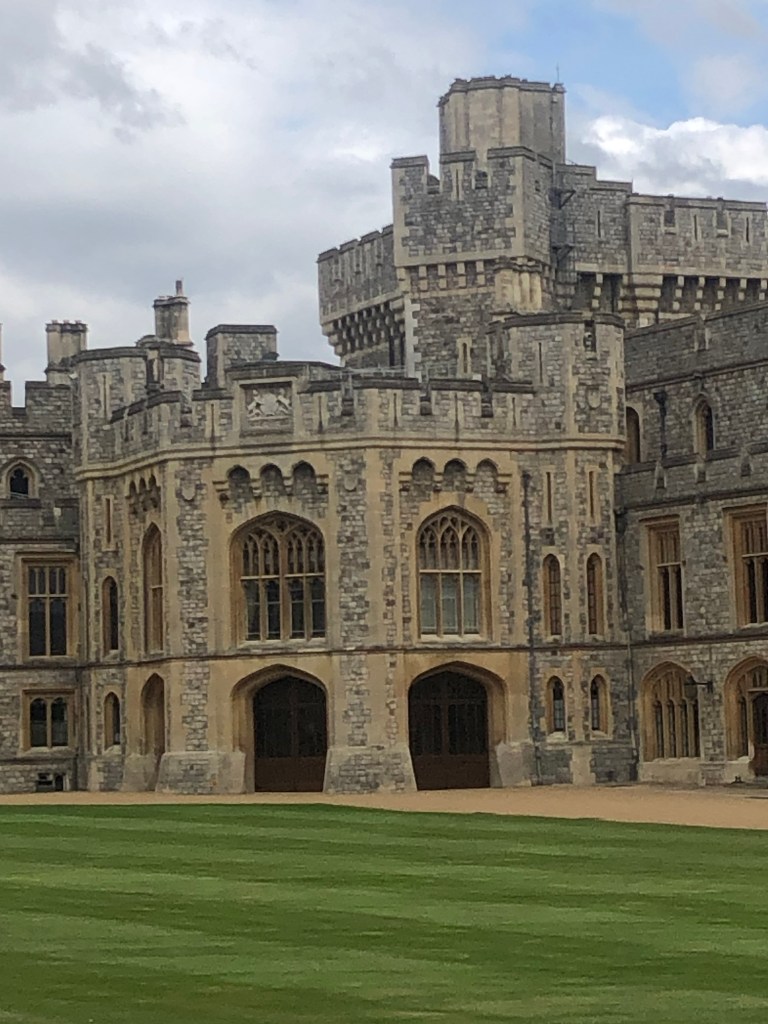
Exterior photos
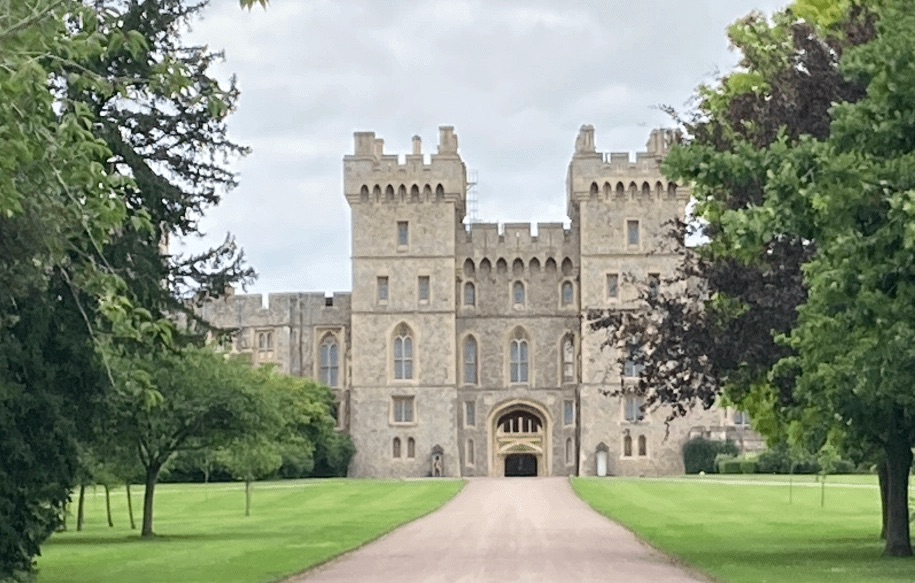
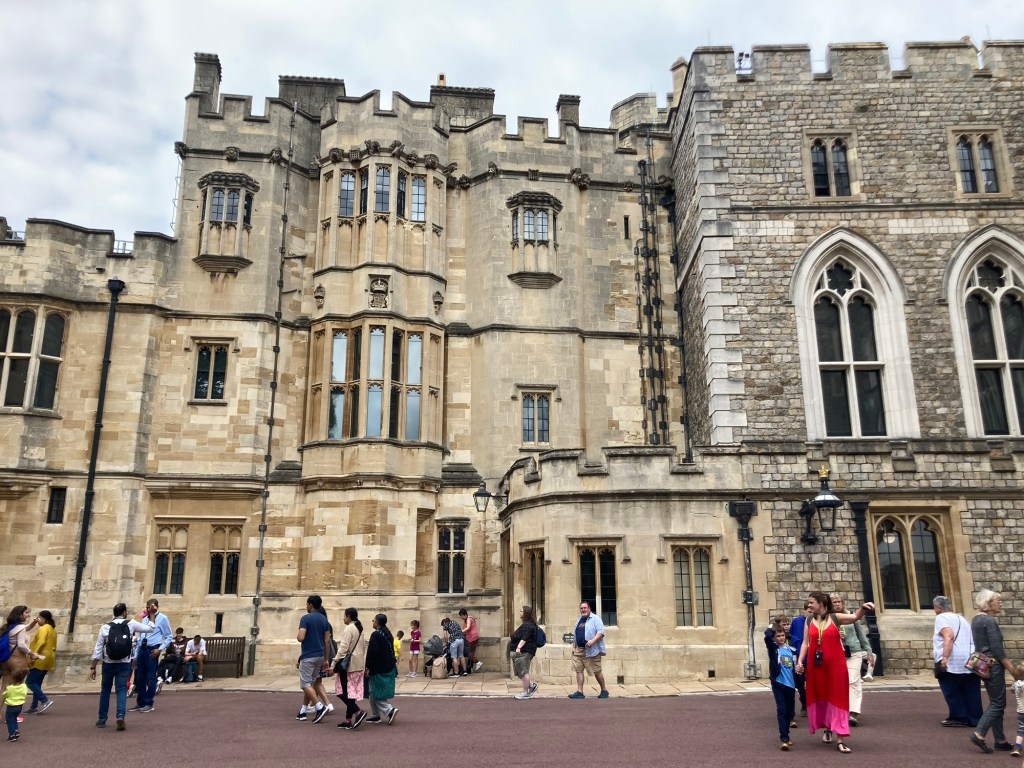
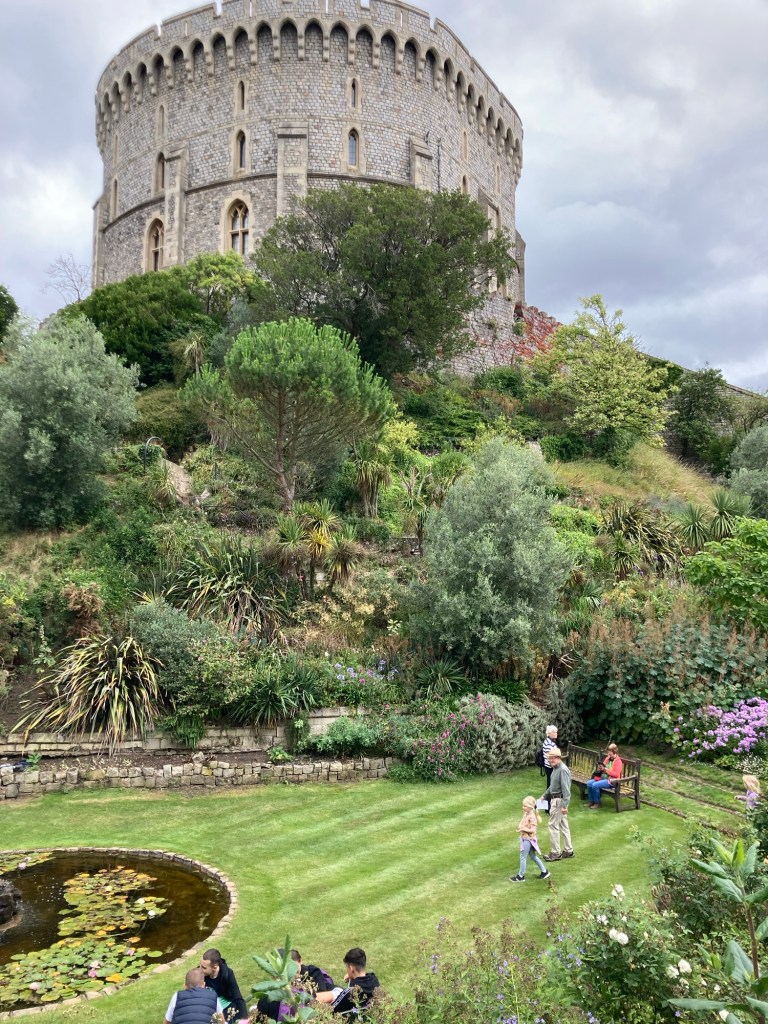
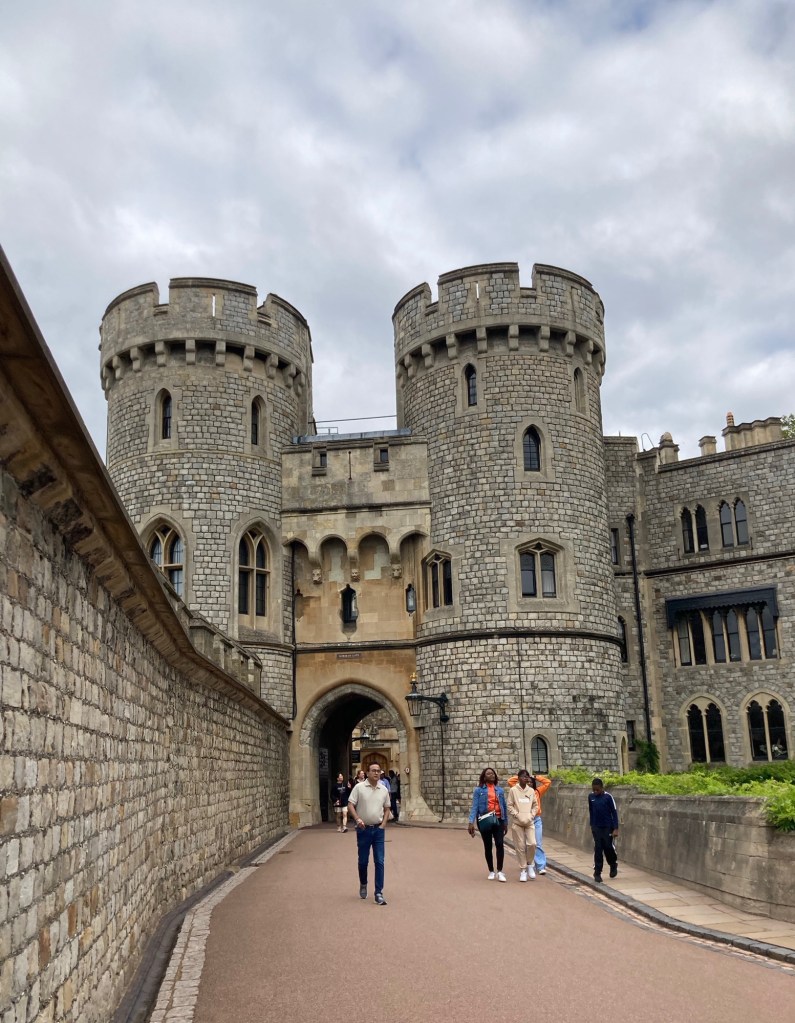
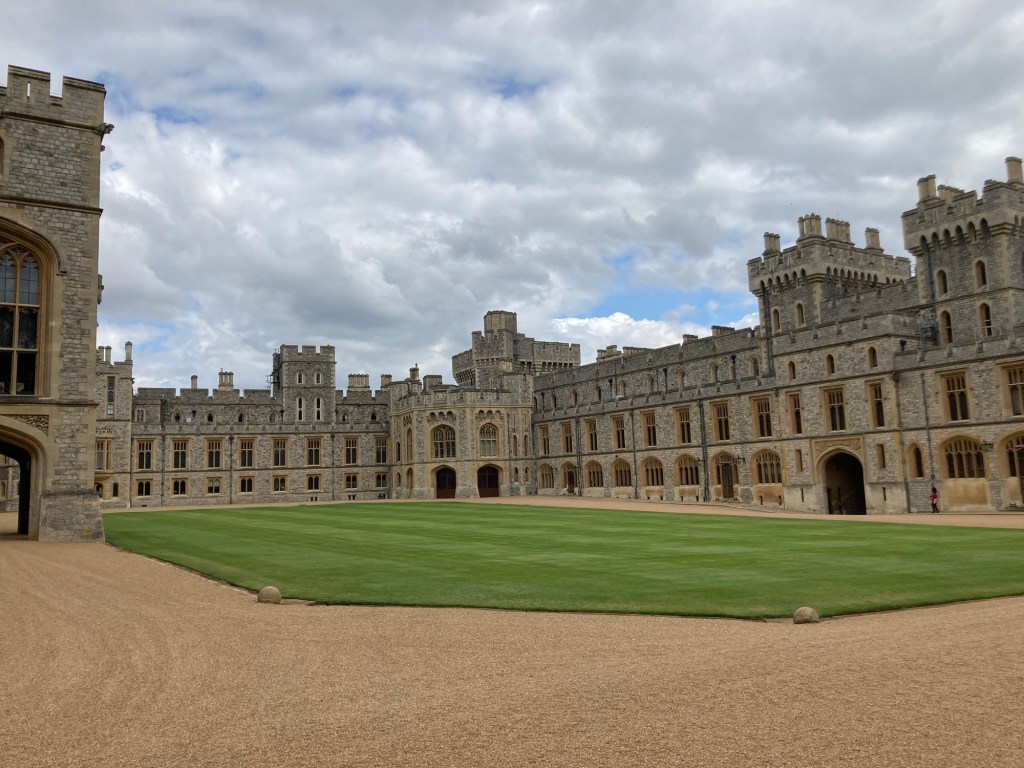
Gardens in the old moat This part is still lived in by the Royal Family The KeepCastle entrance
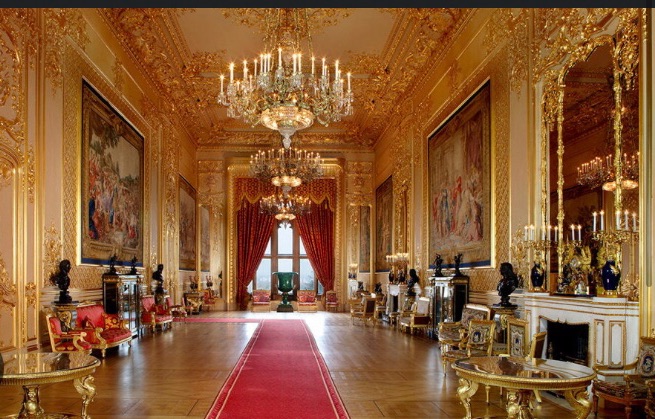
Photos inside the castle were not permitted. Photos below are from the internet to give you an idea of the grandeur of some of the rooms
Very grand roomsOne of the hallwaysIt is a large palace
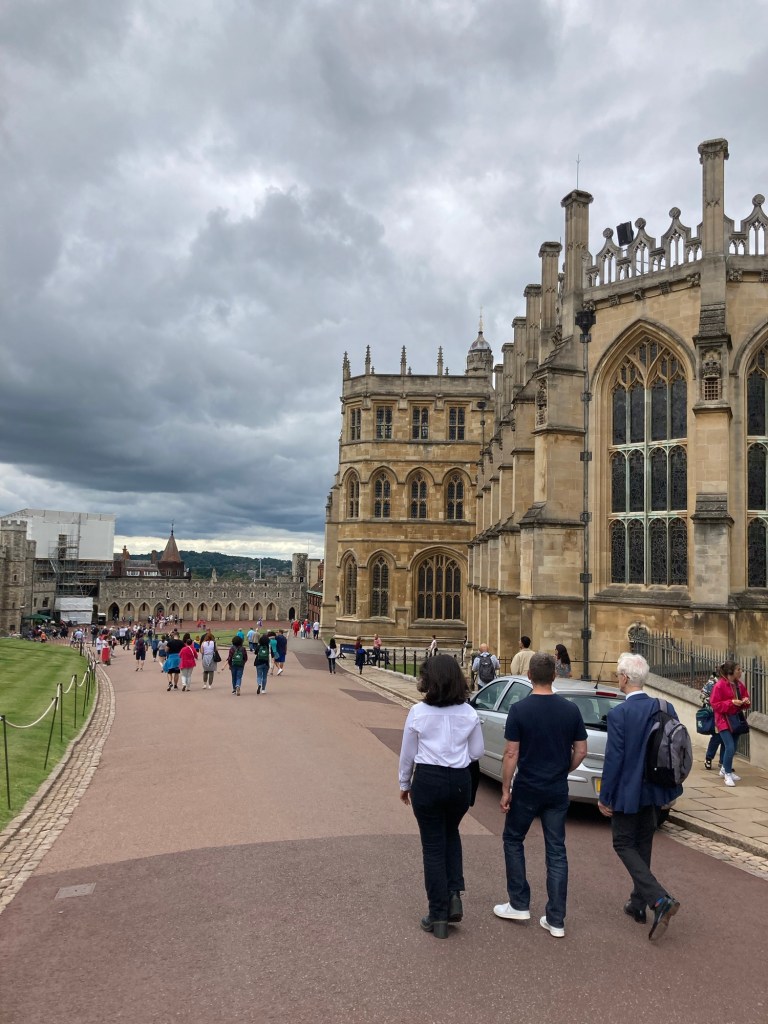
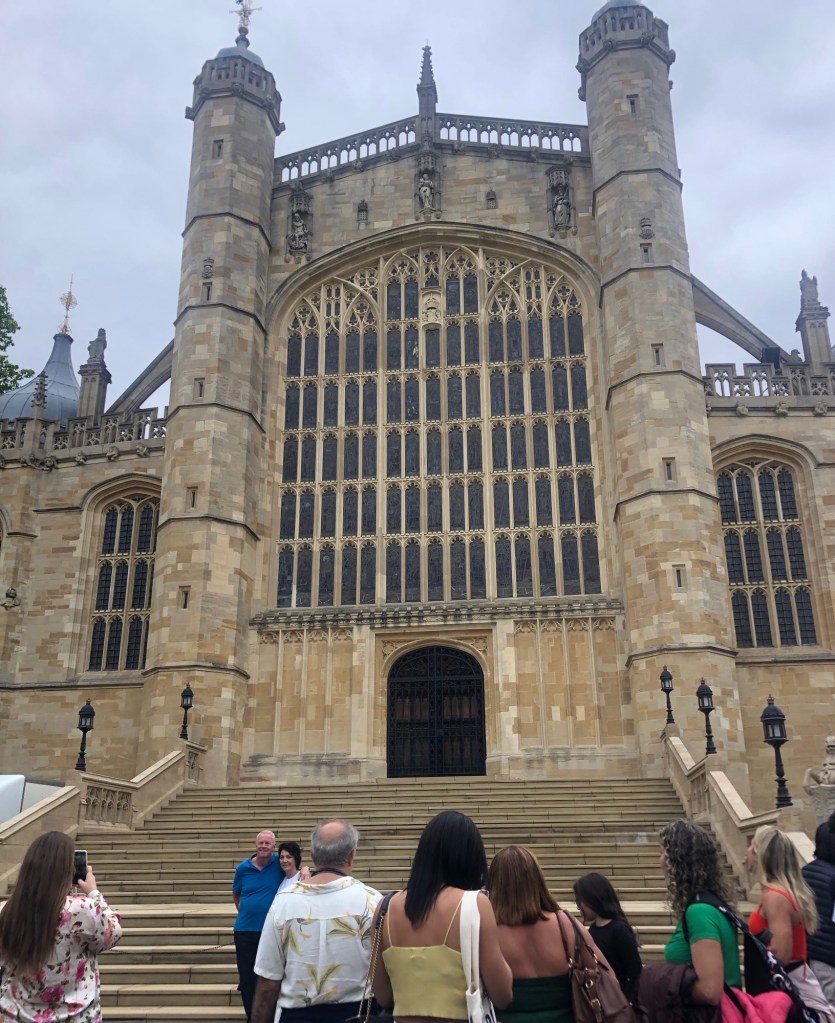
Below photos are of St George’s Chapel. Unfortunately we could not take photos inside here either. However we were proud to see that there was a plaque commemorating Edmund Hilary and Keith Holyoake (former NZ Prime Minister)
St George’s ChapelInside St George’s Chapel
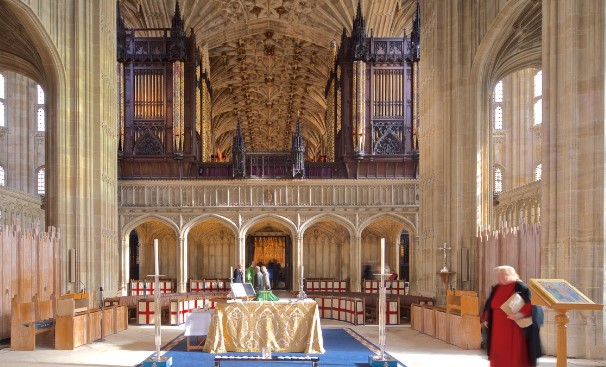
A couple of interior photos from the net
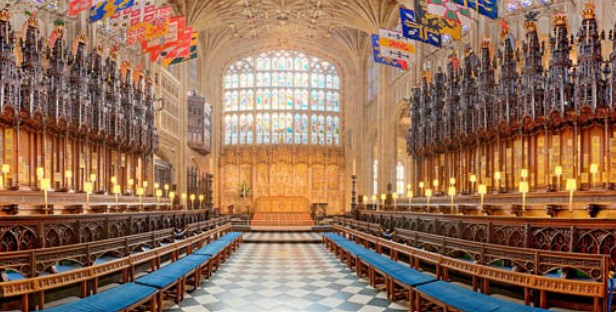
Choir stalls if St George’s Chapel
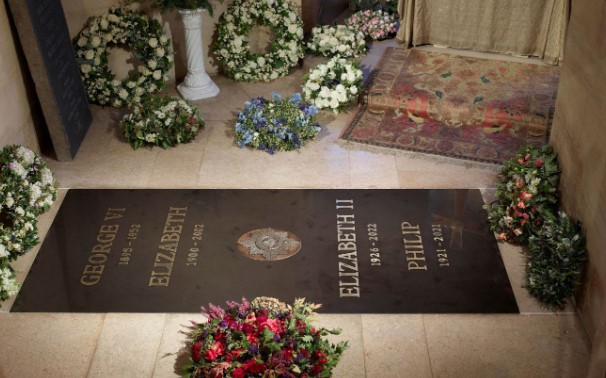
There are many royals buried at St George’s chapel (the most recent, of course, being Queen Elizabeth last year)
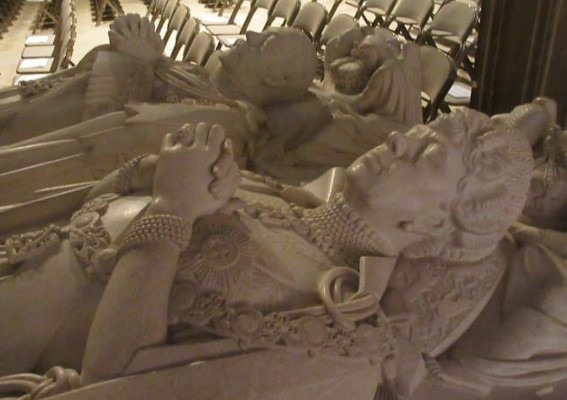
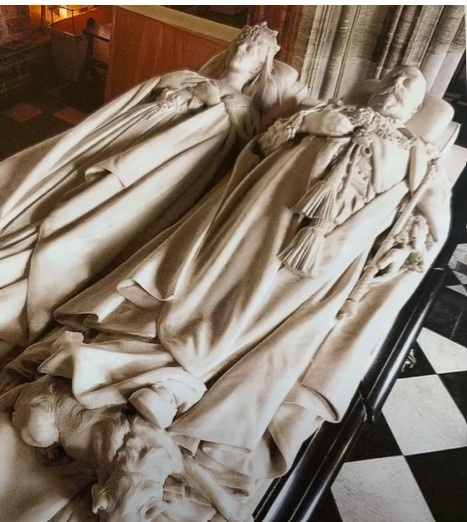
St. George’s Chapel ranks next to Westminster Abbey as a royal mausoleum, and it became customary for royal funerals to take place there. Among the royalty buried within the chapel are Edward IV, Henry VI, Henry VIII and Jane Seymour, Charles I, Edward VII and Queen Alexandra, and George V and Queen Mary.
The tomb King George V & Queen Mary
King Edward VII and Queen Alexandra
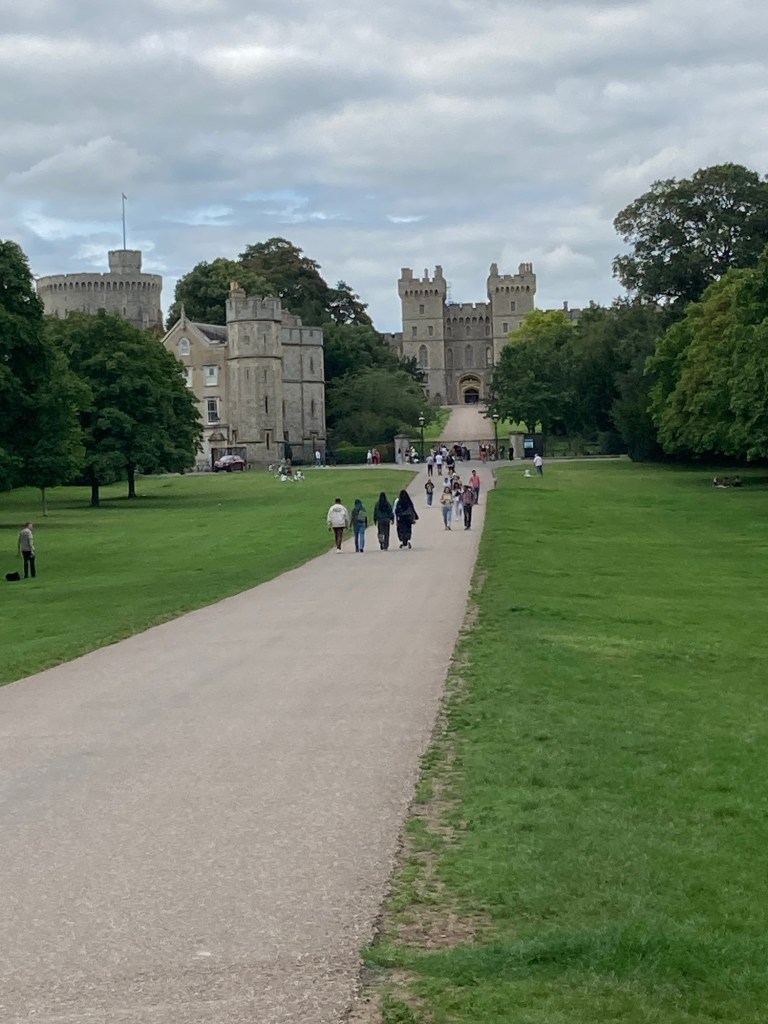
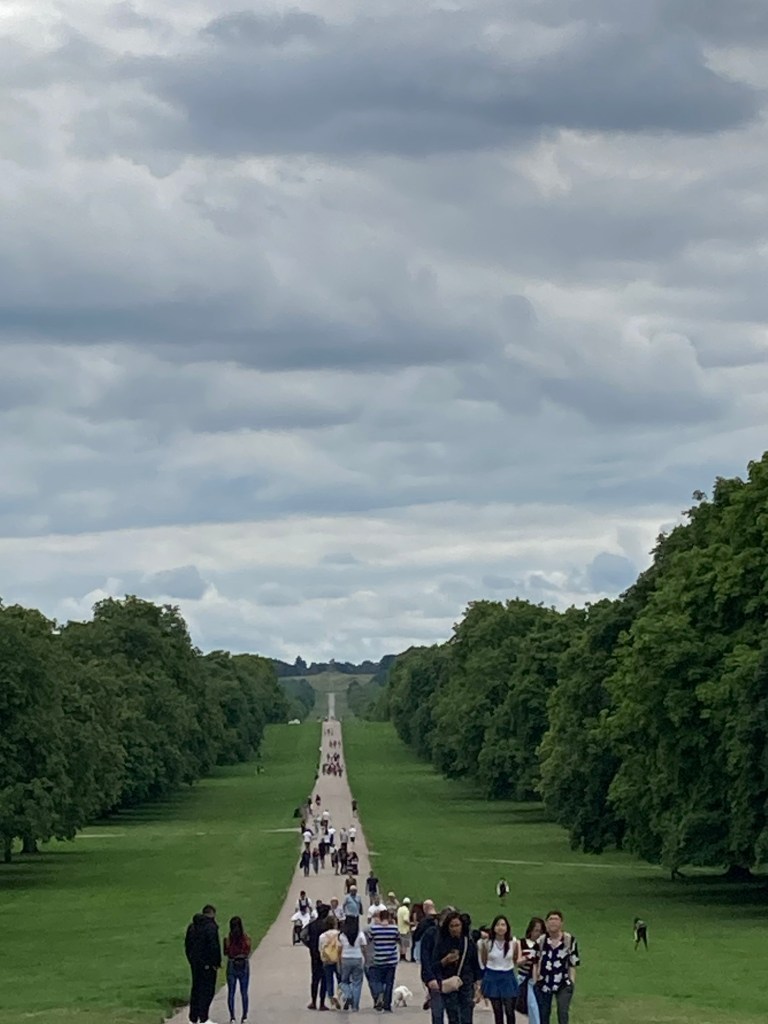
The Long Walk……..
The Long Walk – Castle endThe Long Walk
The Long Walk as the name says clearly, is at least a 2 mile straight line walk from Windsor Castle gate to the King George Horse statue where tarmac ends. Its located in Great Windsor Park and used for all kind of Royal activities, weddings, funerals, special occasions and most recently Prince Harry’s wedding.
While doing our house sit in Croydon we thought we would revisit London and see some places we missed out on during our previous visit. Croydon is only a twenty minute train journey to London, so an ideal opportunity!
On this day we thought we would put Covent Garden and Westminster Cathedral (we had already done the famous abbey on our earlier visit) onto our itinerary.
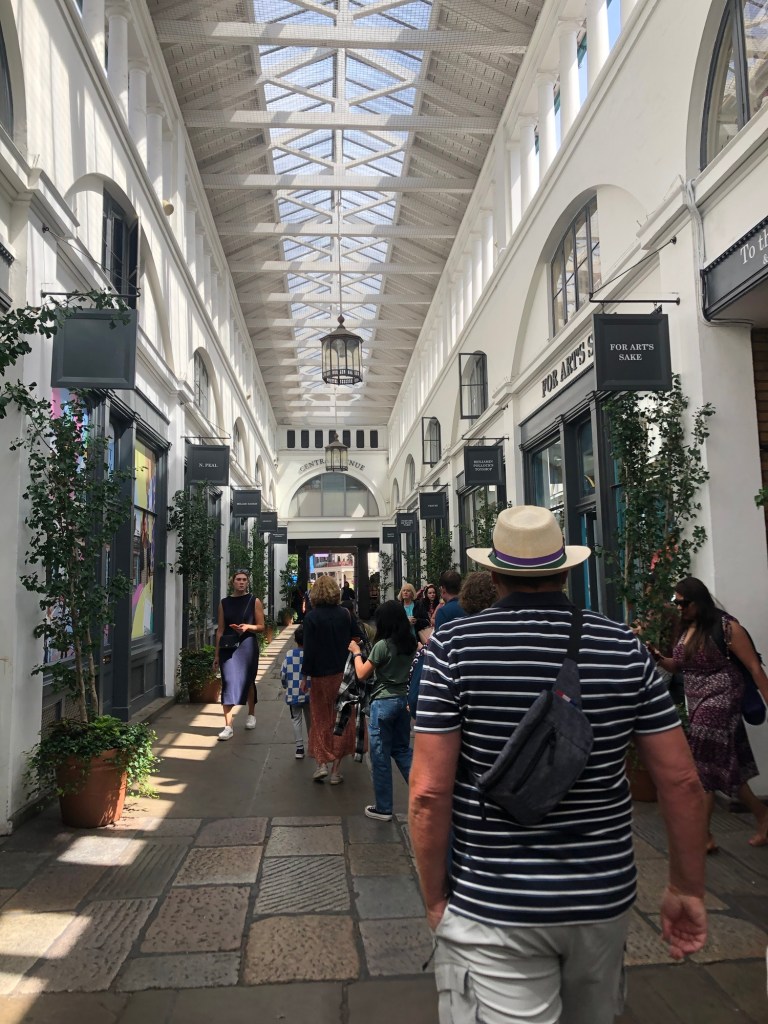
Lower level
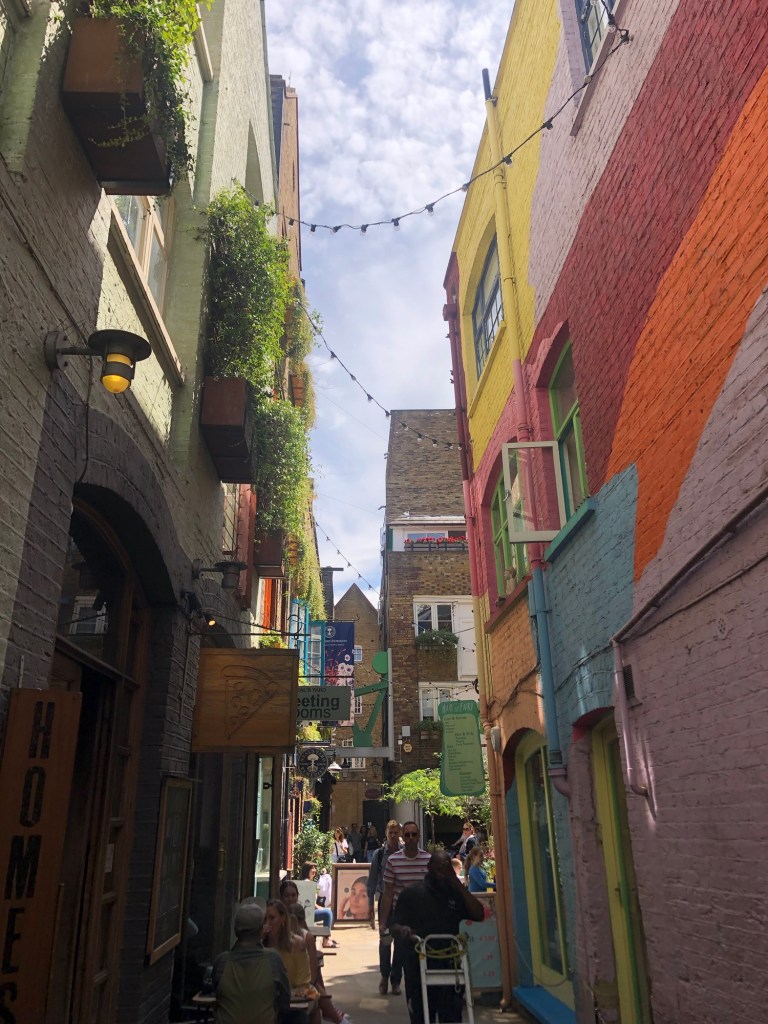
Covent Garden turned out to be a lovely vibrant area to wander around. Dotted with quaint streets, shops, markets, eateries and buskers galore!
Eateries in the lower level Neal’s Yard
Not too long ago, Neal’s Yard was simply a waste area filled with bins. Luckily, before it was demolished, a bloke called Nicholas Saunders used his entrepreneurial skills to save the area and create the buzzing, colourful corner that it is today.
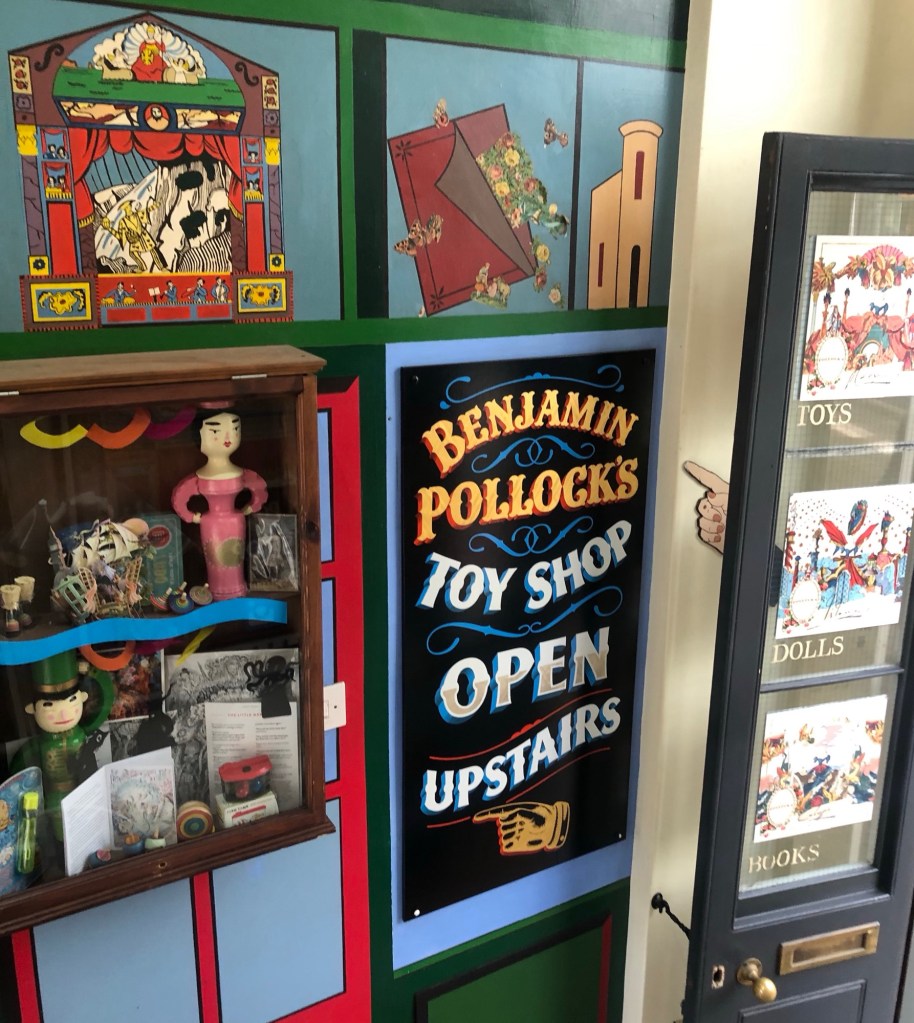
A sample of some of the quaint shops, some of them very small!
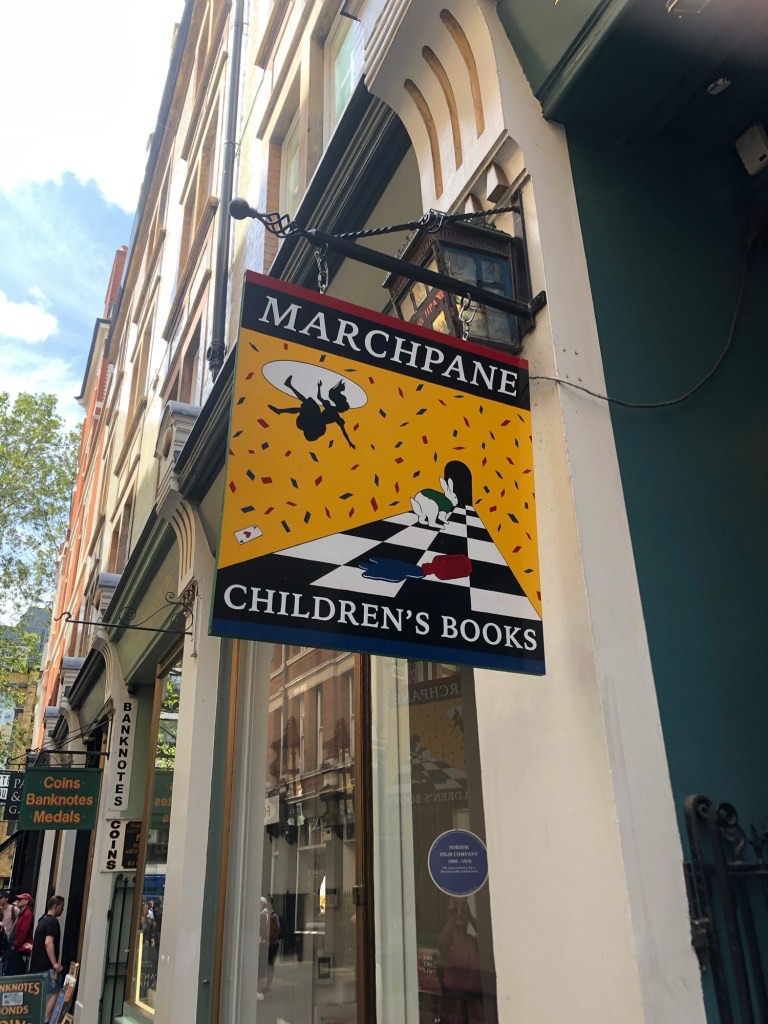
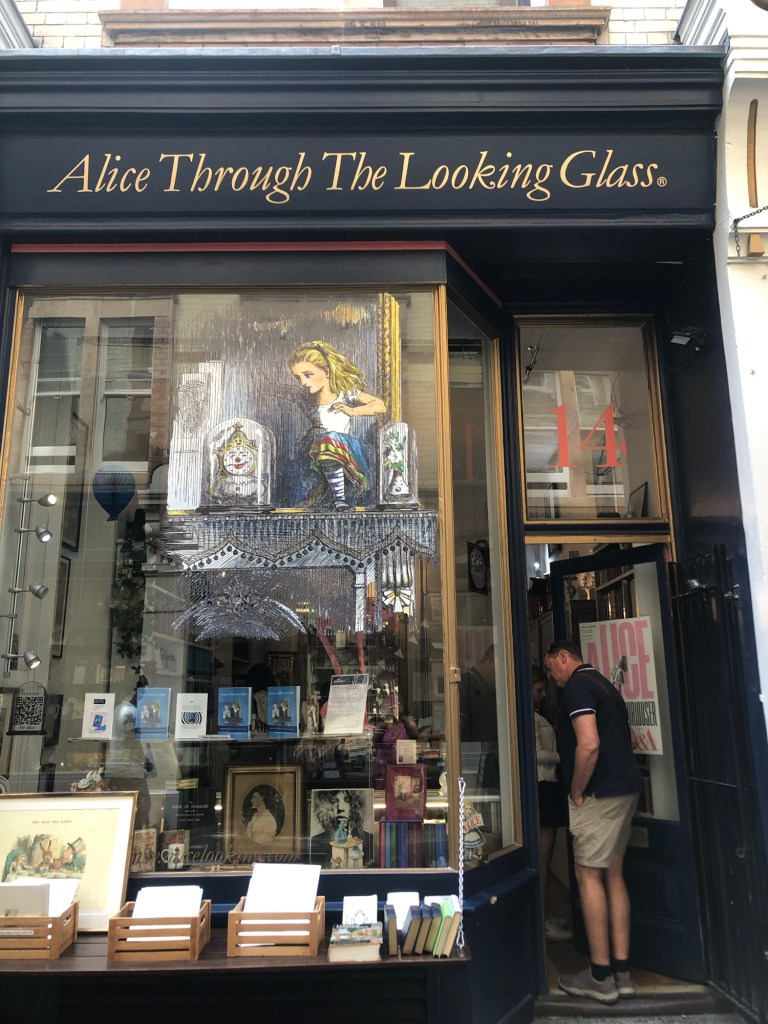
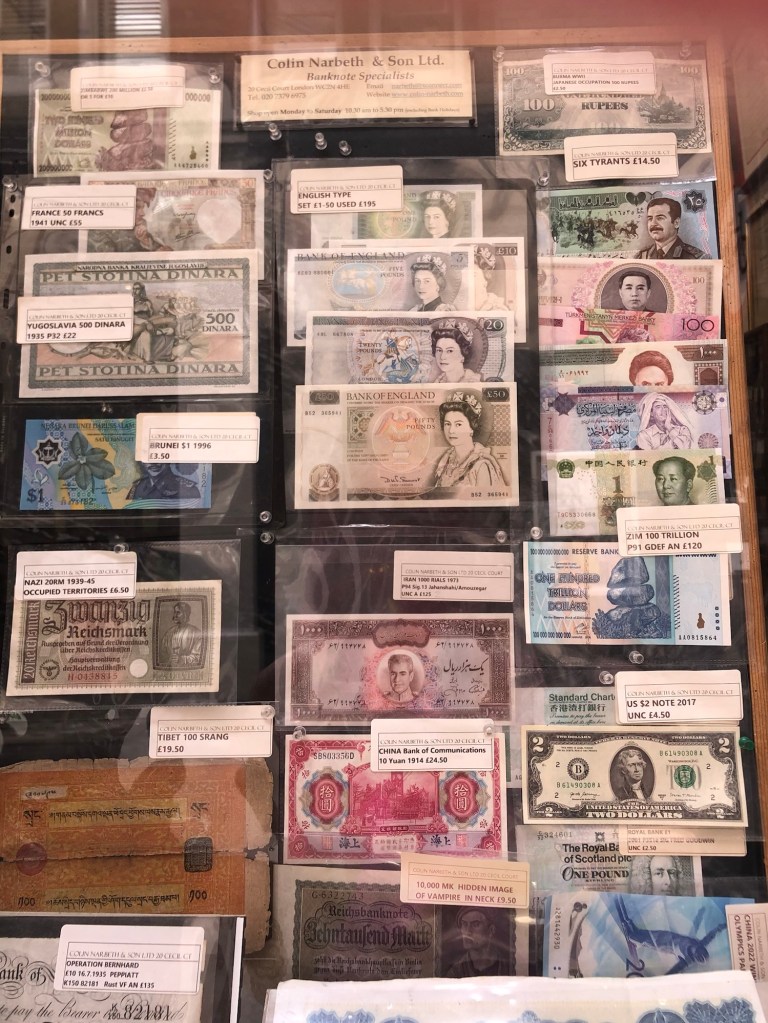
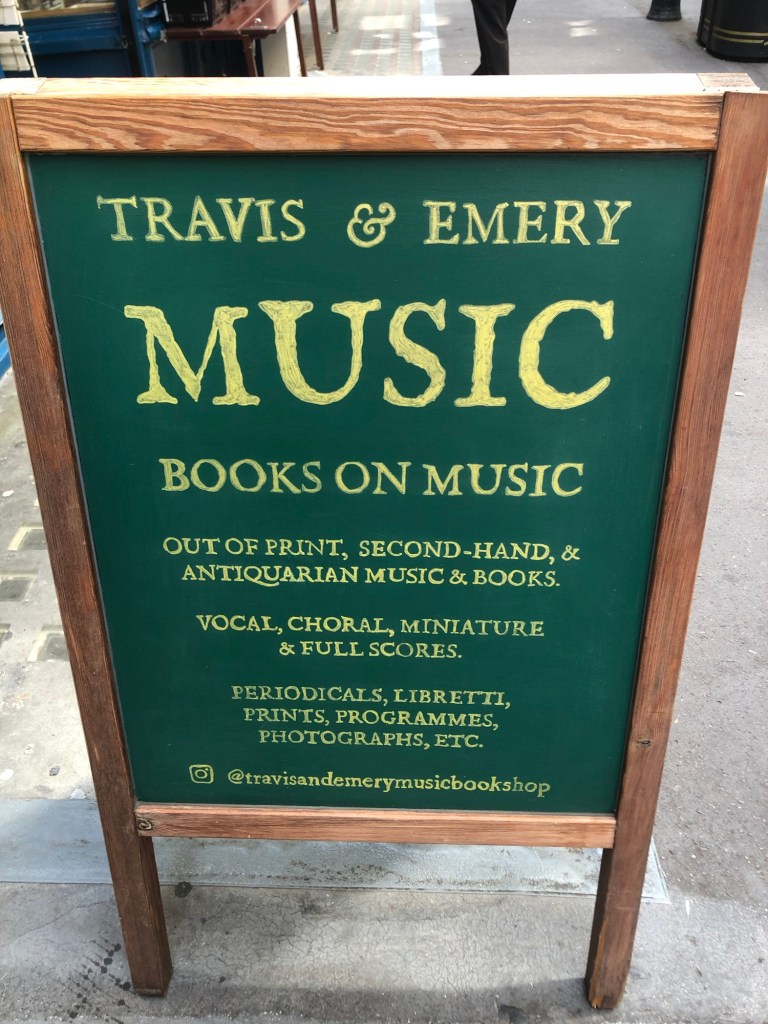
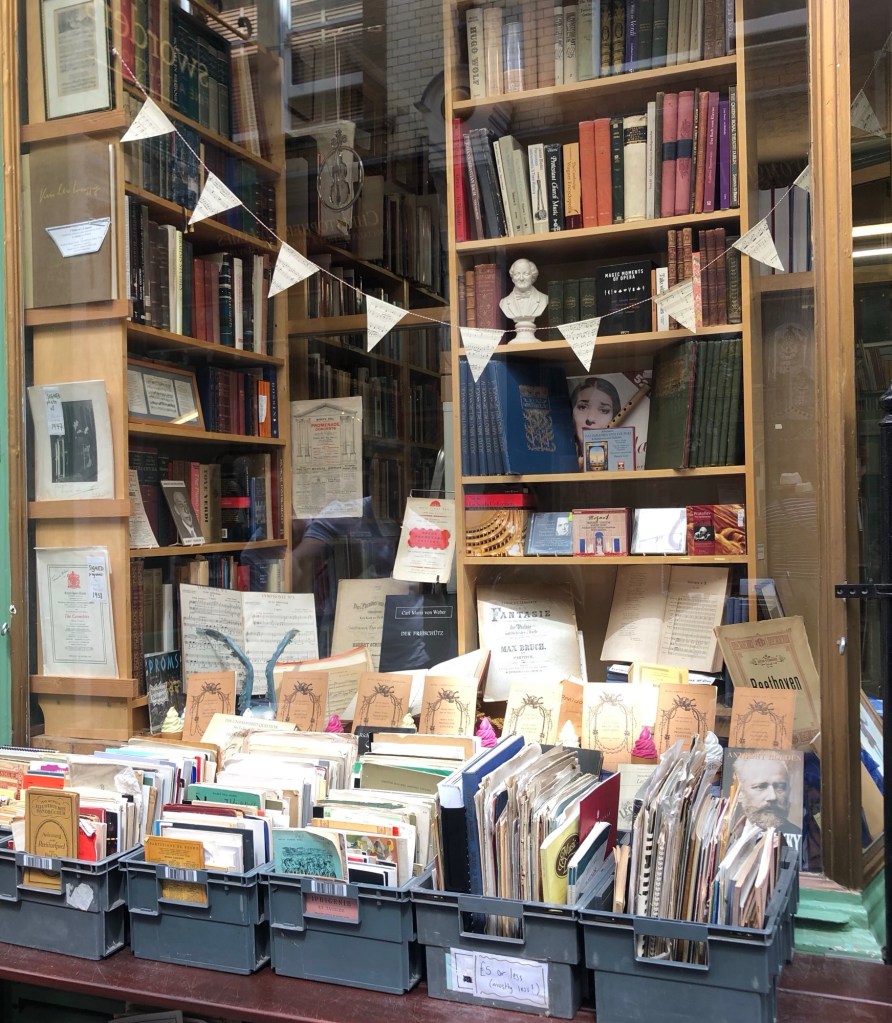
Well known kids brand of booksCheck out the one near the topSally’s favourite shopSpot the Trillion dollar noteSally’s kind of shop!Inside the music shopSign in a shop window, obviously a sore point!
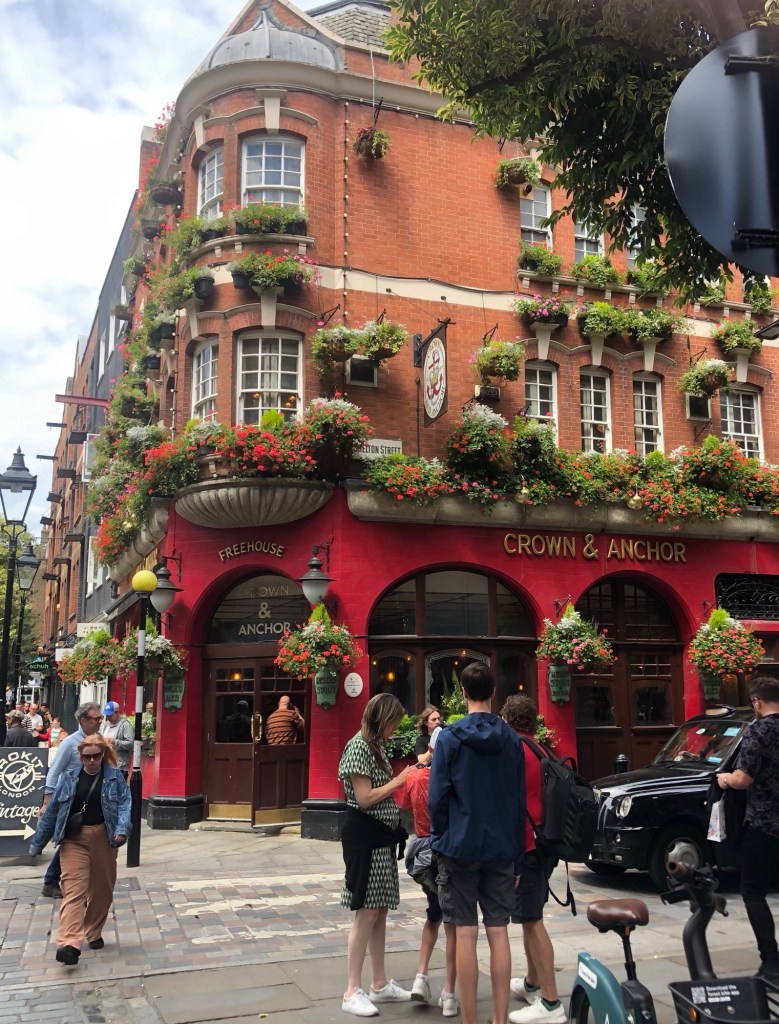
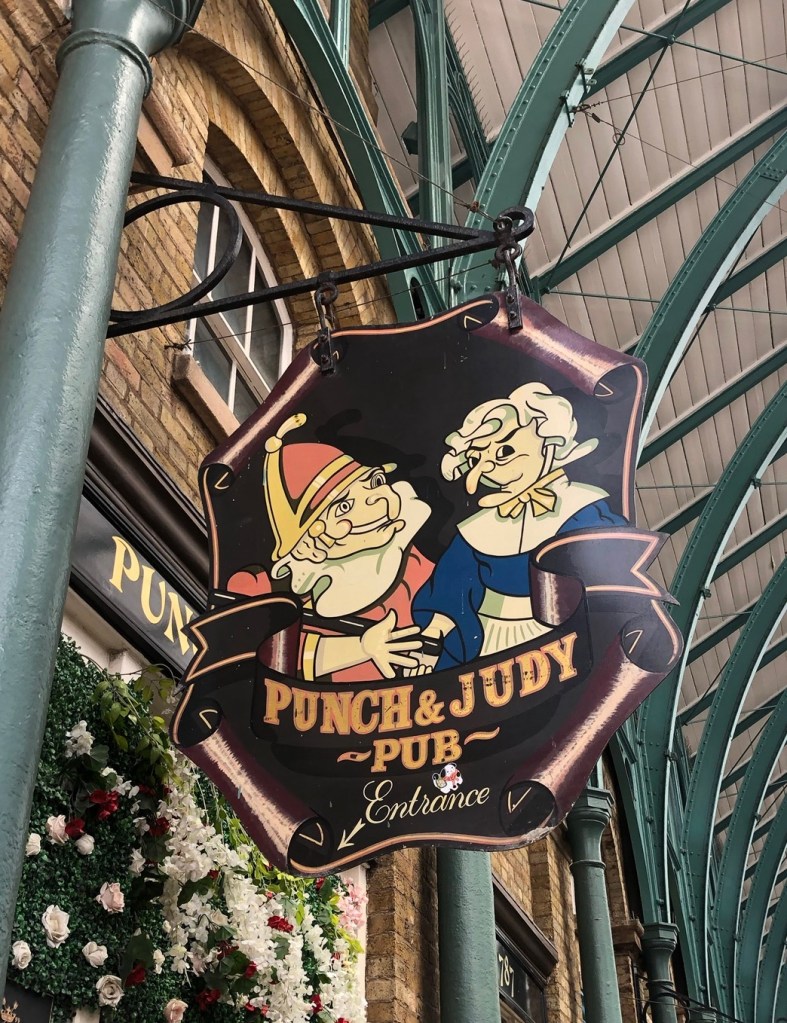
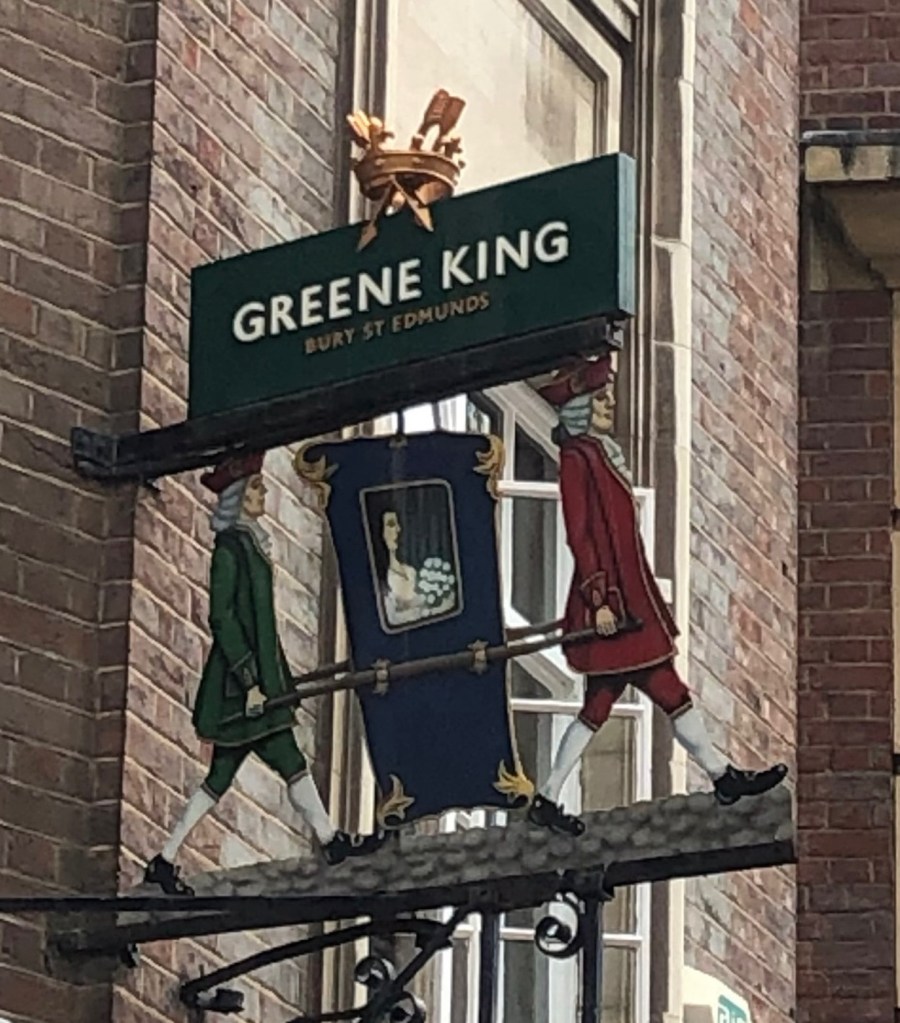
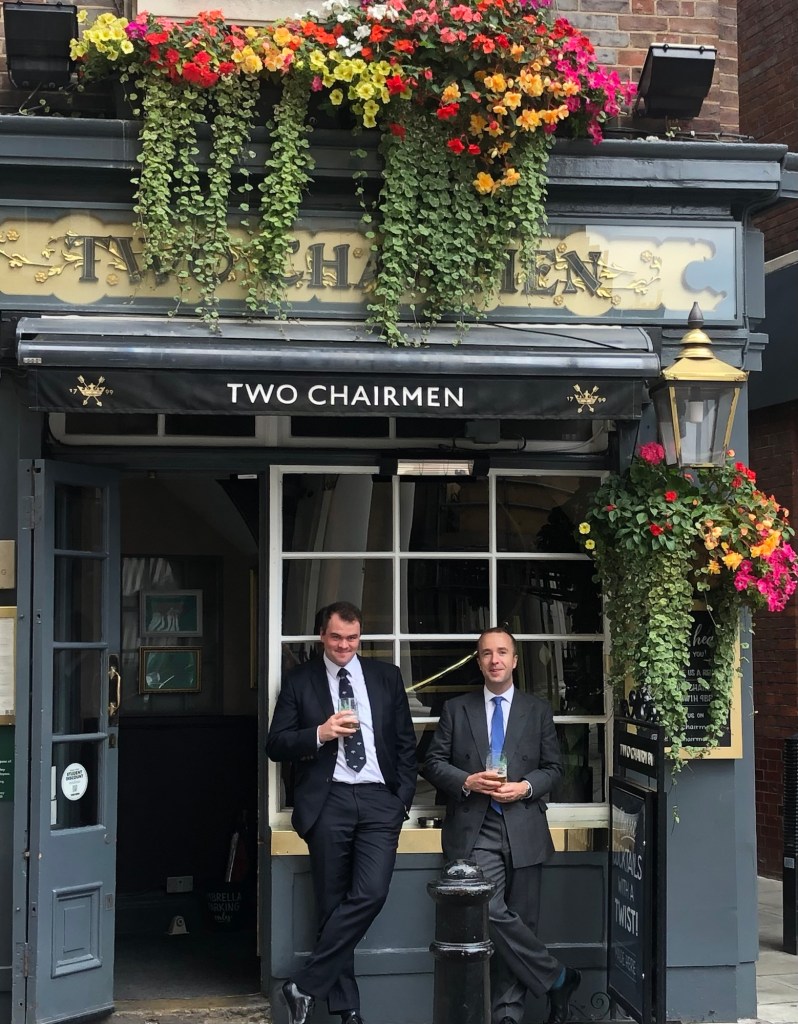
Some of the old signs are beautifully done, especially the names of the pubs.
Lovely Pub signsPictorial Pub signs as not many people could read back in the dayTwo Chairmen at the Two Chairmen
Kim’s new car!
Formula E race car on display Formula E Race car
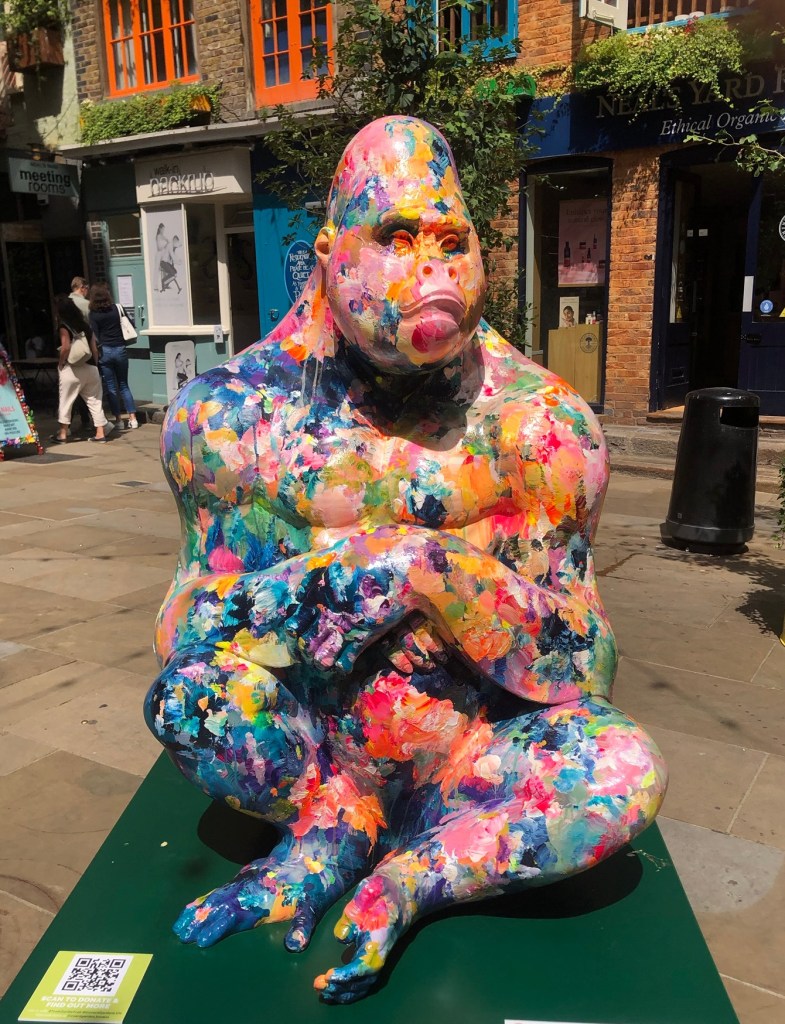
These gorilla sculptures were everywhere as part of the gorilla trail. Each one was painted in a different way.
There were lots of Gorilla statues all painted differently around central London
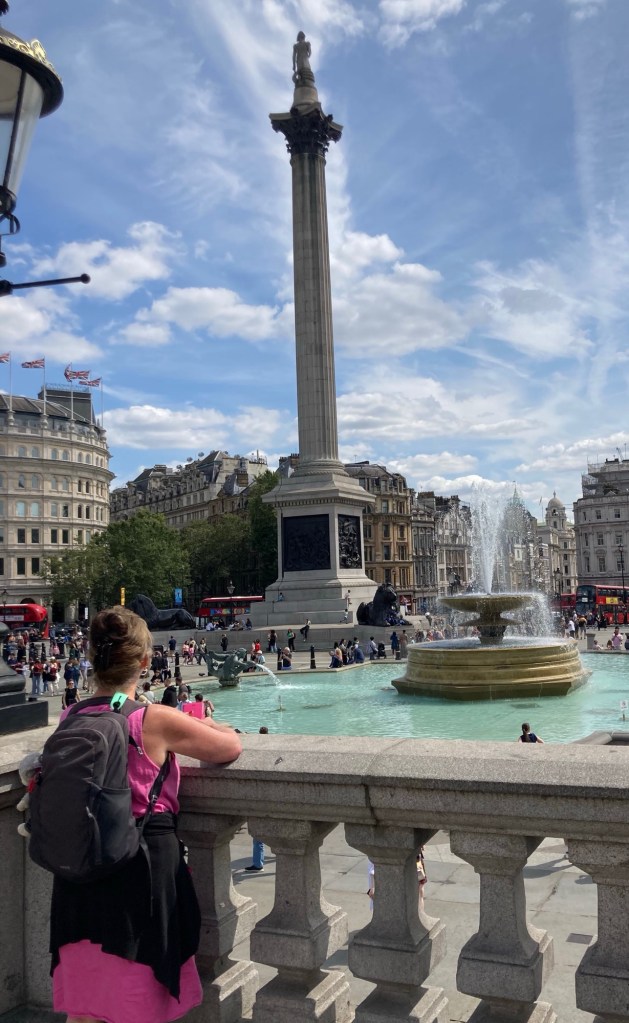
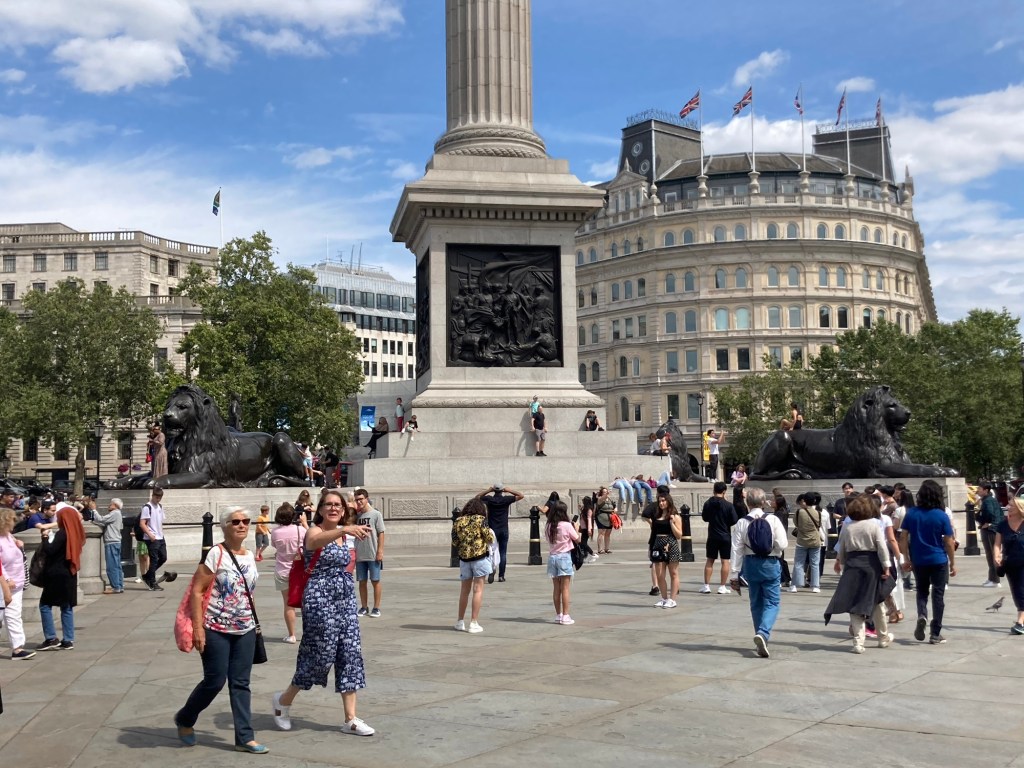
Trafalgar Square was nearby so we stopped for a bite to eat and some people watching
Sally pondering Nelson’s column!Trafalgar Square with the Grand Building in the background
Now that the school holidays have begun and tourist season is in full swing, we are noticing how much busierit is .
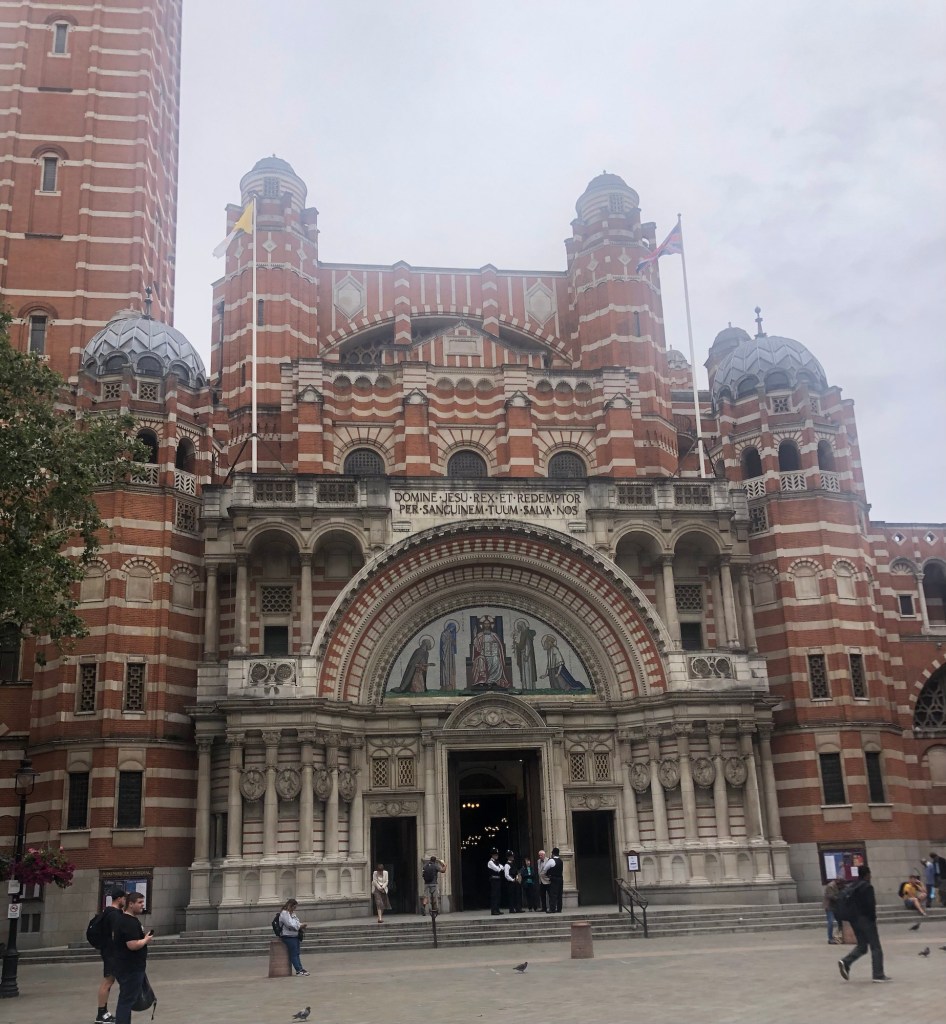
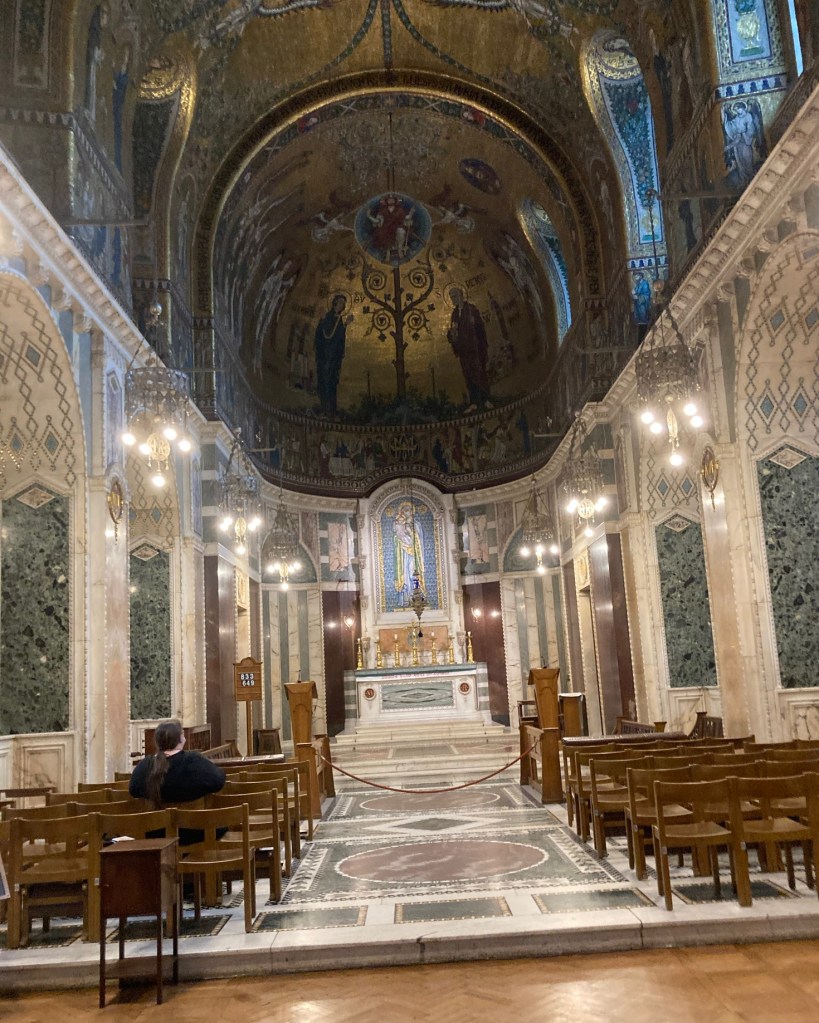
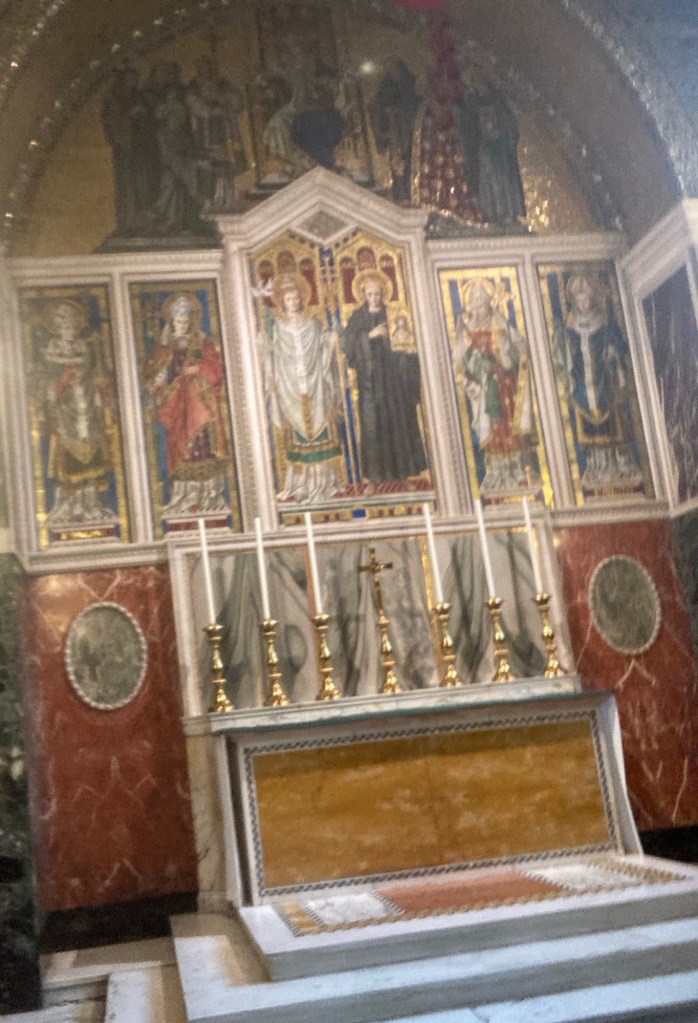
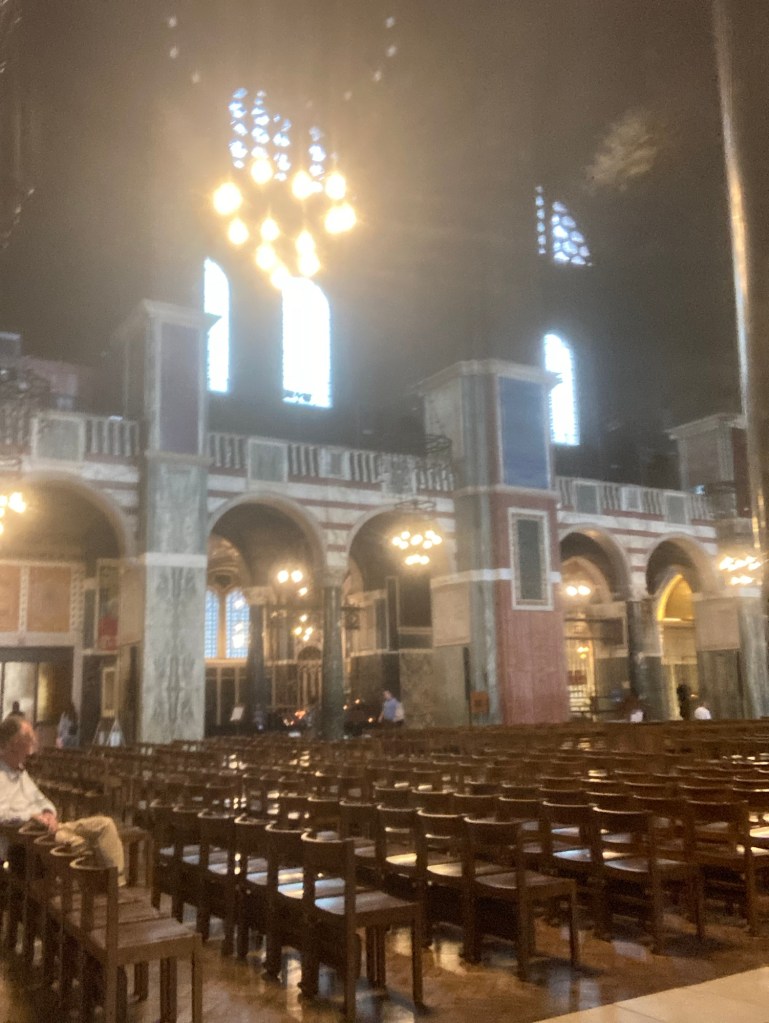
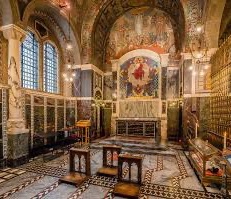
Final stop for the day was Westminster Cathedral. Unfortunately you were not supposed to take photos, but Kim obtained a few sneaky ones from behind his hat!
Completed in 1903, Westminster Cathedral is a Catholic Cathedral like no other. Itself a supreme achievement of art, the Cathedral is home to many distinguished works of artistic merit including hundreds of beautiful mosaics and Stations of the Cross produced by renowned English sculptor Eric Gill.
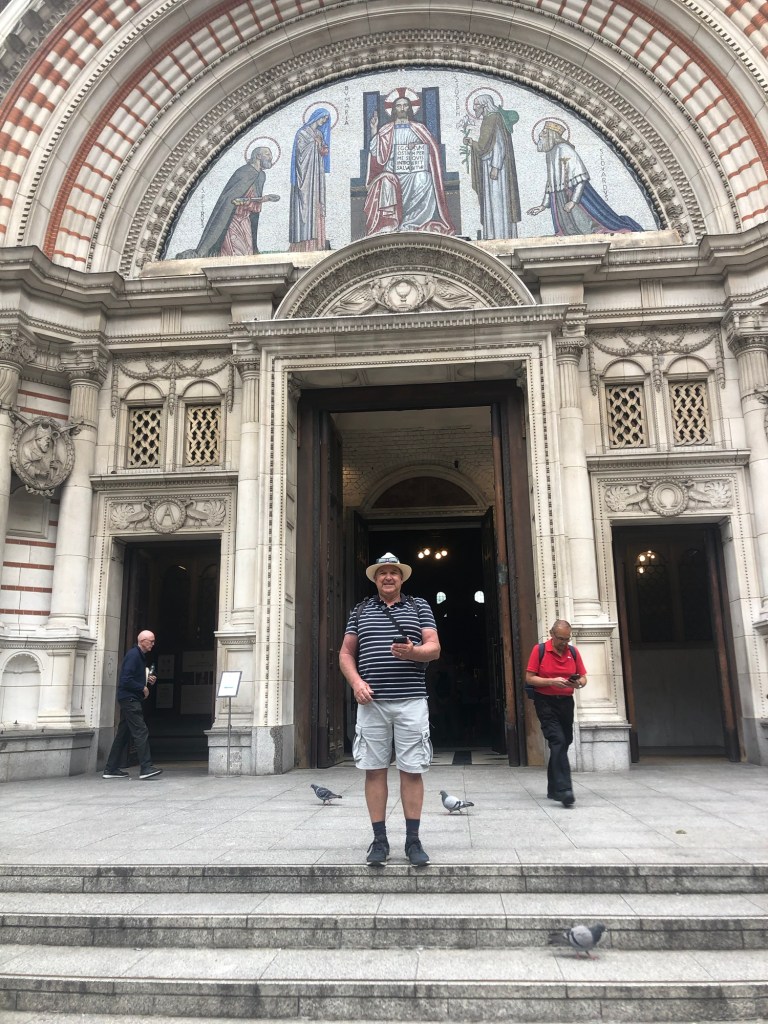
Inside Westminster Cathedral Westminster Cathedral altarOn the steps of Westminster Cathedral
The gold features and mosaics were two of the most stunning features of this cathedral.
This was started in 1099 by Rufus, the son of William the Conqueror, and like most palaces was added to over time.
As you can imagine security is tight, especially since someone tried to blow it up. Some guy called Guy Fawkes I think. Anyway, it is airport standard security checks to get into the place.
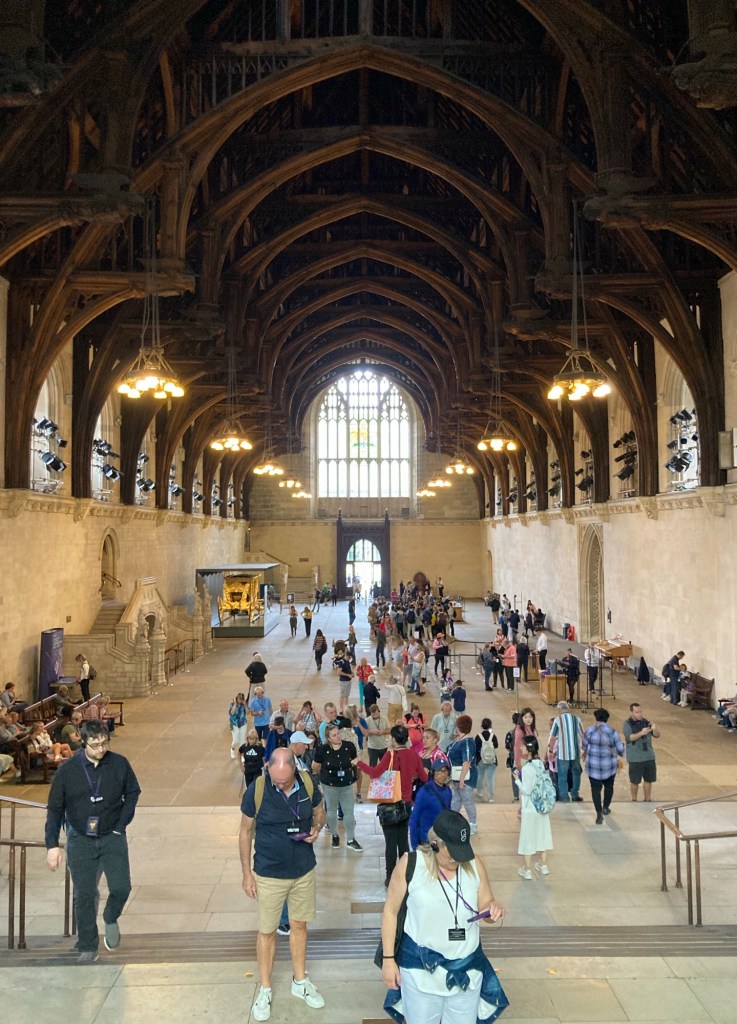
The first place you come into is the Great Hall which is the original building of the palace. As the name suggests it is a huge cavernous hall with an oak hammer beam roof.
The Great Hall
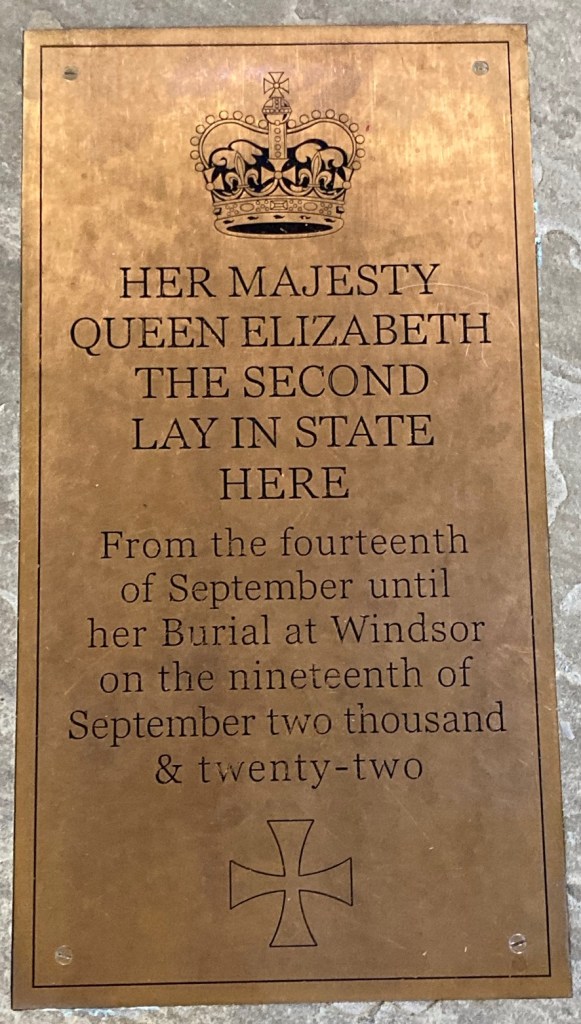
This is where Kings, Queens and politicians lie in state. There are plaques on the floor where they laid, we saw the one for Lizzie and Phil.
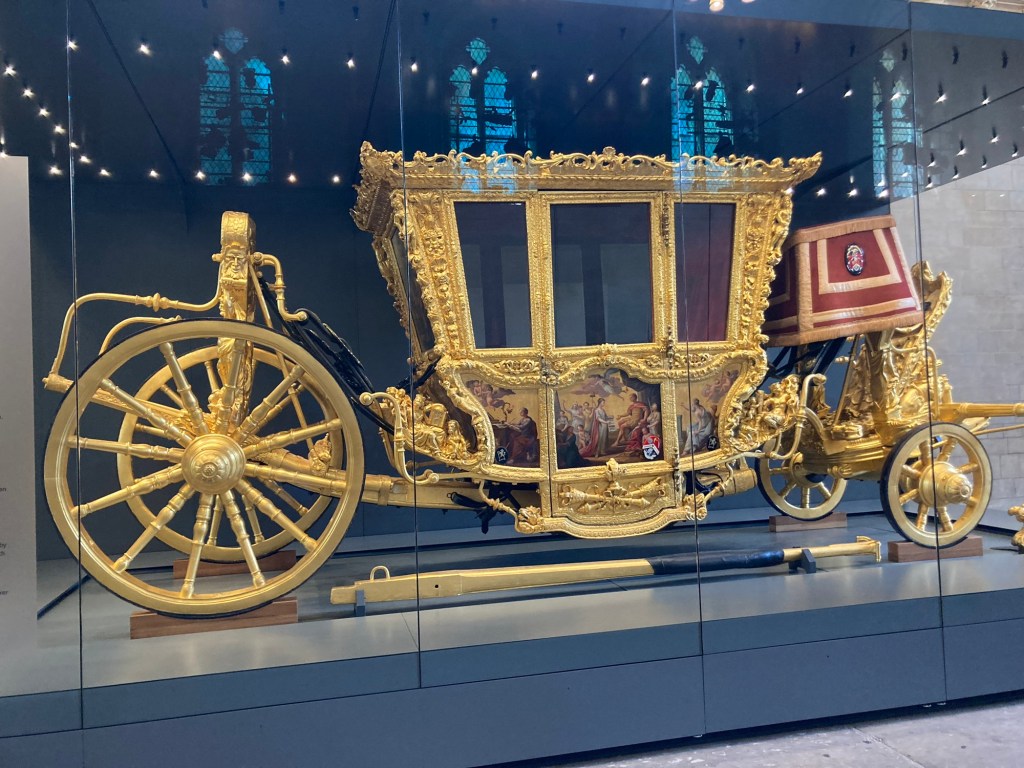
This is the Speakers Coach. I actually thought it was the Coronation Coach it looks so similar.
The Speakers Coach – so similar to the Coronation Coach
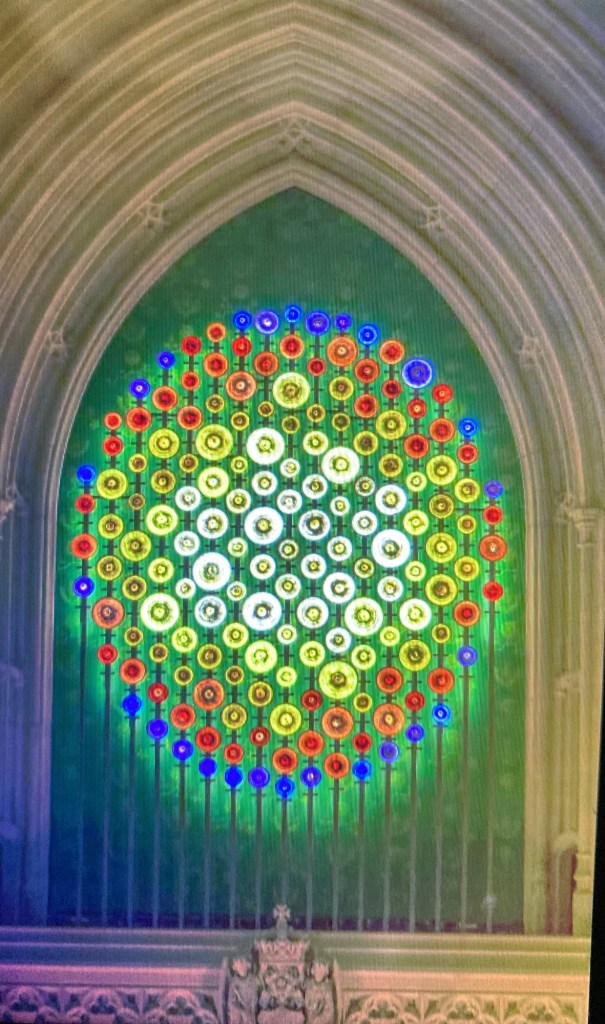
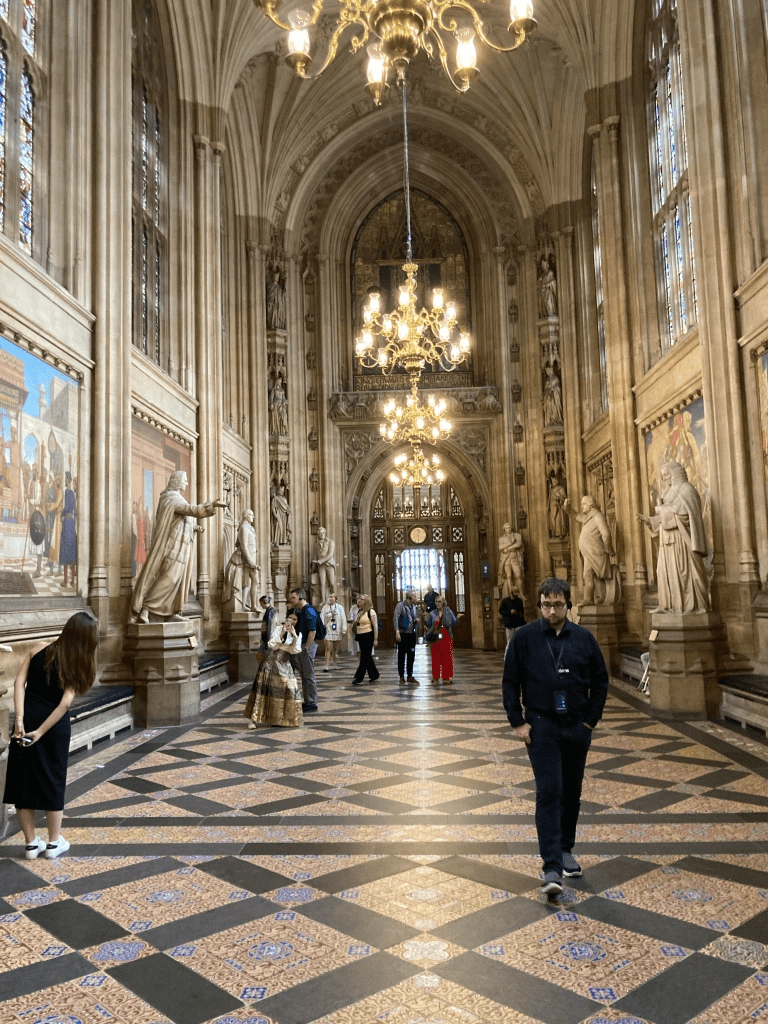
The next hall is St Stephen’s Hall. This is the old Commons where MP’s met to discuss the affairs of the day back in the day. At the entry is a lovely new stained glass window called the New Dawn, which represents anything and everything in the woke world of today.
New Dawn window
It was in this hall where Charles 1st entered parliament to arrest 5 MP’s who had drafted the Grand Remonstrance detailing Charles abuses of authority since 1625. On 4th Jan 1642 Charles entered the Commons with an armed guard to arrest these MP’s but the Speaker refused to tell him where they were, thus enforcing the separation of Monarch and Parliament.
St Stephens Hall
The Monarch is still not allowed to enter the House of Commons except at the invitation of its members.
Even today, at the opening of Parliament, the Lady Usher of the Black Rod walks from the House of Lords to the House of Commons to summons them to hear the Queens speech. The door is closed in her face. The Lady Usher then knocks 3 times with the rod, is admitted and allowed to request the MP’s presence. Great traditions, love this stuff.
Once through St Stephen’s Hall we weren’t allowed to take any photos but I’ve got some off that internet thingy.
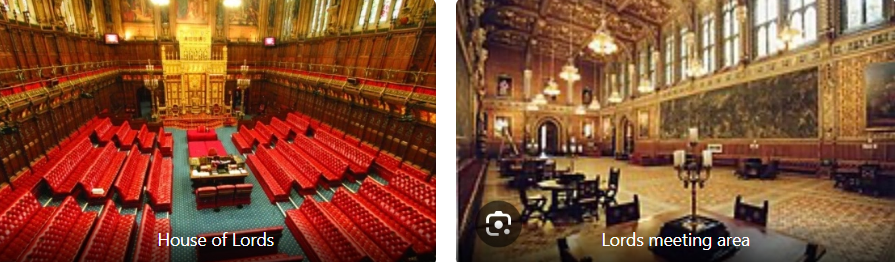
The House of Lords has red seats. The Lords meeting room has many octagonal tables to enable group discussions.
There are two massive murals on the wall, one depicting the Battle of Trafalgar, and one depicting Waterloo.
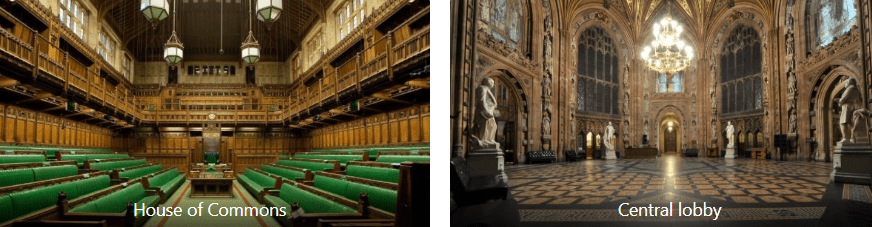
The House of Commons has green seats.
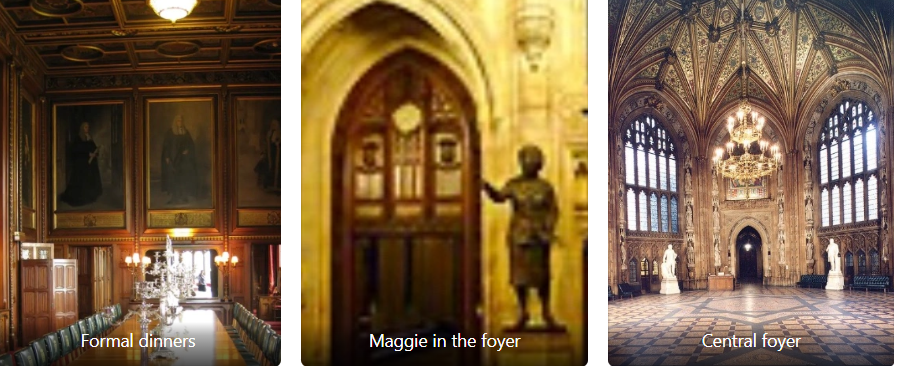
There is a Central lobby with passages leading off to the House of Commons one way, and the House of Lords the other way.
The seats in the House of Lords used to be hereditary and we’re passed down from father to son, but this has been abolished and now the Lords are appointed by the King on advice of the PM and the Appointments Commission and sit for life.
This was an awe inspiring building with a ton of heritage and fascinating history. This is where all NZ laws came from initially, before we started making our own.
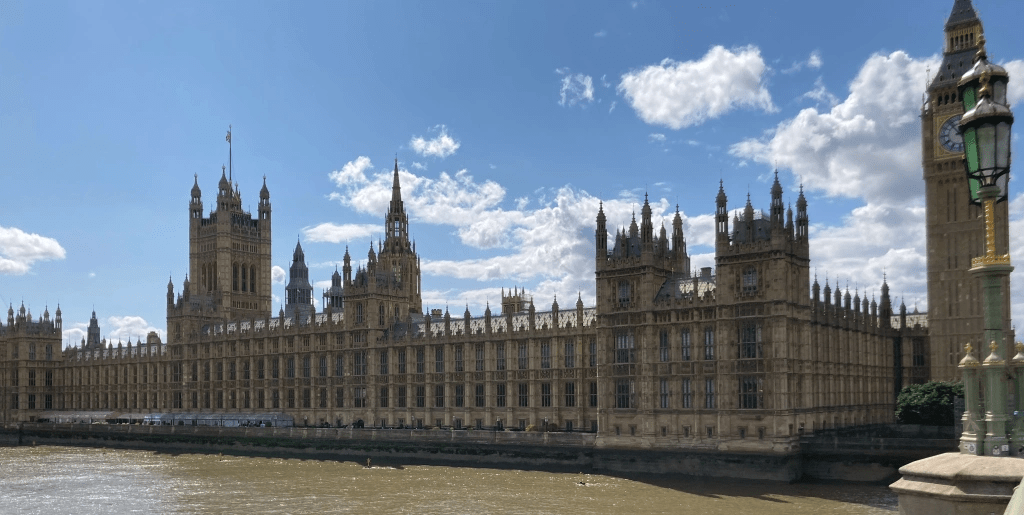
And so ended our day at Westminster Palace, the bastion of modern democracy as we know it.
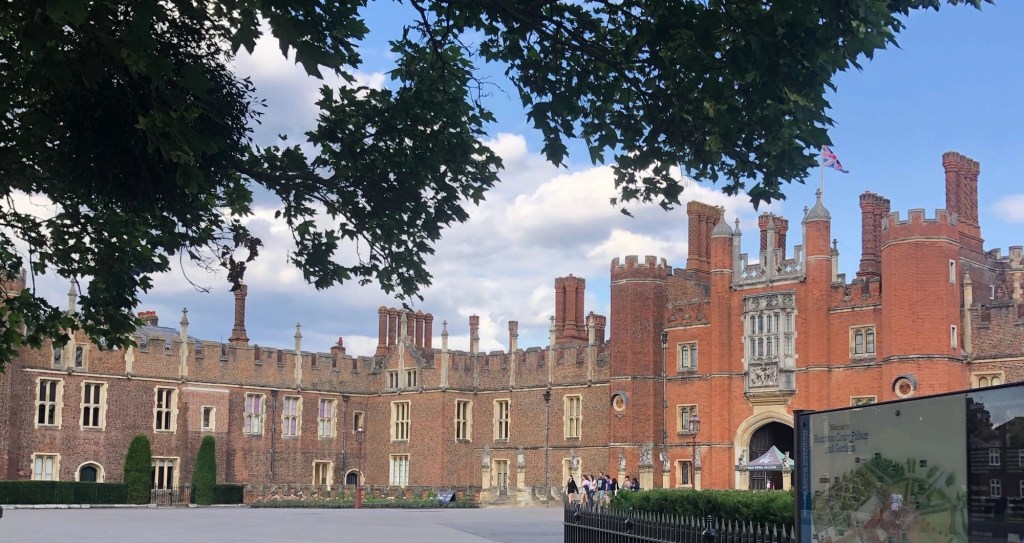
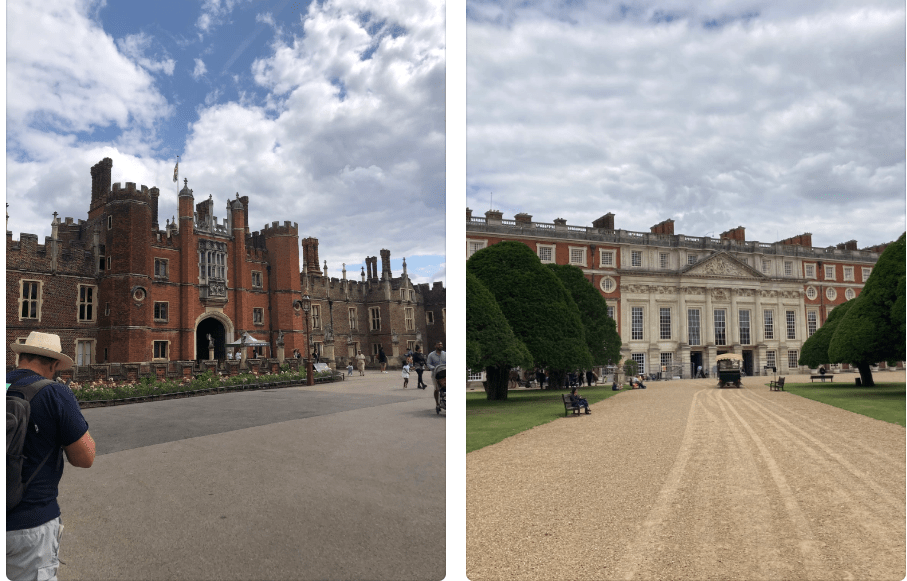
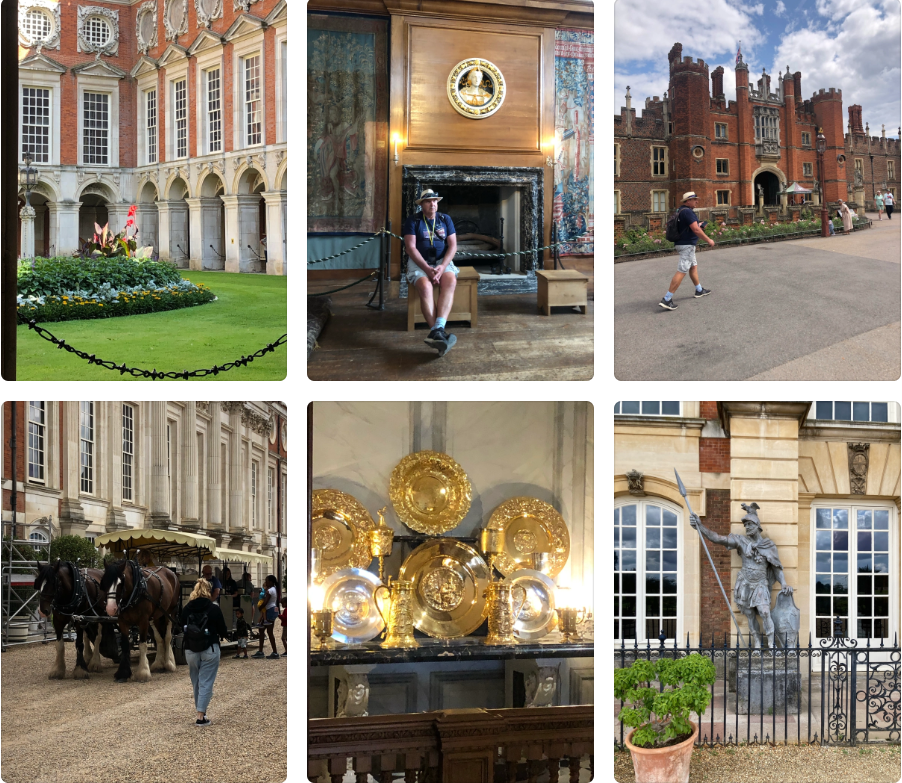
This is an old Palace built by Cardinal Wolsey who was chief minister to Henry VIII.
Hampton Court
It was started in 1514 and completed 30 years later. When Cardinal Wolsey fell out of favour with H8, he gave him the Palace to try and mollify him.
Side entrance & impressive front entrance
H8 brought all of his wives here (not at the same time of course). It had huge formal gardens, the first tennis court, and a maze.
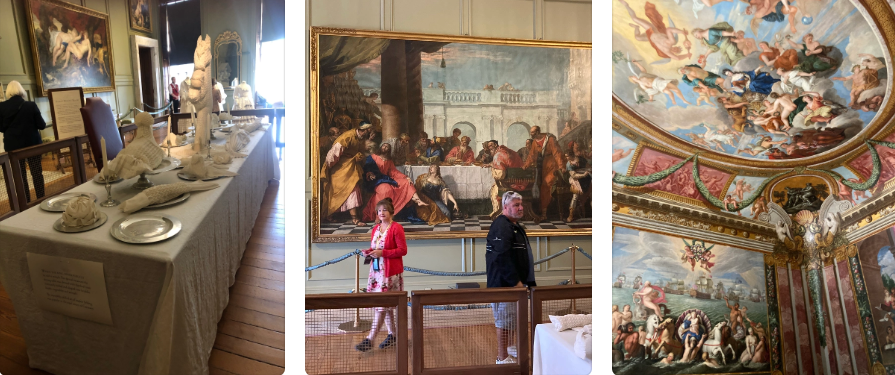
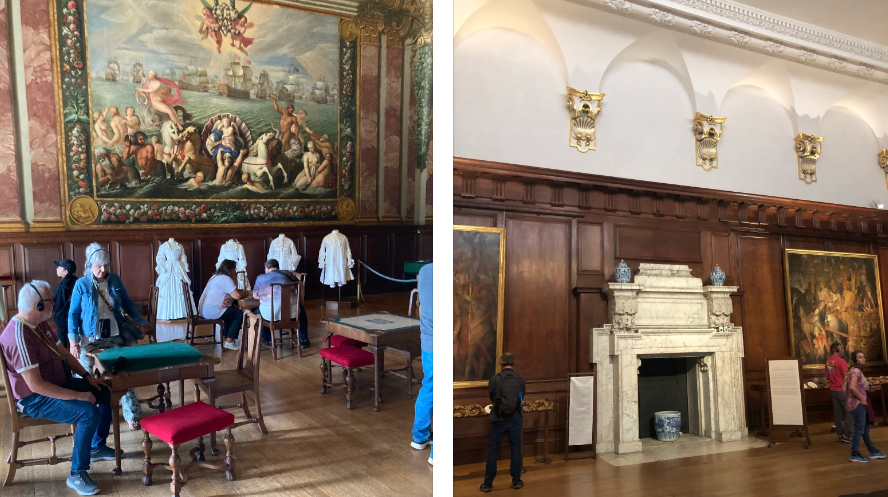
H8 apartments were very grand.
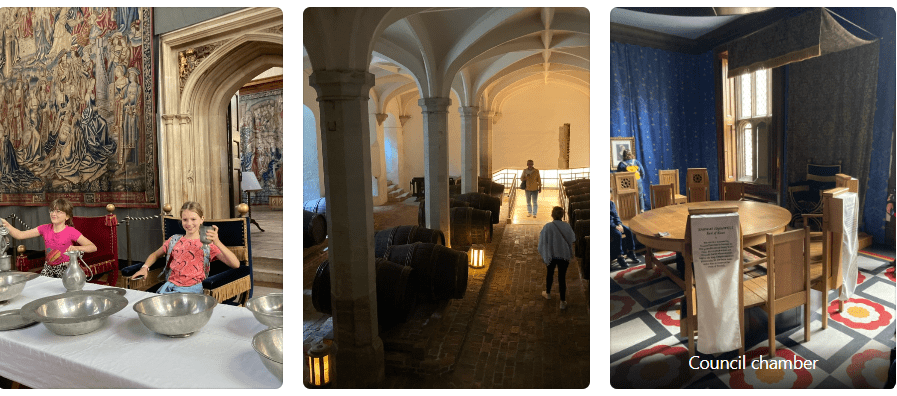
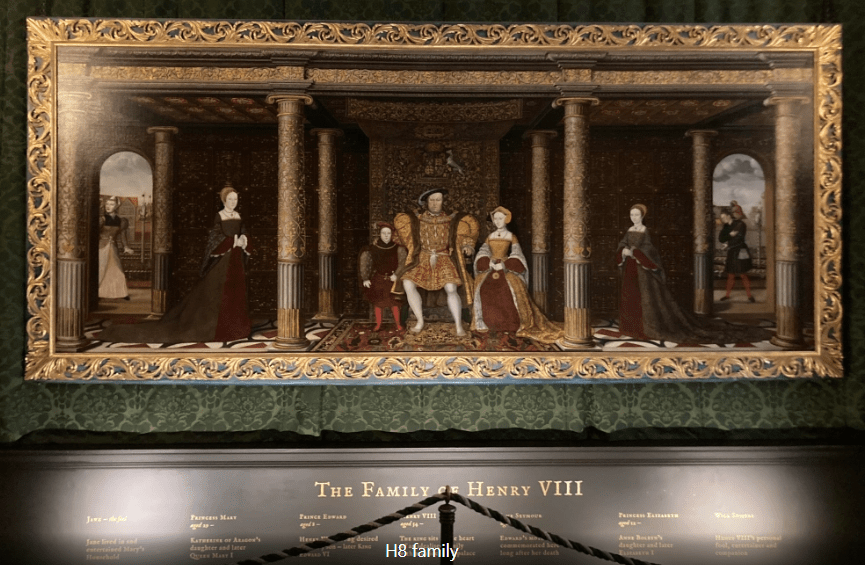
Dining room, gallery & Council Chamber (note round table)Henry VIII Family
They had a re-enactment which was well done and interactive about the interrogation of one of Anne’s Ladies in Waiting.
Period reenactment
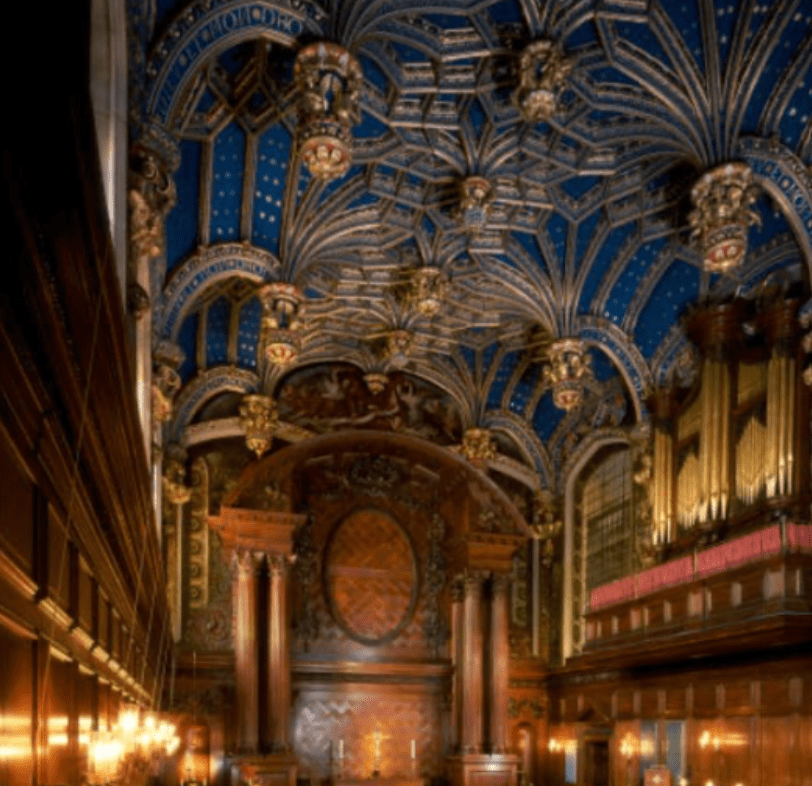
The chapel was amazing, still had the beautiful original ceiling so looked as it was 500 years ago.
Gilding and painted ceilings
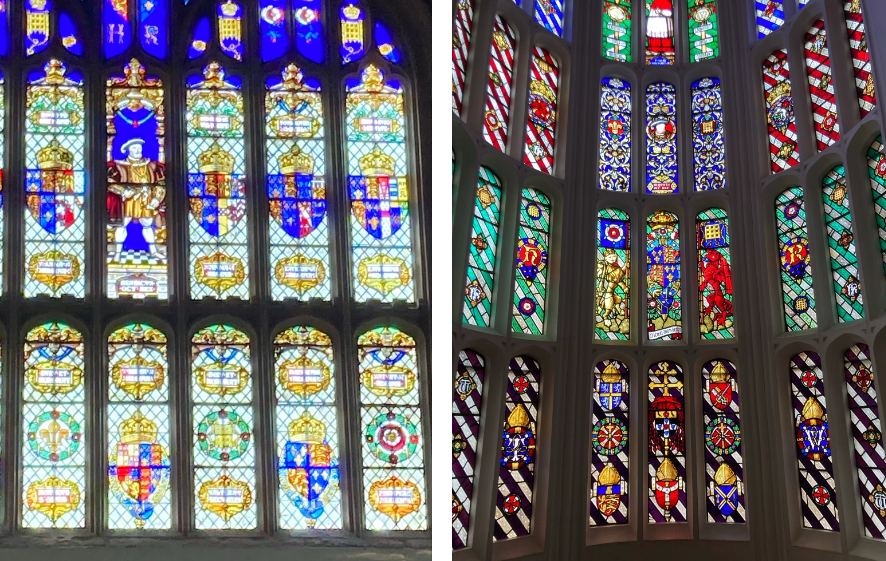
The Great Hall had some impressive lead light windows, look closely and you’ll see H8 in some of them.
Windows of The Great Hall
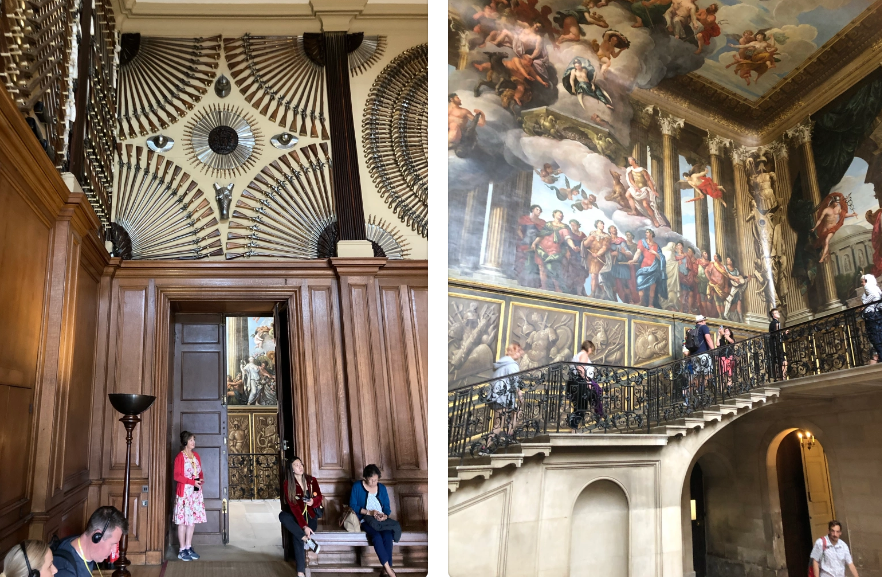
When William III moved in he created his own suite of apartments. His first reception room was full of displays of pistols, swords, pikes and rifles. These are all in working order and are taken down each year for cleaning.
Displays of swords & pistols above Sally. Stairway to William III apartments
He was more of a hunter and warrior than a flamboyant courtier. He did not like people much and hid away from gatherings when he could. He had elaborate public apartments.
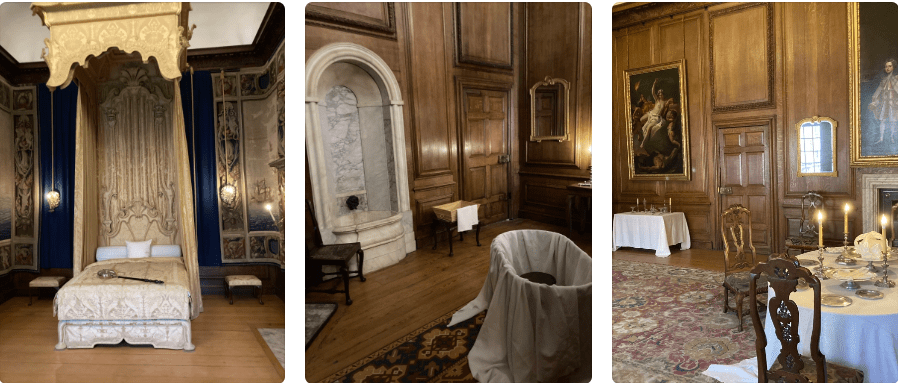
William III apartments
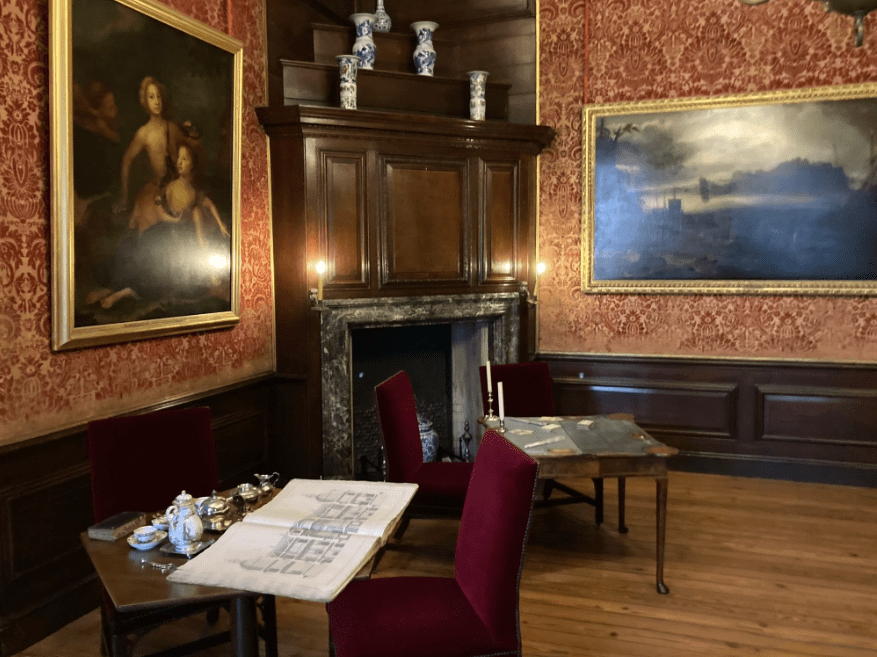
and a suite of private apartments where he could relax or read a book.
More of Williams III rooms
Then it was time for lunch so we strolled out to the gardens. They would have had an army of gardeners back in the day as there were lots of formal gardens to tend.
The gardens were vast and well kept
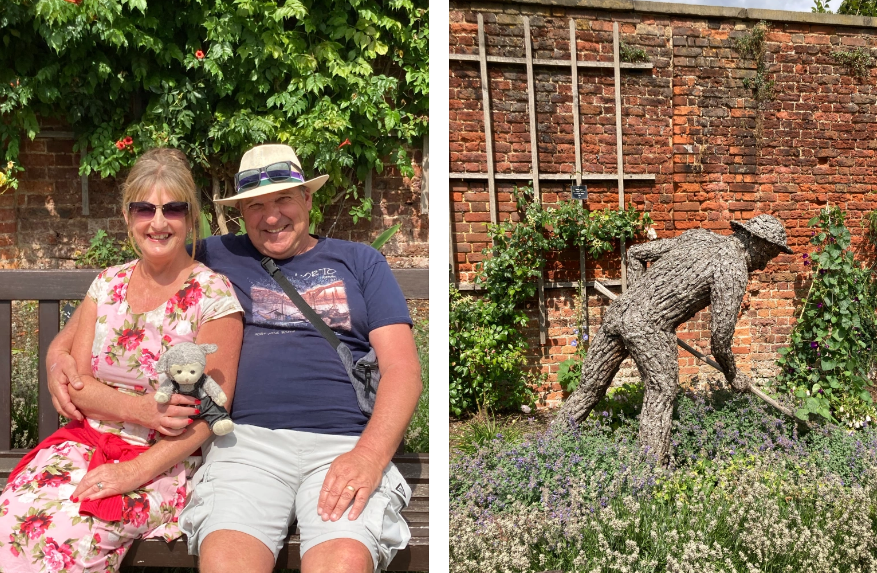
Look at this lovely couple in the garden! And a lovely bark sculpture of a gardener, it was so well done.
What a lovely couple! Willow man gardener
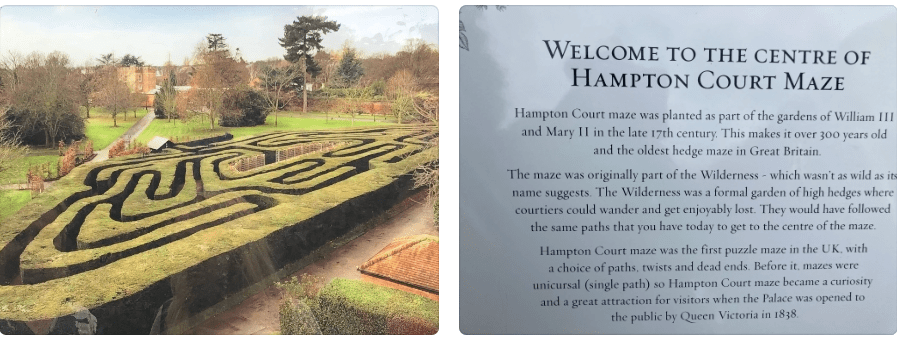
and we had to do the Maze.
Hampton maze
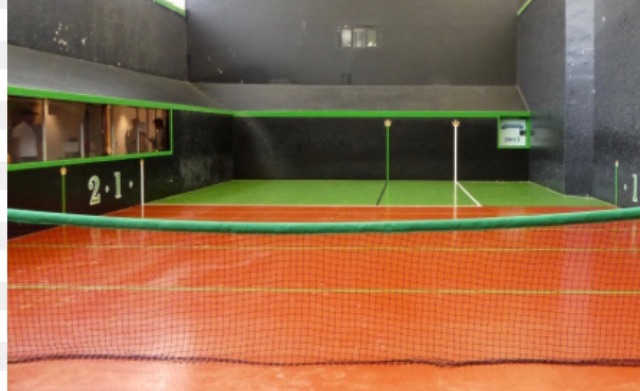
Tennis was played here in the 1500’s. A different game to todays tennis, this one looked like a mix tennis and squash and played on an indoor court with a saggy net.
Indoor tennis court
It is still played at Hampton Court, there are 500 current members, Prince William plays occasionally.
Next stop was the Georgian appartments previously occupied by George II.
George II apartments
There was a protocol to be admitted to the successive rooms of the apartments concerning status and dress.
More of George II rooms
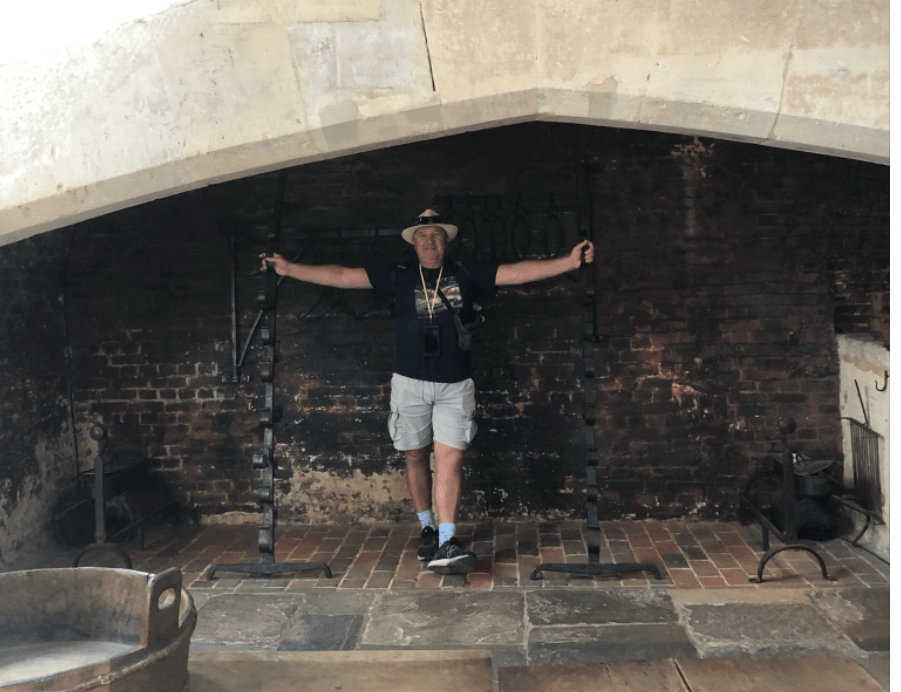
And how is this for a massive fireplace
Everything done on a large scale
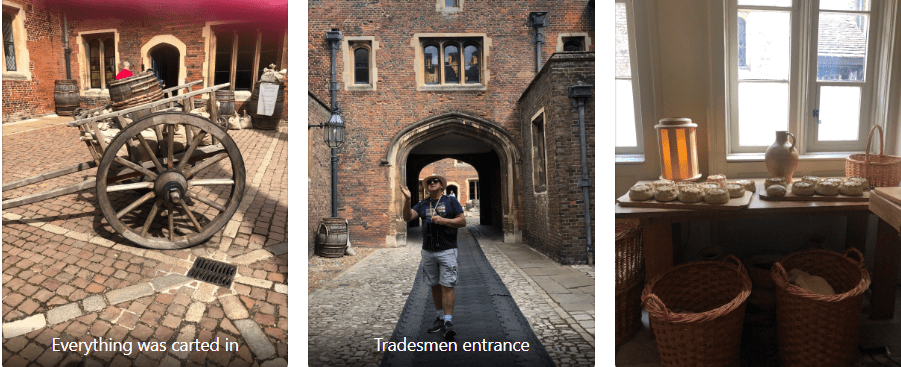
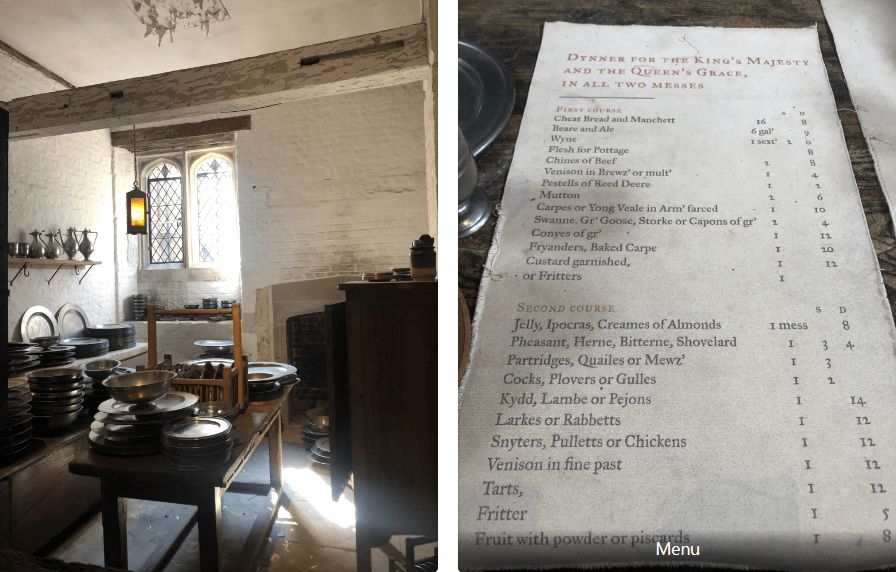
There would be 600 people at court when H8 and his entourage rocked up, so feeding them all was a monumental task. They had huge kitchens, and of course all the produce had to be sourced locally.
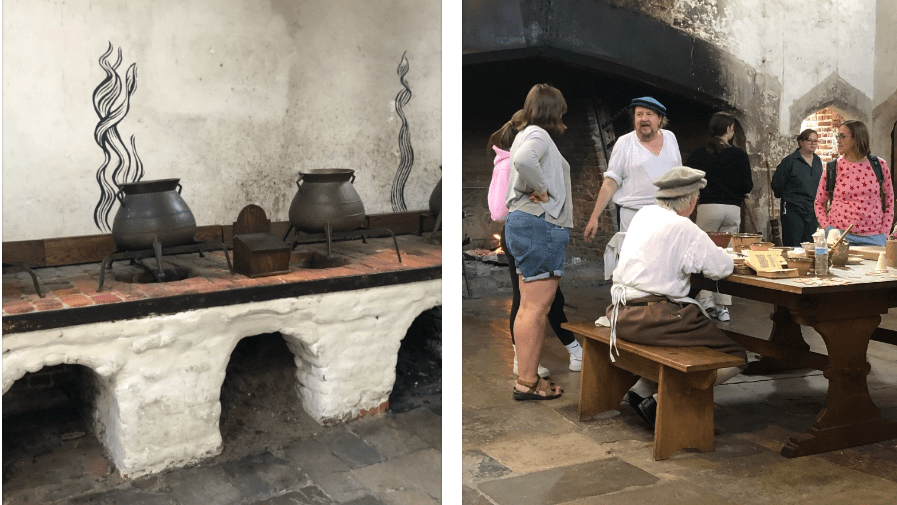
Massive ovens, and three kitchens one after the other.
Massive ovens
All the meat was boiled in a vat then finished off on the roasting spits in the huge ovens. The heat down here would have been tremendous. Over 200 people were involved in feeding the Court.
Kitchen staff explaining how things were done back in the day.
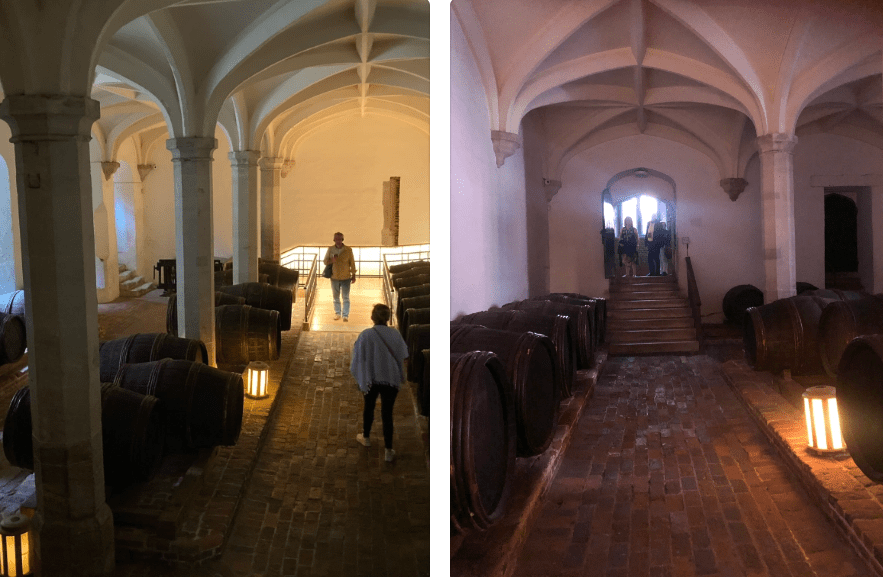
There were large cellars for the wine, beer & ale (yes, there is a difference).
Wine & beer cellars
Everything had to be accounted for by the Clerks of the Green Cloth who were responsible for the efficient and economic running of the kitchens, these were 3-4 high ranking courtiers.
The apartments are full of paintings, tapestries, thrones, canopied beds, cabinets etc. There is a lot to see, we spent 5 hours there, so at £26 each it was pretty good value.
Massive tapestries in this receiving room
These big attractions are best scheduled for the whole day, so you don’t have to rush, you can take your time and really take it in all in – nice ‘slow travel’ eh Terry!
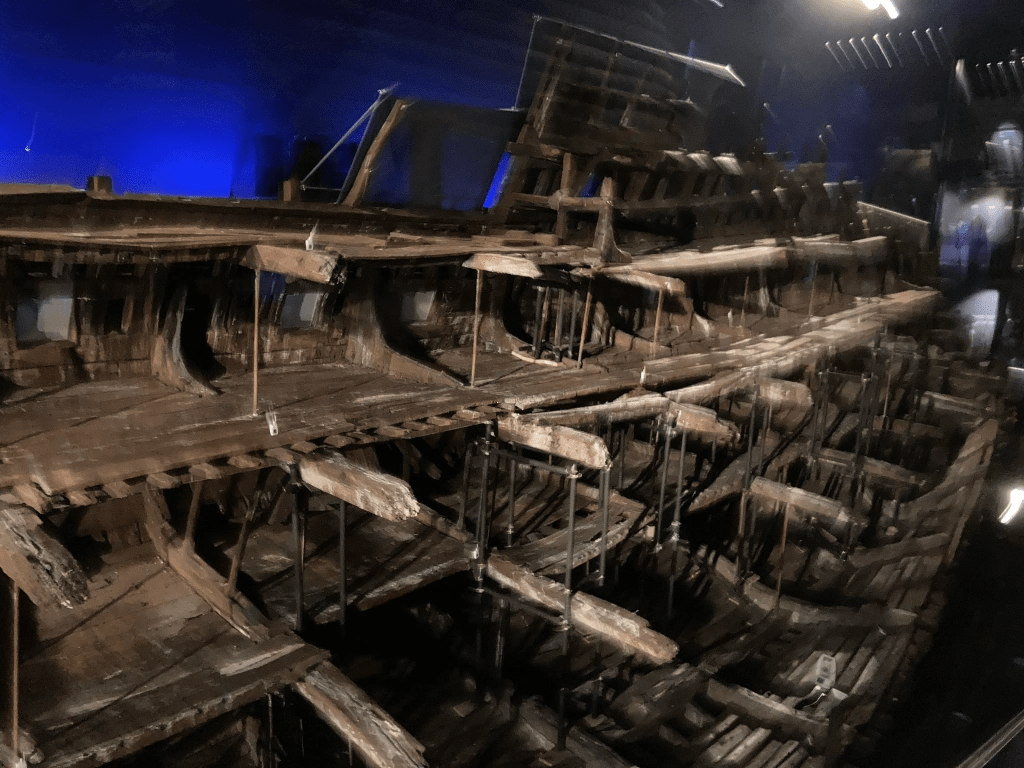
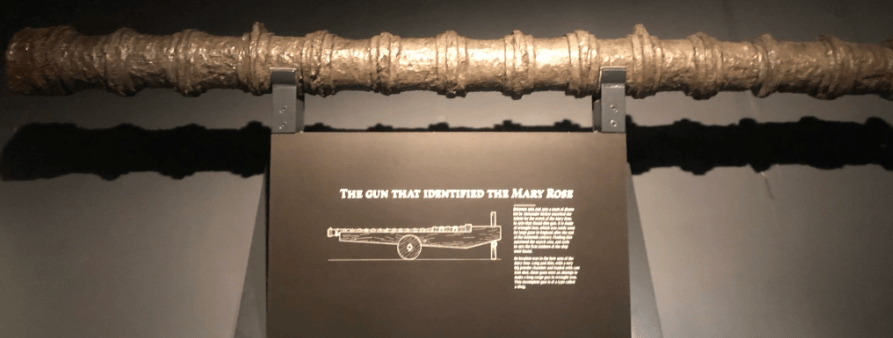
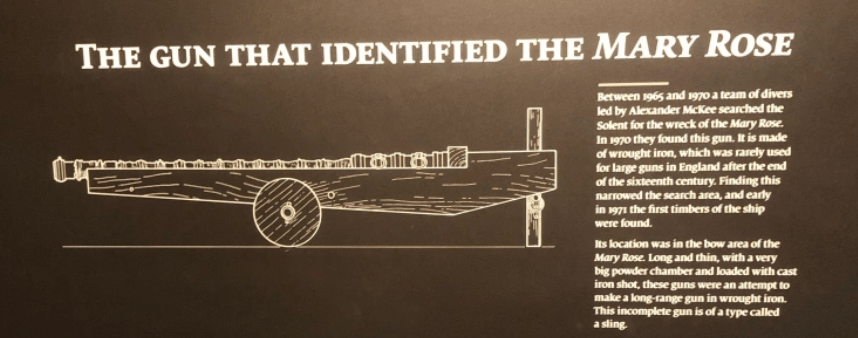
The wreck of the Mary Rose. When she sunk she turned onto her side leaving one side exposed to the elements. This side rotted away but the other side, preserved in layers of silt, survived.
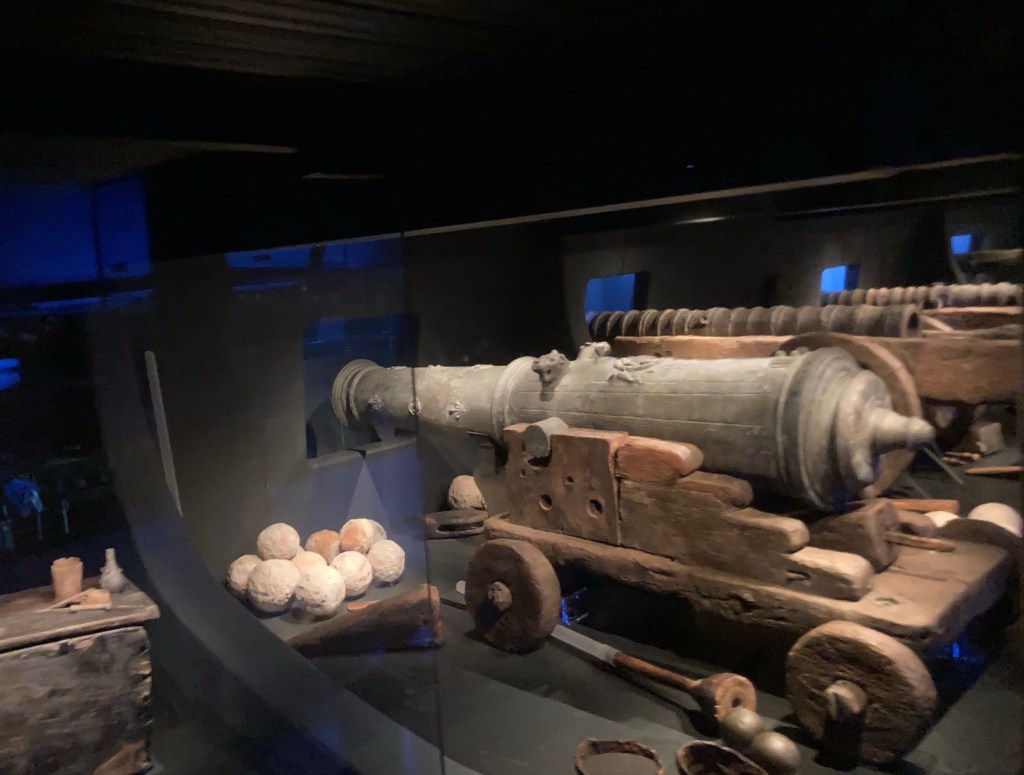
One of the many attractions at the dockyards in Portsmouth was the Mary Rose museum. This included the actual ship wreck of said boat, along with artefacts found on the boat, perspectives of the divers, and some great interactive experiences including a 3D movie (complete with glasses!) where you took the part of a diver discovering the Mary Rose and helping haul her to the surface.
At one point I was admiring how real the bubbles looked, until I reached out to touch them and found they were real. (there was a bubble machine operating!)
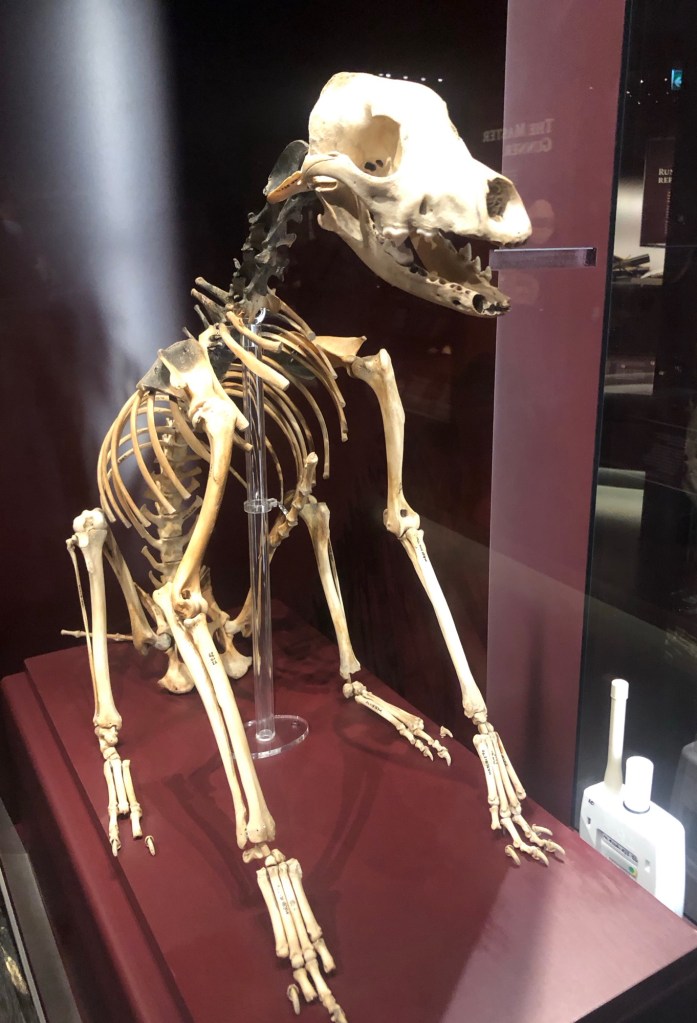
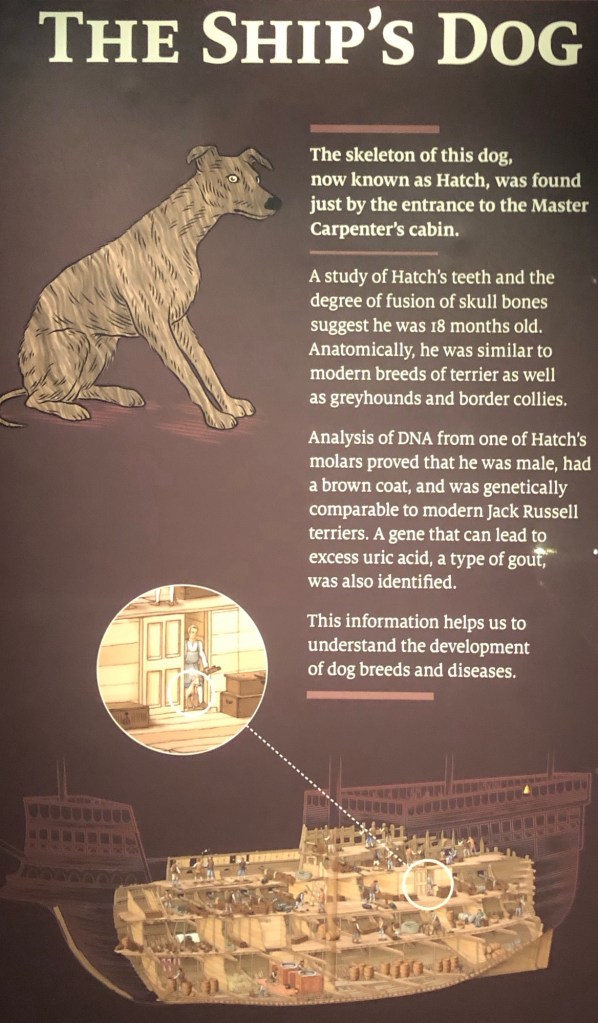
Hatch – the ships dog
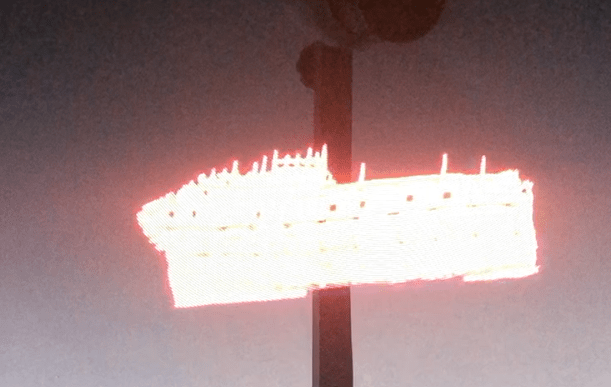
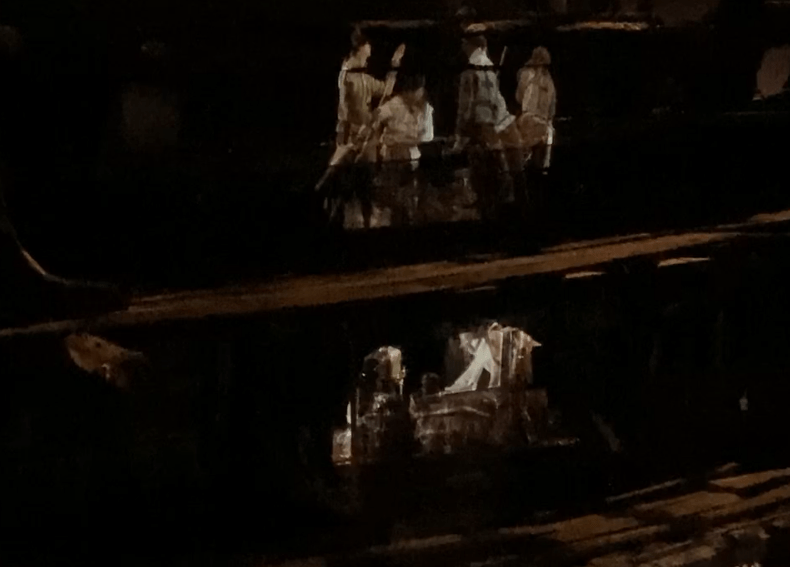
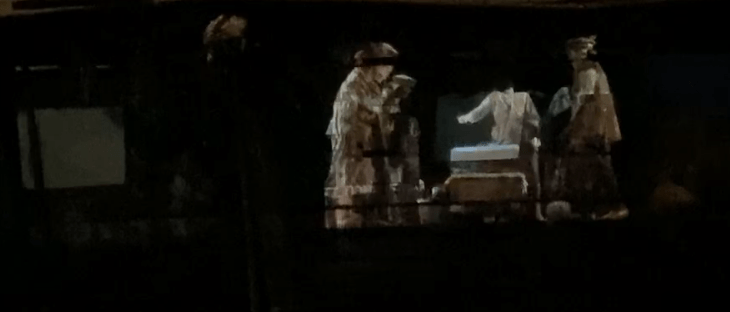
Hologram showing how Mary Rose would have looked back in the day Projected images onto the wreck.
Hologram of The Mary RoseHolograms depicting scenes on board the Mary RoseHolograms depicting scenes on board the Mary Rose
Mary Rose holograms
Mary Rose hologram
This was one of my favourite parts of the dockyards. Information was displayed in such a myriad of creative ways and it was a strange feeling looking at the colossal wreck
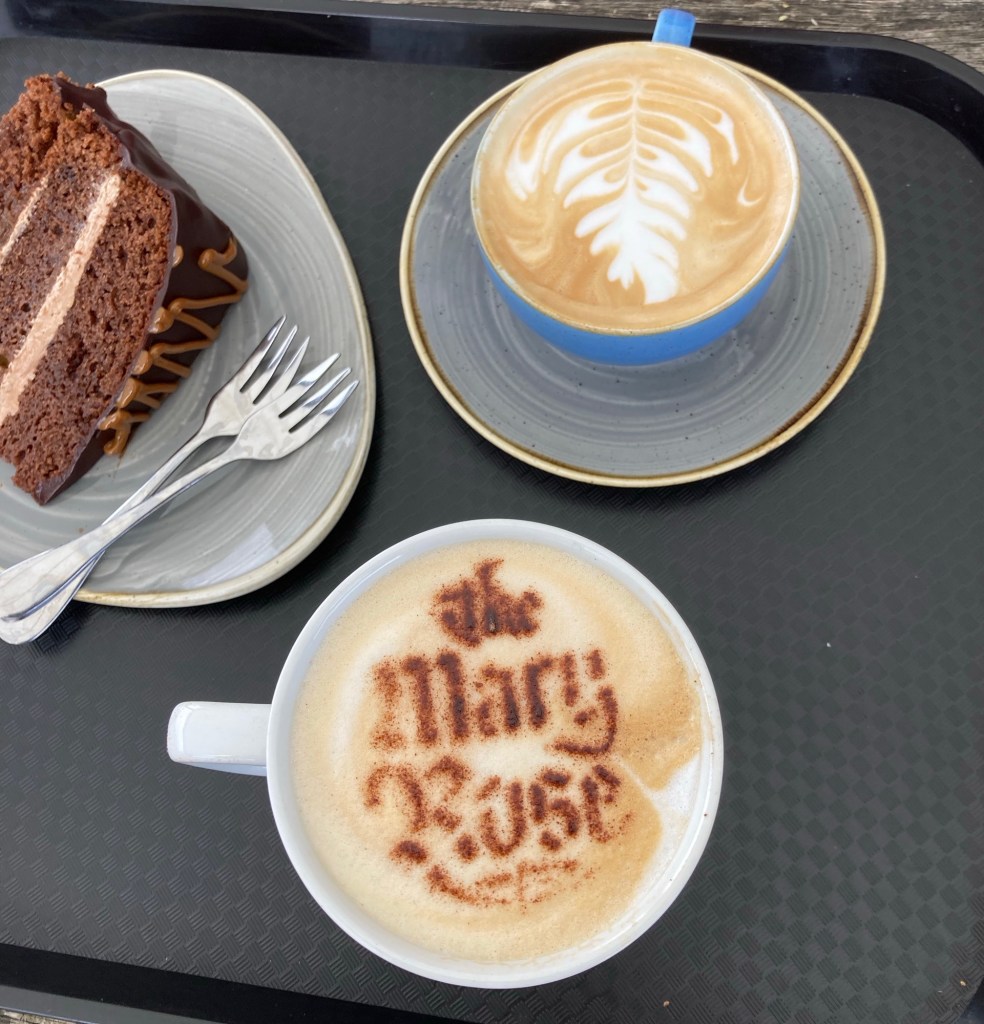
Flash coffee!
Extra information for you history buffs! Mary Rose was built for Henry Vlll in 1510-1511. She served for 34 years before sinking in battle, resulting in a catastrophic loss of life due to anti-boarding netting that prevented the hundreds of men onboard from escaping to safety! She was raised on 11 October 1982.
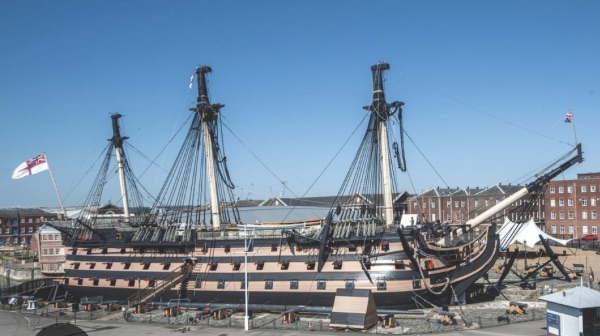
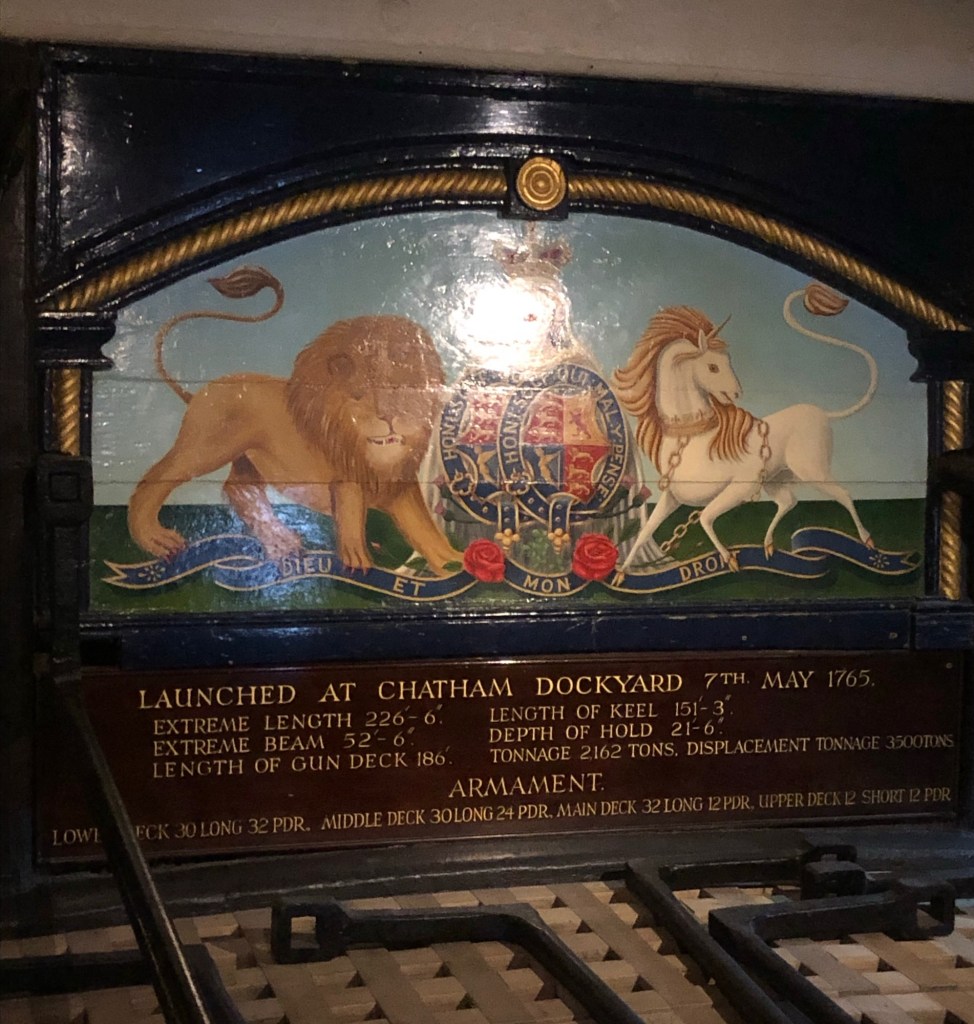
This iconic vessel was built in 1765, she is still on active duty as the flag ship of the home fleet.
HMS Victory (internet photo)
This photo is off the internet as she is undergoing a 20 year restoration and is covered in scaffolding on some of the exterior.
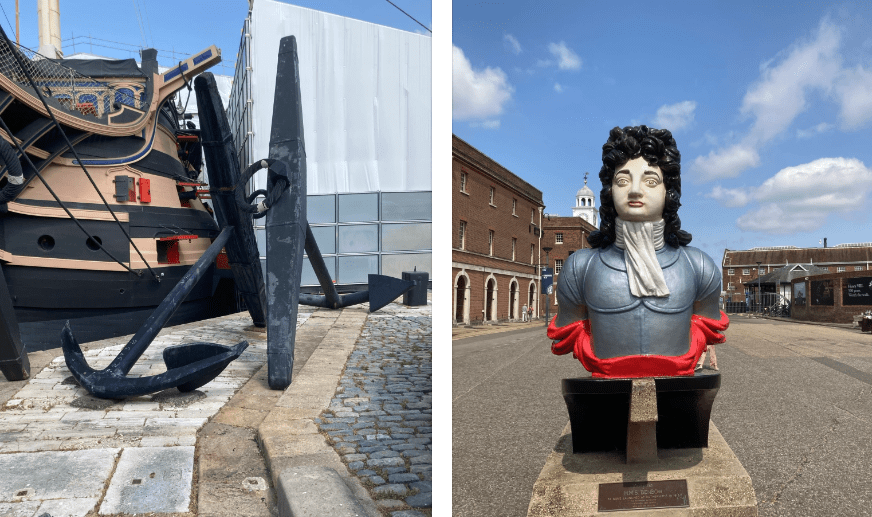
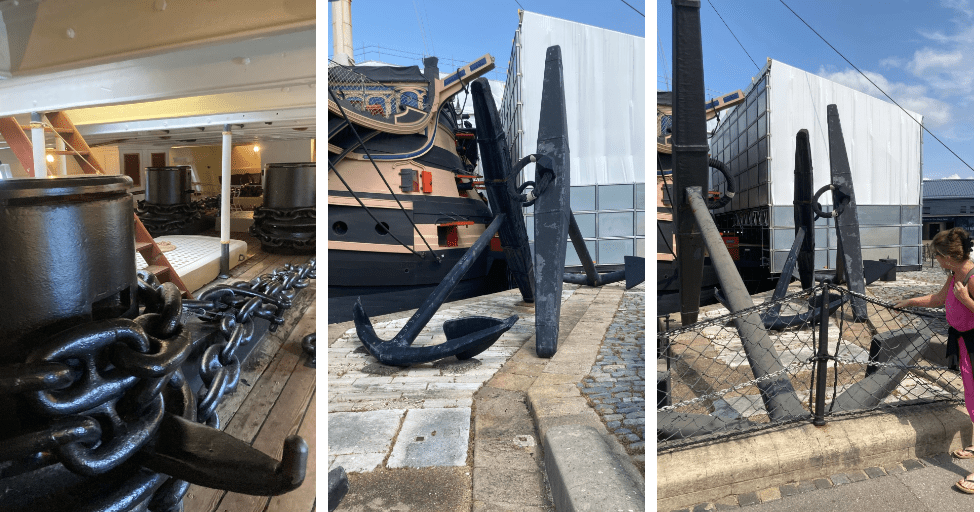
Massive anchor random figurehead
This ship was Nelson’s flag ship for the Battle of Trafalgar where Nelson defeated the French even though he was out numbered. He was fatally shot during the skirmish and died not knowing of his victory.
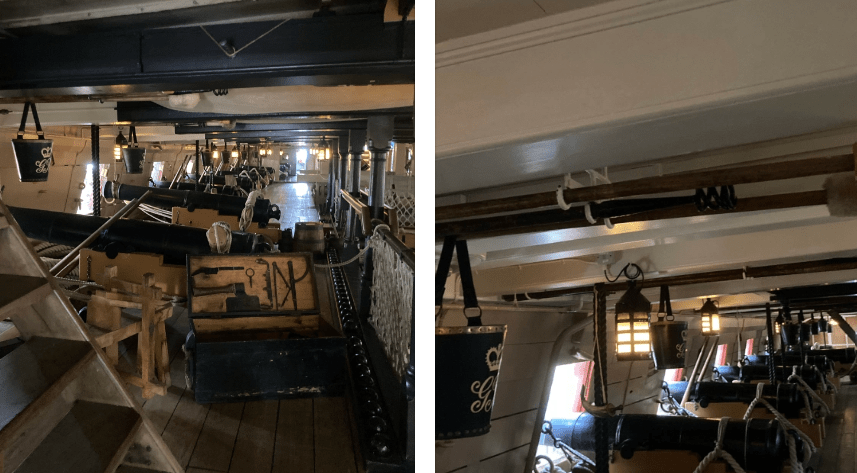
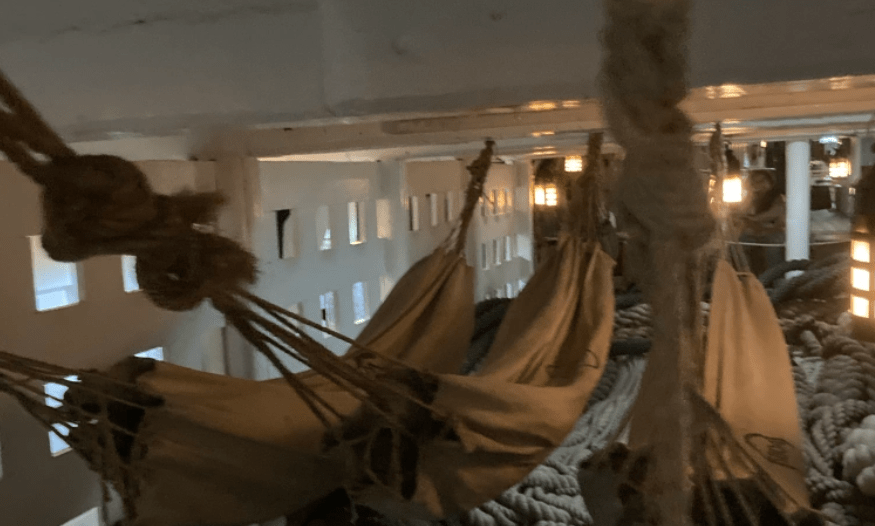
It had a complement of 821, most of the sailors were crammed onto the gun-decks beside their cannon.
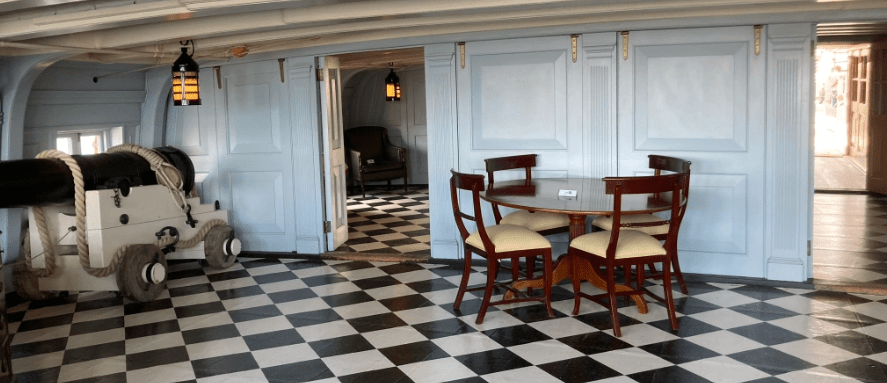
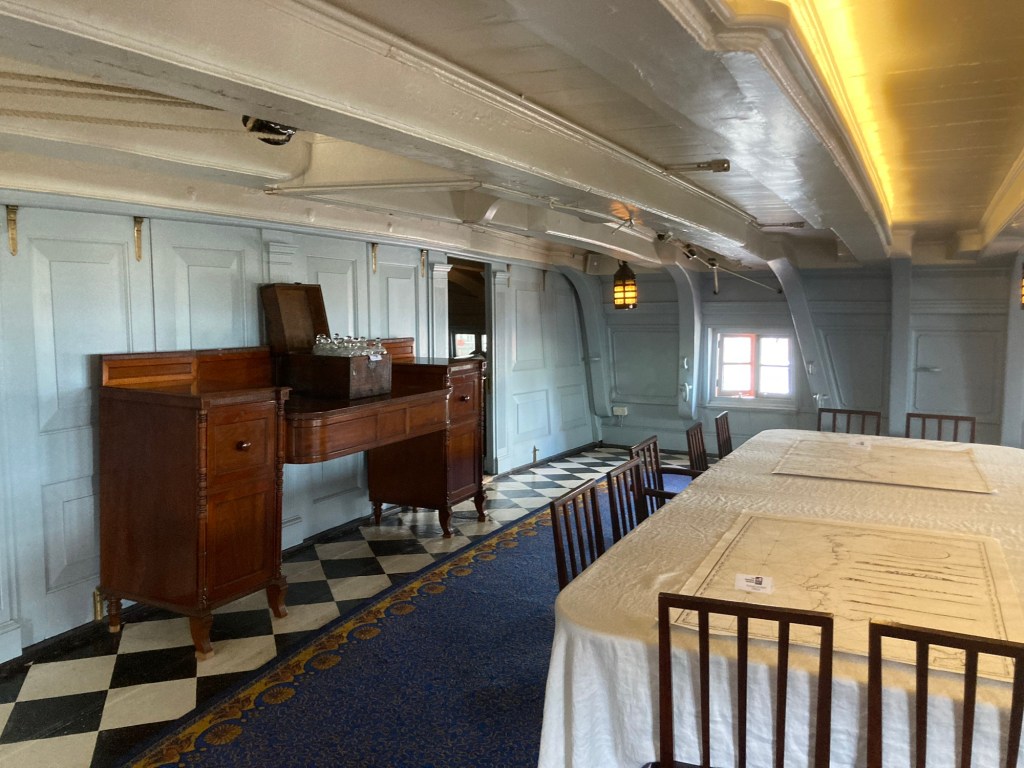
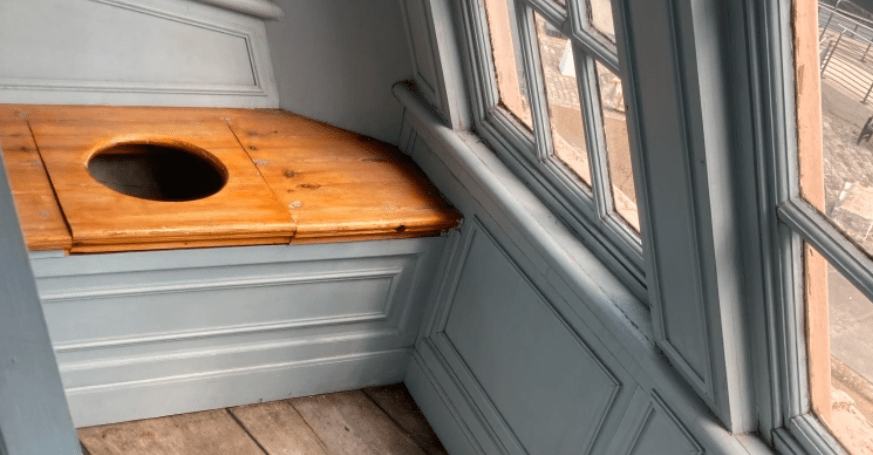
Nelson’s cabinsNelson’s en-suite (although he wouldn’t have called it that as they were fighting the French)
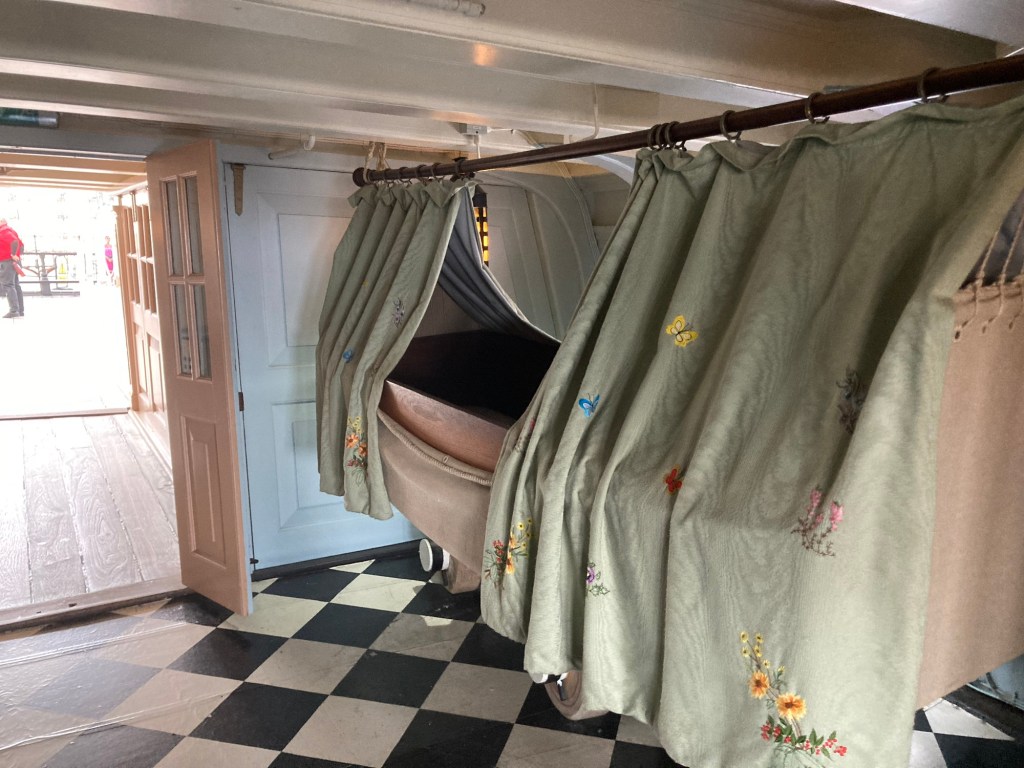
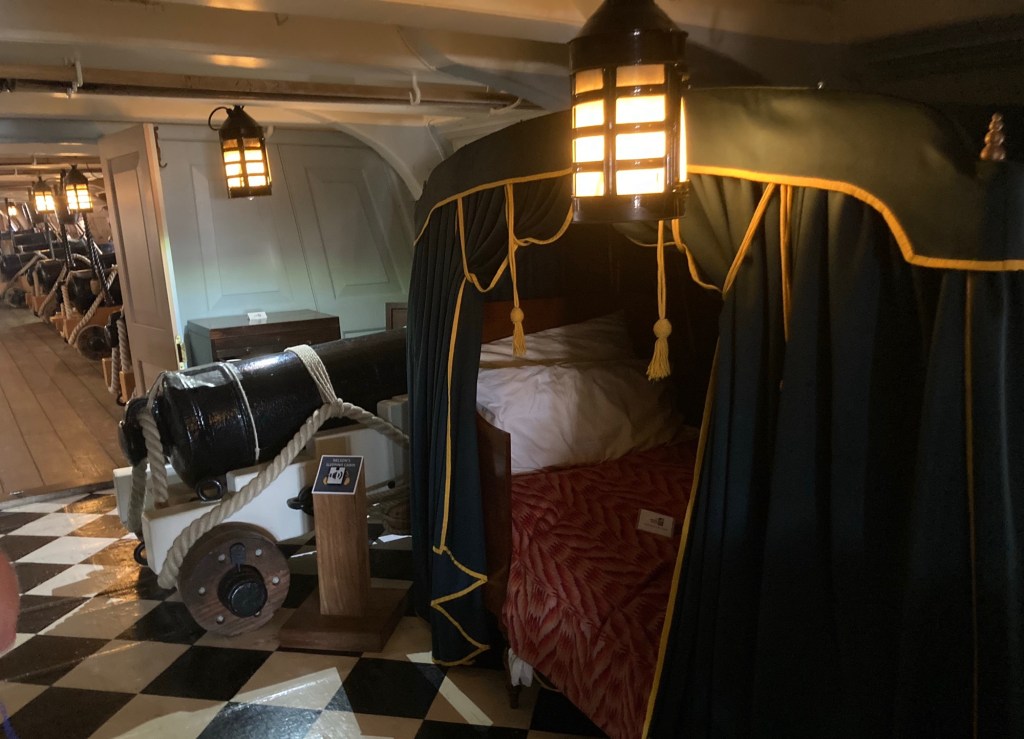
He had a cute bed, but he wasn’t that tall and only had one arm so needed a bed he could get into and out of by himself.
Nelson’s bed
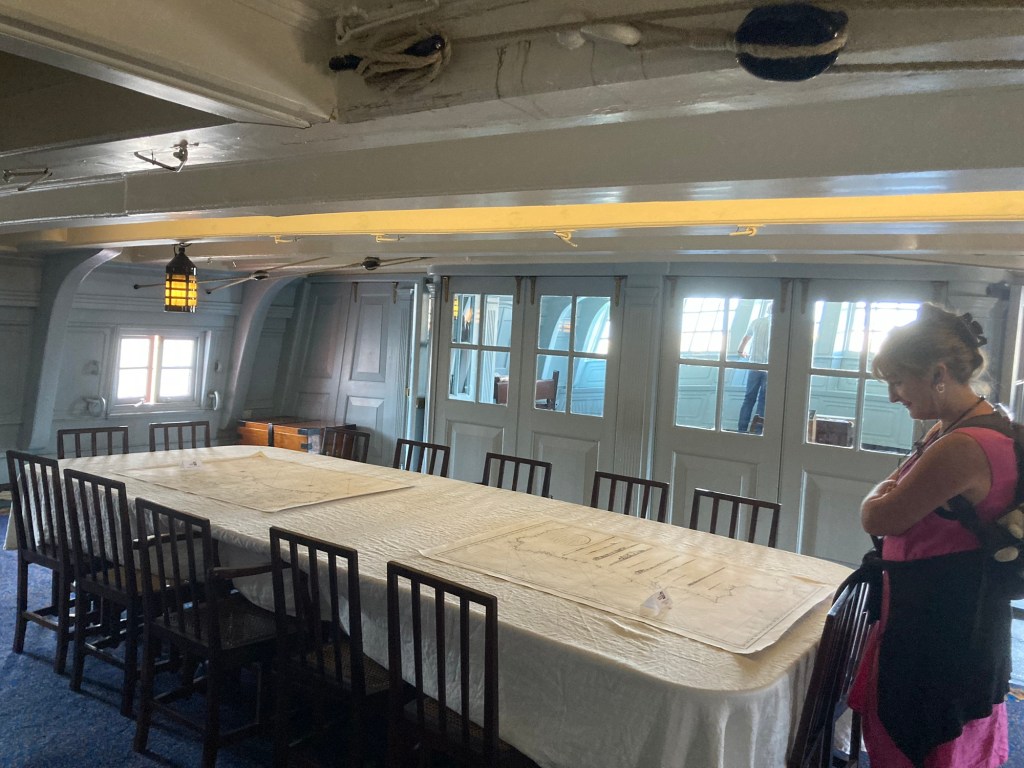
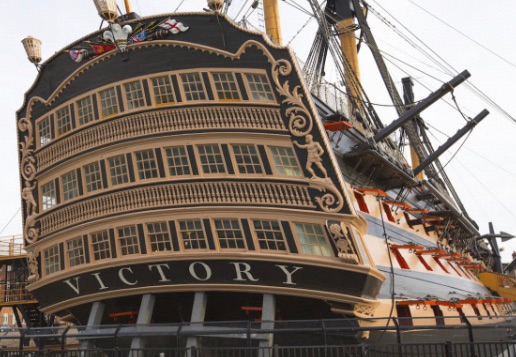
Both Captain Harding and Admiral Nelson’s cabins were at the back of the ship, looks like a mini apartment block.
Victory’s stern showing the officers cabins
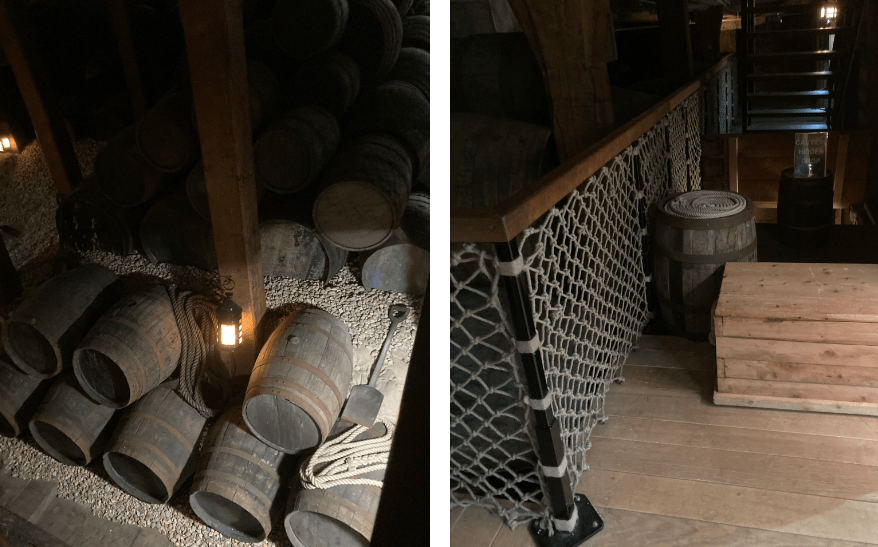
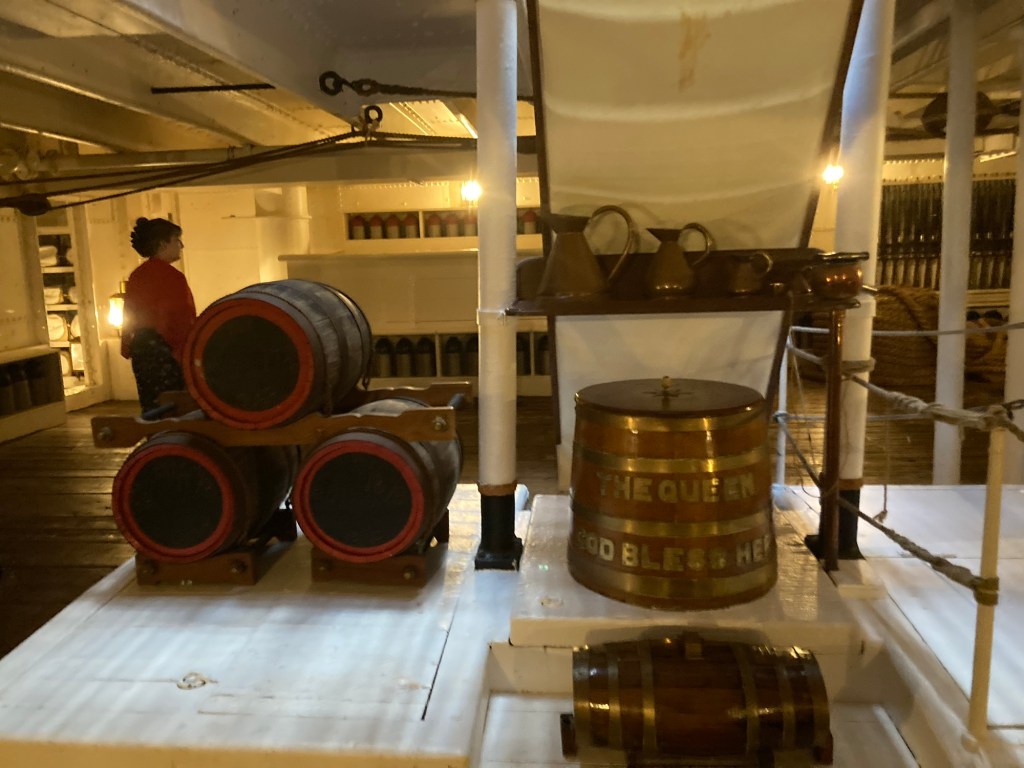
Due to the large number of crew, the ship carried tonnes of cargo, mainly food and ammunition.
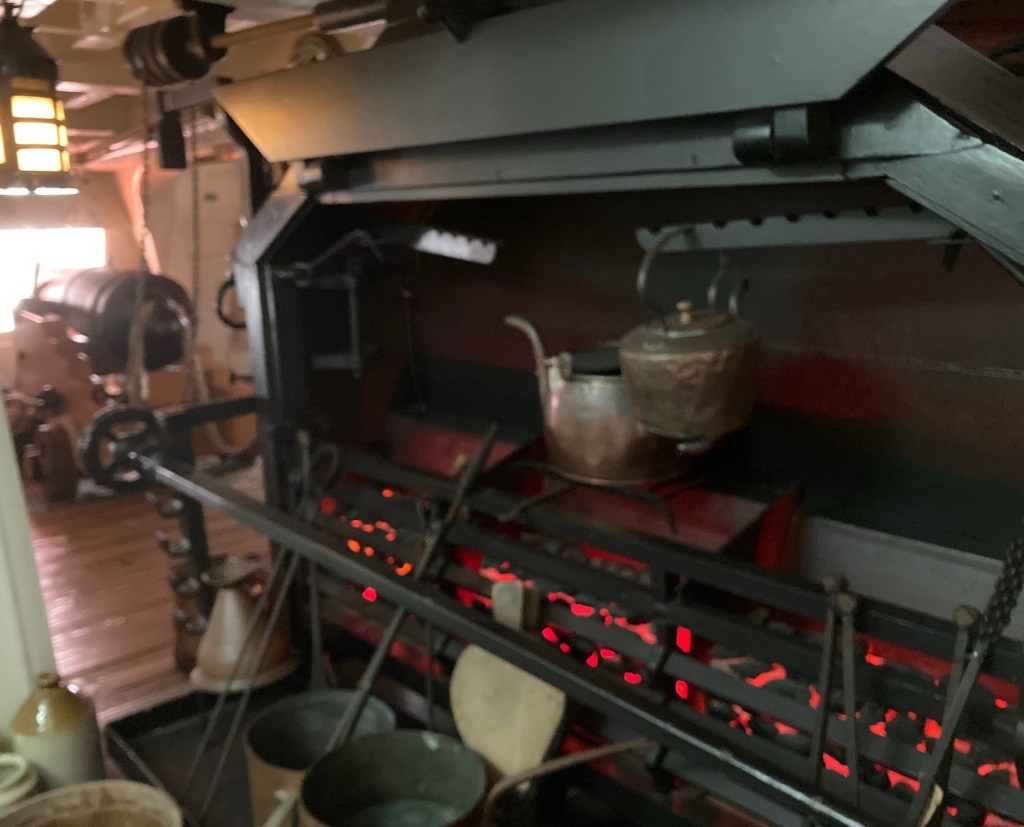
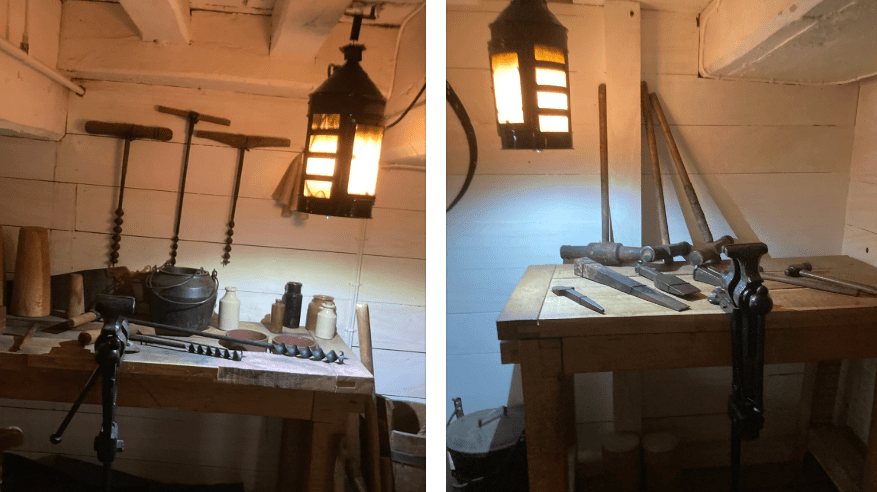
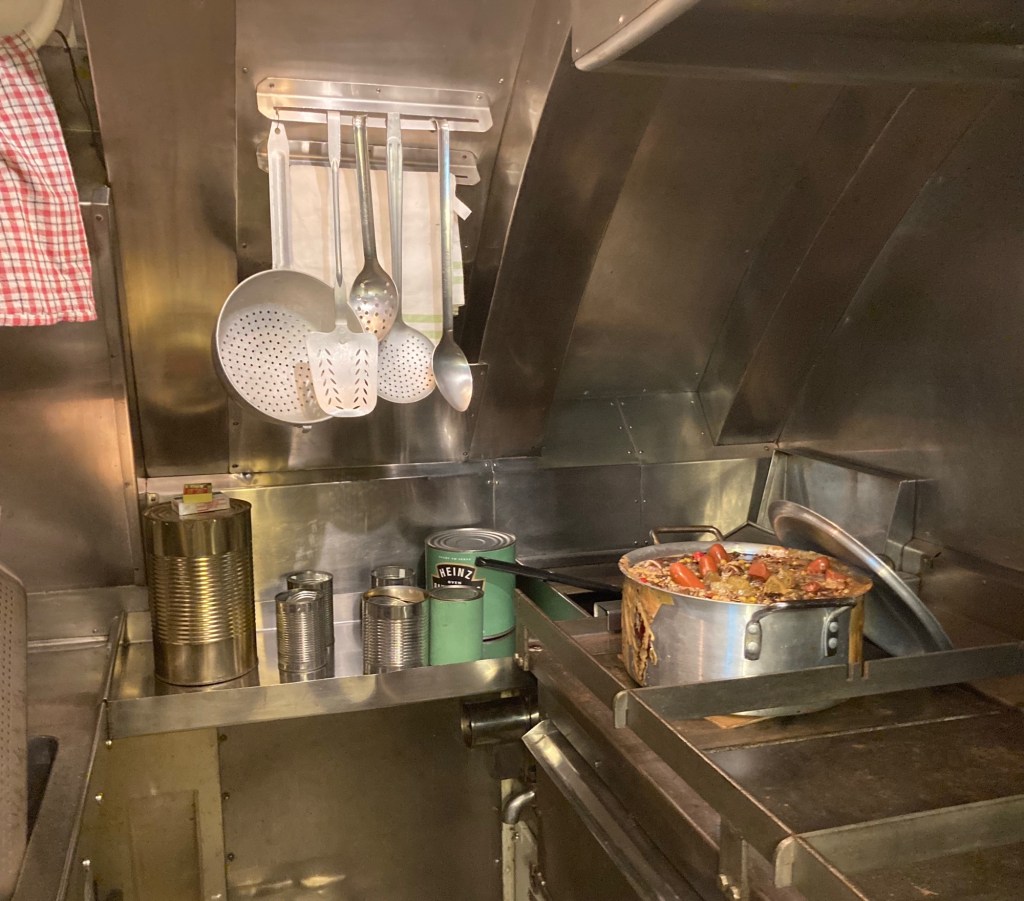
The ship had a huge coal oven to cook for the crew, a functional carpenters workshop and even a small forge.
Galley on crew deckCarpenter & Surgeons workshops
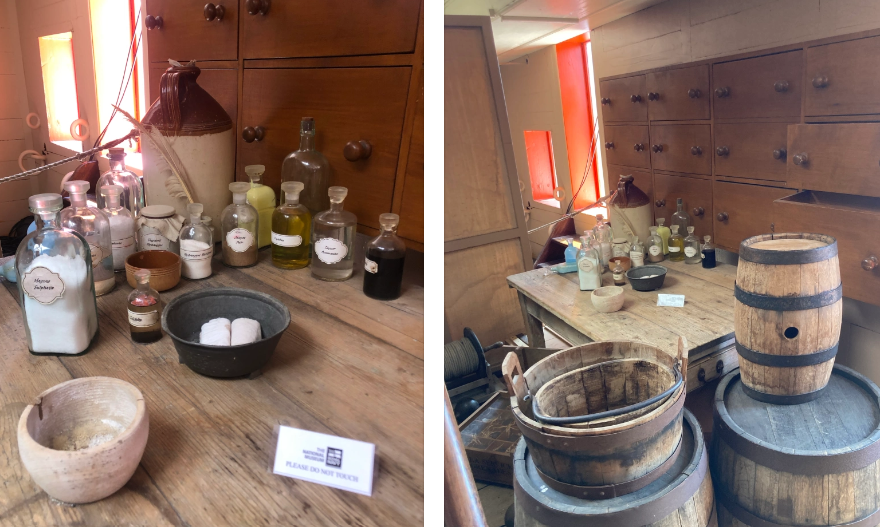
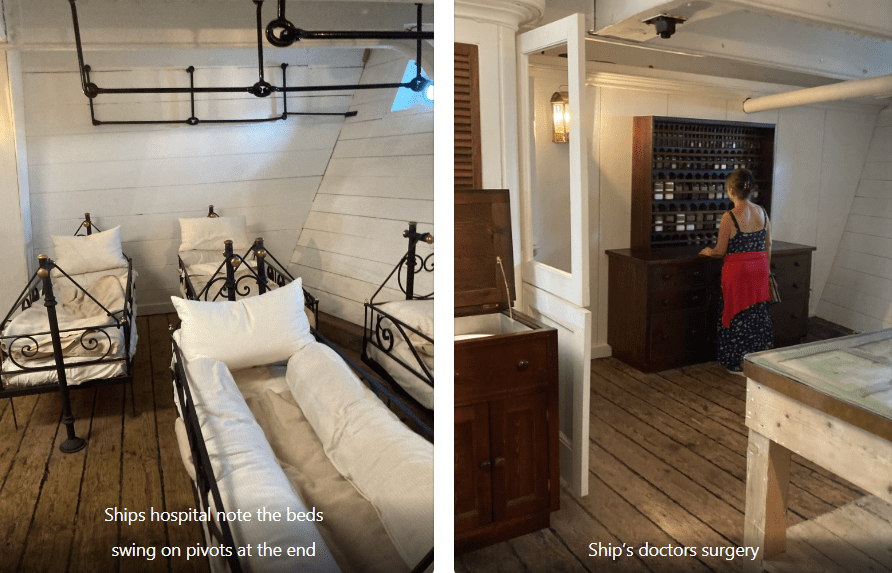
The ship’s surgeon had very rudimentary equipment and amputations could be performed in 90 seconds! No anaesthetic, antibiotics, or lengthy consultations.
Surgeons medications
This is a massive ship
HMS Victory’s spec’s
Life aboard would have been very hard for 90% of the crew, but the officers and midshipmen fared better. It functioned well as a fighting ship, and deserves its place in British Naval History.
If you intend to visit the Portsmouth Historical Dockyards I’d recommend getting the Ultimate Explorer ticket. It is more expensive but it allows you to go to the all exhibits. You’ll need more than a day to see everything, we took 3 days but only 5-6 hours each day as you can only take so much in each time.
Check when exhibits are open, the Submarine and Explosions exhibits are only open on certain days, and there is a timetable for the Harbour Tour water bus.
The Ultimate Explorer ticket is valid for 12 months so you can visit as many times as you like within that period. You can’t give them away either, they ask for photo ID each time you go in, we had photos of our passports.
It’s a great place to visit, I loved it and Sally enjoyed it a lot more than she expected to, so something for everyone!
It was a damp day when we made our way back for our third day in the Dockyards.
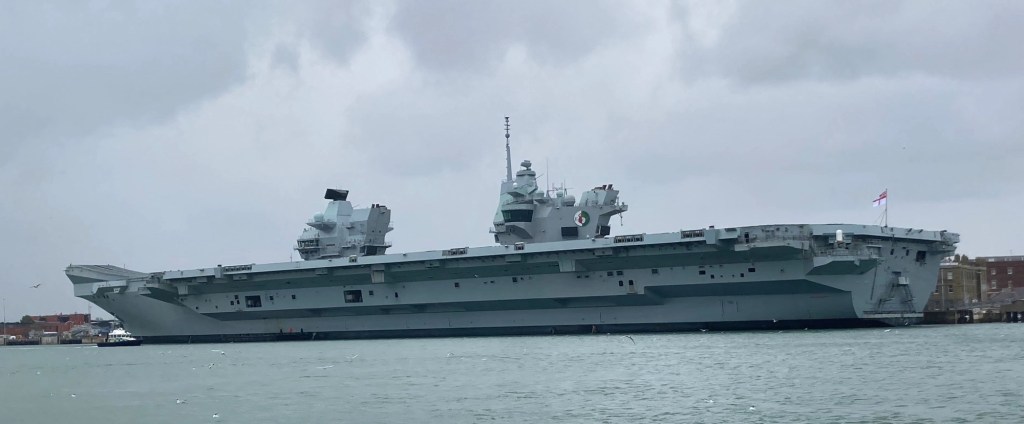
We caught the 11am boat across to Priddys Hard in Gospel to visit the Explosion museum. Had great views of the aircraft carrier Queen Elizabeth on the way. It came past us as we were walking up to the Dockyards, it was very close to the shore.
HMS Queen Elizabeth HMS Queen Elizabeth
This was the old ammunitions store before they changed to the one in the middle of the harbour. They used to store tonnes of gunpowder in barrels in the Grand Magazine
Tableau in the corridor
They wore special clothes and shoes to avoid accidentally causing sparks.
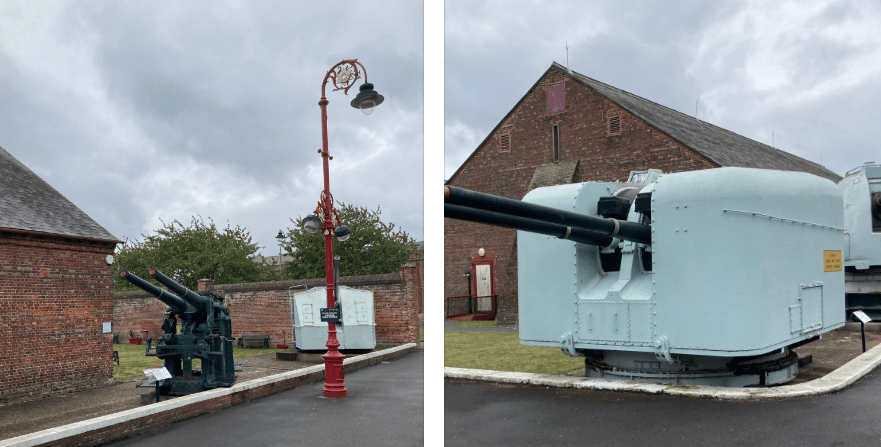
There are great displays of various ships guns.
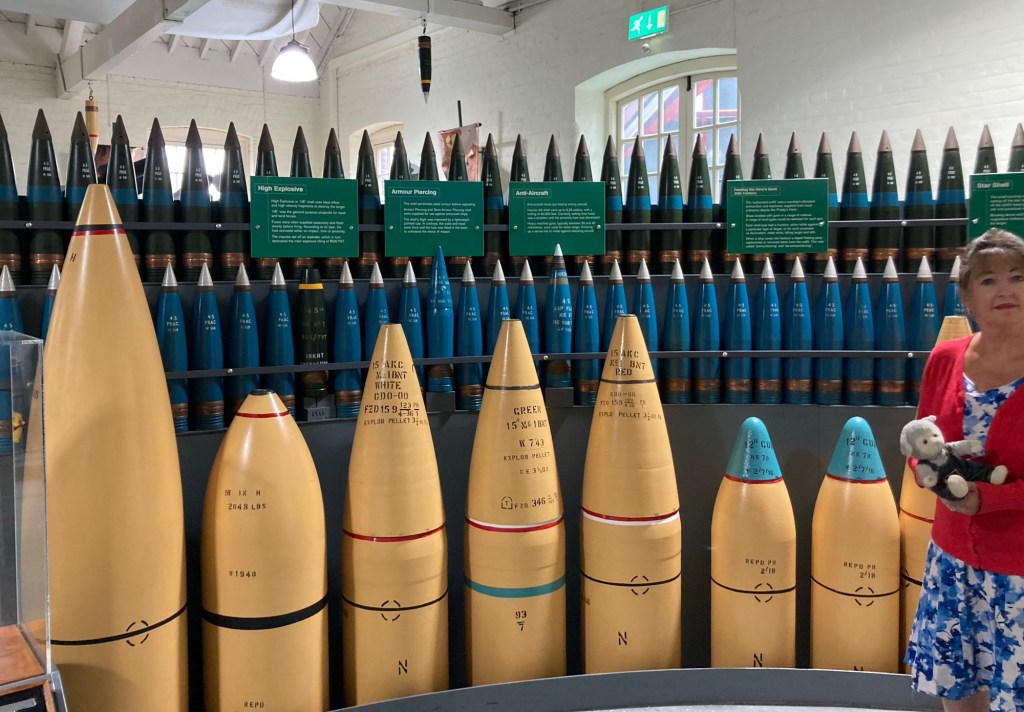
And shells
Shells, shells, and more shells!
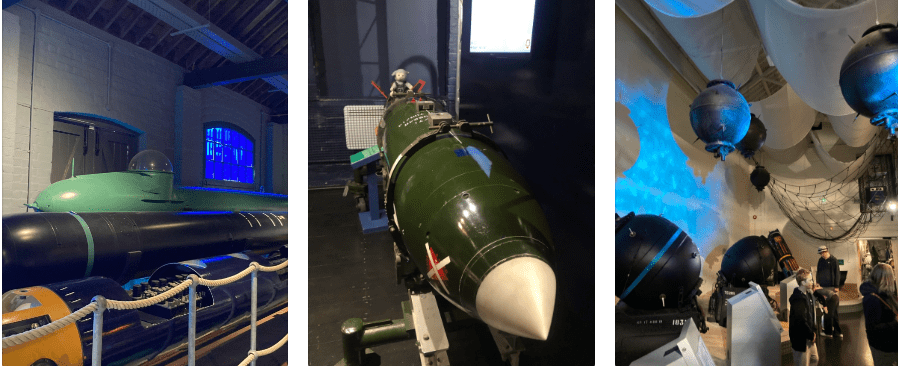
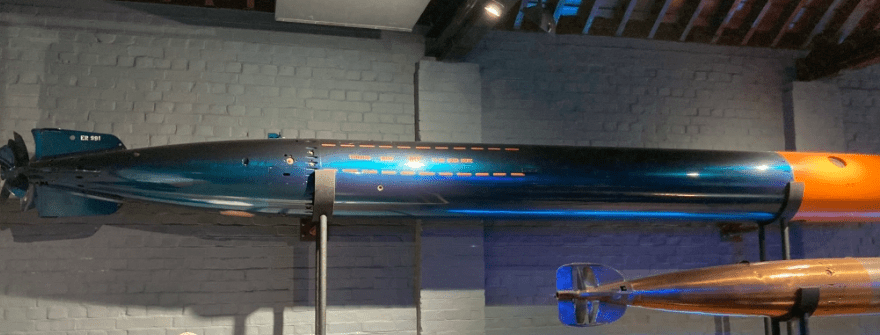
Lots of mines and torpedoes
Torpedoes
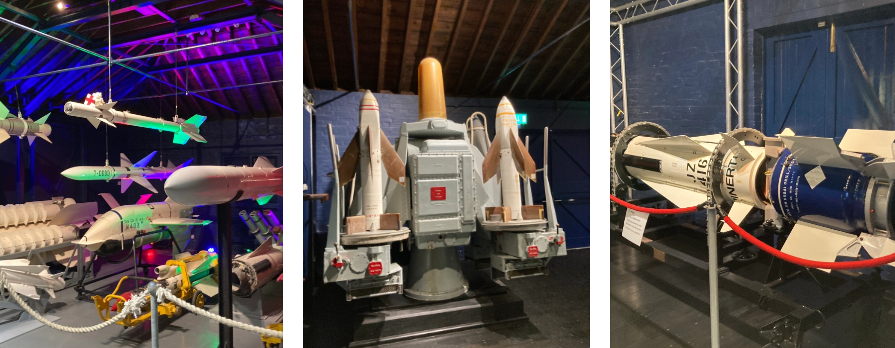
Some missiles
Missiles
There was also a display of the Motor Torpedo Boats. These were the Spitfires of the sea during WW2. They would nip in at speed, launch their torpedoes and beat a hasty retreat. They were very vulnerable as they had no armaments apart from a small calibre gun.
MTB’s
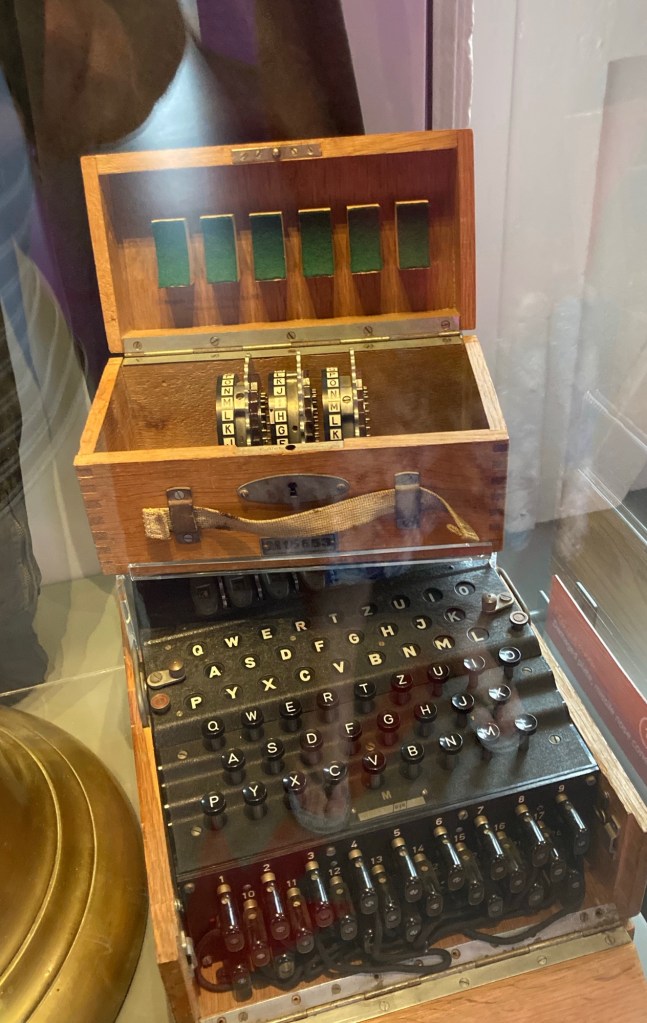
Had a rush trip through the Naval Museum. This place was packed with interesting displays and audio visual sites. Could have spent a few hours here but ran out of time. One of the fascinating things they had was an Enigma coder taken from the Germans. This had baffled the Allies for ages but they finally cracked it. They made the film The Imitation Game which is set in Benchley park, based on breaking this code.
They were often deployed at night and used to drop and retrieve agents into occupied Europe and also to pick up downed pilots and seamen. They were light enough to pass over minefields and so attack German ships in port.
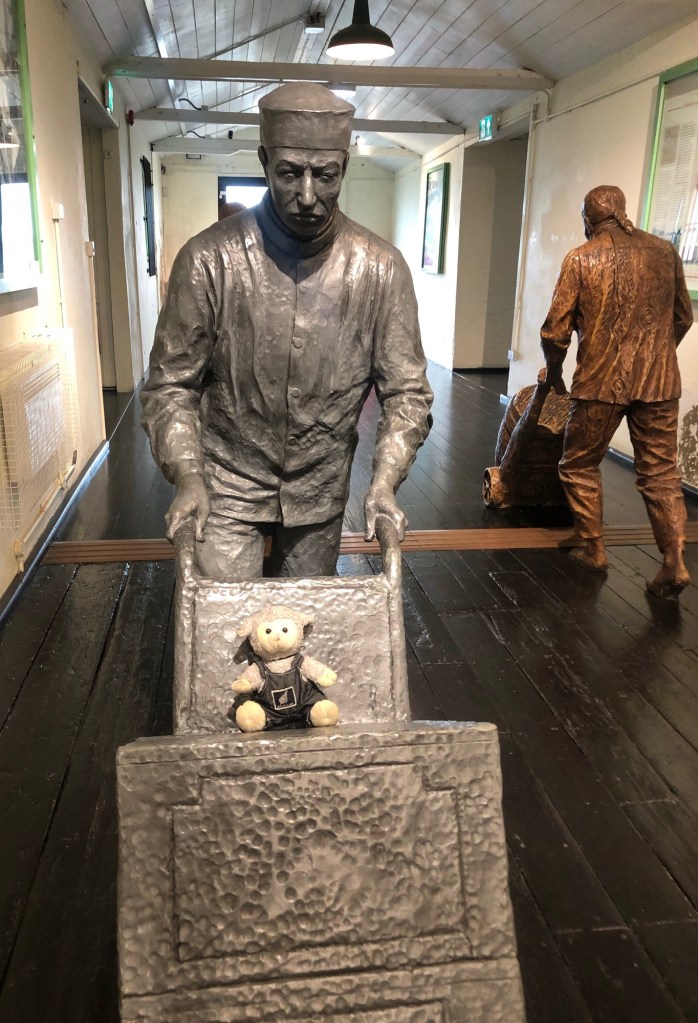
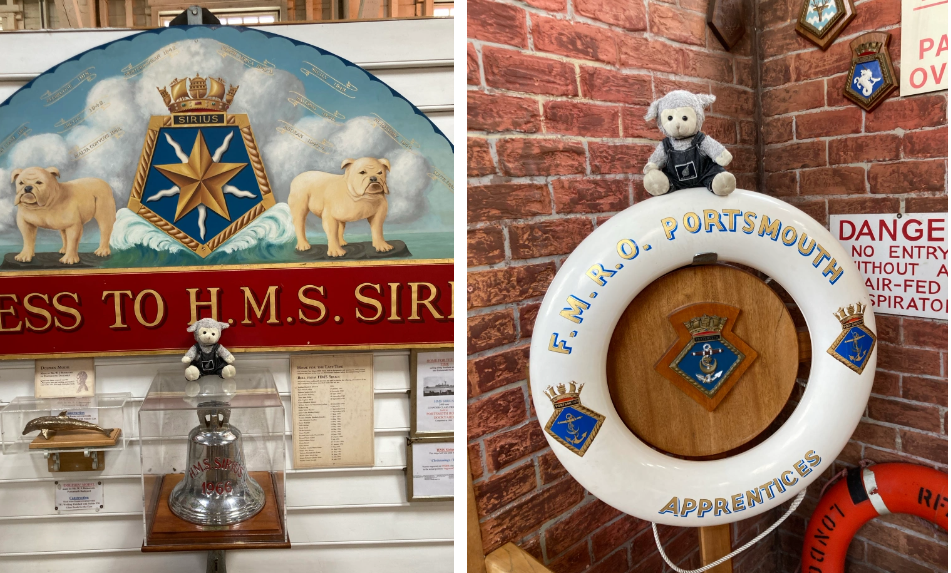
Another interesting shed was The DockyardApprentice it was Sean’s all time favourite of Portsmouth.
The Dockyards newest apprentice
It took you through the skills needed to build a wooden sailing ship, all the carpentry specialised tools like curved planes and wooden pegs.
Model example of woodcraft, Shaun’s size!
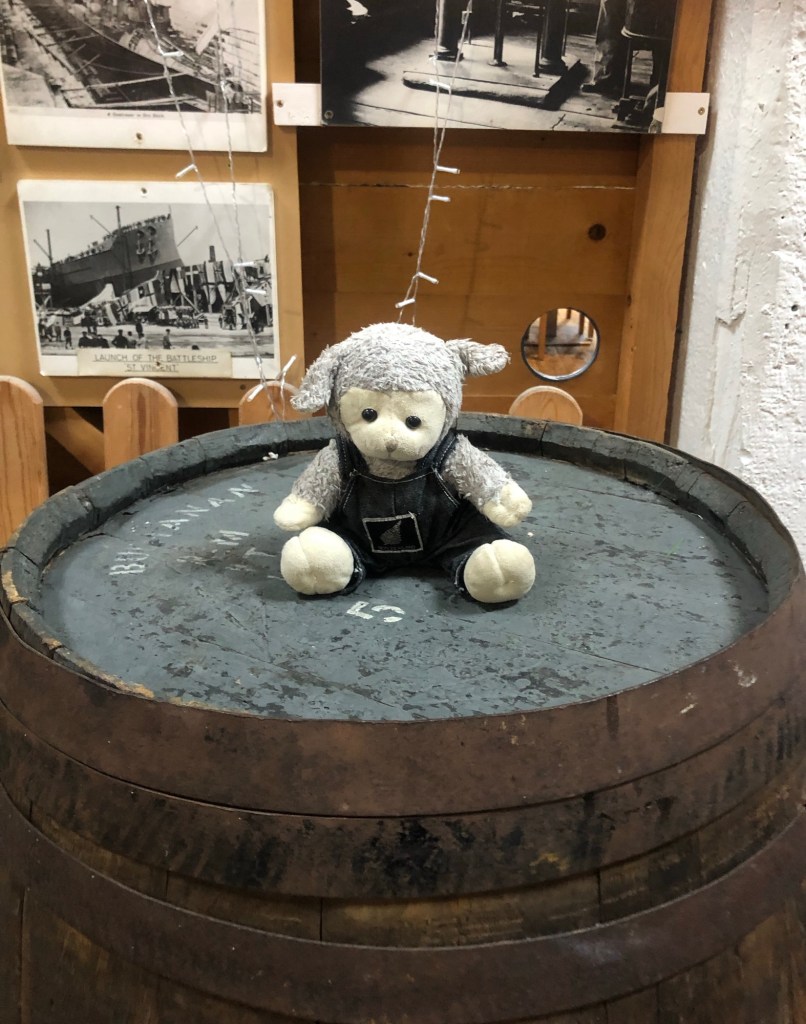
Saw a cooperage where they made the 100’s of barrels required to store gunpowder, water, salted meat, rum etc.
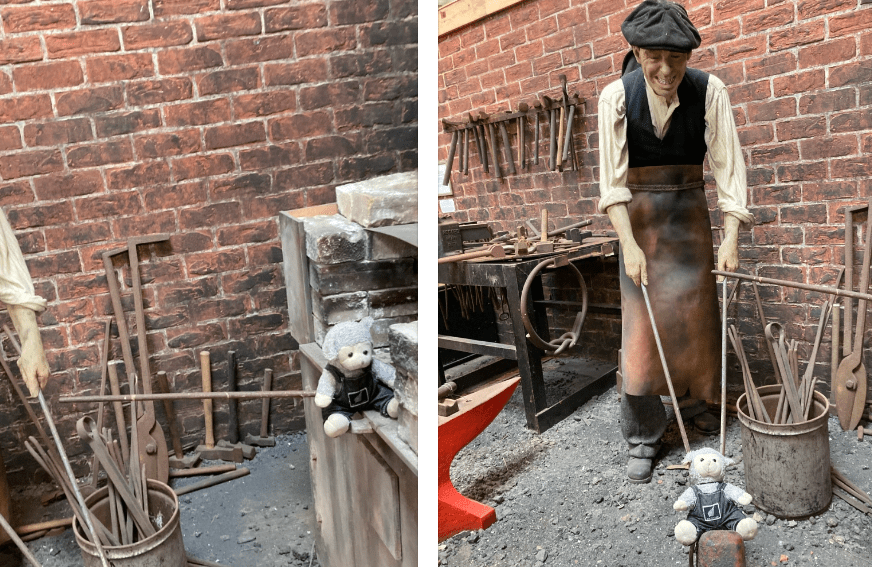
The forge required to make the metal bits – hinges, braces, brackets etc
Shaun at work in the forge
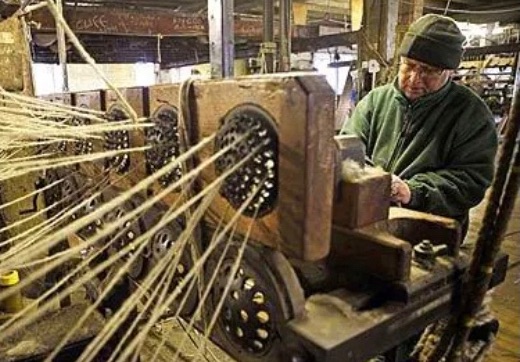
Rope making was fascinating, just strands of hemp twisted into cordage then twisted into ropes, then these twisted into thicker ropes. They had to make miles of rope each year.
Rope making
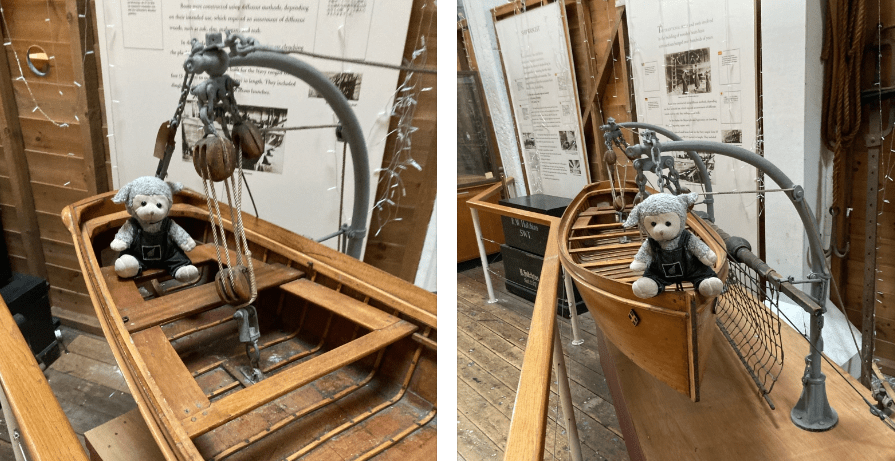
They made all the blocks (pulleys for you non-nautical) starting with just a block of wood to make blocks of all sizes for the big sailing ships. They’d make 130,000 of these each year.
Miles of ropes of various thicknesses, blocks of all sizes.
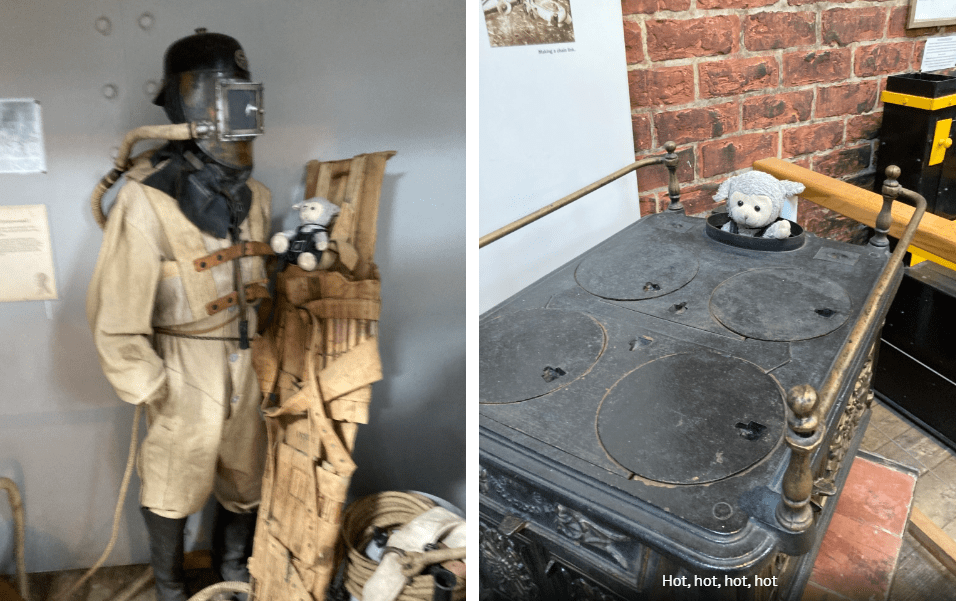
Early firefighting gear was very scary, relying on others to pump air into the suit and water into the hose.
Fire fighting
They had a foundry that cast huge anchors and chain, massive steam hammers that would have been great to see in action. All sorts of things were made in the Dockyard.
Anchors & chain all made in the YardNaval museumCaptured German Enigma code machineThis is how close the vessels come to the beach, there is a deep channel runs up to the port
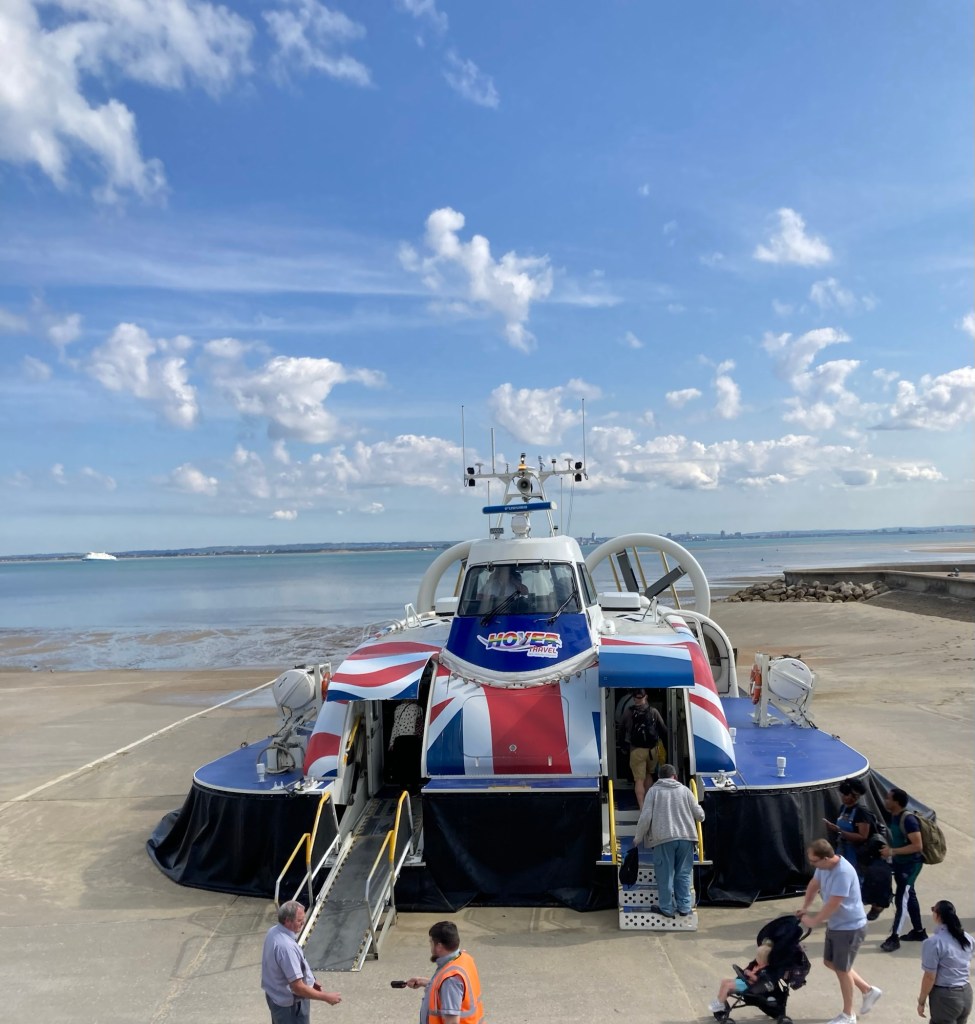
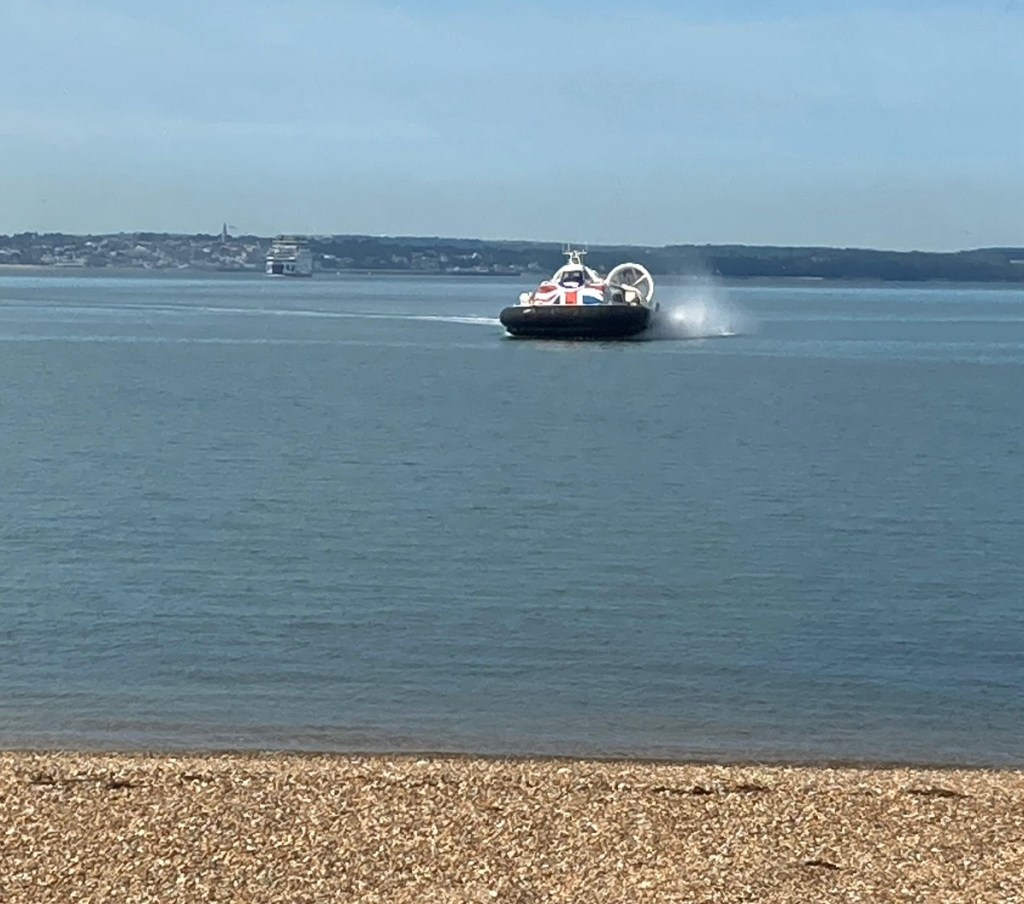
We discovered that the Isle of Wight is only a 10 minute Hovercraft ride (yes Hovercraft!) from Portsmouth, so decided to spend the day there.
Plymouth to Isle of Wight by hovercraft
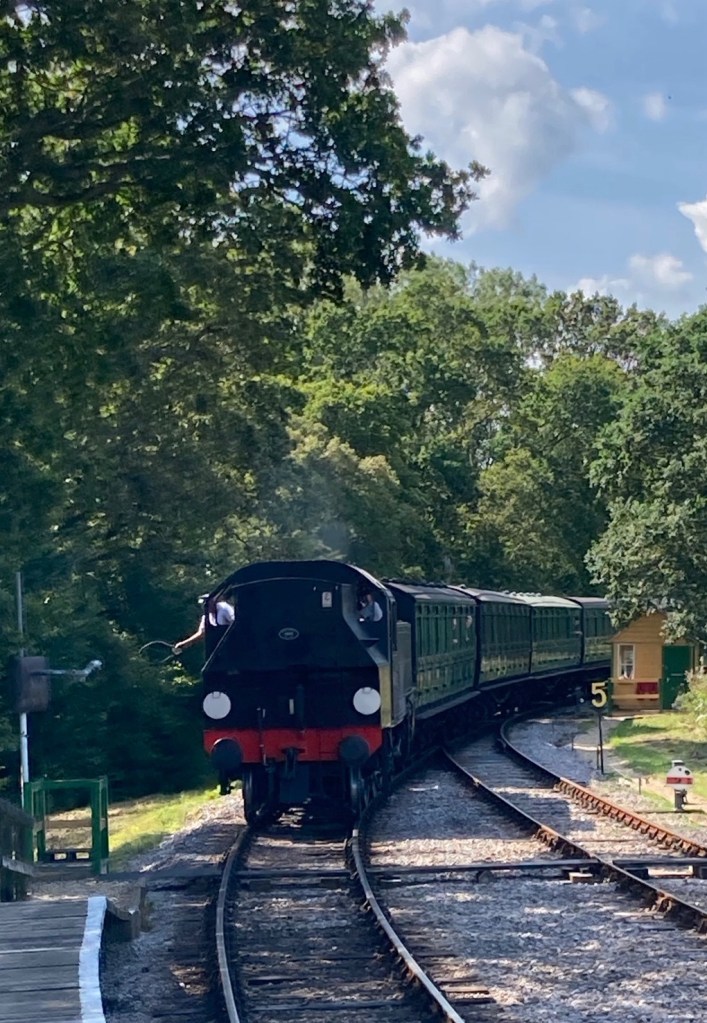
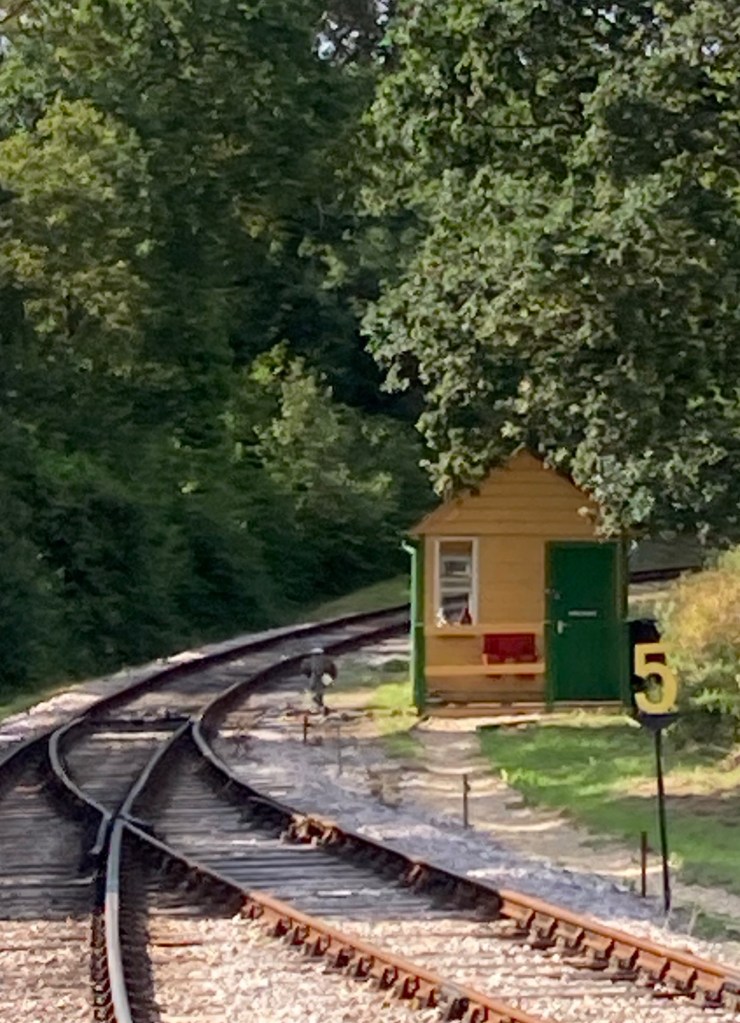
On arrival at the island we caught a train to Smallbrook Junction, to connect with a steam train.
Isle of Wight steam train
A cute little station!
Cute little station
This was a lovely trip of about 30 minutes through lush countryside and, at £22 per person we didn’t think this was too bad for a unique experience.
Old fashioned carriages with compartments opening directly onto the platform Lovely restored carriage
Steam train trip
We disembarked at Wootton and encountered a friendly local (we have come across many of these) who informed us which side of the road to stand on to catch our bus to ‘The Needles’ (a major tourist attraction on the island.
We only had a short wait and we were on the bus, taking the one hour journey to our destination. This was an interesting trip – winding our way through quaint villages, and admiring the skill of our driver as he negotiated his way on roads which were extremely narrow at times!
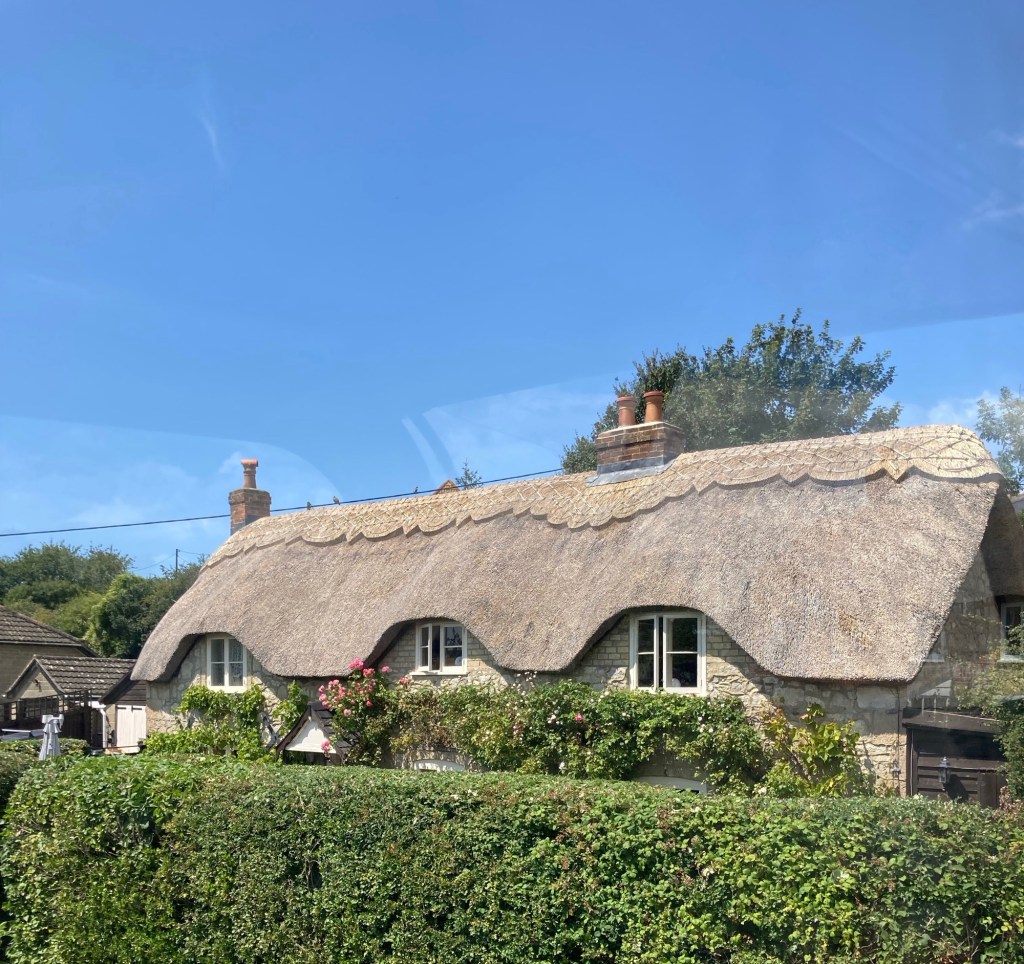
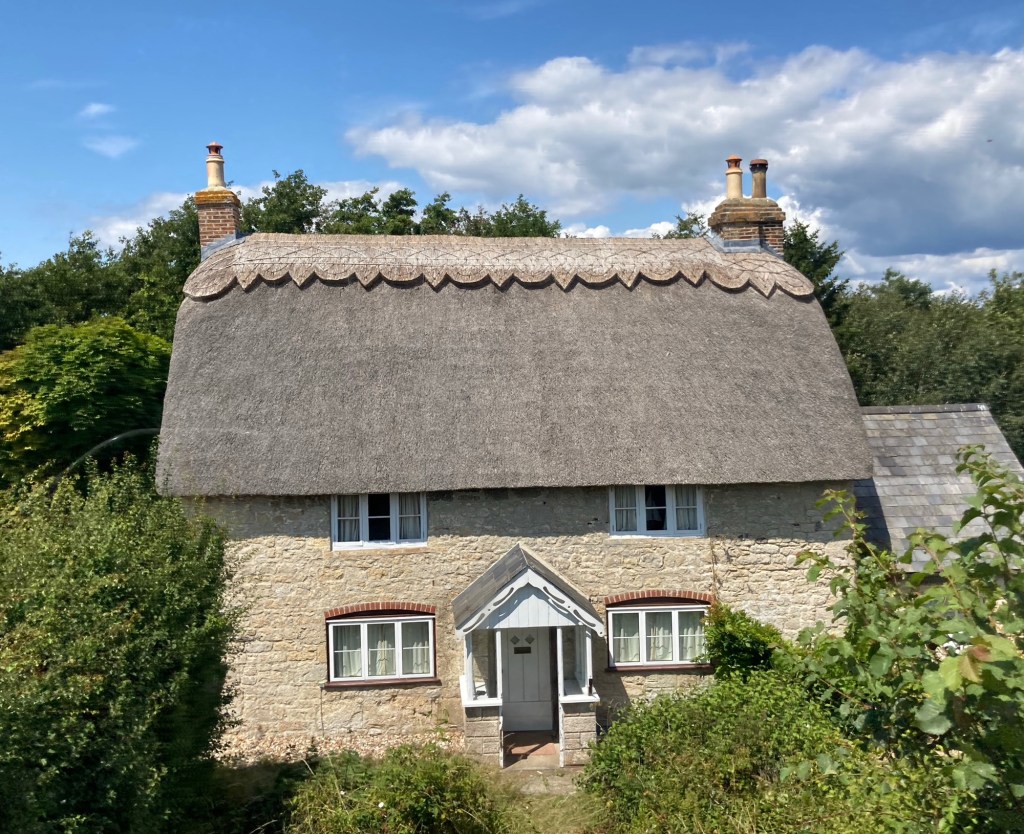
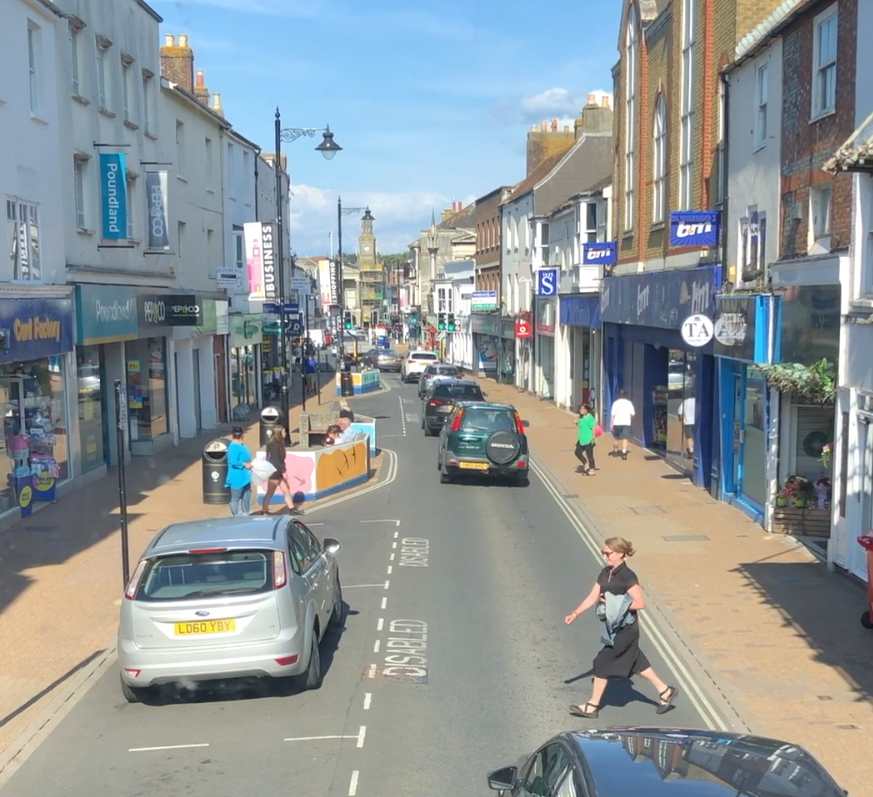
So many of these beautifully thatched cottagesAnd another oneNewport on Isle of Wight
The Needles (named for an interesting rock formation) offers a raft of activities- mini golf, shops, glass blowing, boat trips and chair lift rides down the cliff to the beach!
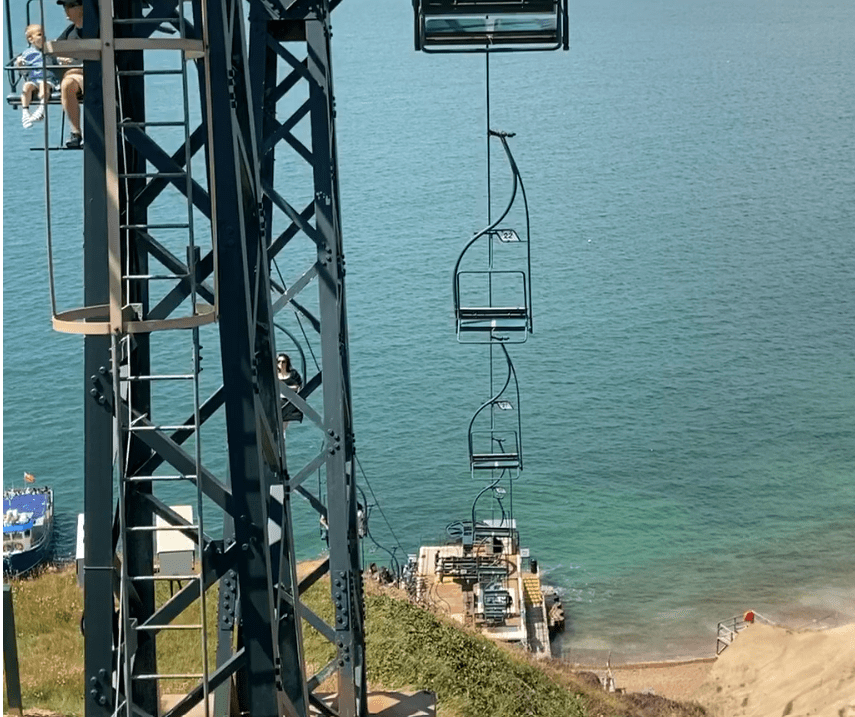
Our first stop was the chair lifts. A great ride with lovely views and, at £8 return per person, we felt this was good value.
Chair lift at The NeedlesOn the chair lift
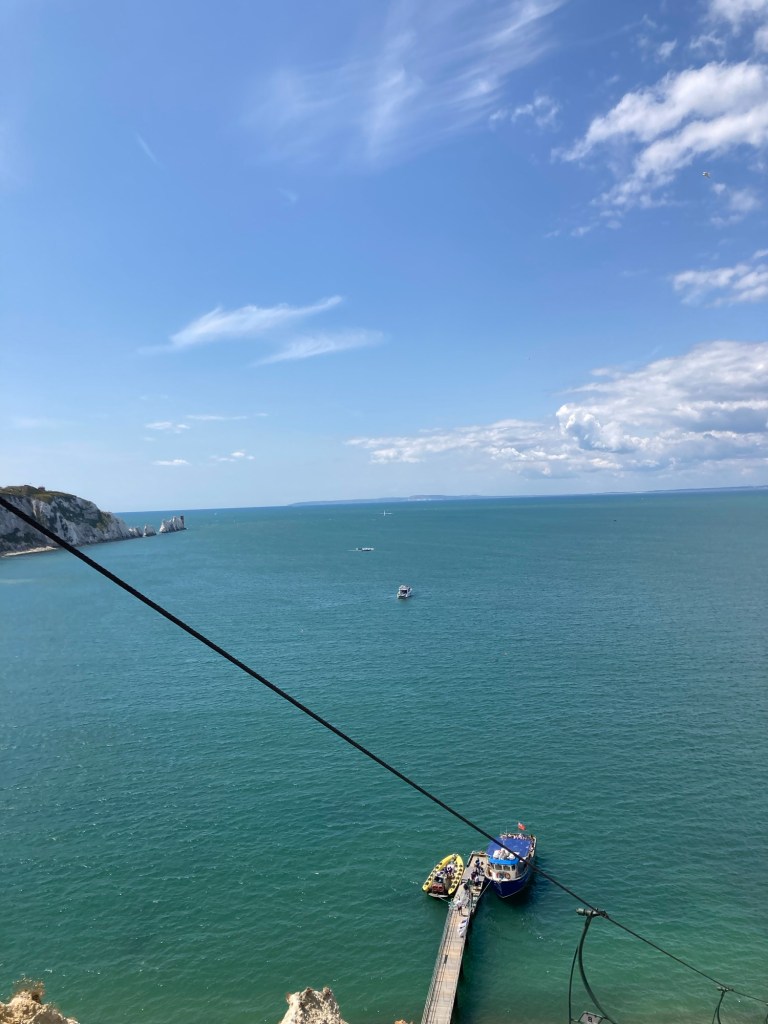
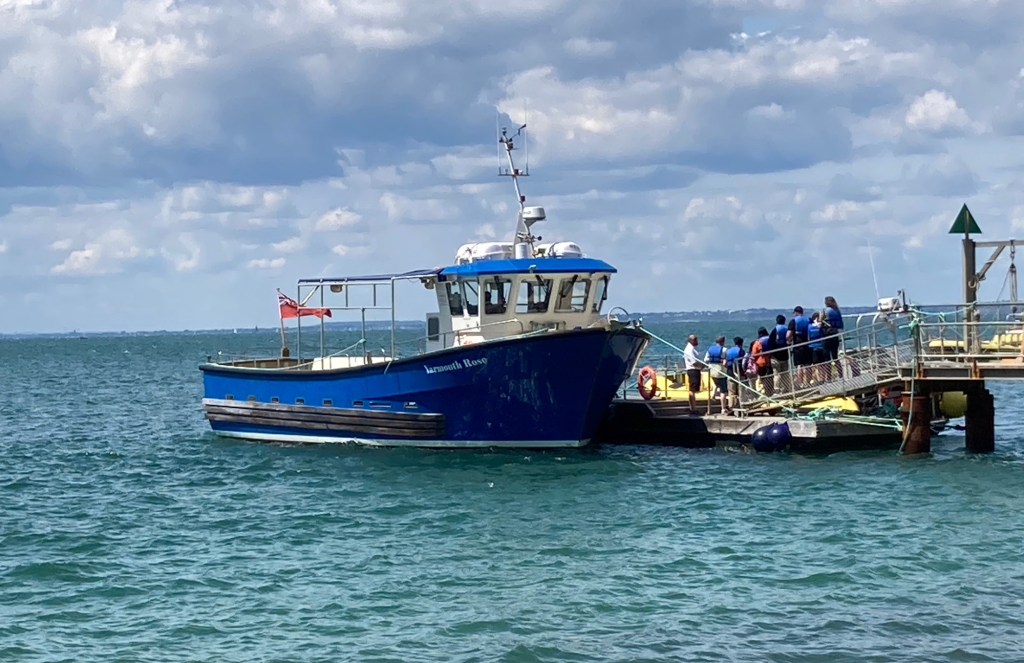
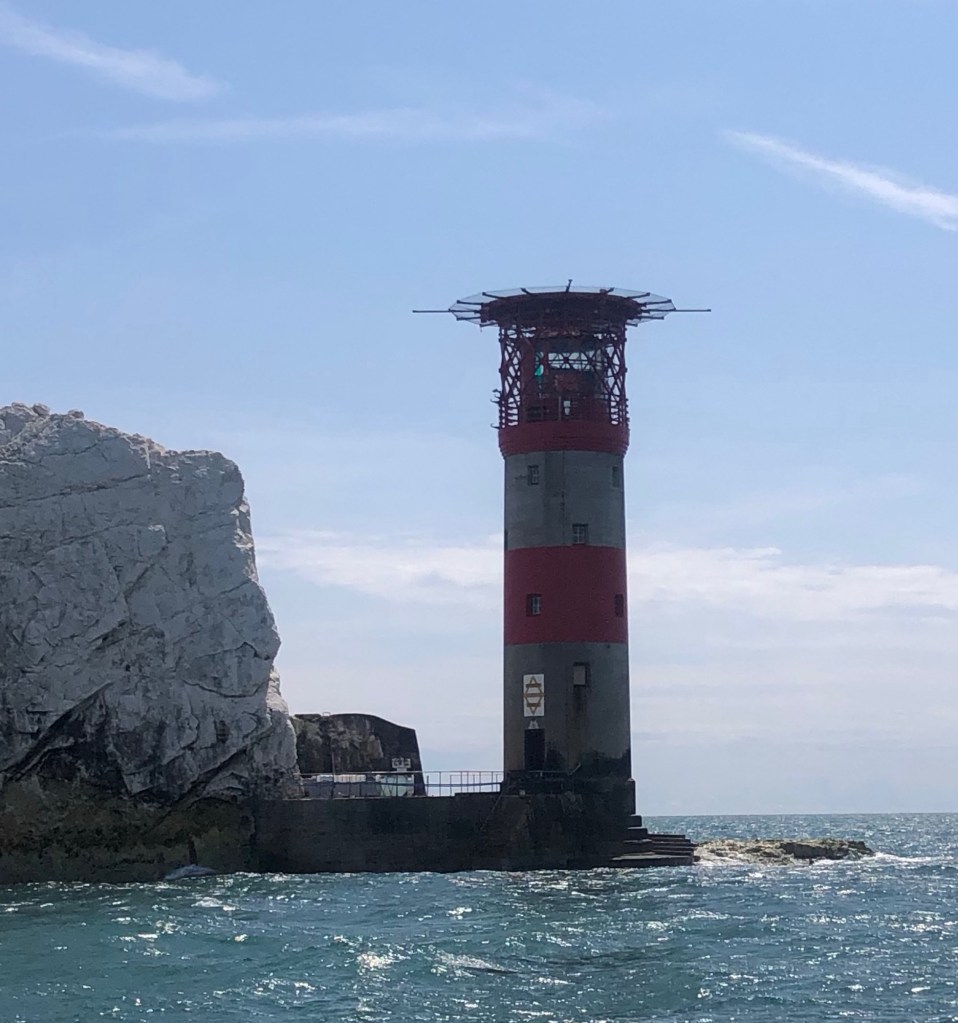
When we got to the bottom, we hopped onto the boat for the short ride out to the Needles lighthouse.
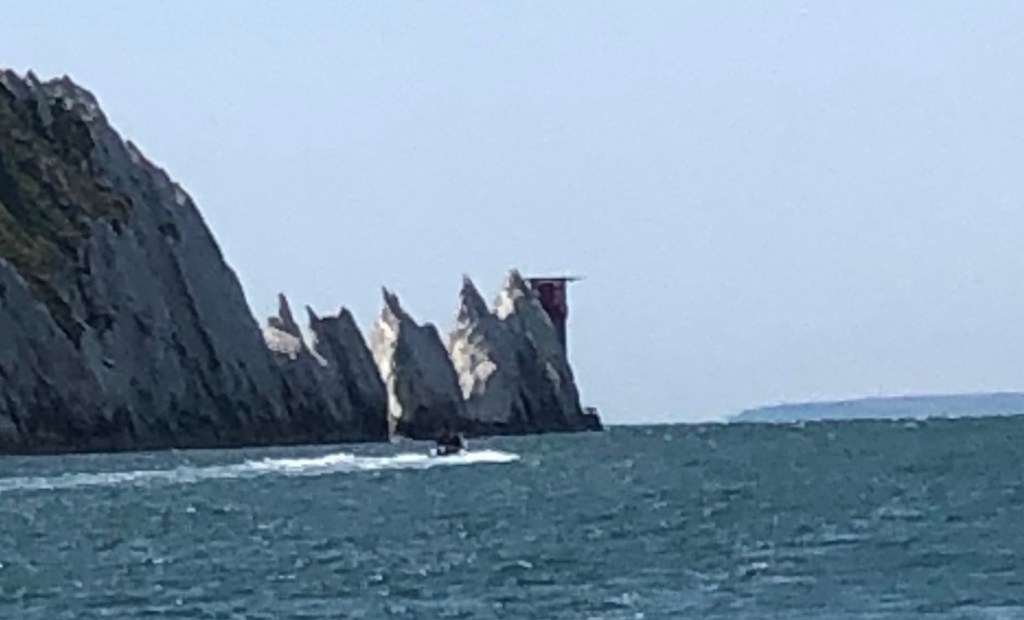
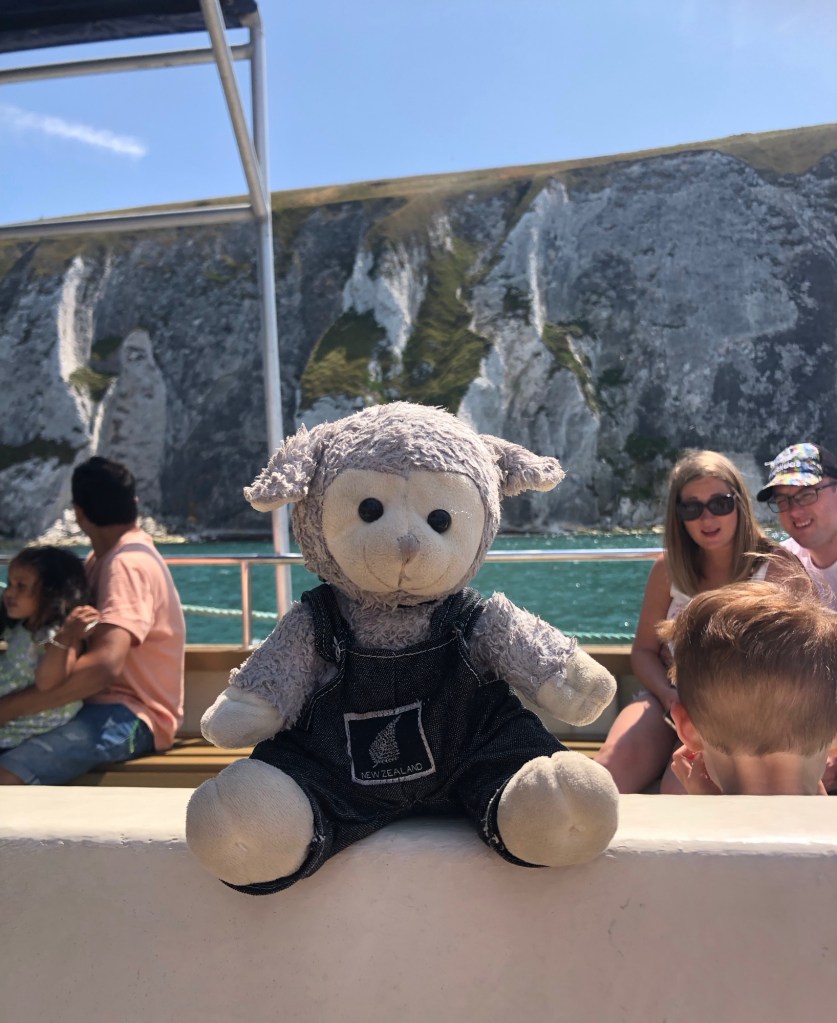
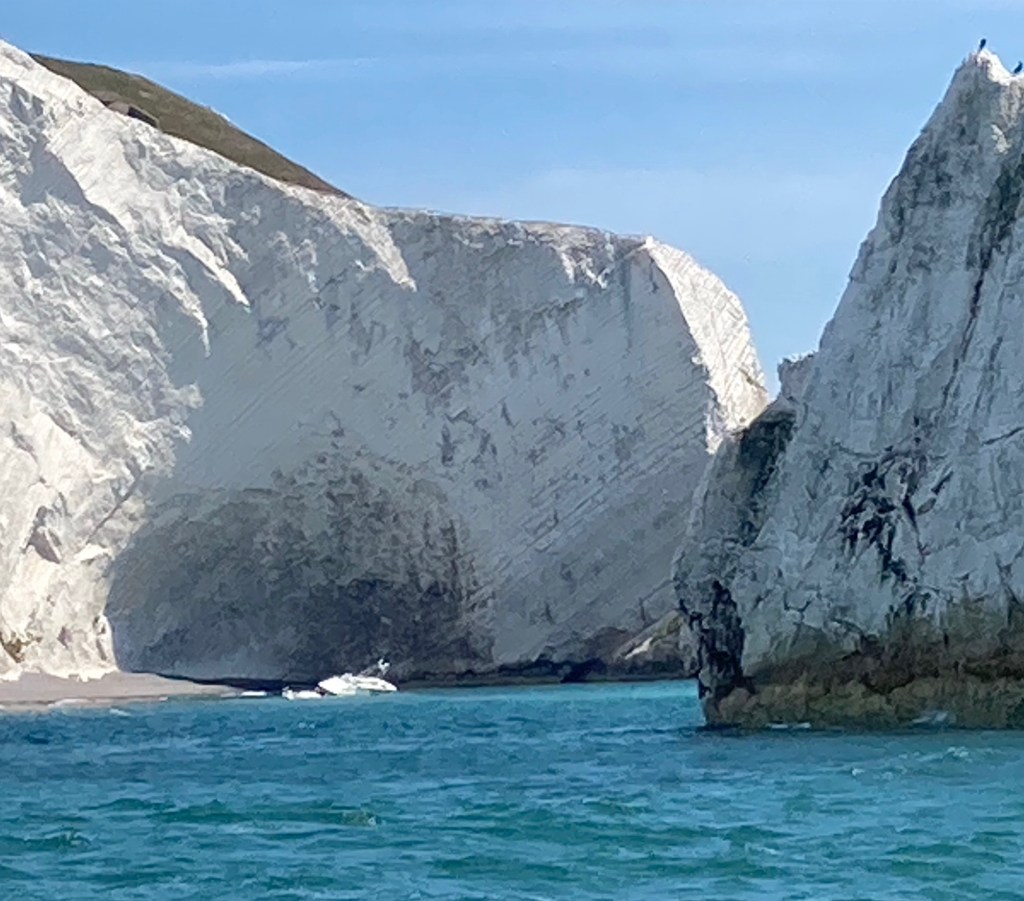
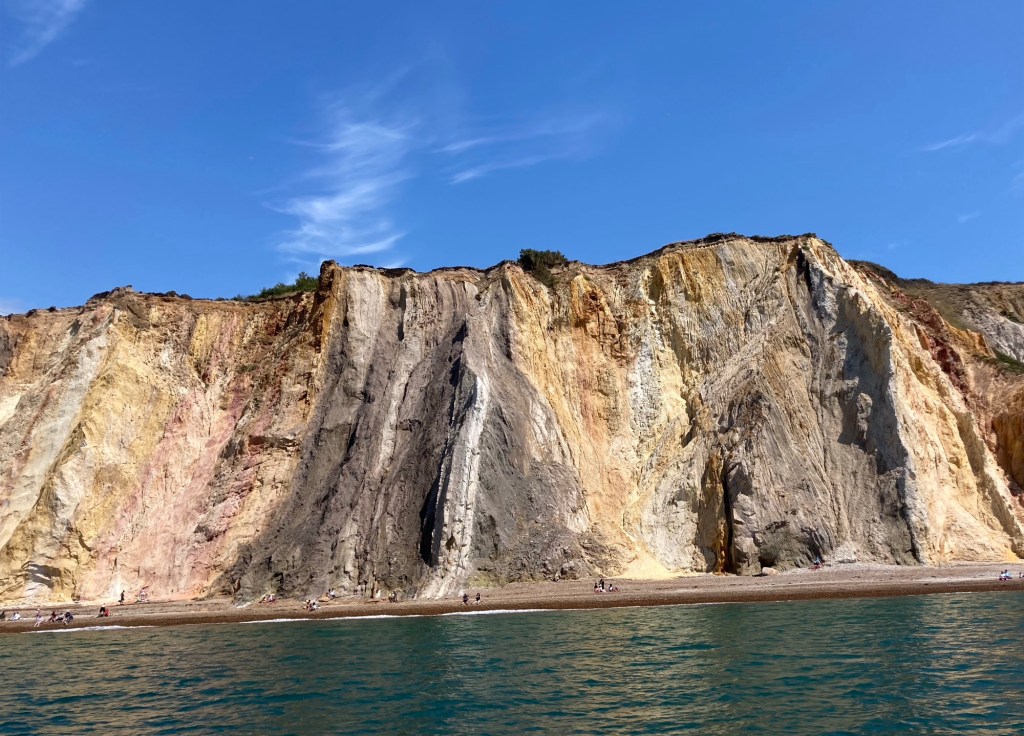
Boat trip to Needles lighthouseThe NeedlesThe Needles LighthouseShaun is a seasoned sea-sheepLaunch sunk this morning. Colours in the sand.
The colours in the cliff faces are striking. Over the course of millions of years, an old river laid down many layers of sediment which was then pushed up 90 degrees. Apparently there are 21 different colours.
Following this we walked the 40 minute round trip along the top of the cliff to the Battery, situated on the point.
Looking down to the chair lift and jetty from the old battery Great views over the Solent from the old batteryViews over the SolentThe old barracks are now an AirBnB
This was a full but great day out, finishing once again with the Hovercraft ride back to Portsmouth!
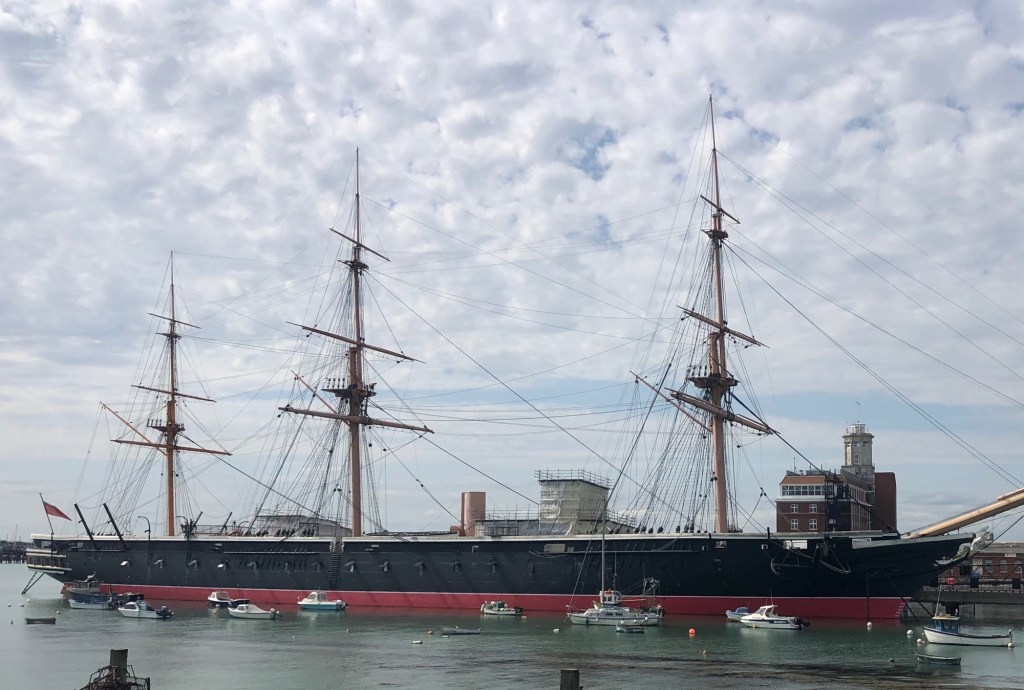
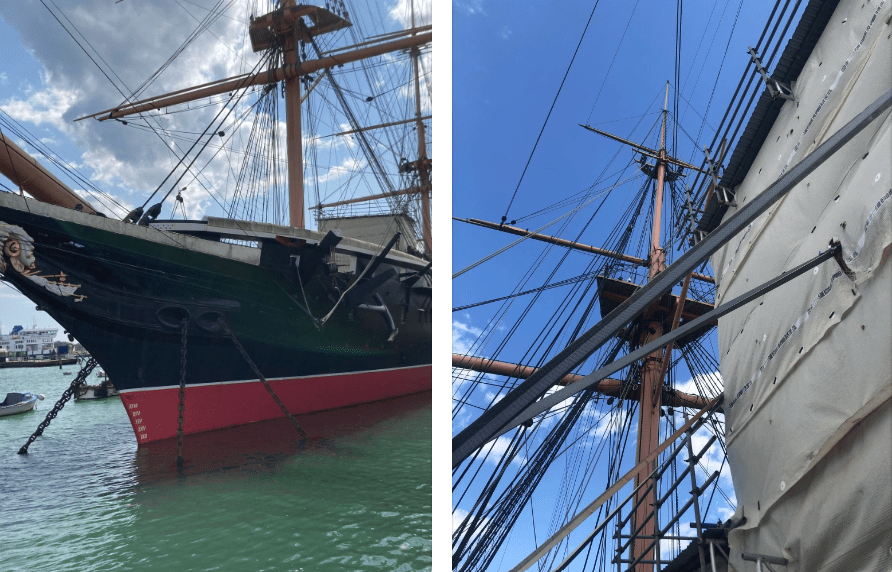
Next stop was HMS Warrior. It was the largest warship in the world and the pride of Queen Victoria’s navy. This warship was the most technologically advanced for its time, although by the time it launched there had been further advances so it was already outdated.
It had a complement of 700 men, including 150 marines. It was a hybrid being both steam powered and three masted to carry heaps of sail.
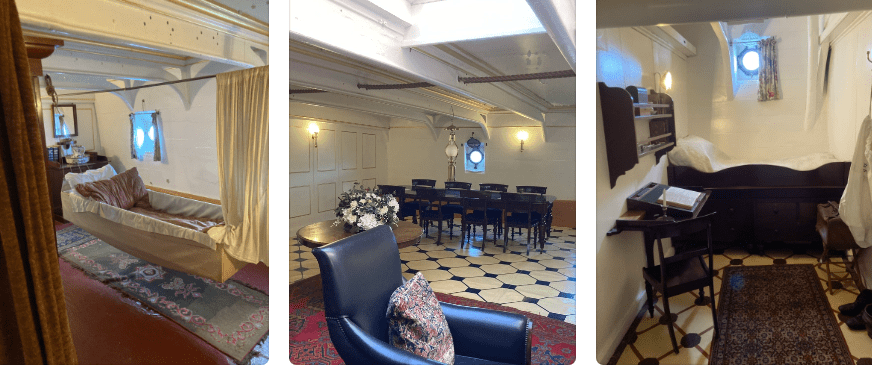
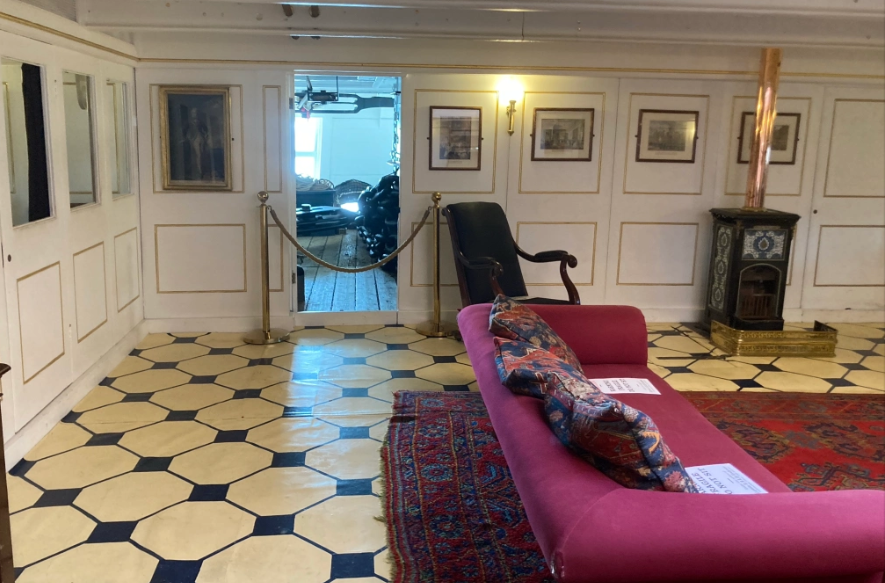
The Captain had his own suite of cabins about 80sq metres.
Captains CabinsAnother view of the captains cabins
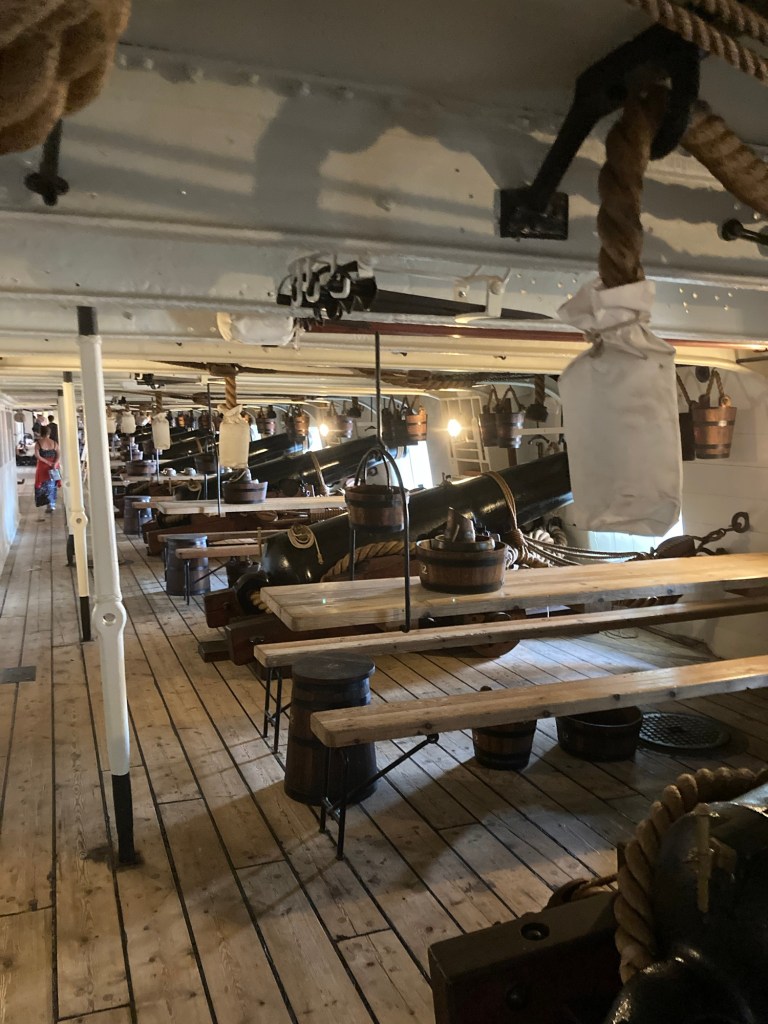
compared to the Jack Tars who slept 12 to table in a 3m x 5m space.
Each gun crew ate, slept and worked at the table
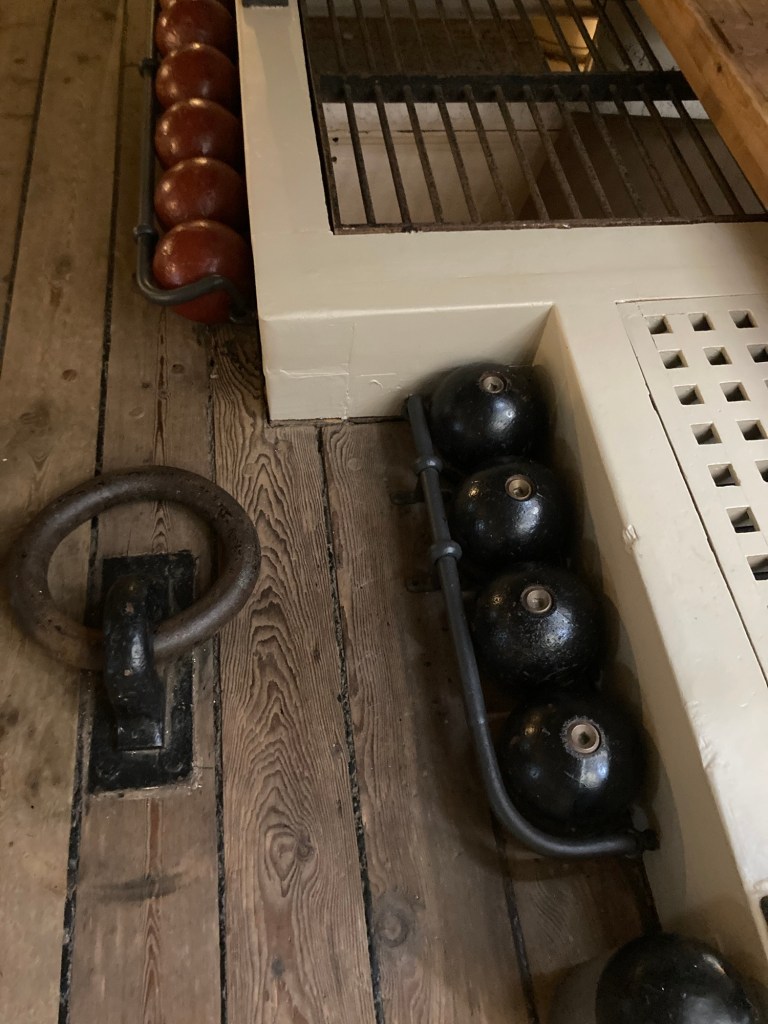
Their life was focused on their gun, they ate, slept and lived within arms length of their cannon.
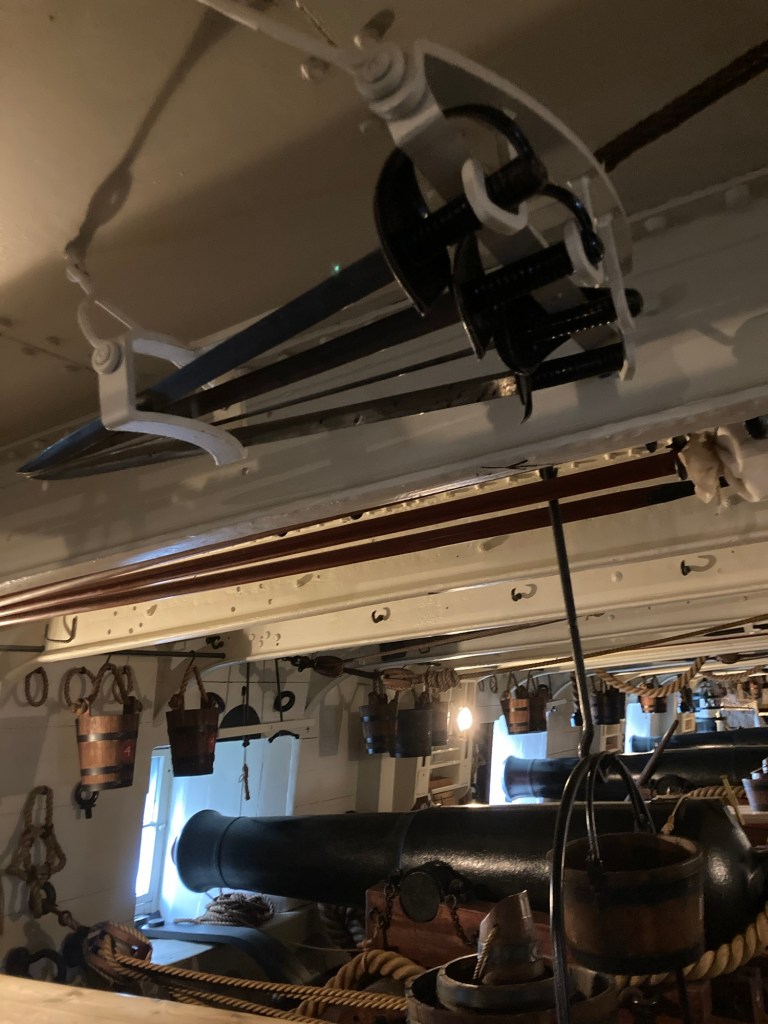
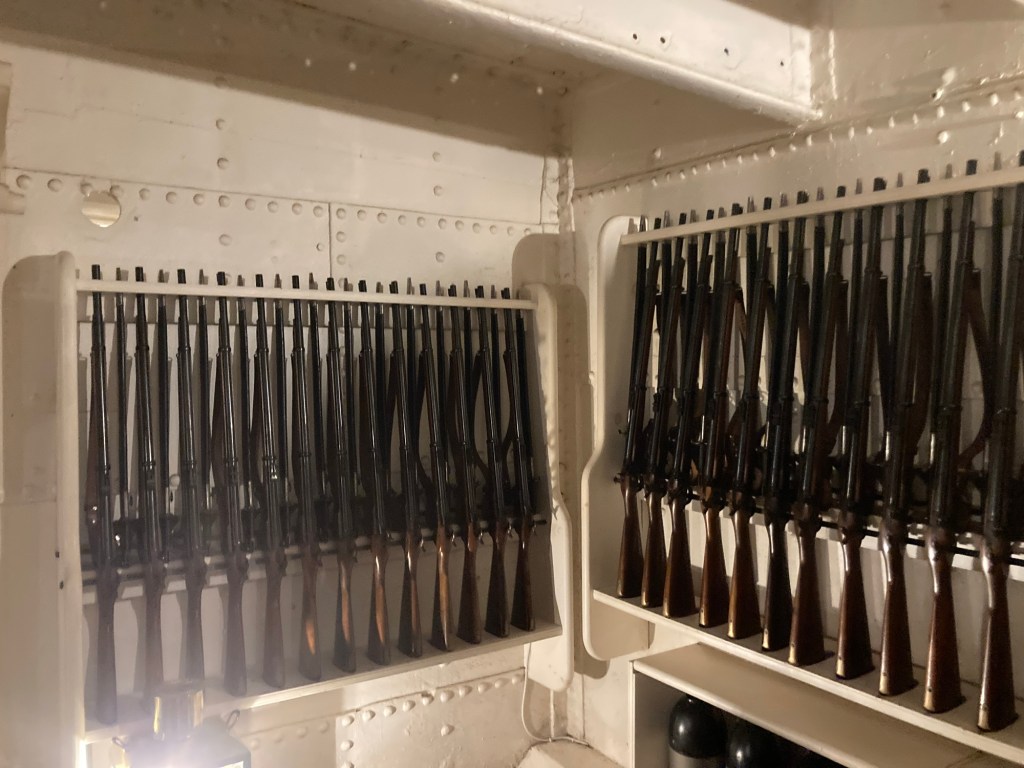
Arrayed above them were their cutlasses and there were numerous cabinets holding their rifles.
Cannons below & swords racked above
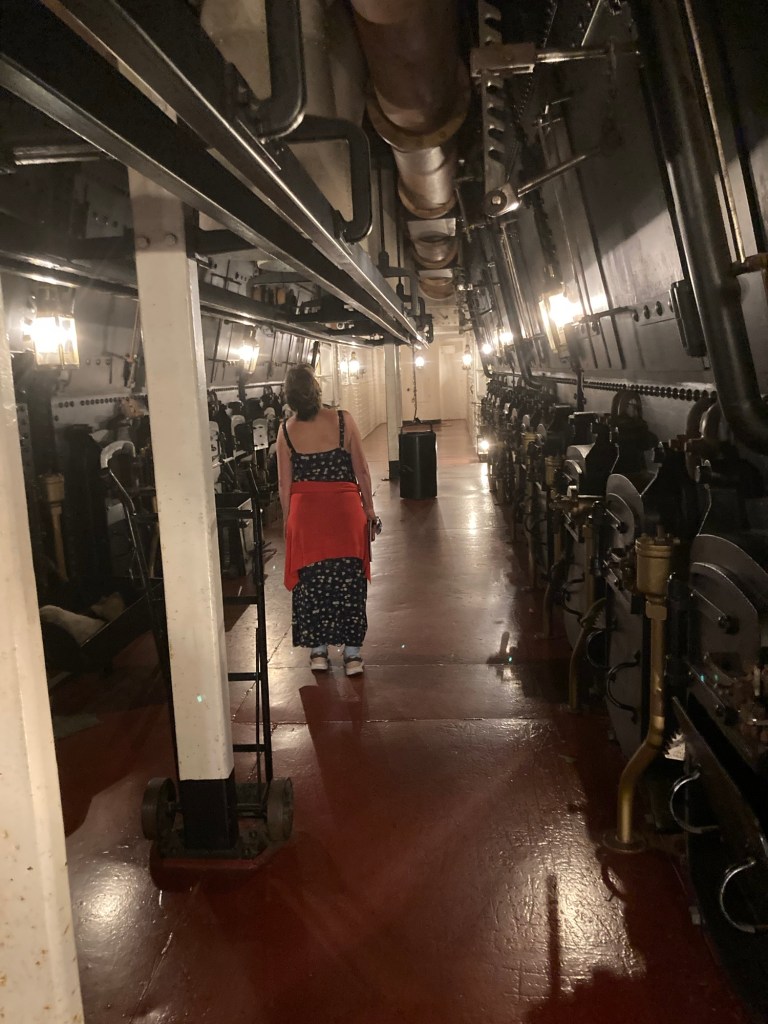
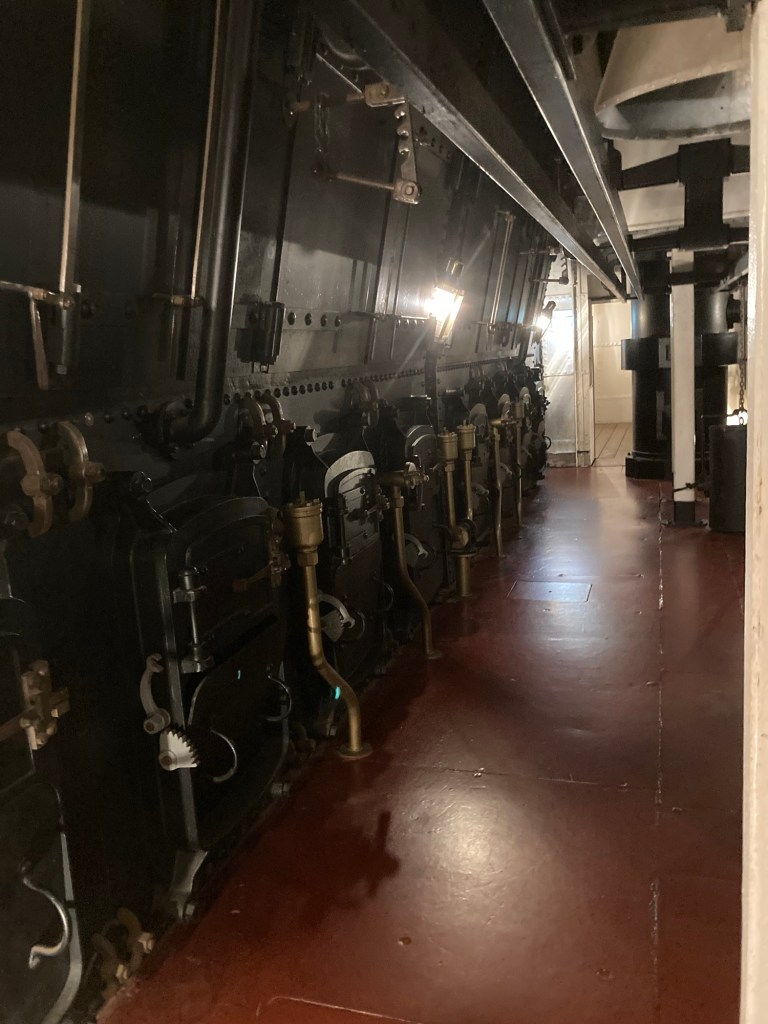
The steam engines are massive, and you can only imagine the noise of them thumping away. Stoking these furnaces would have been a very hot and arduous job.
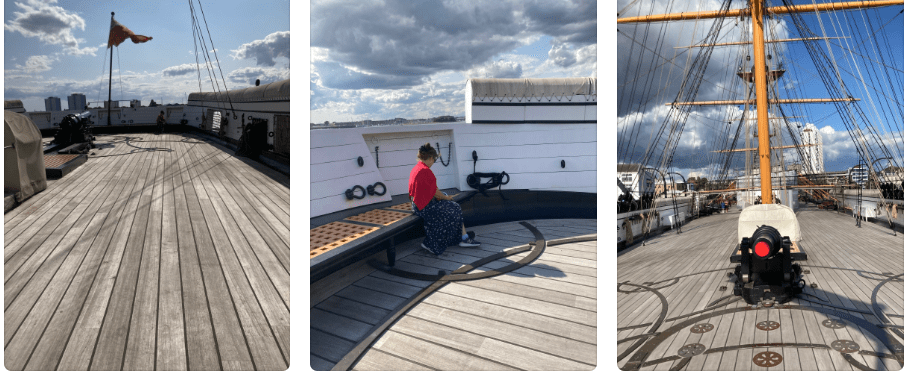
The decks are vast when empty but would be teeming with sailors when at sea.
Large sweeping decks
The helm was massive and required 8 sailors to turn the ship’s wheel. They even had a spare set of 4 wheels down below.
Helm on the right
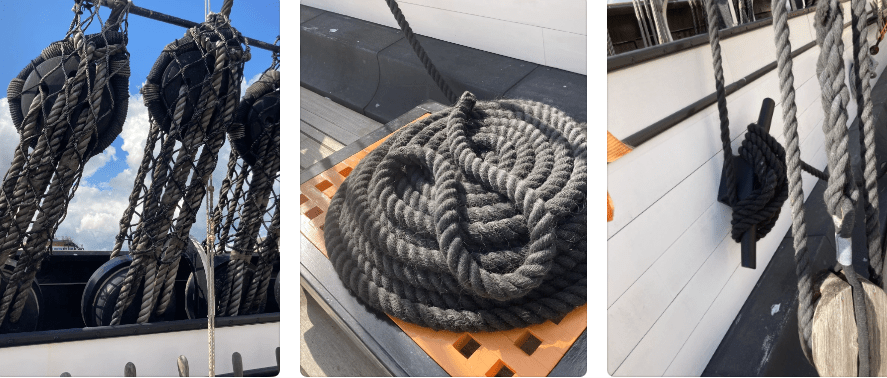
There are blocks and tackle everywhere, but all stowed neatly. Some of the blocks are huge, there are capstans for raising anchors, hoisting sails, and even lifting the propeller to reduce drag when under sail.
Ropes, ropes and more ropes – all made in PlymouthSome huge blocks and thick ropes
As you can tell, I was impressed by this old leviathan of the seas, and could go one about it, but there is still HMS Victory to comment on so I’ll stop it here. More photos available on request!
Next stop was the Submarine Experience. We’d never been in a submarine before so this was pretty cool.
The submarine we went on was built to take on the Japanese in WW2, but the war was over before it launched in 1945. The Alliance is an A class submarine and performed many different roles all over the world in the Cold War era. We couldn’t get far enough away to get a good photo.
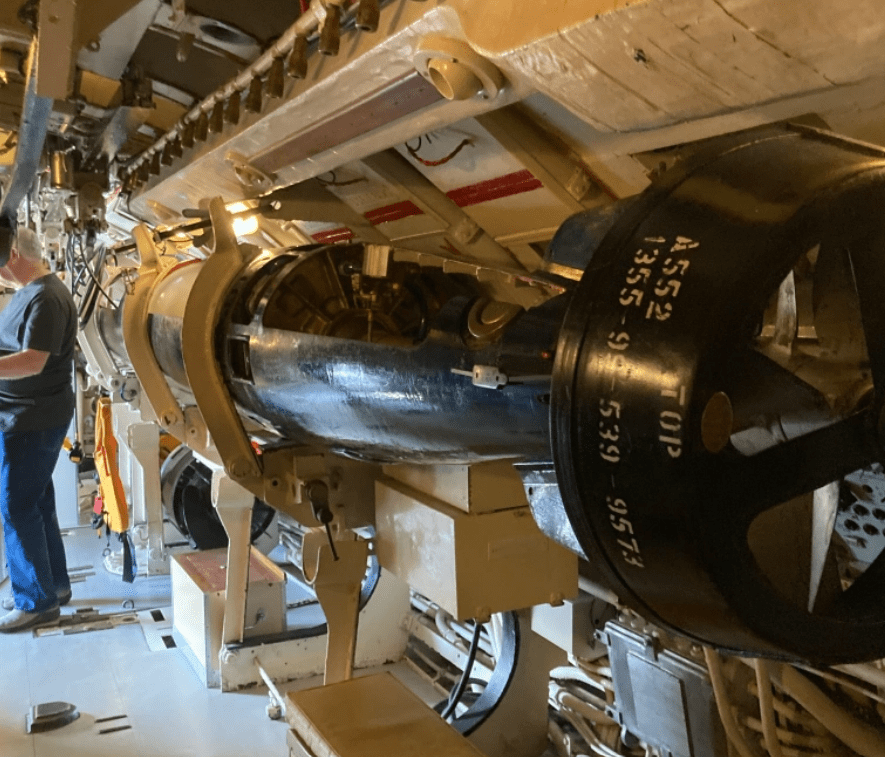
We started in the bow in the torpedo bay.
Torpedo tubes
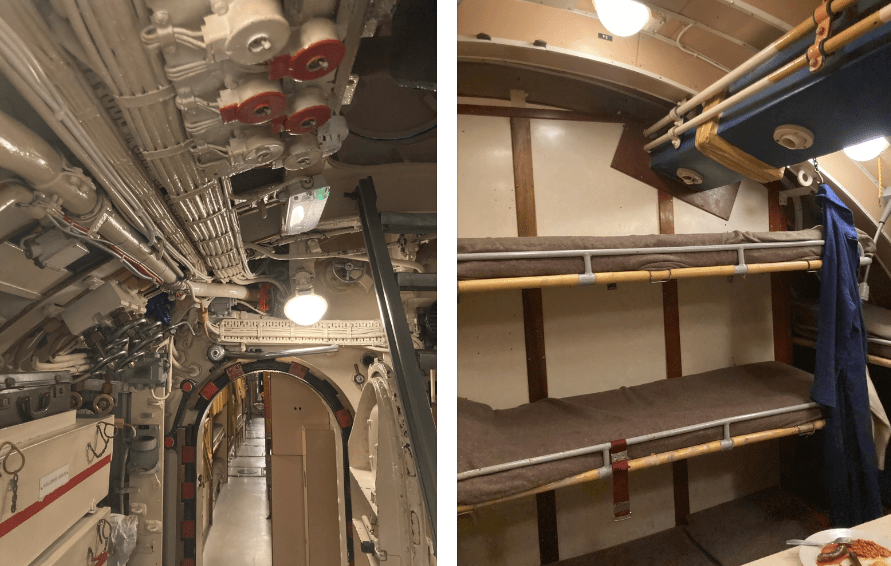
It carried 4 torpedoes in the tubes, and another 4 as reloads. It is very cramped inside, there were 63 men in this submarine and hardly any space.
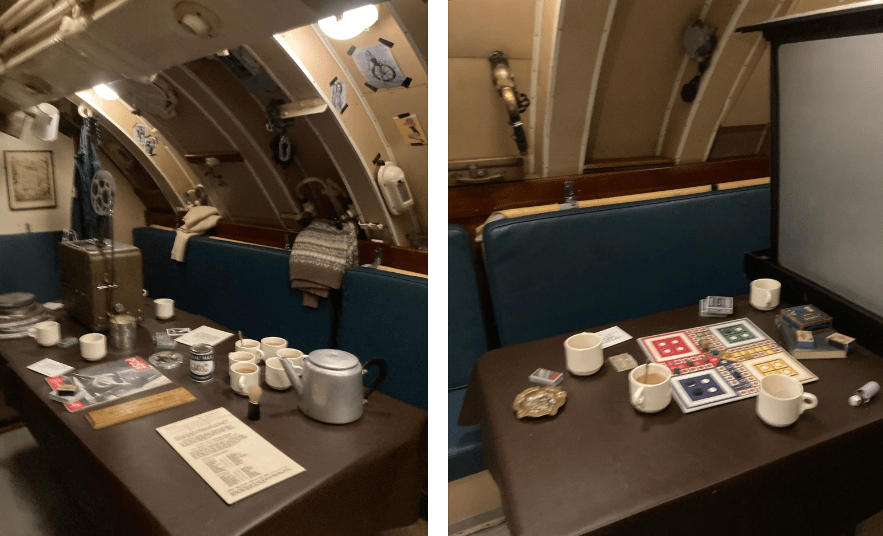
Crew cabins
The cabins served as their mess so their off duty time was spent in this 8x8ft space.
Crew mess
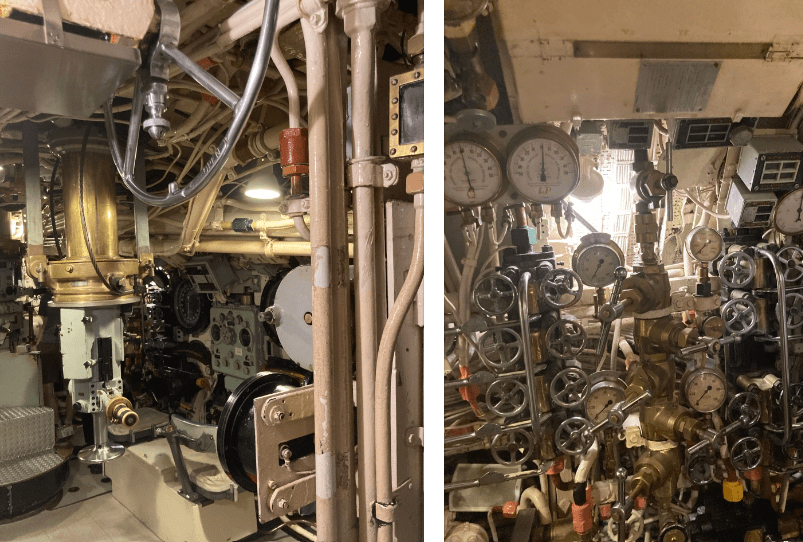
The bridge was a jumble of periscopes (3), valve wheels and levers, 8-10 sailors worked in this space.
The bridge
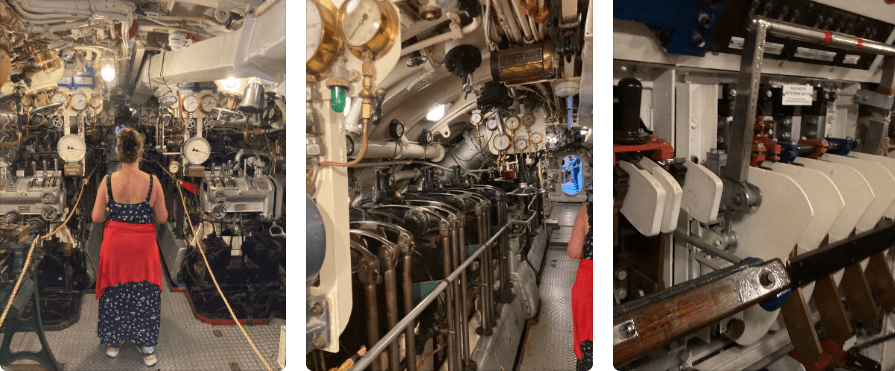
It was powered by electric motors run off batteries, but these were charged by a noisey diesel generator which could only be run on the surface or close to the surface with a snorkel as it needed fresh air to operate.
Engine roomTorpedo
There were 3 toilets for the 63 men, and 3 hand basins, that was it – no showers or baths. And this was the galley to prepare meals for the 63 souls.
Galley for 63 sailors
I don’t think I could live the life of a submariner.
Submarines are older than you think,
Holland 1 launched 1901
The first British submarine was HMA Holland 1 launched in 1901, and this is on display in the submarine museum.
Lovely train journey from Bath to Portsmouth, just over an hour and the scenery very much like parts of rural NZ.
The AirBnB we are staying at is near the beach and the dockyards.
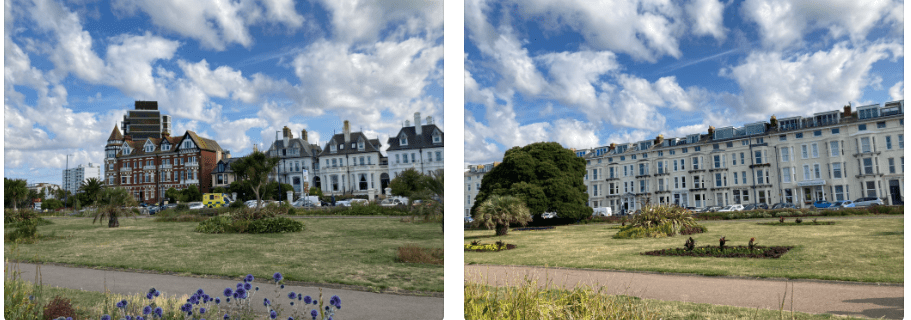
The beachfront is very 1920’s when people used to come to Portsmouth and ‘take the sea air’. There are lots of old hotels facing the beach but most set back due to a flood plain, so plenty of green open spaces alongside the promenade.
Portsmouth seafront
Decided to take the old hop-on hop-off bus to orientate ourselves, this one only did about 8 stops along the 4km beachfront! But only £5 each so can’t complain.
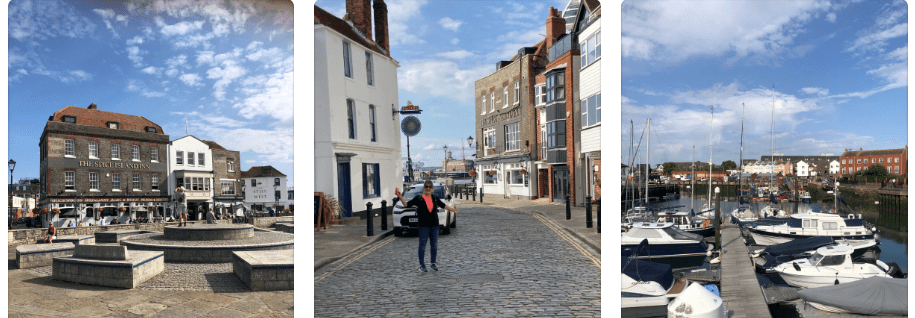
Had a walk around Spice Island, I thought this was where the boats from foreign lands unloaded their exotic cargo back in the day, but apparently it got its name from all the pubs, brothels and gambling dens that added ‘spice’ to their lives! It may have been an island once, but now is part of Portsmouth waterfront.
Spice IslandThe Spice Island pub
The next day it was up the Spinnaker Tower. This tower was built in 2004 and as the name suggests it looks like a huge spinnaker.
Spinnaker Tower
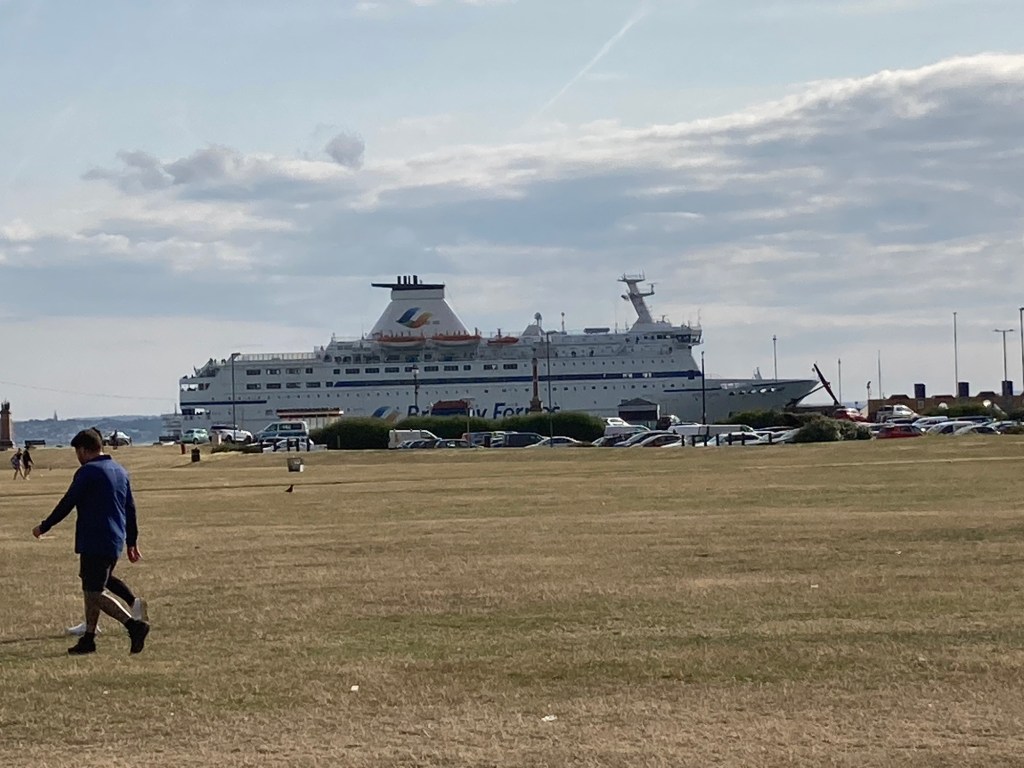
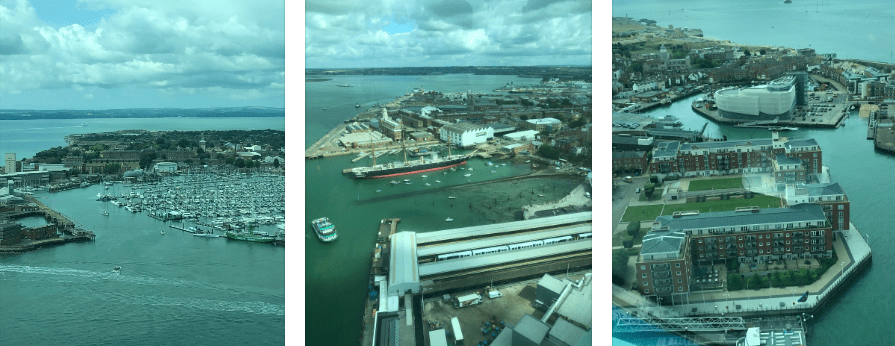
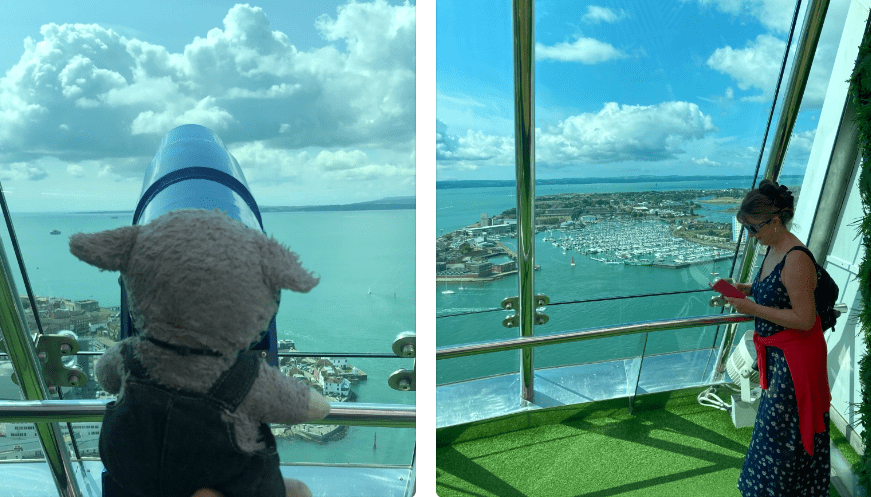
It is on the waterfront near the dockyards and has commanding views over the harbour, the Solent and the Isle of Wight, and also to Southampton. You can even see Chichester. There is always lots going on in the harbour with ferries crossing to the Isle of Wight, Gosport, and France, and Naval boats moving and lots of pleasure craft coming and going. (The blue tinge is because the windows are tinted)
Views from Spinnaker Tower through the tinted glassLooking at area immediately below Spinnaker Tower
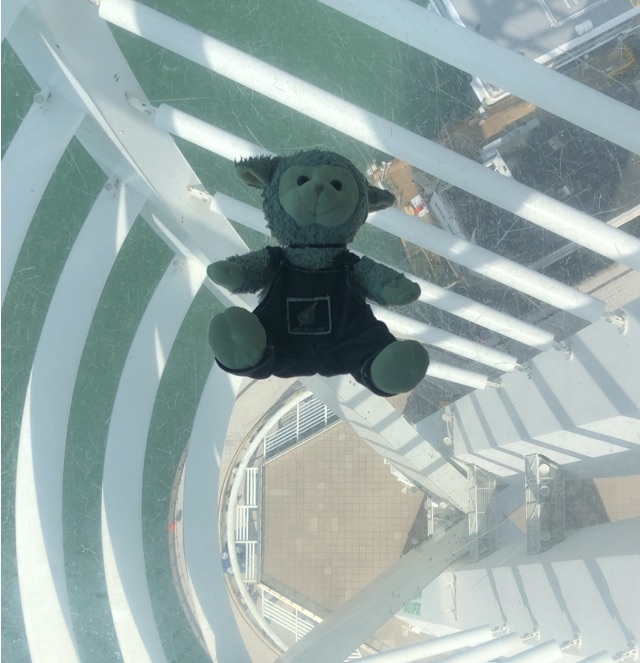
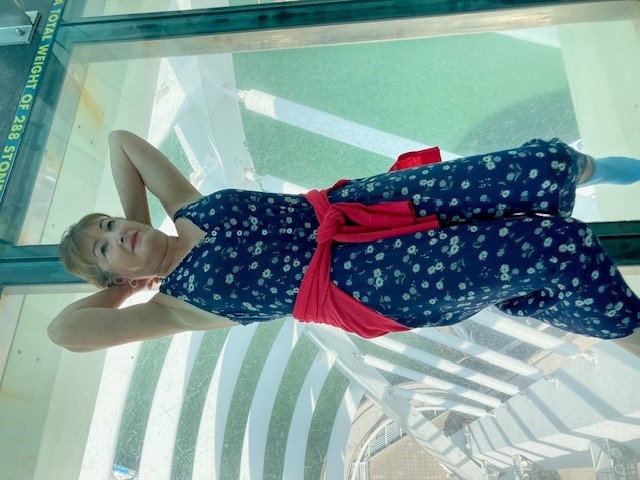
And Sally and Shaun wanted to get in on the action.
Shaun suspended in spaceSally suspended in space!Spinnaker Tower viewing deck
Next stop was the Historical Dockyards. There is soooooo much to see here. You cannot do it in one day. After reading the reviews we decided to purchase the Ultimate Explorer option which was £39 each. This allows us multiple visits for the next 12 months on all the attractions. We are going to visit for 4-5 hours on 3 days.
Today we started with the Harbour Tour.
Portsmouth Harbour
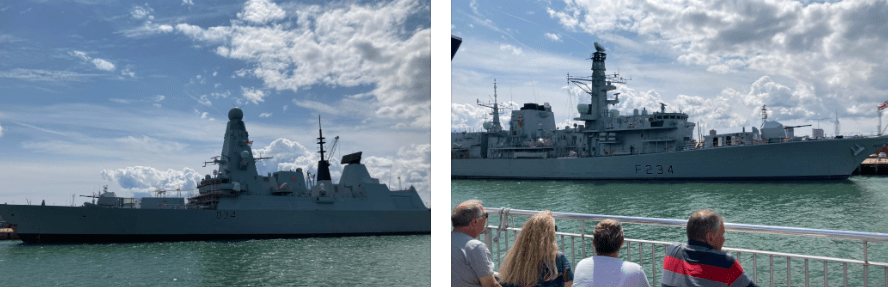
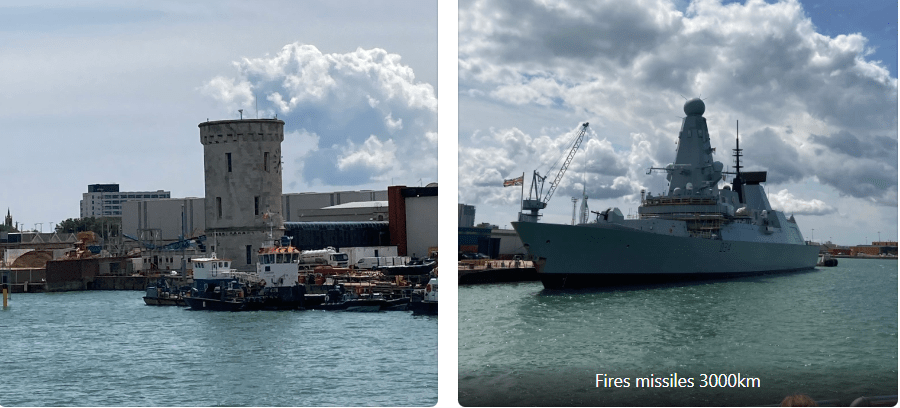
There are not many ships in at the moment but they are expecting an aircraft carrier to turn up in the next week or so. We did see the armory which is in the middle of the harbour away from everyone, and is the last place the ships visit before leaving. There were also half a dozen support vessels berthed.
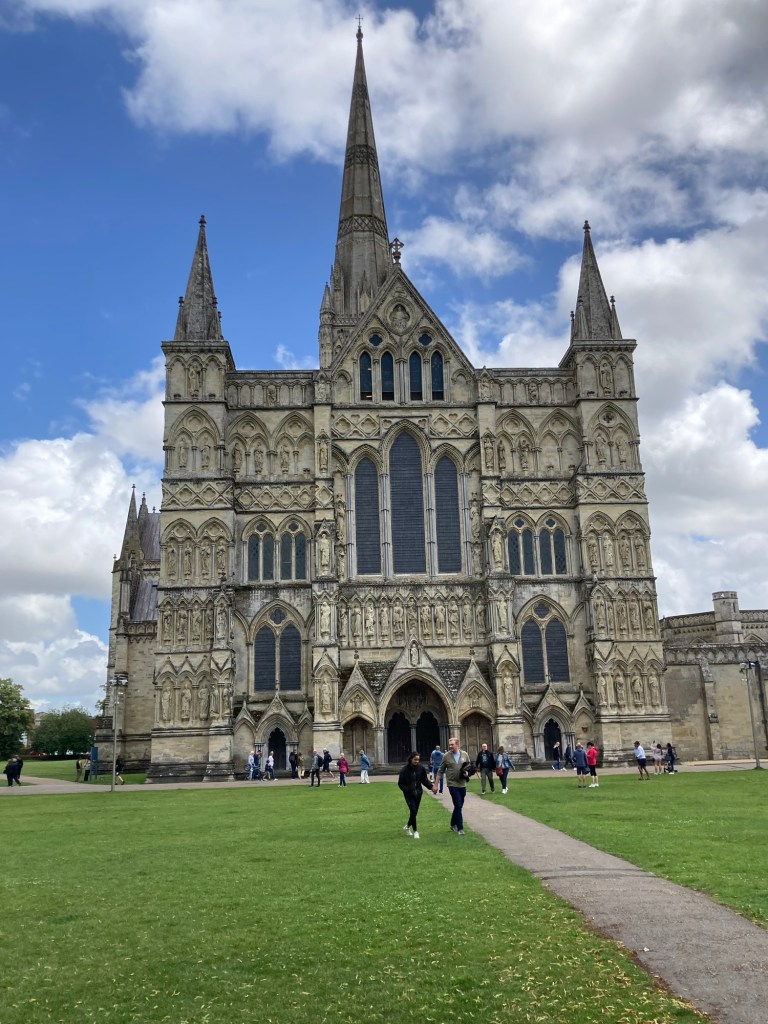
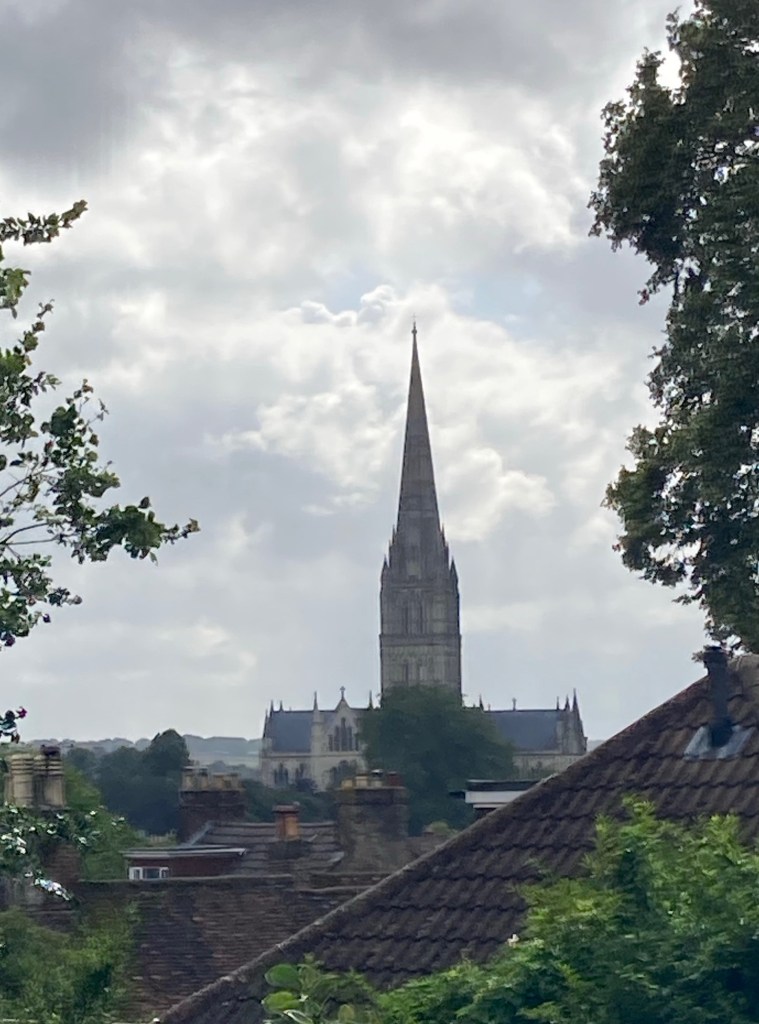
Salisbury cathedral was beautiful (built in 1220 and took a mere 38 years to complete) set in its own Close, surrounded by lush grass and lovely historic buildings.
On Sunday morning we attended a church service. This was very special and I was so glad we were here on a Sunday and were able to do this. The choir sounded amazing!
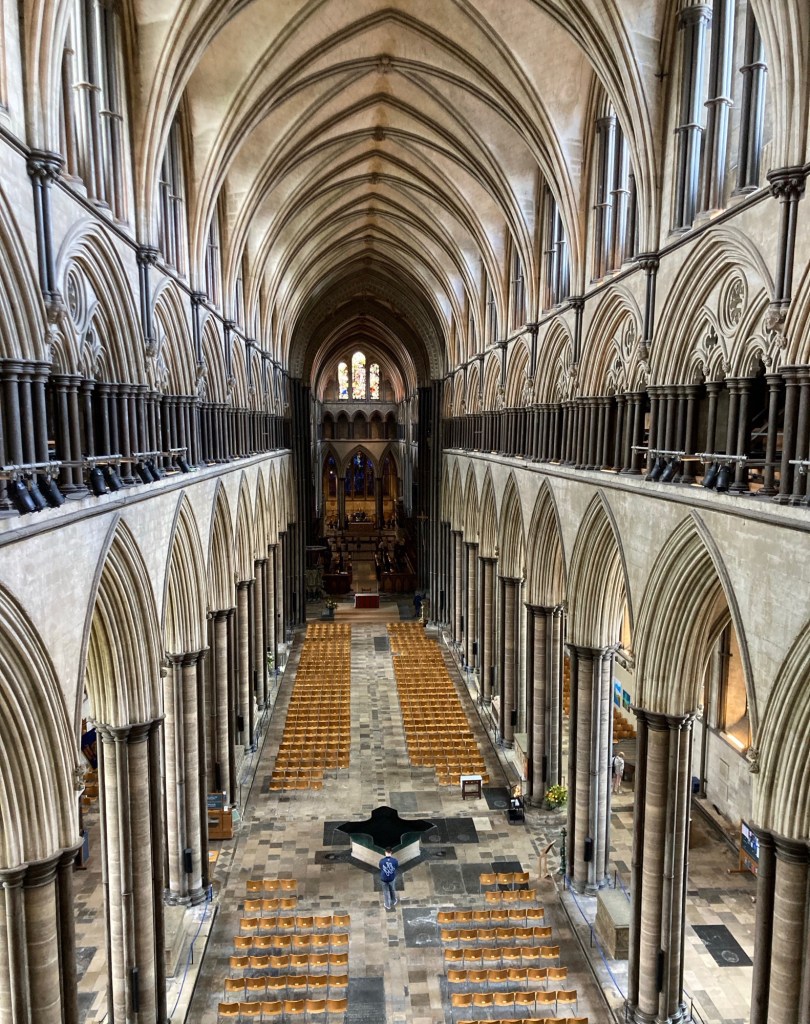
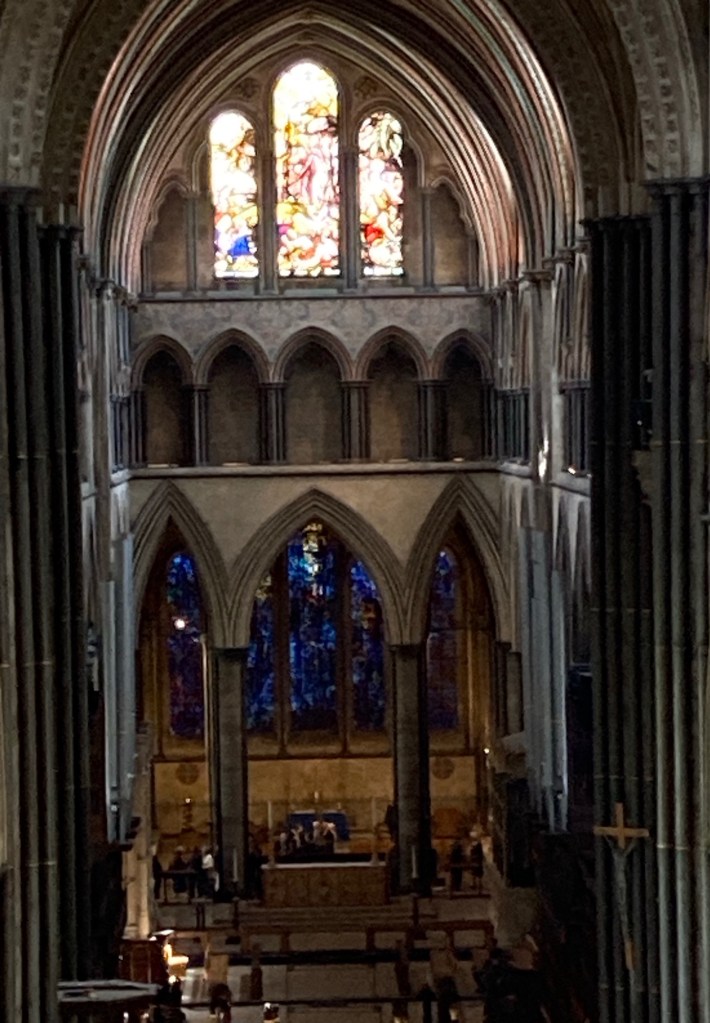
Nave in Salisbury CathedralSalisbury Altar
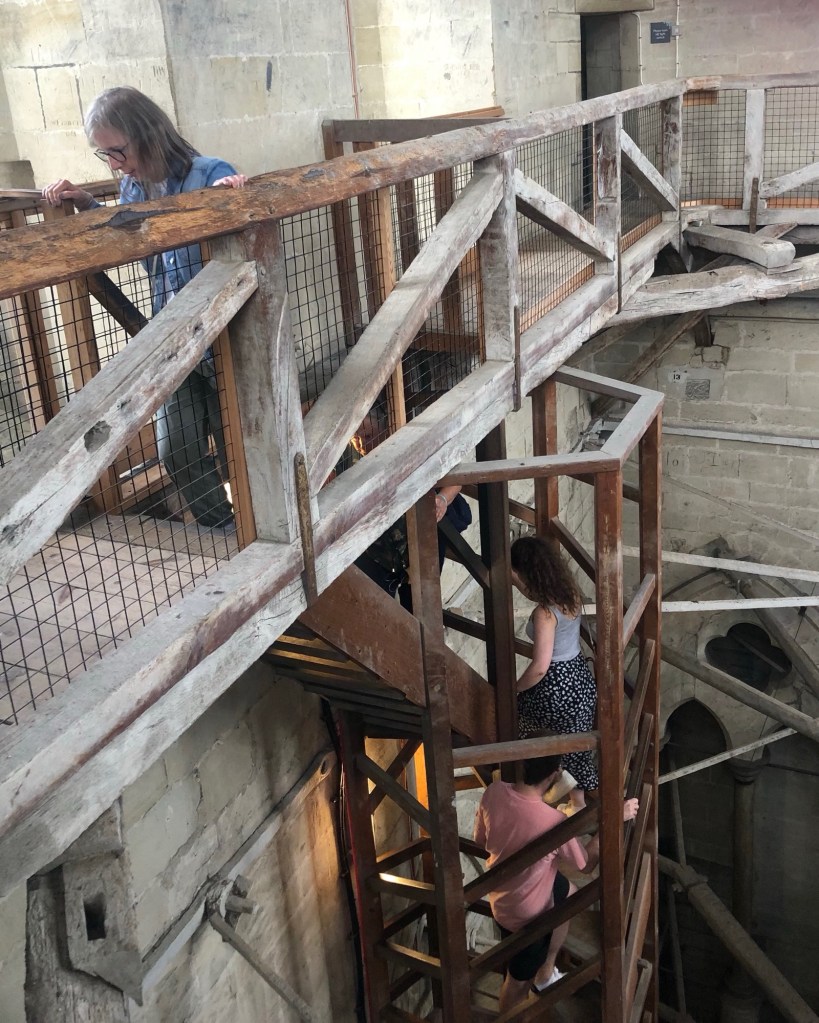
We did a guided tour of the tower (steeple). This was extremely good value at $36 for a comprehensive 90 minute experience (300 steps to the top!)
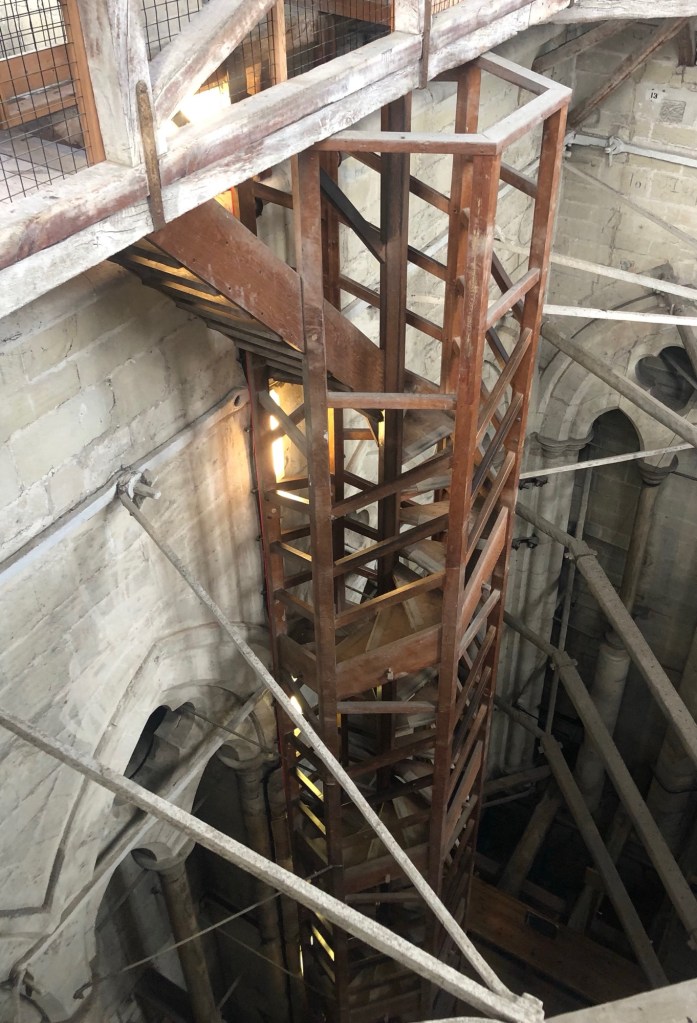
Tight staircase up the steeple
We were lucky (?!) to be near the bells when they struck 12.
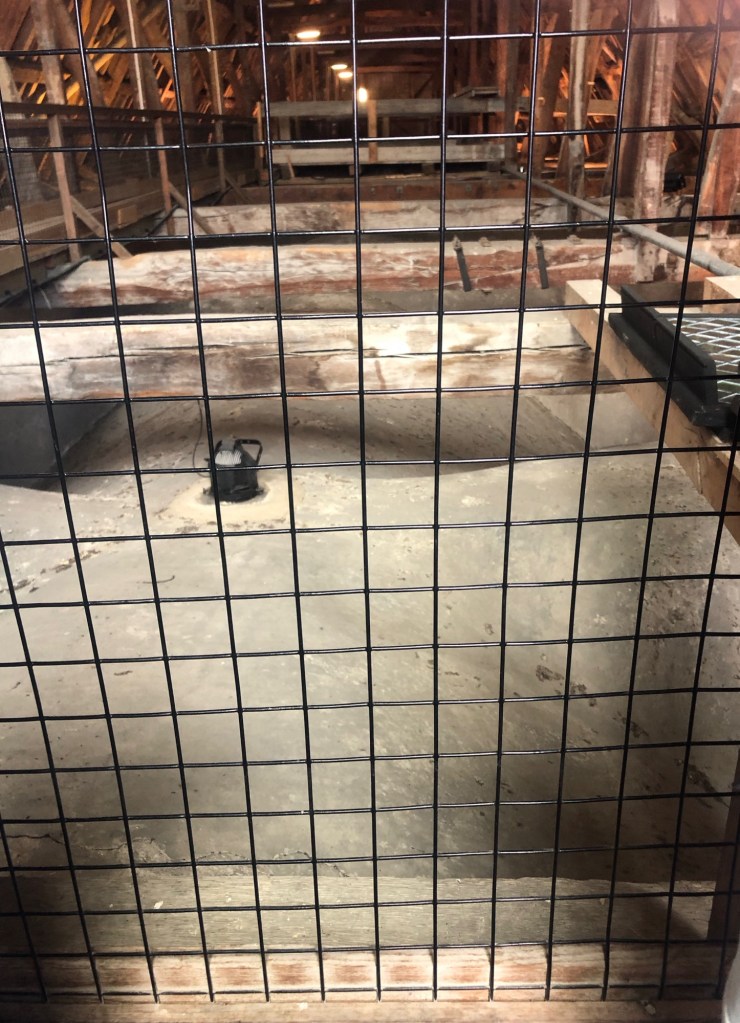
The ceiling is made of limestone and is 800 years old.
Limestone ceiling
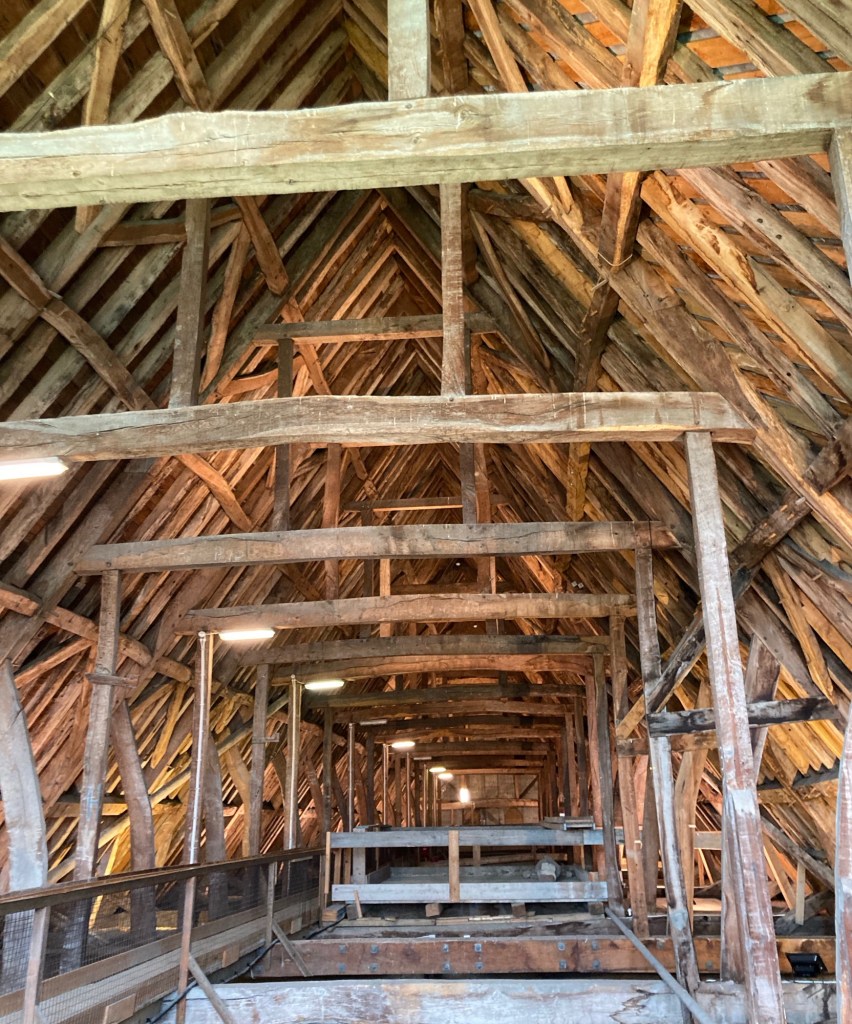
The roof is oak (not original).
Oak roof beams
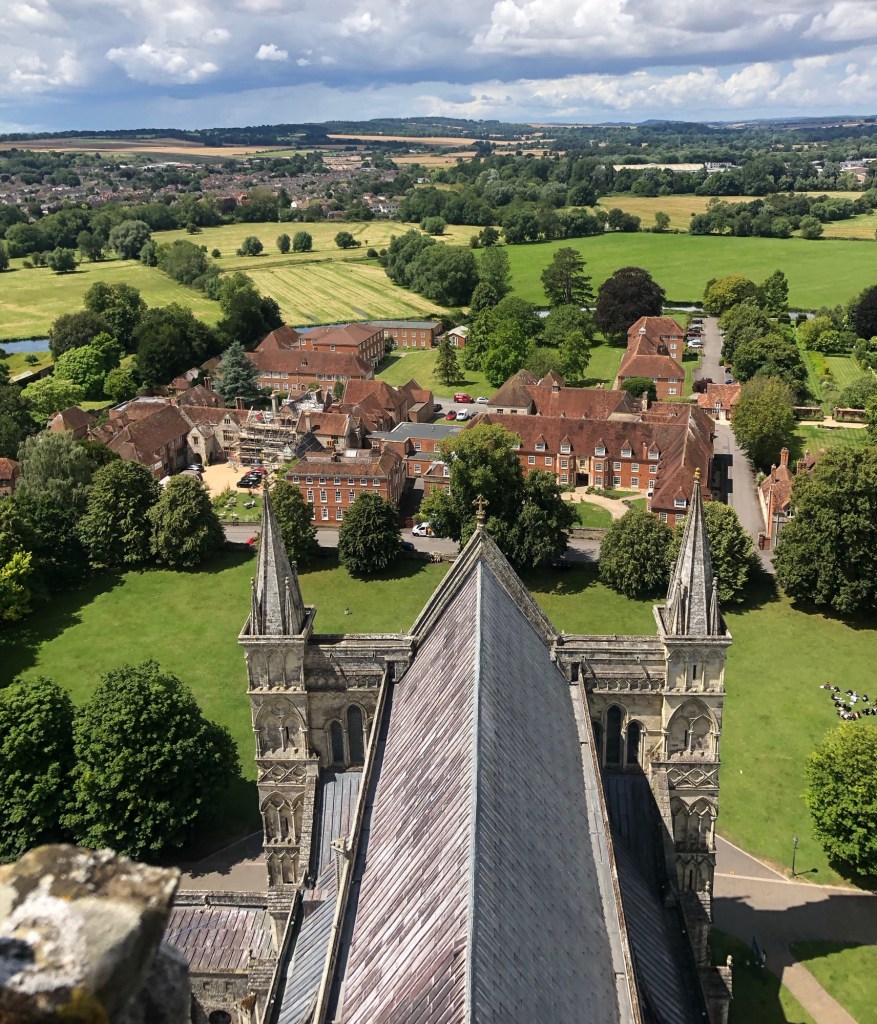
Incredible views from the top! Note the lush countryside.
View from the steeple
When we got back to earth we did a free tour of the cathedral with one of the volunteers.
The foundation’s of the cathedral are only 4 feet deep! It is built on a base of water and pebbles – a water meadow. The below photo shows where the water level below the cathedral can be measured (and no it’s not floating!). If the water level drops too far the Cathedral would become unstable.
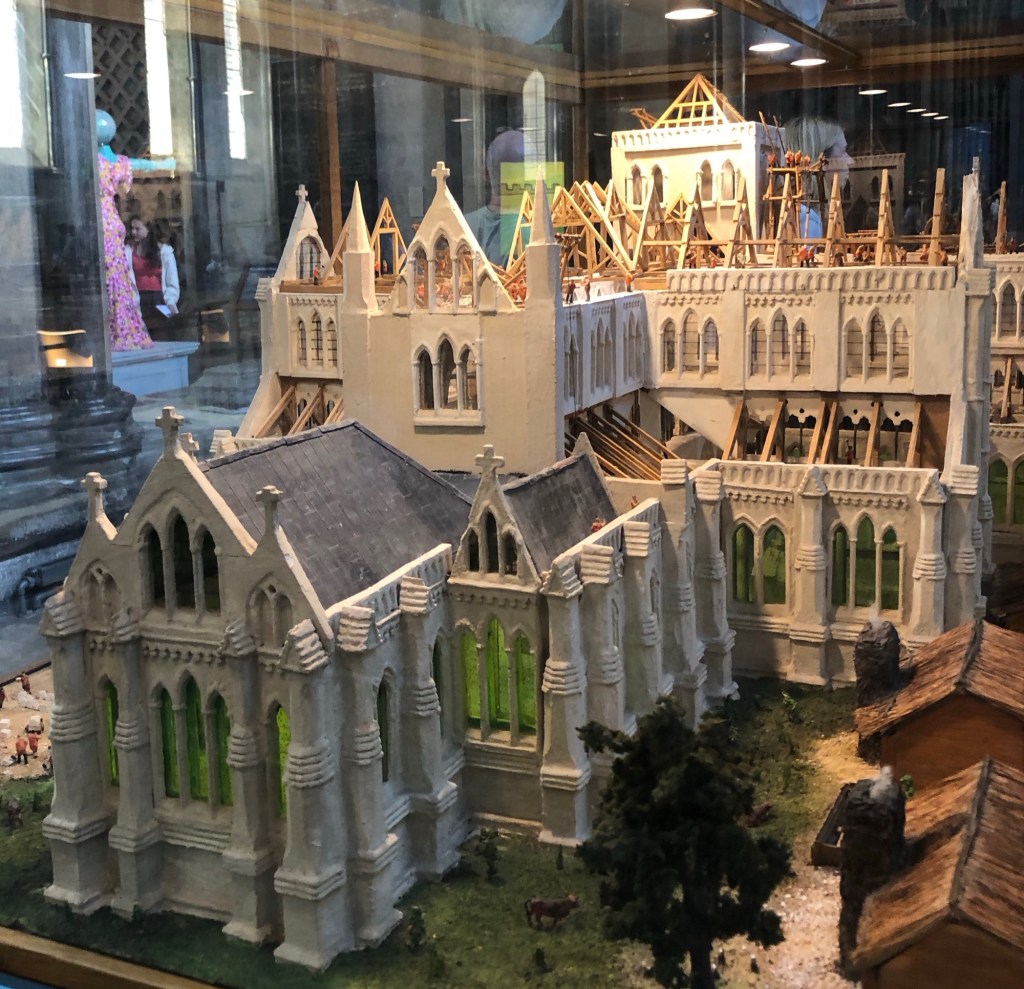
This model was made by two opticians and donated to the cathedral
Salisbury Cathedral model
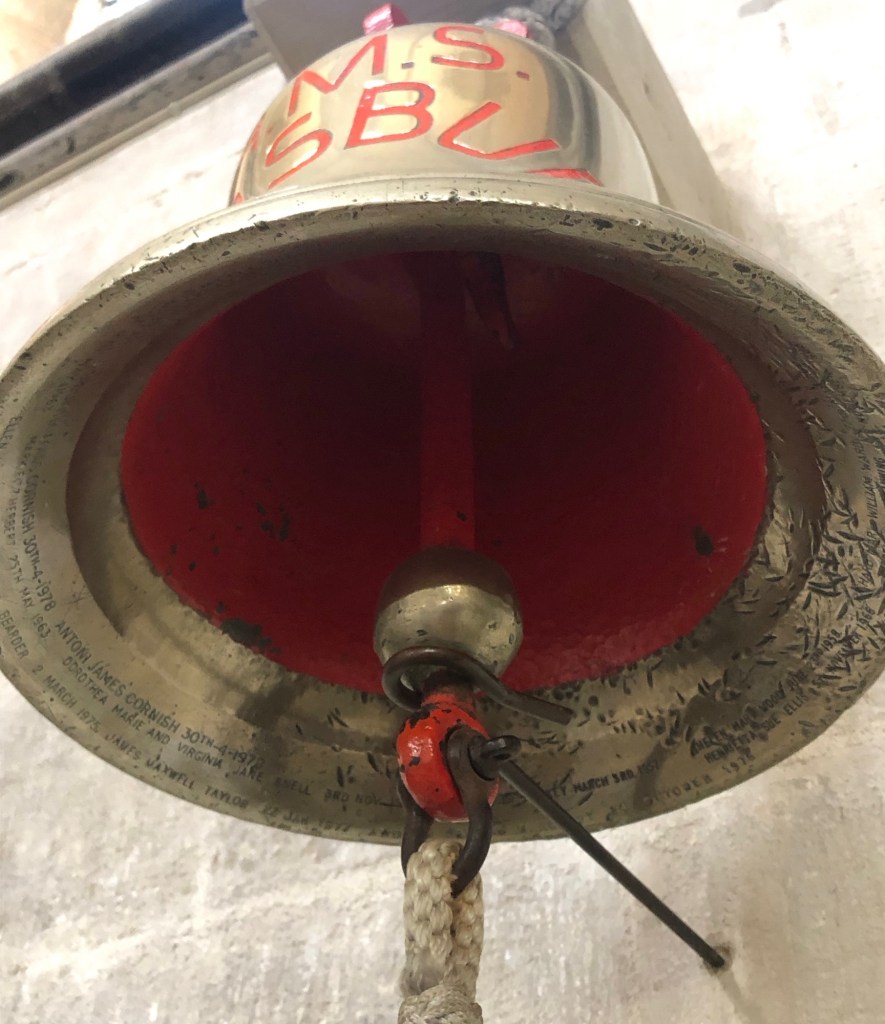
The bell from the HMS Salisbury was also used as a font while at sea. The names of all who were baptised are inscribed inside the bell.
Bell from HMS Salisbury
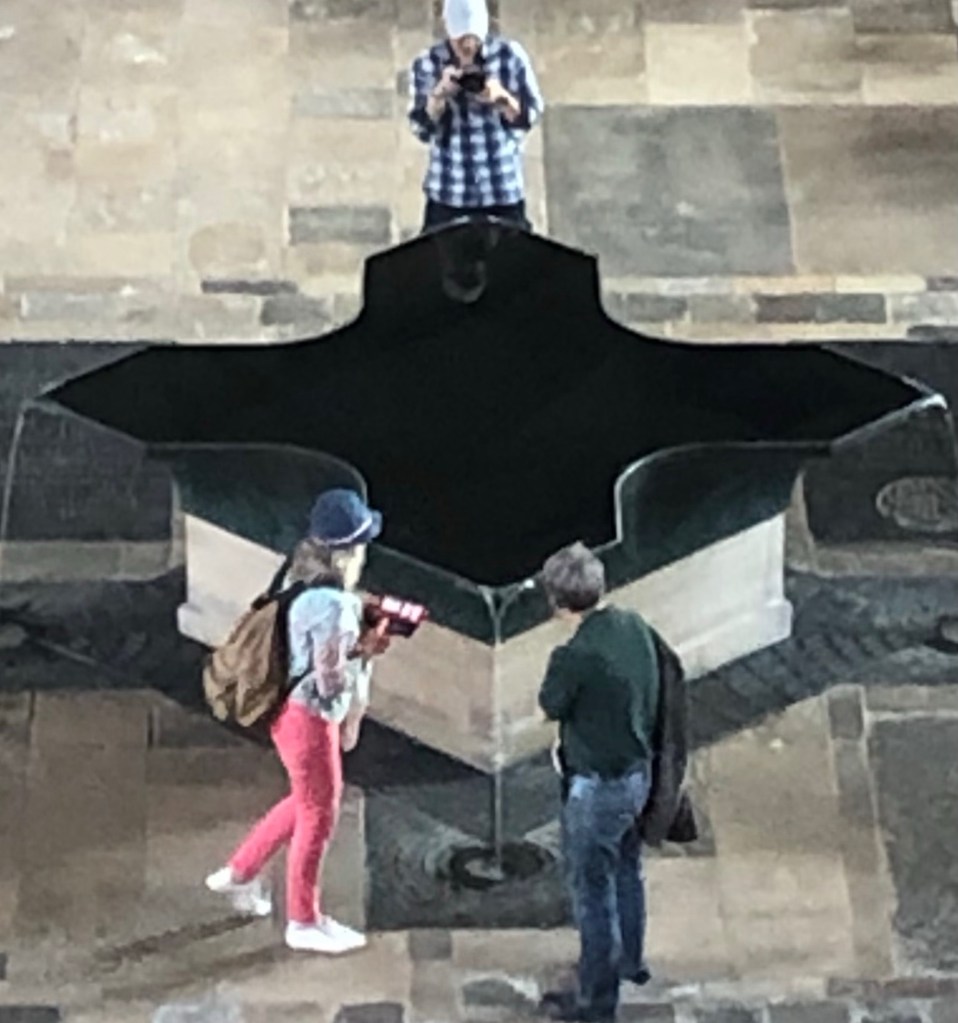
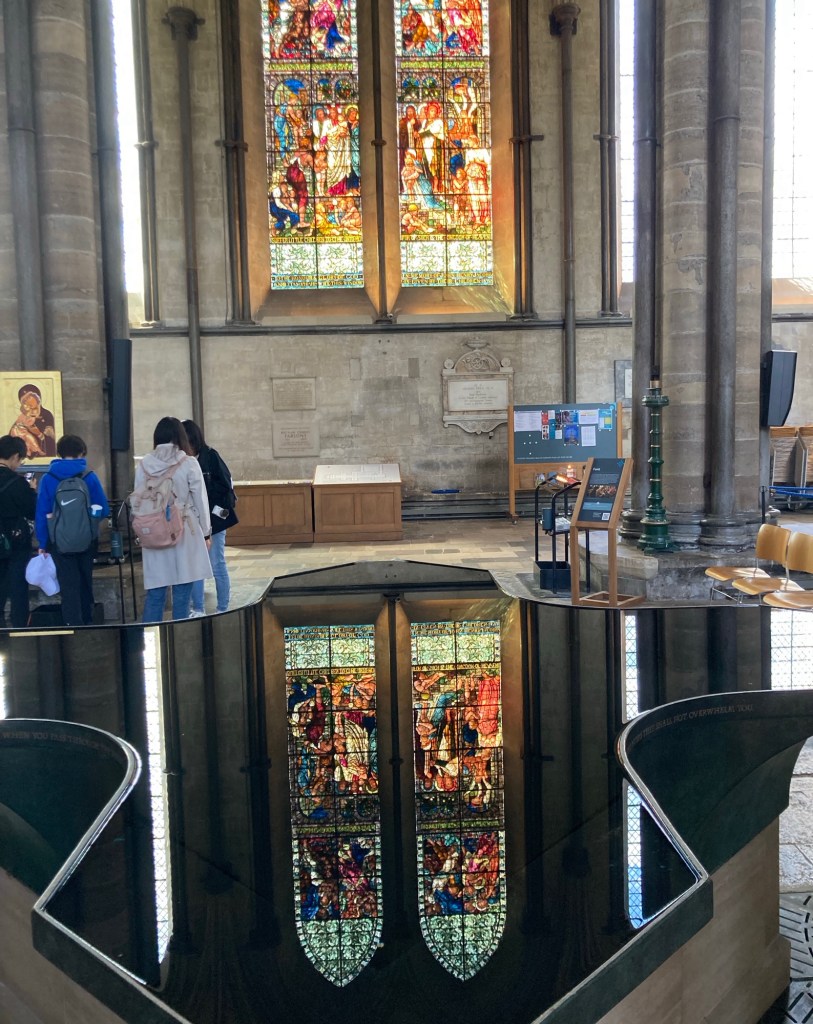
The font inside the cathedral is unique. Also doubles as a water feature.
Salisbury Font
Lovely reflection from the stained glass in the font.
Stained glass windows reflected in the font
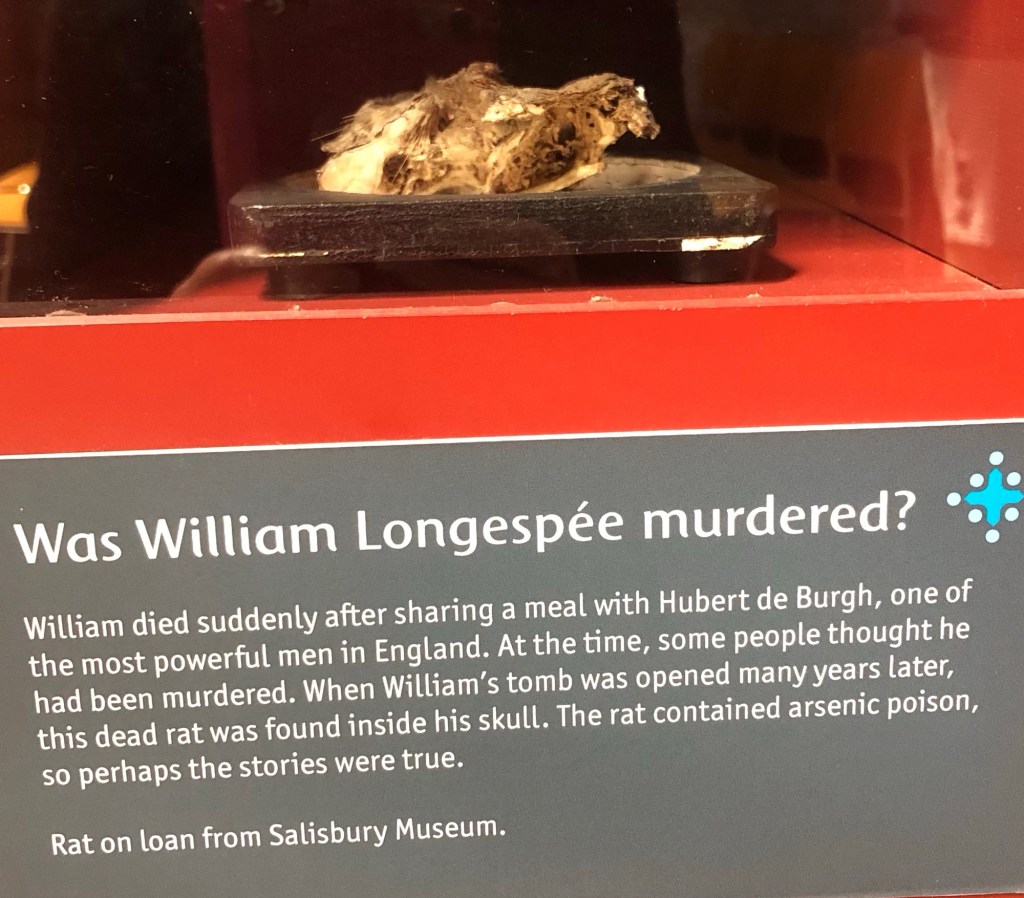
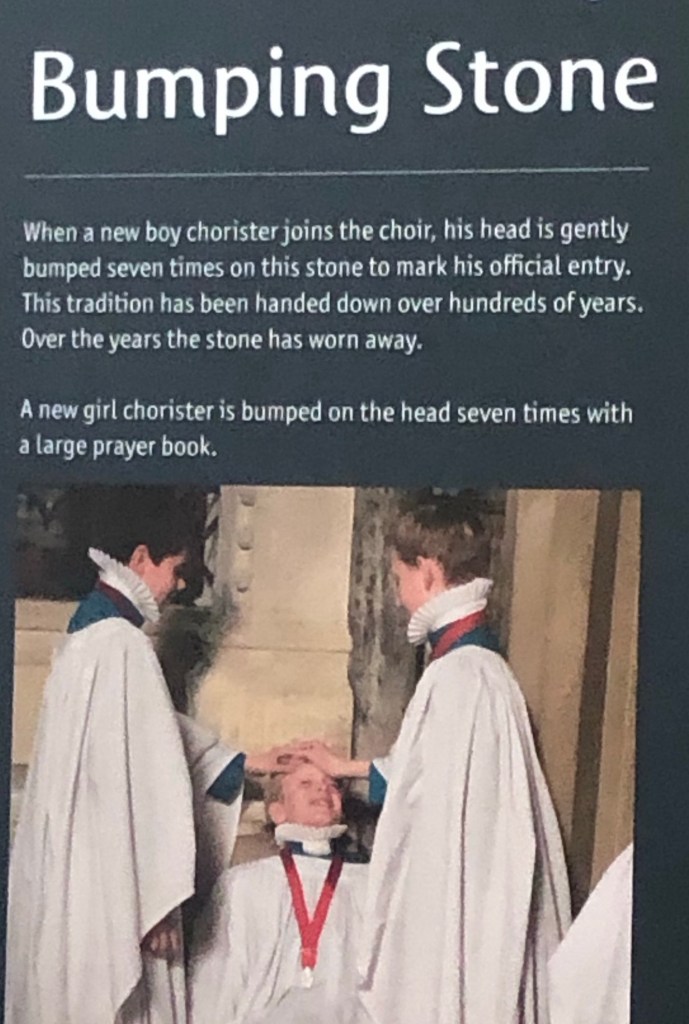
A couple of interesting little stories
Murder??
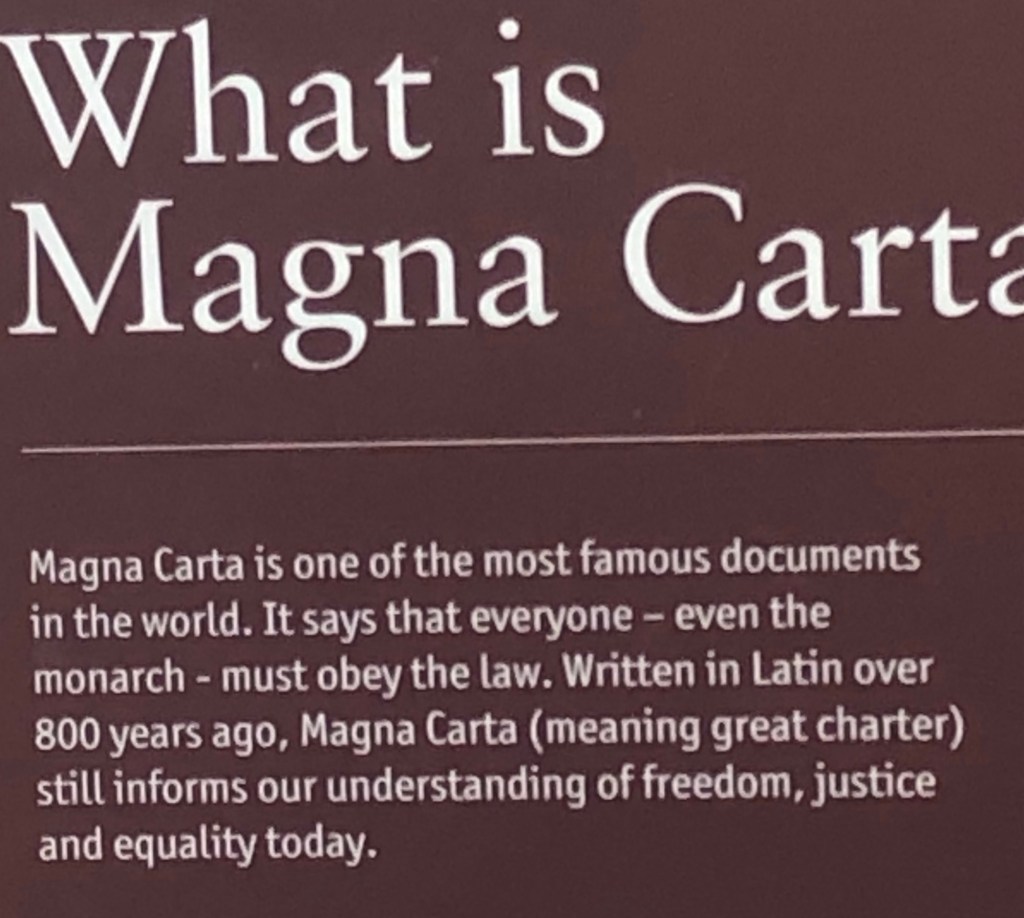
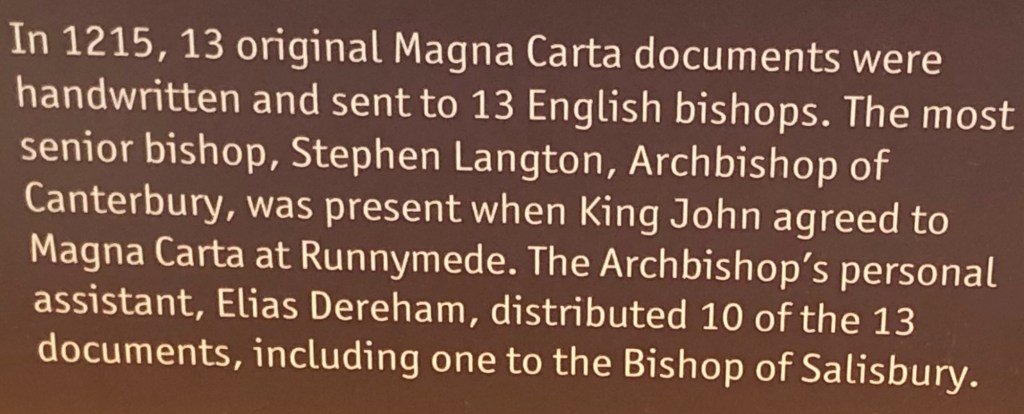
The Magna Carta (one of them) is housed at the cathedral in the Chapter Room. Unfortunately it was not permitted to take photos of this.
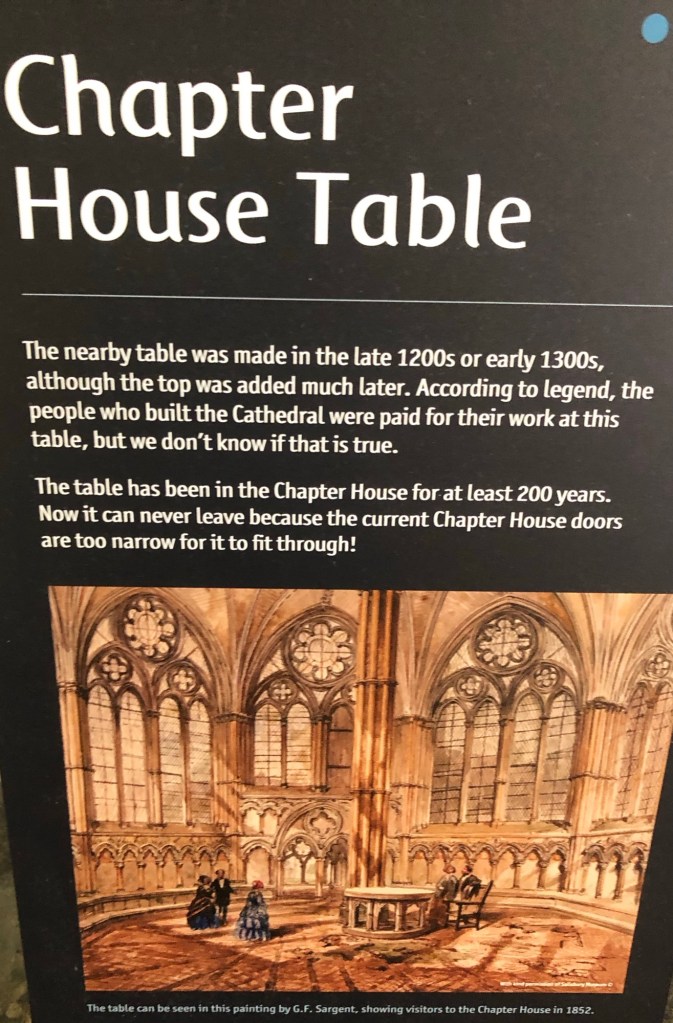
This extremely old table (1200’s) was at the entrance to the Chapter House
Chapter House Table
If you visit the cathedral we highly recommend doing the tower tour. For $36pp you get the 90 minute tour plus entrance to the cathedral. Also very worthwhile to catch a free tour of the cathedral with one of the volunteers. We were there for about 5 hours (including leaving for a lunch break)
We decided to do the 3km walk to ‘Old Sarum’. This was a picturesque trail, meandering through river paths and fields.
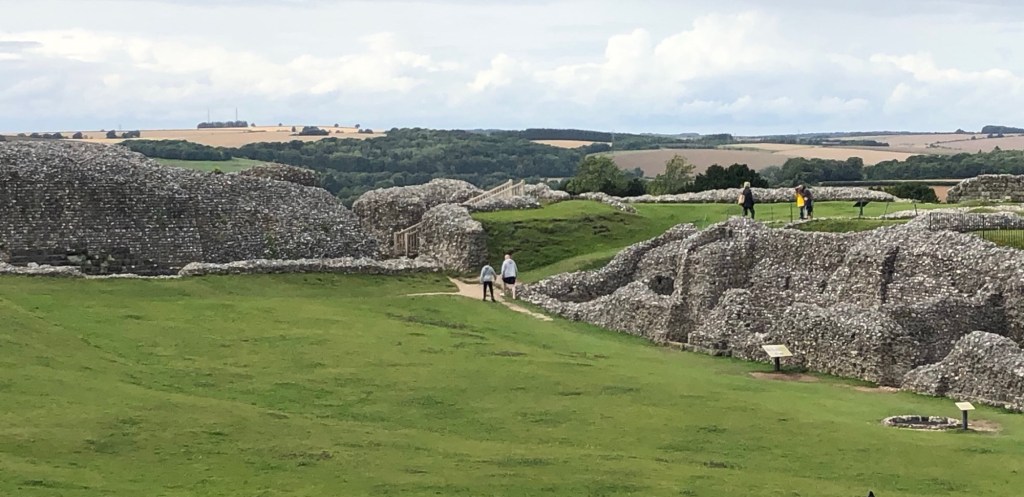
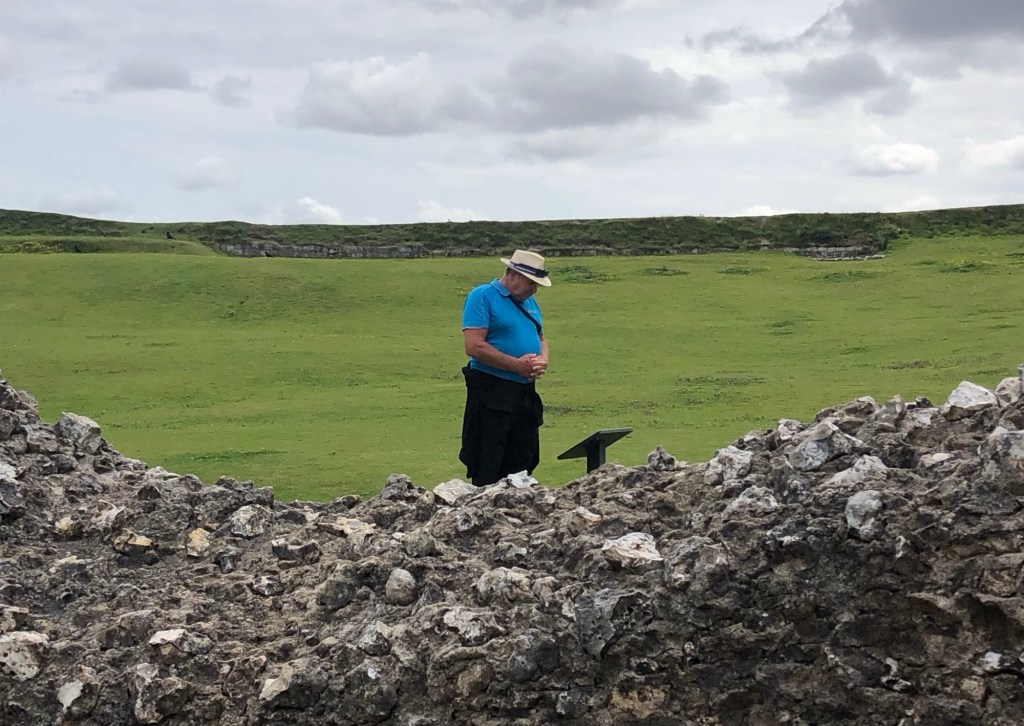
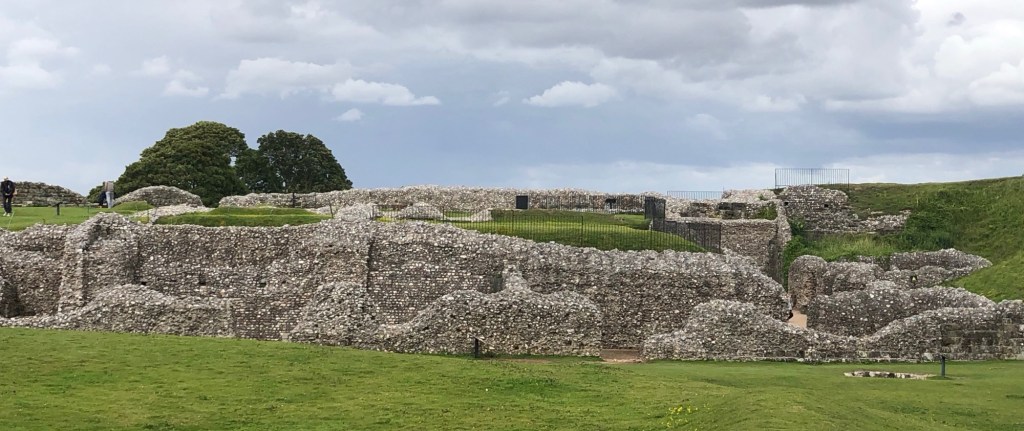
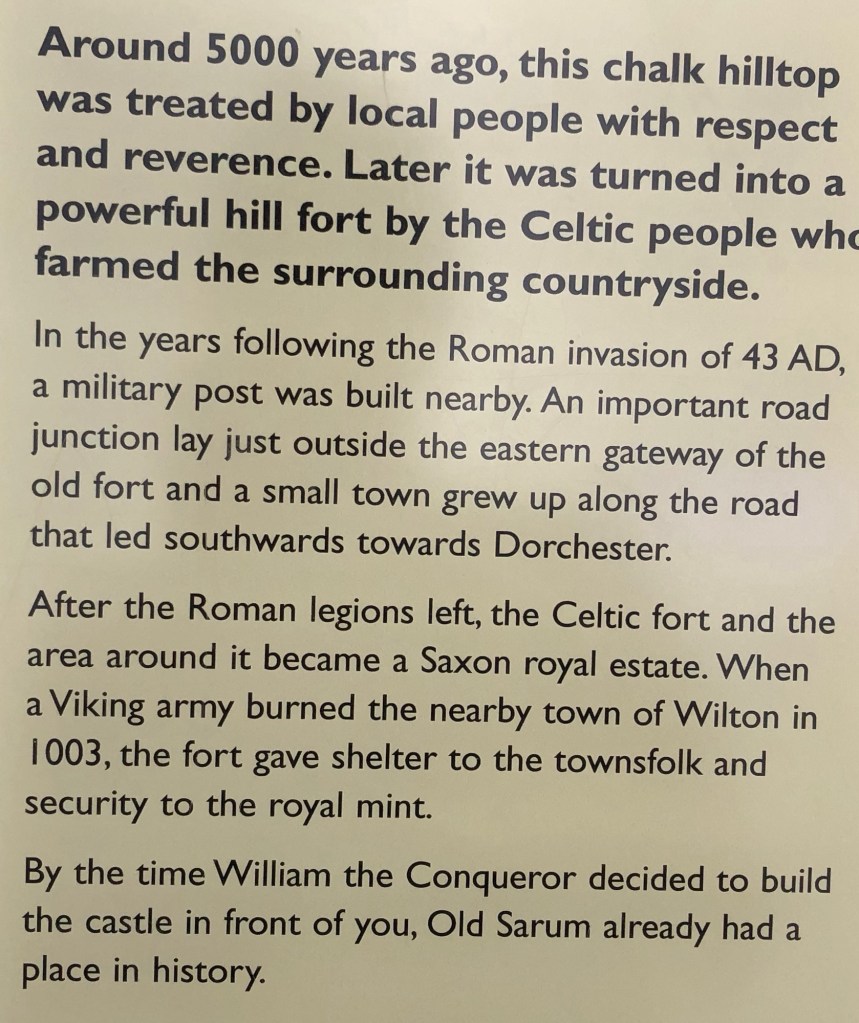
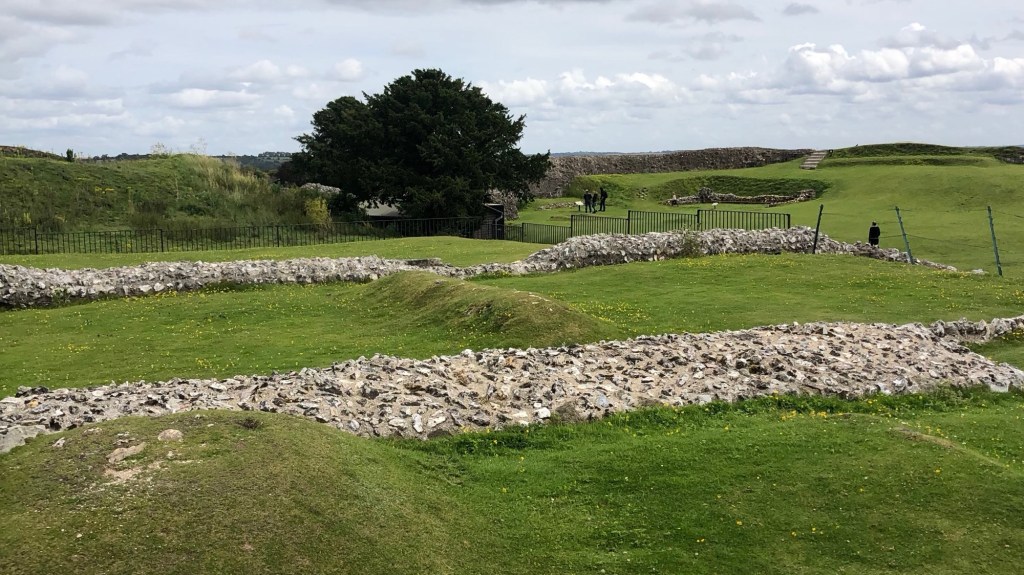
On this windswept hilltop a castle was built, and the first cathedral. There is still quite a lot of the castle ruins remaining, but very little of the cathedral. It cost us a total of $36 to look around, which we thought was a little steep for something that was there anyway.
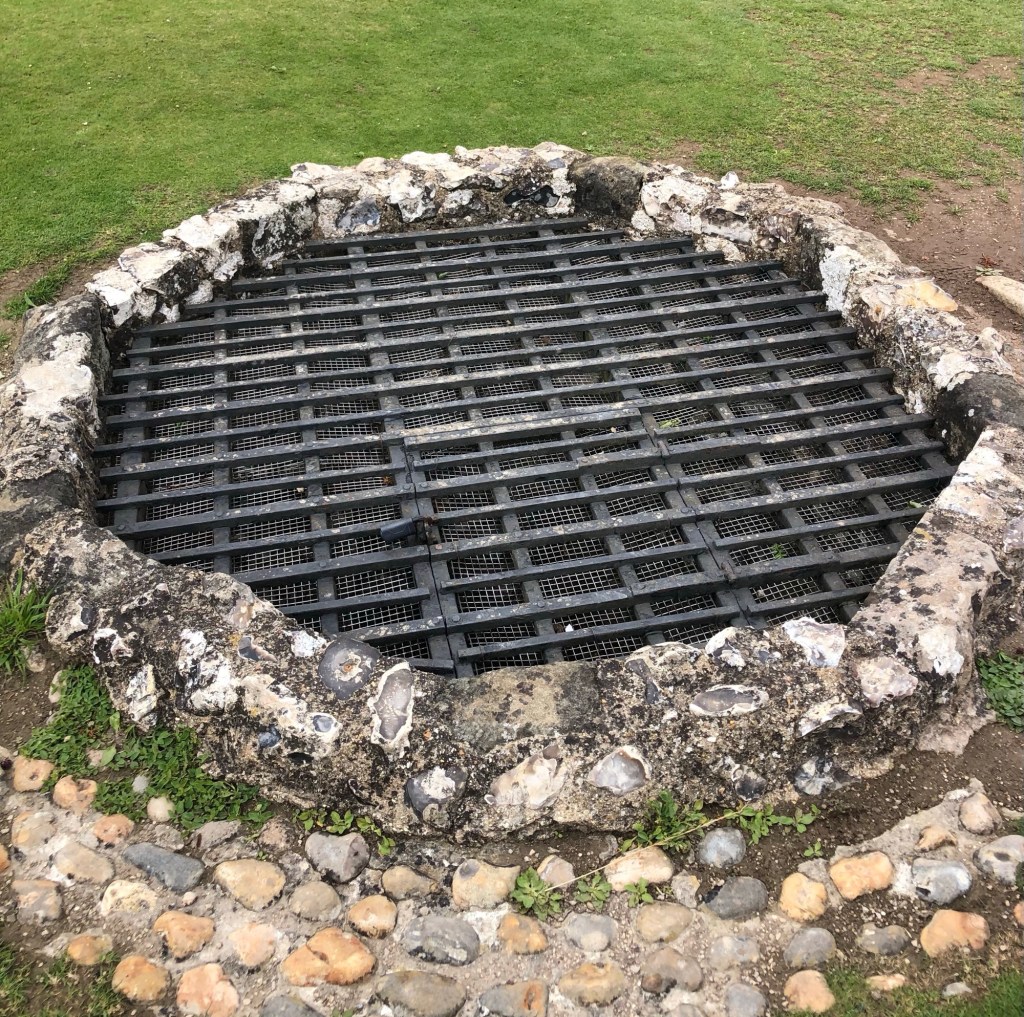
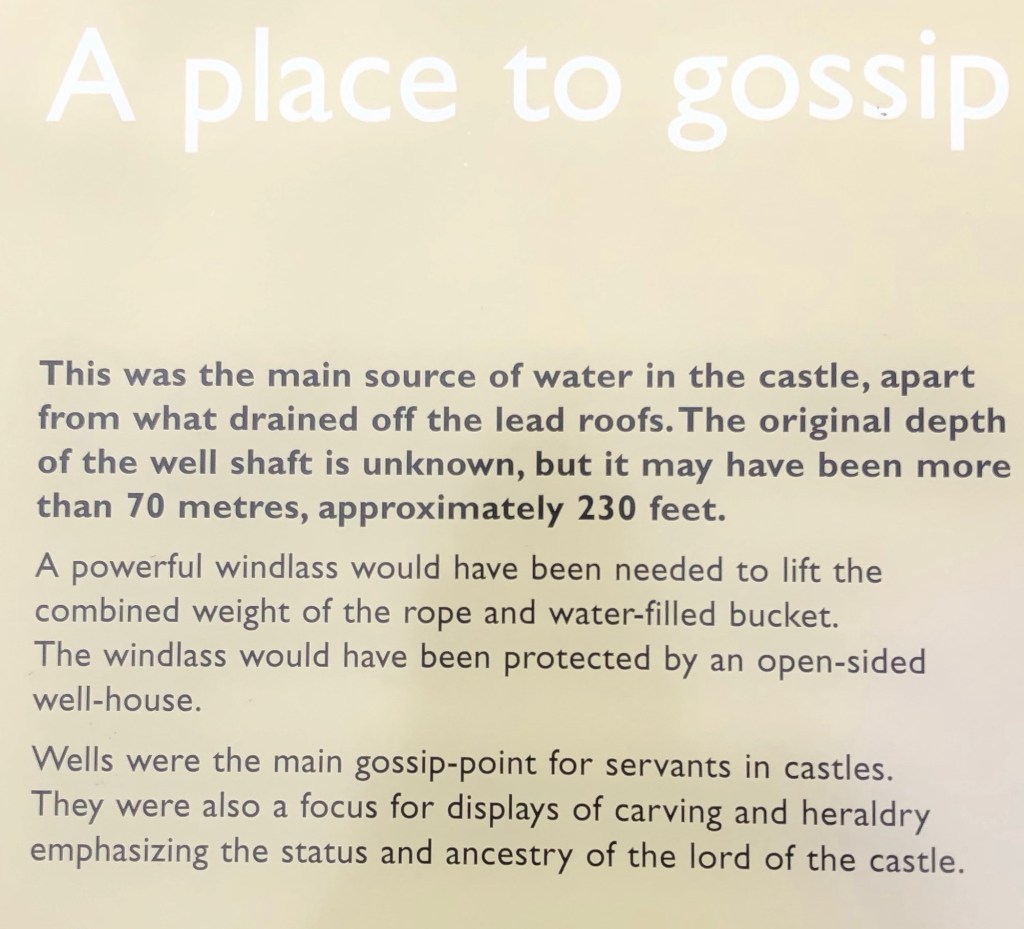
The ruins of Old SarumThe ruins of Old SarumThe ruins of old SarumThe Well
As you can see from the below photos, little remains of the cathedral but you can see the outline.
Outline of the old Cathedral
See the next post to read about the new cathedral……
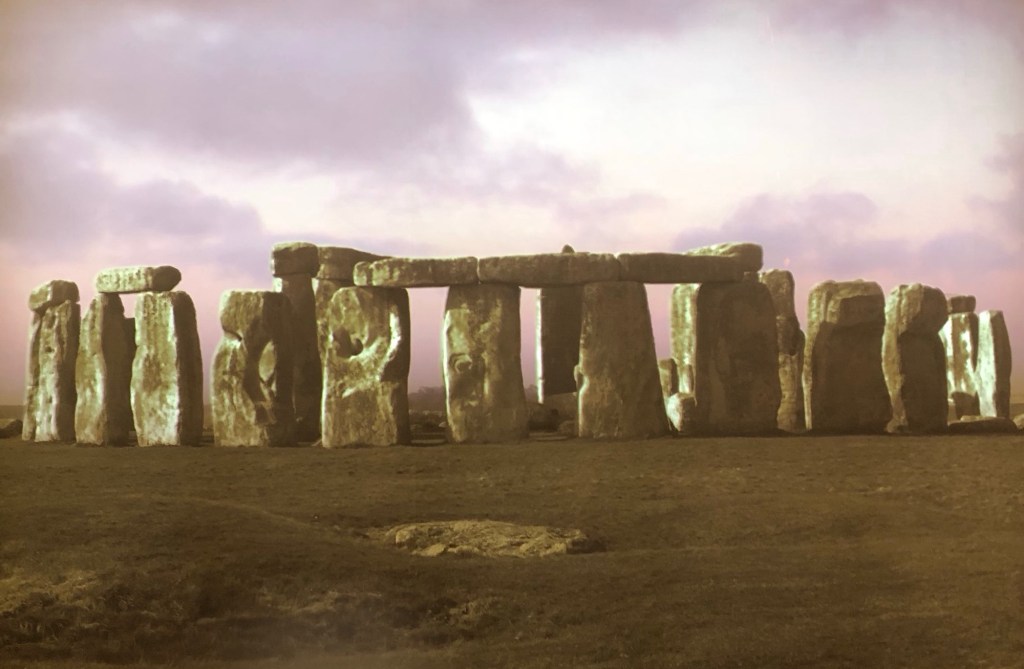
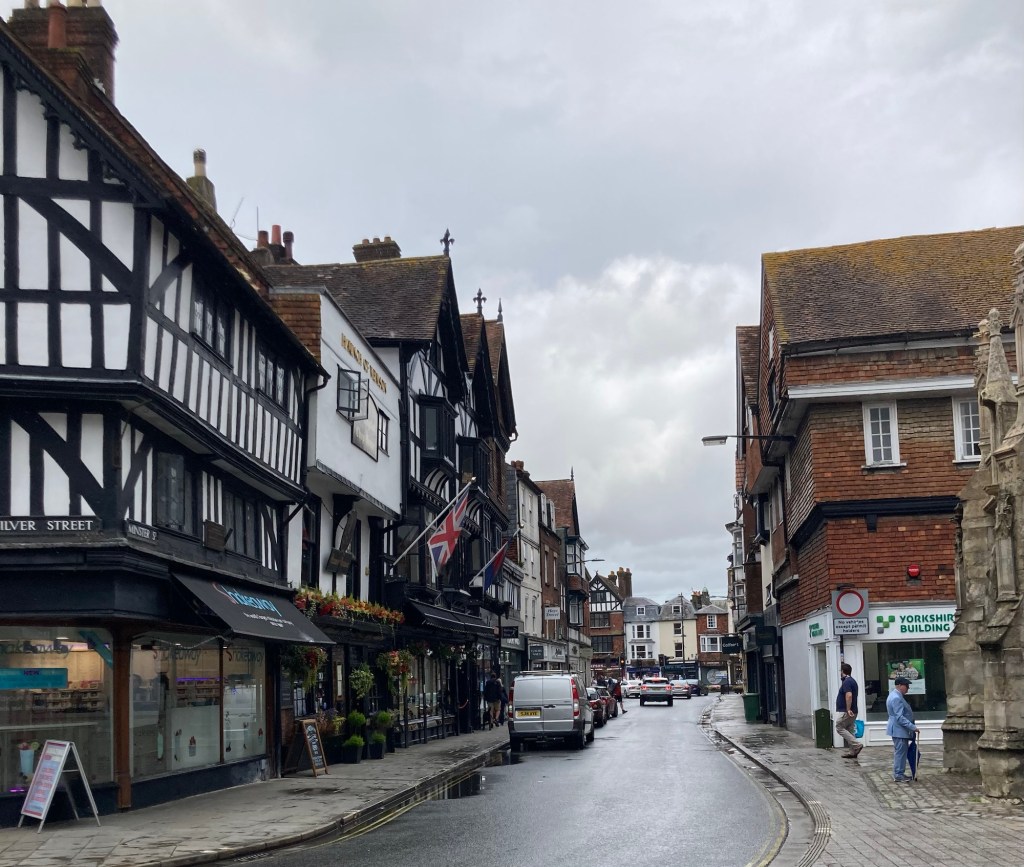
We left ourBnB in Bath on a cloudy morning and headed for the railway station. A short journey of an hour or so and we arrived in the picturesque town Salisbury (think Stonehenge, Salisbury cathedral, old Sarum etc)
Our BnB turned out to be a cute flat below our host’s house, with a view of the famous cathedral out of our window!
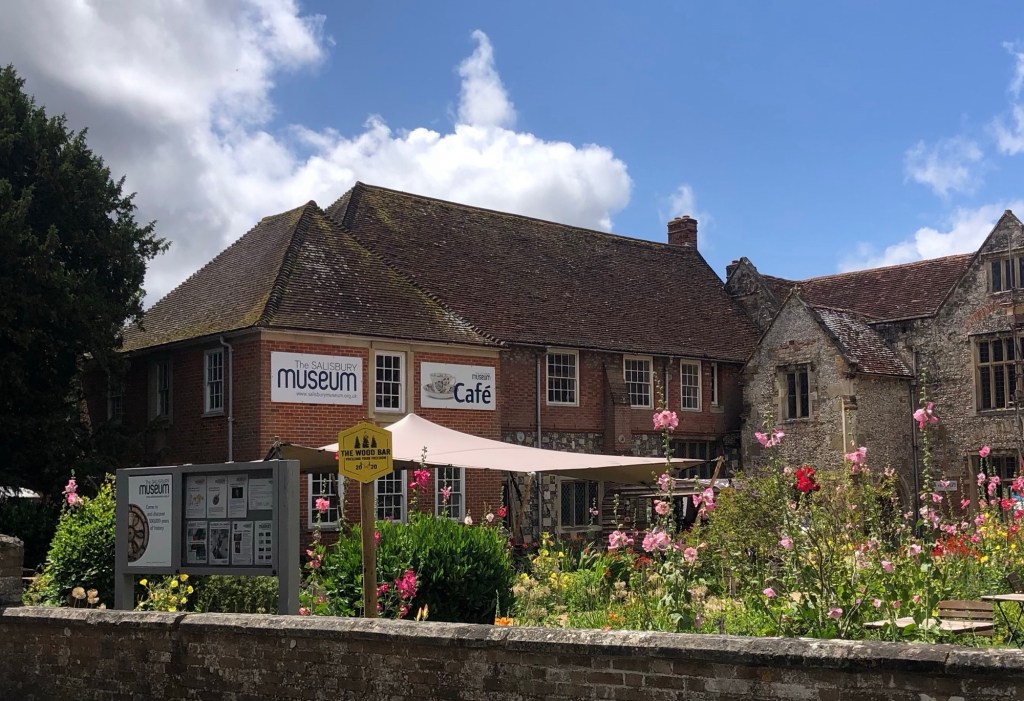
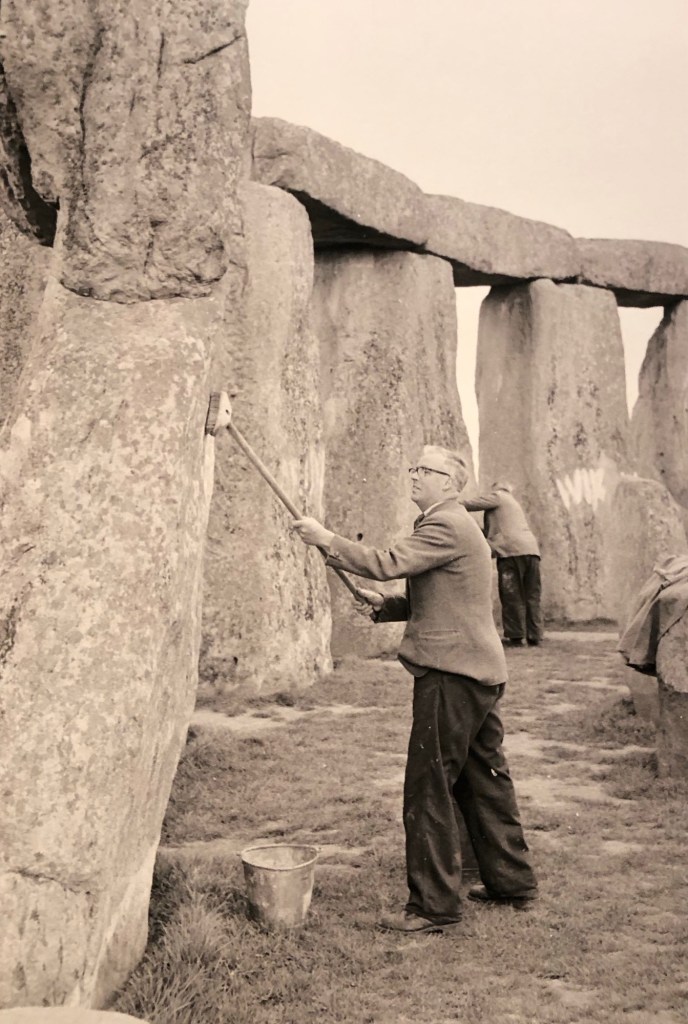
We had a walk around town and visited the museum. This gave us a good potted history of the area, including Stonehenge.
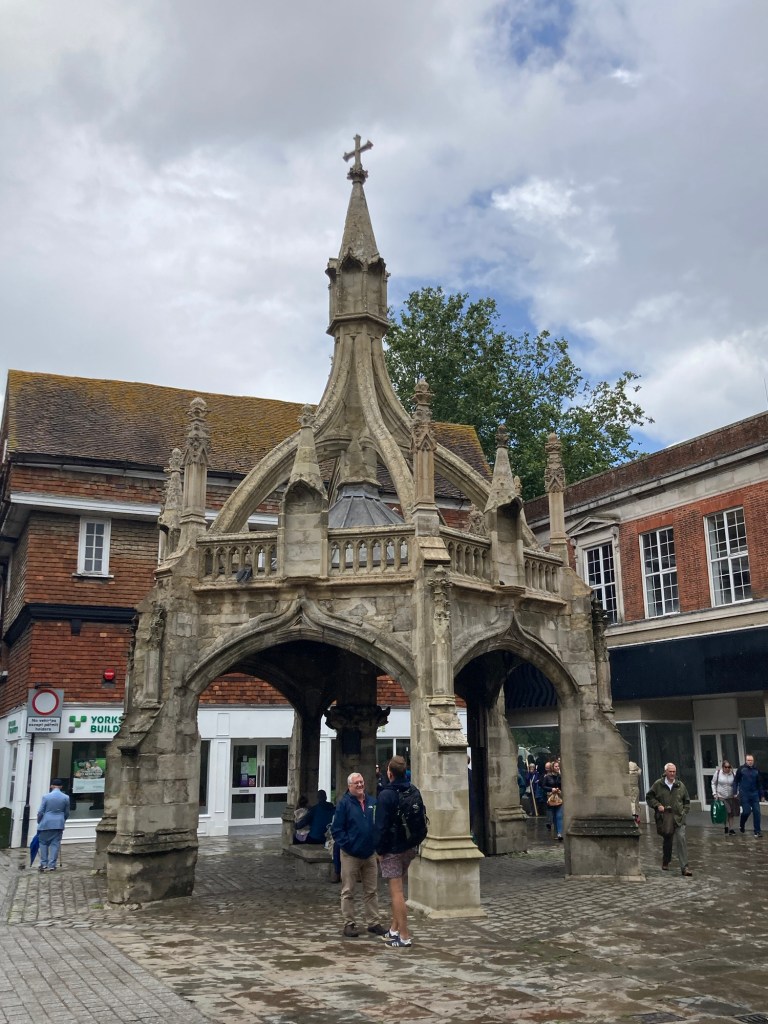
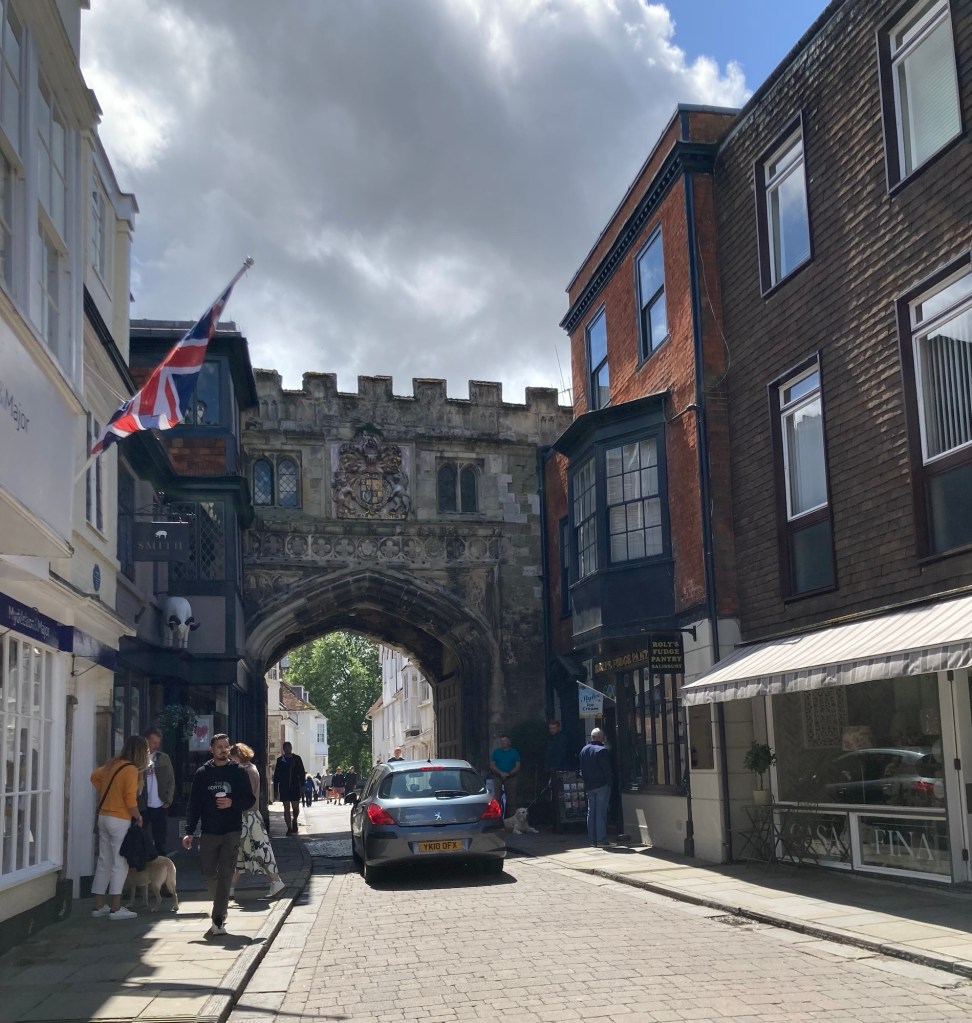
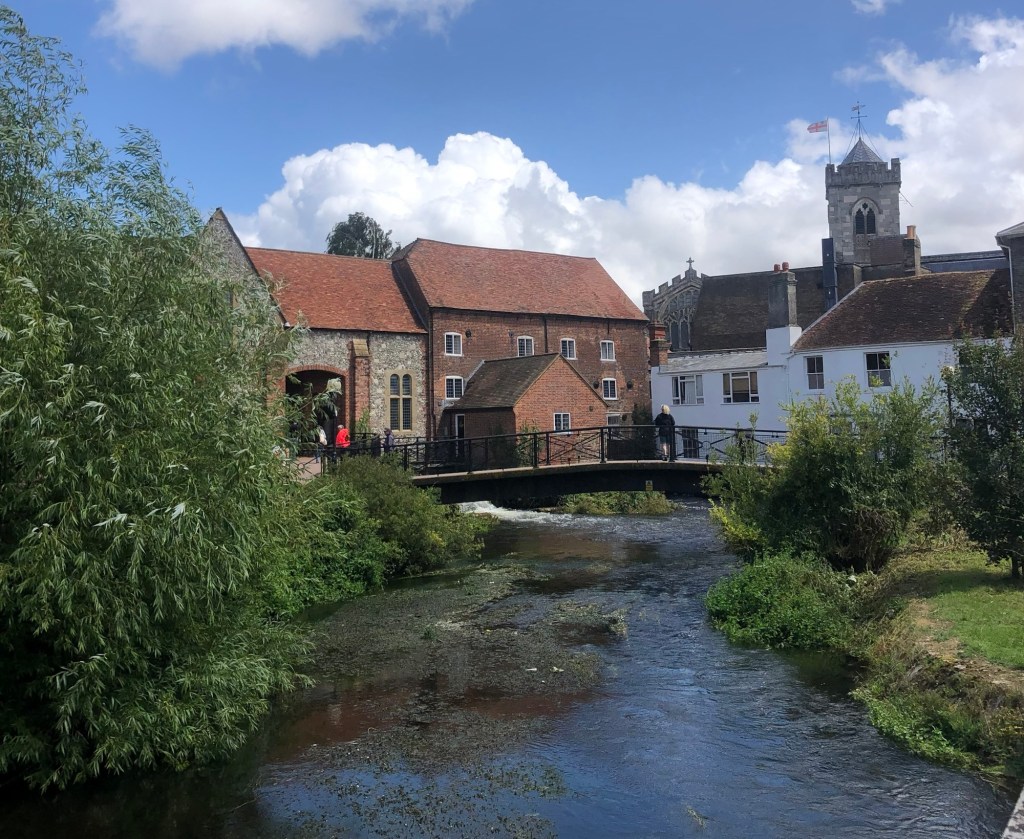
Lovely setting for a tea shop Our AirBnBSalisbury Poultry Cross – circa 1450 – marked the area of the old market where poultry was sold One of the gates to the city
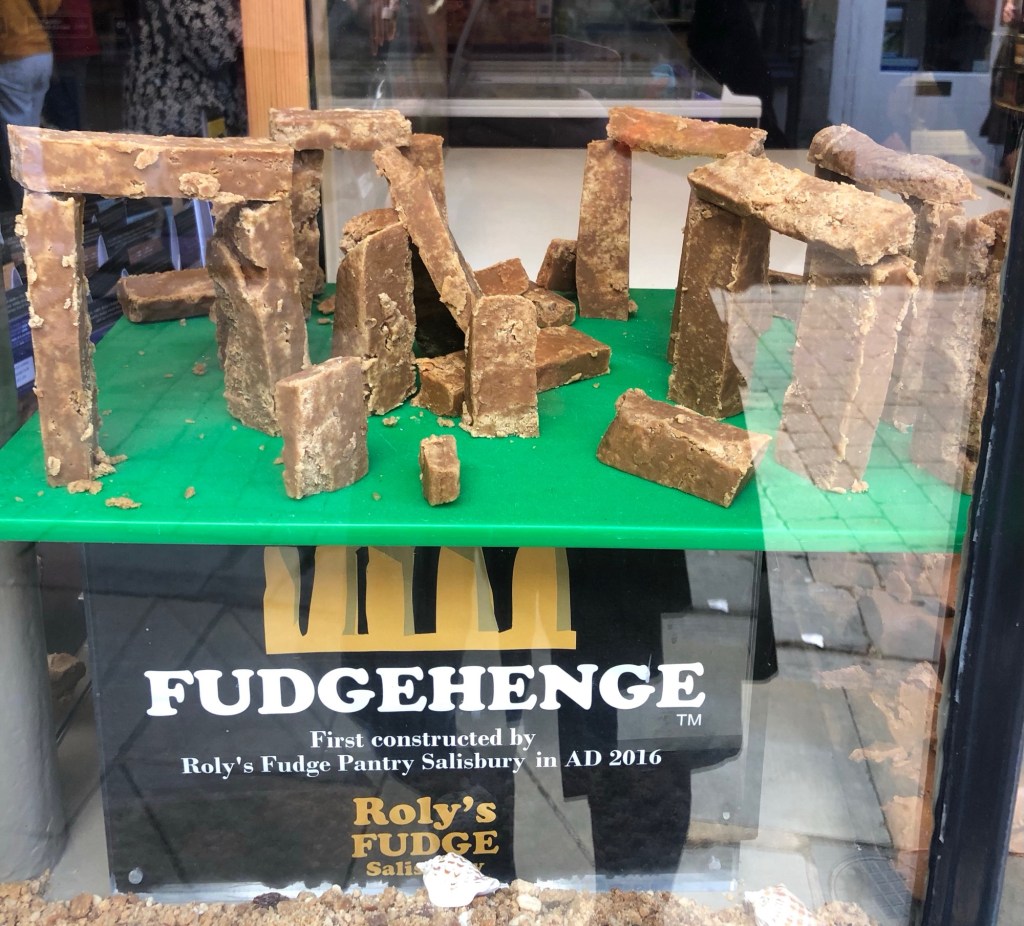
Even the local fudge shop (they are so big on fudge over here!) cashes in on the Stonehenge idea!
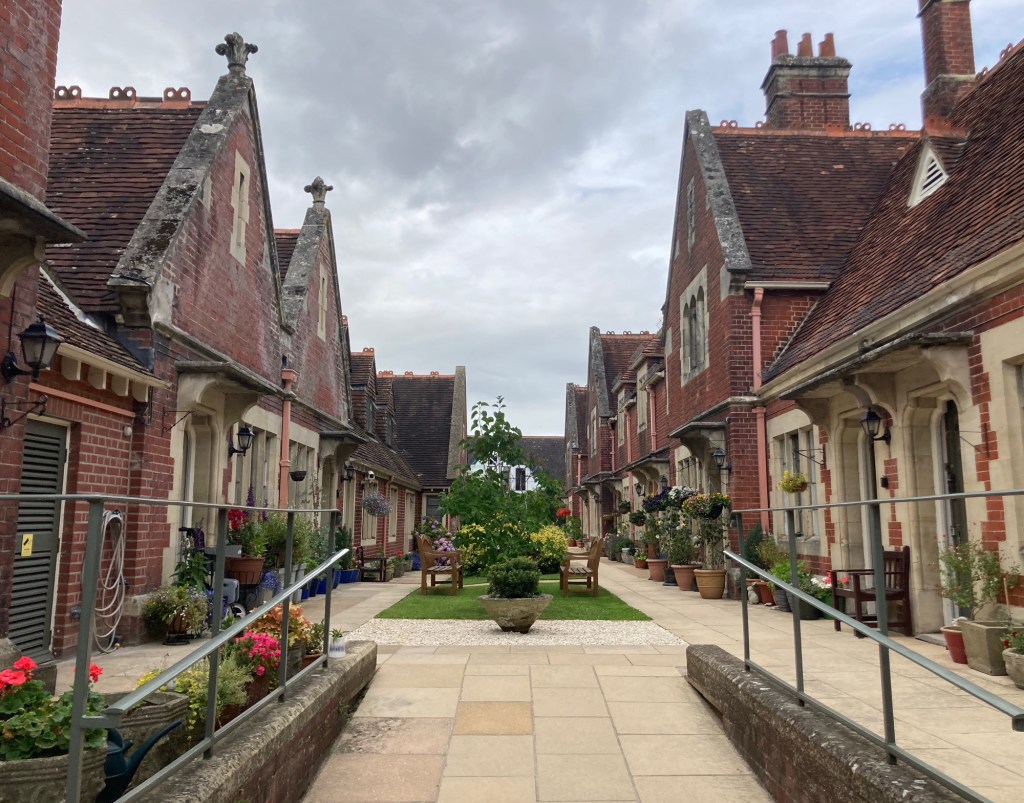
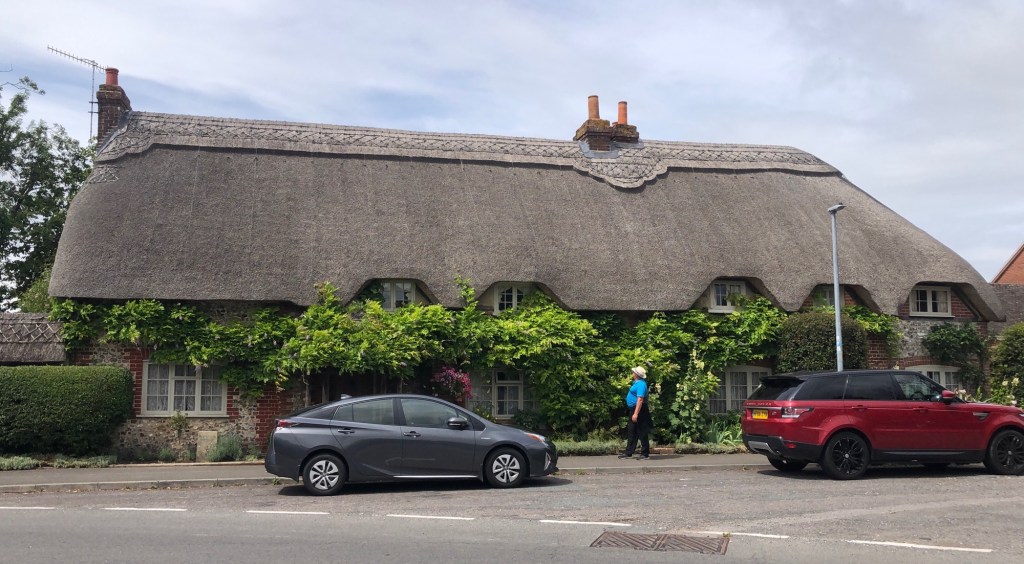
Cute courtyard of housesLarge thatched cottage Salisbury Museum
I loved these below photos!
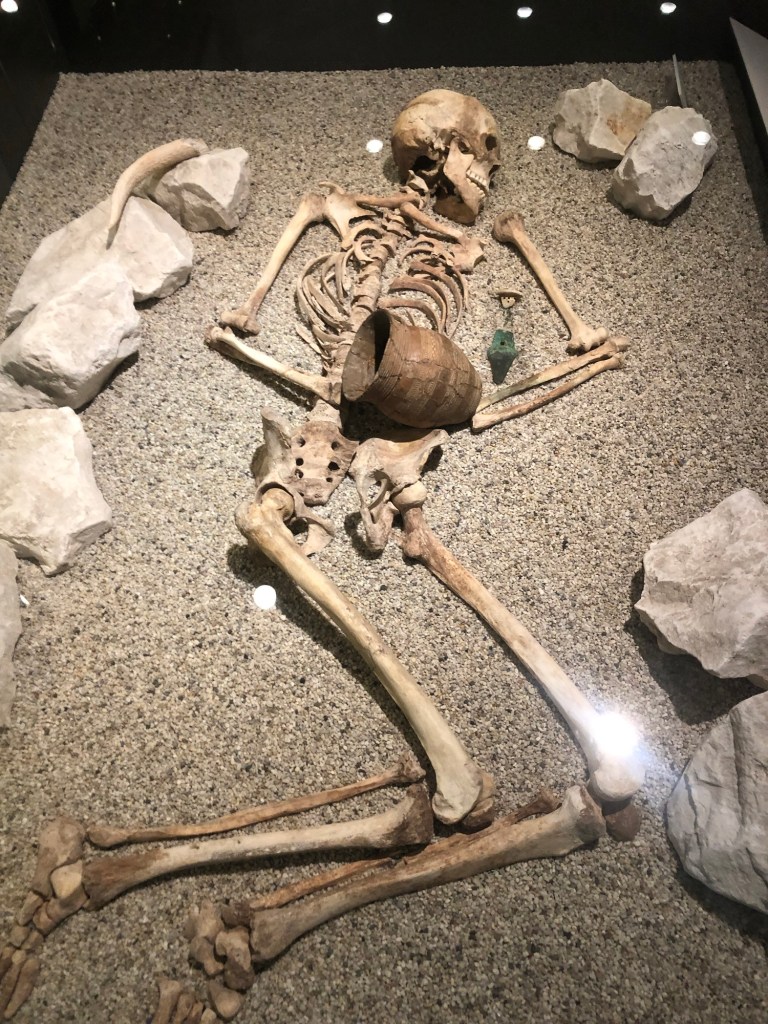
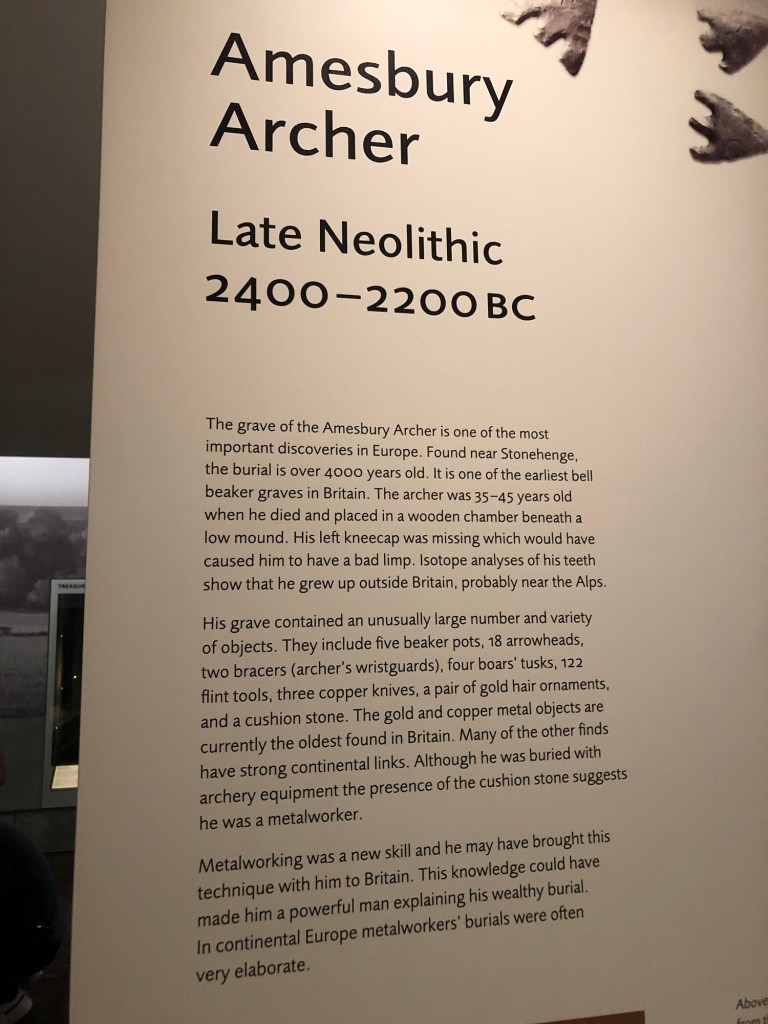
A farmer with a sense of humour created his own ‘Hayhenge’!One of the many grizzly discoveries near Stonehenge – over 4000 years old
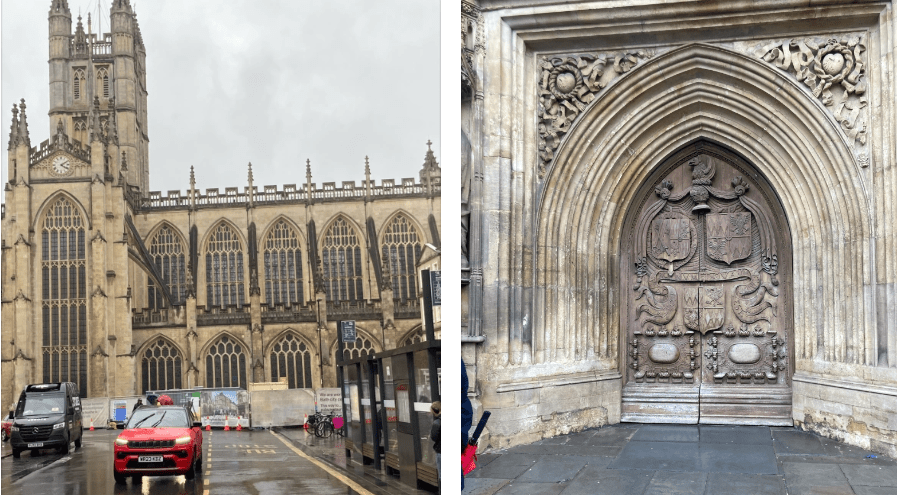
This was different to most other towns we have been in. A lot of the buildings are of the same age, built in the 1800’s. There are a few older places scattered through, including the Abbey.
Massive doors to the Abbey
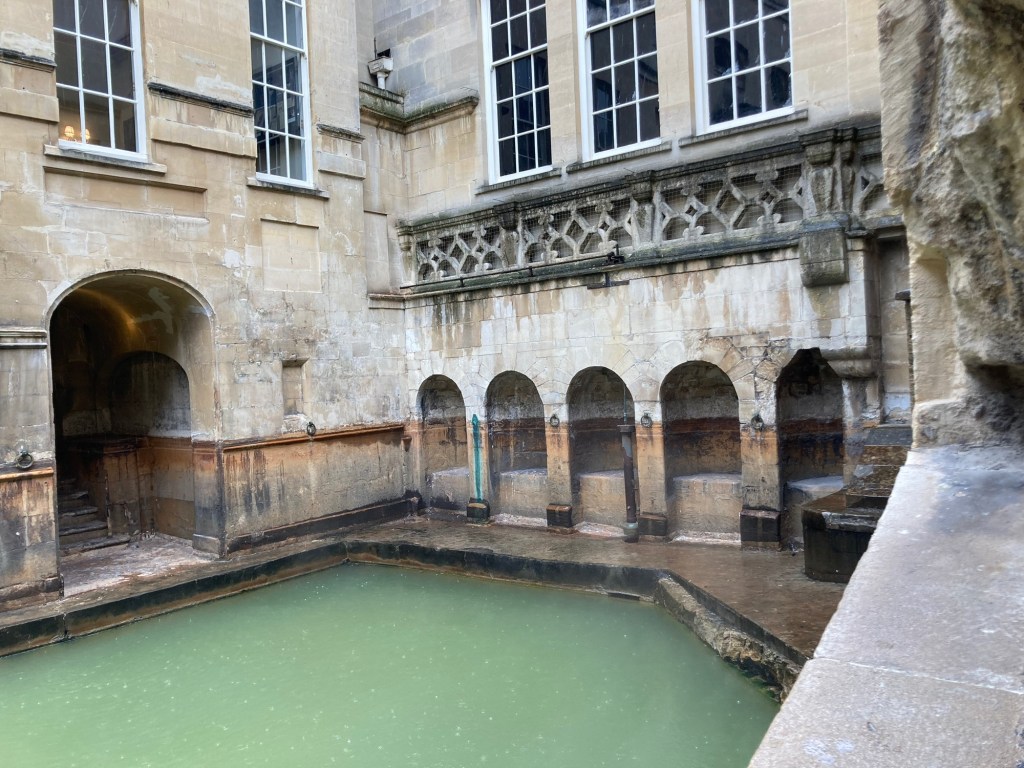
plus the Baths of course but they were only rediscovered in the late 1700’s.
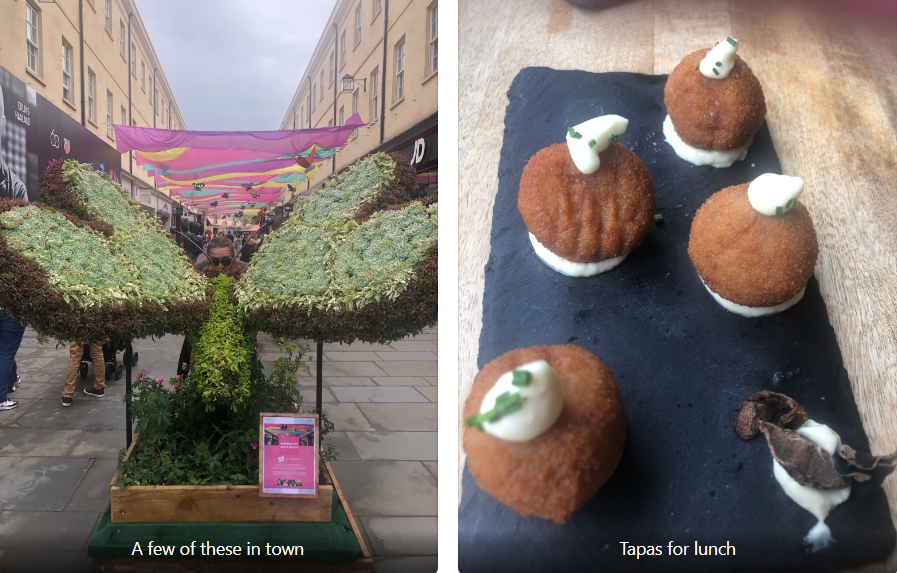
The BathsBig floral displays & tapa’s for lunch
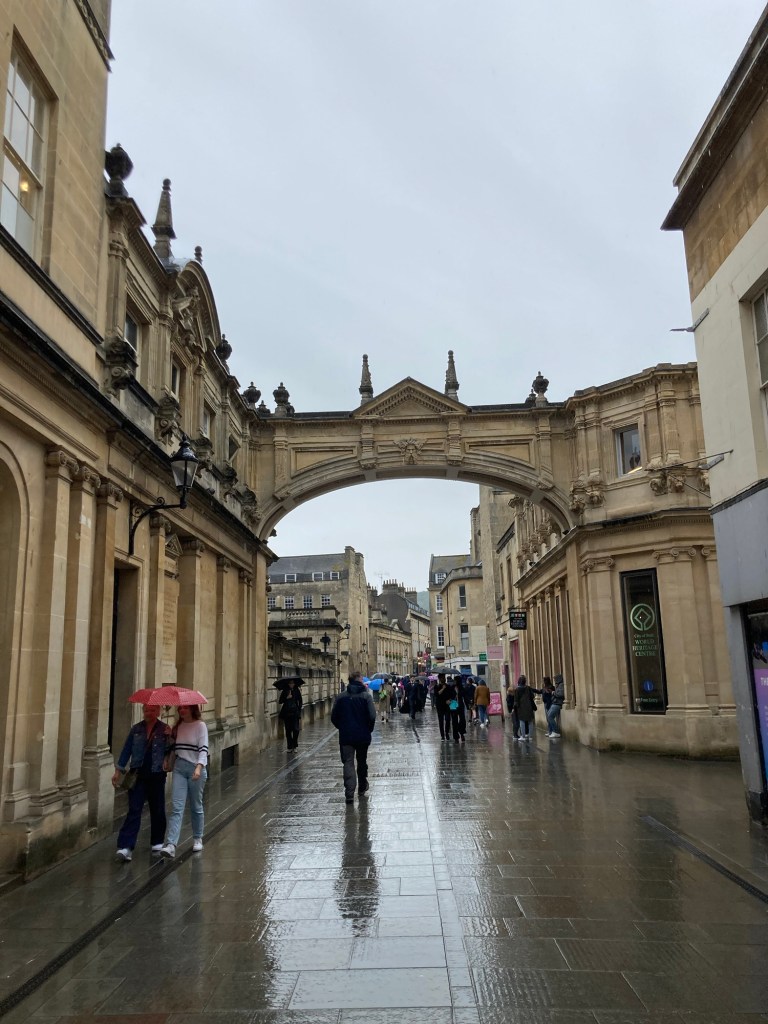
It poured when we arrived but that soon passed and we had a pleasant afternoon exploring Bath from the top of the sight seeing buses. We did two different circuits on the same ticket which is valid for 2 days.
Note turrets on city wall. Posh hotel
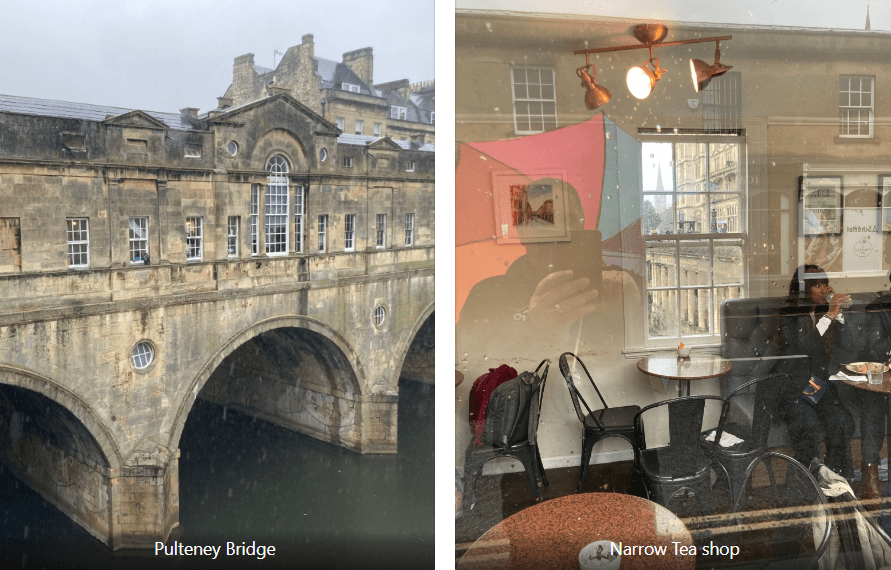
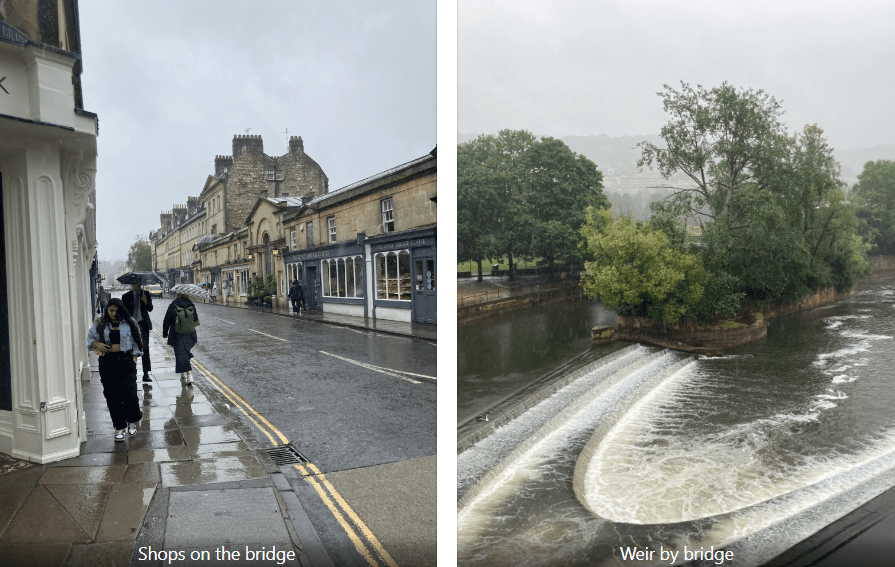
Went over Pulteney Bridge, an old bridge that has shops on it, these are really narrow shops, if you look closely you’ll see the tea shop is only one table wide then you’re looking out the window.
Pulteney bridge & a very narrow tea shop on the bridgeShops on Pulteney bridge, a view of the Weir
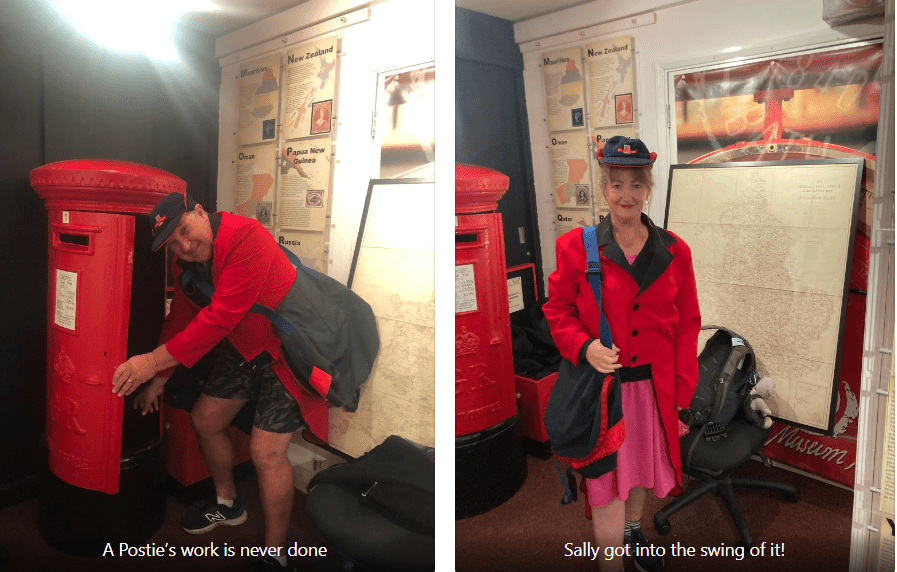
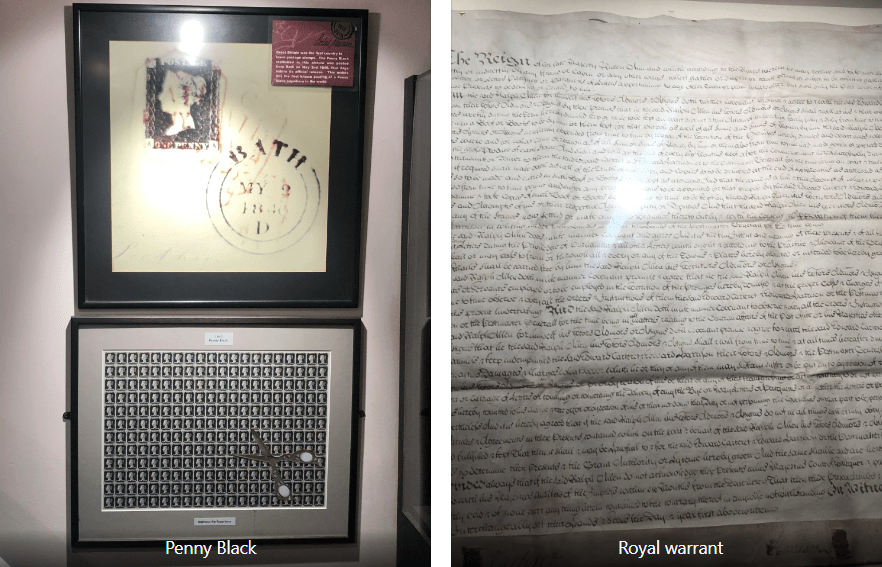
There was a Post Office museum there, so like any Postie worth his salt, Kim had to check it out. Quite a quaint little museum with a very knowledgeable curator.
It had some interesting stuff – the first Penny Black was sent from here, a Royal warrant was issued allowing the first mail delivery service, the owner became really wealthy.
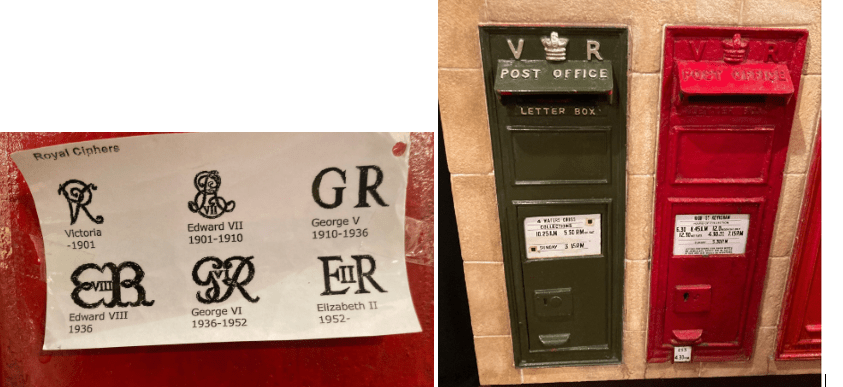
Didn’t realise Postal Boxes had the Royal monogram of the reigning monarch, and that they used to be green, but as these didn’t stand out in the countryside they changed them to red.
Post Box Royal monograms & old green post box’s
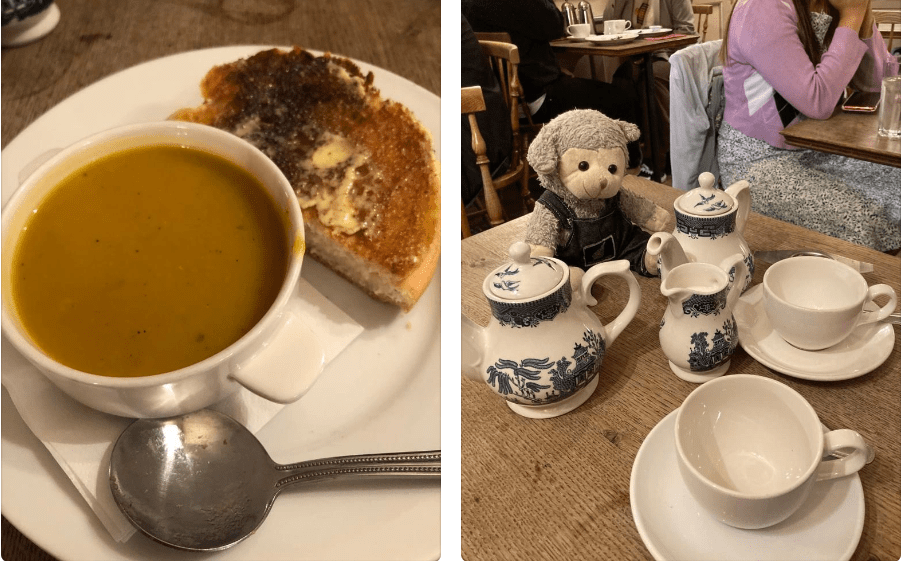
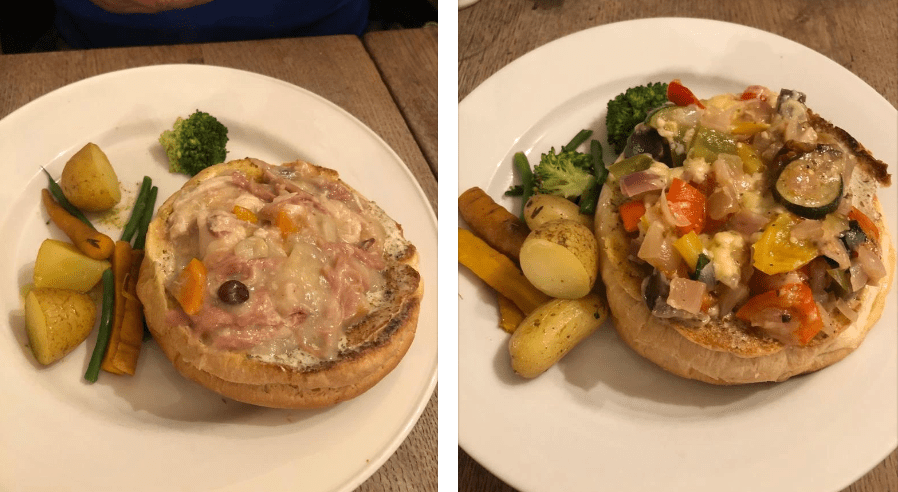
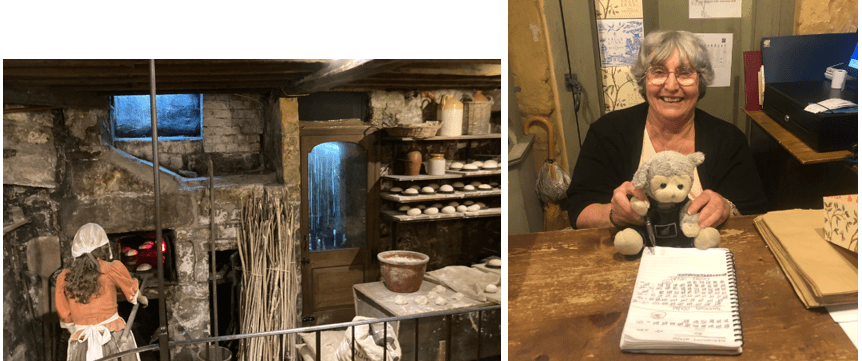
There is an olde tea shop called Sally Lunns. The building has been there since 1482, and Sally Lunn herself lived there around 1680. She was from France and had a recipe to make brioche buns. The shop still specializes in these today. We stopped in for lunch.
Sally’s soup & Shaun enjoying a cuppa!Our savoury Sally Lunns
Had a really personable gentleman called Martin as our waiter, he really made it an enjoyable experience.
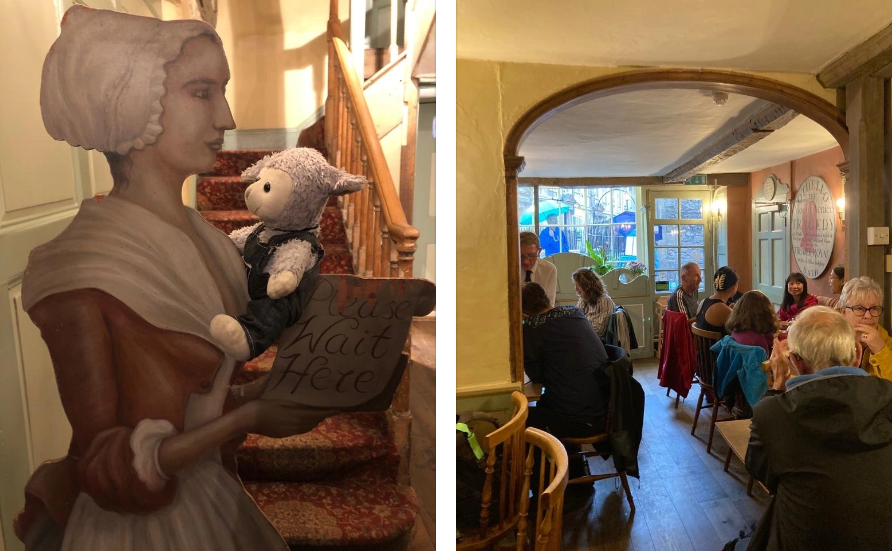
Sally Lunn cafe
They had a small museum downstairs, more a static tableau that gave you a sense of what it was like back in the day.
Sally Lunn kitchen tableau & Shaun making friends with the curator.
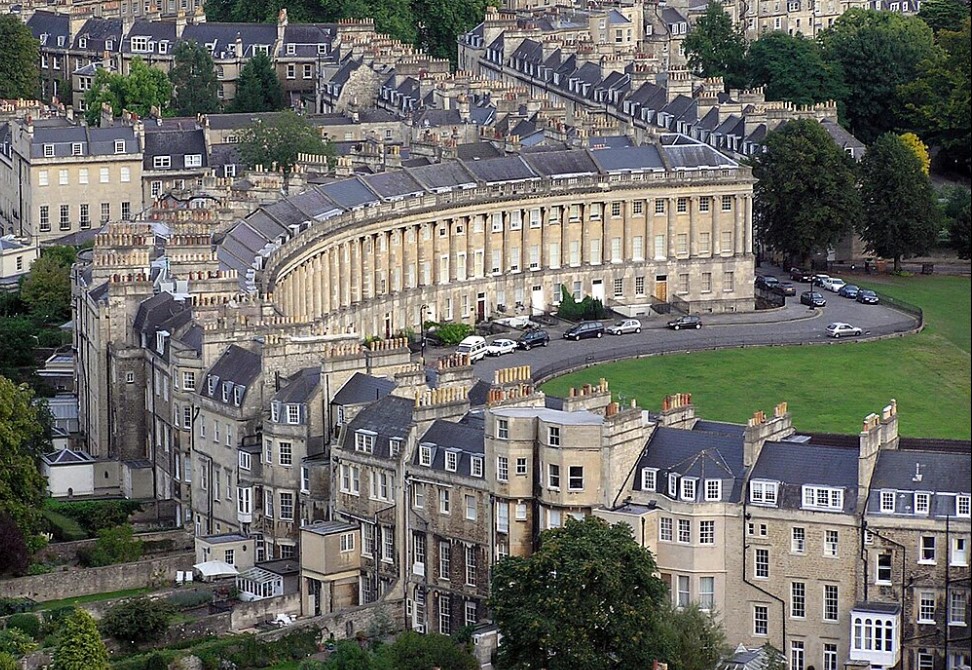
The Royal Crescent is a famous street in Bath. It was designed by John Wood the Younger in the 1770’s, a string of 30 Georgian terraced houses which all look the same in the front. But the owners could do what they wanted with the back of the houses, so it is a real hop-potch. (Photos from the internet)
The back of The CrescentThe Royal Crescent
The Baths
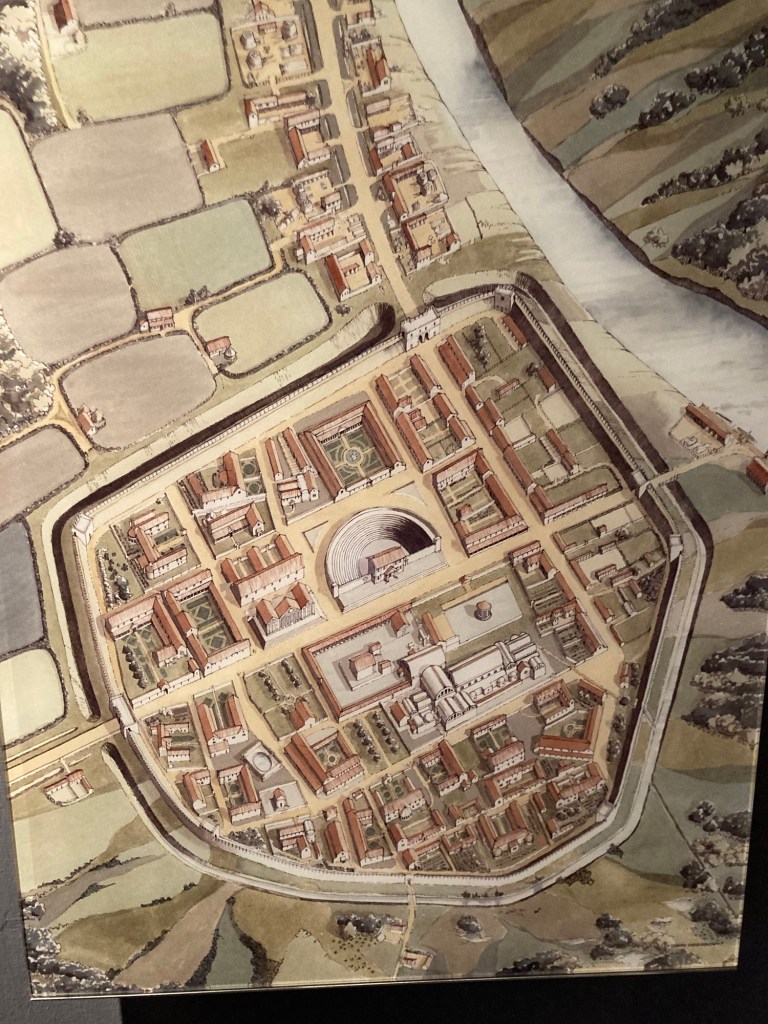
How Bath was laid out in Roman times
These were built around 70 AD by the Romans and were used by them for over 400 years. They built a temple as well, and the town was a significant place on the Roman Road network.
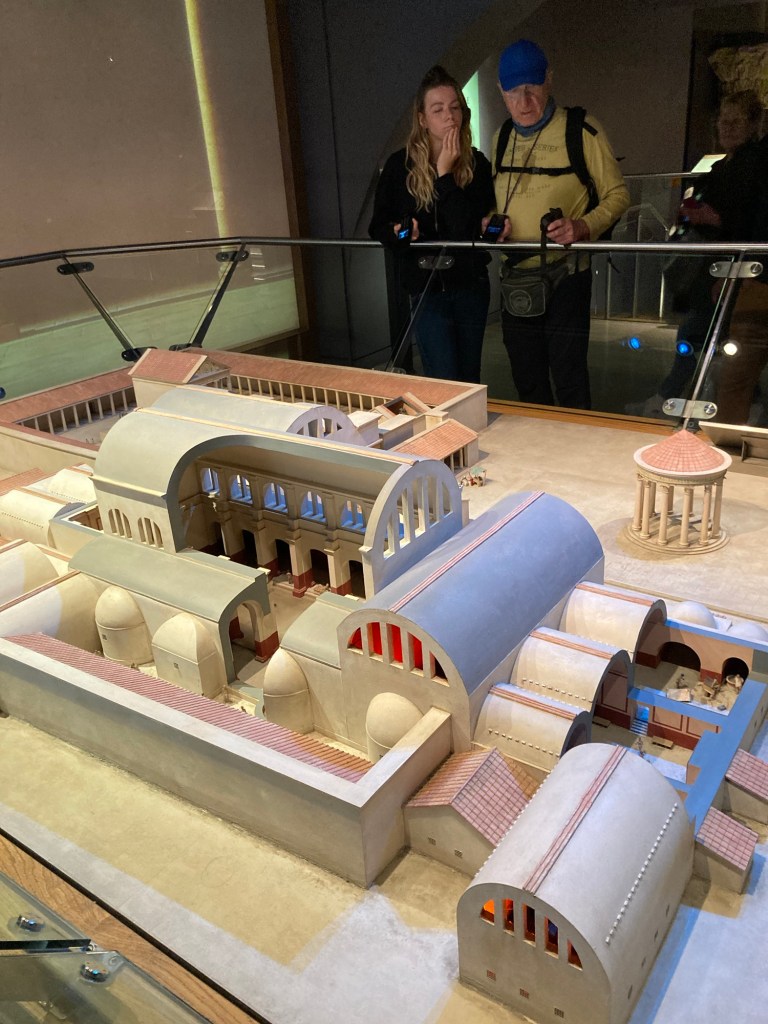
Model of Bath baths back in the day
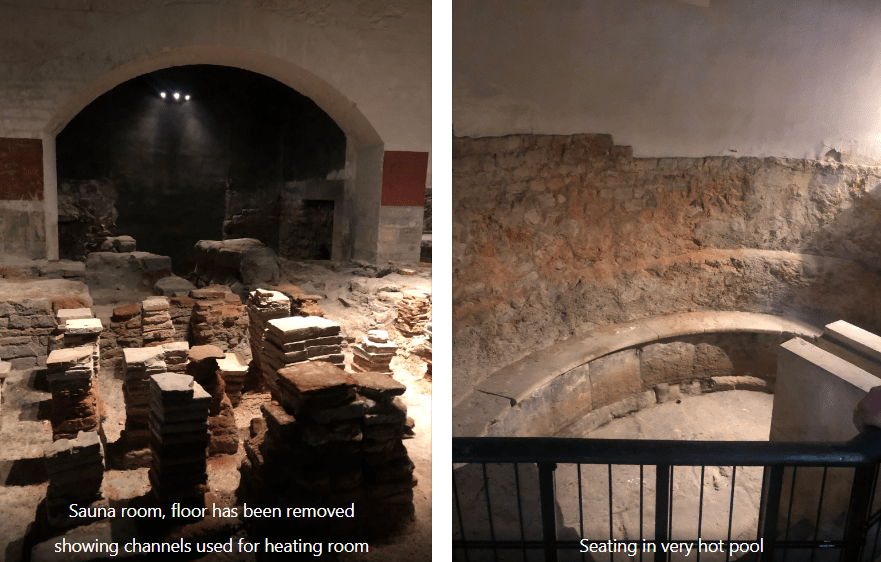
It equates to a modern day fitness center. There were sauna rooms, massaging, plunge pools, various pools of different temperatures, a big main pool and areas for refreshments and socialising.
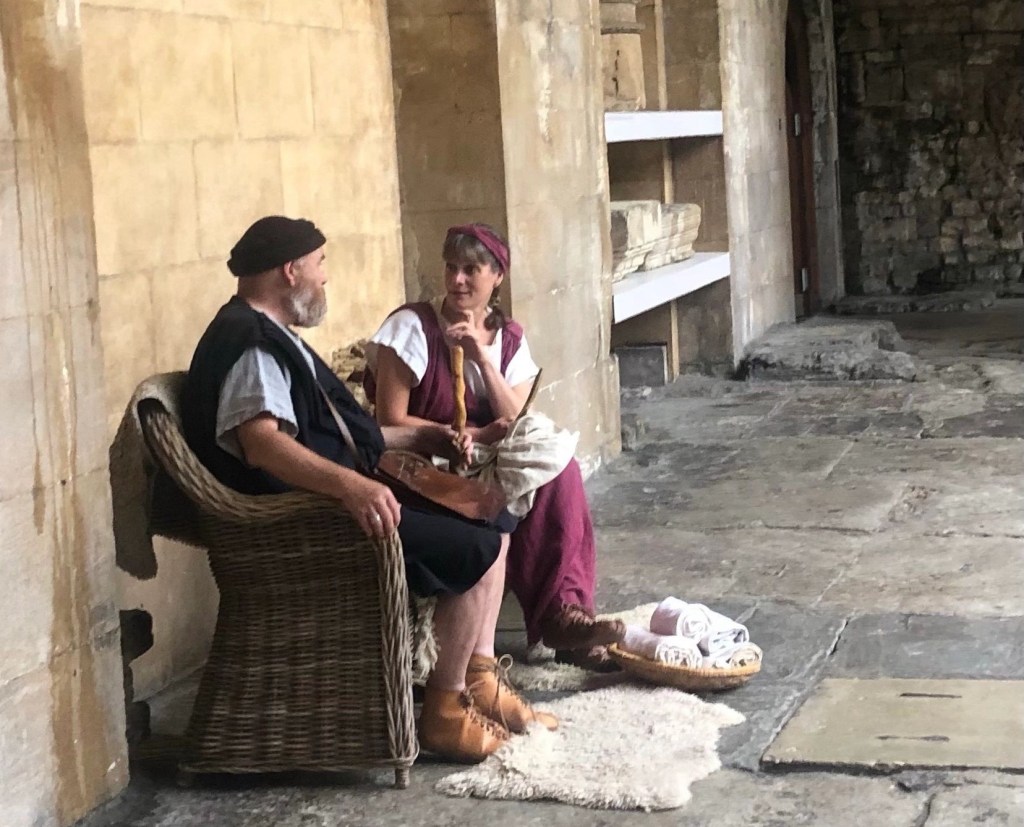
In fact it was so good, some of them never left
Chillin’ at the baths
The Romans were quite clever with their underfloor heating, metallurgy and pipe making.
The baths fell into ruin and silted up once the Romans left but were revitalized in the 12th century and again in the 16th century.
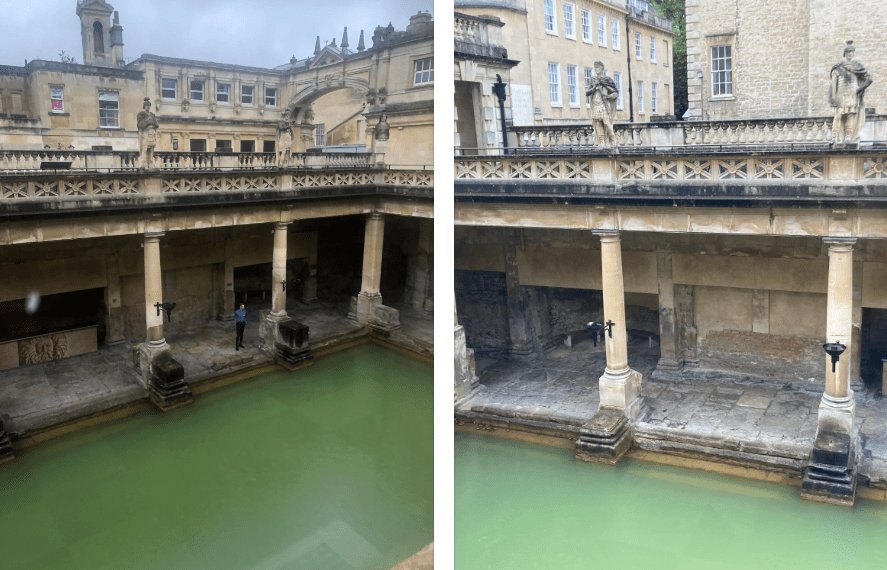
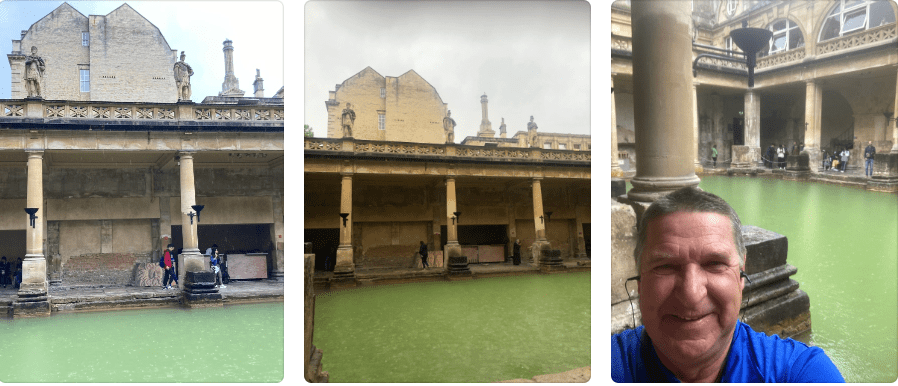
The outdoor baths – a bit green!
Because of their curative qualities, people have visited Bath for years to be cured of various illnesses and afflictions. The waters are not known to have any material benefits, but the change in routine, drinking and diet would have made most people feel better!
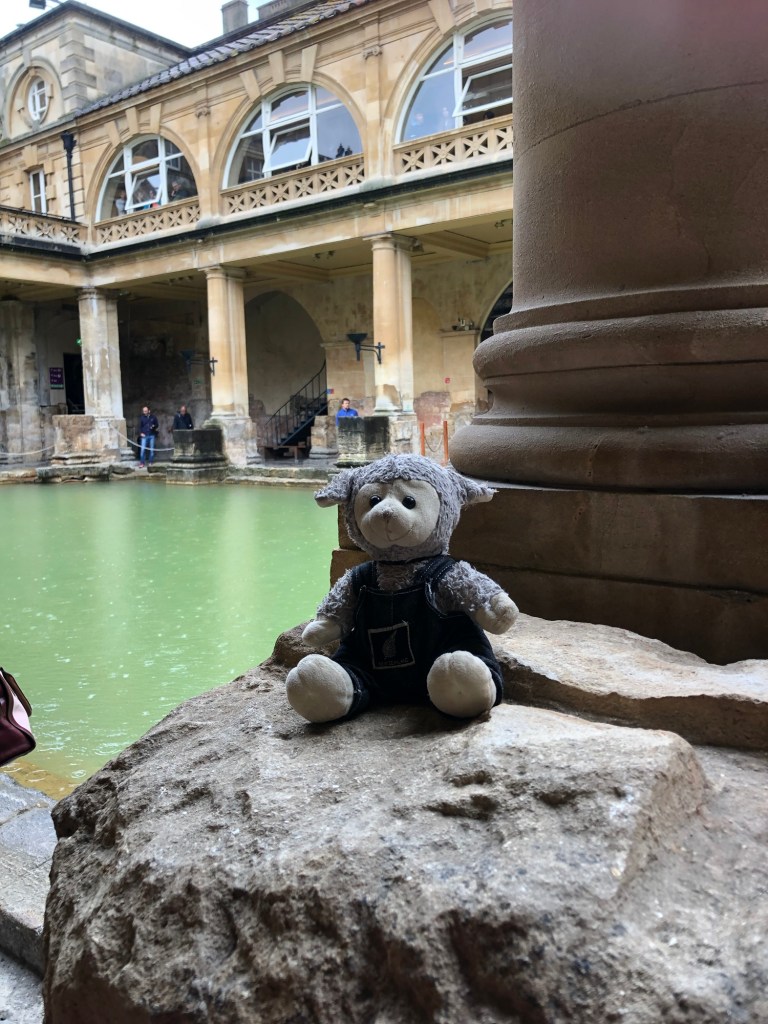
More views of the outdoor bathsShaun relaxing by the pools
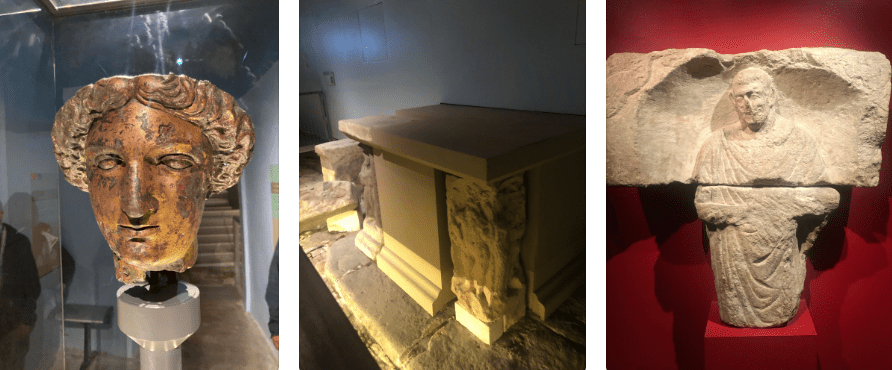
The museum is well laid out. It takes you through the history of the baths, the Roman occupation and settlements, and the later uses of them and how they have been ‘rediscovered’ in the 1700’s.
Bath museumMosaic floor from Roman times
It was quite the Victorian thing to ‘take the waters’ and Bath became the place to be, it rivaled the London Season for balls and young ladies ‘coming out’ for a few years.
The Baths are certainly worth a visit, it’s a bit dear at £25 each, but that’s on a par with major London attractions. We spent just over 2 hours in there.
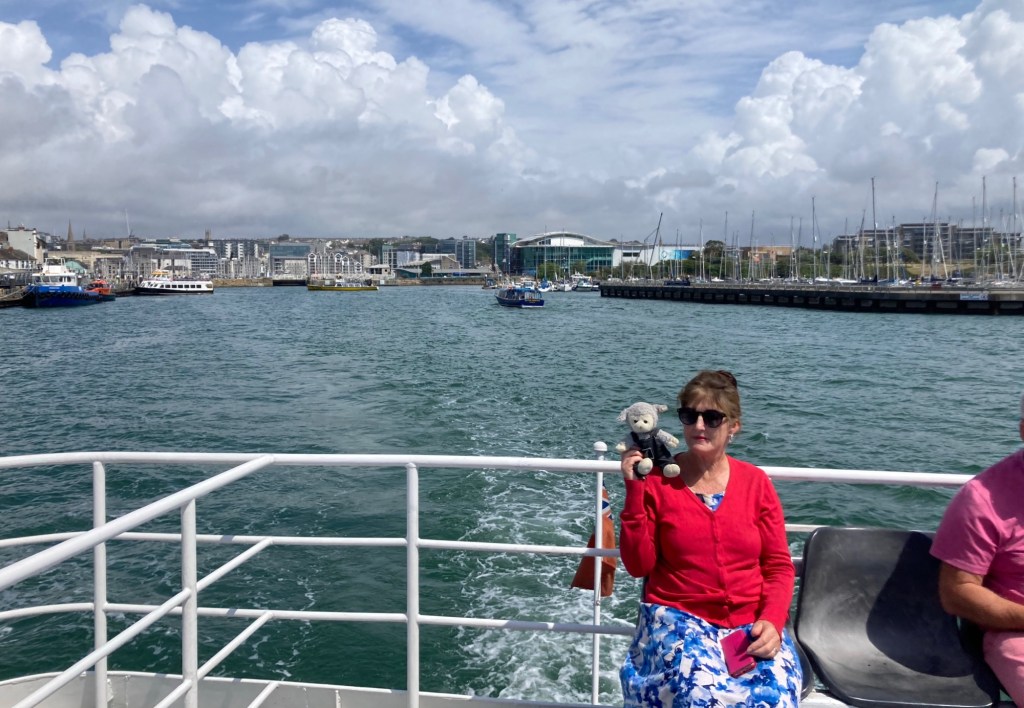
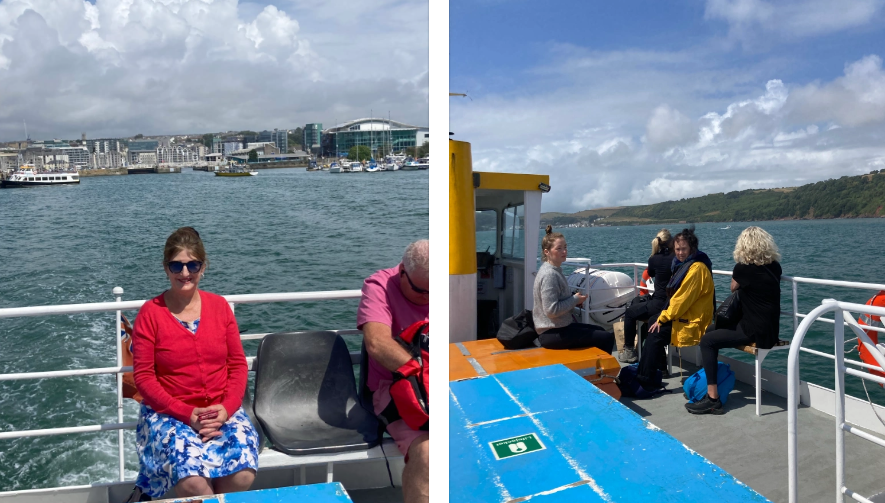
There are lots of small ferries plying the harbour in Plymouth. We decided to catch one to Cawsand and do a 4 mile walk to Edgecombe house, then catch another ferry back to Williams Yard.
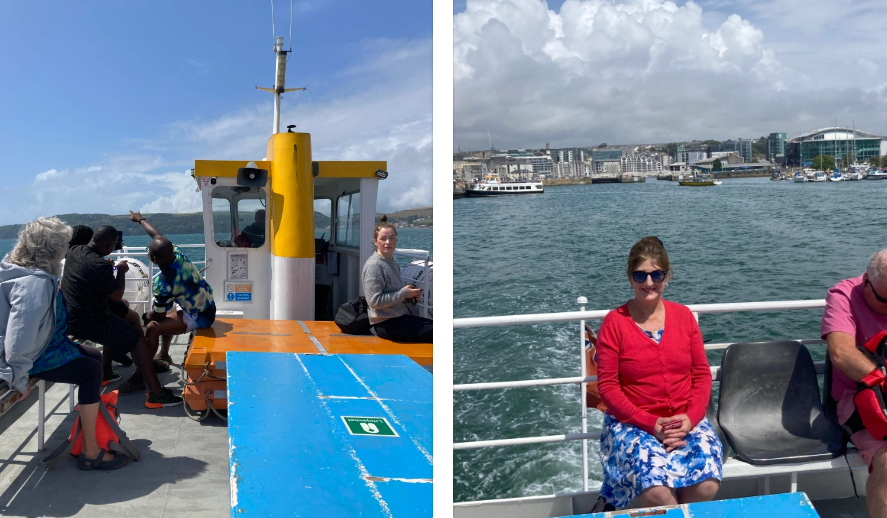
On the ferry
It was a pleasant day to be on the water, we could see a some yachts under spinnaker racing in the distance, and there were smaller boats around us.
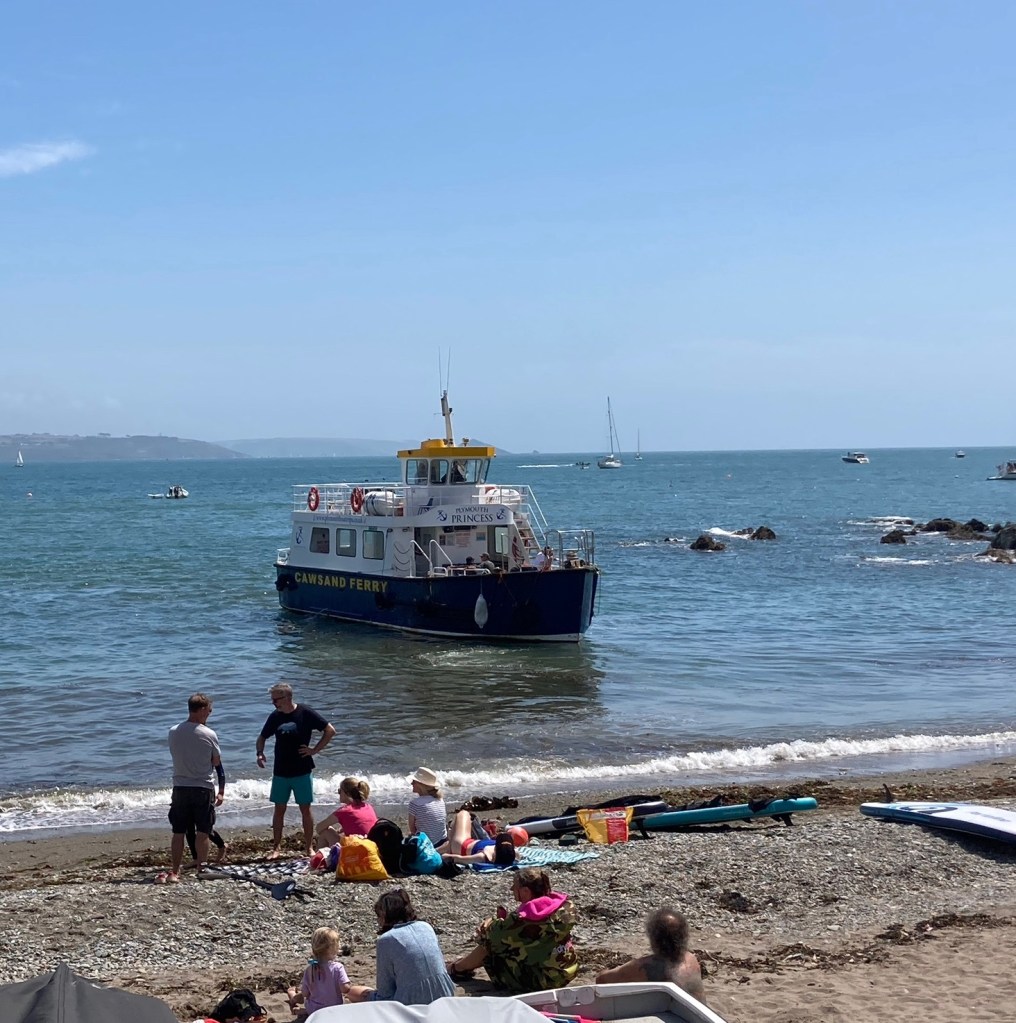
It was only a 30 minute ferry trip to Cawsand, but there was no pier there, the ferry just ran into the beach and put down a ramp.
No jetty, just nose onto the beach and drop a gangway off the bow.
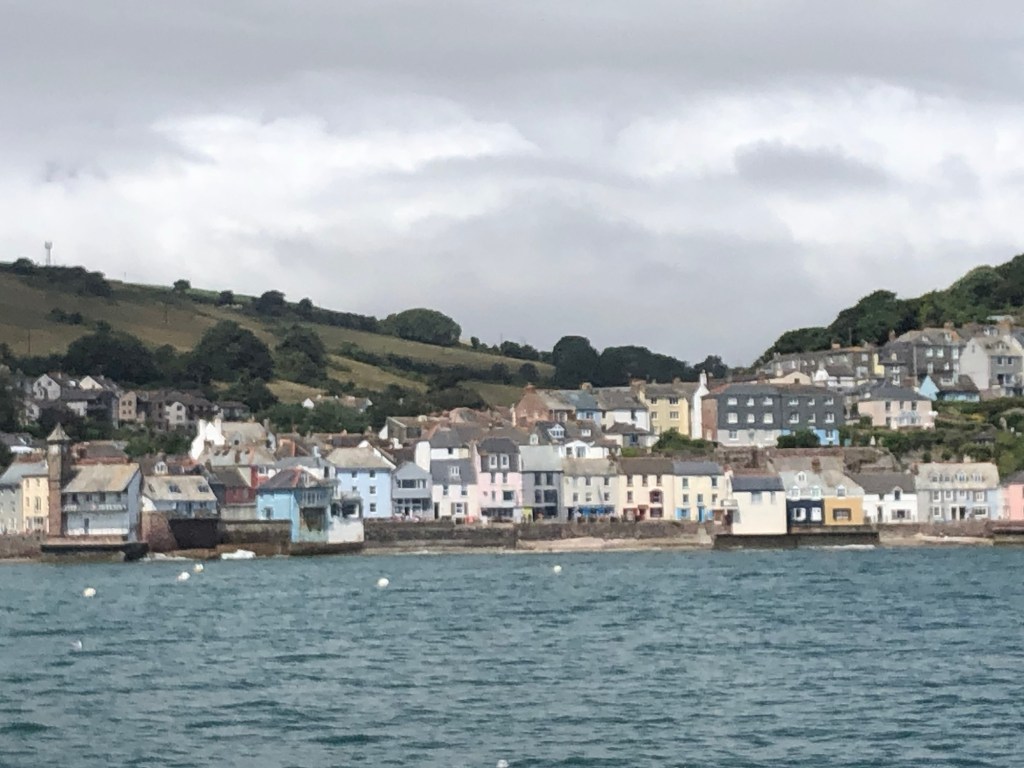
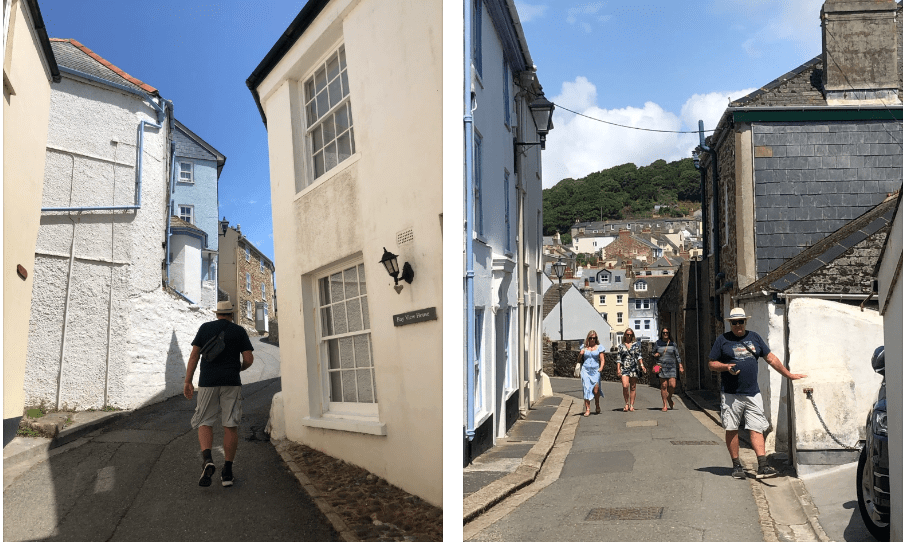
This town is so quaint, and you feel you’ve stepped back in time a couple of hundred years, except for the odd car and motorboat.
CawsandCawsand
Wending our way through the narrow streets we found the coastal path to Edgecombe House.
Narrow streets of Cawsand
It was a really pleasant walk and we encountered a few friendly people walking their dogs, and they all had time to stop and chat. As per everything else, this place has quite a history, I won’t bore you with all the detail, but the next 50 pages should suffice to give you a good idea.
Henry VIII gave the land to the 1st Earl in 1515, and the Tudor style house was built in blah blah …………
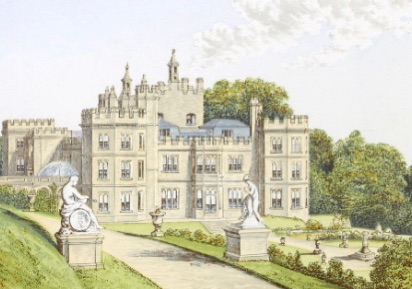
In its glory days
Anyway, by the time of the 7th Earl things had changed. The house had been built to make the most of the views down the hill, over the water and across to Plymouth. It had lots of windows which made it light and airy. This was unusual for the time as most houses were built to be easily defended. It was an impressive building in its day.
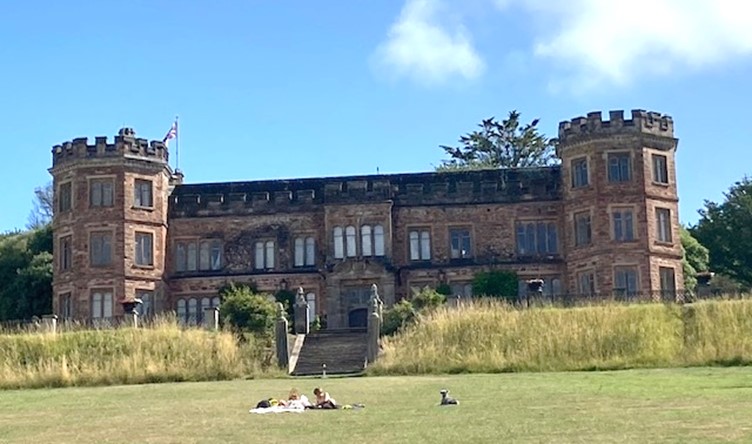
Unfortunately it got bombed during the Plymouth blitz when an incendiary burnt the building leaving only the stone walls of the great hall standing.
After the war, the wing containing the great hall was rebuilt in 1958, but the rest of the house could not be restored, so now Edgecombe house is only a third of the size it once was.
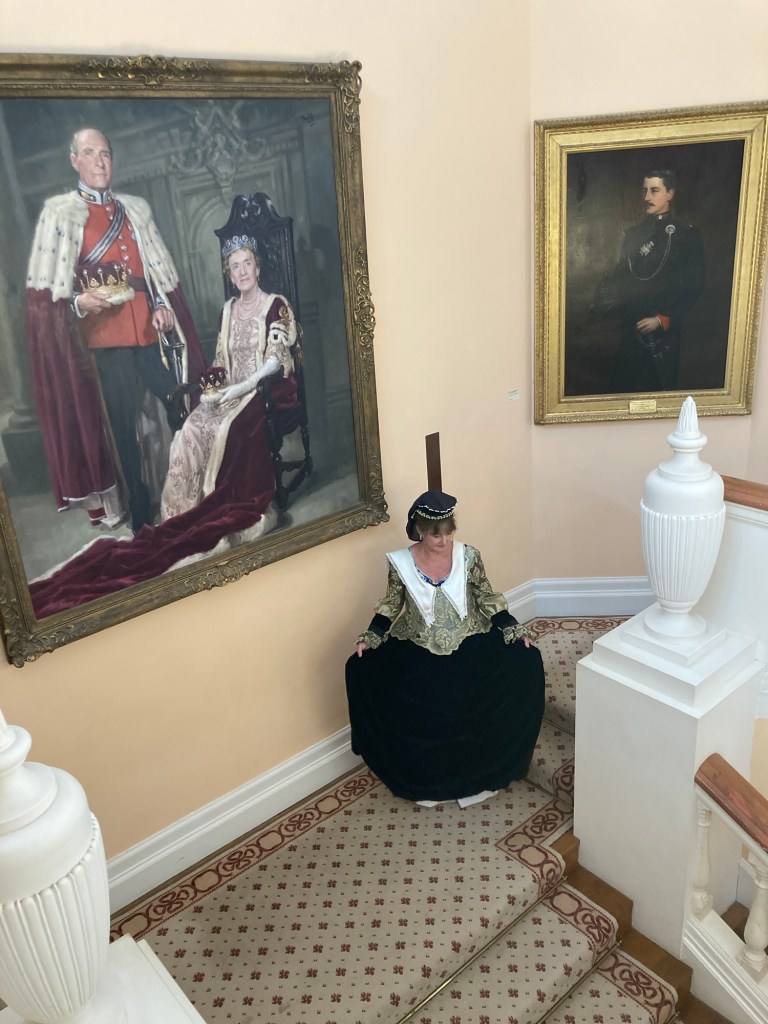
The 6th Earl and his wife lived above the laundry during the rebuild period, but they died within a year of each other just before it was finished. Their eldest son had died in Dunkirk and their other son had also died so there was no male heir to take over the Earldom and the estate. After an extensive search they found a male relative who was a sheep farmer in the South Island, Edward Pierce, and he became the 7th Earl. He passed away in 2021 and the title is held by his nephew. A great Kiwi connection to the aristocracy!
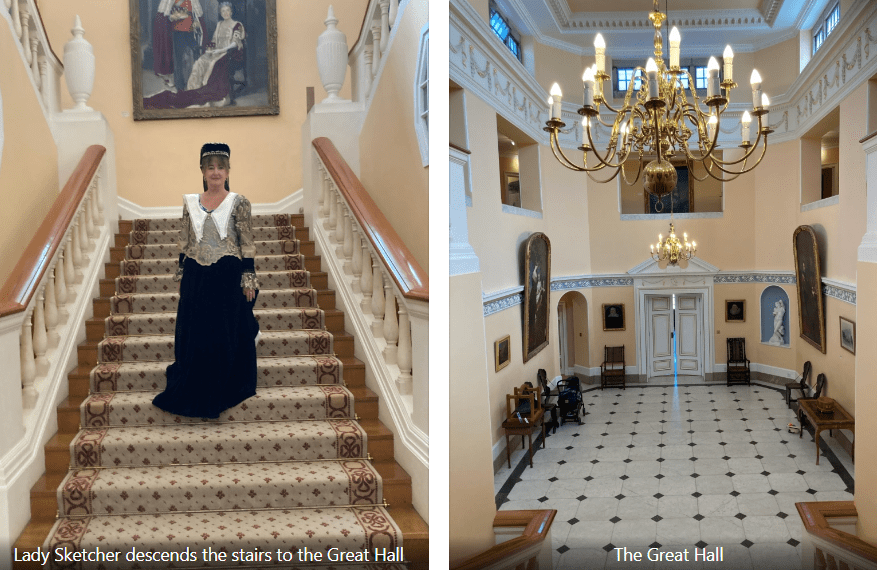
Lady Sally on the grand staircase with the NZ 7th Earls portrait
Unfortunately because of high death duties, the 7th Earl had to sell the property to the Plymouth council, so now it is open to the public as a stately home.
We were shown around by Brad, a very knowledgeable guide who made it very interesting.
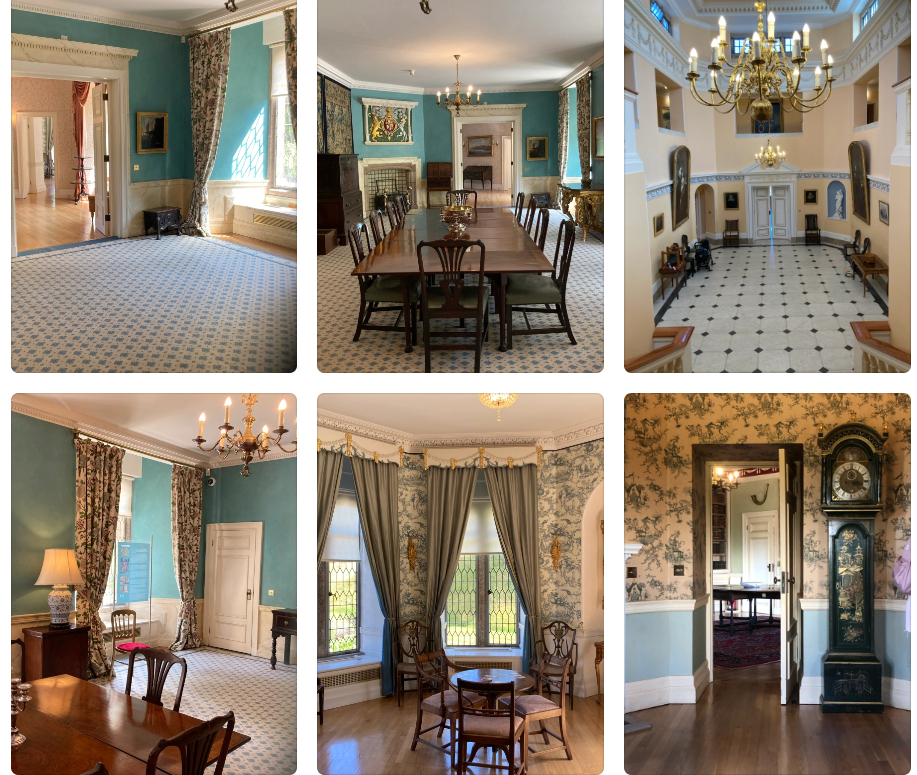
Some of the rooms in Edgecombe House
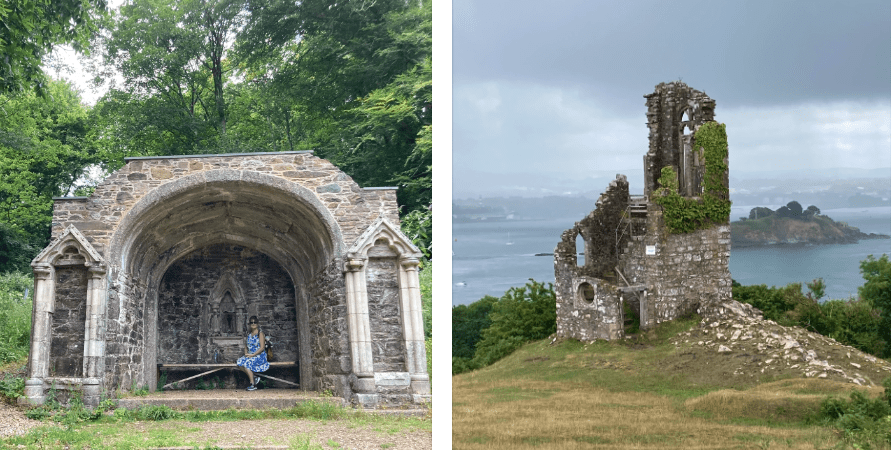
On our walk we came across this small shrine which we sheltered in during a shower. The tower ruin is actually a Folly, something built to look like a ruin which was a common thing in the 1700’s.
Shrine near Edgecombe House and a Folly – created to look like a ruinLady Sally at home
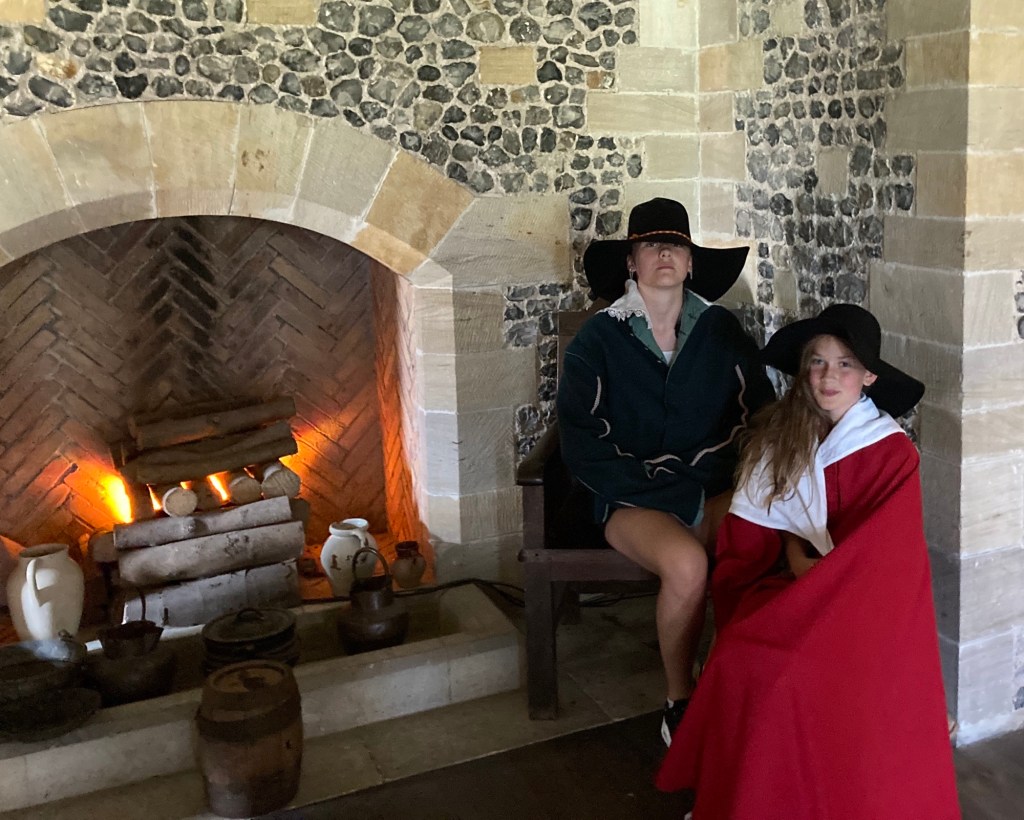
They also had dress-ups so you could take some period photos.
If you get the chance, Cawsand and Edgecombe House are worth a visit.
So nice to be in a seaside town. It’s been ages since we have heard the sea rolling in, and the squawk of seagulls.
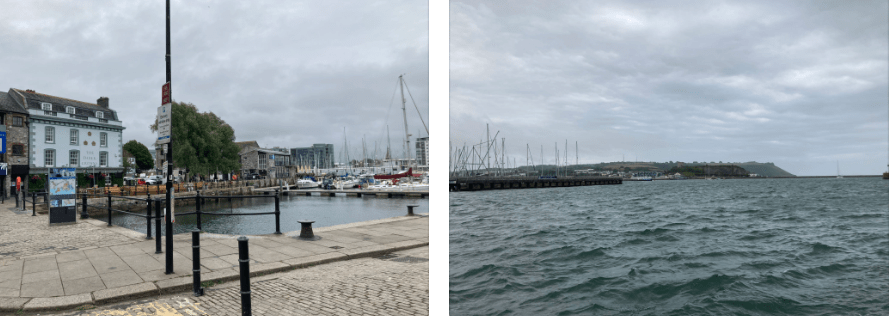
Views of Plymouth
Plymouth is about the same size as Wellington, but without the hills and southerly winds. We are a 30 minute walk from the town centre, and also 30 minutes from the Barbican which is the seaside part. There has been a port here for 3000 years.
The Barbican
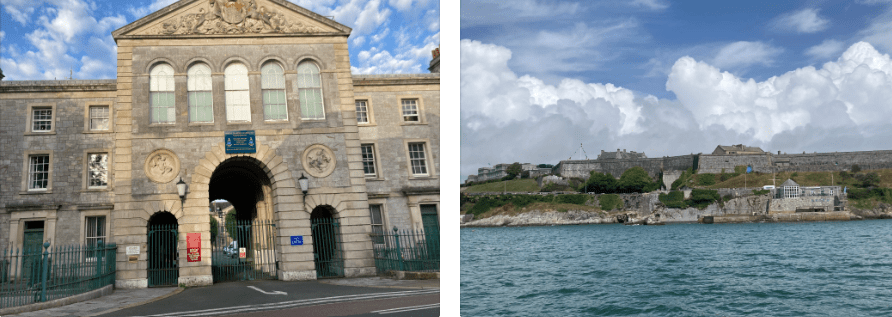
Near the Barbican there is an old citadel or fort that is still used by the armed forces today. It looks out over the harbour mouth. Built in 1660. The cannons faced out to sea AND over the city to keep the locals in check!
The Barbican Wall
Plymouth is steeped in history. This is where Sir Walter Raleigh left to defeat the Spanish Armada, the Mayflower pilgrims left for the Americas, James Cook departed on his voyage of discovery in the Pacific, both Pocahontas and Catherine of Aragon stepped ashore here, Darwin departed on the Beagle, and Shackleton left for the Antarctic.
Plymouth wharf
There was a huge naval presence and the 18th century stone buildings are still in use on the various yards, a lot have been converted to apartments and restaurants.
Naval buildings
There is still a Royal dockyard or naval base here, originally built in 1695.
Harbour cruise
During WW2 it was a target for German bombing, and the city sustained substantial collateral damage as the Germans attempted to close the naval base down.
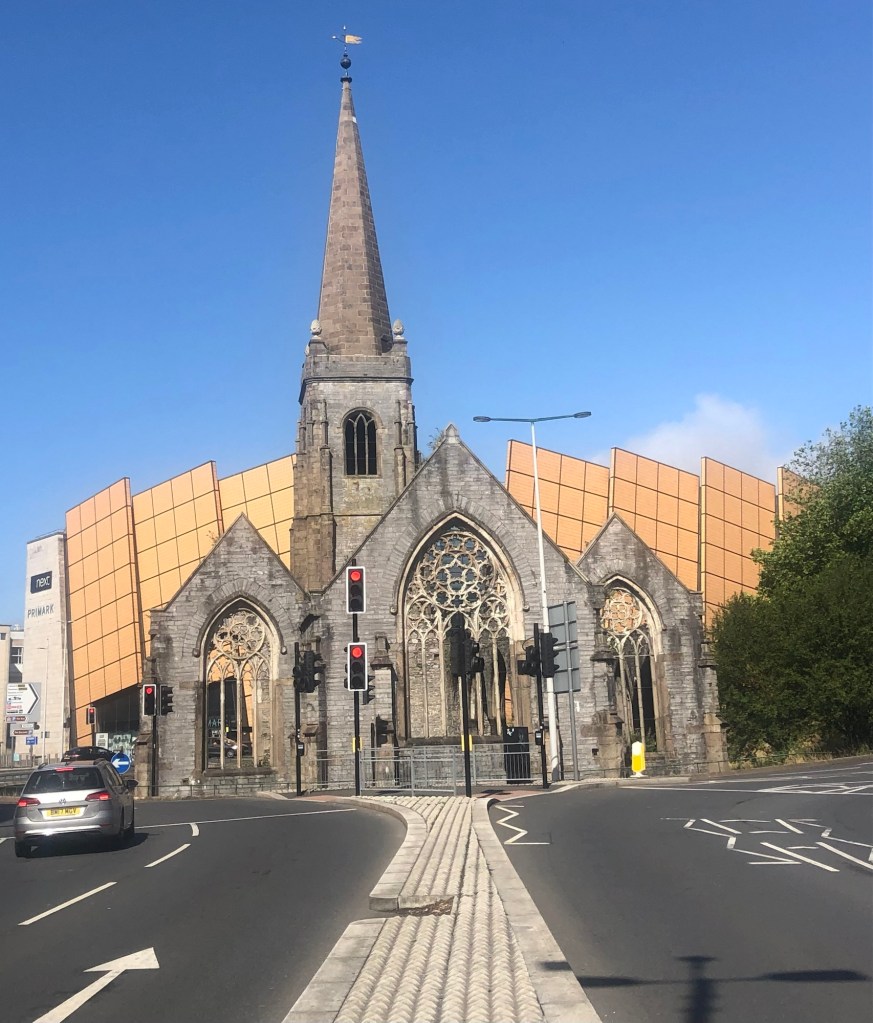
A church in the city centre was bombed and they have left it ‘as is’ as a living monument of the destruction.
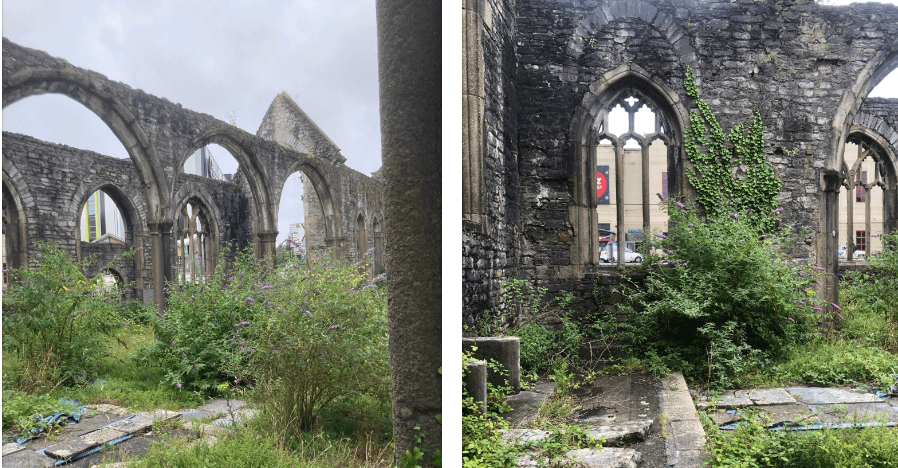
Bombed Church – a monument to WW2Bombed church monument to WW2
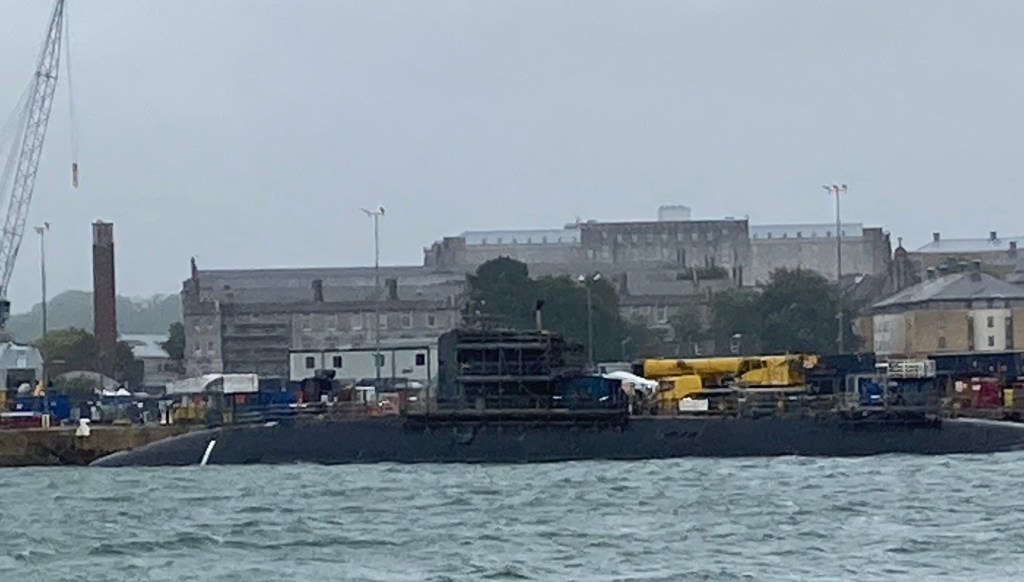
There are a dozen decommissioned nuclear submarines here, they have to wait 30 years for the reactors to be safe before they can be broken down. We also saw 2 active submarines docked.
Look closely, it’s a submarine in the foreground
We did a couple of ferry trips which were a great way to see the harbour, and visited the Mayflower museum where the history has been rewritten to conform with our current woke PC ways.
They have an old gin distillery in the Barbican which has been operating since 1793, the brand is Plymouth Gin and is well known but we hadn’t heard of it.
Met a guy in the souvenir shop, he made postcards and fridge magnets as a sideline and he was replenishing the store. He was a young 80 and quite a character. This is quite a story, too long to write, so ask me next time you see me.
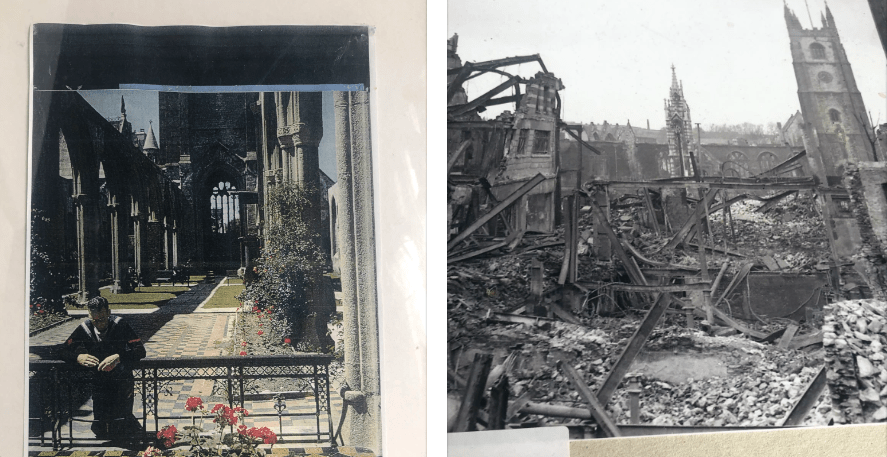
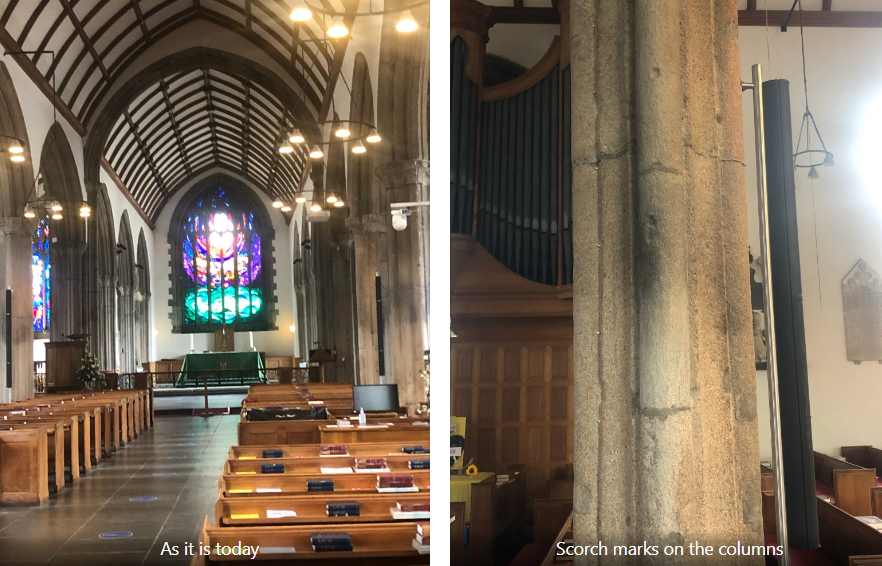
Walked back into town and checked out St Andrews Minster. There had been a church on this site for 1200 years. It had been rebuilt and expanded many times. The last time was during WW2 when it burnt leaving only the stone walls. It kept functioning as a church, there was lawn and flowering plants in the nave and chapels, and it became known as The Flower Church with the congregation worshiping under open skies, surrounded by nature. It was rebuilt in 1947.
St Andrews Minster
Photos of Plymouth show the damage caused by the devastating bombing of 1941, it reduced much of the port and city to rubble. Plymouth was a strategic port for Atlantic convoy escorts, naval missions to France and Channel patrols. Today the city centre looks different to most other English cities, because of the massive rebuild the streets are wide, huge footpaths, and the buildings are mostly from the 50’s and 60’s – all the old buildings have gone.
It’s not so bad around the Barbicon and out of the city centre, they were damaged but survived. It would have been a scary place to live in during the war.
Next door is the Guildhall, similar fate, got flattened during WW2 but got rebuilt afterwards. We were wandering around, when the guy we’d seen polishing the foyer floor came in, turned on the chandeliers, pulled back a curtain to display a massive tapestry, and proceeded to chat about the history of the place. The people here are so friendly and helpful, we have had many instances of this in the few days we have been here, it is so refreshing to know there are communities that live these values.
The museum here is called The Box. It has sections on early settlements, lots on the nautical history, plus lots on the dockyards and war. Also covers prehistoric times.
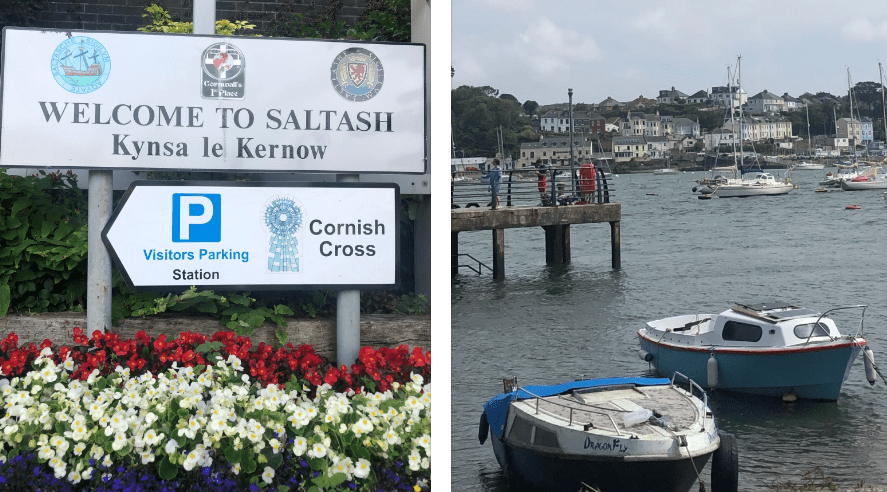
We took a local bus to Saltash, once you cross the river you are in Cornwall. They speak a different language here.
Saltash
We had a nice walk around Saltash, down to the water then up the main street. It’s good to get out into the nontouristy areas to get an appreciation of ordinary life.
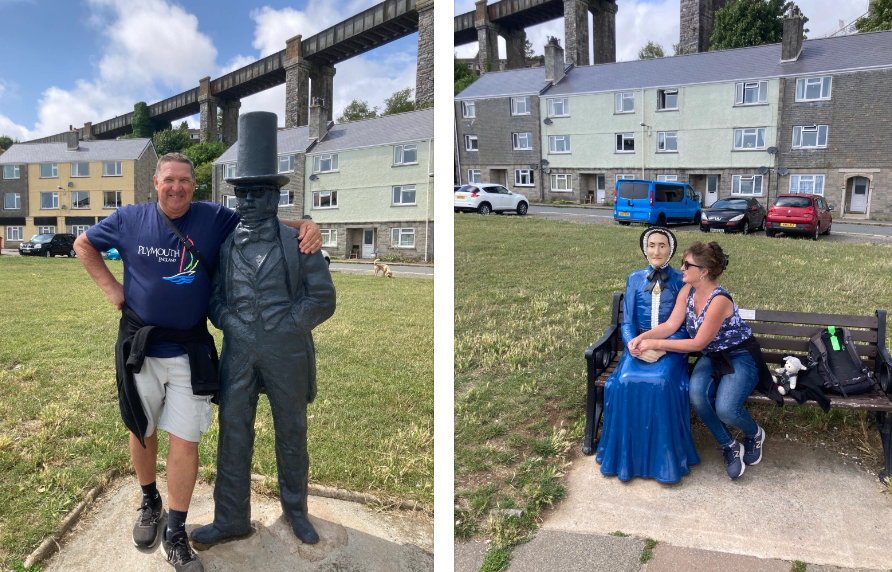
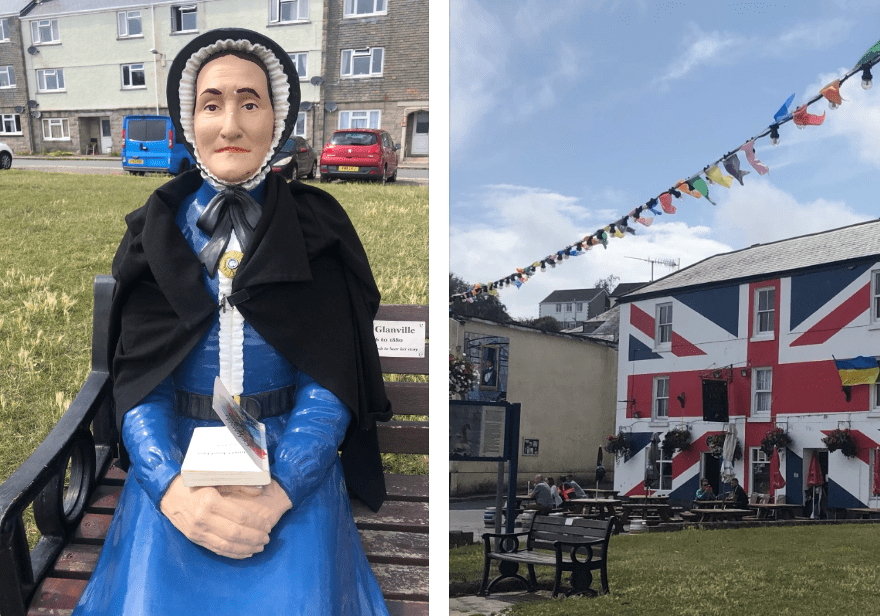
A couple of statues in Saltash waterfrontNo doubt about the patriotism of the owners.
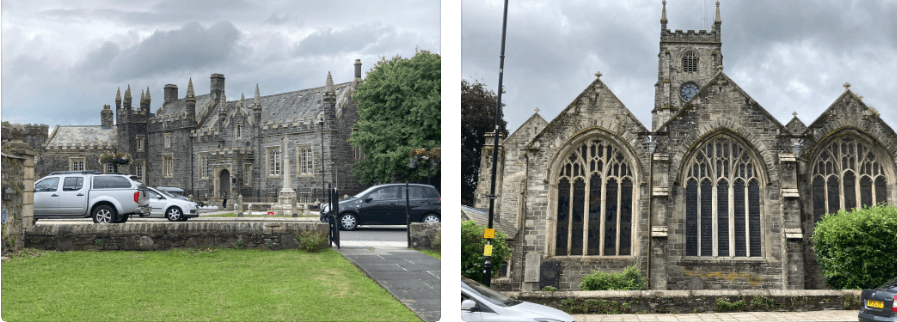
Another nice town is Tavistock. It’s an hour bus ride from Plymouth, and goes through Dartmoor. I thought the moors were pretty barren places like the desert road, but this was lush and green. It rained on the way there but fined up for the rest of the day.
We grabbed a self-guided heritage trail booklet and headed off to explore. Everything was in a 2km radius so was easy to just amble around.
Streets of Tavistock
A lot of it was rebuilt in the 1840’s by the 7th Duke of Bedford who owned lots of copper mines in the region worth about a gazillion pounds so he could afford to rebuild the town.
Travistock
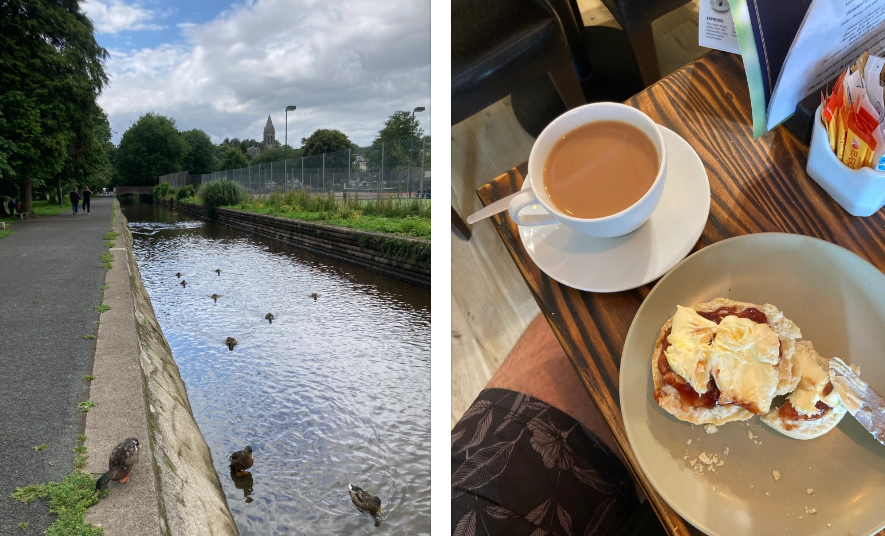
There is the river Tavy running through the town, but they also built a canal to transport the copper ore and there is a nice walkway beside it and a beautiful park.
The River Tavy & Traditional tea & scones
And of course these places have lots of tea shops so we stopped for some tea & scones.
They also have an upmarket market which is purpose built and has some very good stuff.
A pleasant day out.
Tomorrow we leave Plymouth and head to Bath to celebrate Sally’s birthday.
It was a bit cool when we pulled into Cambridge. Our AirBnB was only a 10 minute flat walk from the station so we dropped our bags off and went and explored the town.
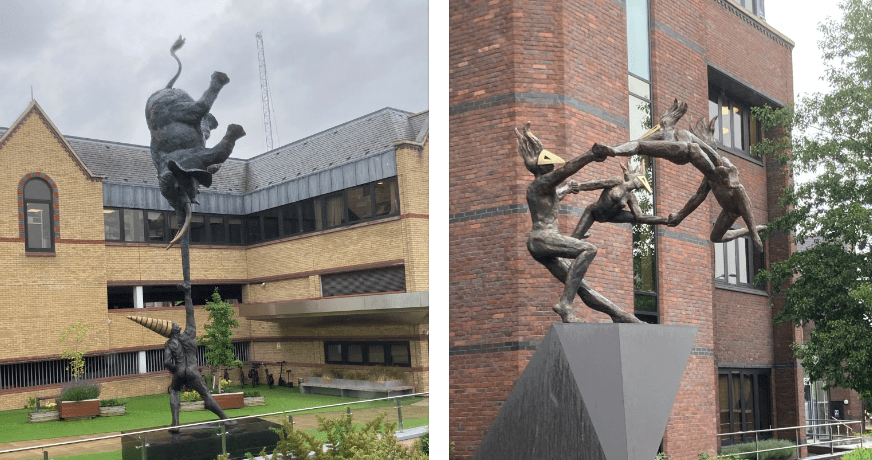
Some unusual sculpures
We found the hop on / hop off bus and did a tour of the town. These are a great way to orientate ourselves when we arrive in a new place. This one had a great commentary so we learnt a lot about the town. It started to rain lightly as went around the sights of Cambridge but nothing too heavy. We did one and a half circuits and got off in the town centre.
Cambridge Corn Exchange
Cambridge is a pretty town, Kim preferred it to Oxford, but Sally preferred Oxford. Like Oxford it had over 30 Colleges, some very old and dating from the 1400’s, and others more recent dating from the 1980’s.
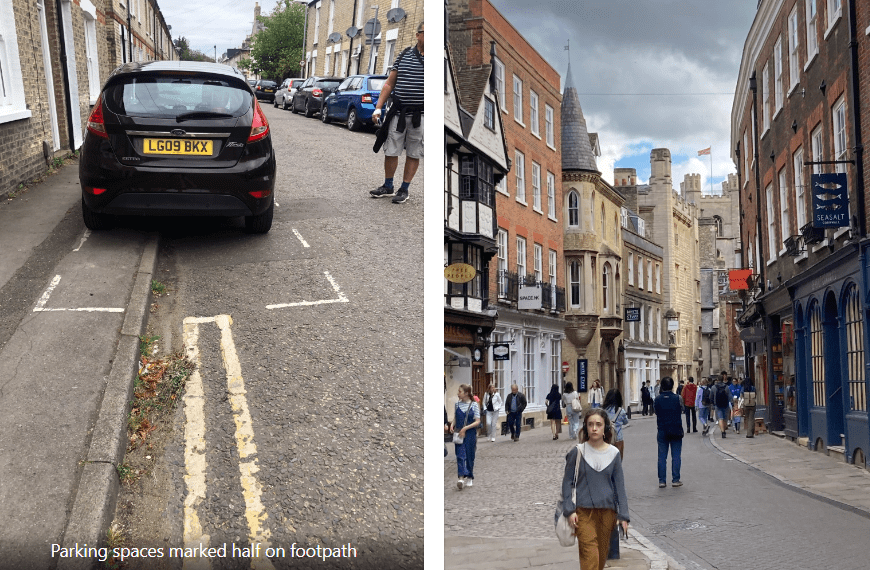
Some narrow streets
The streets are quite narrow, you can park on the footpath, there are no tall buildings, and the river Cam runs through the town, so it retains a nice village type feel.
We walked home, which was only 30 minutes so we are quite central.
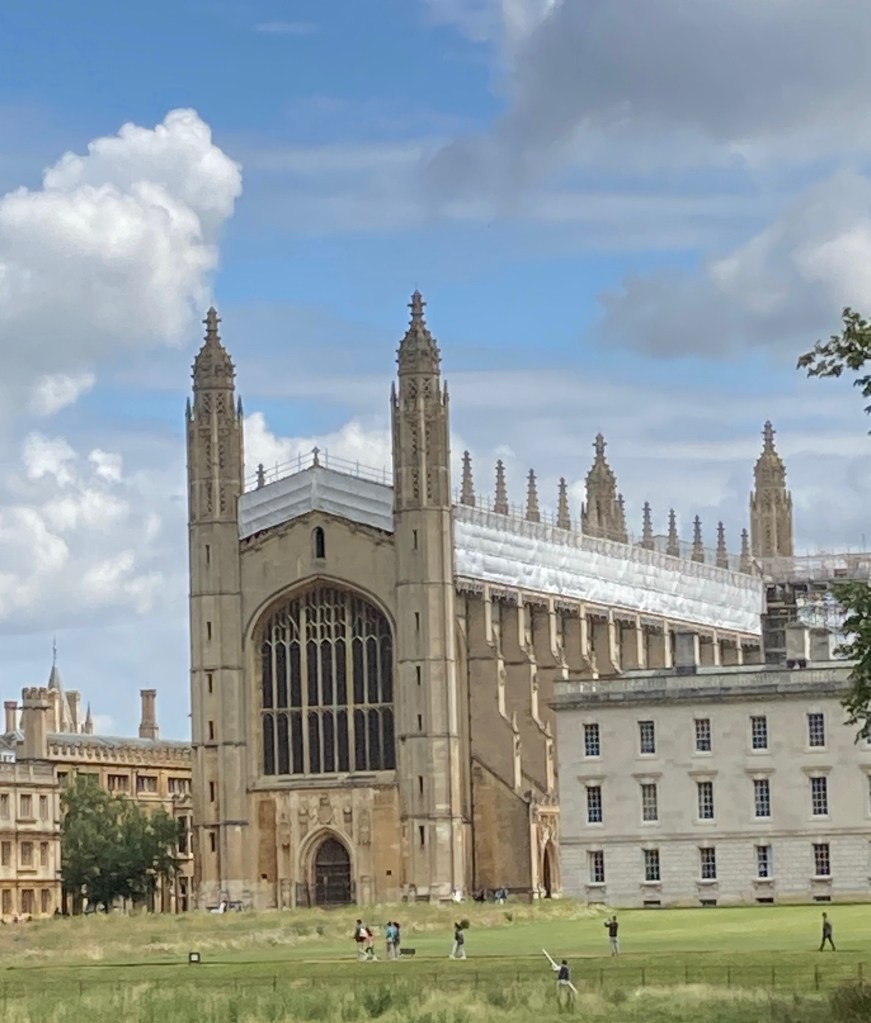
Wednesday found us back in town for a visit to Kings College Chapel, a very impressive building.
Kings College Chapel
The vaulted ceiling is pretty unique and shows craftsmen at the peak of their skill.
Vaulted ceilings of Kings College Chapel
It was started in the reign of Henry VI and completed by Henry VIII when he was married to Anne Boleyn. His grandmother Margaret Beaufort had a huge influence on the colleges of Cambridge, she donated money to quite a few.
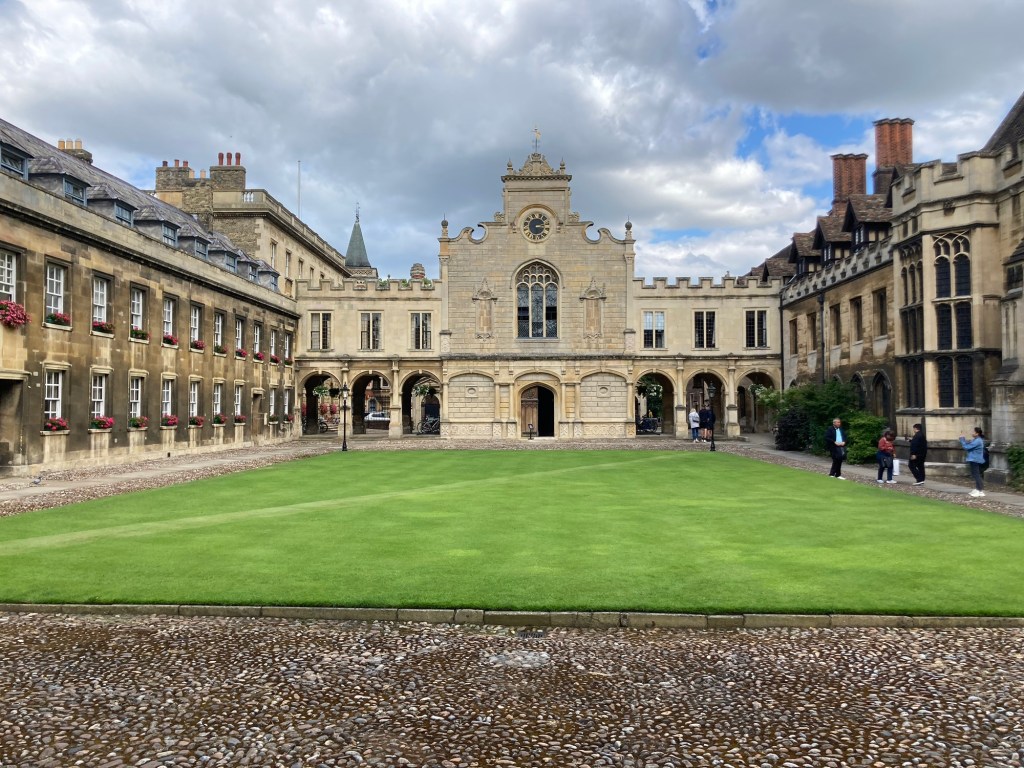
Peterhouse College
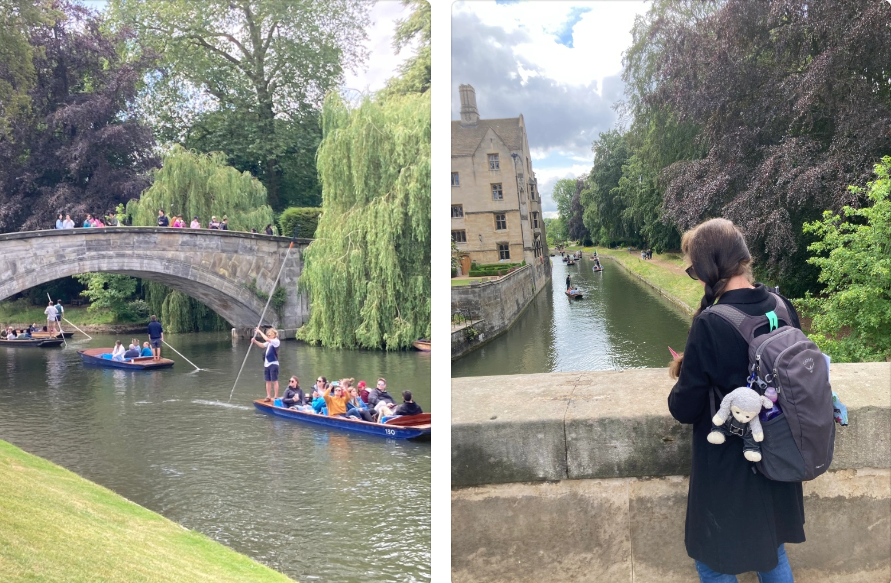
We couldn’t look through any of the college, but could walk through the meadows and watch the punters from the bridge.
Punting on the River Cam
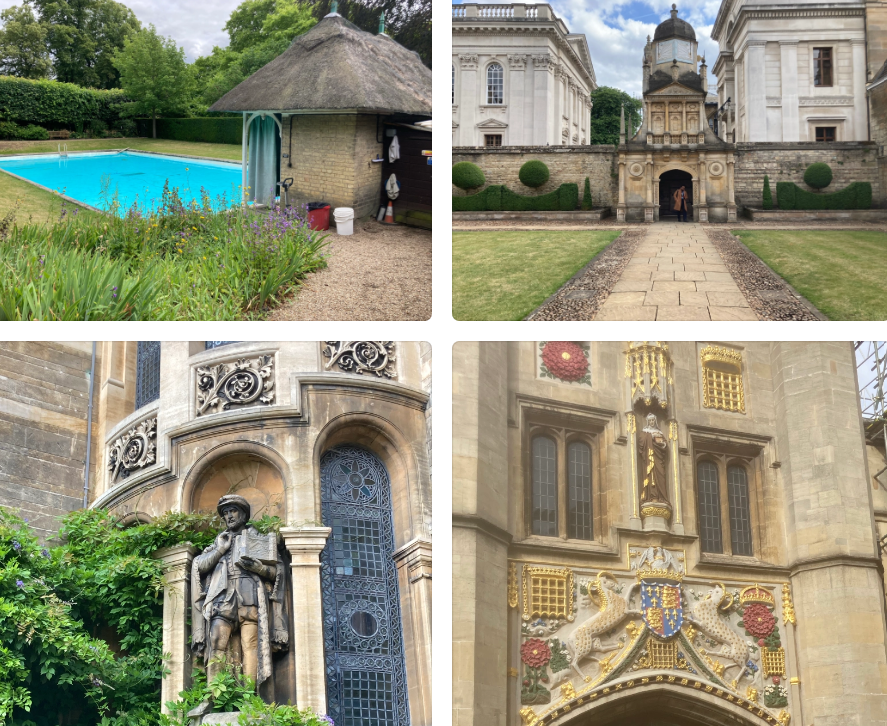
We managed to look through a few of the colleges, they were having open days for potential students so we just tagged along with the odd group. This enabled us to have a good look through some of the dining halls, bedrooms and courtyards. Some had extensive grounds with swimming pools, and one had its own underpass to connect the college.
Inside some Cambridge colleges
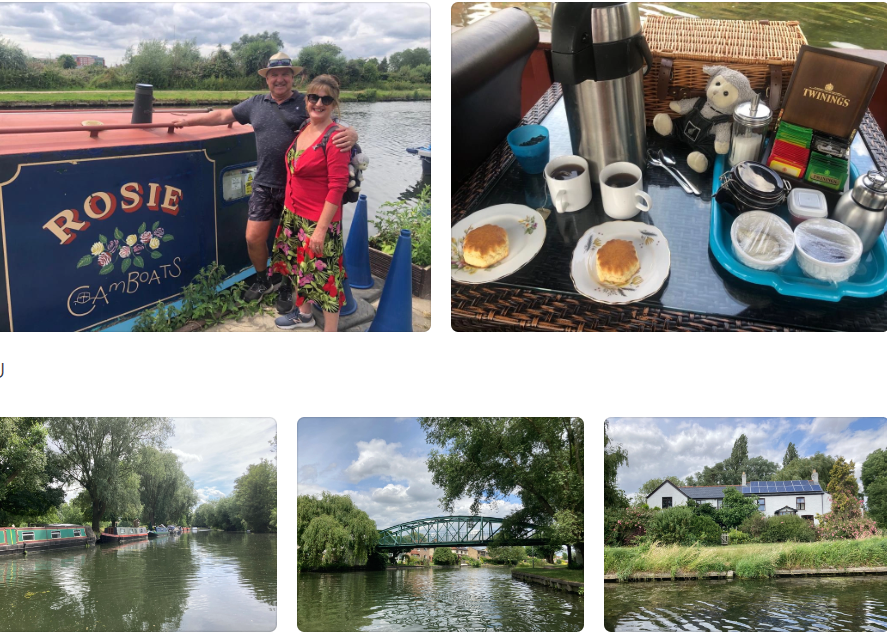
Sally booked a trip in a narrow boat from a lovely riverside pub The Plough along the river Cam toward Cambridge. Tea and scones with jam and cream whilst cruising the river, a most enjoyable way to spend the afternoon.
Afternoon tea on a long boat on the River Cam in Cambridge
Saw these cute cottages on the way
Pretty thatched cottages
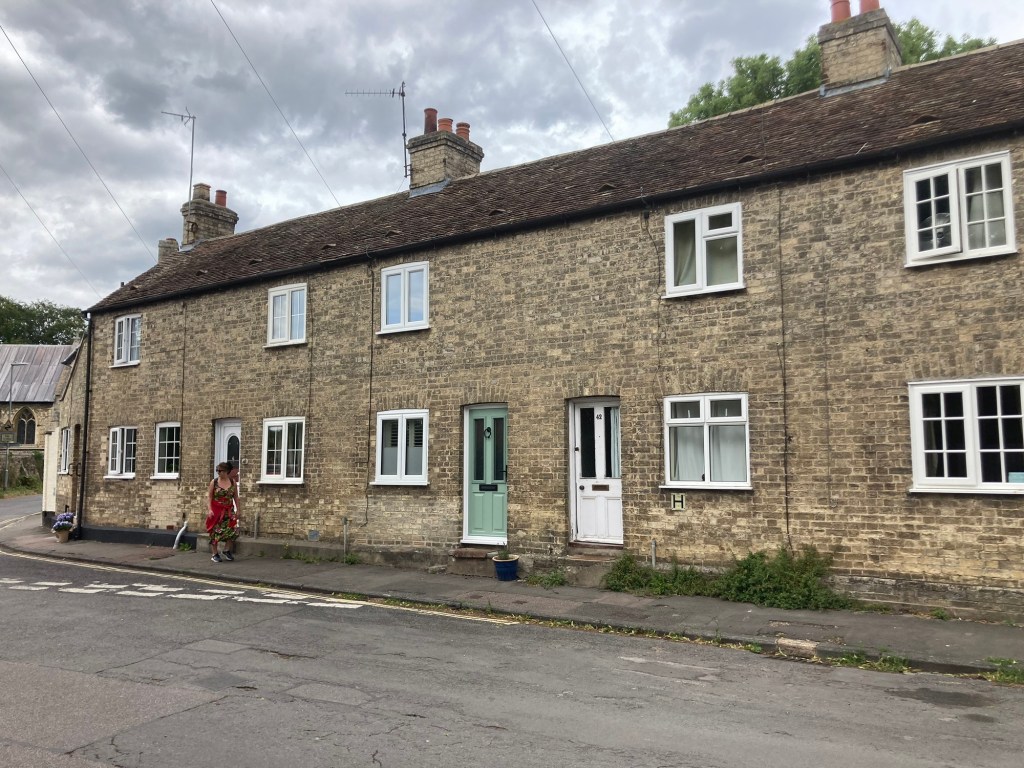
The area we stayed in had houses like this
Our AirBnB – terraced housing
Saw a Round Church which was modeled on the Sepulcher in Jerusalem, a concept brought back by the crusading Knights.
Round Church which was modeled on the Sepulcher in Jerusalem
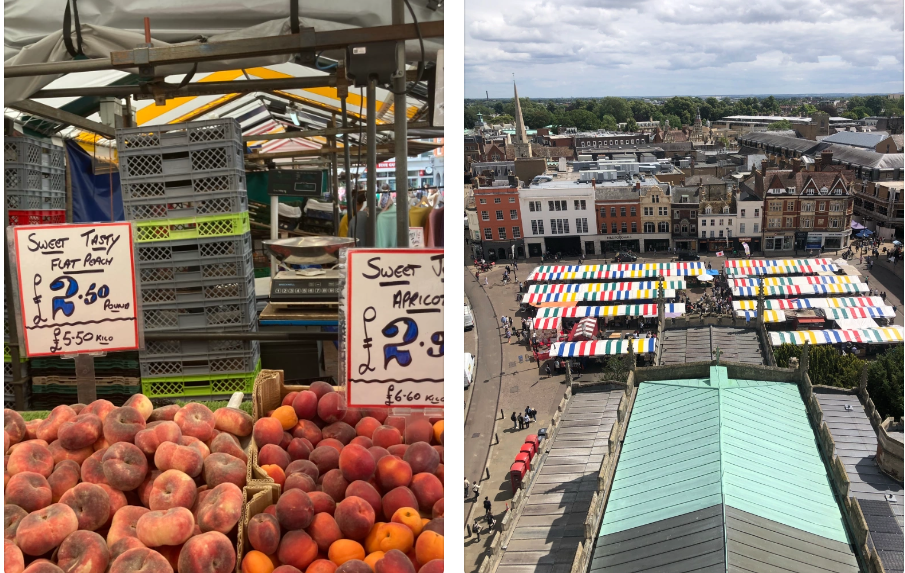
There was a local market in the centre of Cambridge with the stalls selling mainly food, fruit & vegetables, clothing and souvenirs. Have noticed before that they have the pricing in both pounds and euros
Cambridge markets – taken from Great St Mary’s bell tower
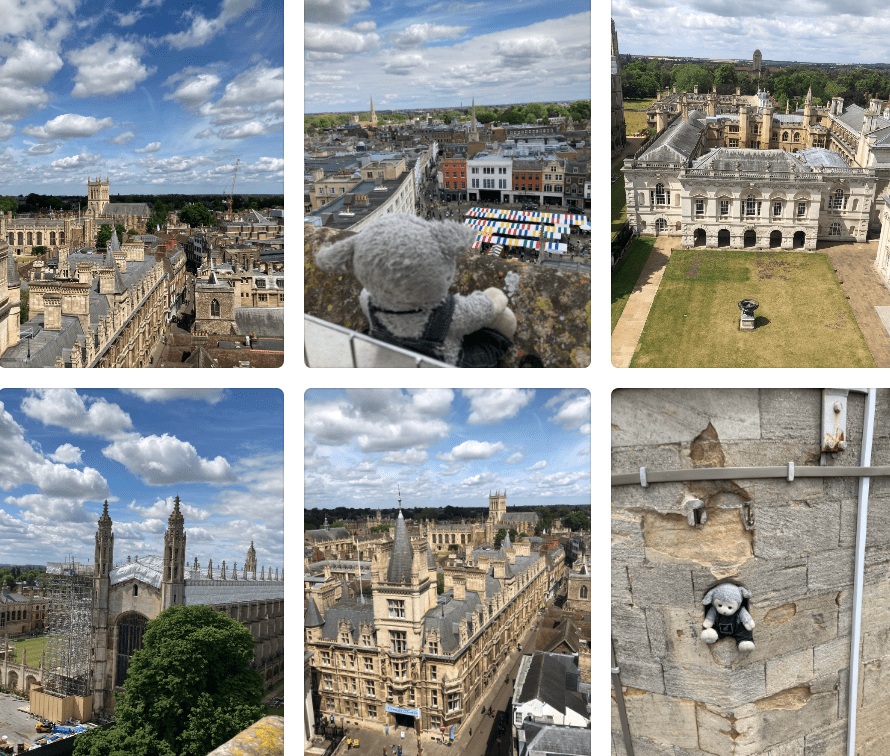
We climbed the steps to the top of Great St Mary’s bell tower and had a glorious view of the city centre. Because there are no modern tall buildings, you can see all the different colleges and their inner courtyards.
Views over Cambridge from Great St Mary’s bell tower
Another ‘near miss’ for Sean when he tried to practice his rock climbing skills coming down the tower and the brick crumbled.
Next day it was off to Chelmsford via Ipswich & Colchester. We hadn’t had to do connecting train services before but it went fine. We met this charming American from Boston who comes to Cambridge to do summer school. He’s 75 and been doing it for 15 years, he has studied a huge variety of subjects and loves the whole college experience.
Grabbed some lunch (at Wetherspoons!) in Chelmsford and took turns walking the city as one of us stayed to look after the luggage.
Chelmsford sights
Checked out the Chelmsford Cathedral, this was nice and light compared to other churches we had been in lately.
Chelmsford CathedralInside Chelmsford Cathedral
Grum picked us up and we went back to his place and had a lovely BBQ (with Alex on the tongs) and some yummy salads. A lovely meal with Grum, Liz and the kids, and also Liz’s sisters family. Stayed out talking until the sun went down and the midges forced us inside.
This was just a flying visit as we were in the neighborhood, and were passing through on our way to Plymouth.
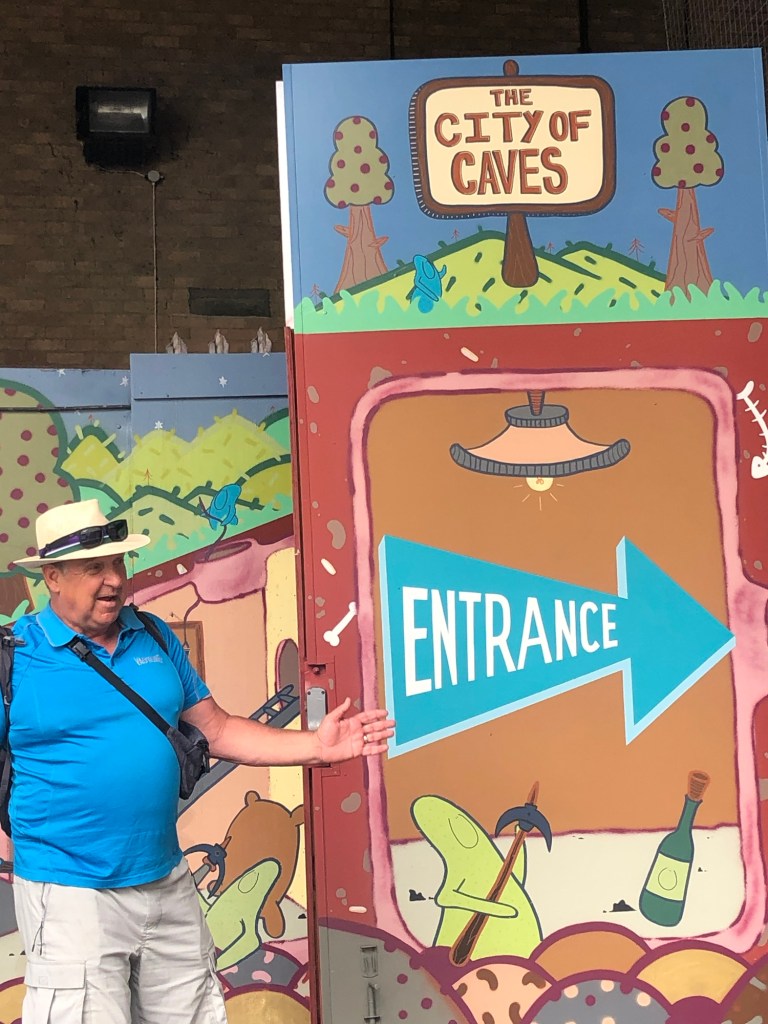
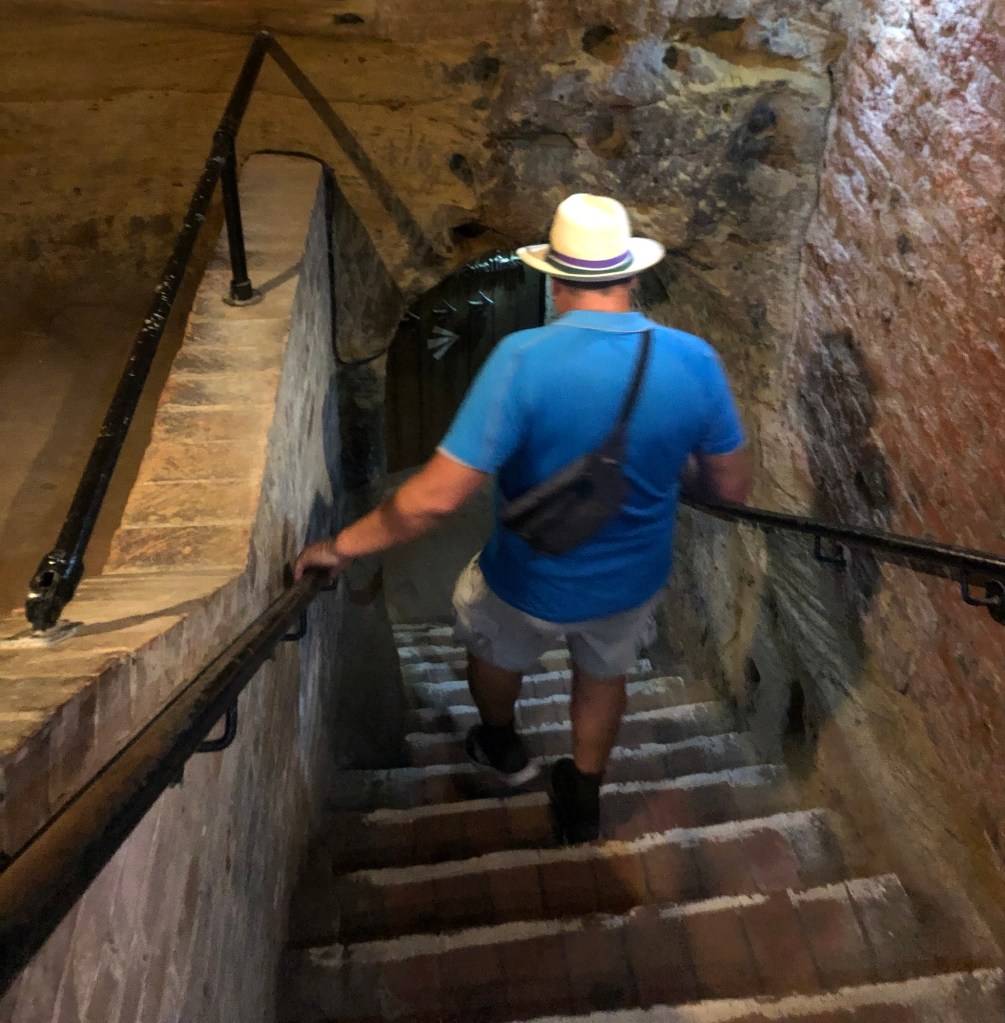
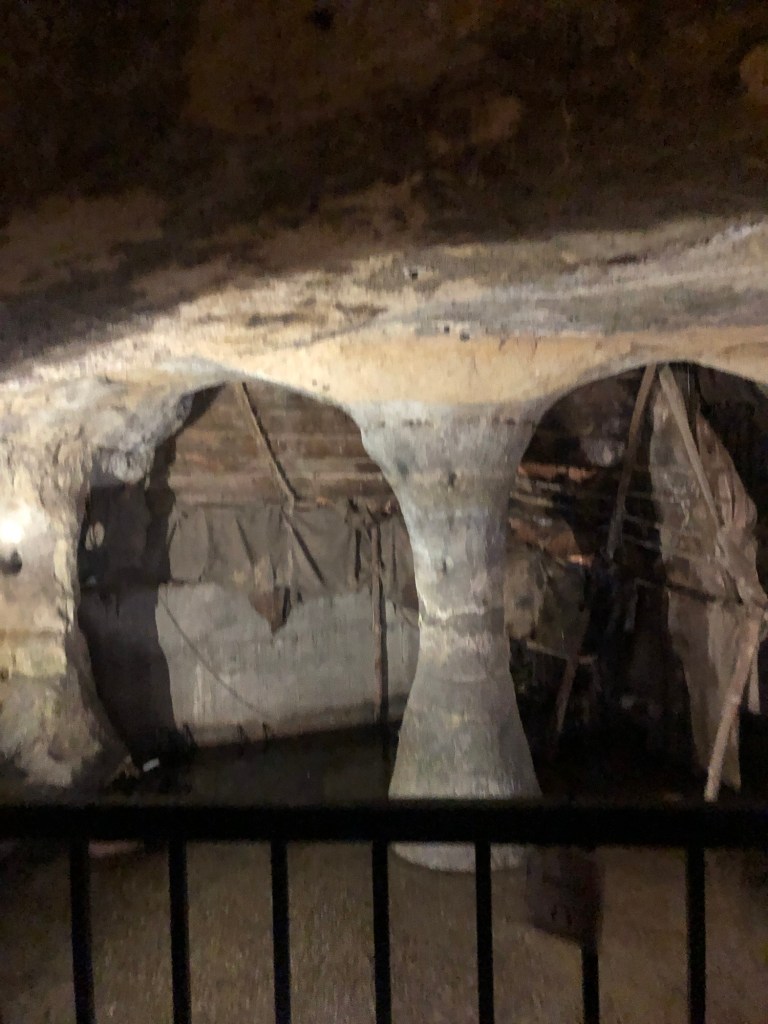
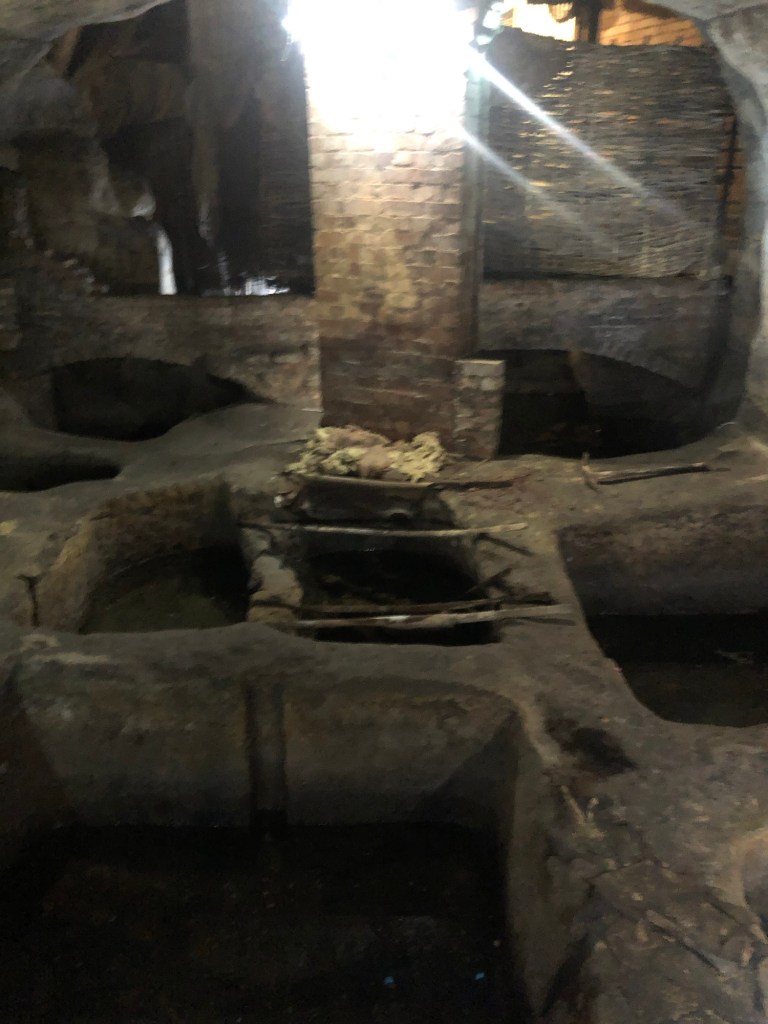
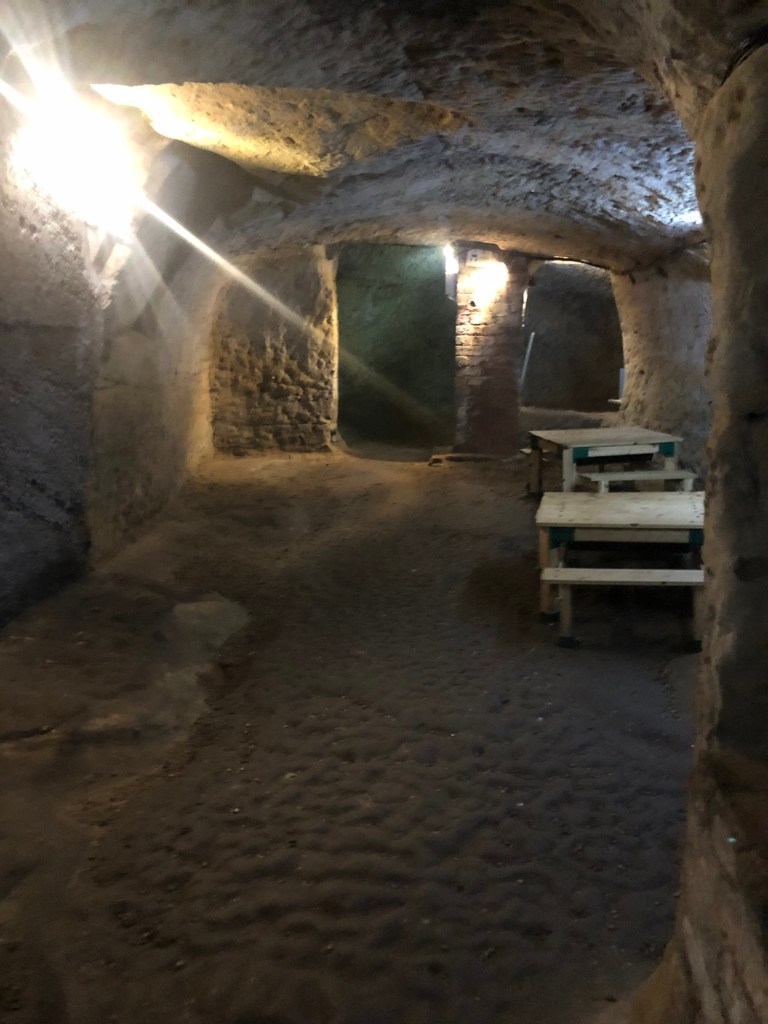
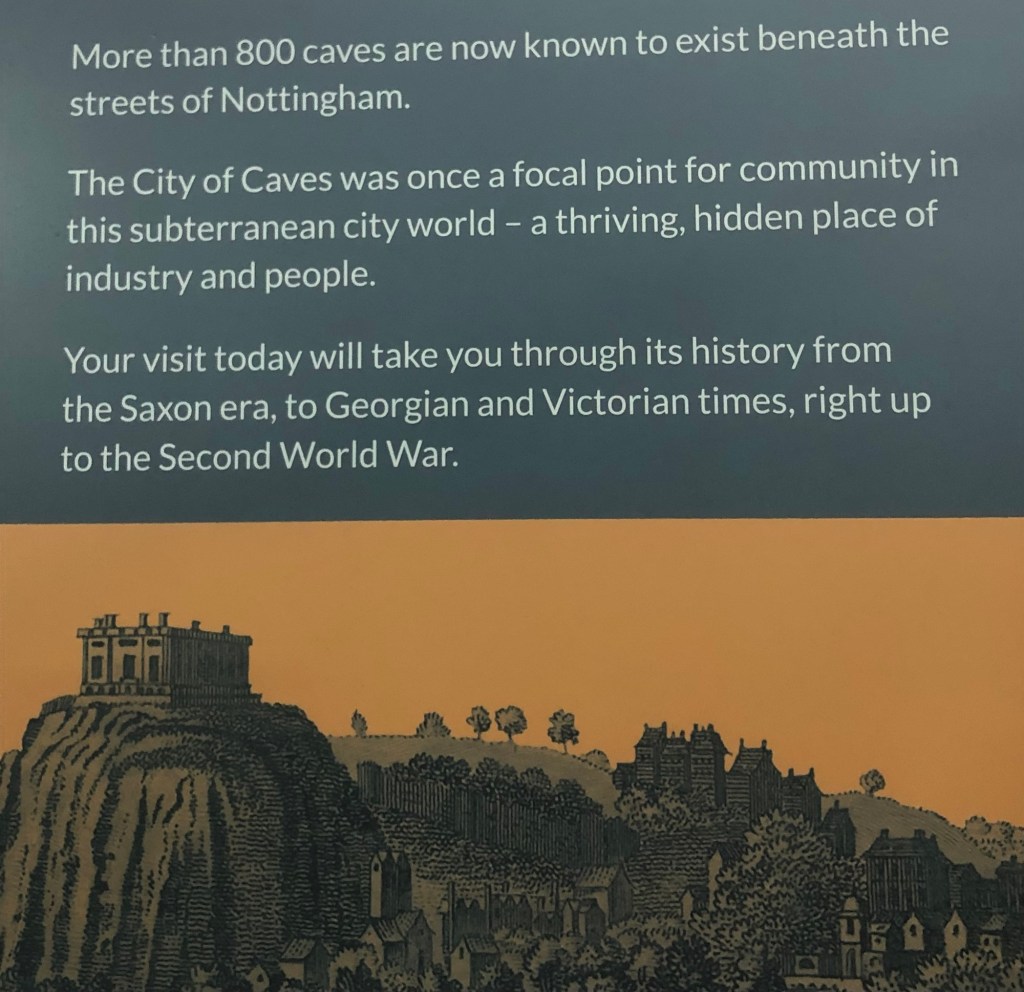
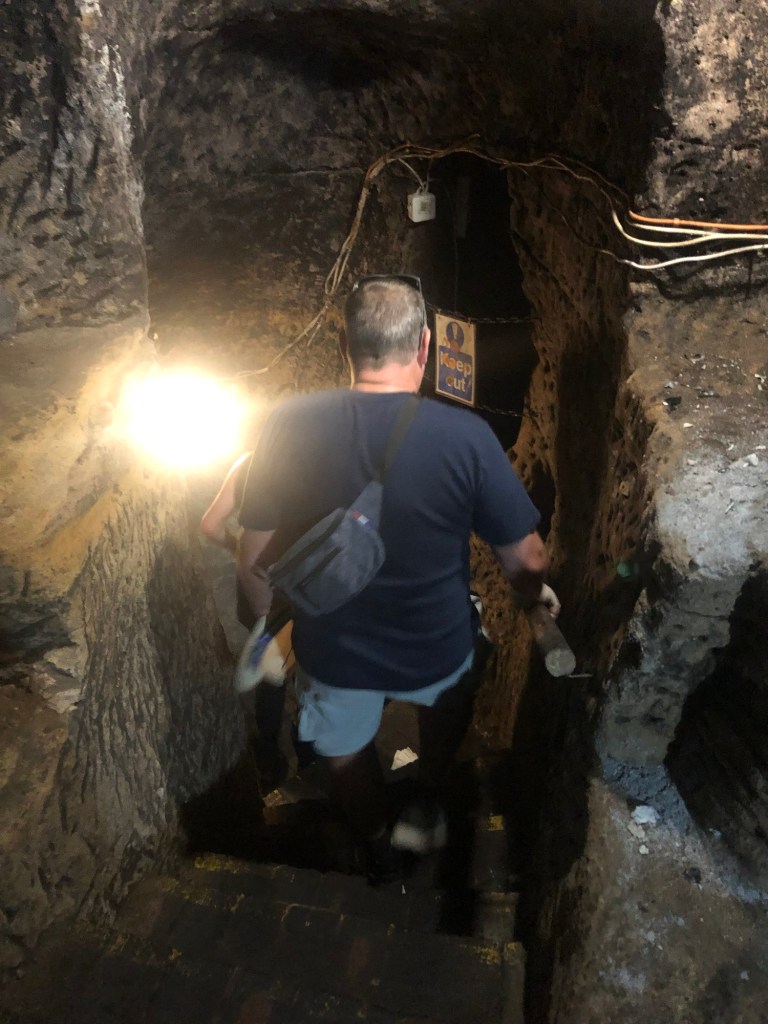
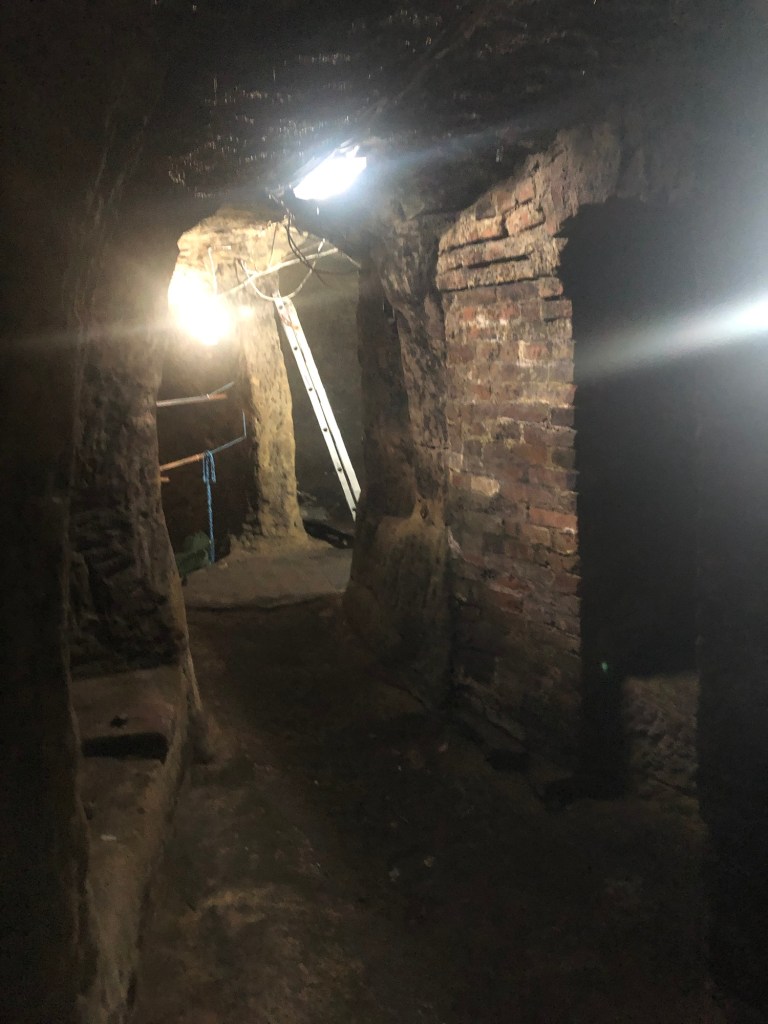
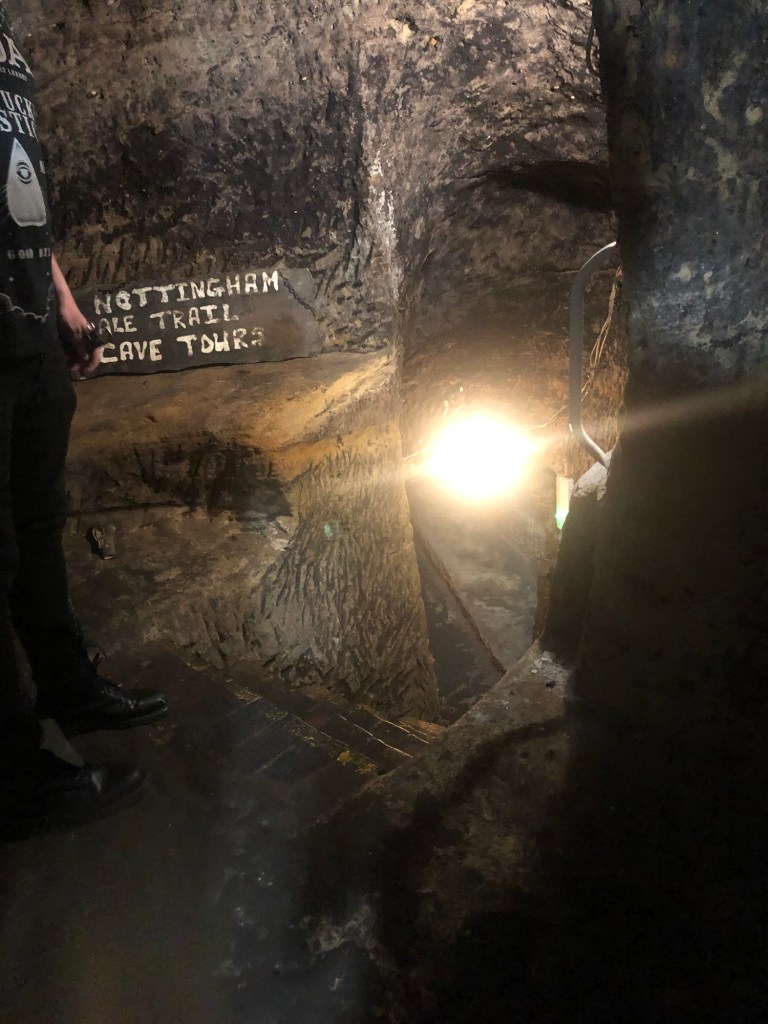
Two final activities from our Nottingham visit were the City of Caves and Justice Museum. We had no idea that Nottingham was built on such a vast system of caves!
An underground tanneryUnderground tanneryLiving underground
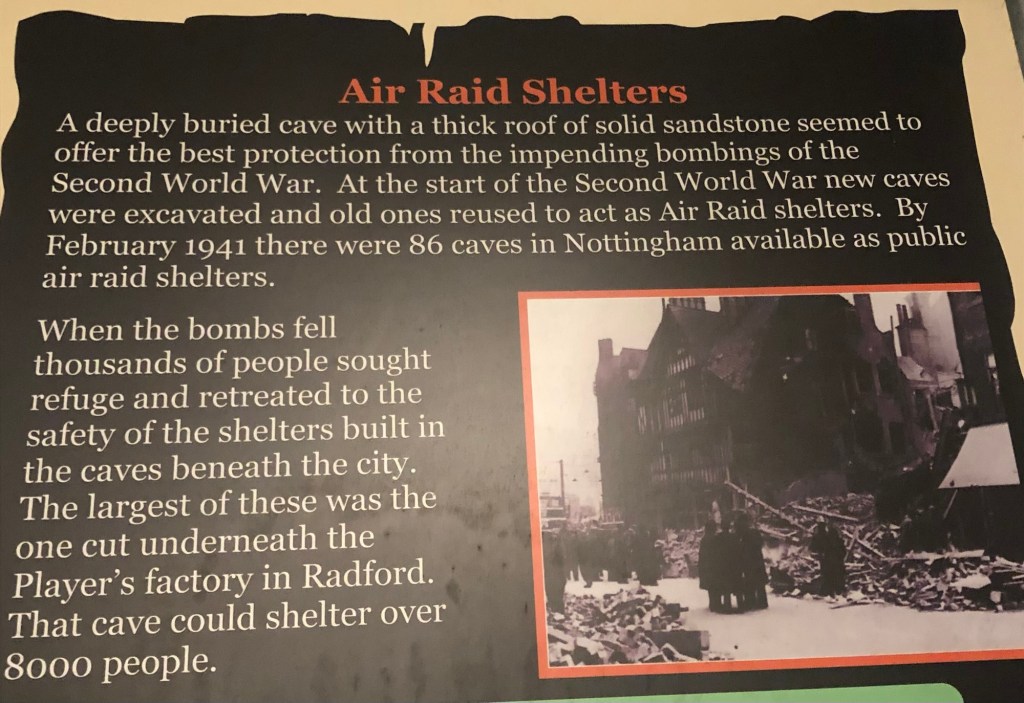
Later on the caves were used as air raid shelters during the war.
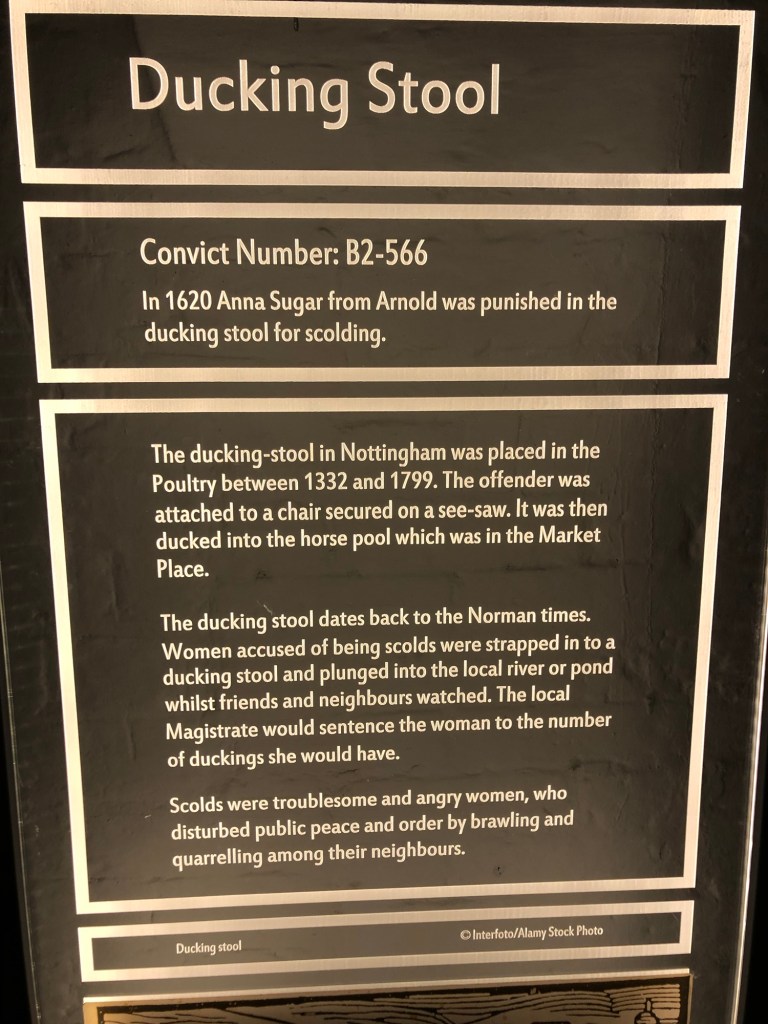
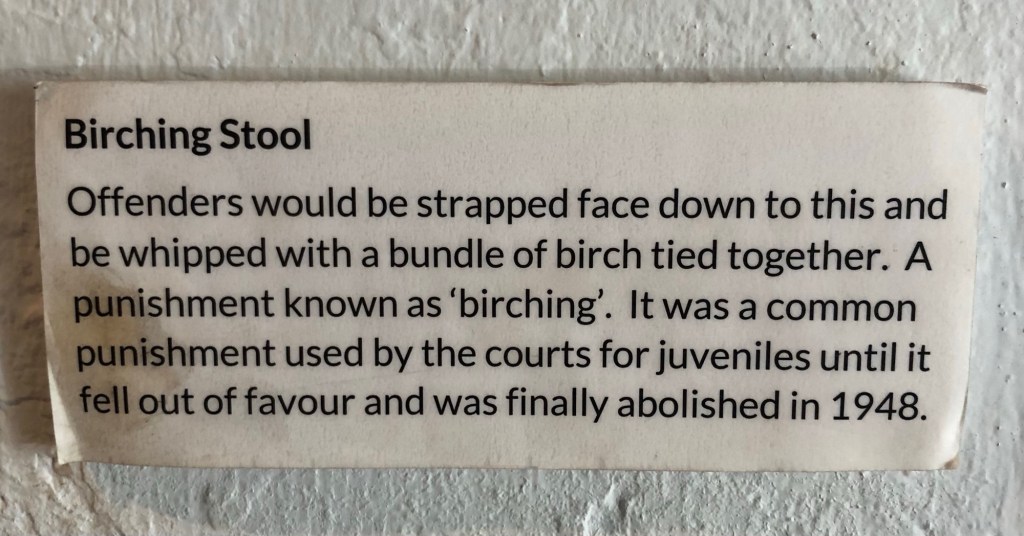
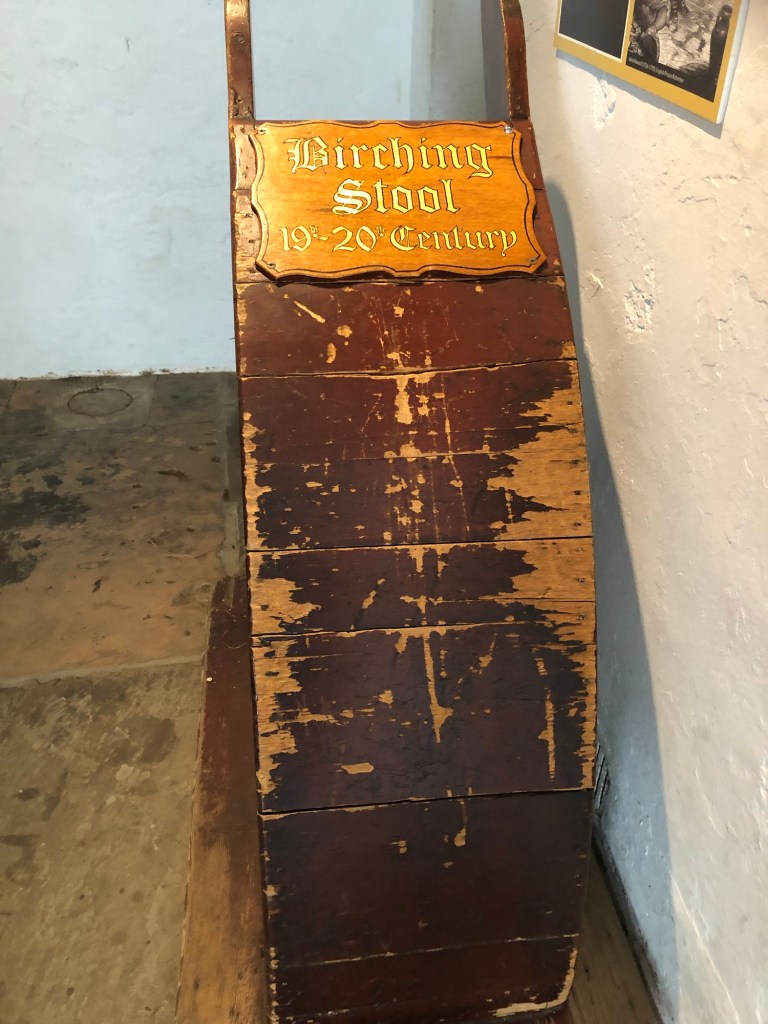
Next stop – Justice Museum (I know, sounds dry but had great reviews and lived up to these!).
Off with his head!
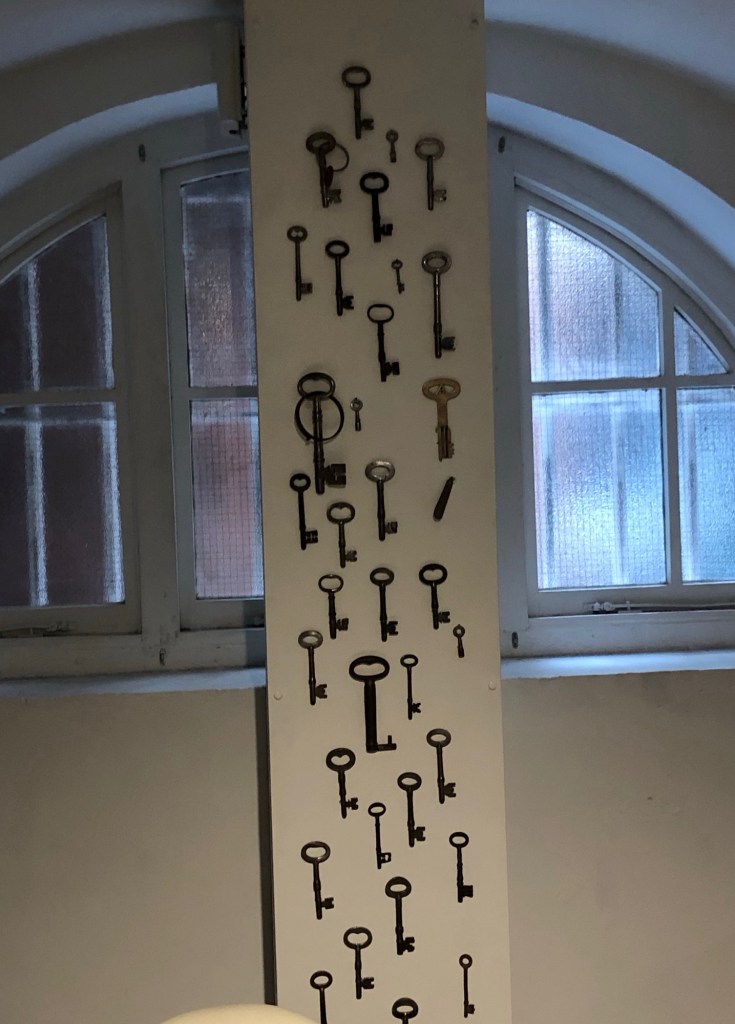
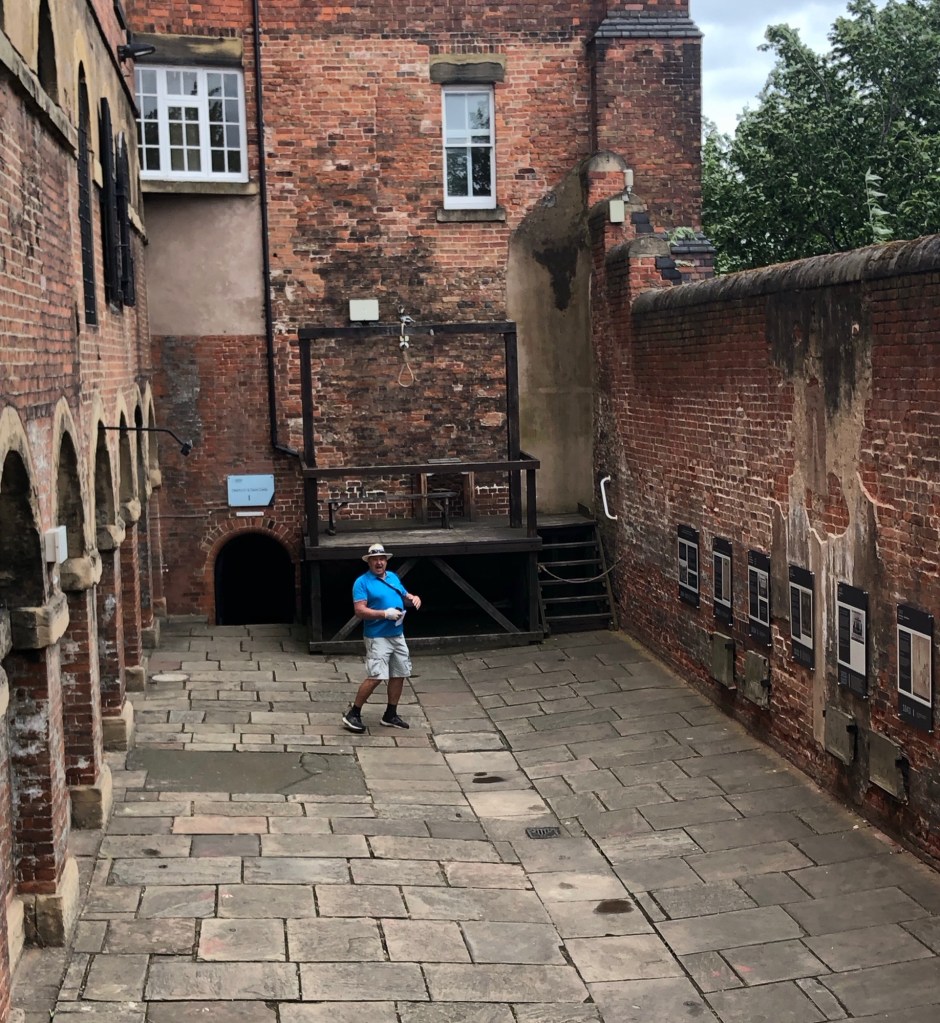
Below photos are from the old prison below the museum
Now which one was it?Giving evidence The Gallows courtyard
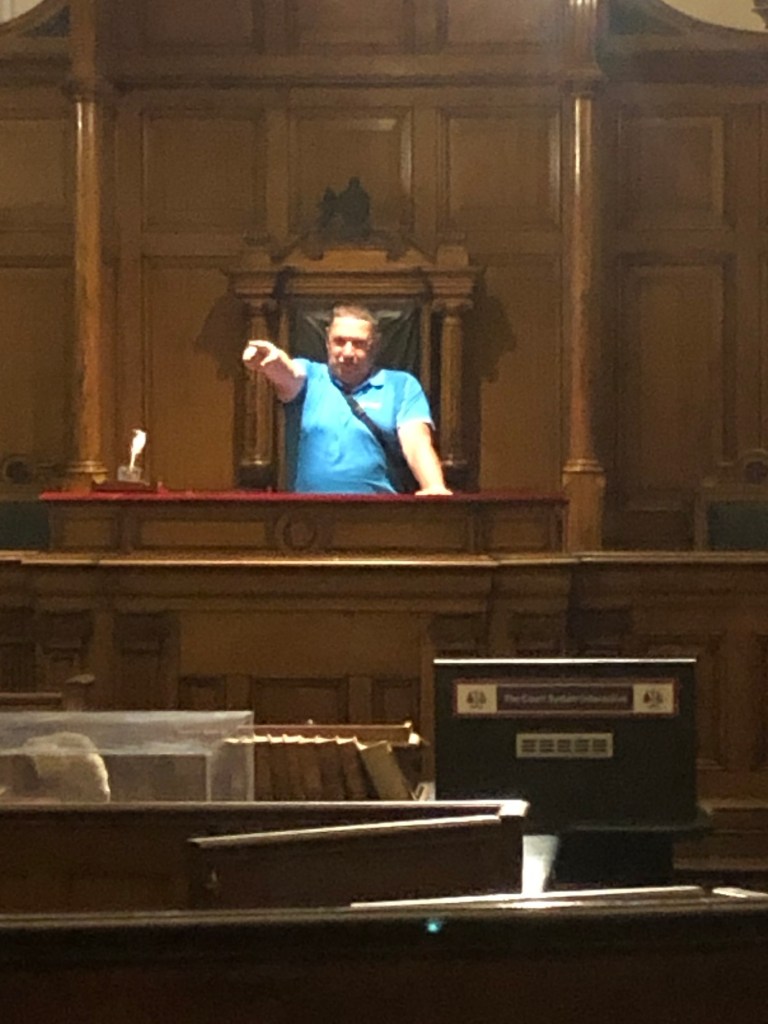
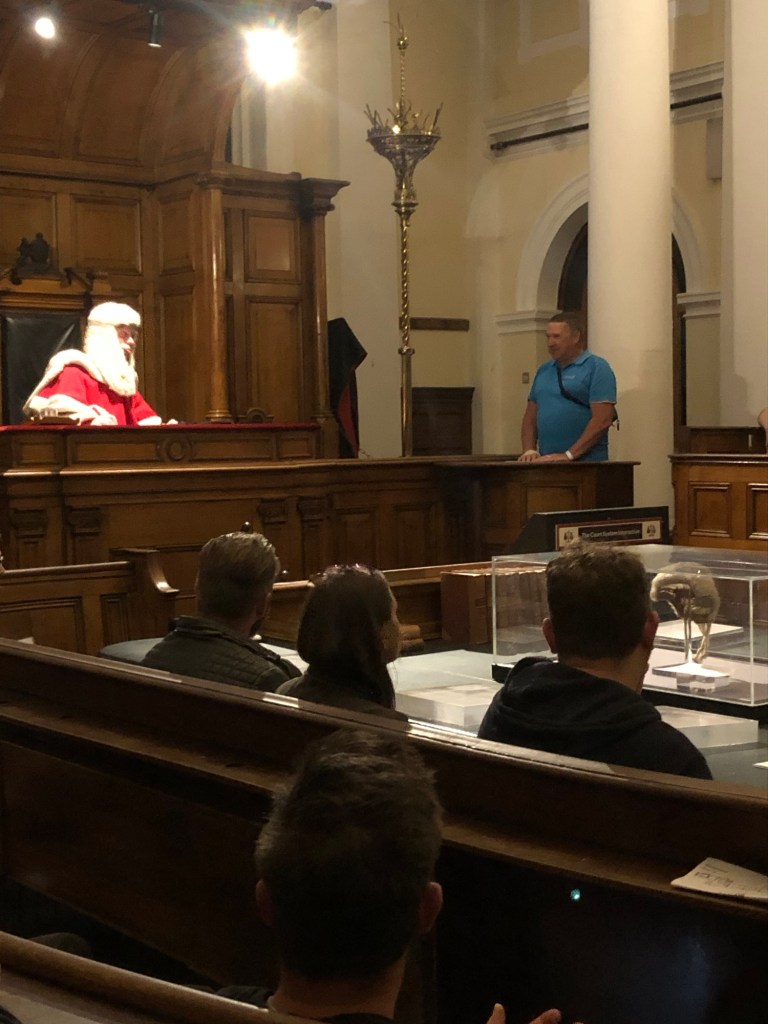
They had a few interactive sessions. We sat in on a mock trial (based on a real case from history and Kim was chosen to be the jailer)
And that, your Honour, was the end of our adventures in Nottingham!
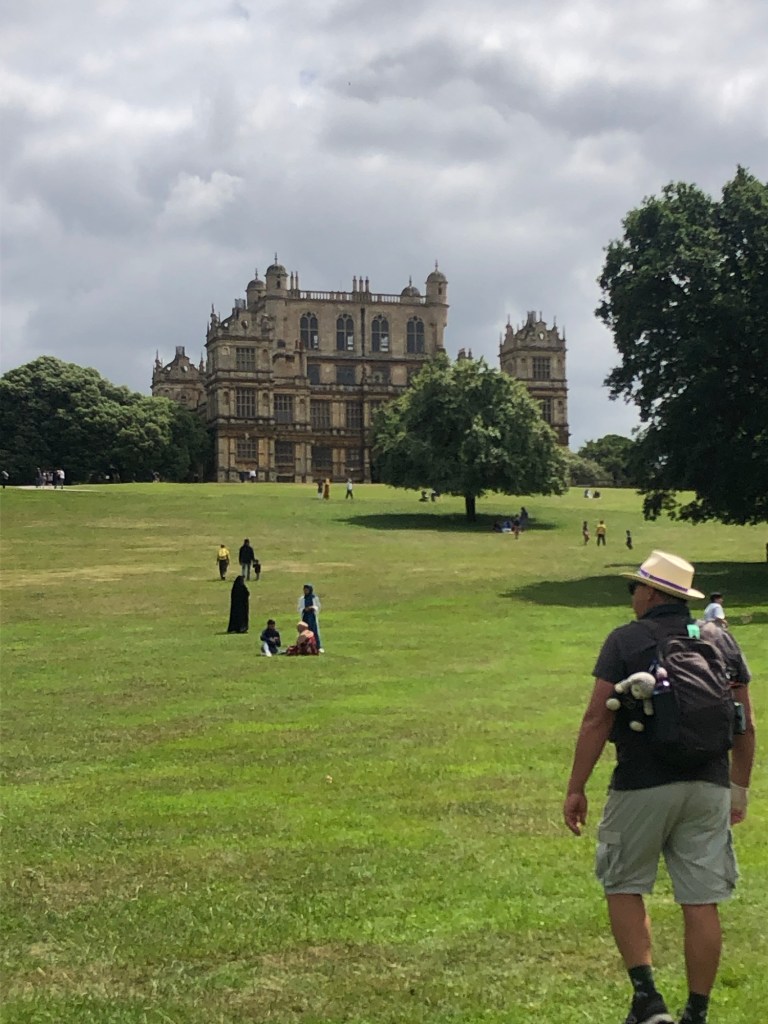
While In Nottingham we visited the stately Woolaton House. Apparently the wealthy Mr Willoughby (the original house owner) had the house built to show off his wealth, and to impress Queen Victoria. Unfortunately she did not like the house!
Woolaton HouseView from Ballroom in Woolaton House. The boundary used to be far far to the trees in the distance.
We did a guided tour with Ben and one other couple. This was worthwhile to hear the history of the house, and visit some parts inaccessible to the general public.
Ben even told us a spooky story, about a night when he and a colleague were locking up. They heard a loud sigh from one of the rooms they were in. After they ruled out all possibilities (was that you? Maybe our feet made that sound on the floor etc) they beat a hasty retreat!
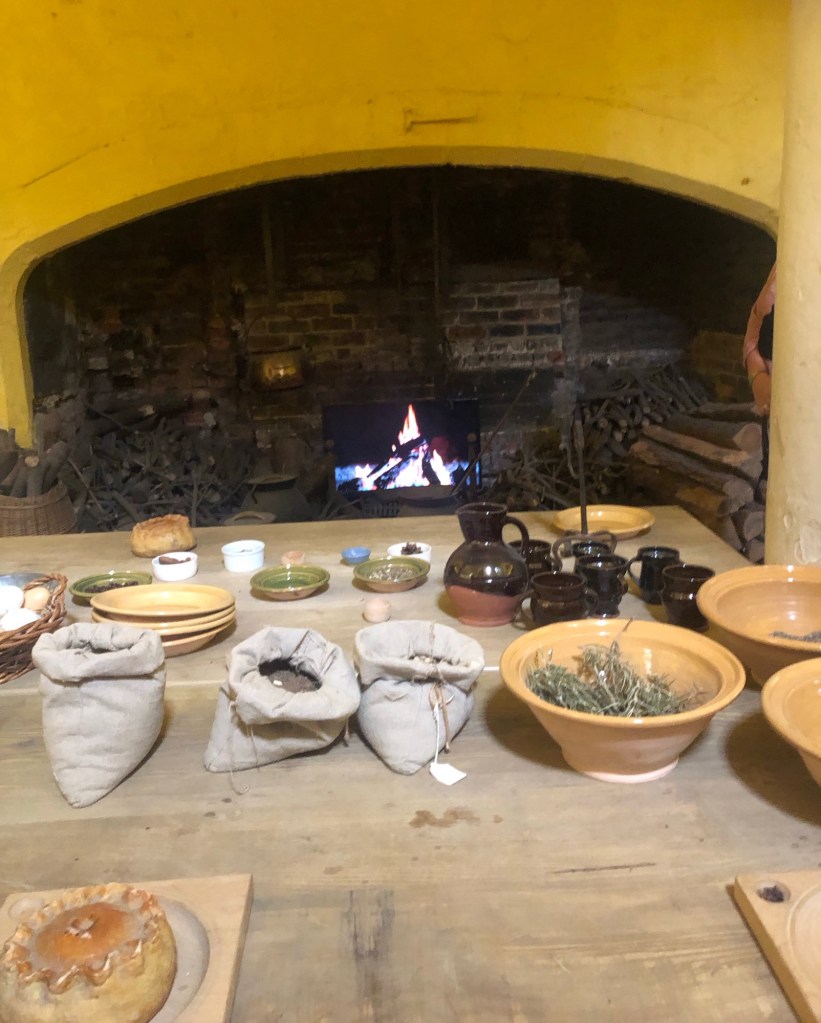
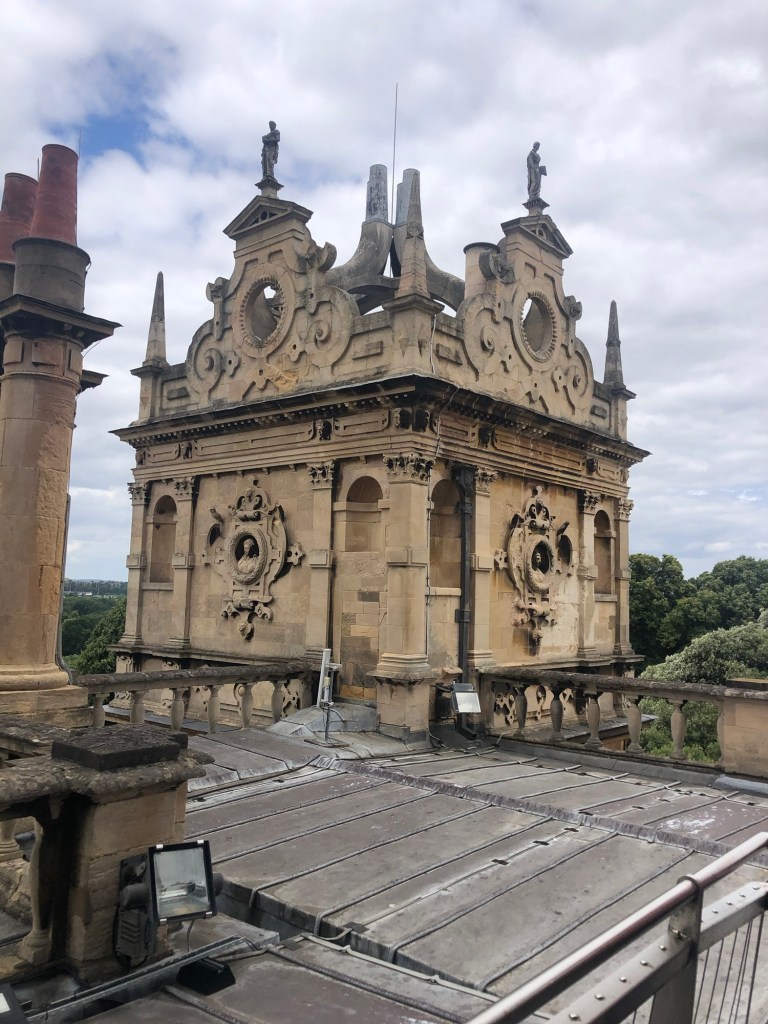
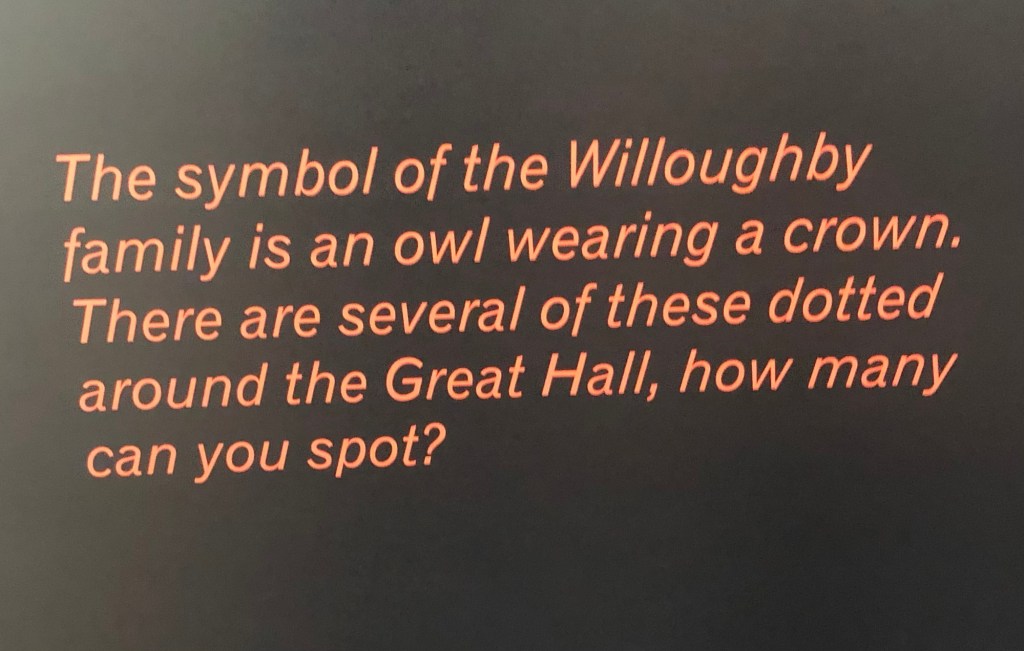
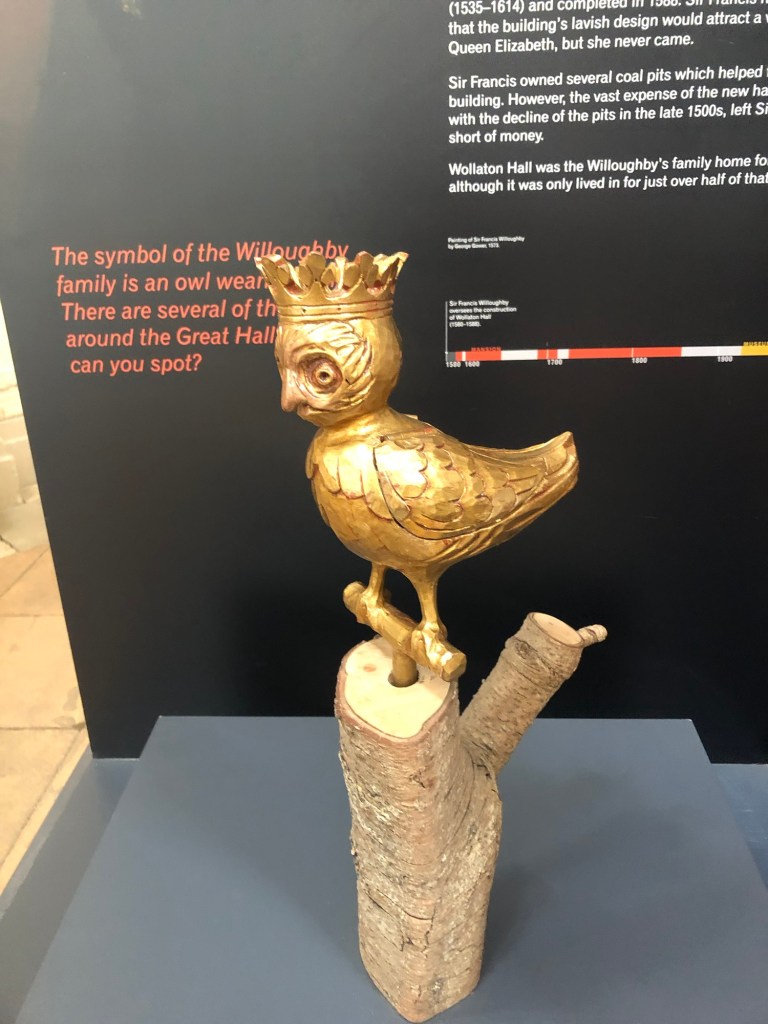
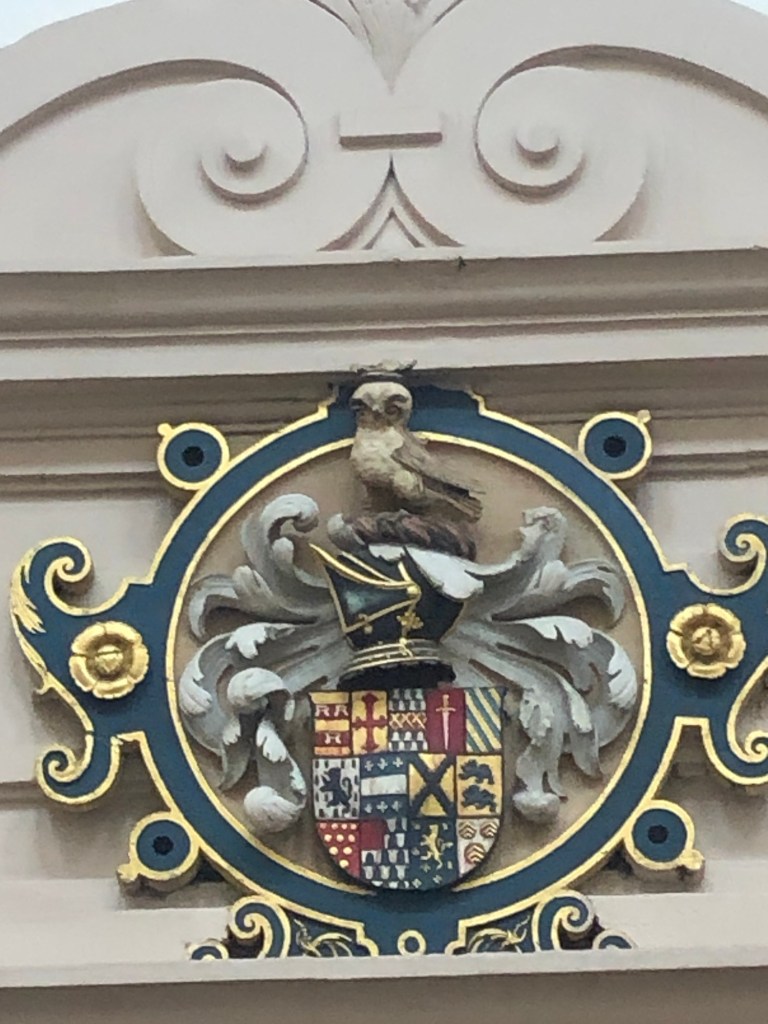
Kim & Ben in the BallroomOriginal kitchenOne of the towers, taken from the ballroom. The Owl is found in the crest of the Willoughby familyWilloughby Family CrestHeading down to the kitchen storage area
Another room was dedicated to a display of miniatures. This was absolutely incredible (unfortunately not allowed to take photos).
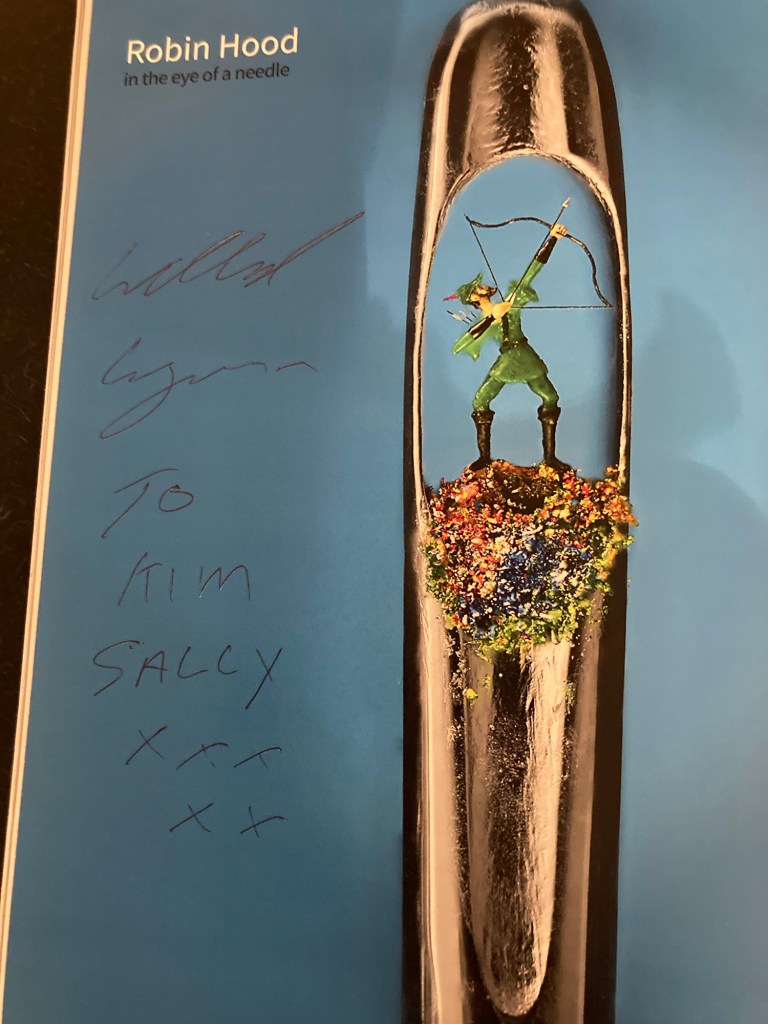
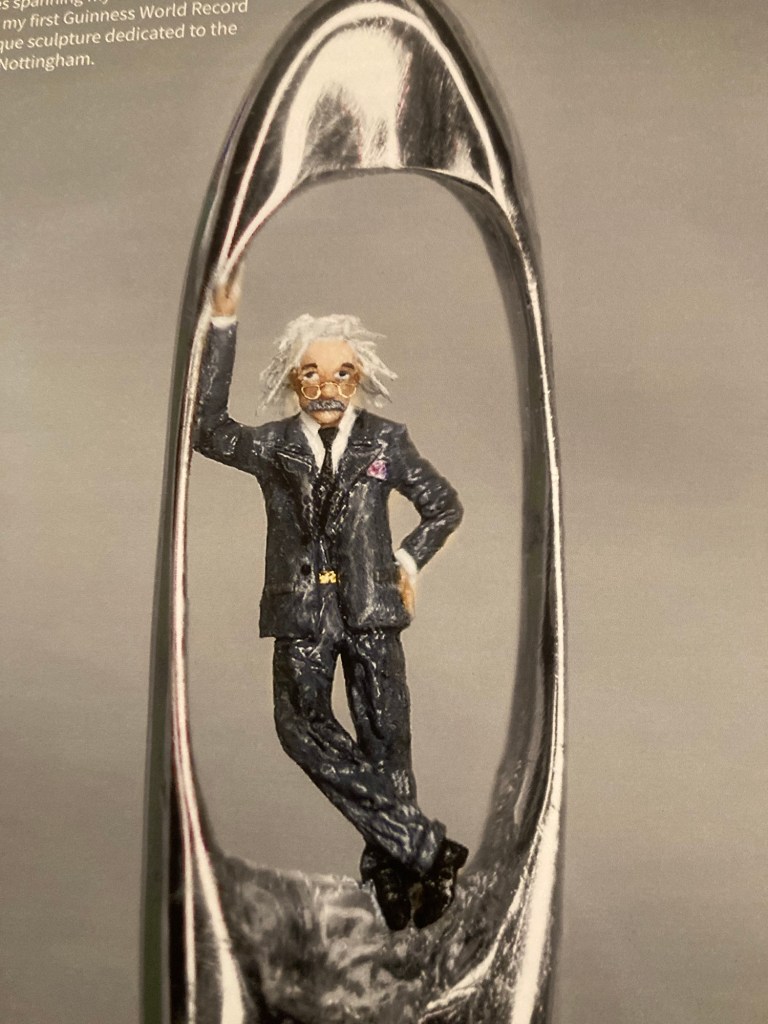
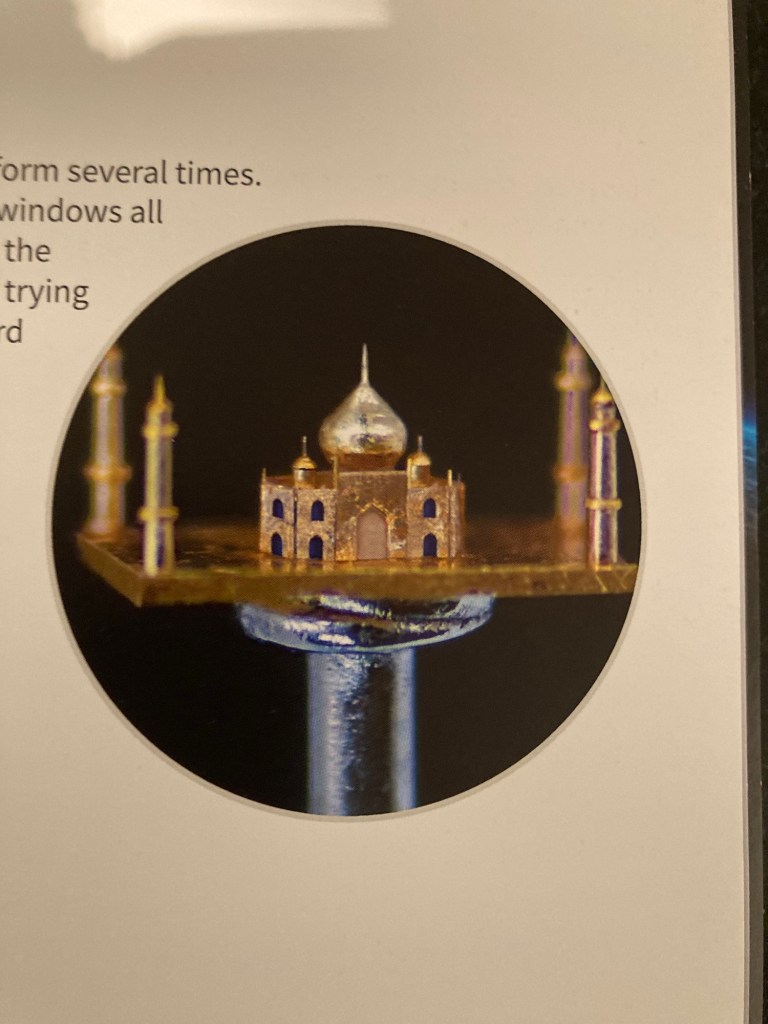
A sculptor called Willard Wigan creates minuscule sculptures. Most of these are in the eye of a needle, and he works through a microscope!! We were lucky enough to meet him there and he signed a book for me. He also has an interesting background. Google him if you’re curious. His work is unique.
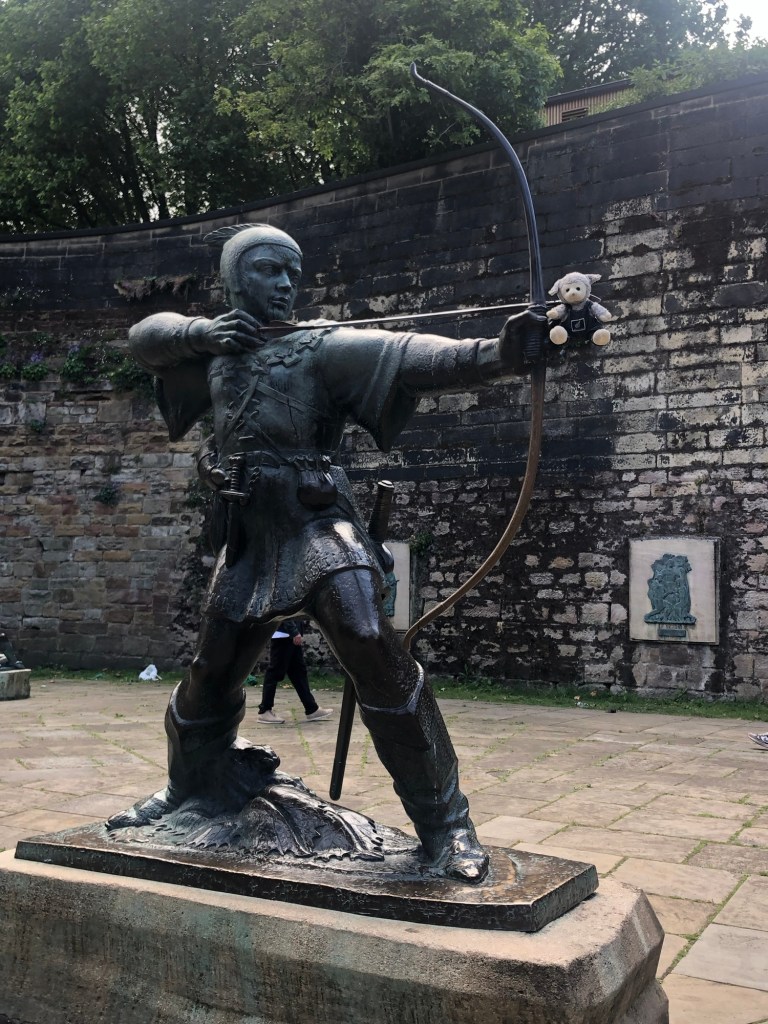
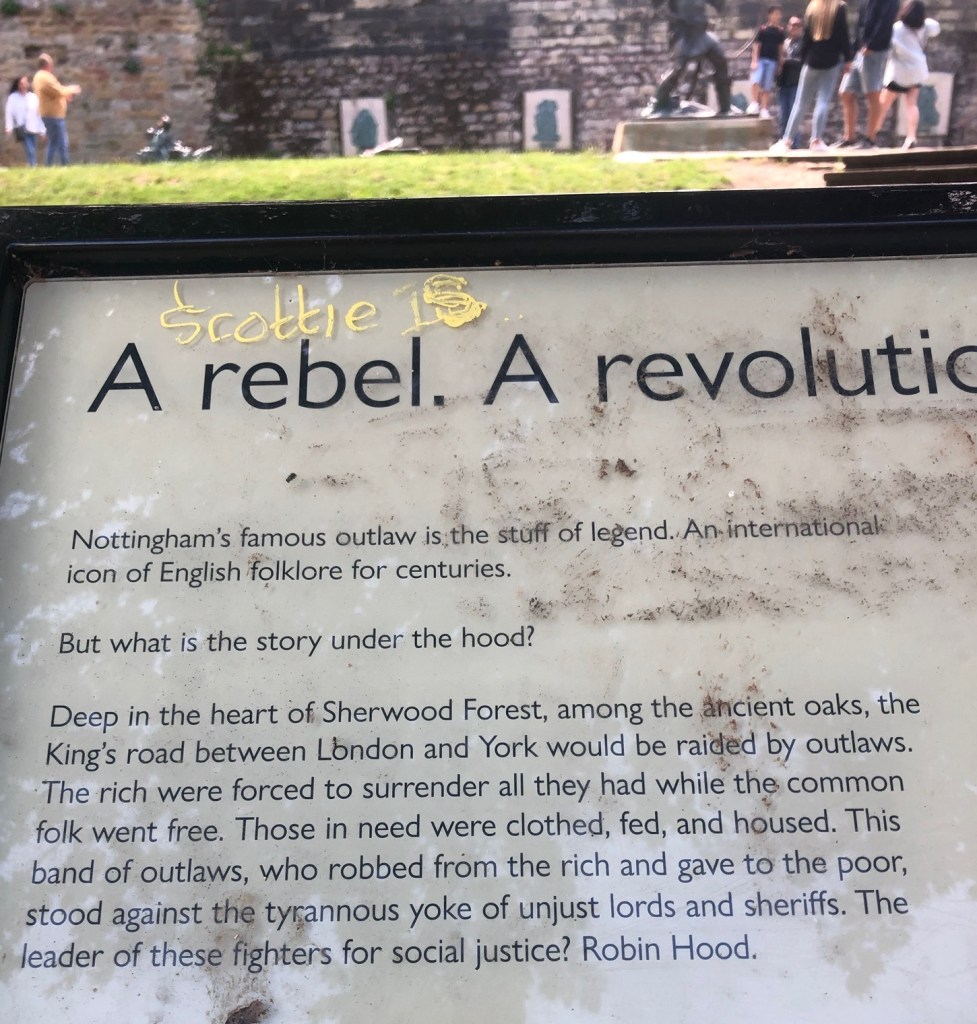
Robin Hood
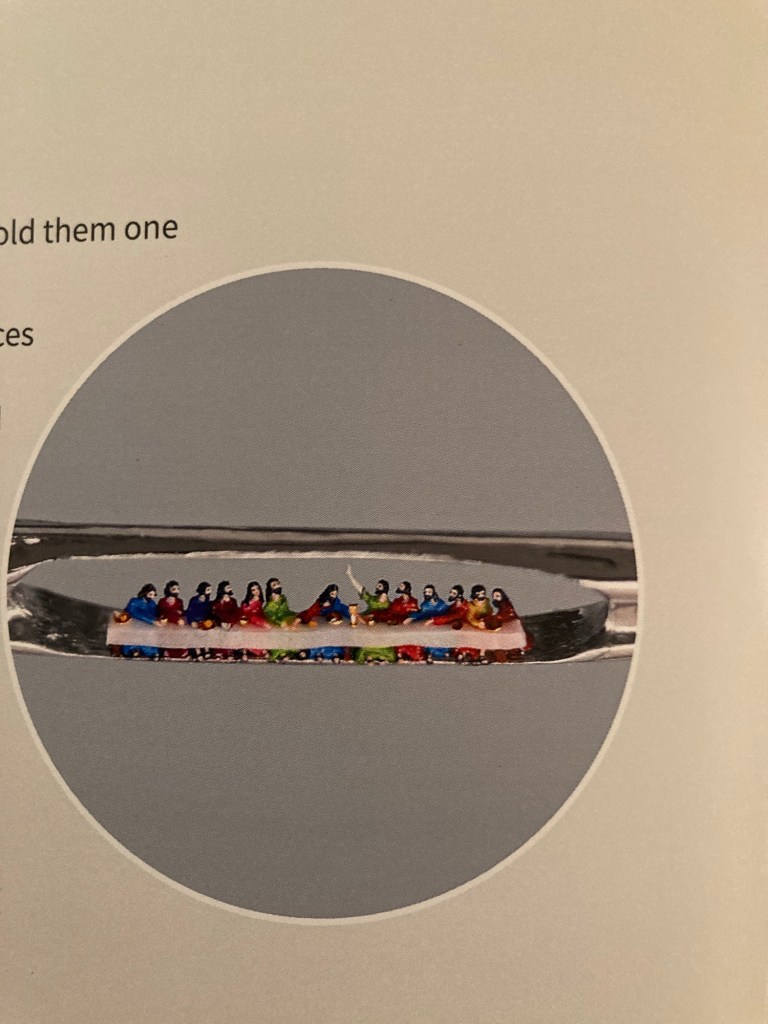
Below are some photos I took from my book. Note the materials he uses and the length of time he takes to complete each piece!
The Last SupperEinstein Taj Mahal on the head of a pin
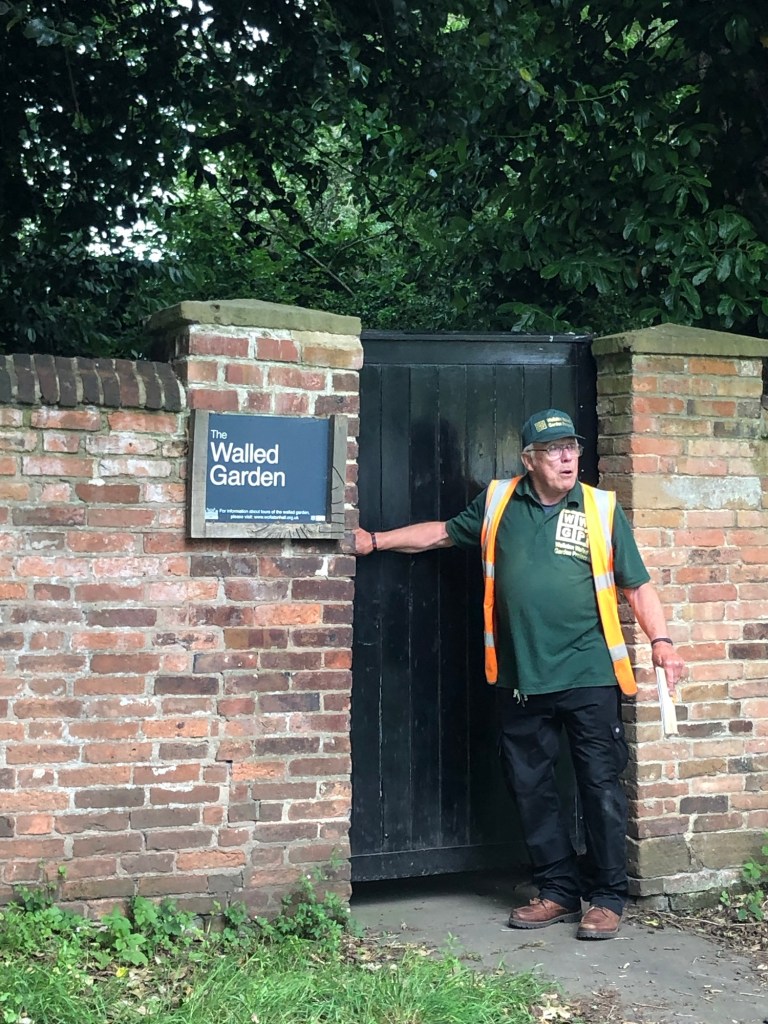
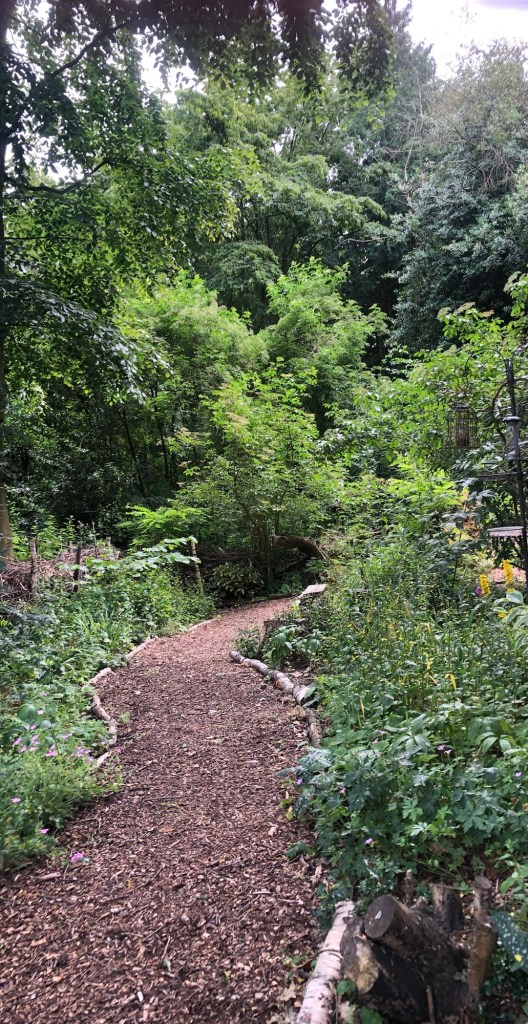
We also visited the secret walled garden not far from the house. This is currently a work in progress as a team of volunteers is trying to restore it. It took them three years to remove all the Ivy from the brick wall surrounding the neglected garden! One of the things we found fascinating, was that back in the day the brick walls were heated to keep everything at a constant temperature for the plants!
Our knowledgeable and humorous guideSecret Walled GardenOriginal garden implement shedThe Head Gardeners HouseSchool groups are able to camp in the gardenAnd that was Woolaton House
Today we bid farewell to our lovely house sit. Robin (the house owner) very kindly drove us to the station, even though they only returned home in the early hours of the morning. This time we were bound for Nottingham, an hour and a half train journey.
We were surprised to find that Nottingham is known as ‘The City Of Caves’ and has a large network of underground caves running underneath it (more on that soon).
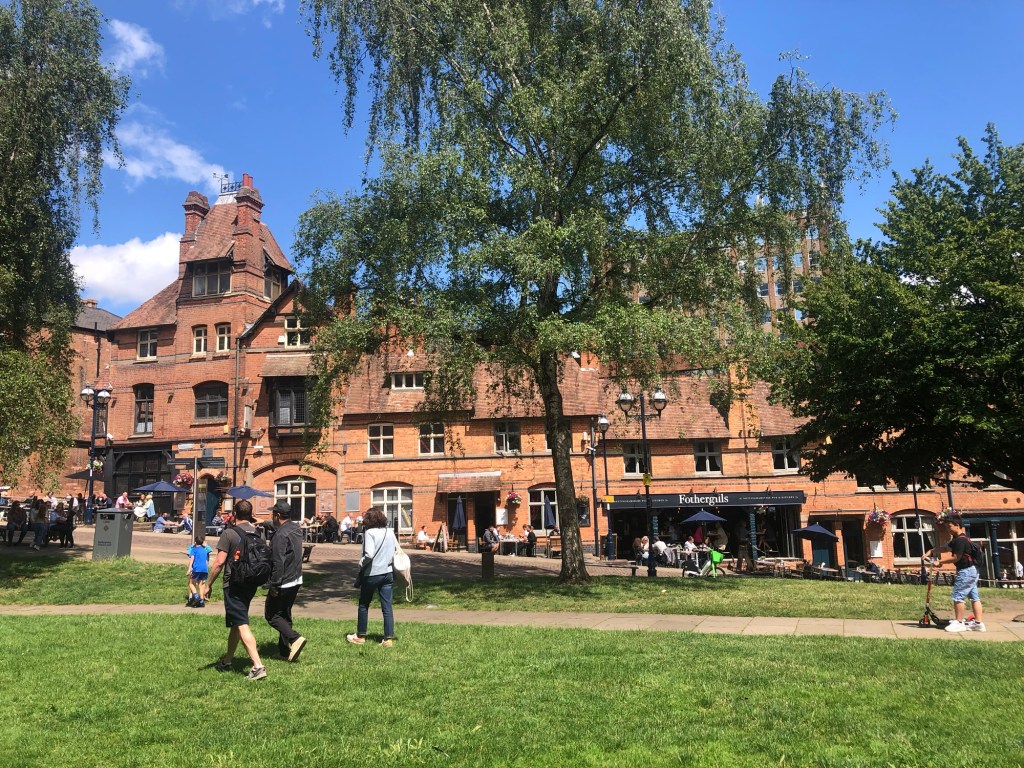
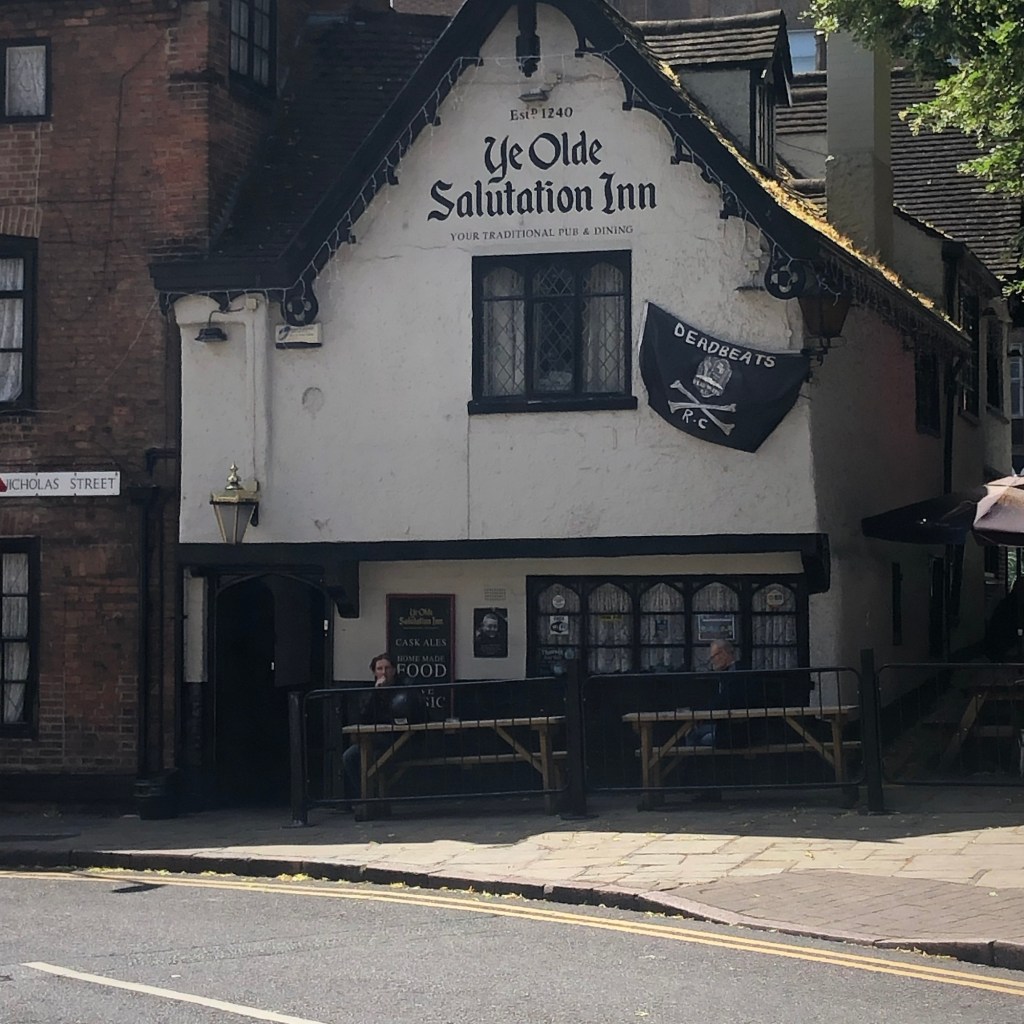
After walking around to get a feel for the place we stopped at the Salutations Inn for lunch (one of the oldest pubs in Nottingham – 1240!).
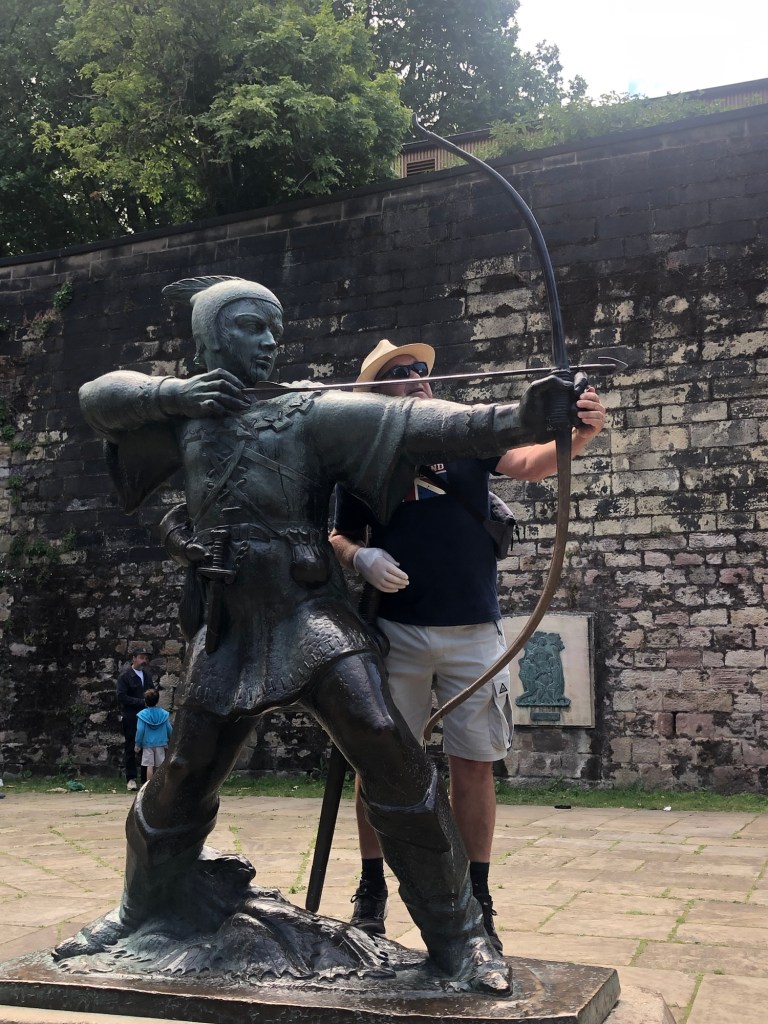
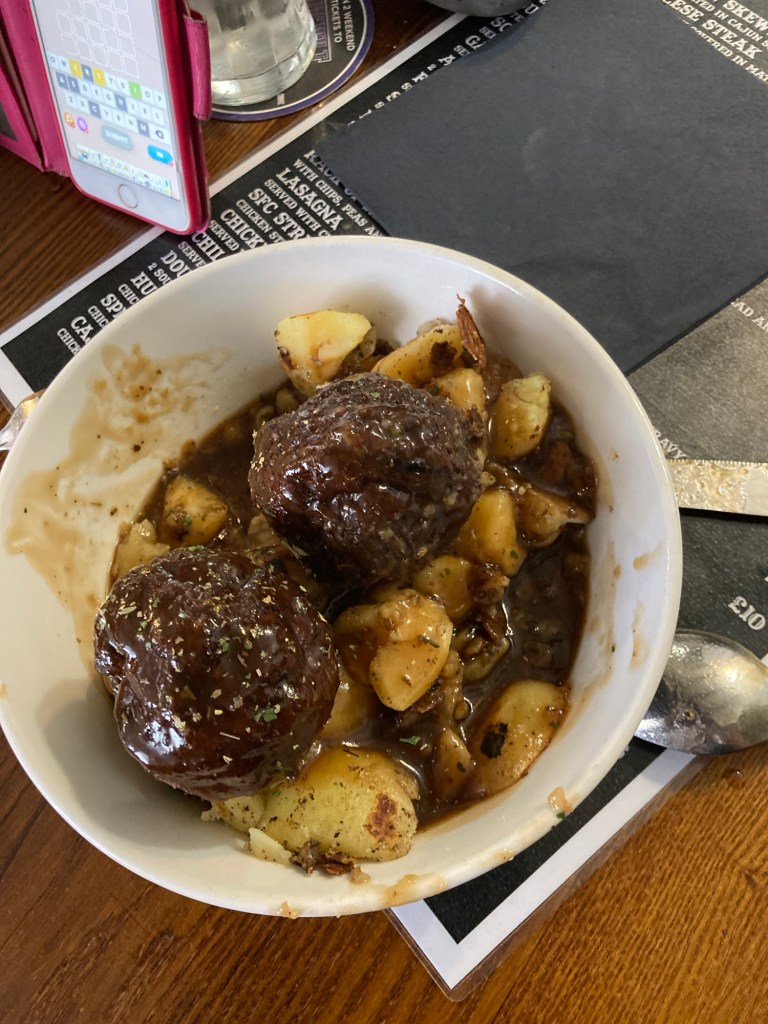
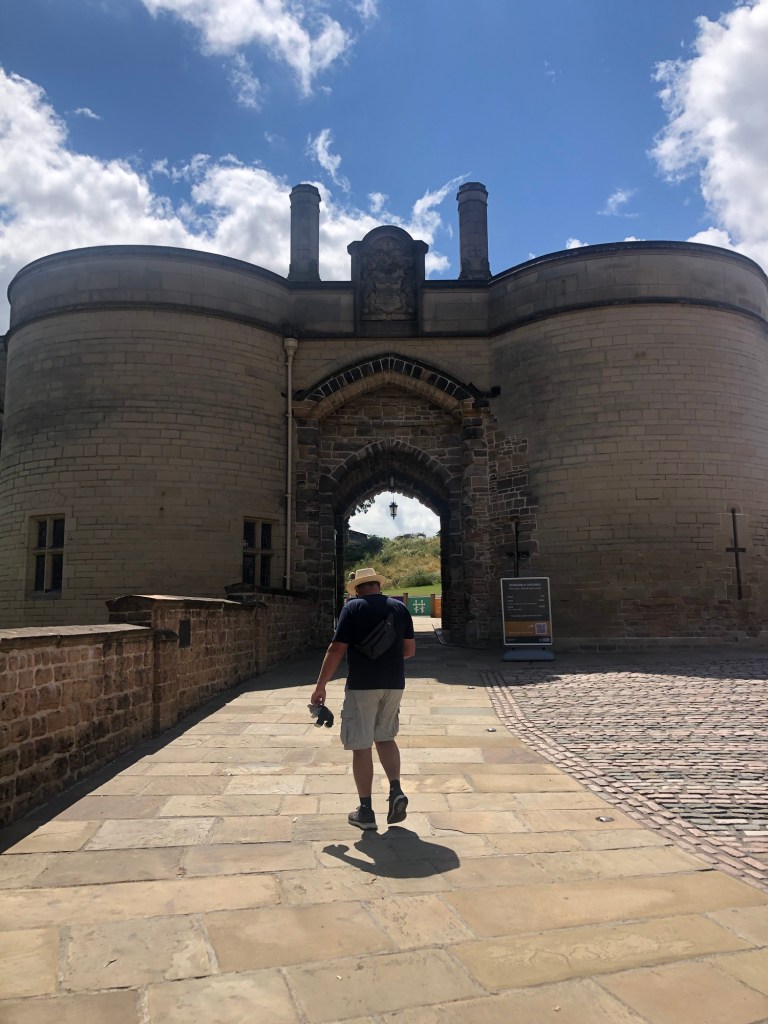
Nottingham AirBnBOutside Nottingham CastleGiving a few pointers to Robin HoodShaun getting the point!Built in 1240Kim’s lunch (Dogs Bollocks on the menu)
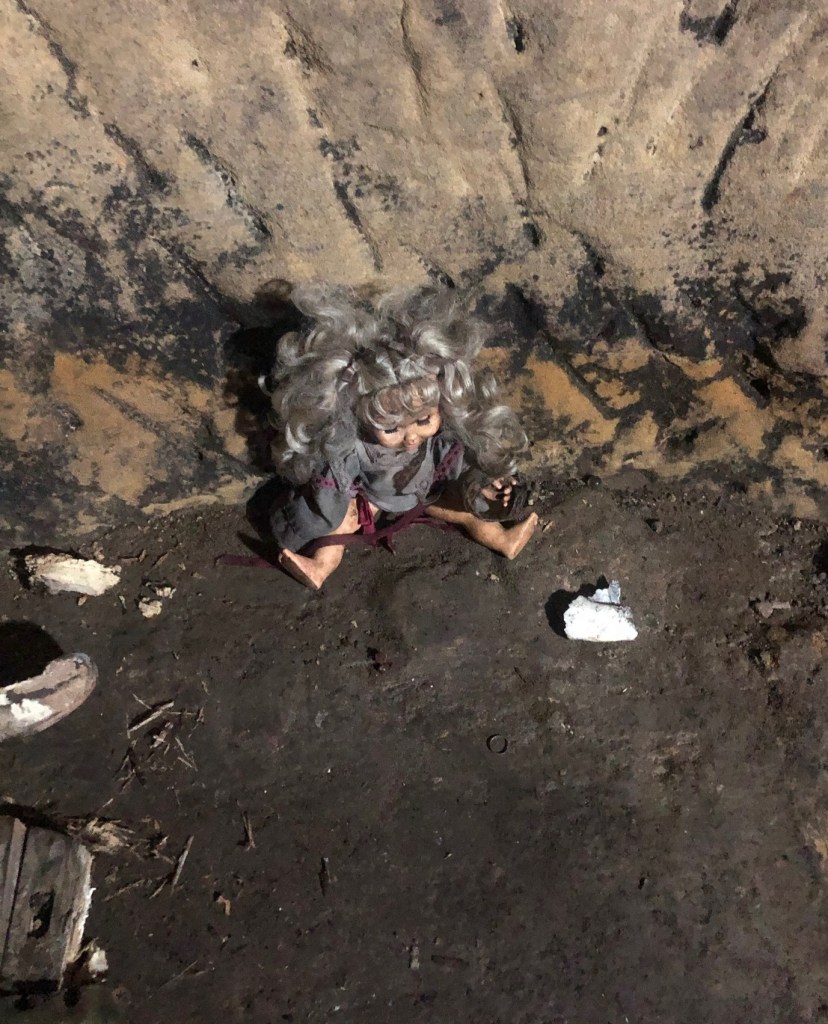
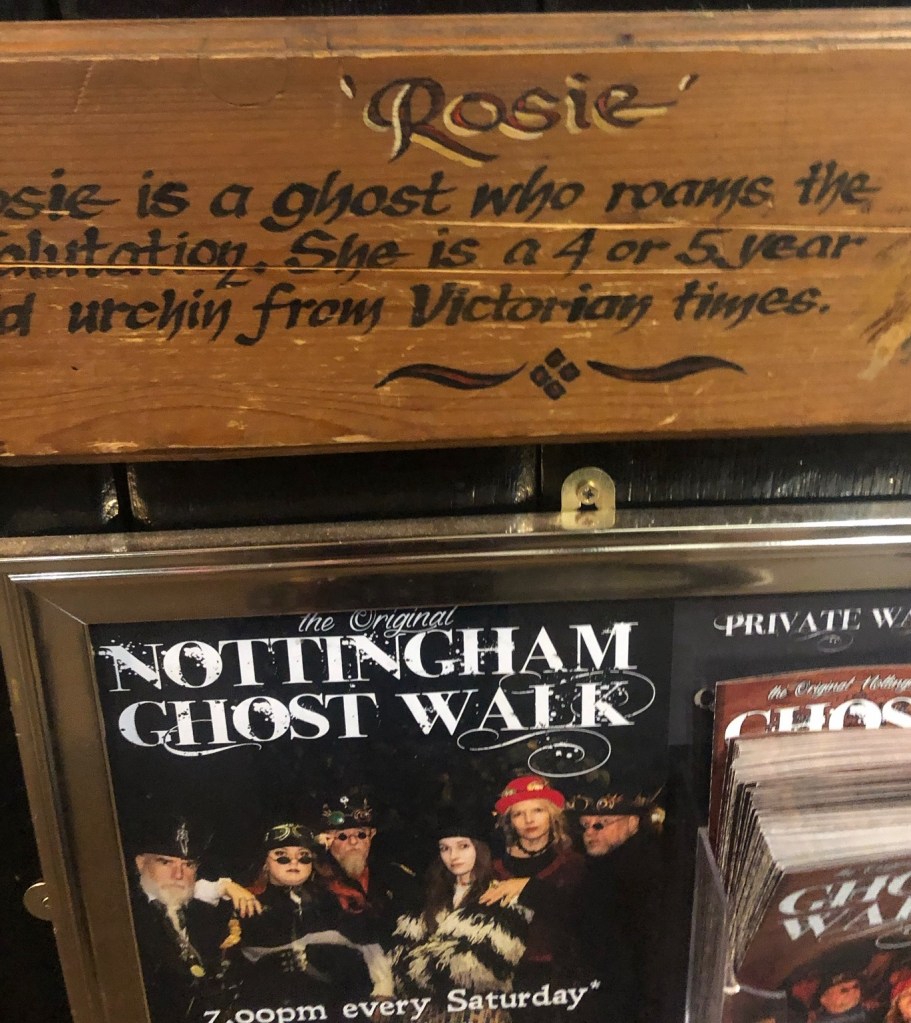
The food was average, served by heavily tattooed staff dressed in black, and we ate to the strains of loud heavy metal music. However, Kim noticed a sign on the wall ‘Ask the staff about the caves’, which led us on an unexpected adventure! We followed the staff member who volunteered, and after exiting through a door inside the pub, immediately found ourselves in a labyrinth of man made caves!!
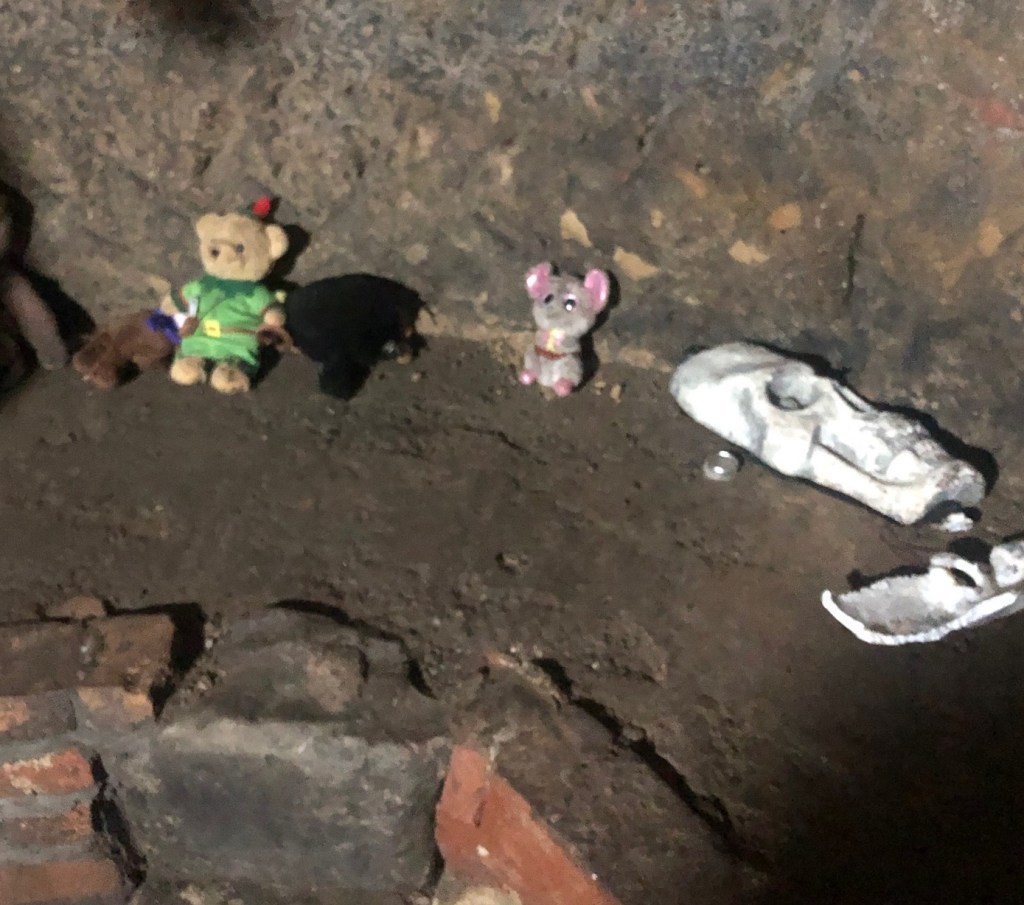
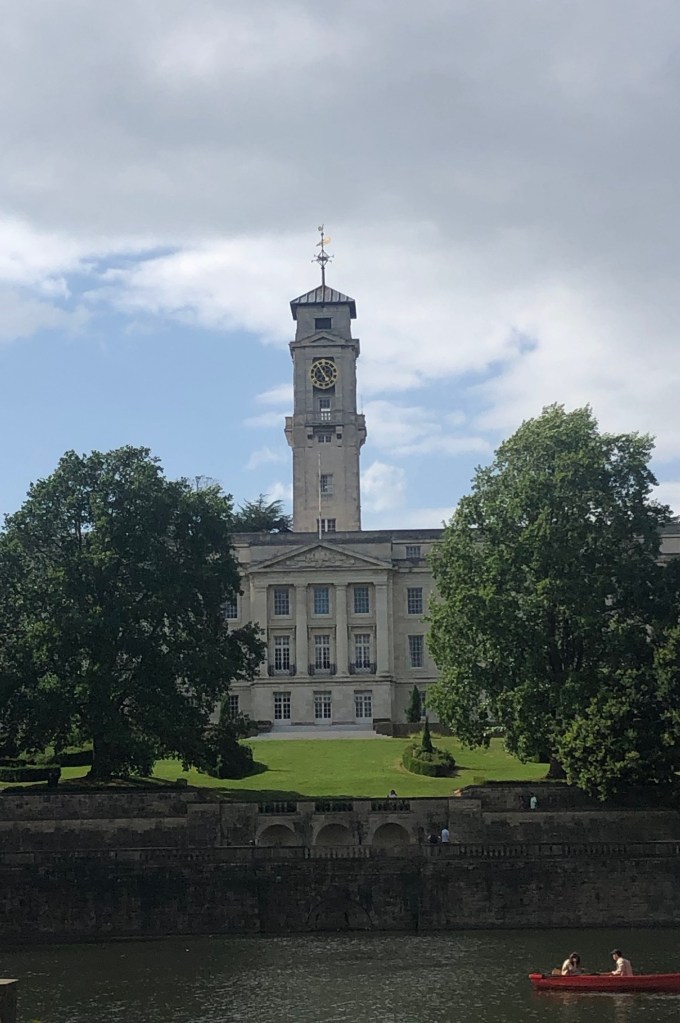
Caves under the pubUnder the pubUnder the pubRosie’s toys – mysteriously moved periodicallyRosie’s toys – mysteriously moved periodicallyYoung Rosie’s ghostHighfield University clock tower
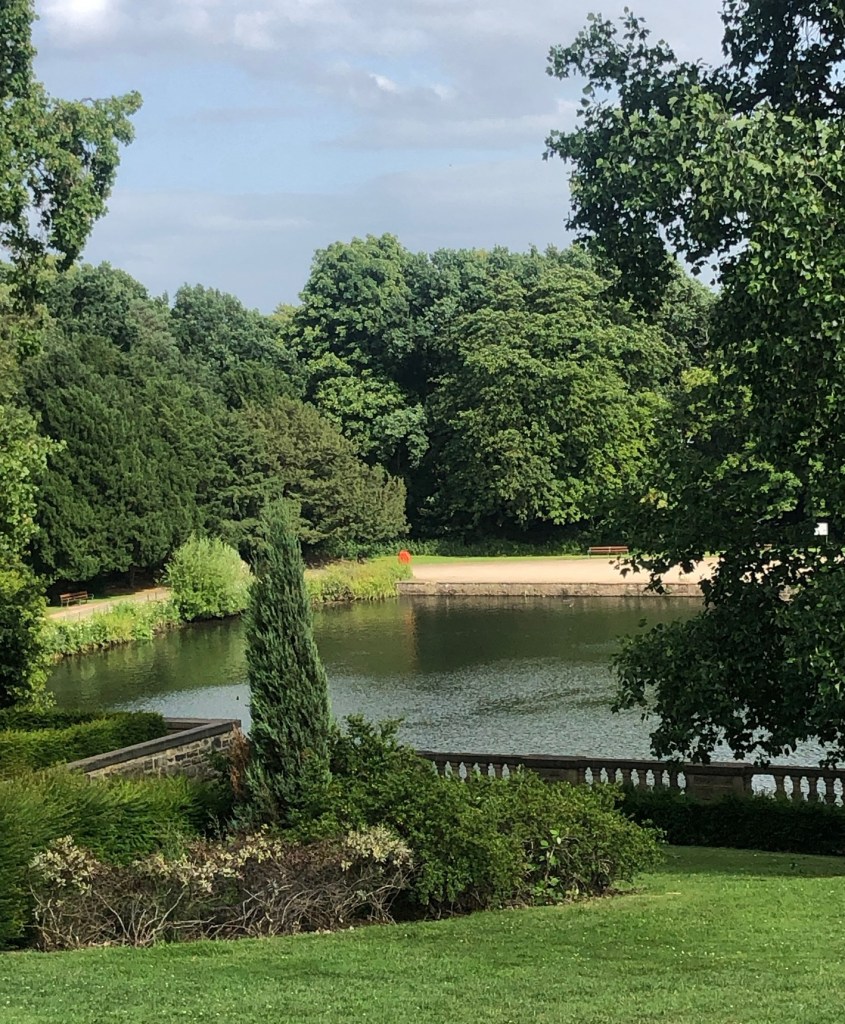
Other places we visited included Highfields Park,the Industrial Museum, Walled garden, Woolaton House and the Justice Museum. We also did the City of Cave’s experience (some of which date back to 9th Century!) We walked through the University at Highfield Park, lovely grounds.
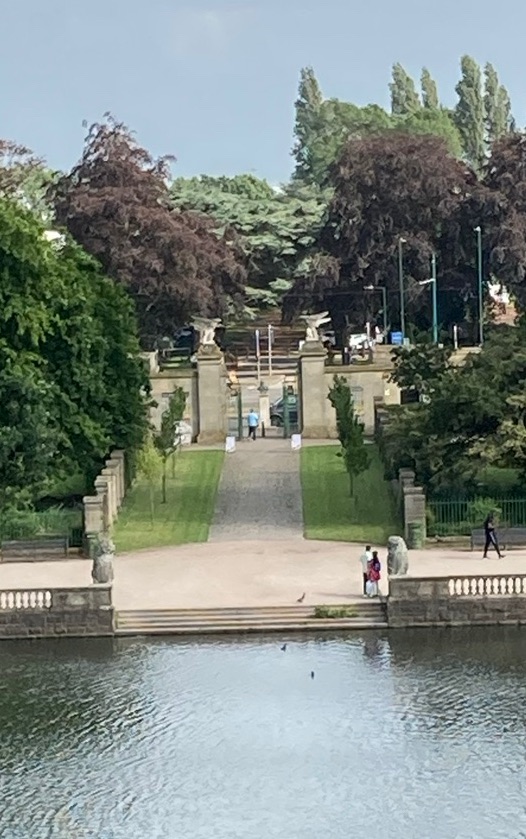
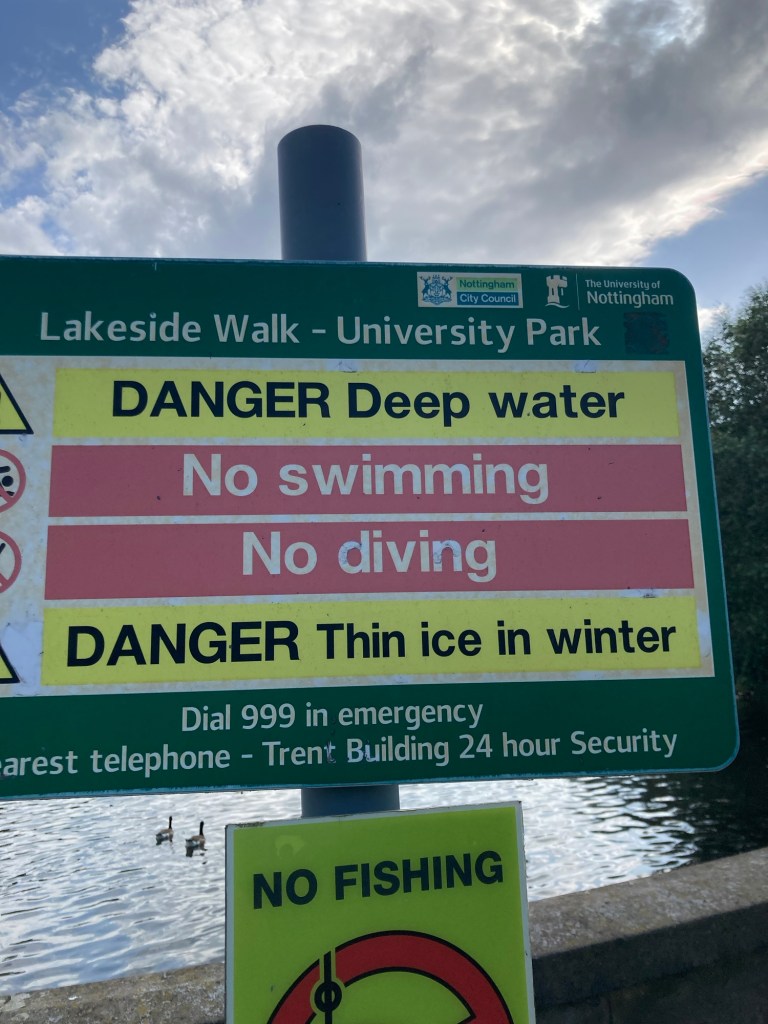
Gardens of Highfield parkHighfield Park (in the grounds of the university)Must get really cold here
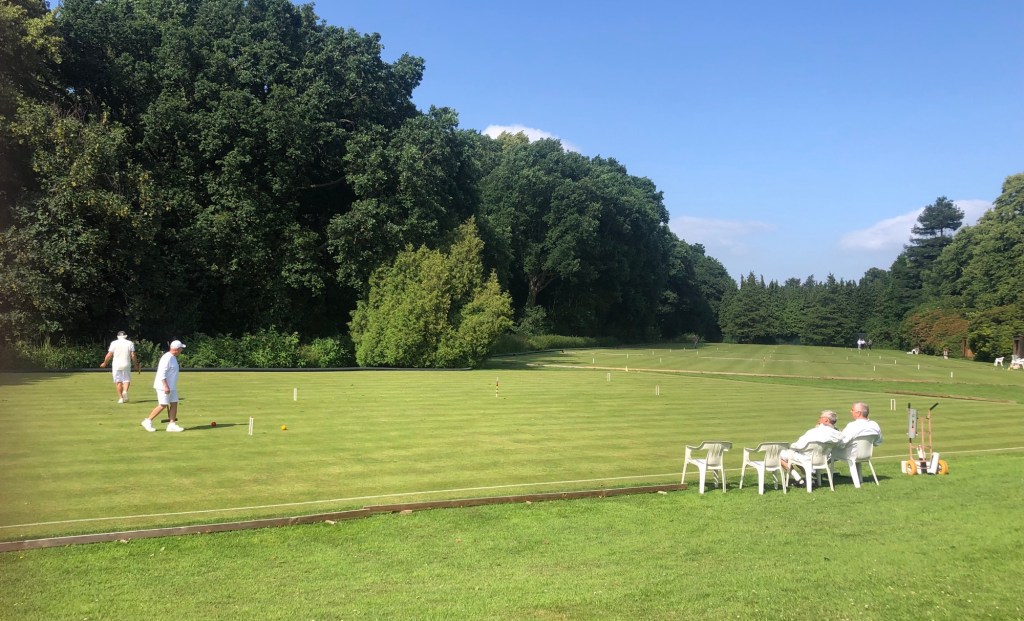
Came across this game of Croquet. One of the members kindly sat with us and explained the game
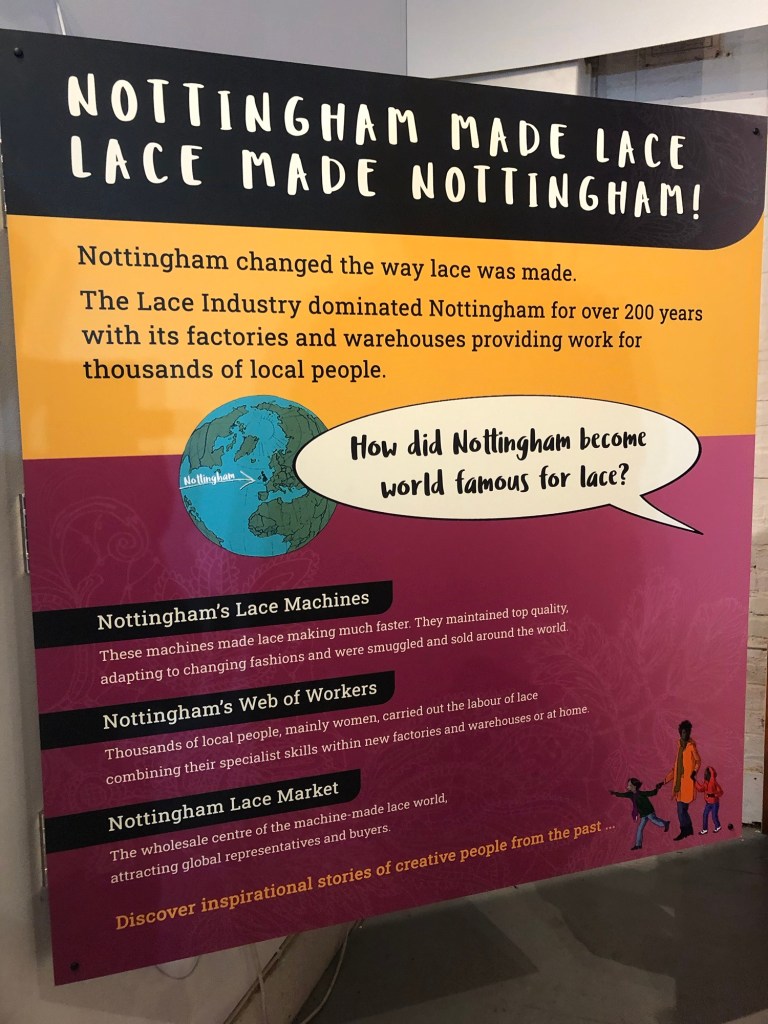
Found out some interesting facts at the industrial Museum (see below).
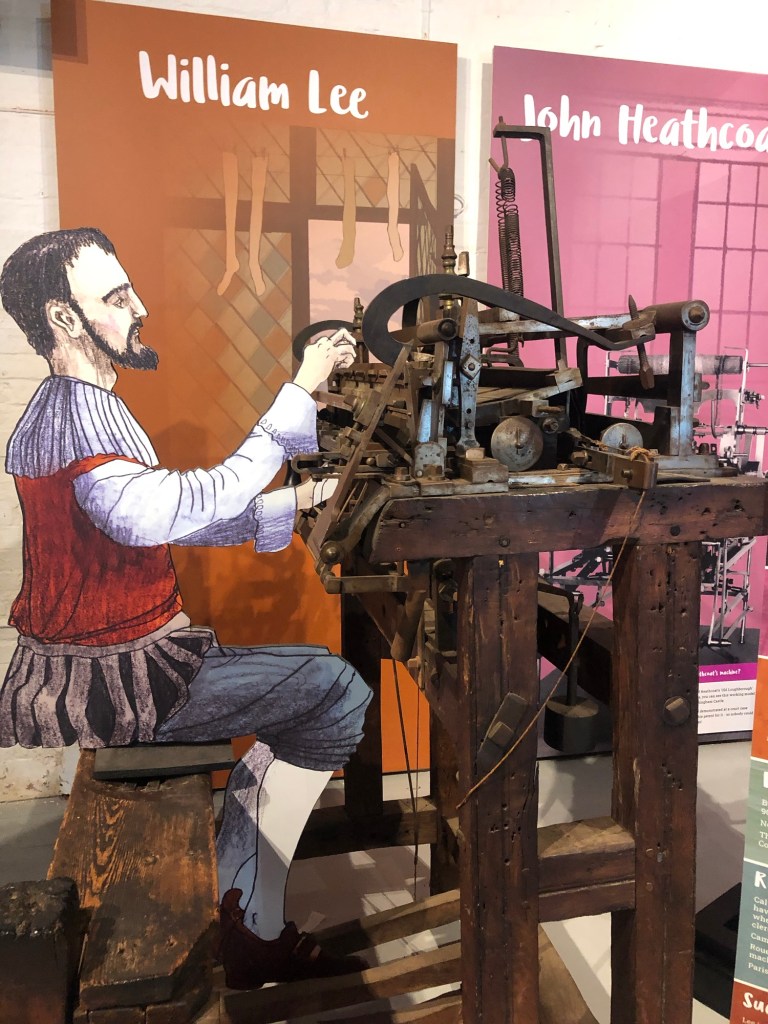
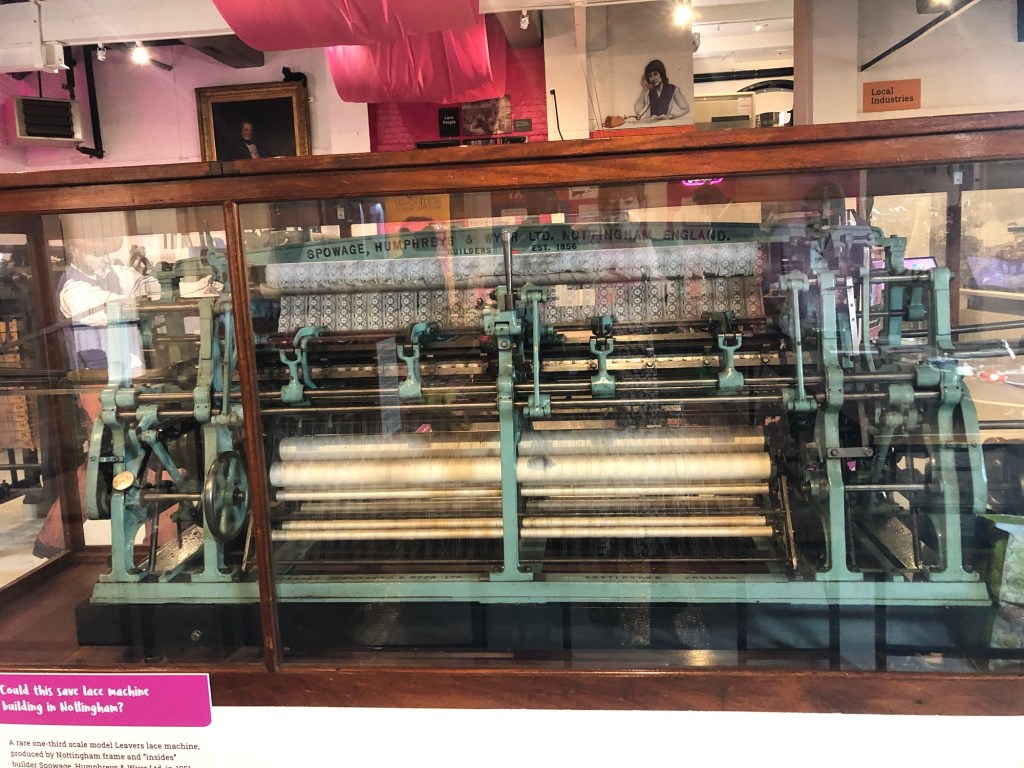
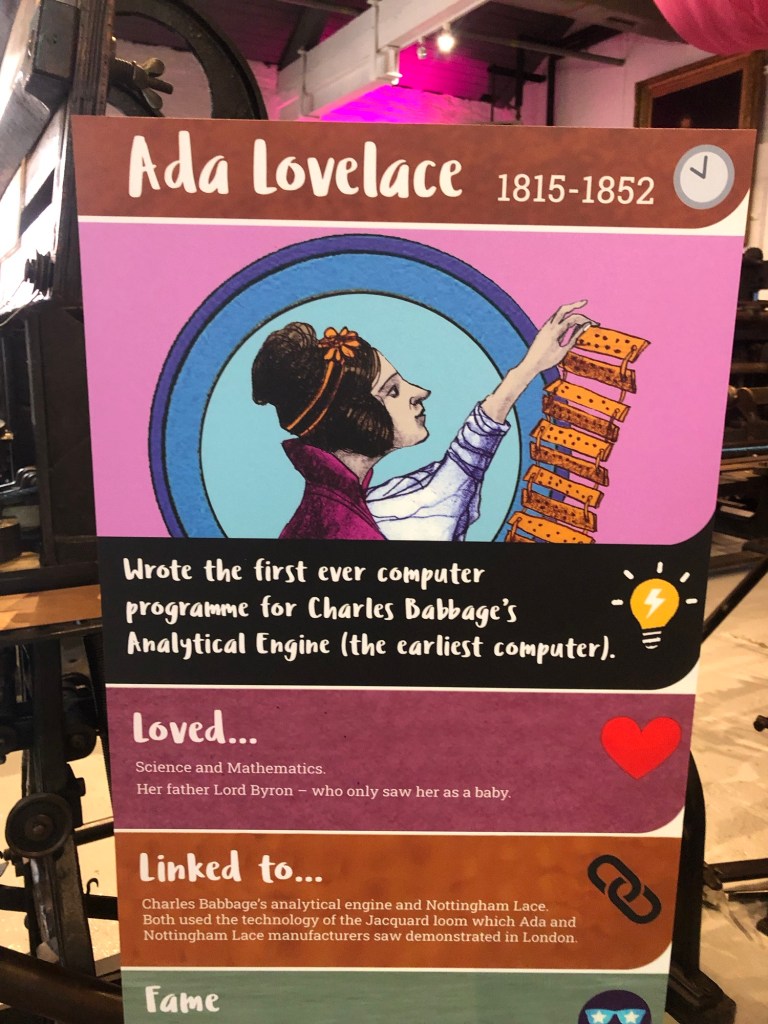
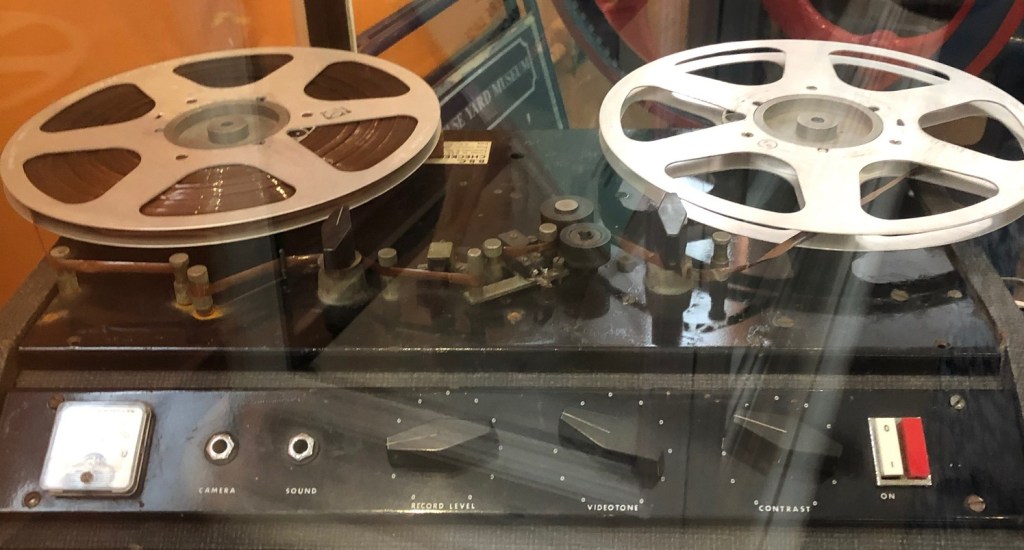
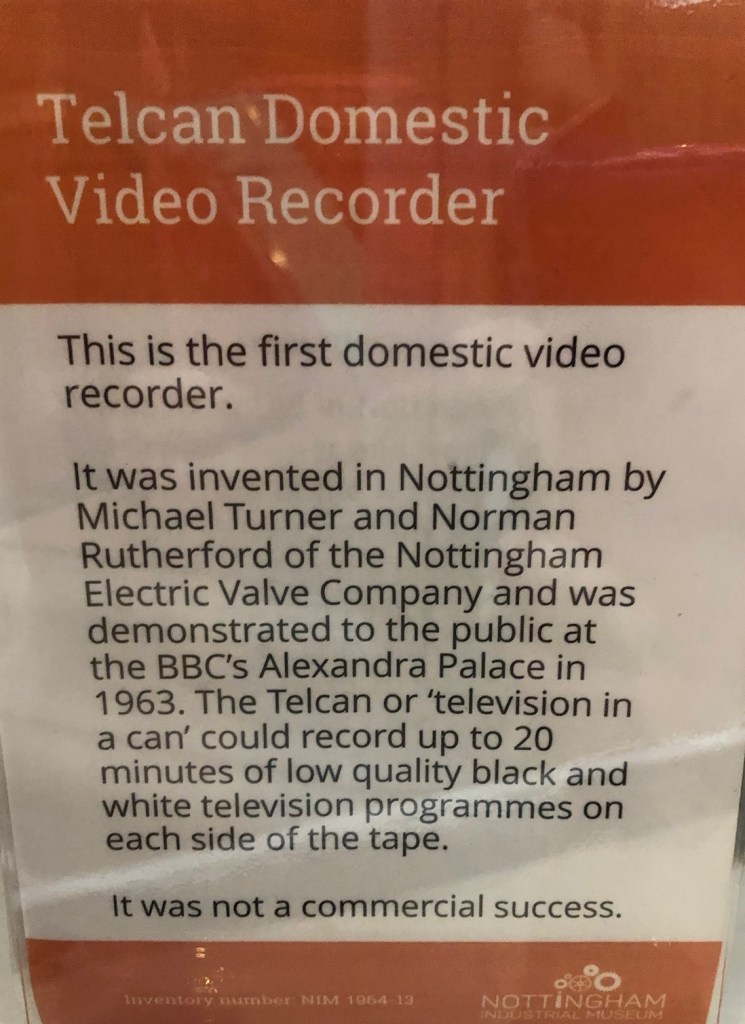
Never knew Nottingham was famous for lace makingLace making machineEarliest computer program The first video recorder 1963
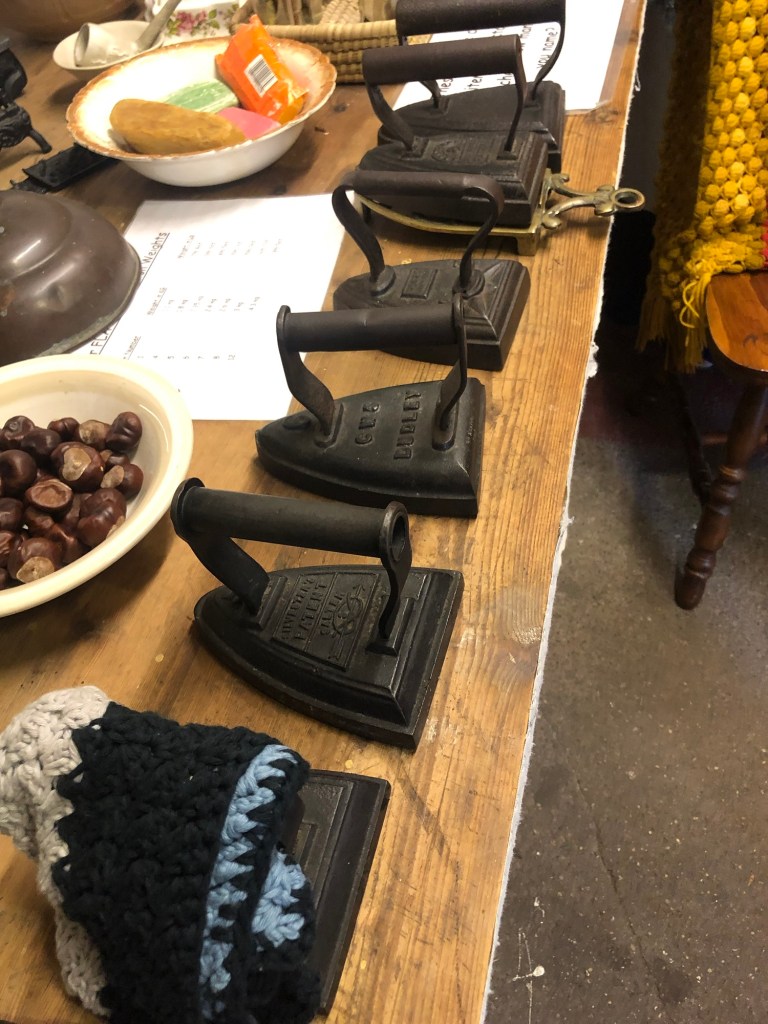
Visited Mrs Bird in the Victorian kitchen at the museum. She told us many fascinating facts about everyday life in a Victorian kitchen. Apparently they needed these different size irons depending on what they were ironing. They were really heavy and the handles got very hot, so they had to use a cover on the handle
Irons for different garments
See next post for: The walled garden, Woolaton House, Justice Museum and The City of Caves!
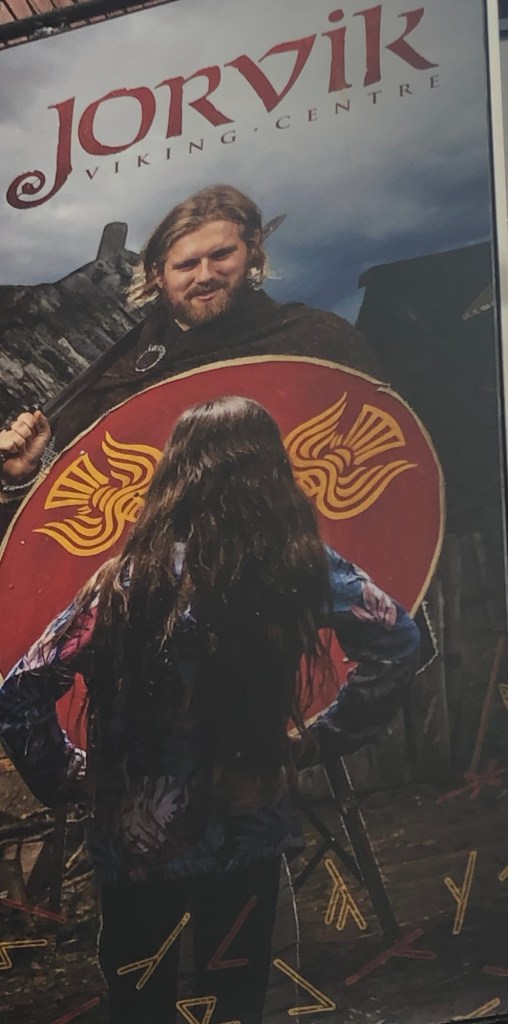
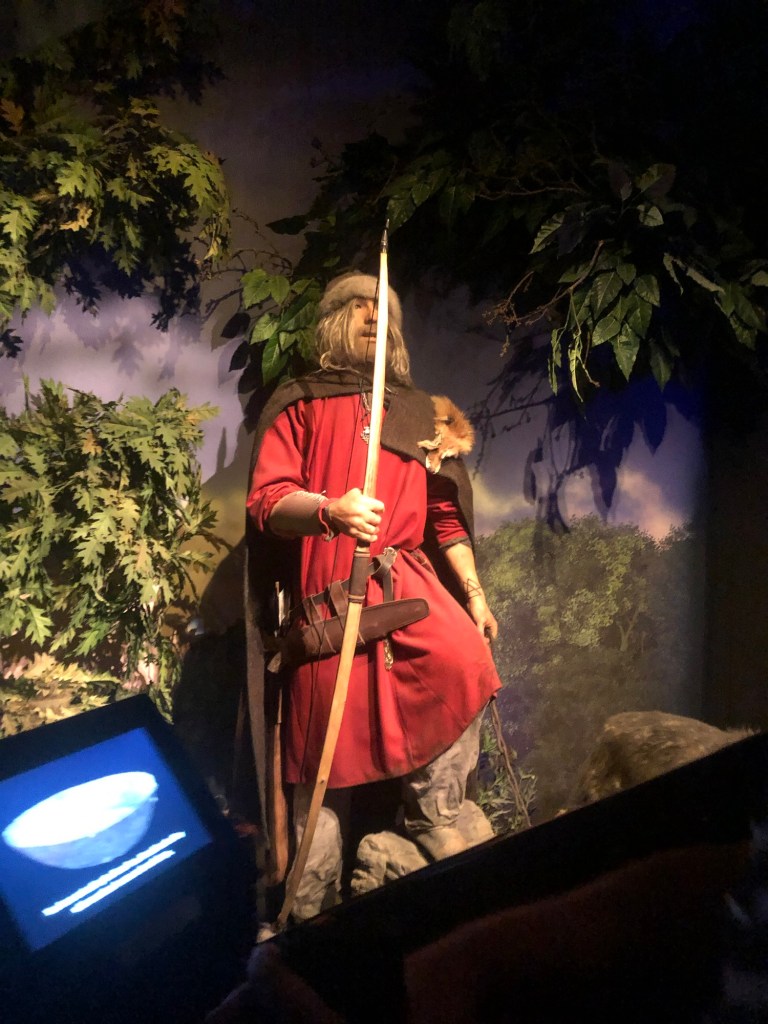
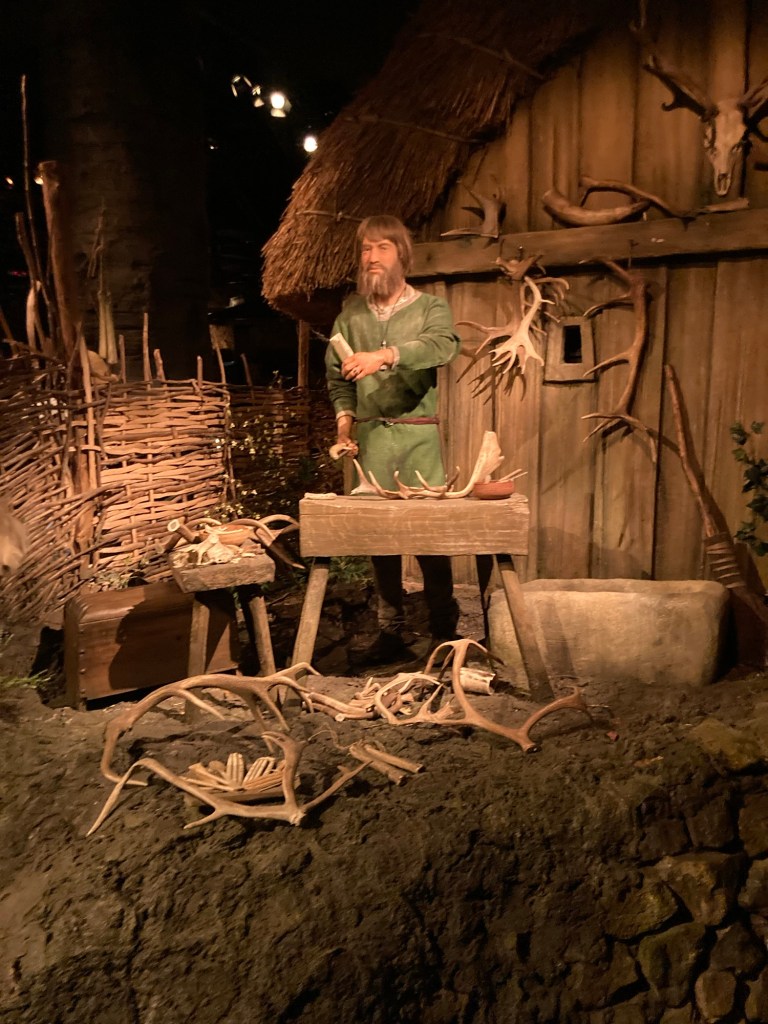
On one of our trips to York, we visited ‘Jorvic’(Viking name for York). This was an interactive experience, detailing the Viking influence in York. It was really well done and the figures extremely lifelike!
JorvikJorvik hunter gathererSlave or witch huntArtisan creating implements
Great animation
These scenes have been well created
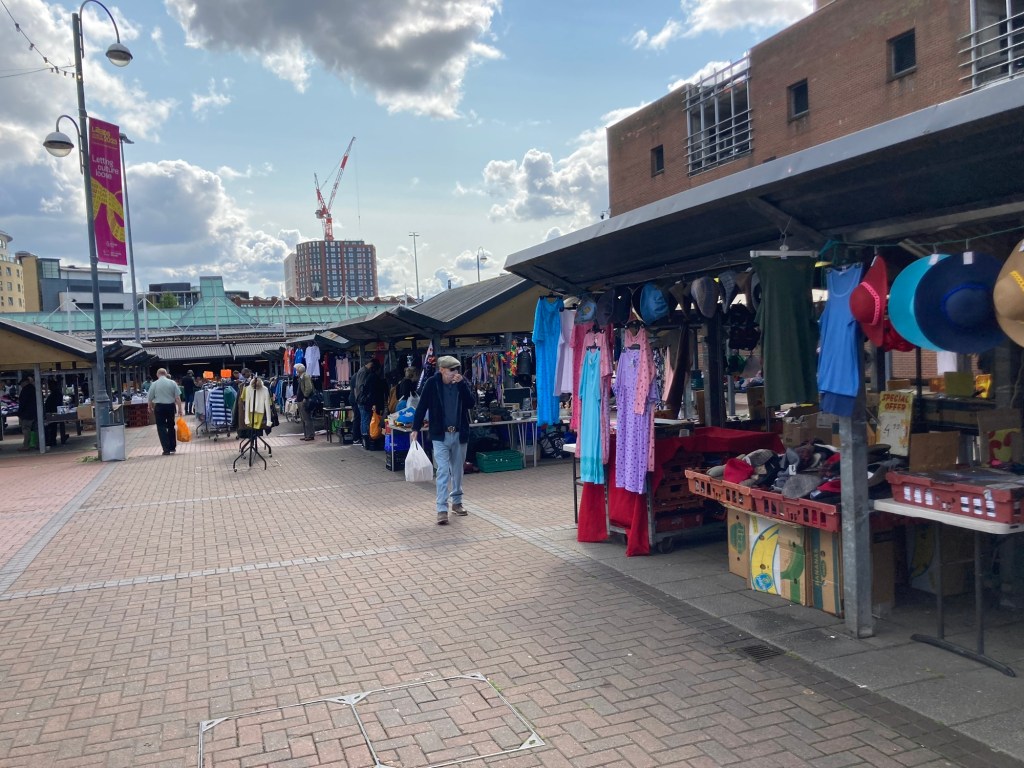
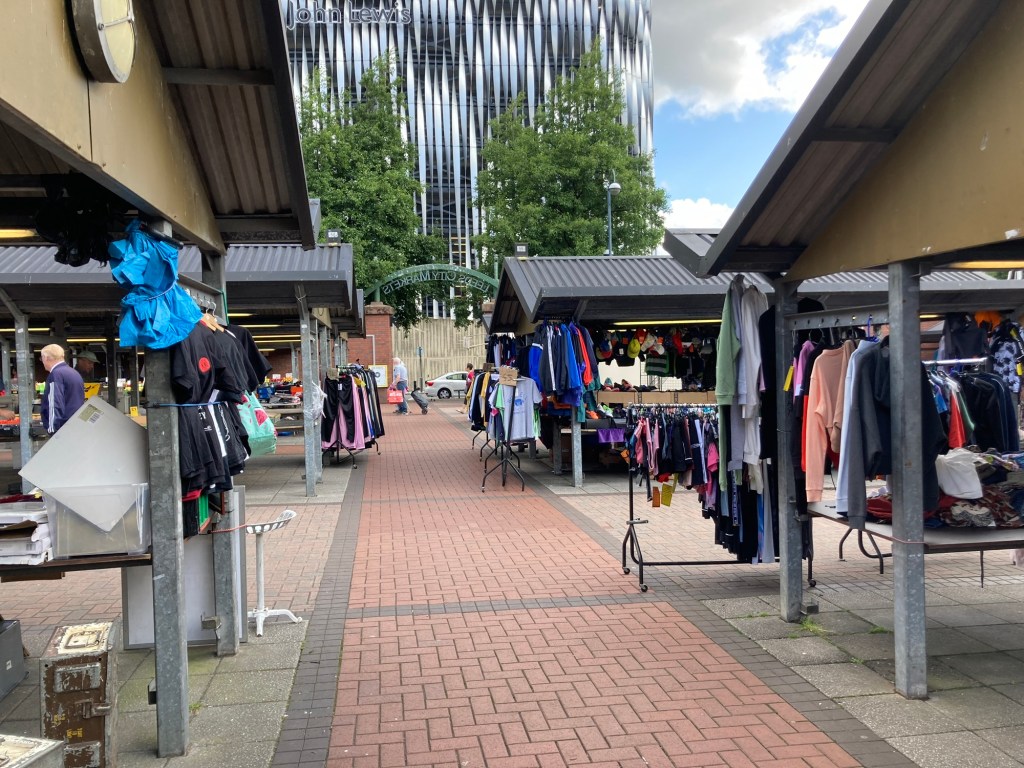
We also enjoyed visiting the markets, Armoury museum and Leeds Minster in Leeds.
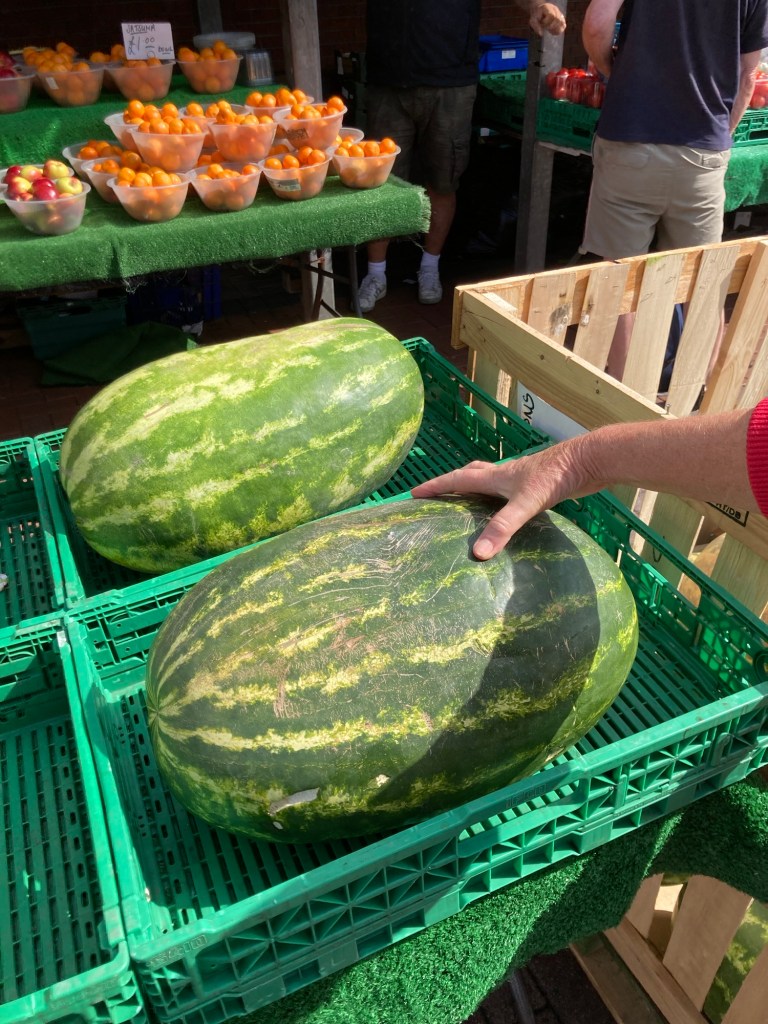
Leeds MarketsHuge watermelons, note bowls of fruit in background, this is how you buy them. Leeds markets – stalls inside as well
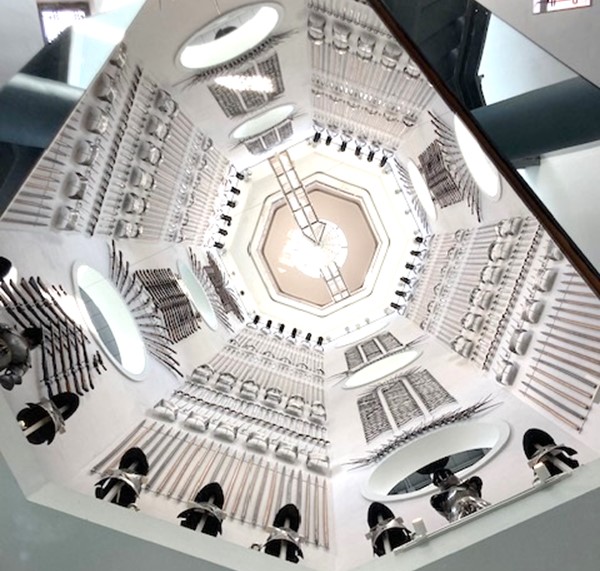
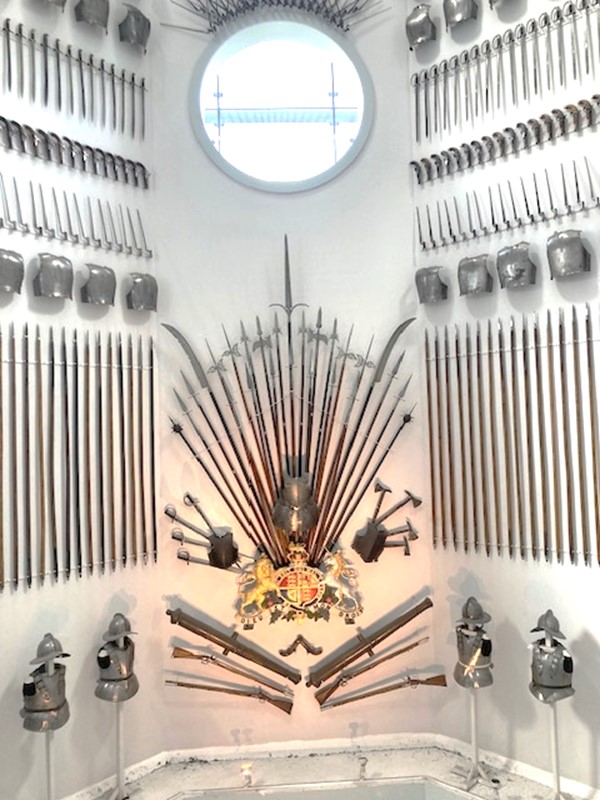
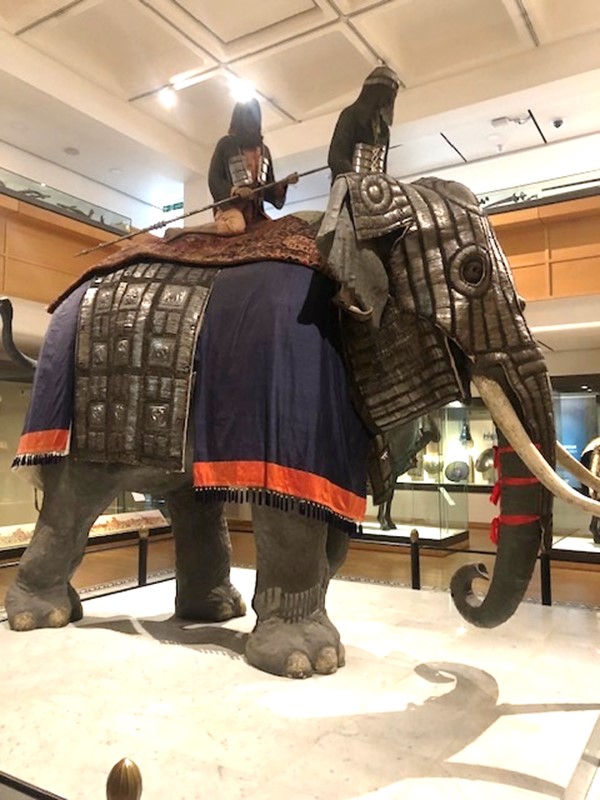
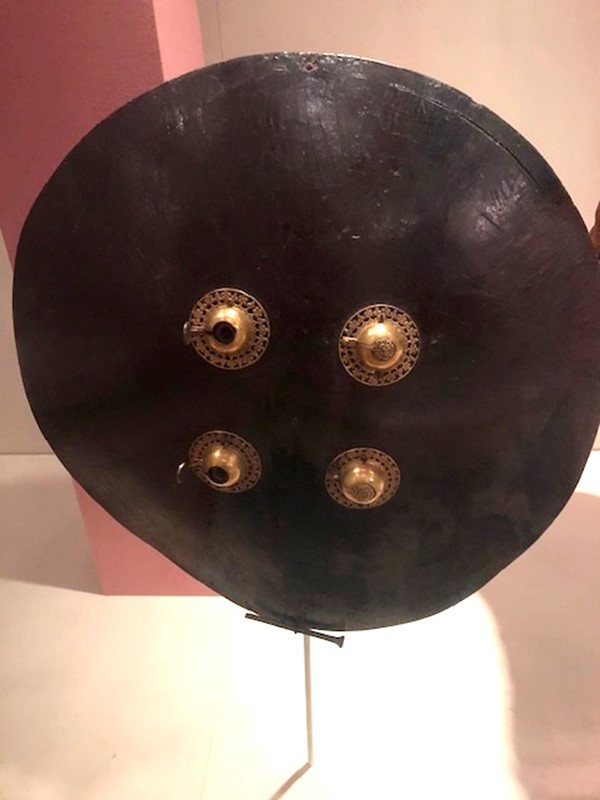
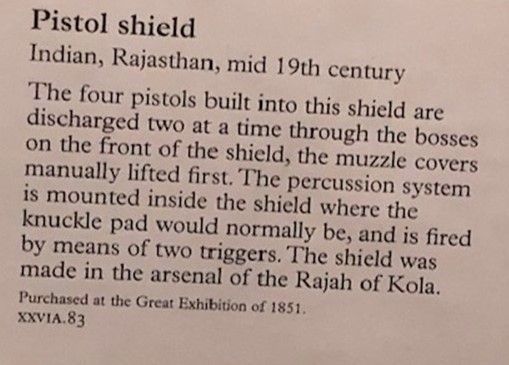
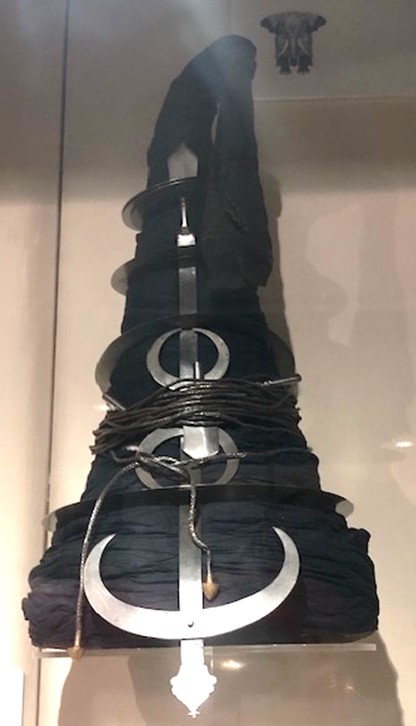
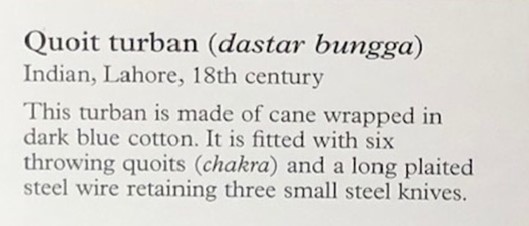
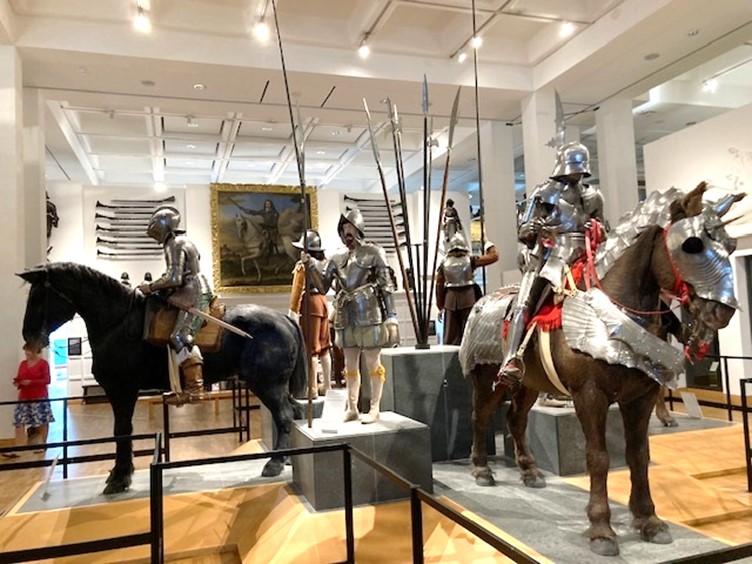
The next stop was the Leeds Armoury museum. This is an extensive collection of arms and armoury, covering not only European but some Asian and Arabic displays. There are entire walls lined with swords, pikes, pistols and armour, they must have thousands of pieces on display.
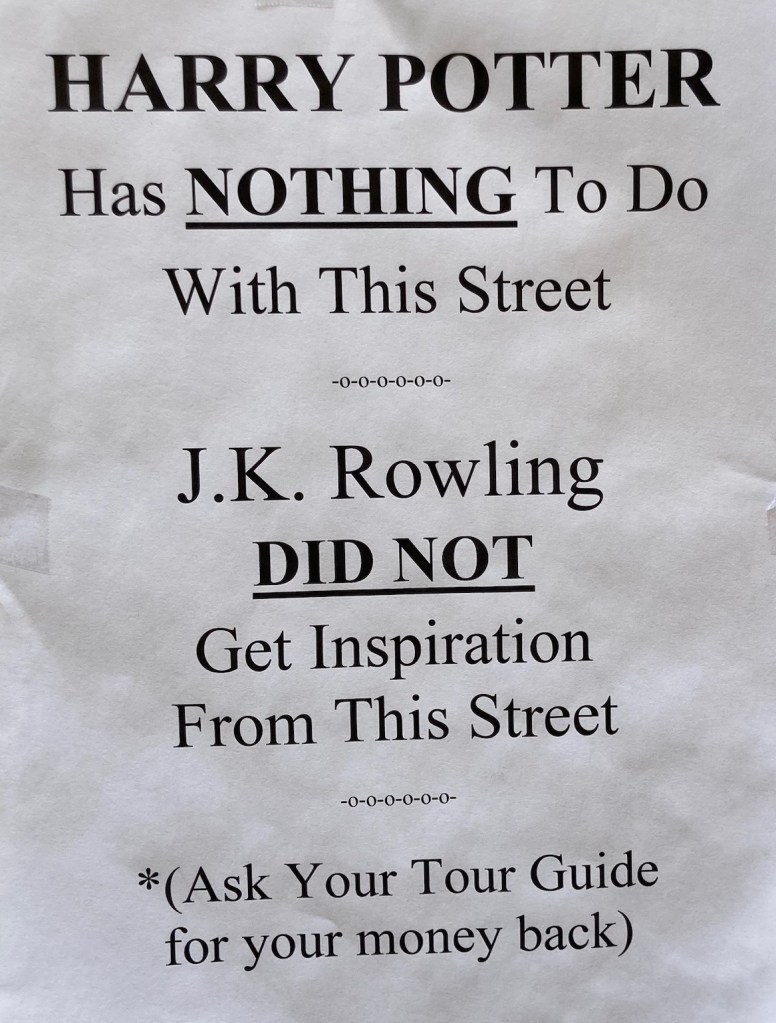
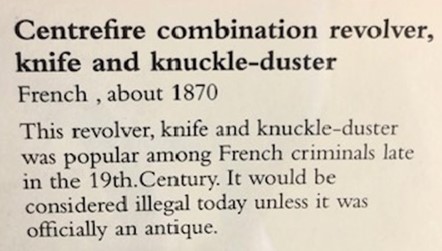
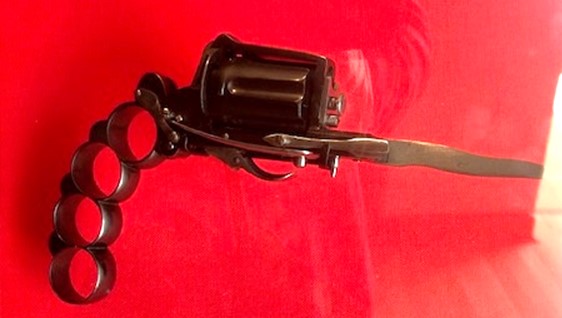
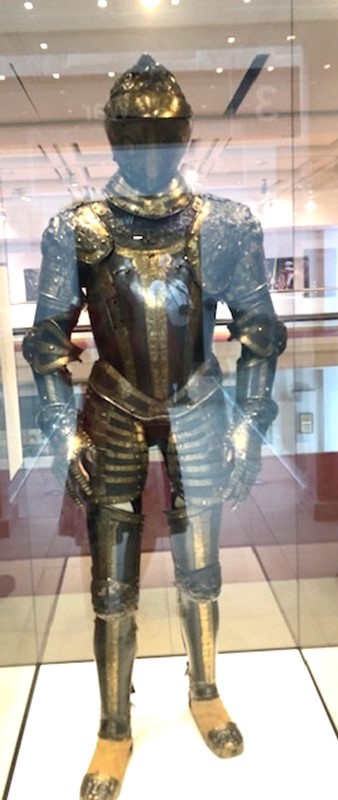
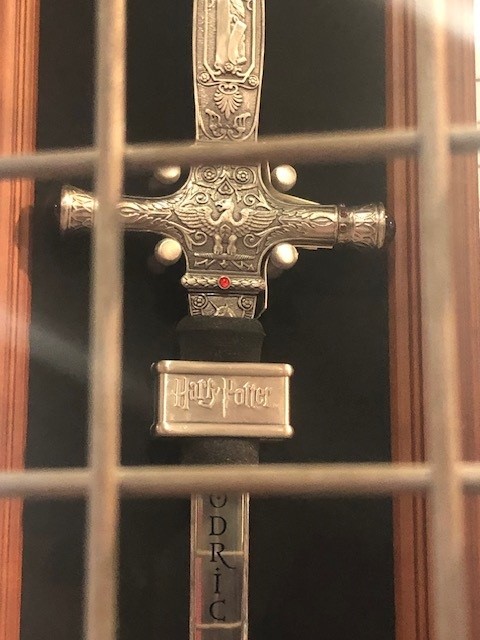
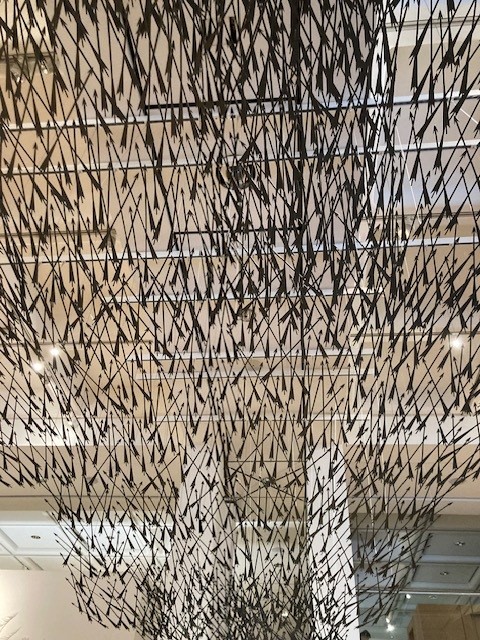
The stairwell had armoury up 4 floors!The grouping of pikes, swords & pistols was well done.Armoured elephantPistol ShieldTurban with throwing knivesKnuckle duster pistol Lion embossed armourLion embossingHarry Potters sword – under lock & key of course!Imagine this wave of arrows coming over from the enemy
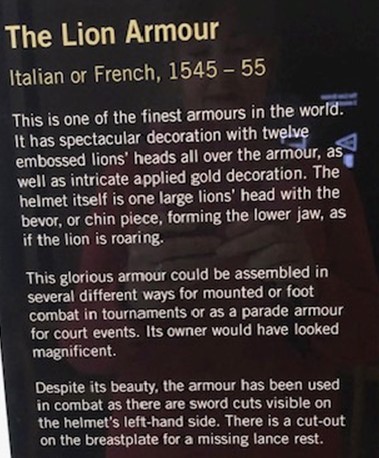
This Lion armour was fascinating – very ornate. Nobody really knows who it was made for!
Some great displays
And some great orchestrated demonstrations to show how these weapons were used.
While visiting Leeds Minister we managed to listen to an organ recital (a duet which was unusual)
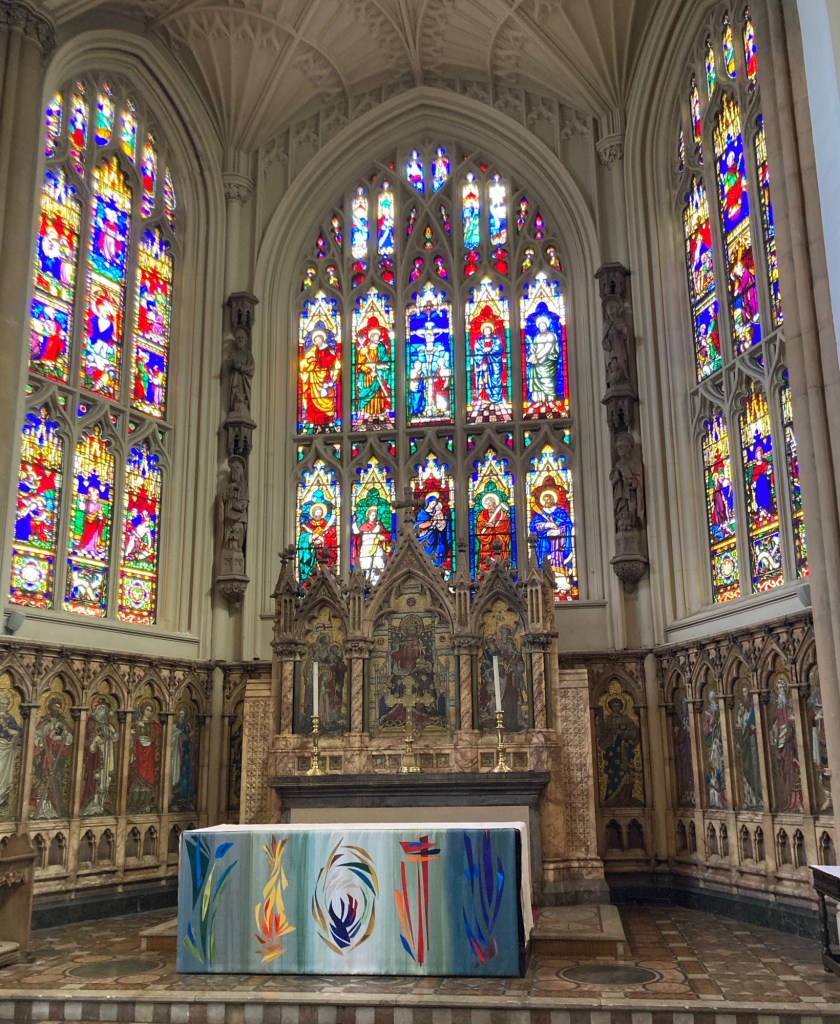
Altar Leeds MinsterStained glass Leeds MinsterLeeds MinsterMassive pipe organ in Leeds Minster
It had some weird seating upstairs and at the sides.
We returned to York on a rainy and overcast morning. This was perfect as all of our activities were inside!
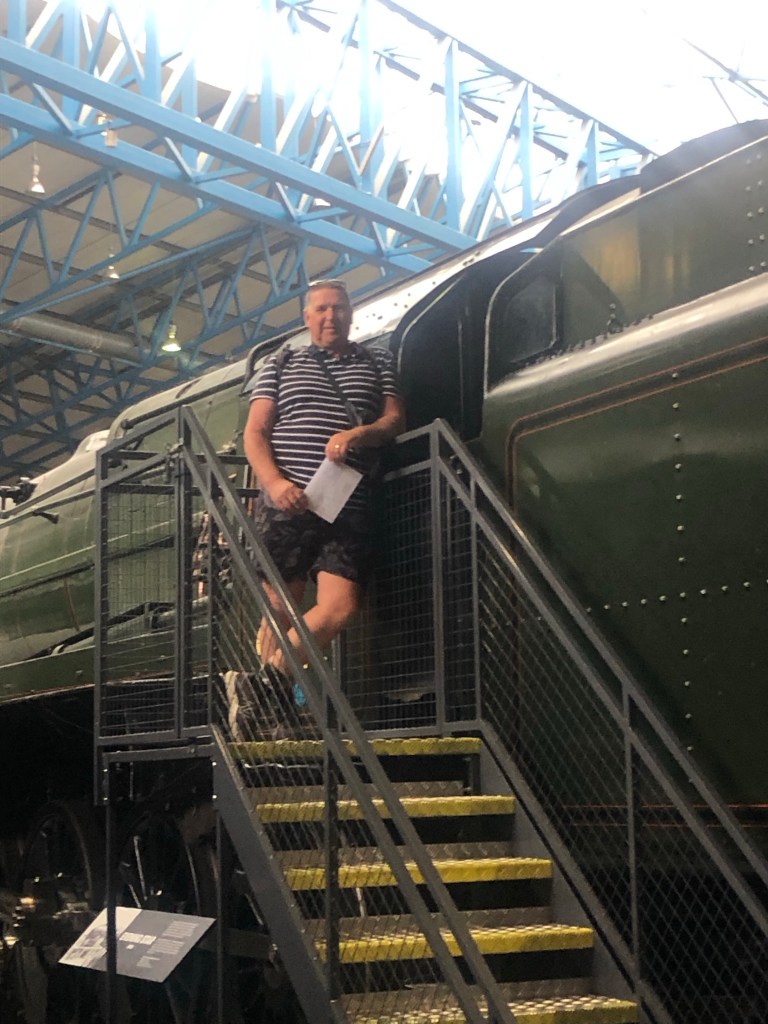
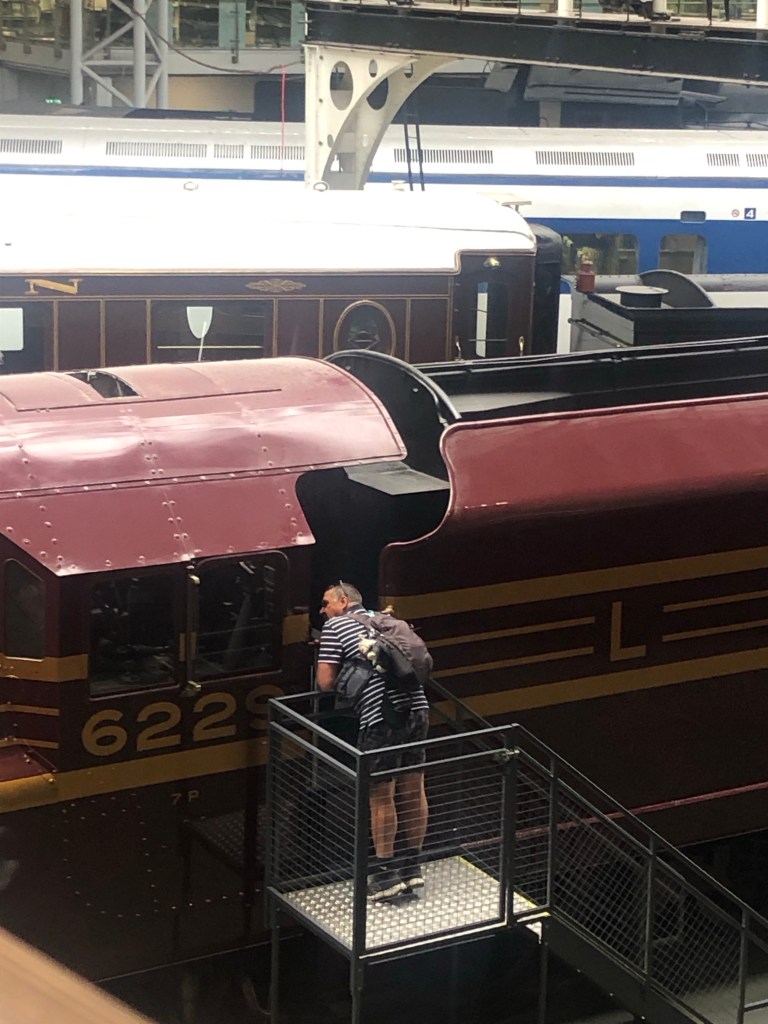
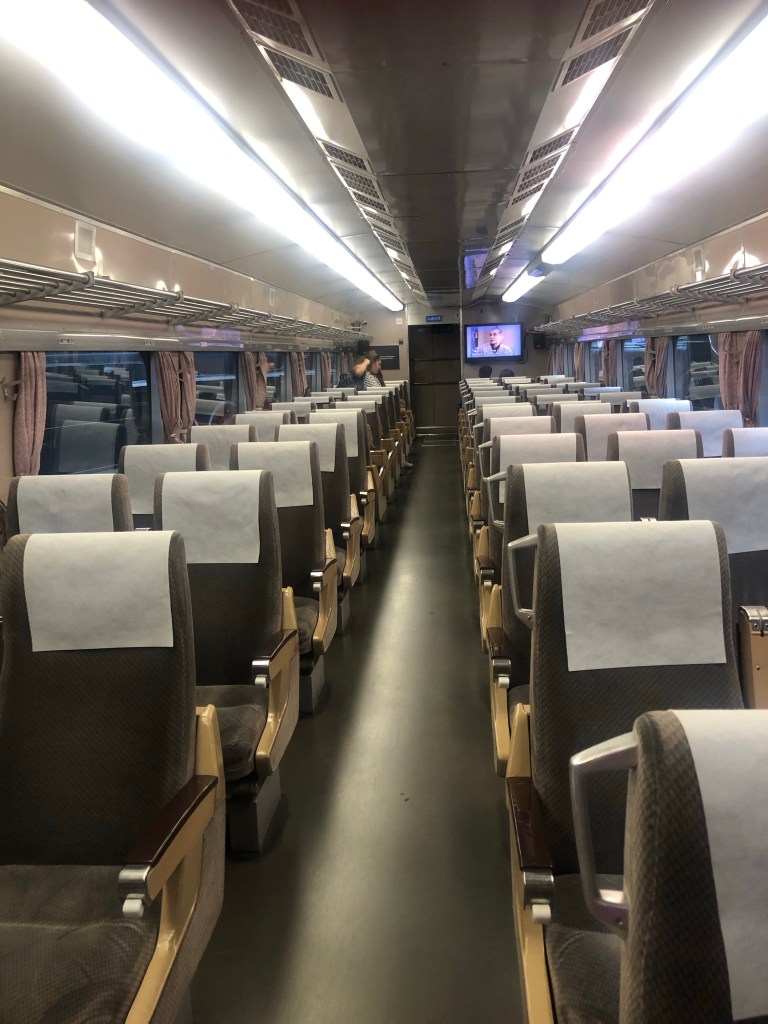
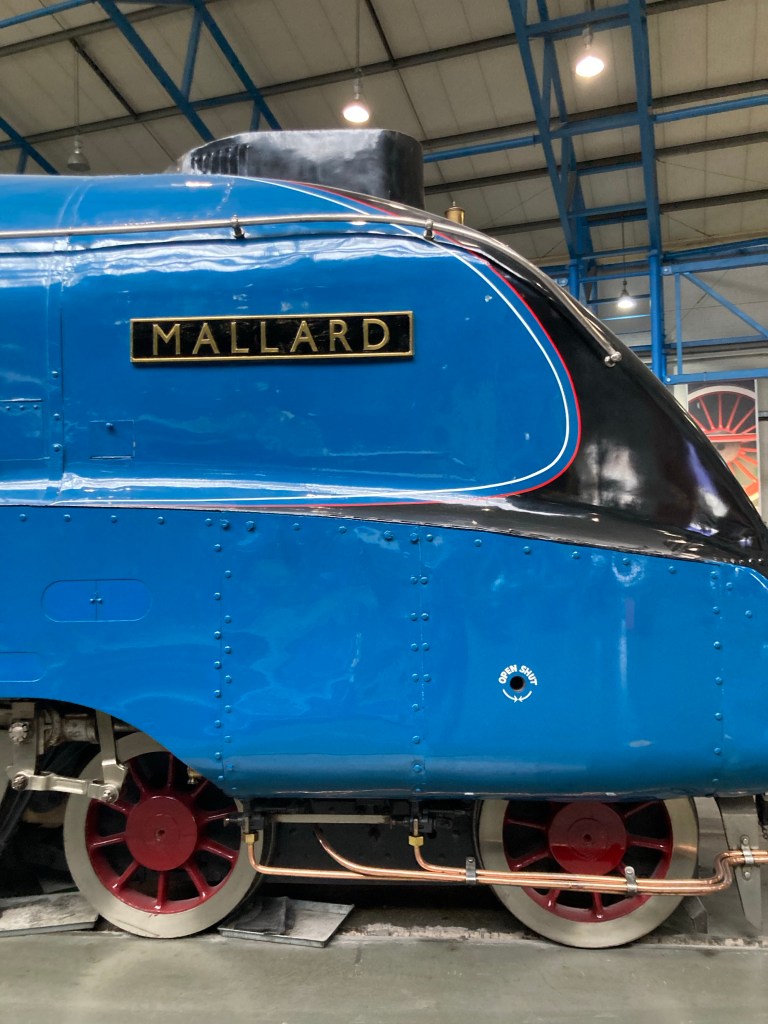
First stop was the Railway Museum (you would have loved this Robin!). This was very large and included full-size trains, models, and all the paraphernalia that goes with trains! There was even a precursor to the Japanese bullet train which you could go enter. You could really see how this was modelled on the aeroplane design.
The largest locomotive in the collection – KF7Just in case you’re interested……..The inside of the precursor to the Japanese bullet trains – the ShinkansenThe MallardThe Mallard. The worlds fastest steam locomotive, unbeaten since it set the world speed record in 1938
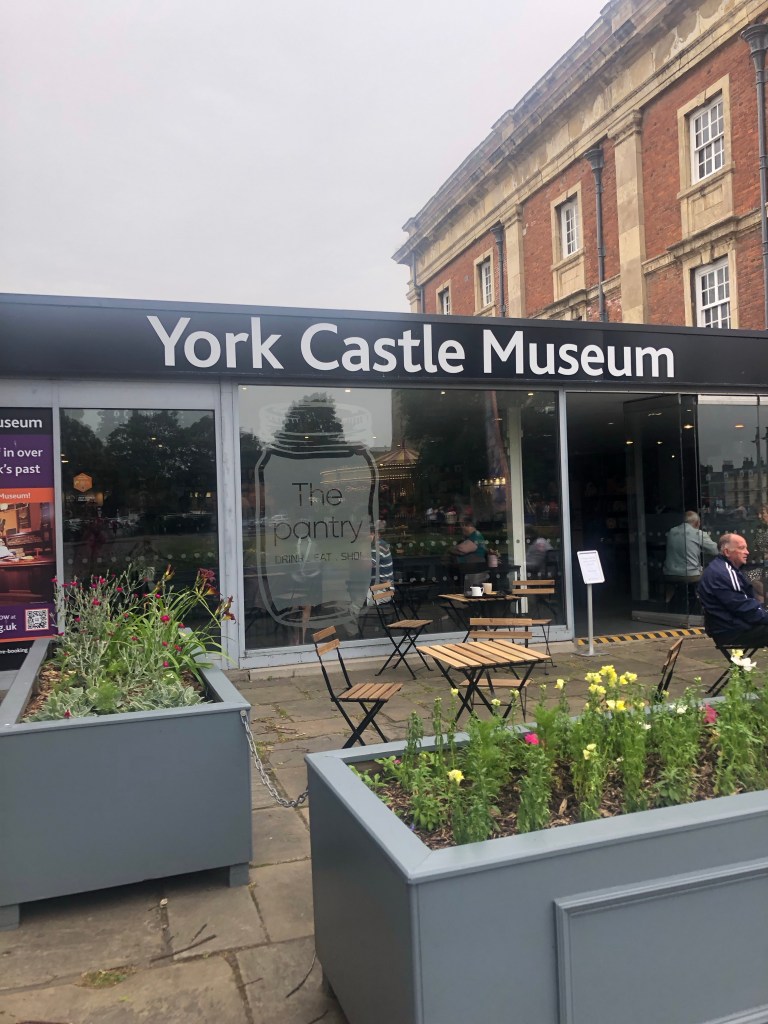
Next stop was the castle Musuem
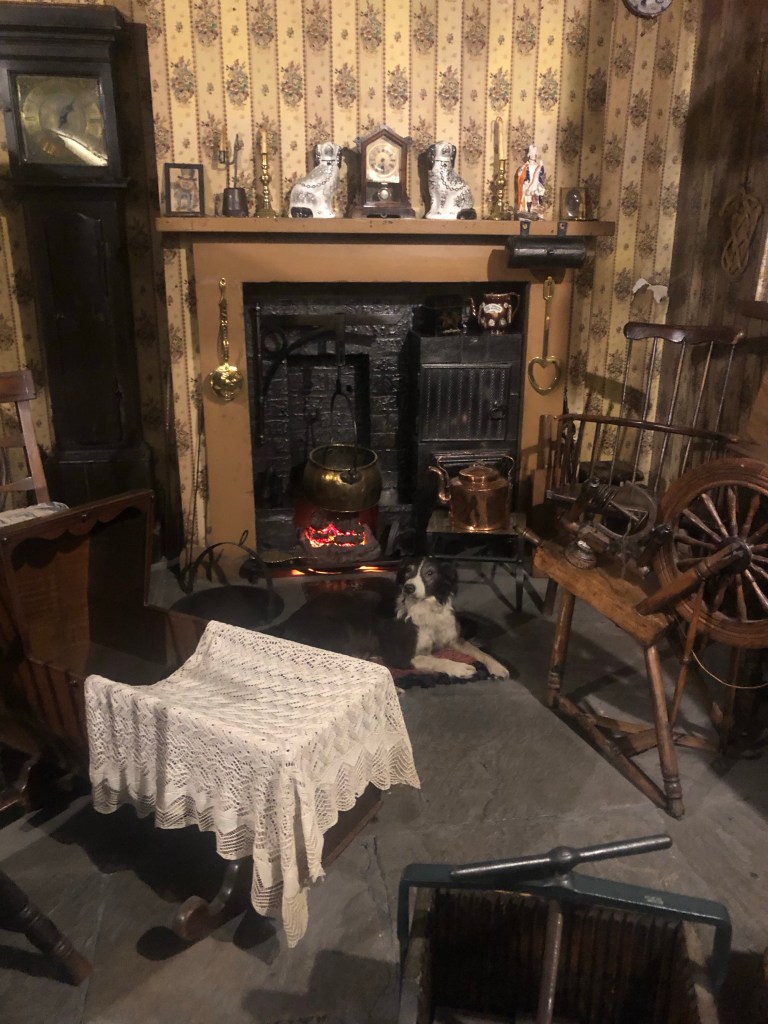
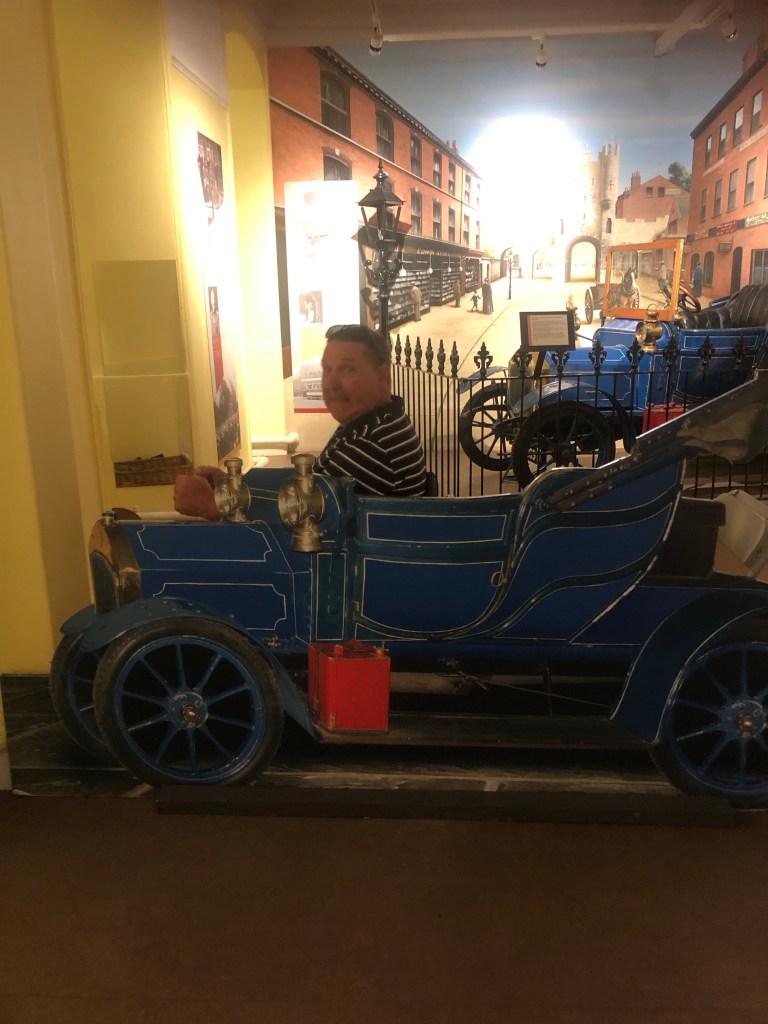
Very realistic dog!In the driving seat!
And finally…….’Jorkvic’ – a Museum explaining the early Viking influence in York – read all about this on the next post!
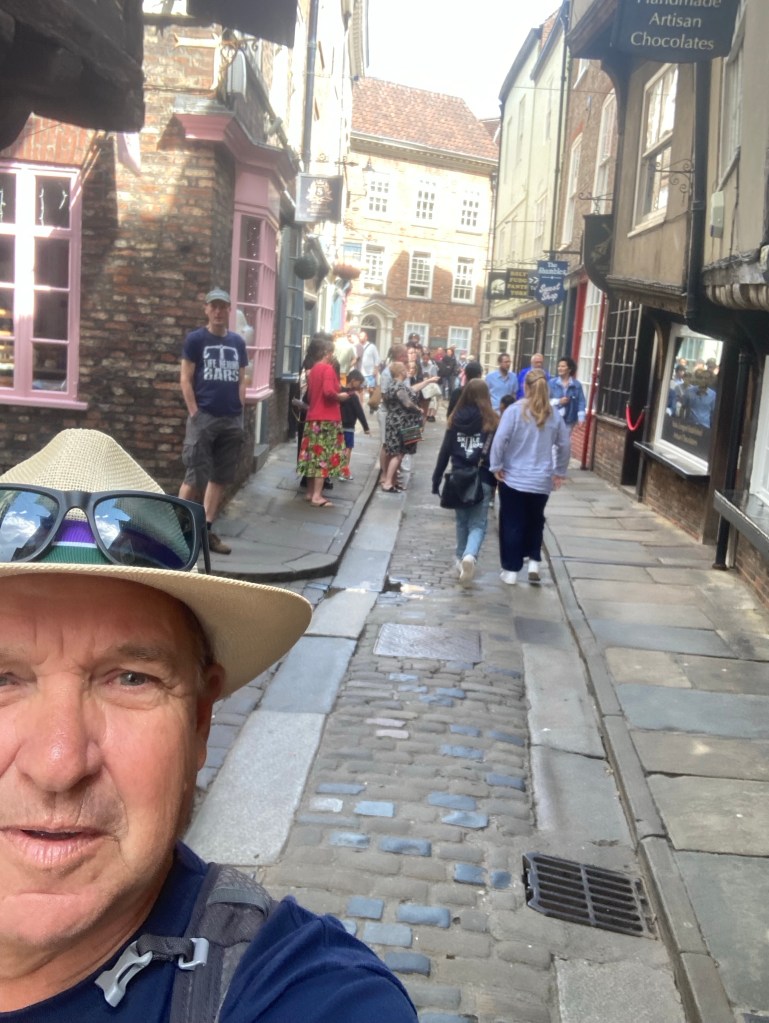
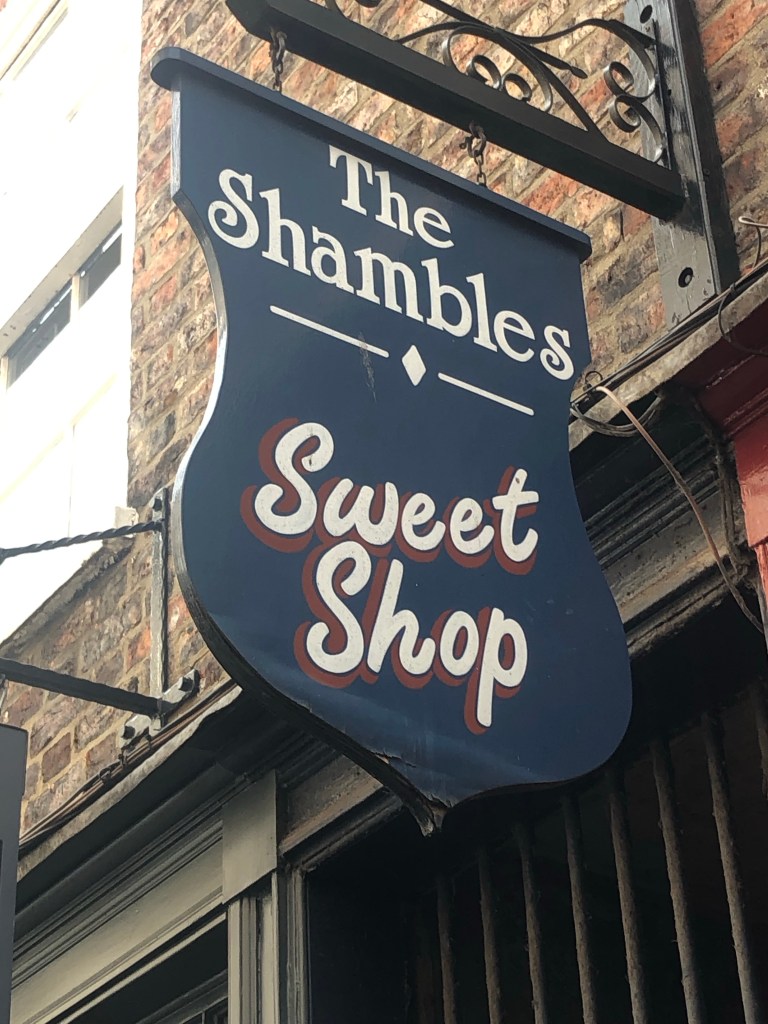
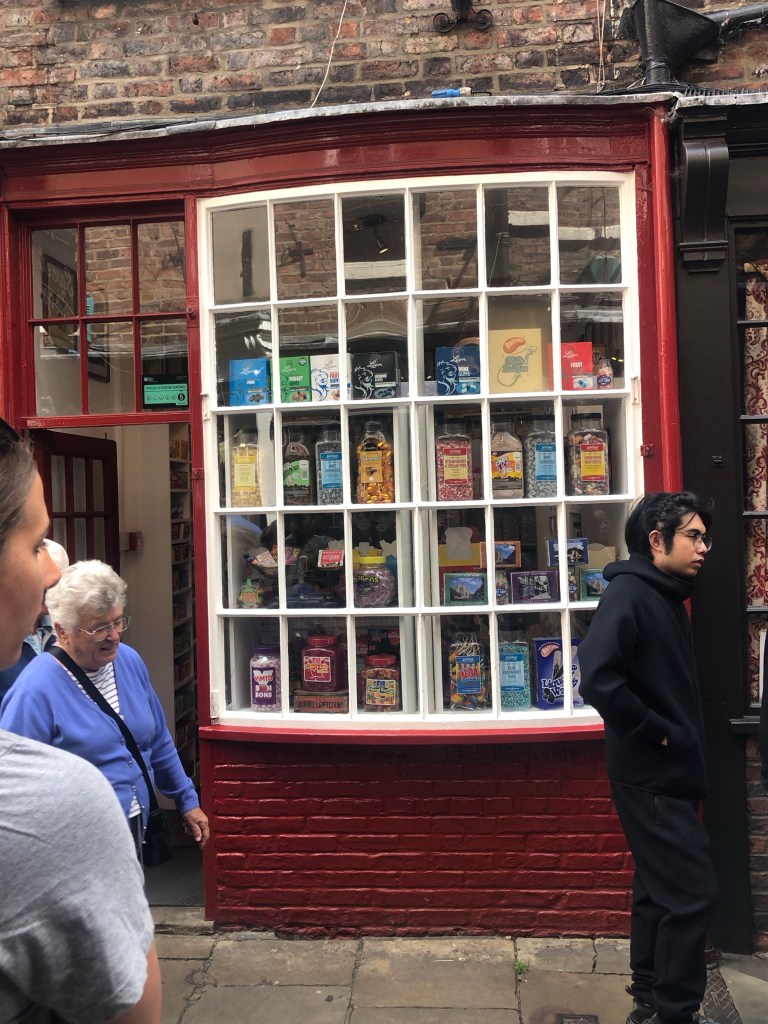
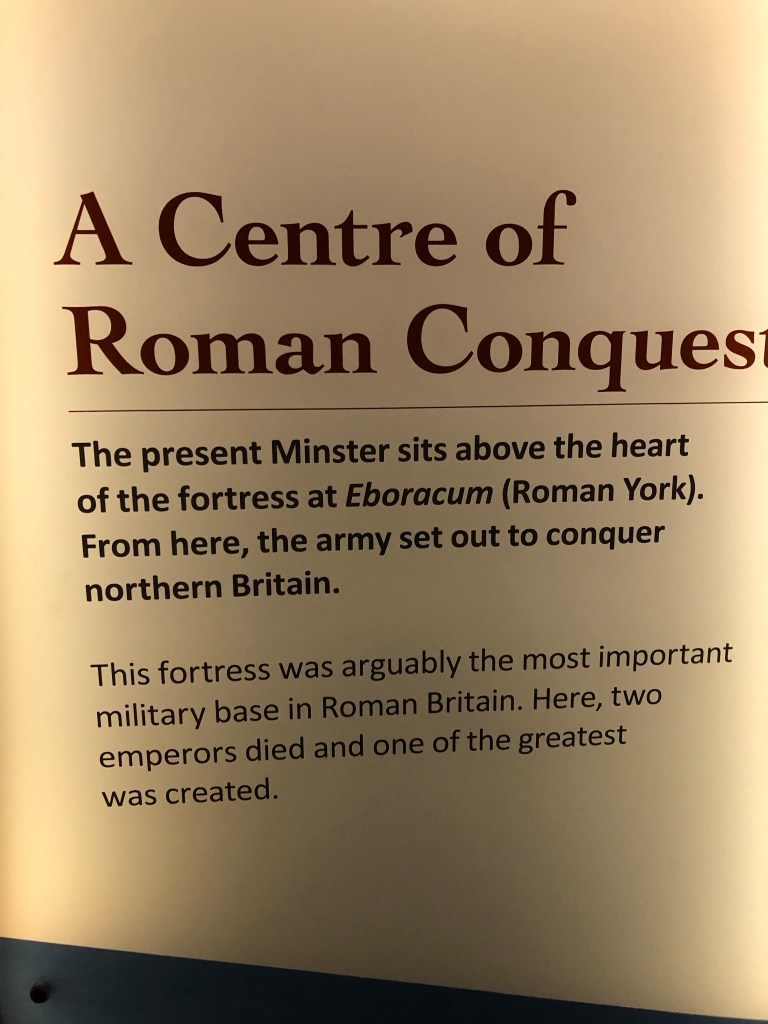
While staying at our house sit, we decided to have a couple of day trips to York. This is a beautiful old town, one of our favourites! We particularly enjoyed walking through’The Shambles’, a very quaint street filled with unique shops set in old buildings.
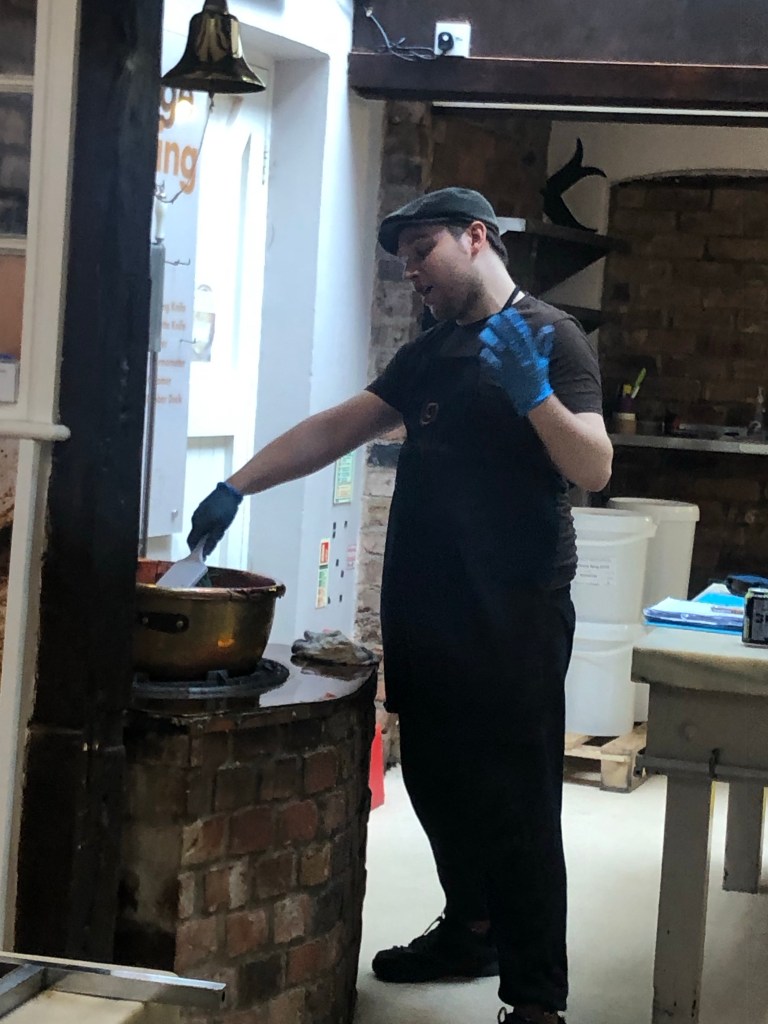
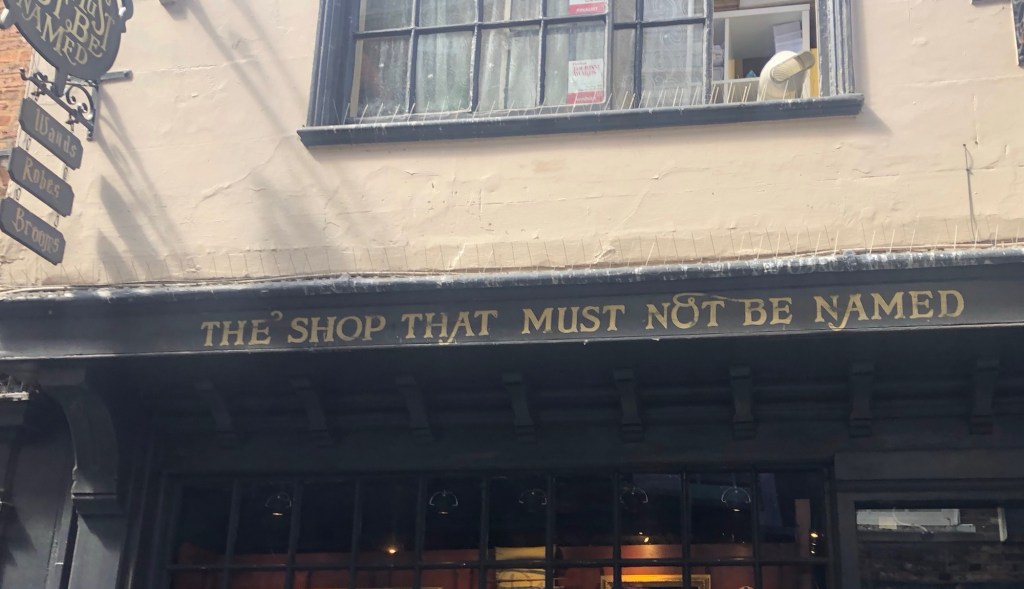
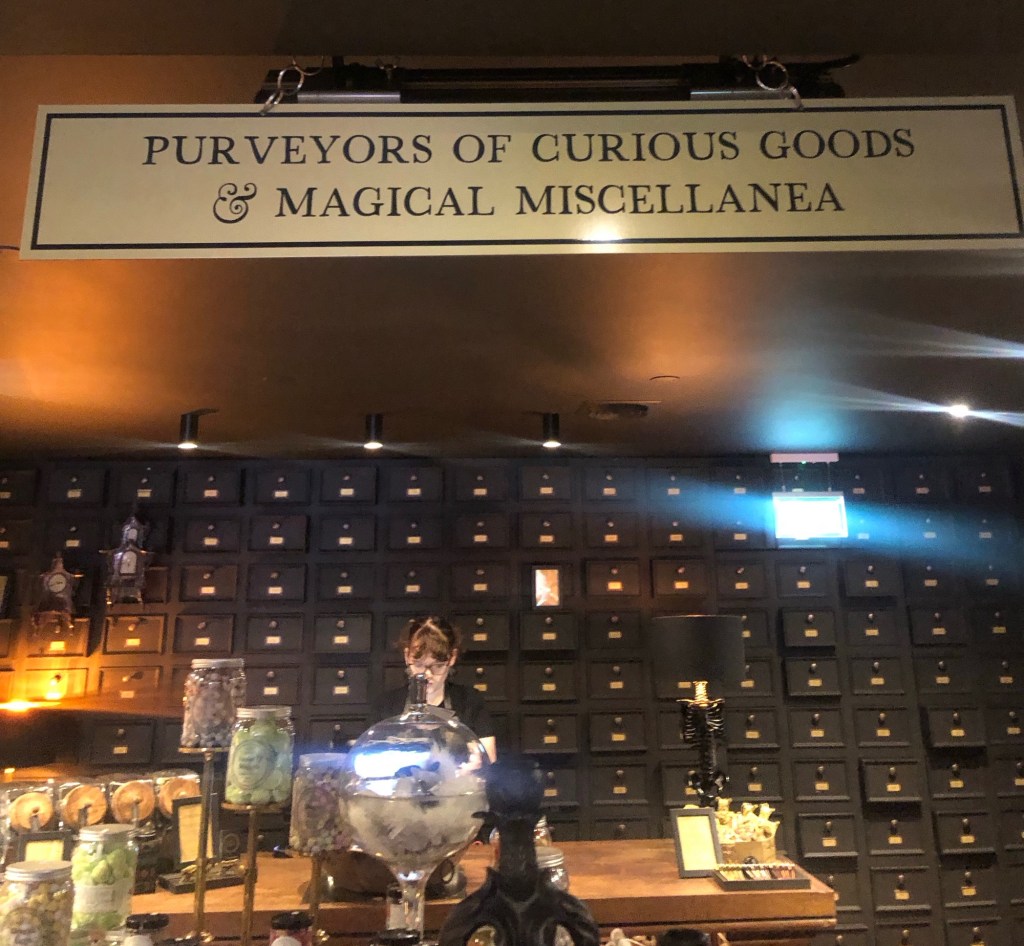
The ShamblesThe ShamblesThe Shambles Sweet ShopVisited this amazing fudge shop where they made their products on the premises. Of course we had to buy some!The Fudgemaker – or Fudgeatier? What do you call a maker of fudge?Magic shopYork Minster
Following this we had a look at York Minster – this included walking to the top of the tower – 275 steps!
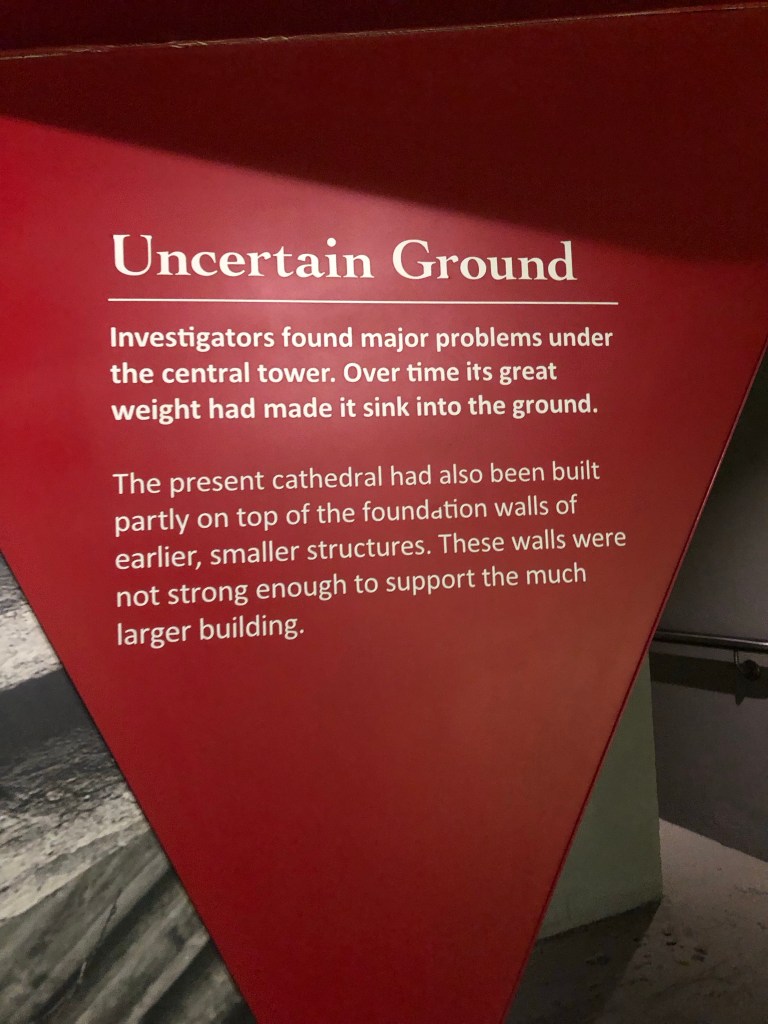
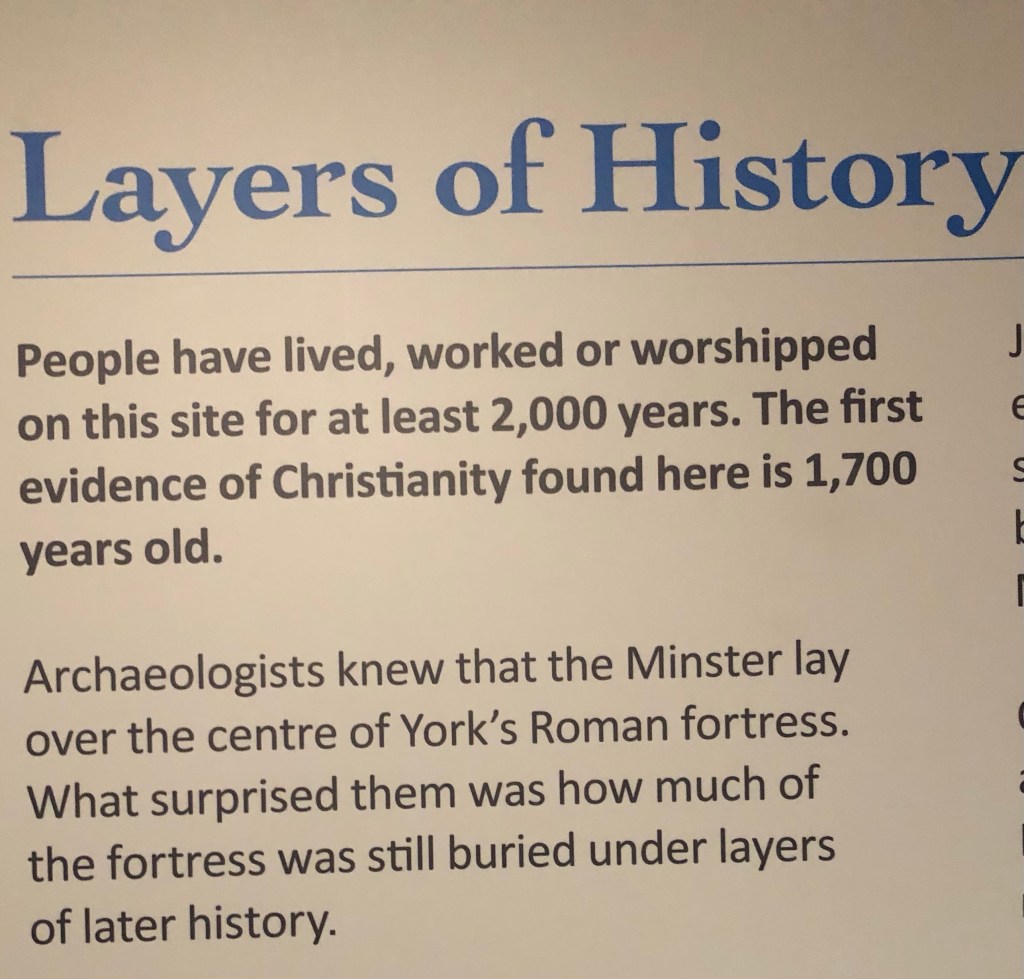
And now for some history….
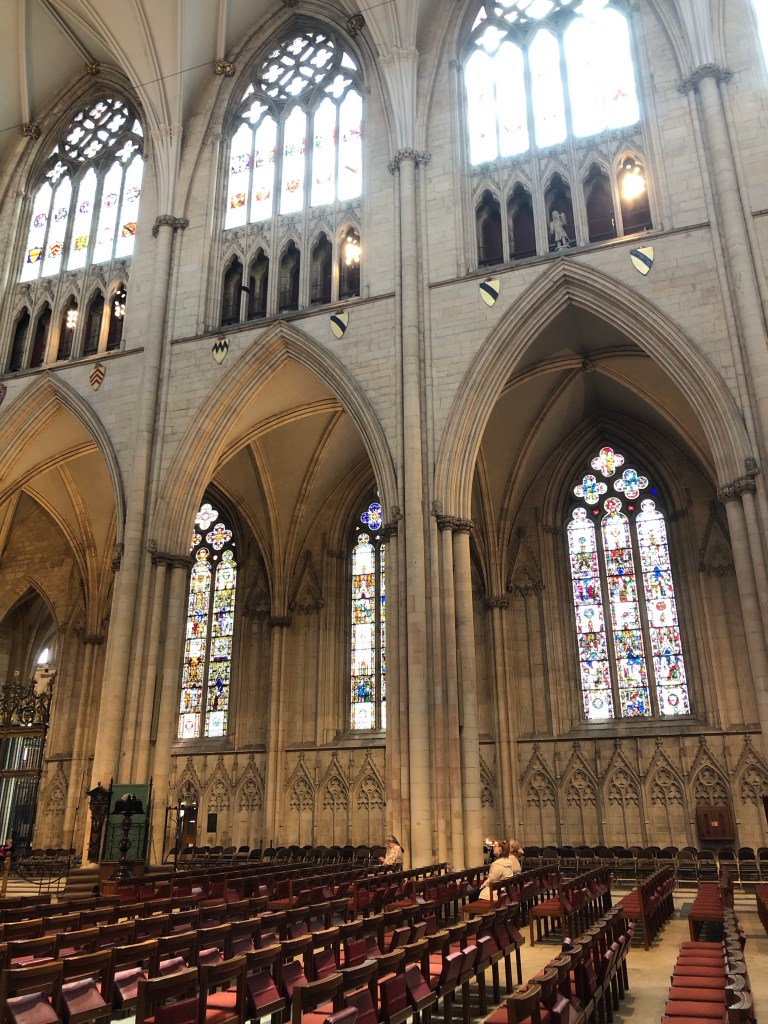
Inside the minster….
The Nave of York MinsterHuge vaulted ceilingMassive pipe organ
Amazing detail everywhere
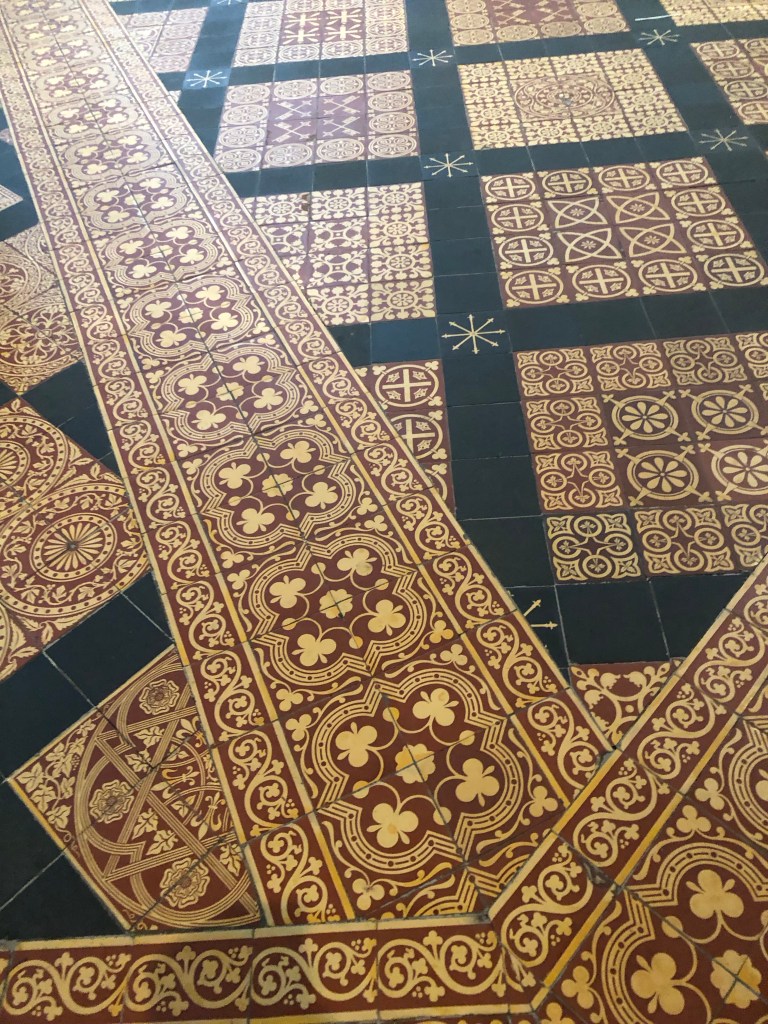
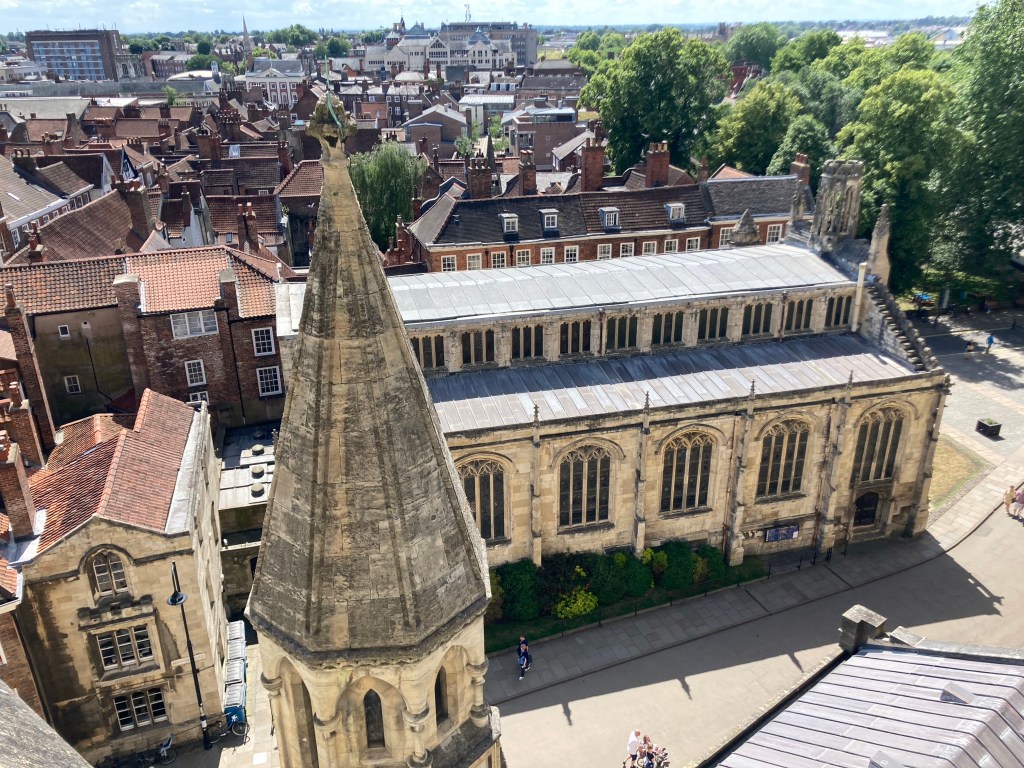
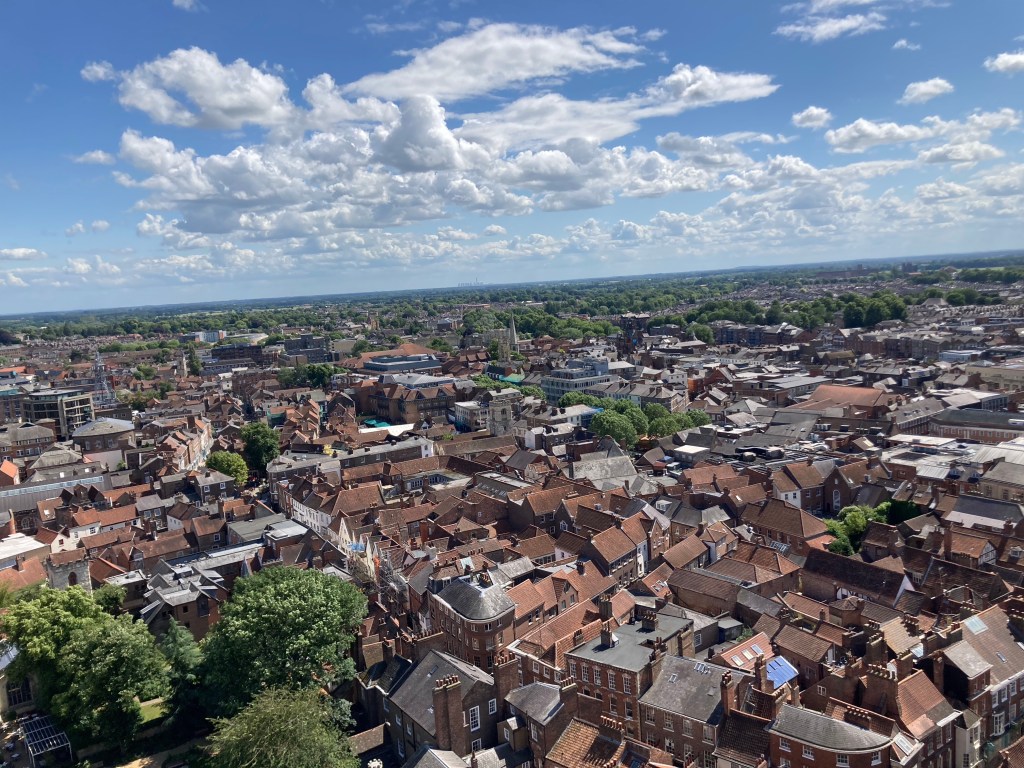
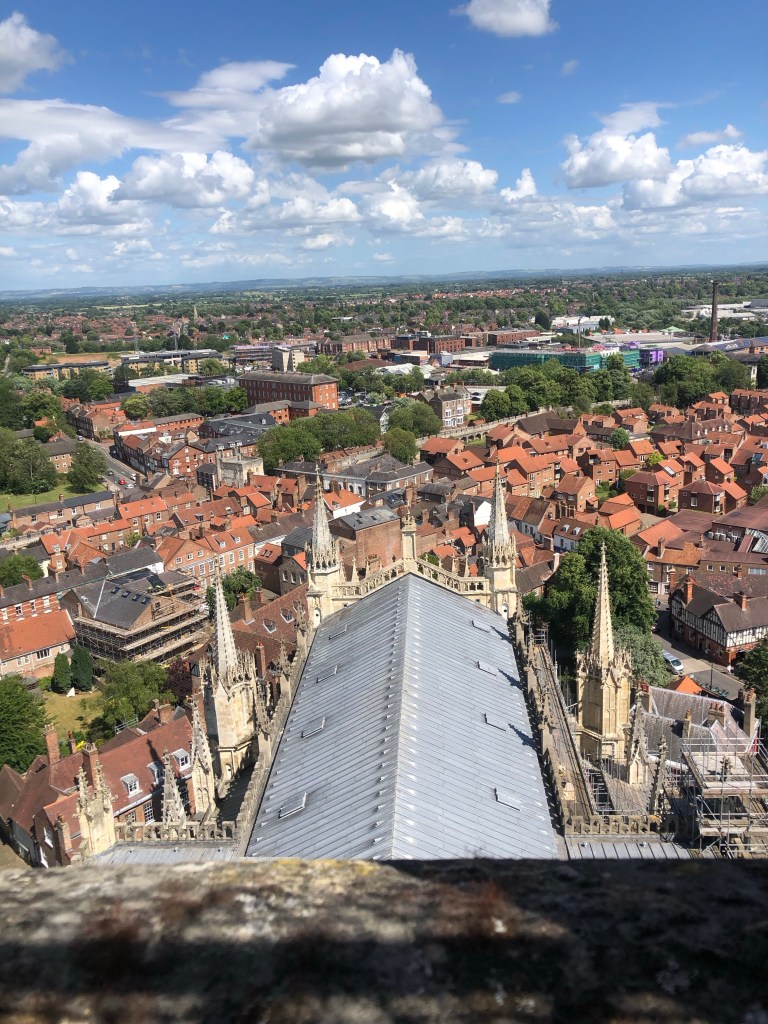
Floor in York MinsterBeautiful vaulted ceilingsThere are intricate stone carvings everywhere, so much detail.Part of the ceiling From the bell towerView from the Bell TowerViews from the top of the tower
After a late lunch we walked around the old city walls before hopping on a train back home.
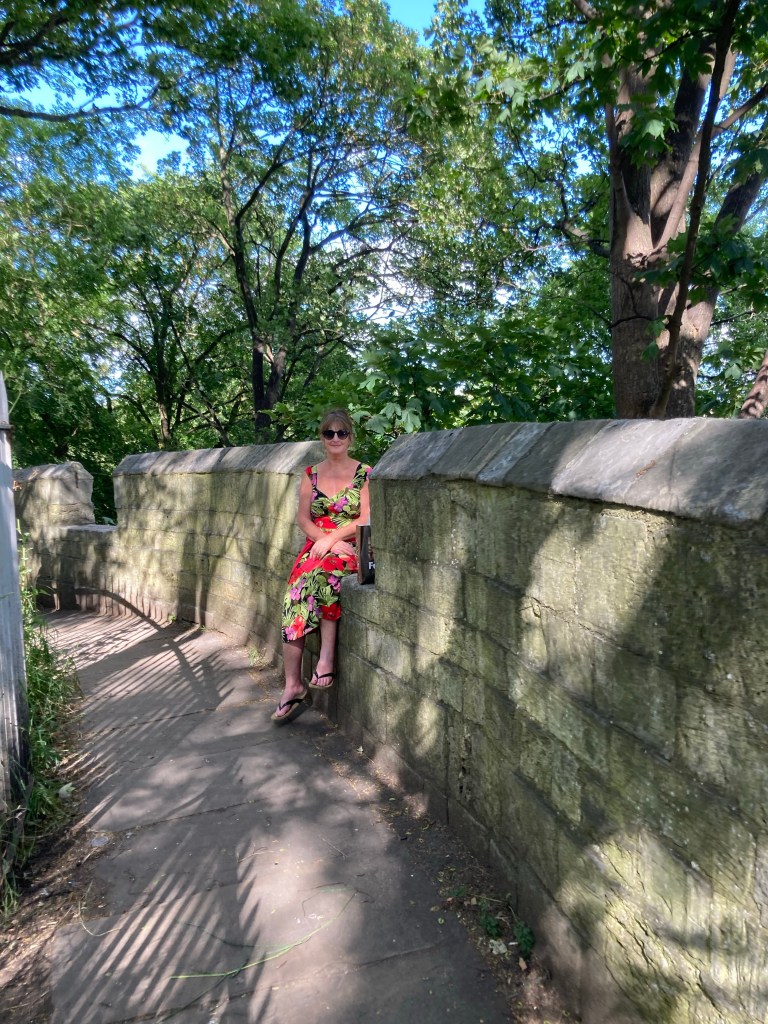
York City wallsSally enjoying the fine weather on the York City walls
We left Birmingham on a hot morning bound for our first ever overseas house sit in Leeds! It was a pleasant two hour train journey.
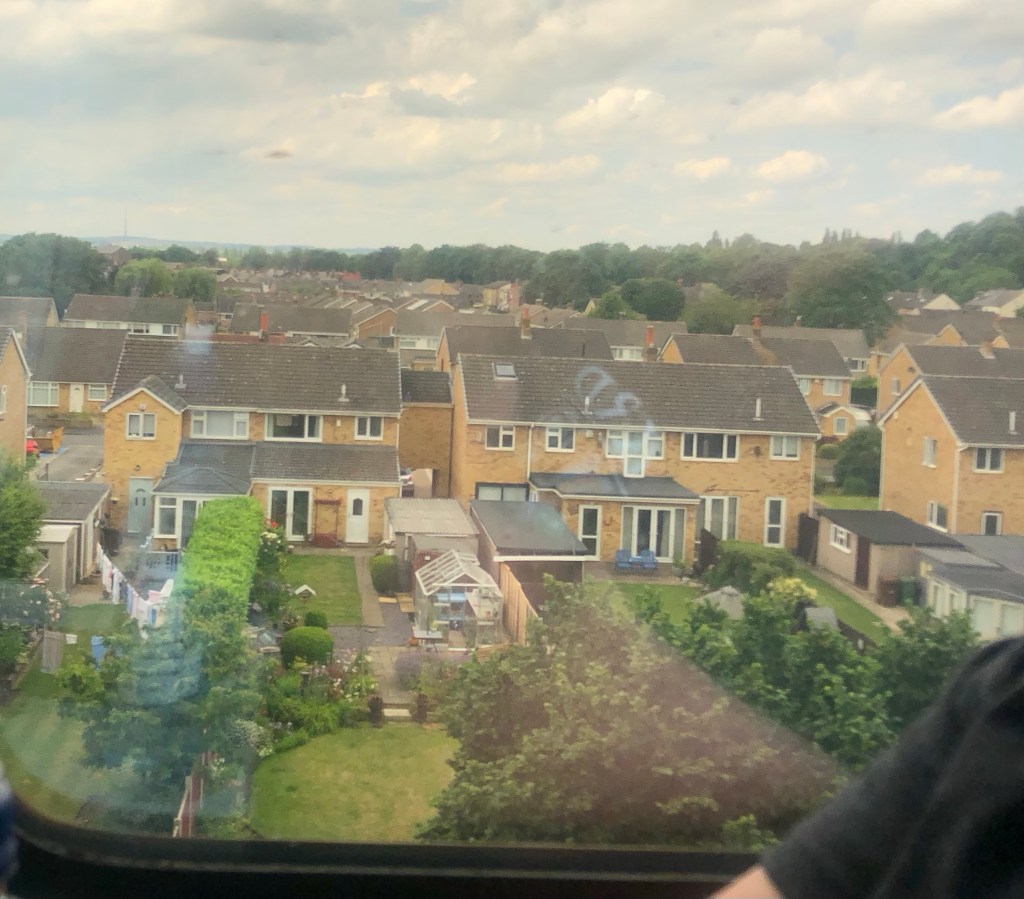
View from the train of one of the typical villages we passed through
Arrived at Leeds (first impression looks similar to Birmingham), lunch at the railway station then another train to Crossgates
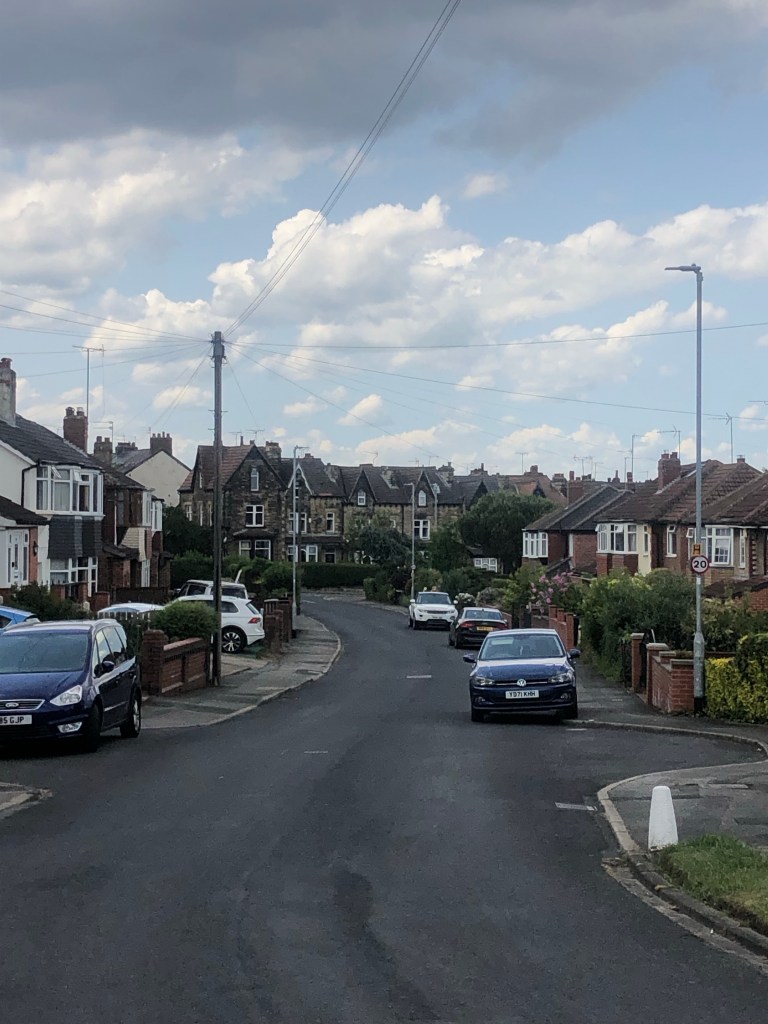
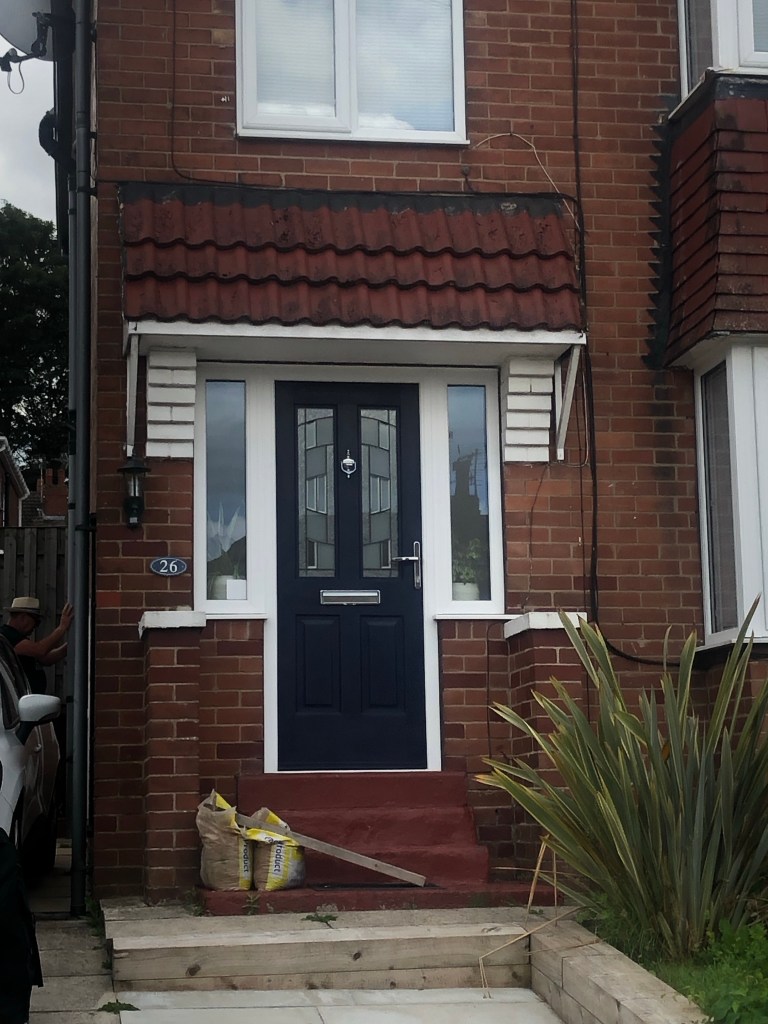
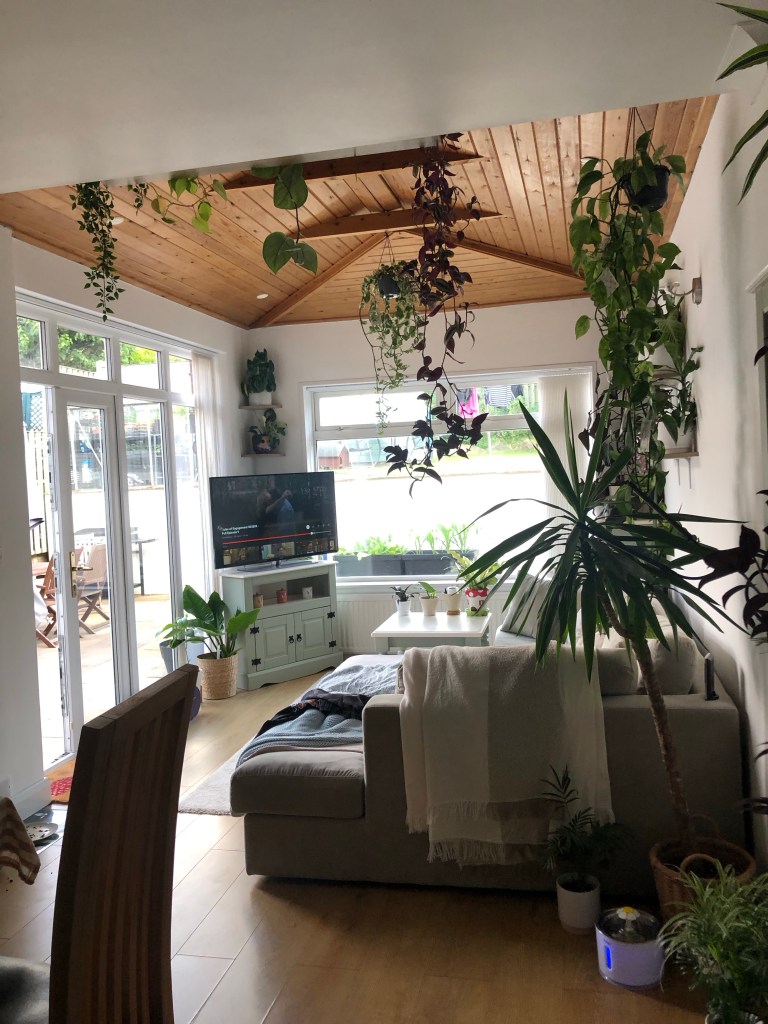
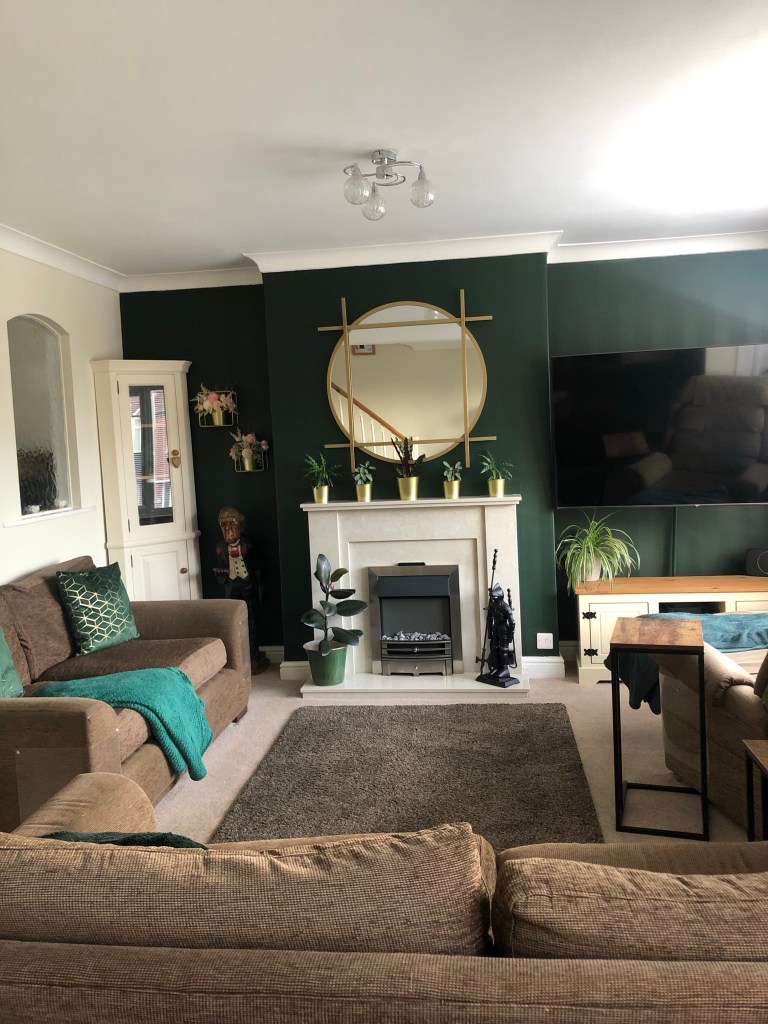
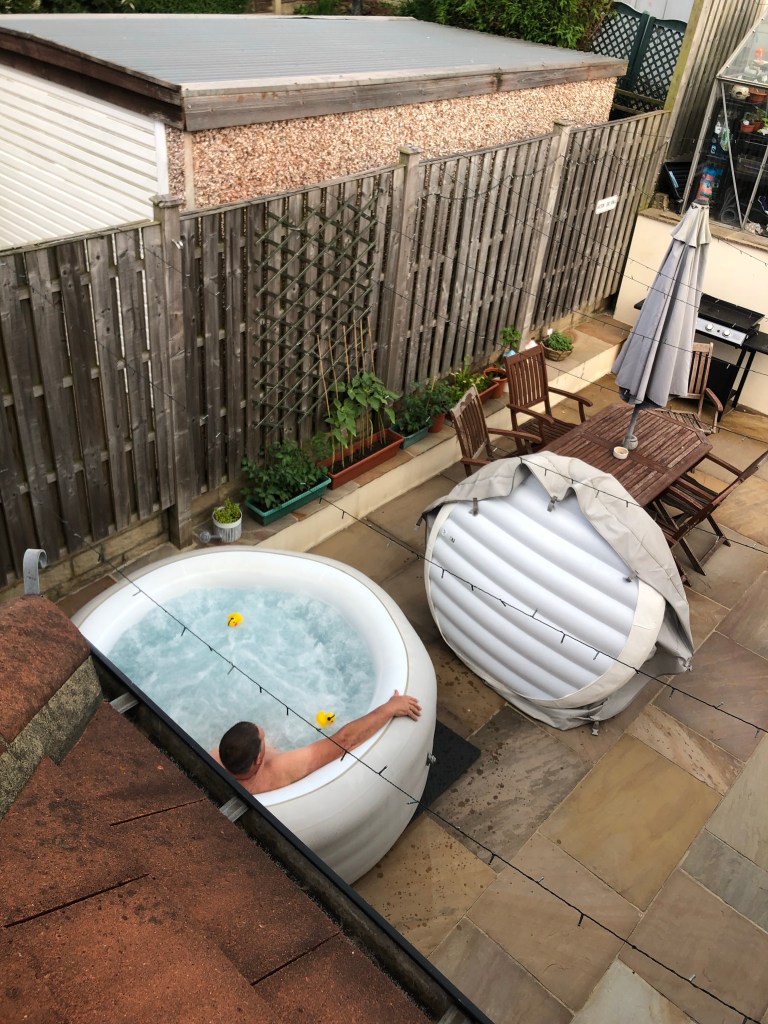
It was a short walk to our house sit which turned out to be a lovely home, complete with Spa!
Street where our house-sit isOur house sit (semi detached house)Even though it is an old house they have had a lot done – lovely job renovating insideComfortable loungeNice to have a spa after such a long time without one!
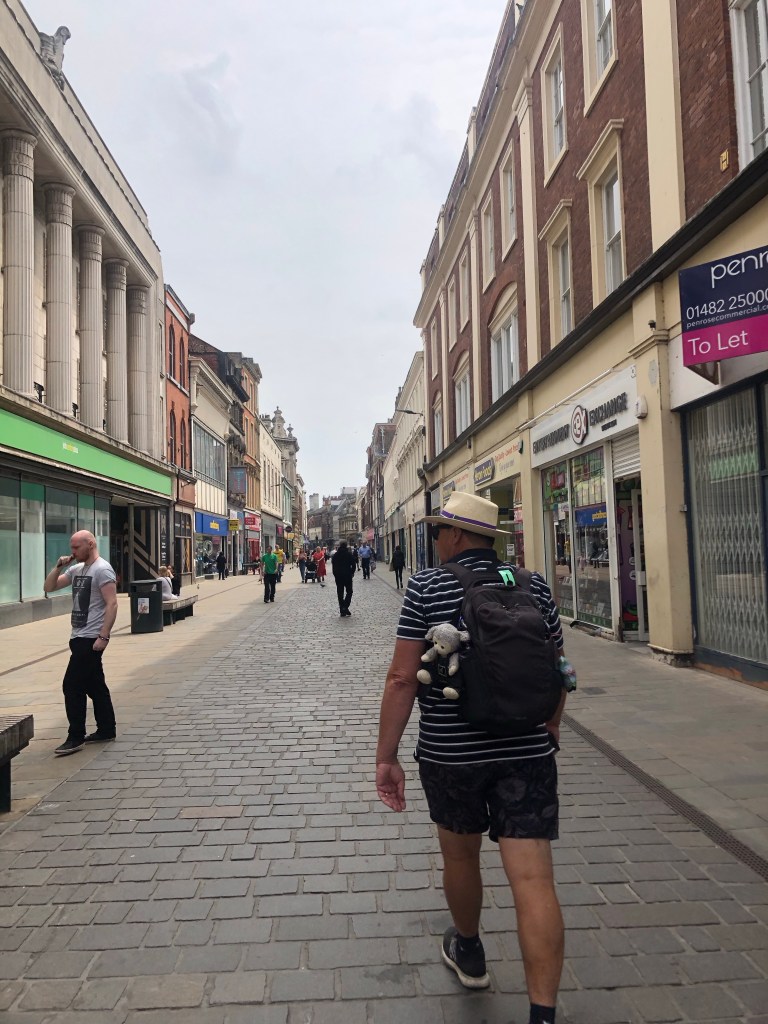
While staying there we took a couple of trips to Hull to catch up with some of Daniel‘s family and to have a look around.Was so good to spend time with Philip (Daniel’s dad) Paula (Daniel’s Aunty) and Stuart (Daniel’s Uncle).
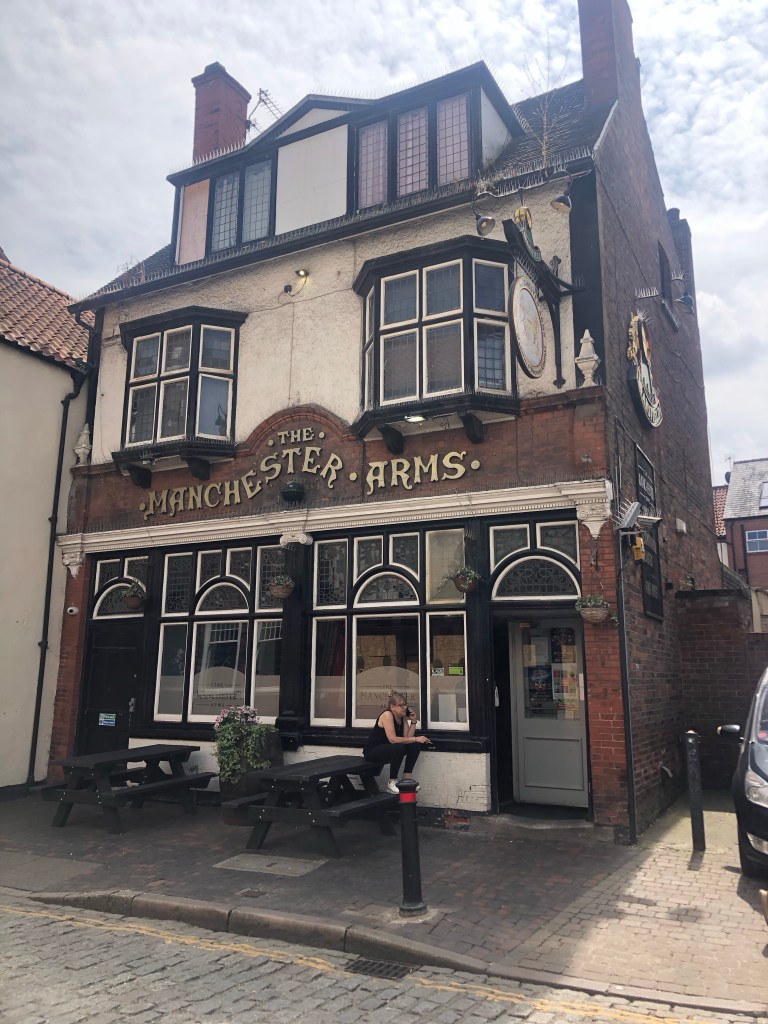
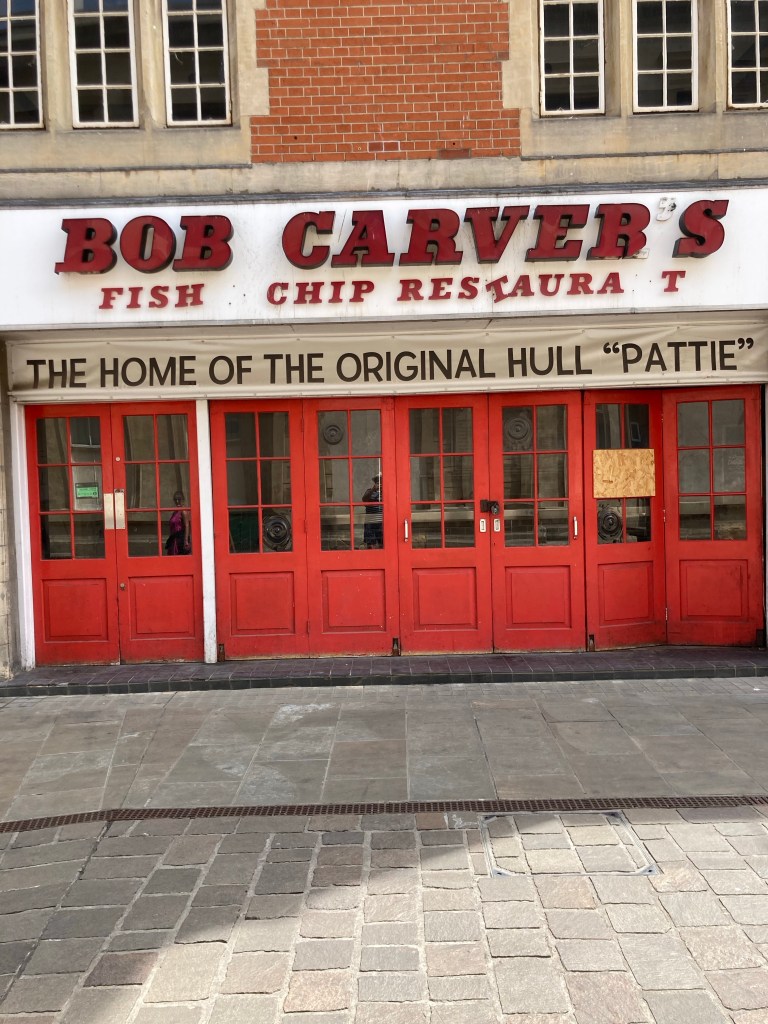
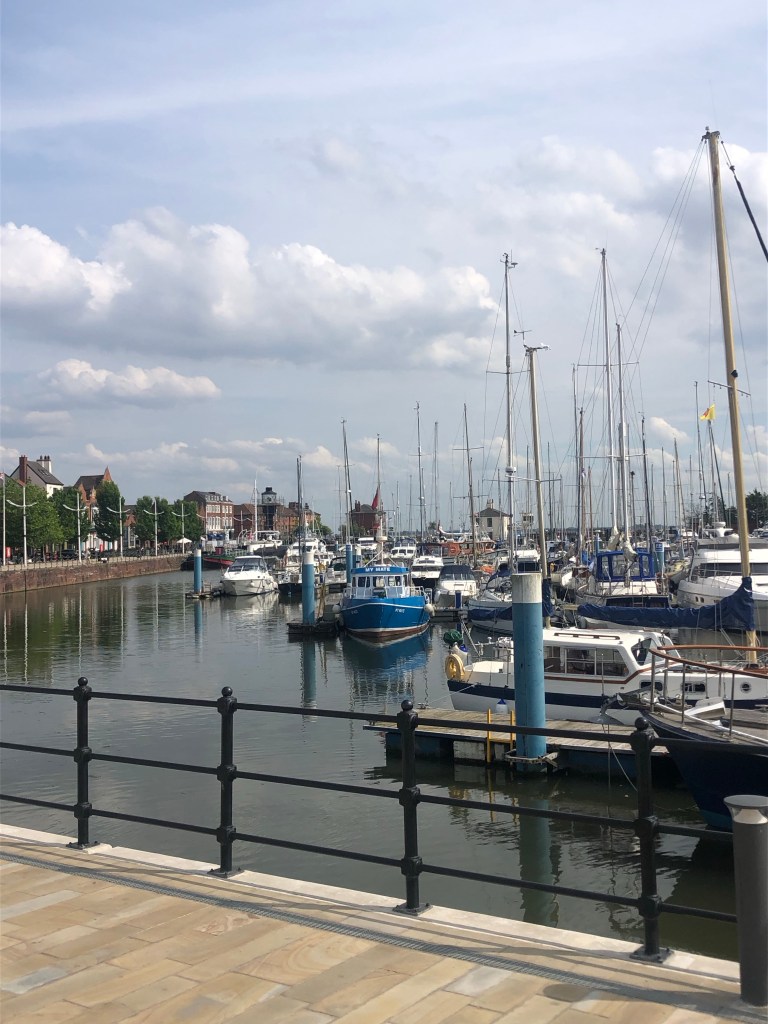
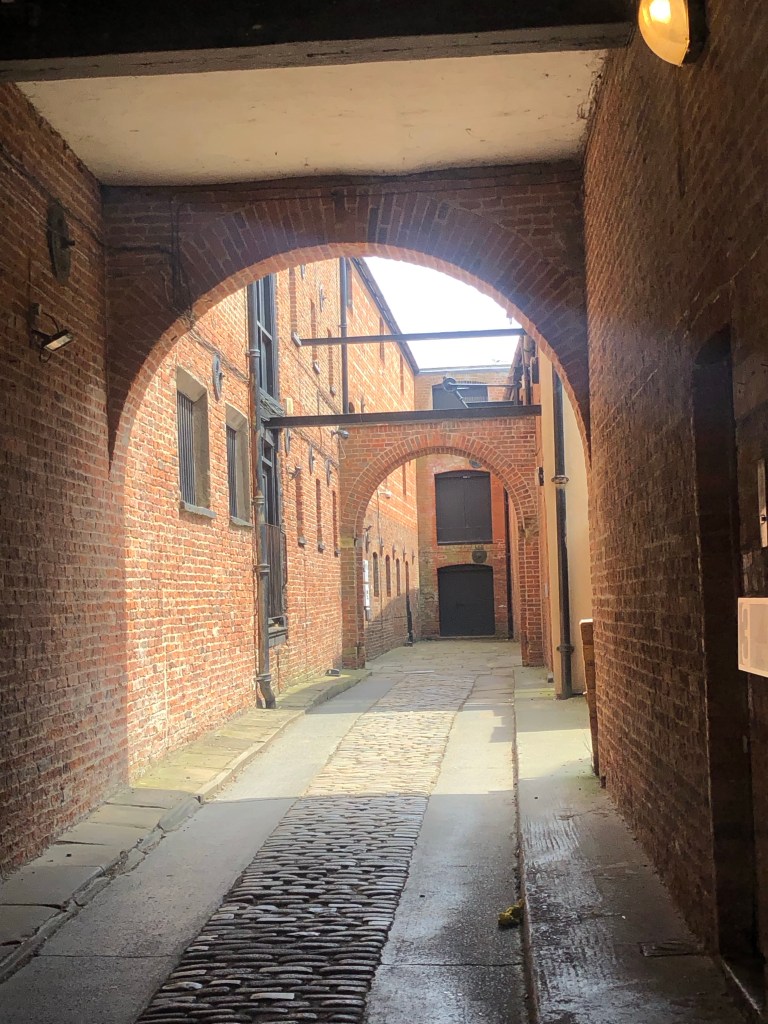
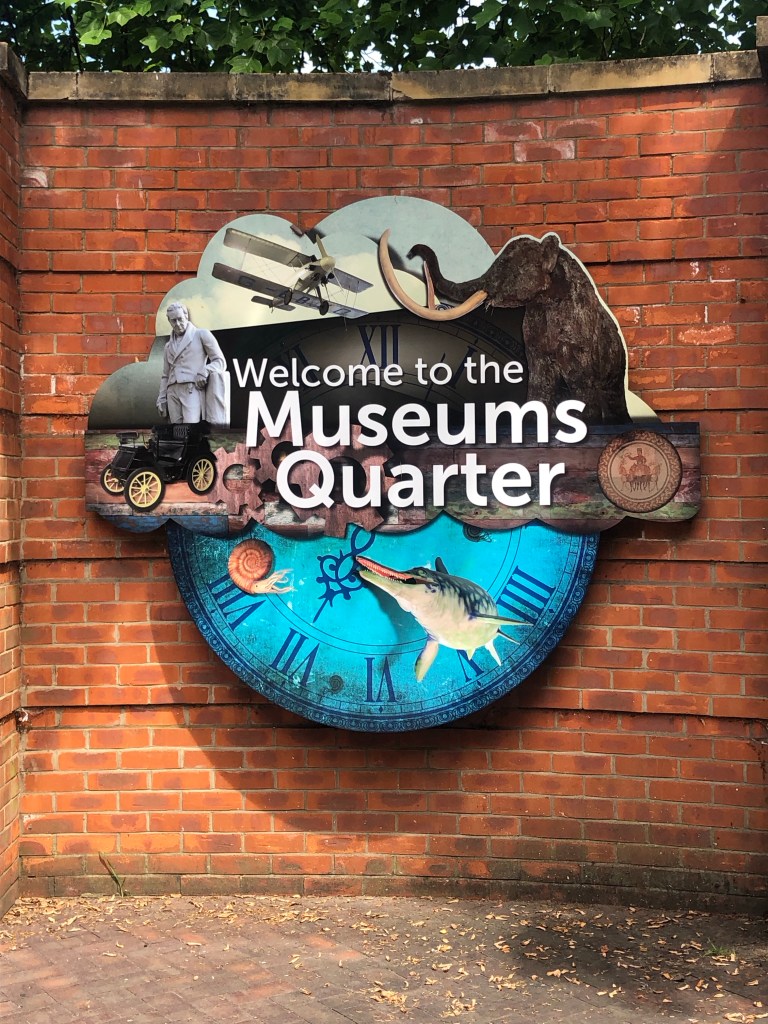
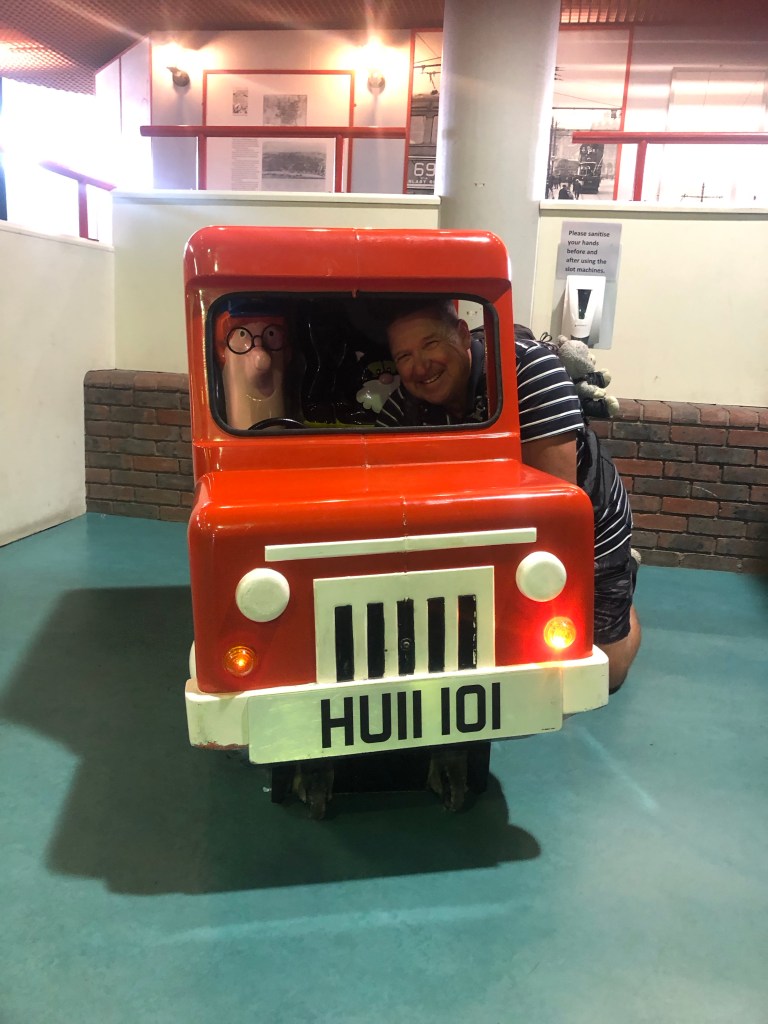
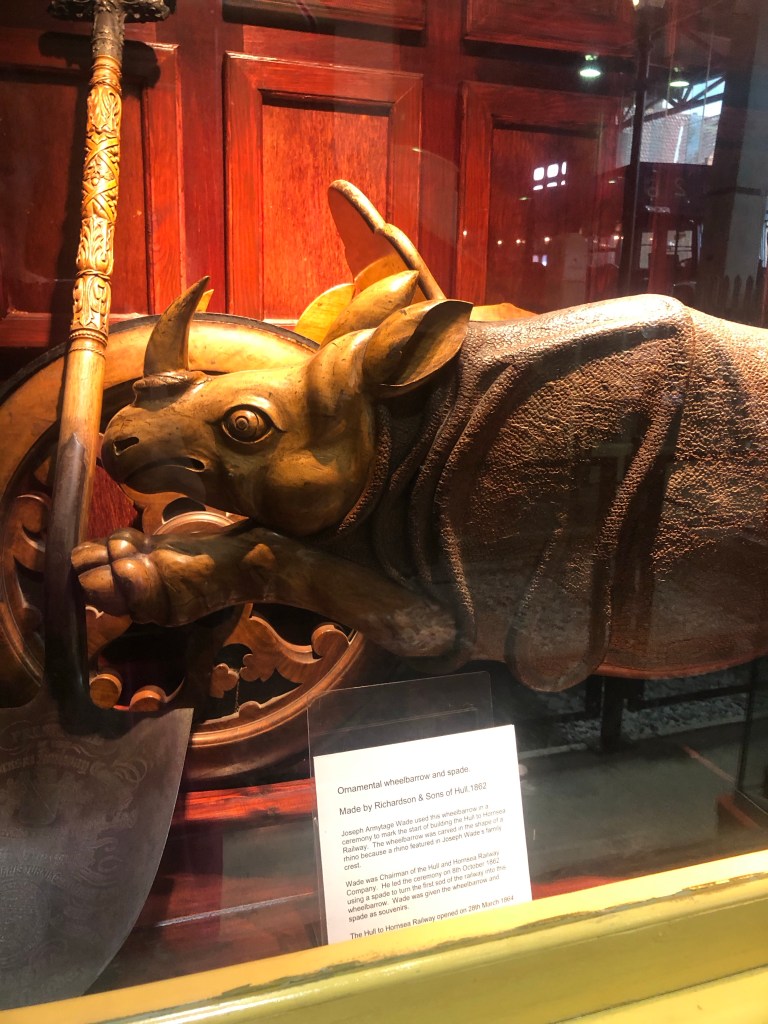
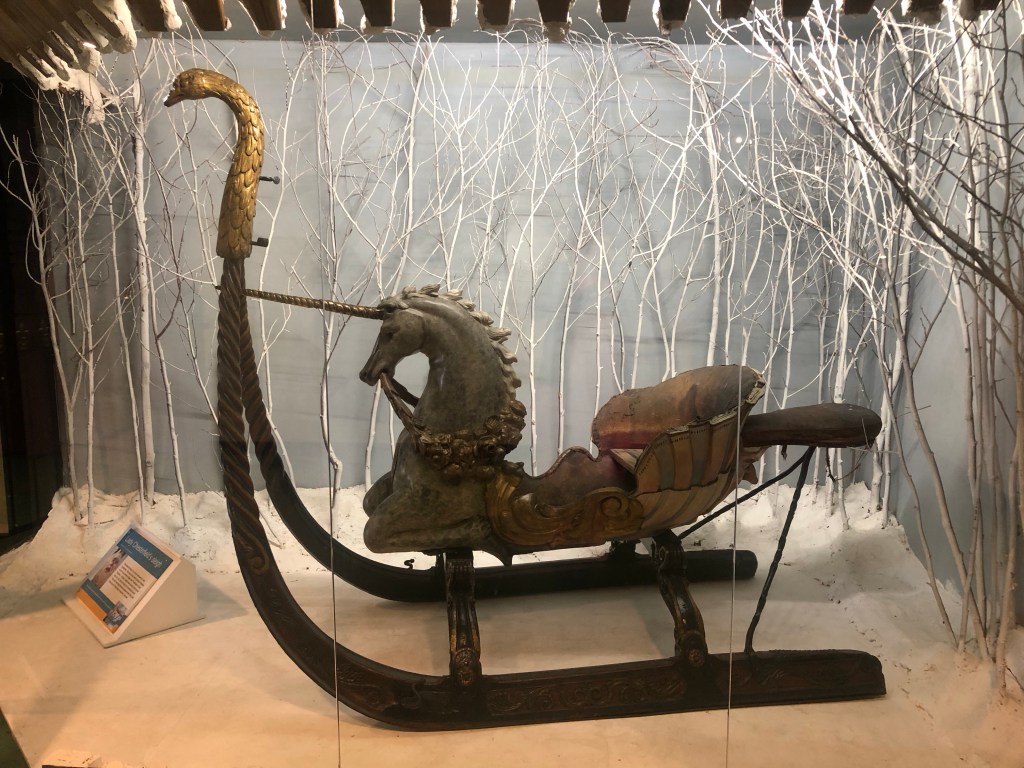
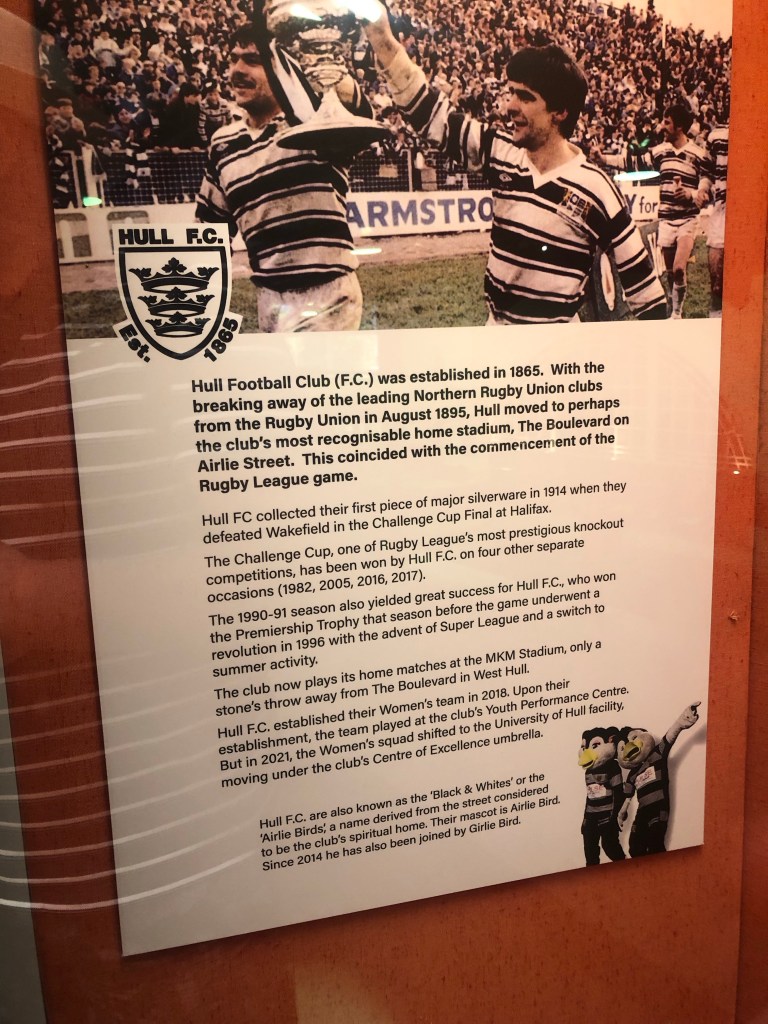
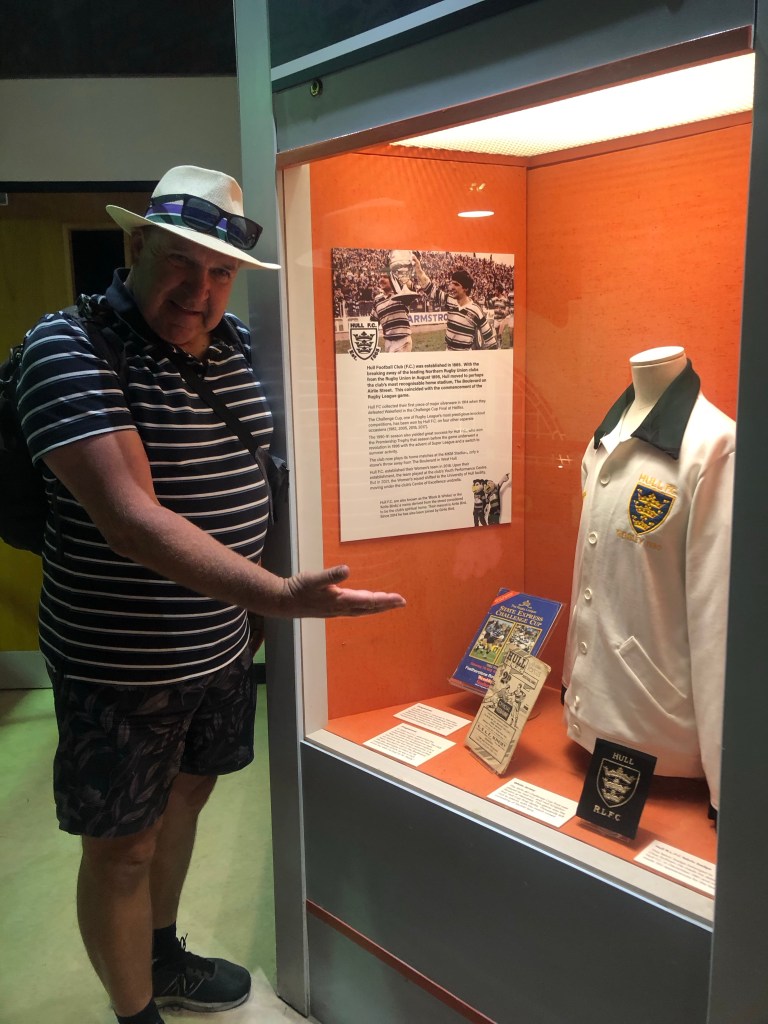
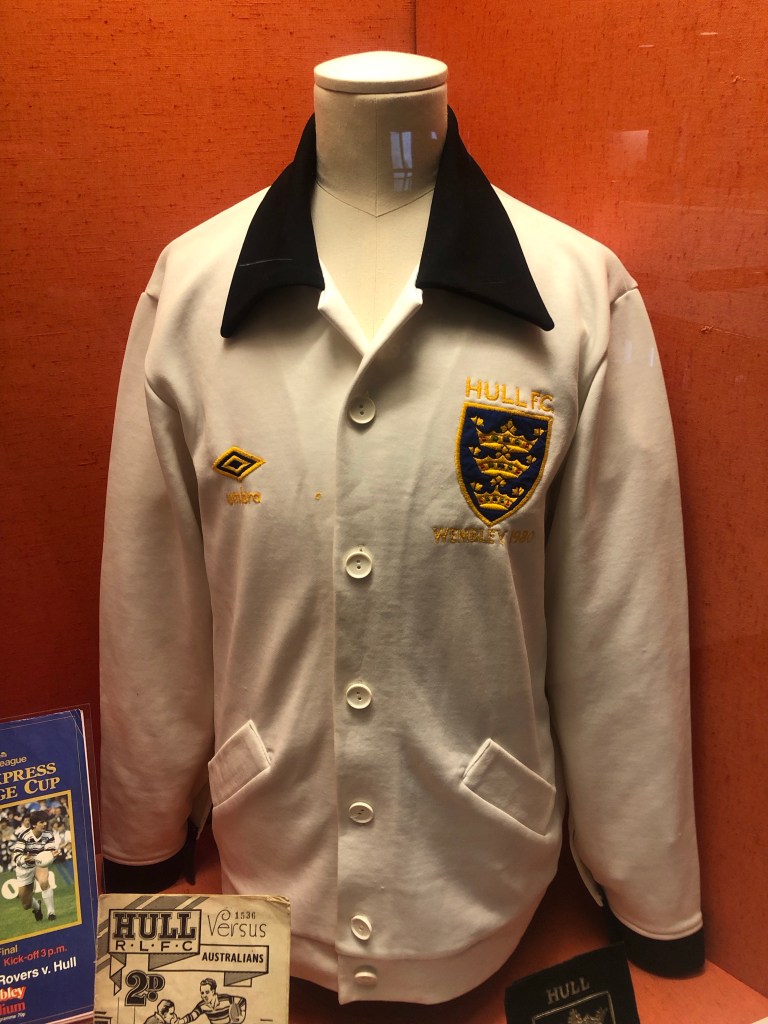
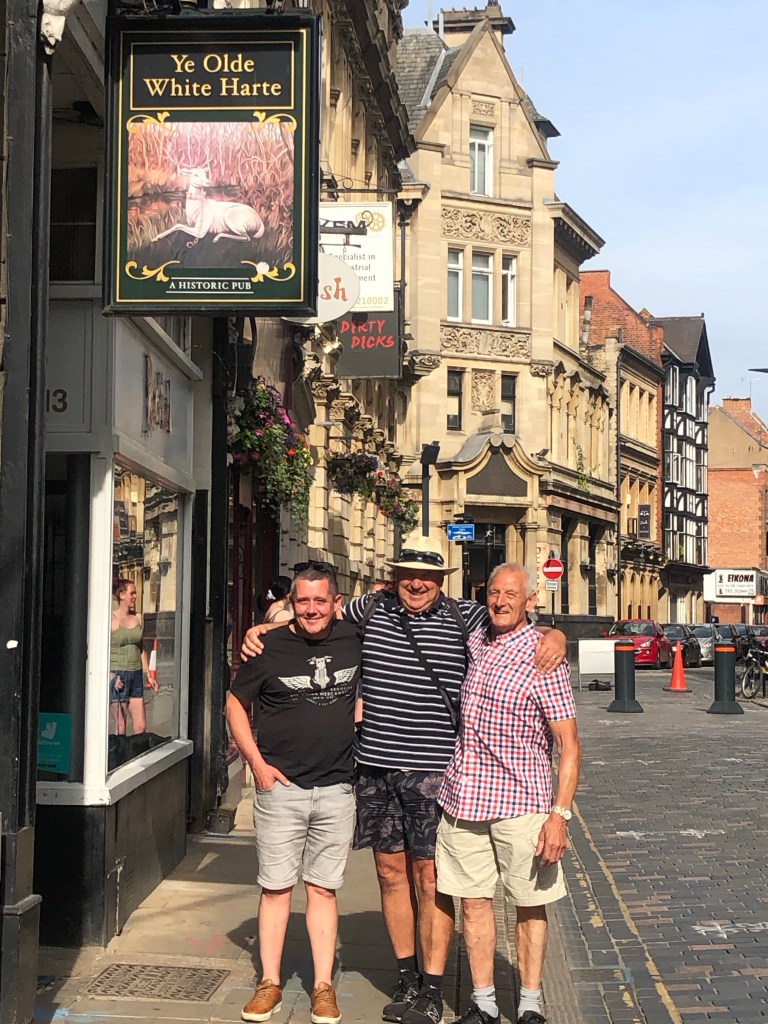
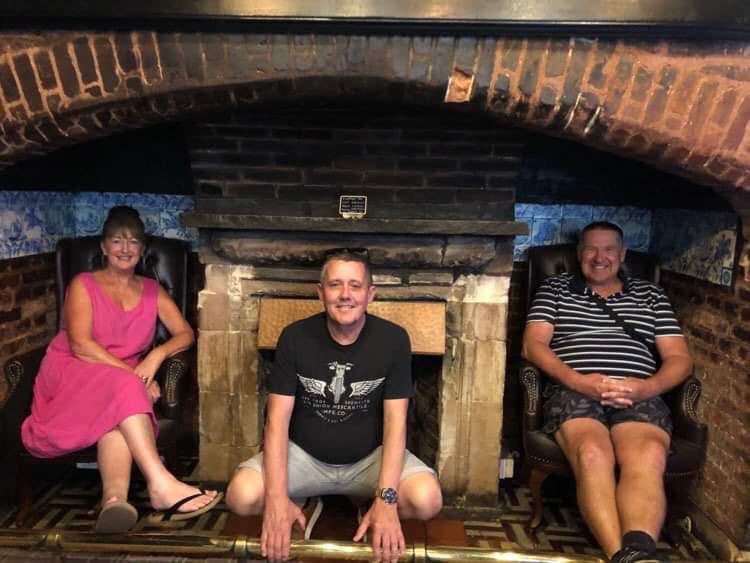
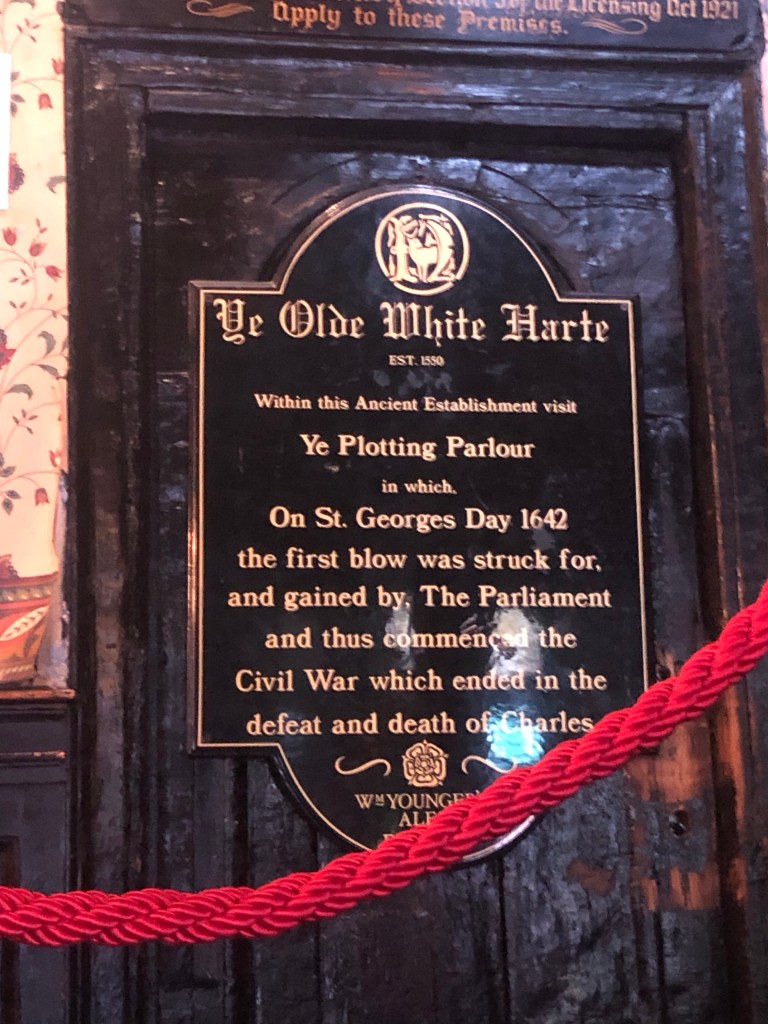
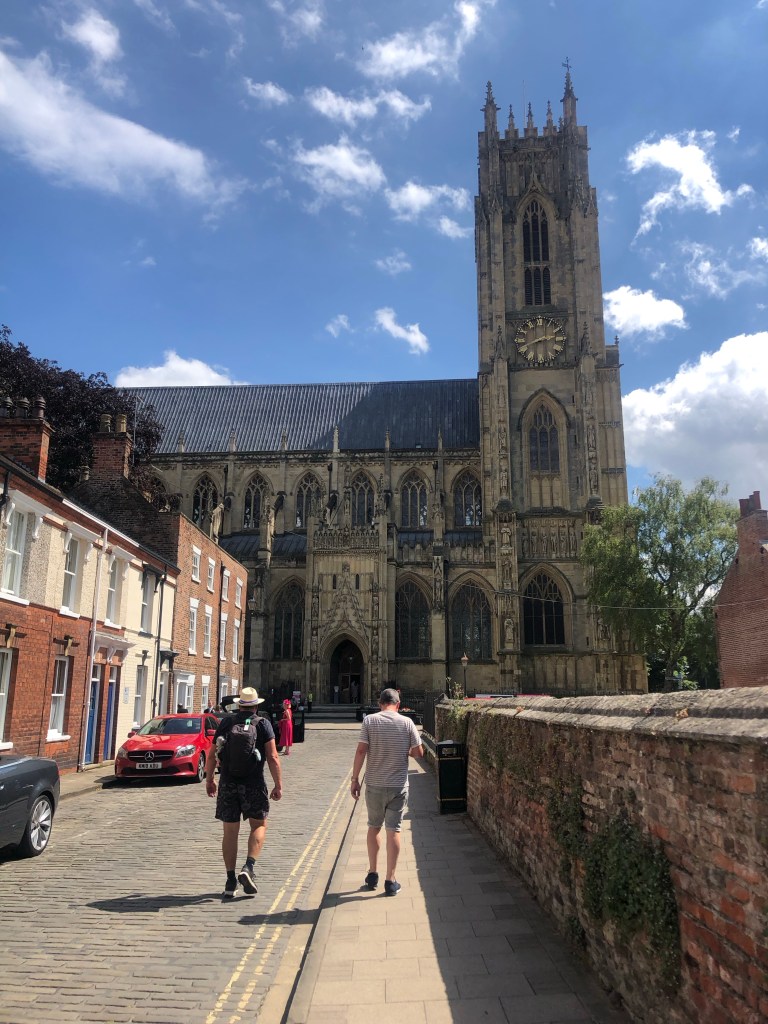
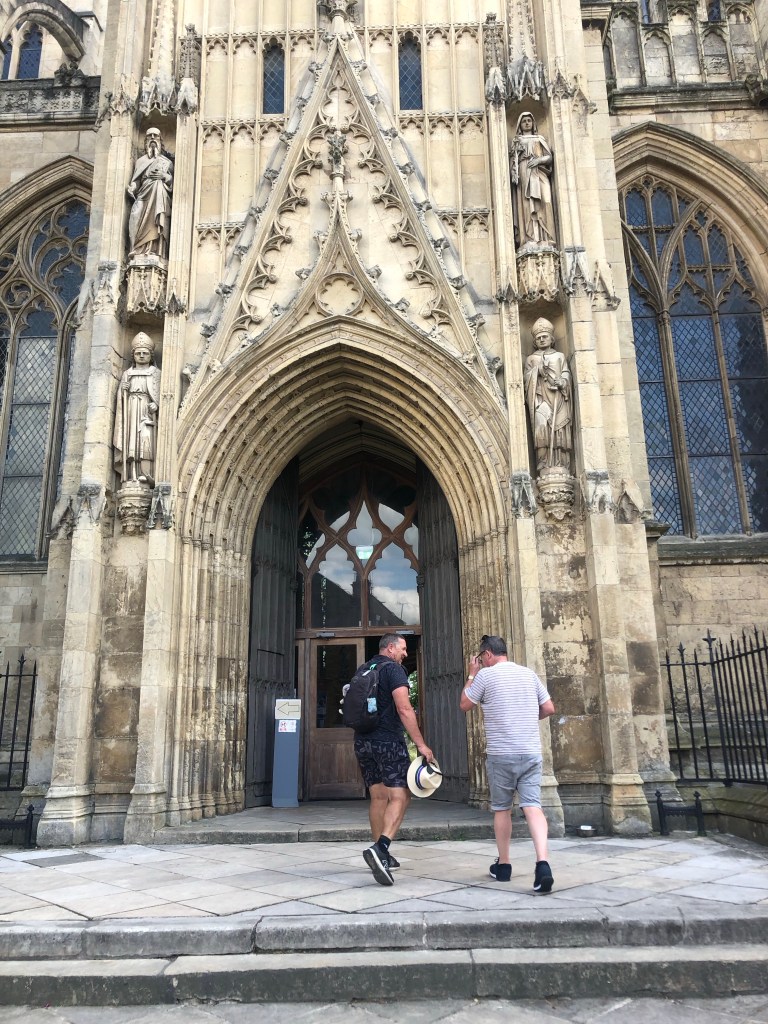
Old city centreLots of lovely old pubs everywhereOne of the many homes of the Pattie!Street Life museum – timeless. Visited one of the many museums in Hull – this one was called Street LifeMuseum Quarter in HullOnce a postman…….Lovely old tram How about this for a wheelbarrow!Cool sleigh!Hull FC est 1865 Hull FC regaliaFrom left to right- Phillip, Kim and Stuart. Note the pub – we had a drink here, very old and apparently haunted!Inside the pubWandering HullHad a look around the pretty village of Beverley – short train ride from LeedsBeverley SquareTried a new drink- was yummy!Walking with Paula & PhillipDaniel played here as a boyHad a walk around a lovely park in Hull with Paula and Phillip BeverleyBeverley MinsterInside Beverley Minster
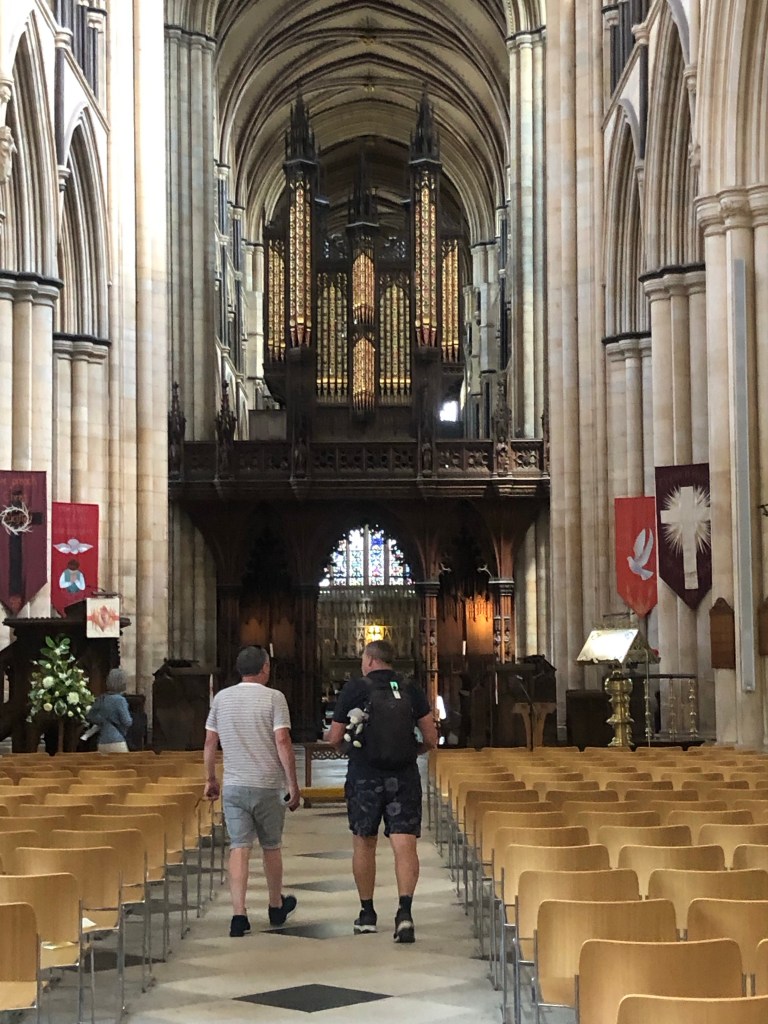
Inside Beverley Minster
Kim and I shared this lunch in a local market. Neat idea that you could eat the ‘plate’ (Yorkshire Pudding)
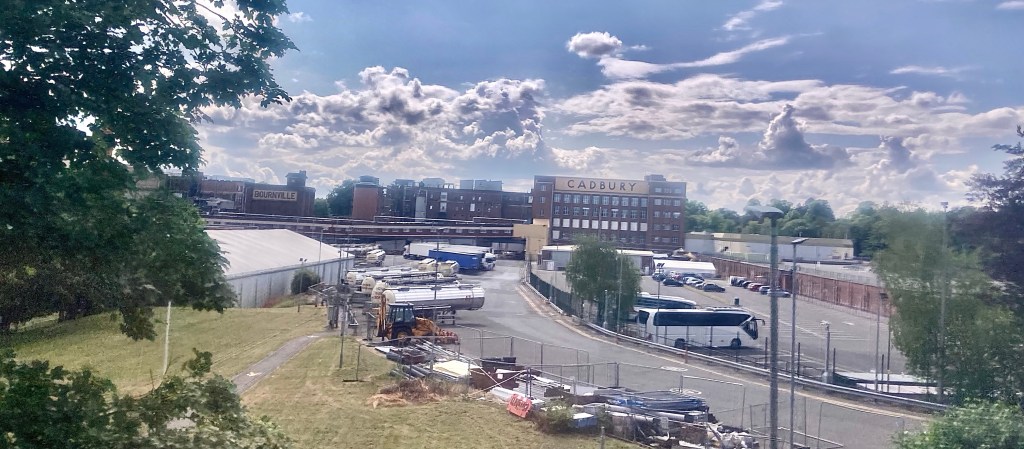
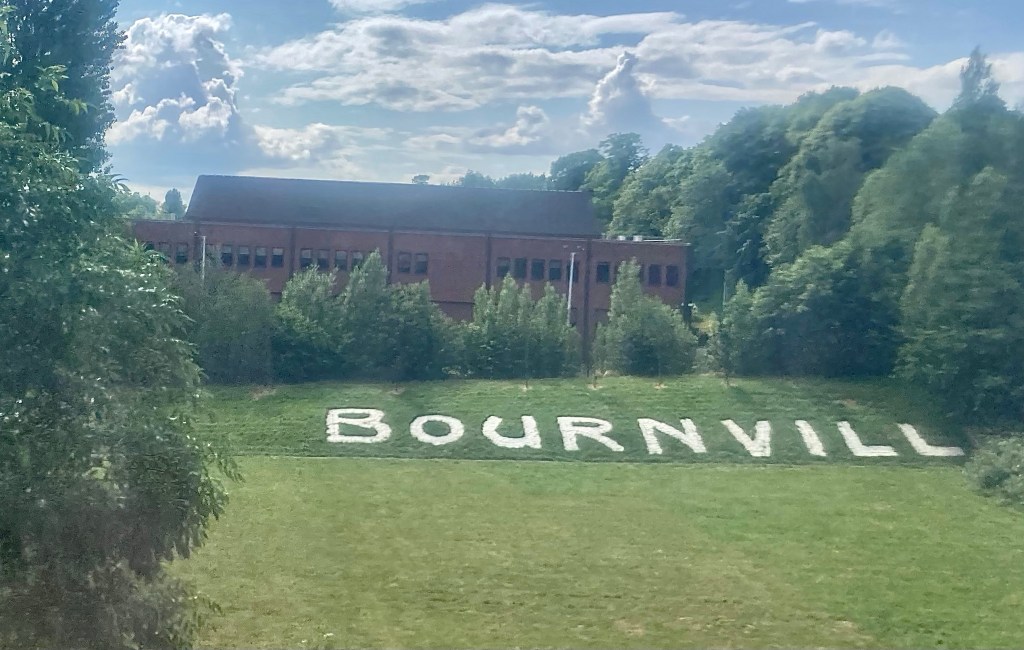
Beautiful morning- sunny (but not too hot) and a light breeze – just right for our return visit to Bournville!
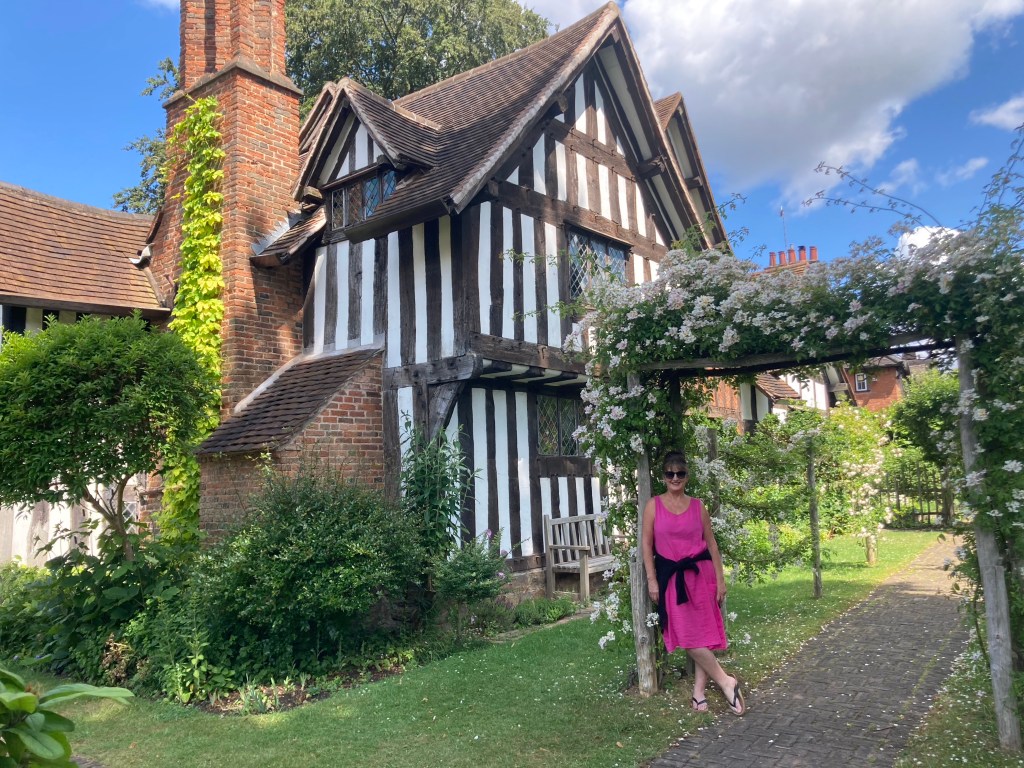
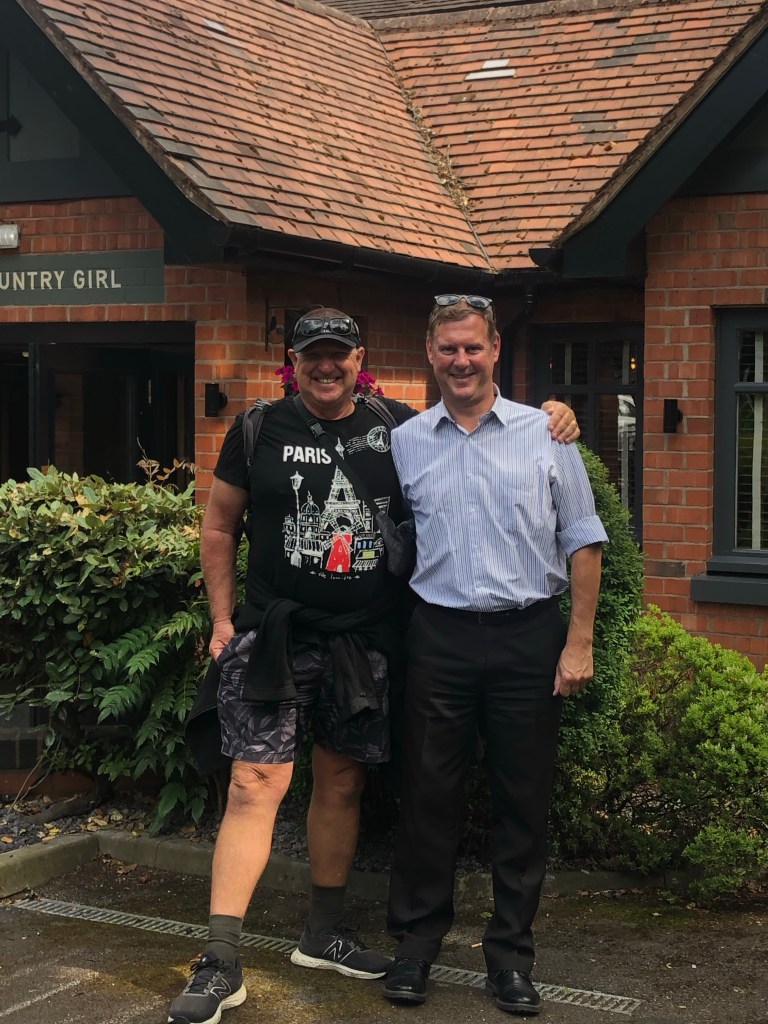
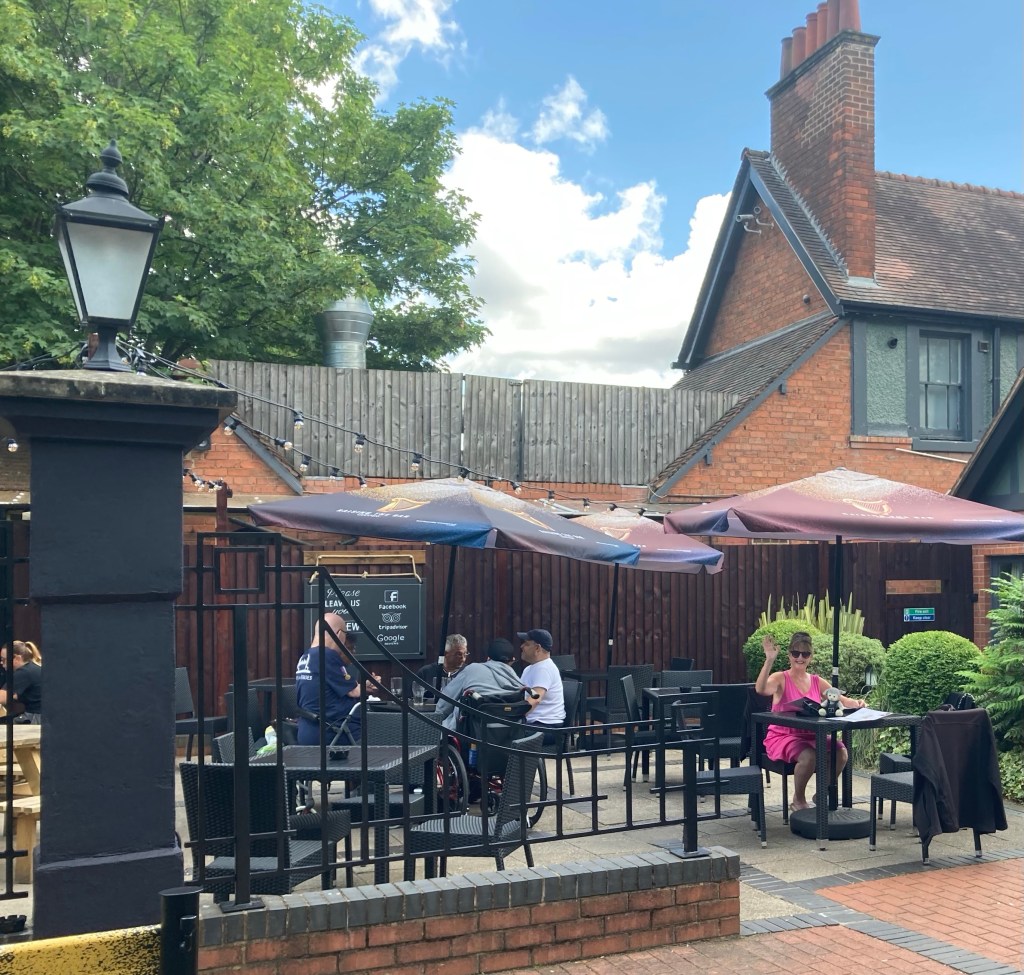
First we visited Selly Manor (this was closed on our previous visit), then we caught up with David Eastman, an old Cadbury work colleague of Kim’s, for lunch
Who is that man loitering outside Selly Manor?Sally outside Selly Manor
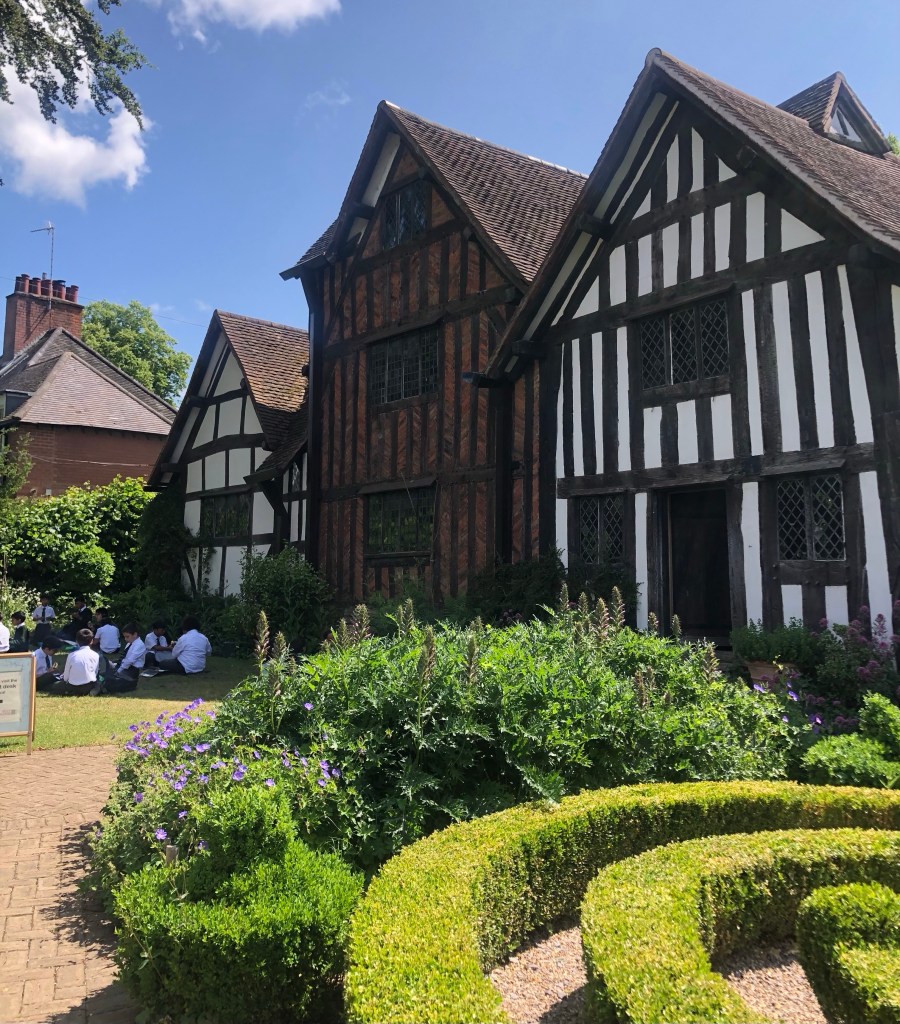
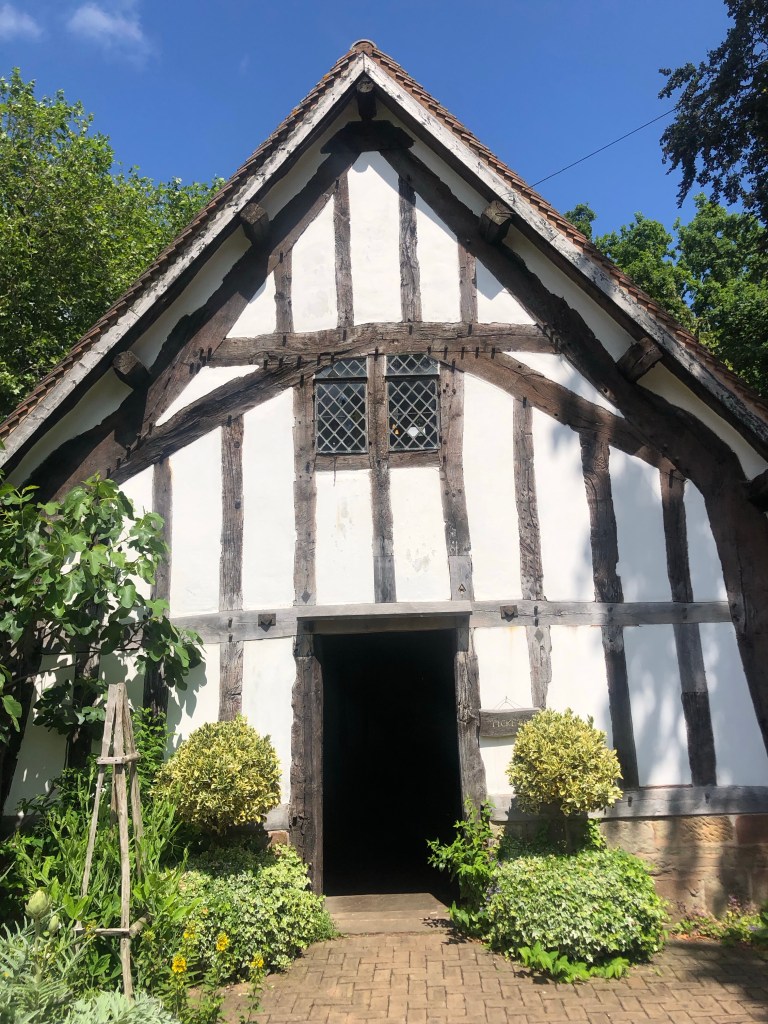
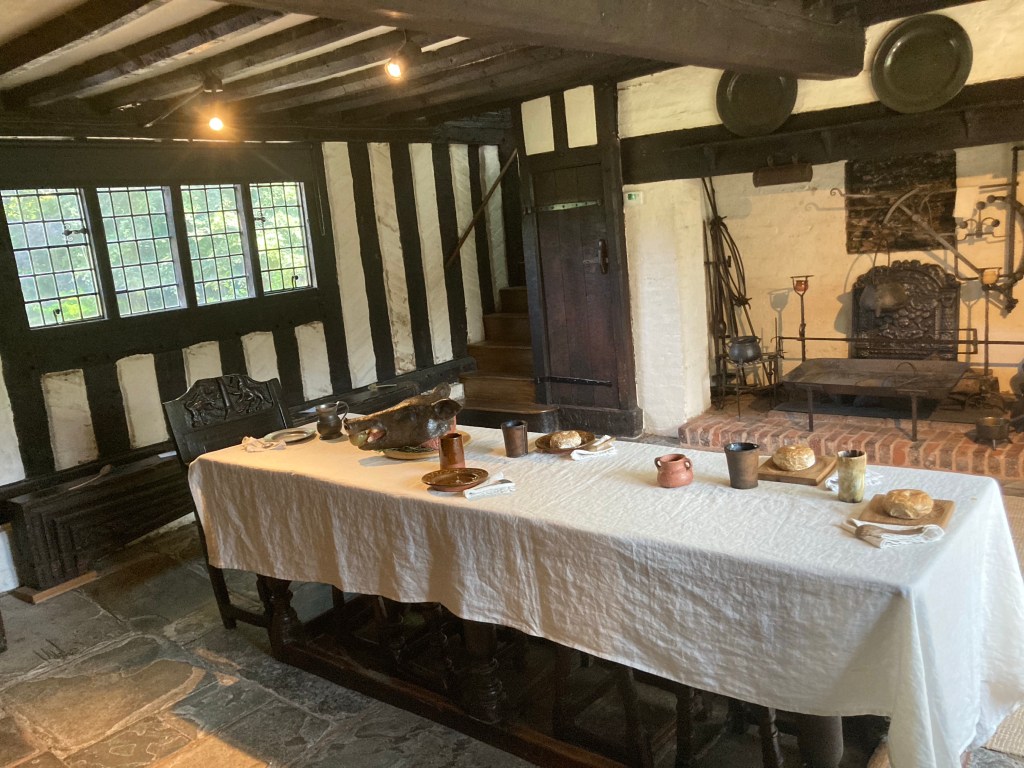
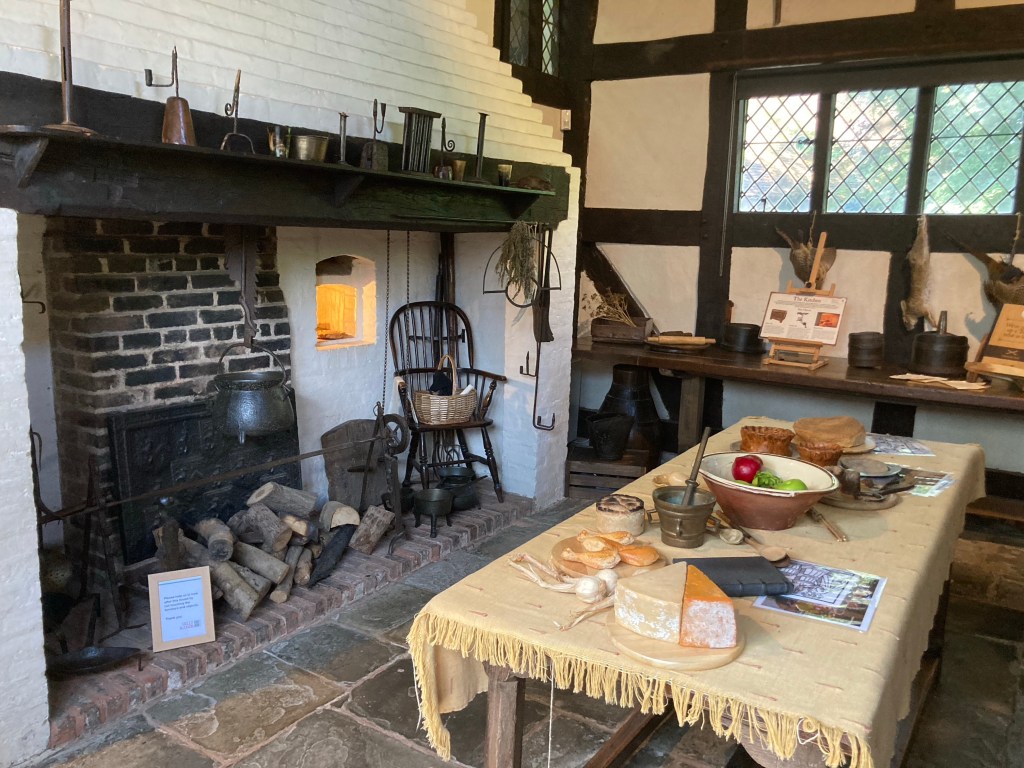
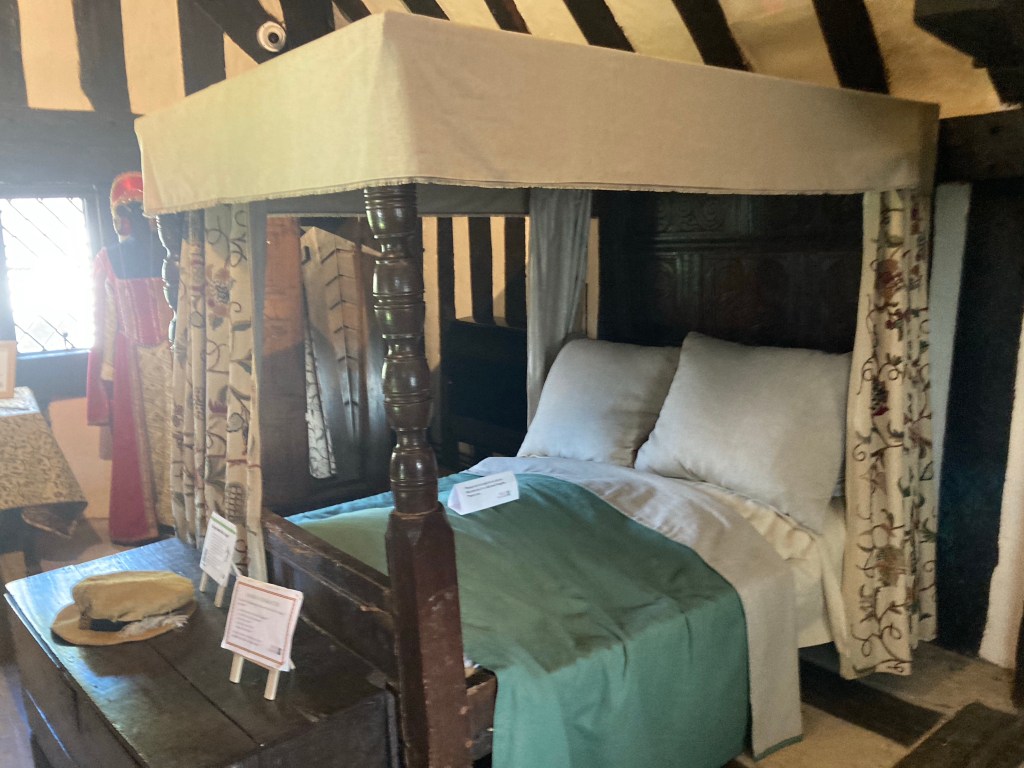
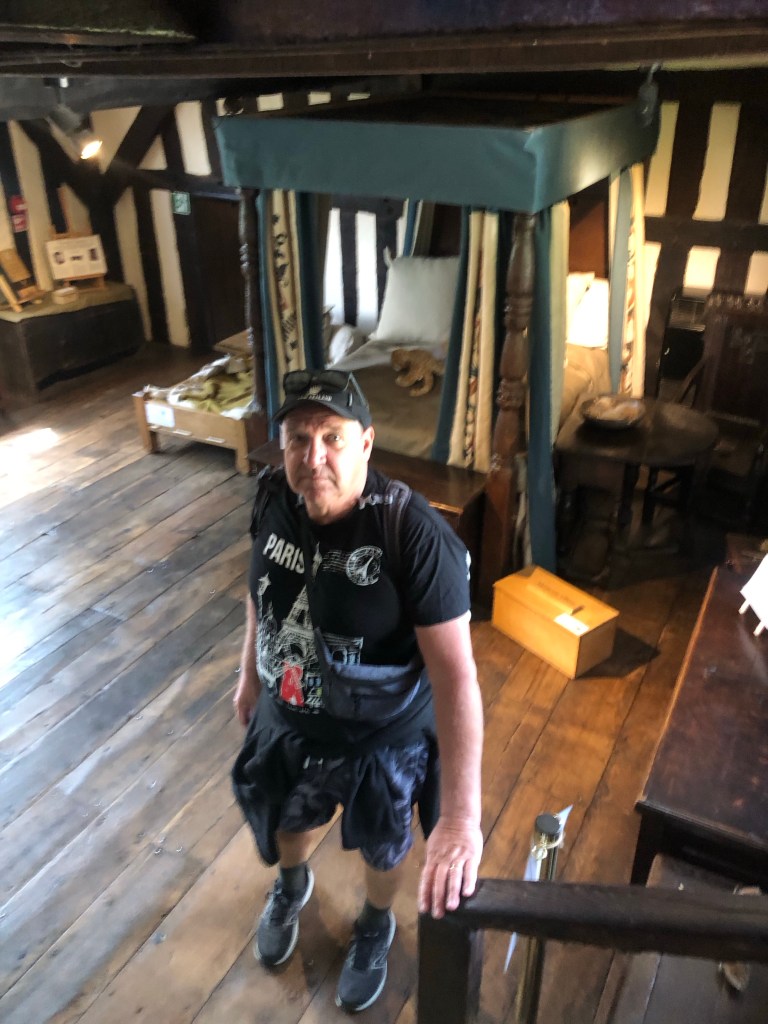
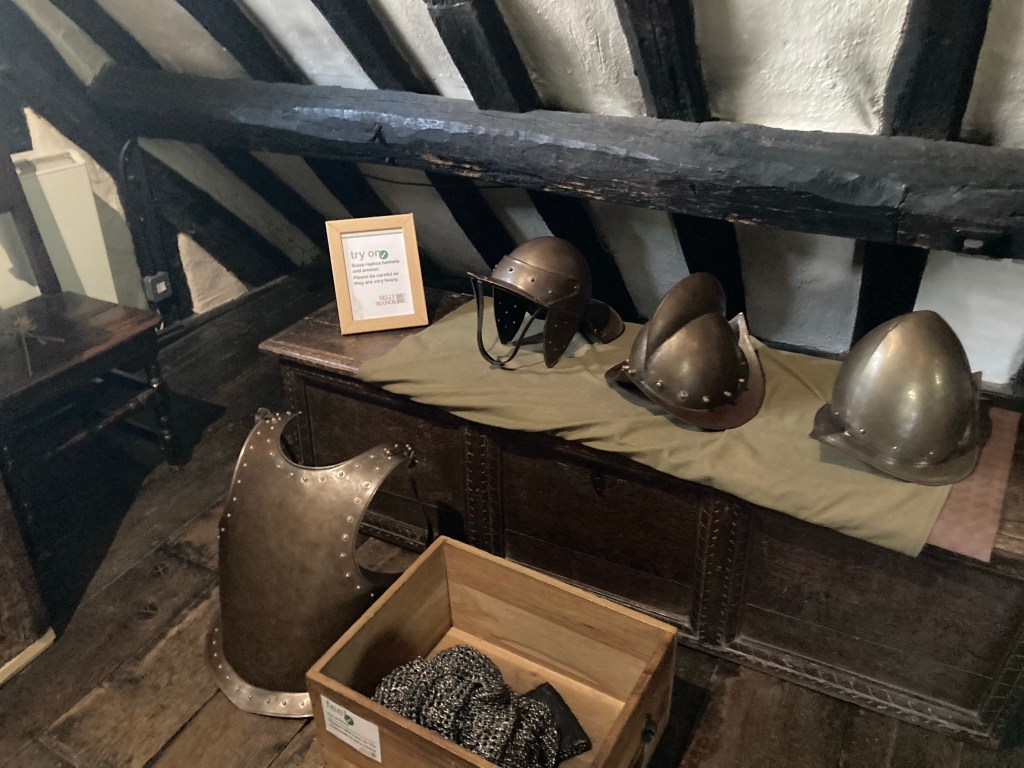
Selly Manor was interesting- very old building set up as a museum.
Selly Manor – 500 years old.. George Cadbury moved this (and the below building) to today’s site to save them from demolition (he was big on preserving heritage)The other building on the site (used as the reception area). This one is 700 years old!!




















































































 England 2023