13th-15th July
This was different to most other towns we have been in. A lot of the buildings are of the same age, built in the 1800’s. There are a few older places scattered through, including the Abbey.
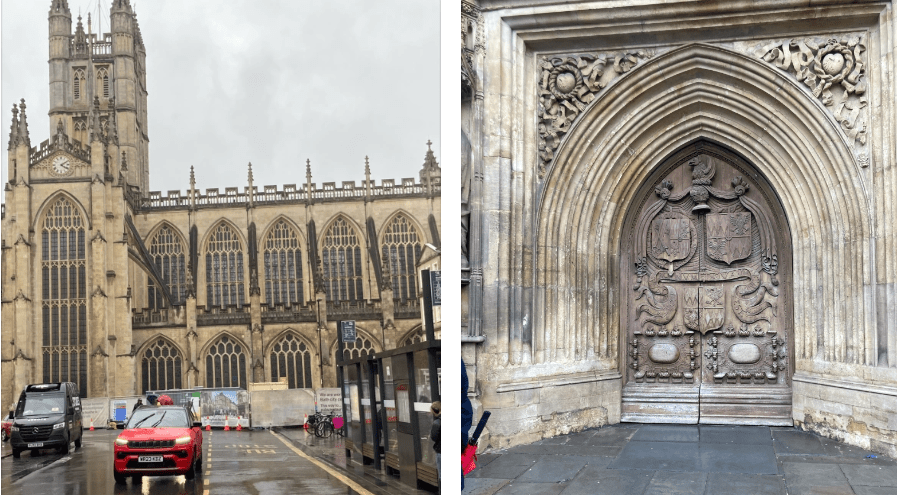
plus the Baths of course but they were only rediscovered in the late 1700’s.
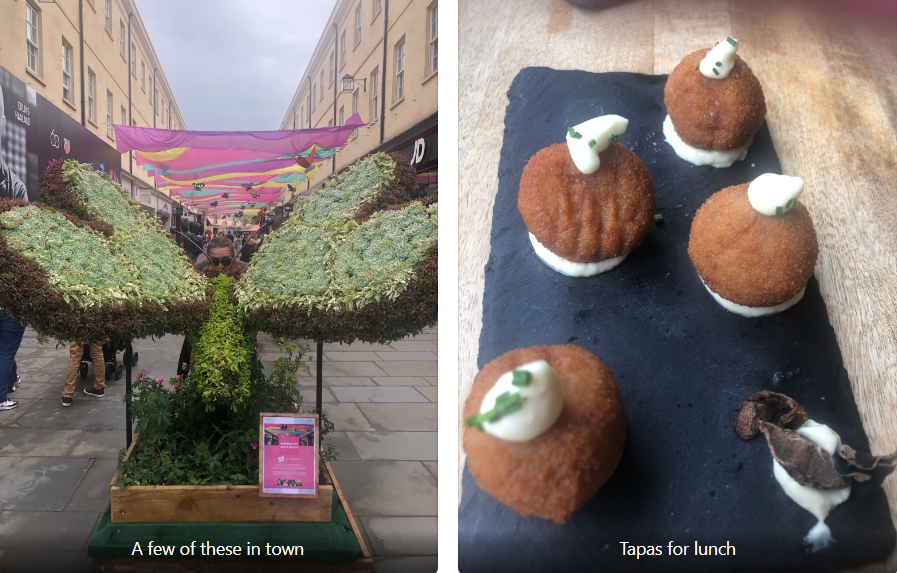
It poured when we arrived but that soon passed and we had a pleasant afternoon exploring Bath from the top of the sight seeing buses. We did two different circuits on the same ticket which is valid for 2 days.

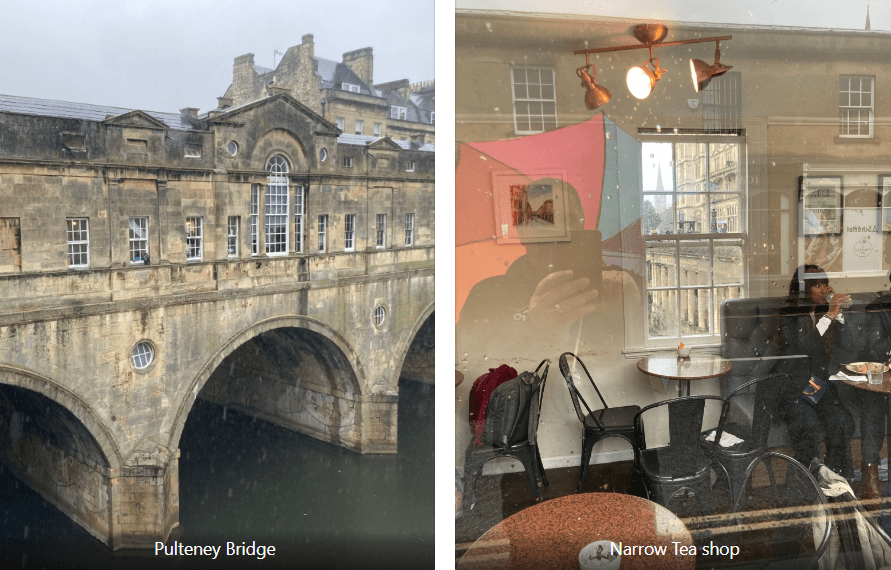
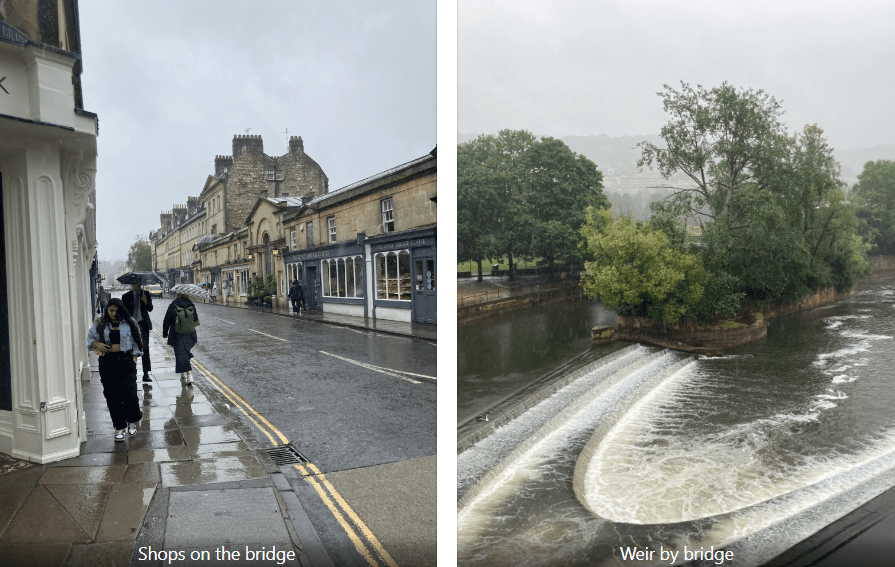
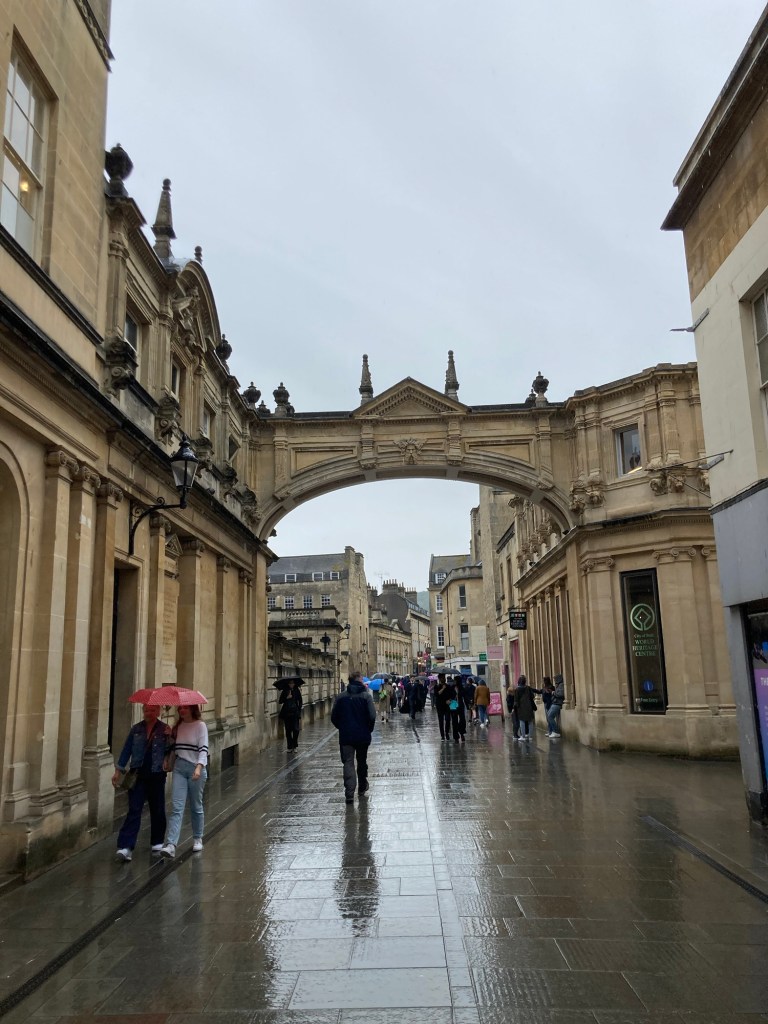
Went over Pulteney Bridge, an old bridge that has shops on it, these are really narrow shops, if you look closely you’ll see the tea shop is only one table wide then you’re looking out the window.
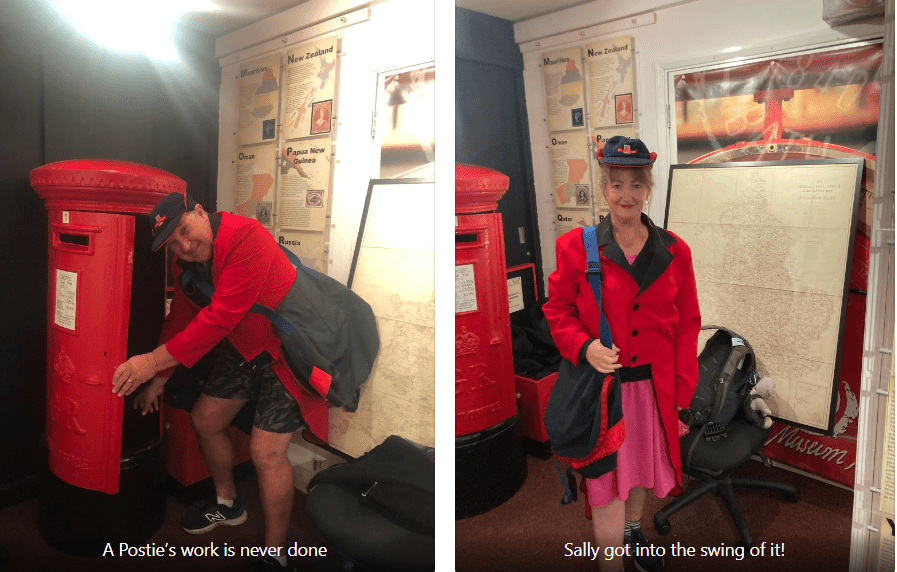
There was a Post Office museum there, so like any Postie worth his salt, Kim had to check it out. Quite a quaint little museum with a very knowledgeable curator.
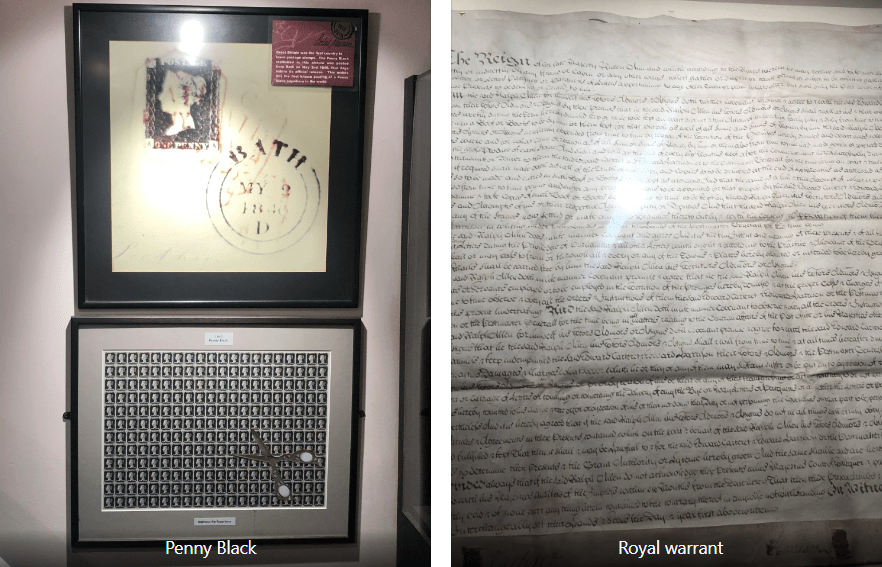
It had some interesting stuff – the first Penny Black was sent from here, a Royal warrant was issued allowing the first mail delivery service, the owner became really wealthy.
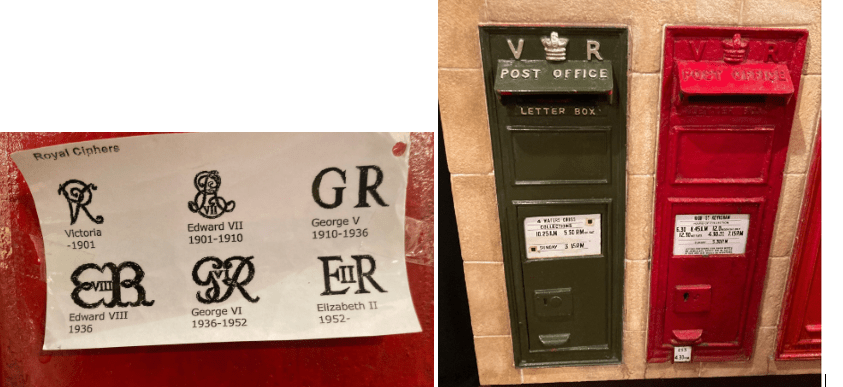
Didn’t realise Postal Boxes had the Royal monogram of the reigning monarch, and that they used to be green, but as these didn’t stand out in the countryside they changed them to red.
There is an olde tea shop called Sally Lunns. The building has been there since 1482, and Sally Lunn herself lived there around 1680. She was from France and had a recipe to make brioche buns. The shop still specializes in these today. We stopped in for lunch.
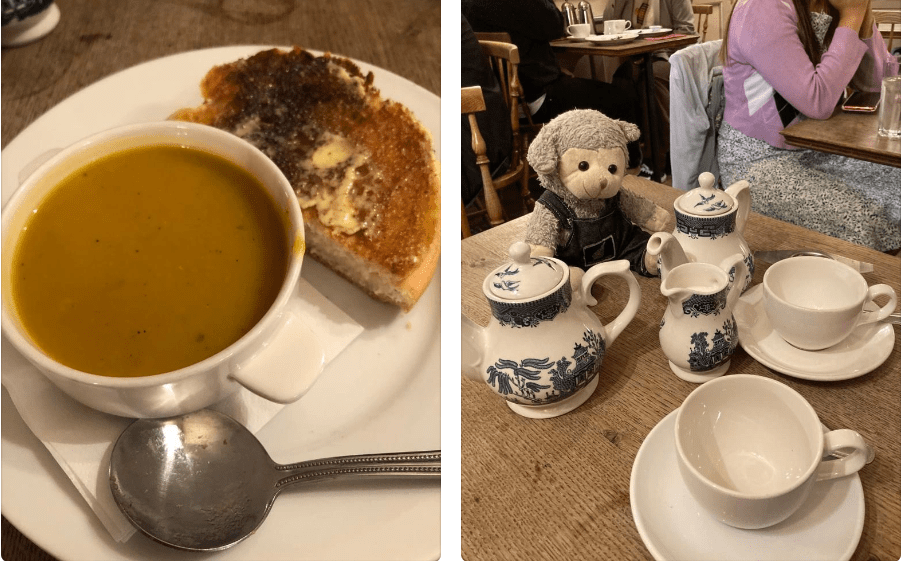

Had a really personable gentleman called Martin as our waiter, he really made it an enjoyable experience.
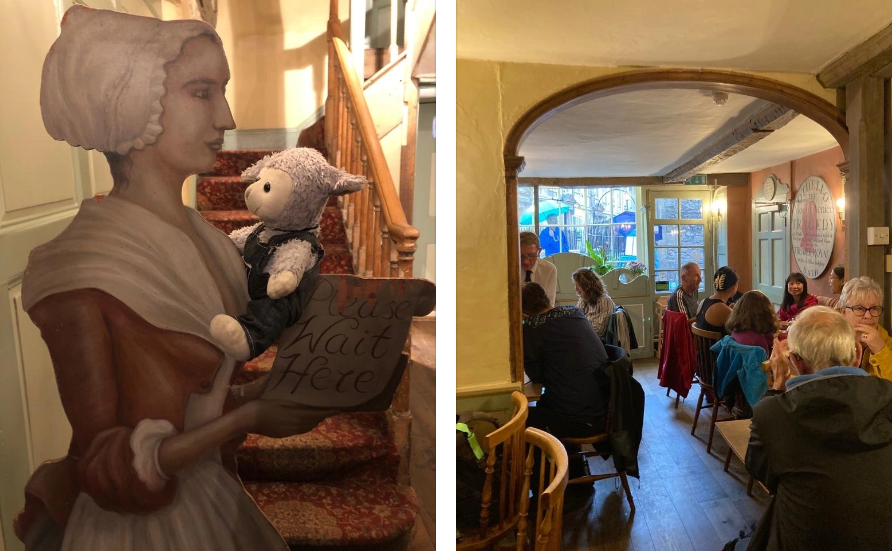
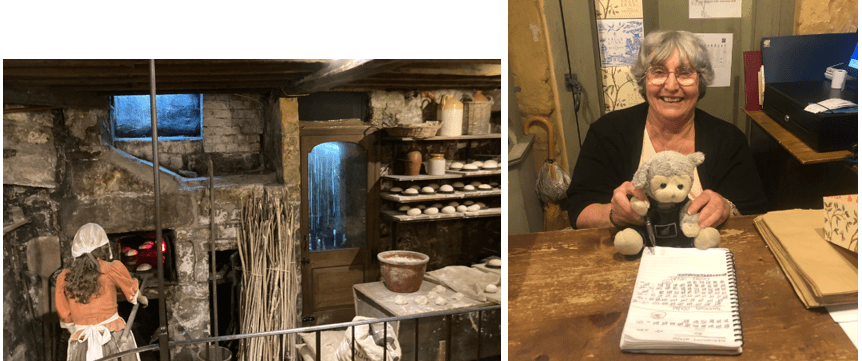
They had a small museum downstairs, more a static tableau that gave you a sense of what it was like back in the day.
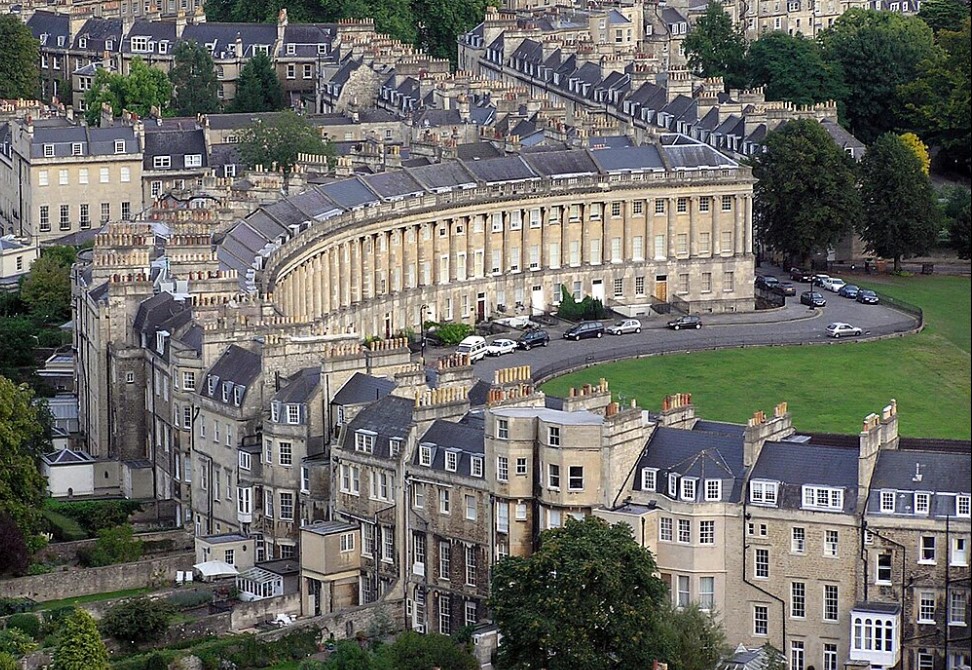
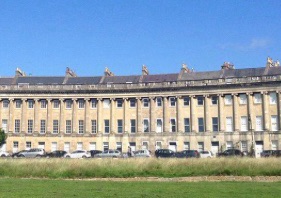
The Royal Crescent is a famous street in Bath. It was designed by John Wood the Younger in the 1770’s, a string of 30 Georgian terraced houses which all look the same in the front. But the owners could do what they wanted with the back of the houses, so it is a real hop-potch. (Photos from the internet)
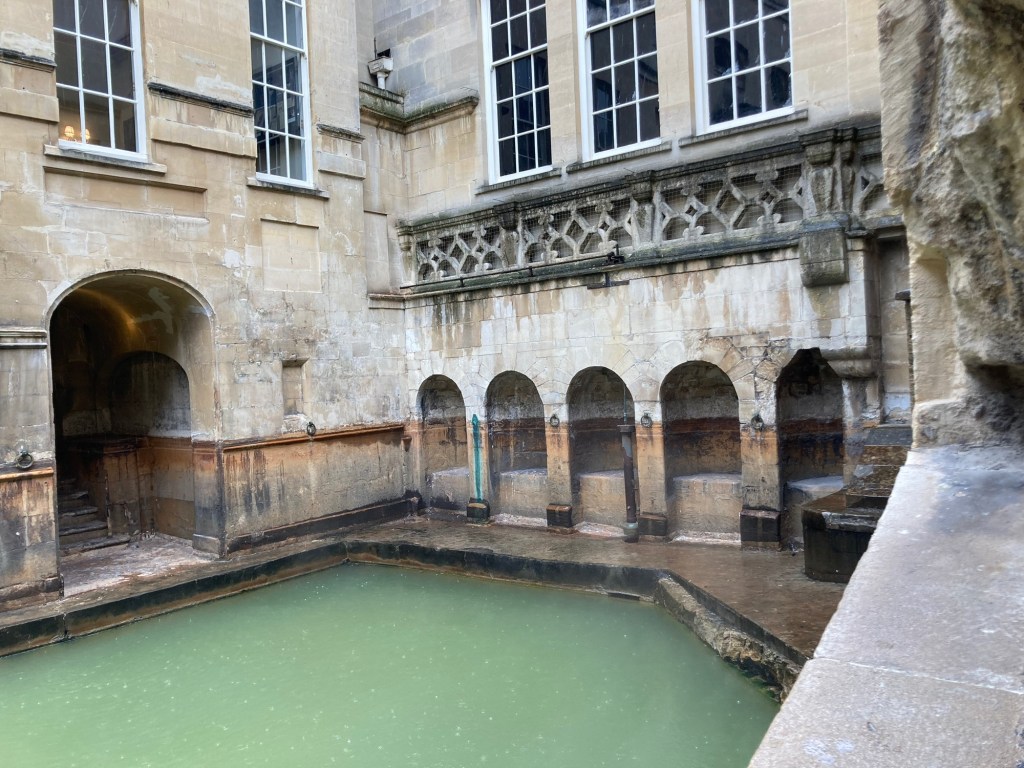
The Baths
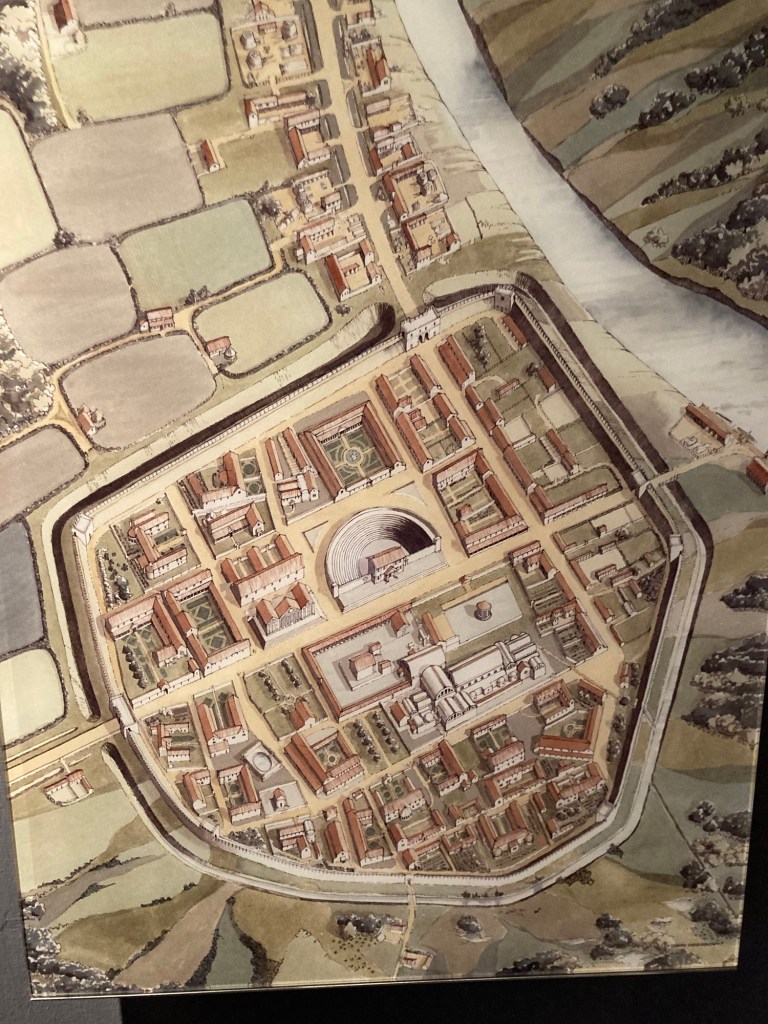
These were built around 70 AD by the Romans and were used by them for over 400 years. They built a temple as well, and the town was a significant place on the Roman Road network.
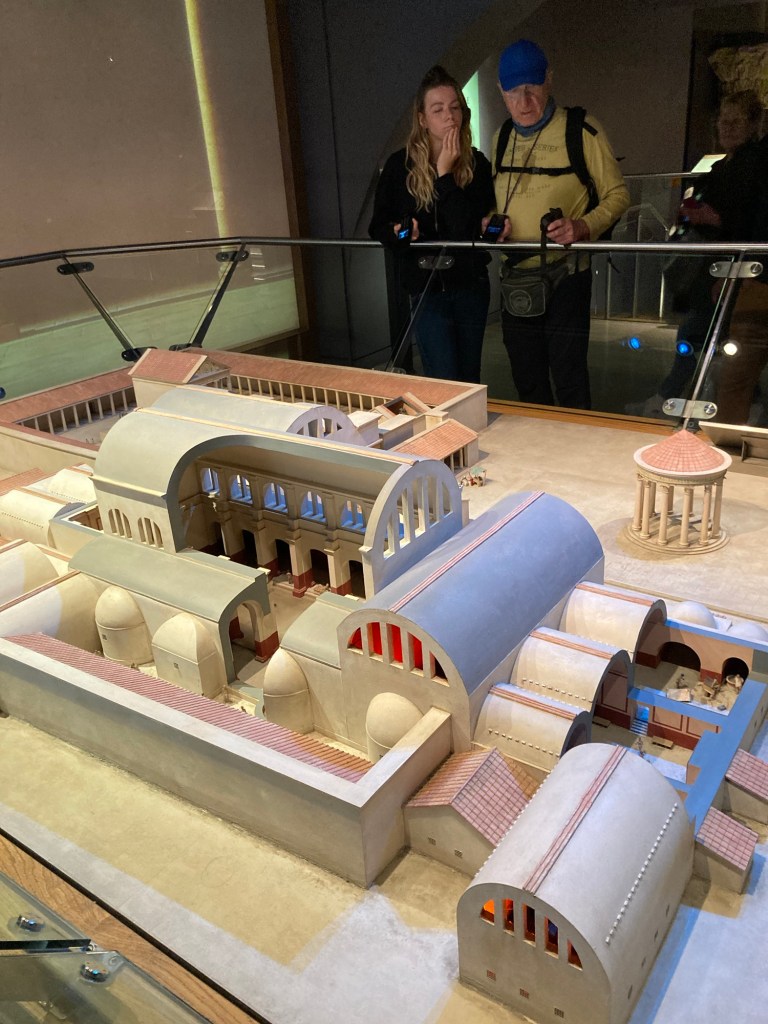
It equates to a modern day fitness center. There were sauna rooms, massaging, plunge pools, various pools of different temperatures, a big main pool and areas for refreshments and socialising.
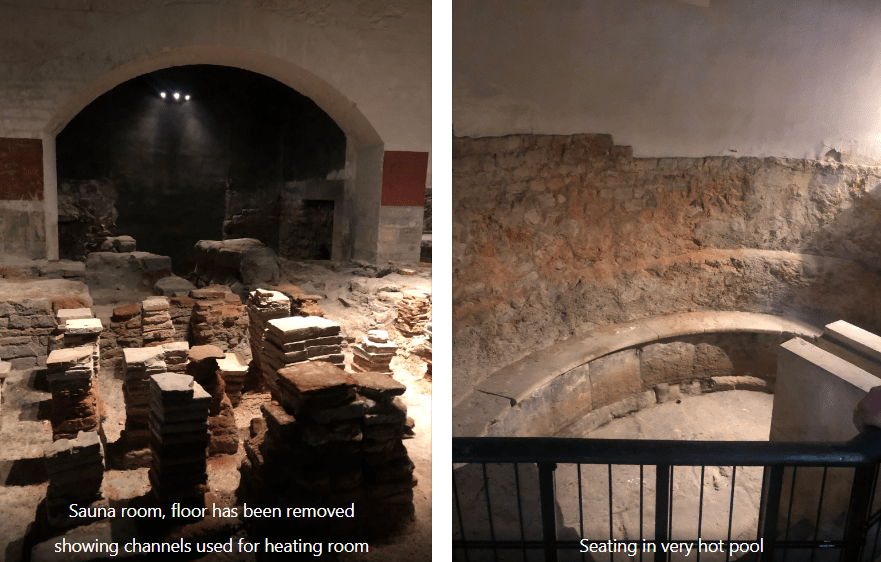
In fact it was so good, some of them never left
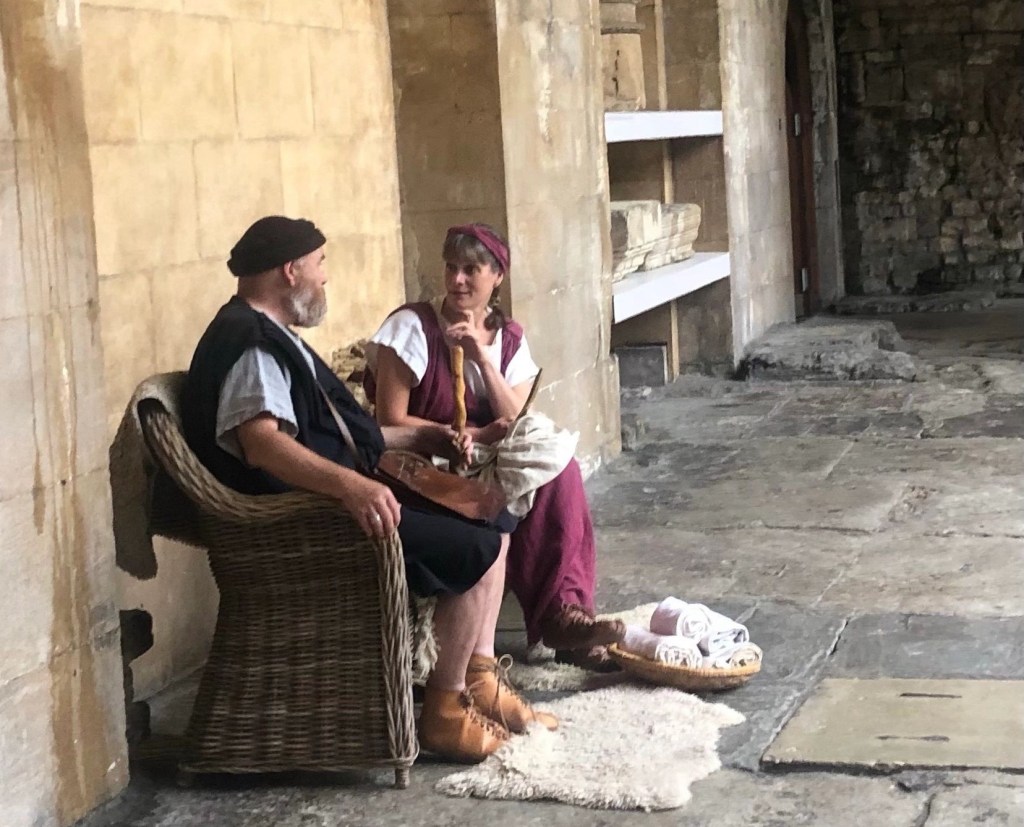
The Romans were quite clever with their underfloor heating, metallurgy and pipe making.

The baths fell into ruin and silted up once the Romans left but were revitalized in the 12th century and again in the 16th century.
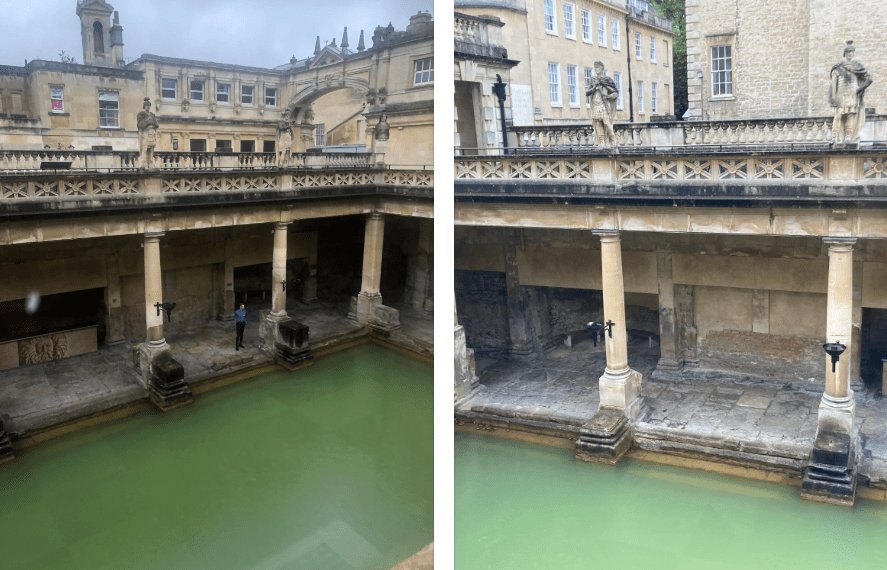
Because of their curative qualities, people have visited Bath for years to be cured of various illnesses and afflictions. The waters are not known to have any material benefits, but the change in routine, drinking and diet would have made most people feel better!
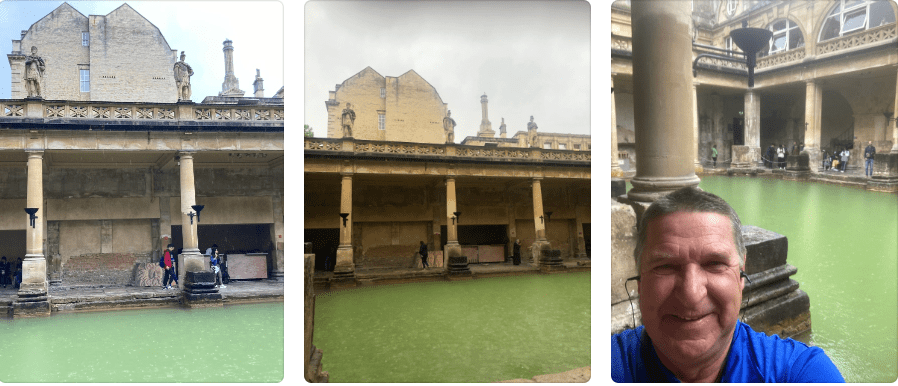
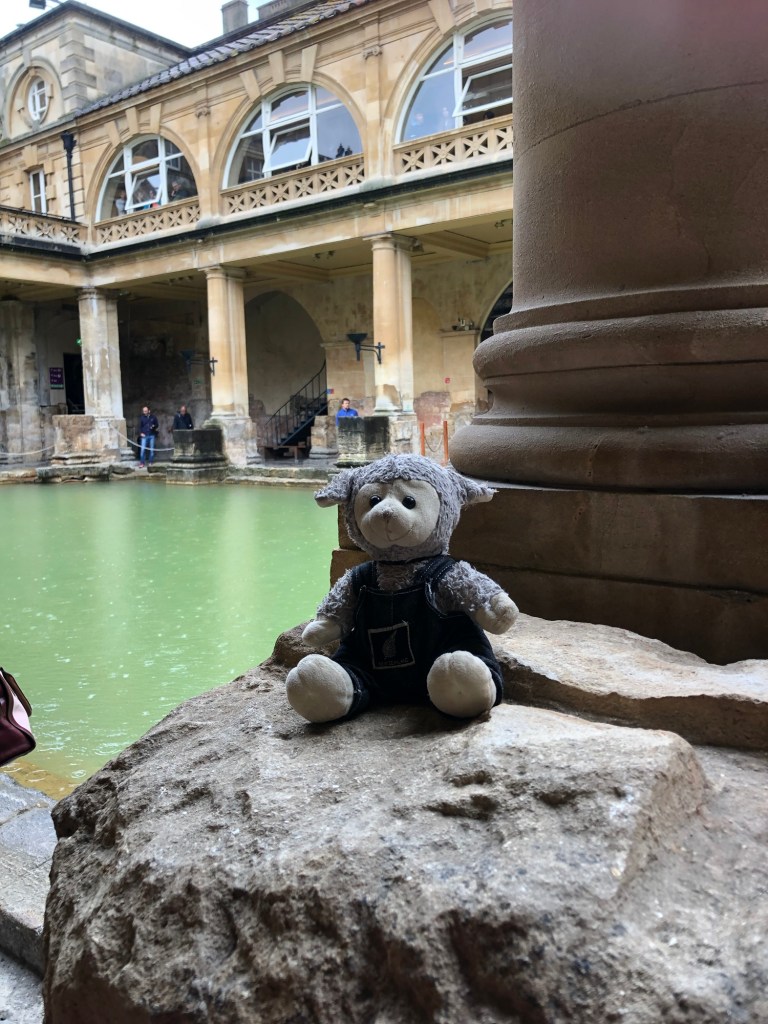
The museum is well laid out. It takes you through the history of the baths, the Roman occupation and settlements, and the later uses of them and how they have been ‘rediscovered’ in the 1700’s.
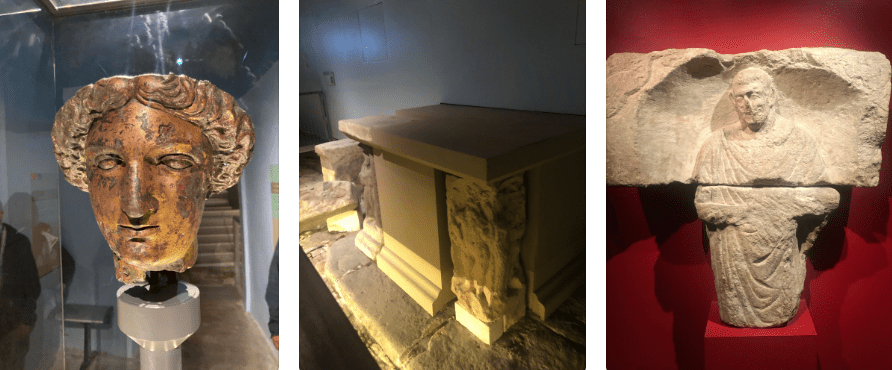

It was quite the Victorian thing to ‘take the waters’ and Bath became the place to be, it rivaled the London Season for balls and young ladies ‘coming out’ for a few years.
The Baths are certainly worth a visit, it’s a bit dear at £25 each, but that’s on a par with major London attractions. We spent just over 2 hours in there.
 England 2023