9th – 13th July 2023
So nice to be in a seaside town. It’s been ages since we have heard the sea rolling in, and the squawk of seagulls.
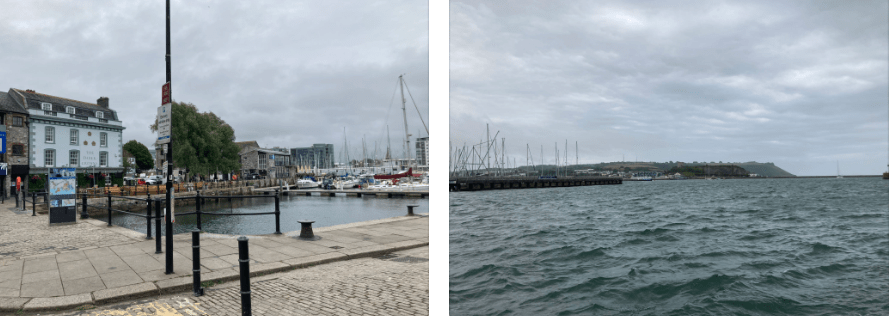
Plymouth is about the same size as Wellington, but without the hills and southerly winds. We are a 30 minute walk from the town centre, and also 30 minutes from the Barbican which is the seaside part. There has been a port here for 3000 years.
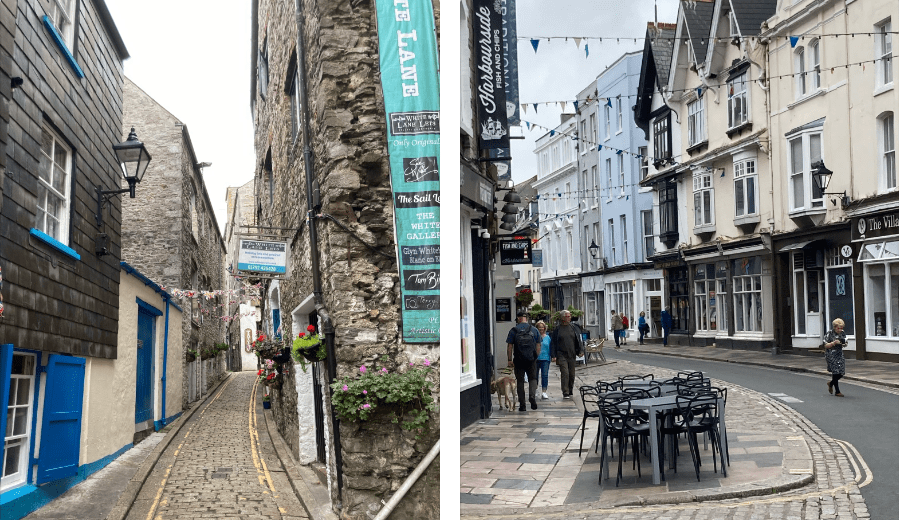
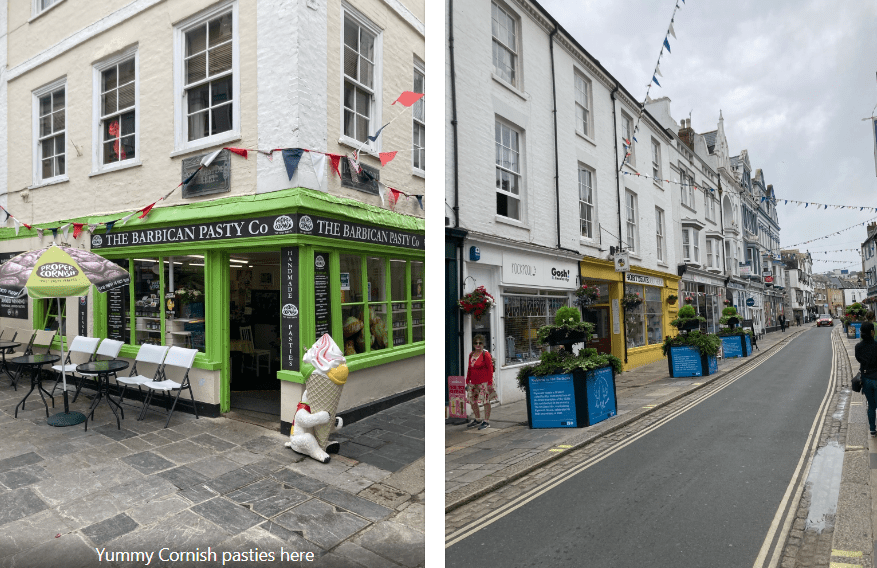
Near the Barbican there is an old citadel or fort that is still used by the armed forces today. It looks out over the harbour mouth. Built in 1660. The cannons faced out to sea AND over the city to keep the locals in check!
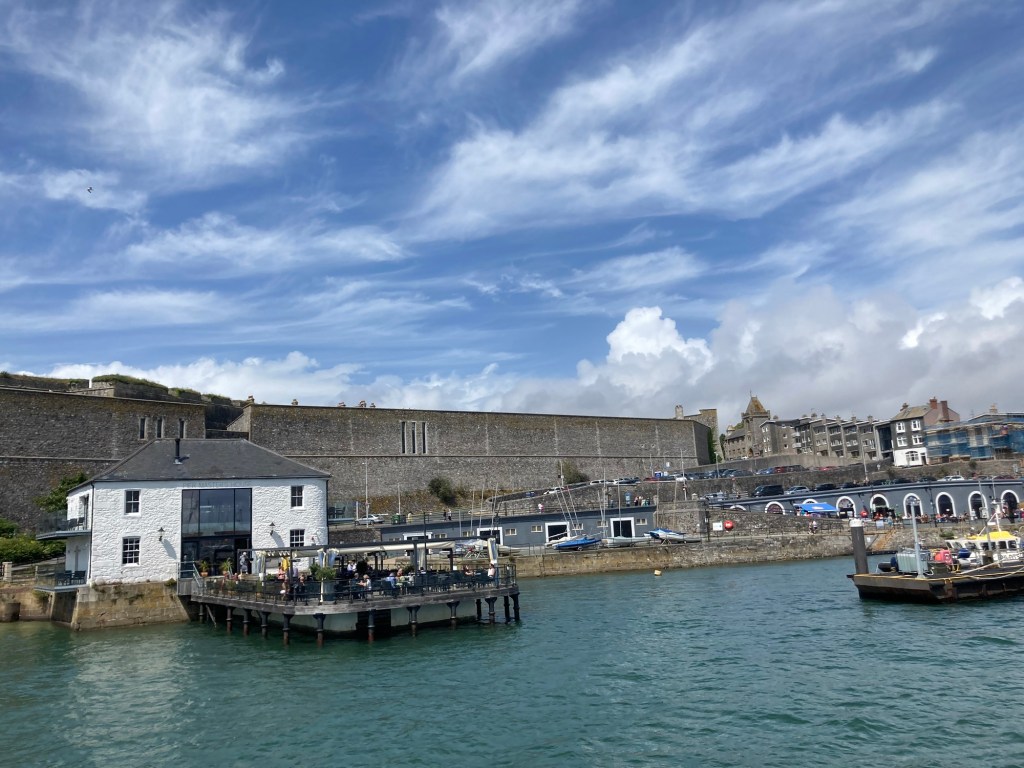
Plymouth is steeped in history. This is where Sir Walter Raleigh left to defeat the Spanish Armada, the Mayflower pilgrims left for the Americas, James Cook departed on his voyage of discovery in the Pacific, both Pocahontas and Catherine of Aragon stepped ashore here, Darwin departed on the Beagle, and Shackleton left for the Antarctic.
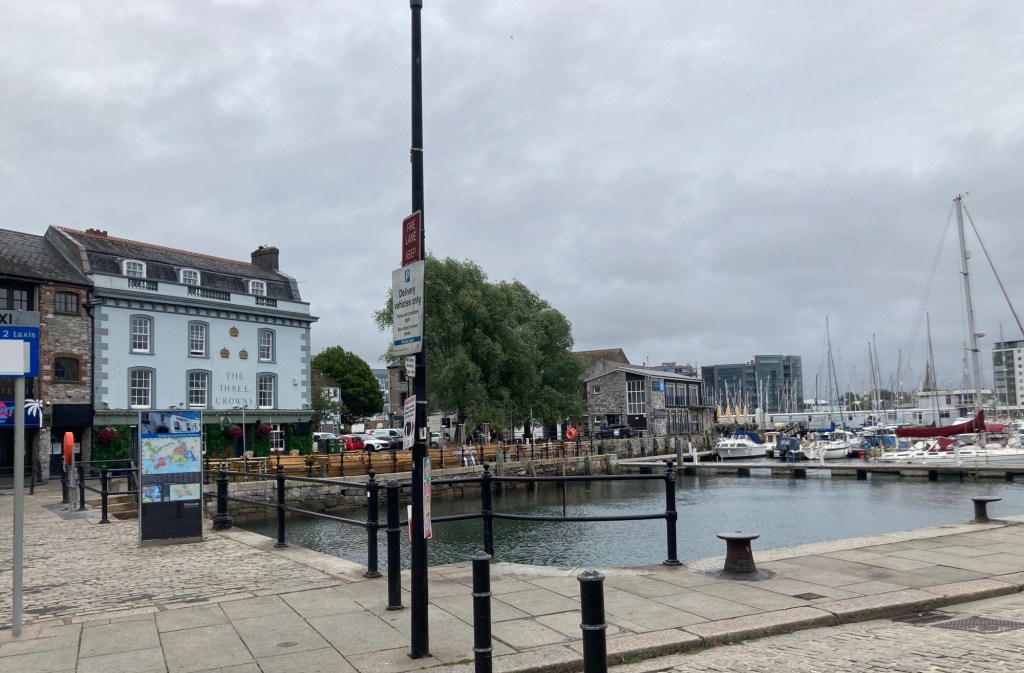
There was a huge naval presence and the 18th century stone buildings are still in use on the various yards, a lot have been converted to apartments and restaurants.
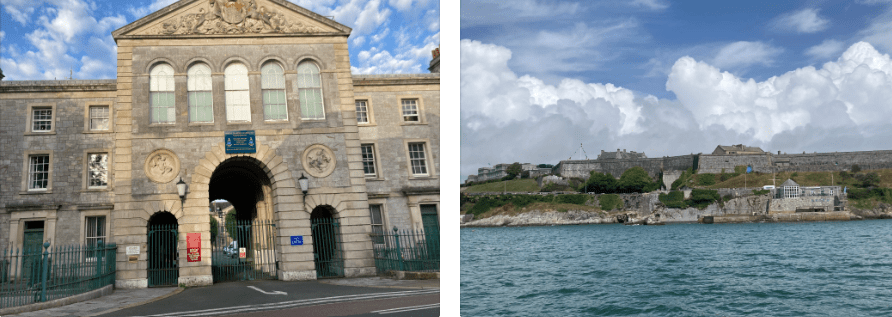
There is still a Royal dockyard or naval base here, originally built in 1695.
During WW2 it was a target for German bombing, and the city sustained substantial collateral damage as the Germans attempted to close the naval base down.
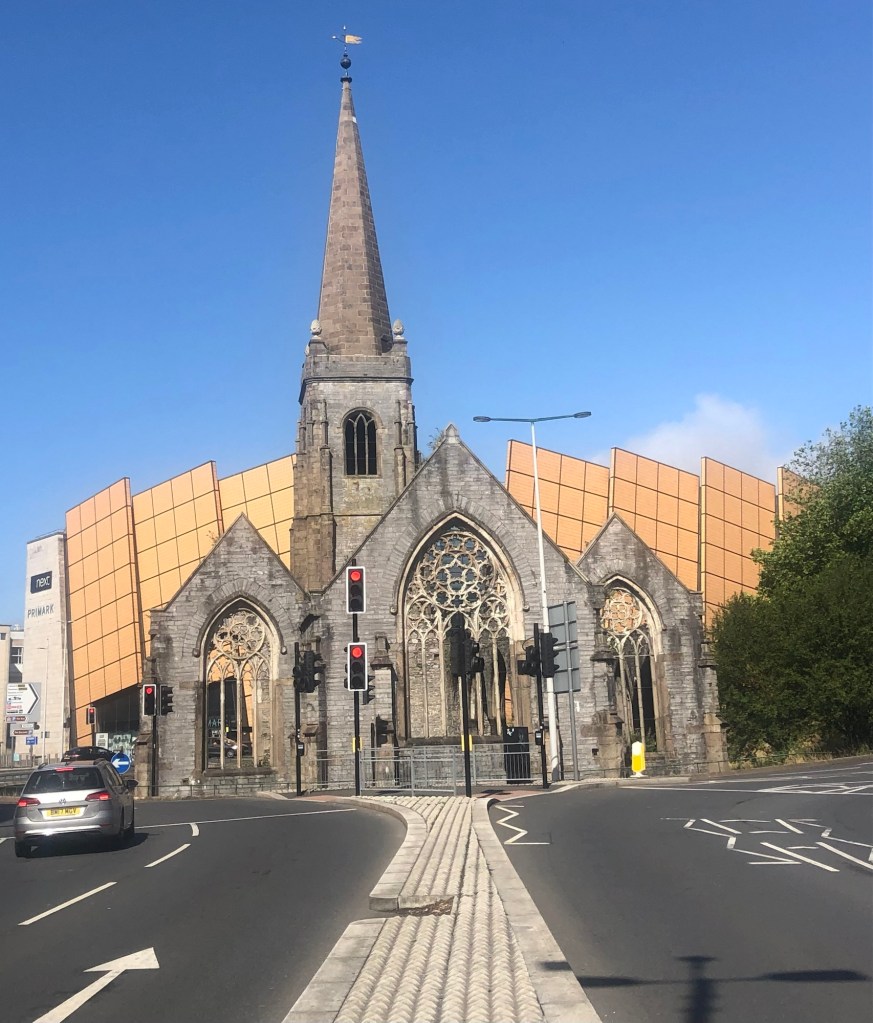
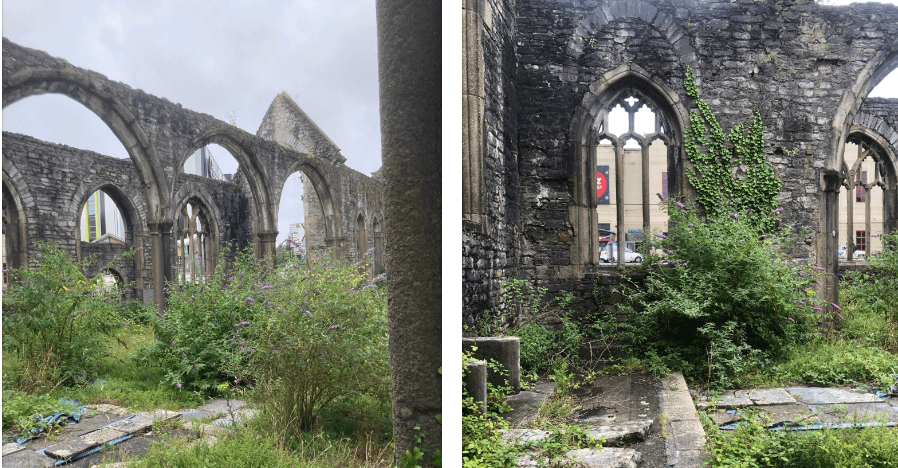
A church in the city centre was bombed and they have left it ‘as is’ as a living monument of the destruction.
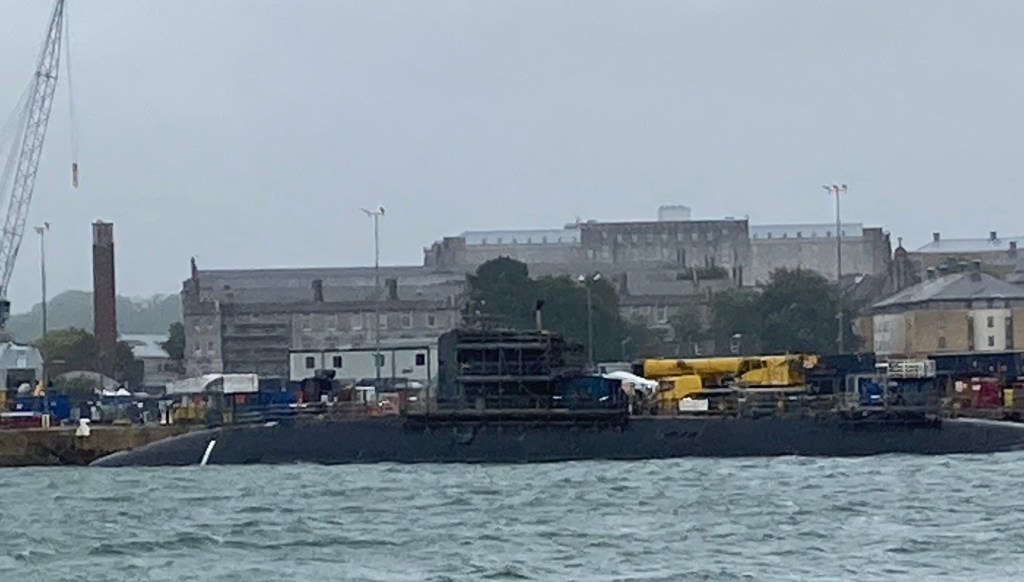
There are a dozen decommissioned nuclear submarines here, they have to wait 30 years for the reactors to be safe before they can be broken down. We also saw 2 active submarines docked.
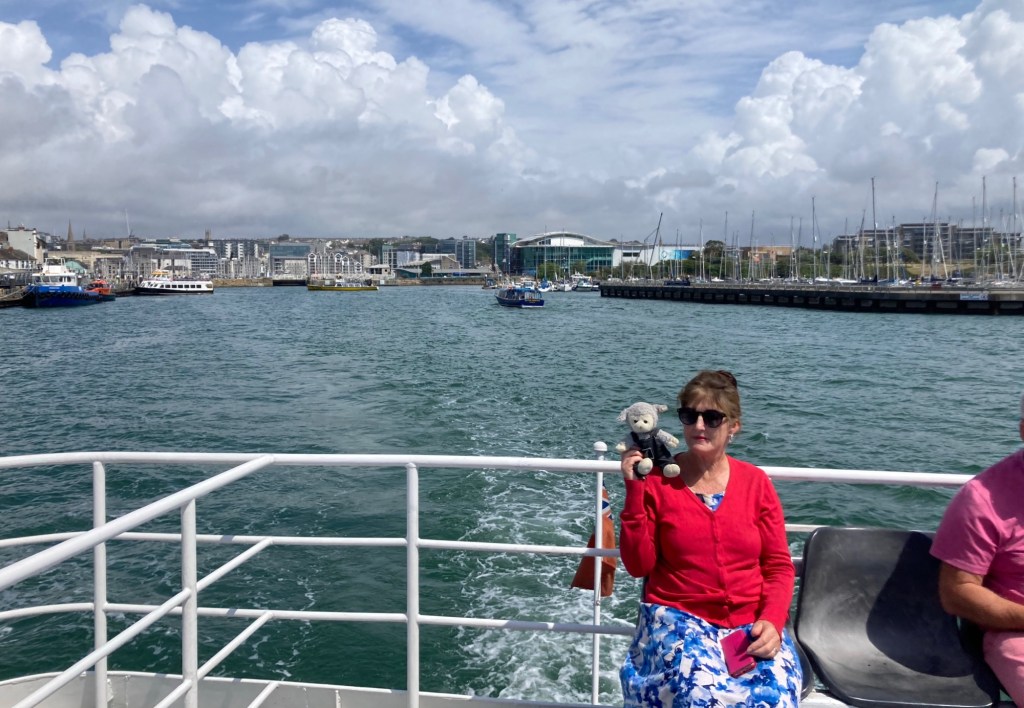
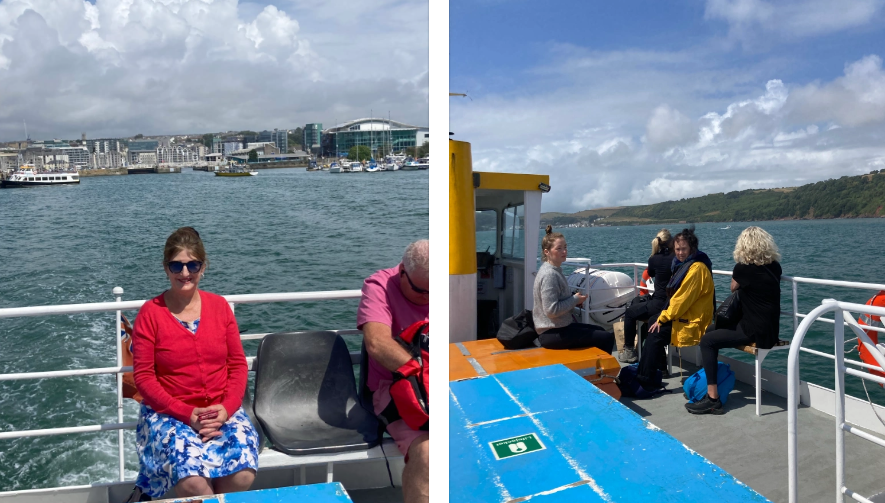
We did a couple of ferry trips which were a great way to see the harbour, and visited the Mayflower museum where the history has been rewritten to conform with our current woke PC ways.
They have an old gin distillery in the Barbican which has been operating since 1793, the brand is Plymouth Gin and is well known but we hadn’t heard of it.
Met a guy in the souvenir shop, he made postcards and fridge magnets as a sideline and he was replenishing the store. He was a young 80 and quite a character. This is quite a story, too long to write, so ask me next time you see me.
Walked back into town and checked out St Andrews Minster. There had been a church on this site for 1200 years. It had been rebuilt and expanded many times. The last time was during WW2 when it burnt leaving only the stone walls. It kept functioning as a church, there was lawn and flowering plants in the nave and chapels, and it became known as The Flower Church with the congregation worshiping under open skies, surrounded by nature. It was rebuilt in 1947.
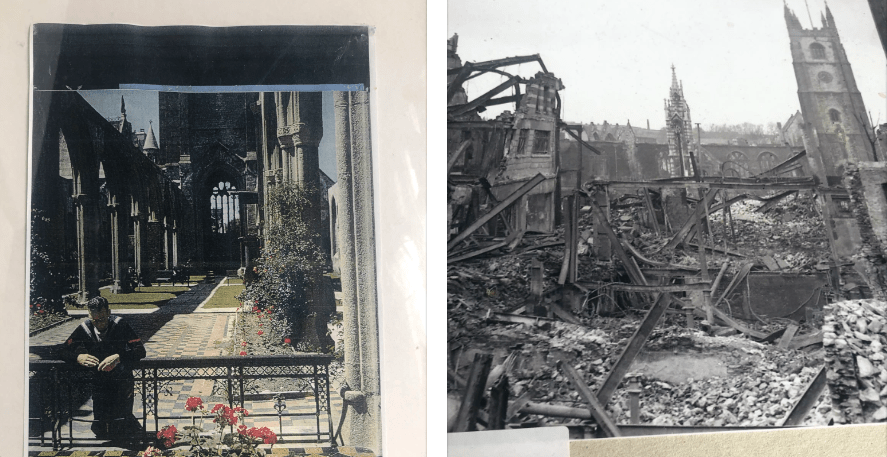
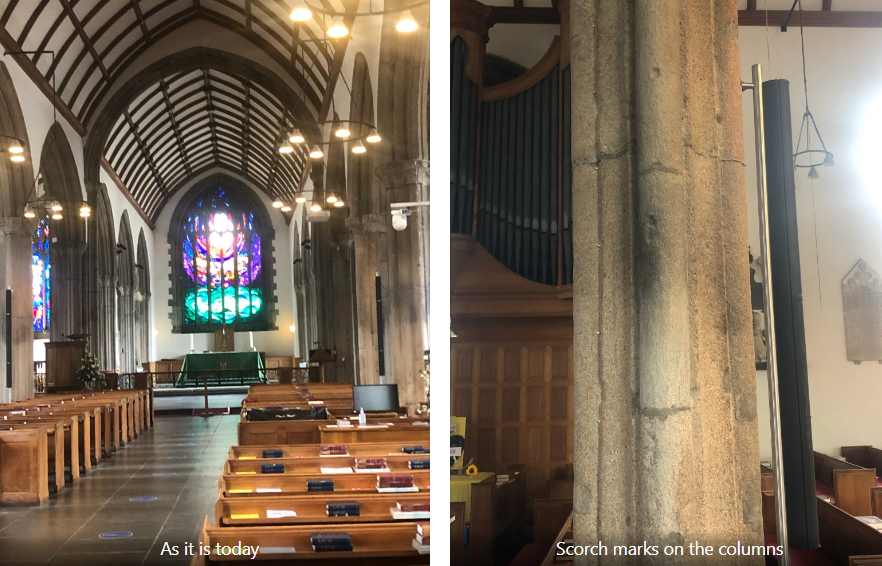
Photos of Plymouth show the damage caused by the devastating bombing of 1941, it reduced much of the port and city to rubble. Plymouth was a strategic port for Atlantic convoy escorts, naval missions to France and Channel patrols. Today the city centre looks different to most other English cities, because of the massive rebuild the streets are wide, huge footpaths, and the buildings are mostly from the 50’s and 60’s – all the old buildings have gone.
It’s not so bad around the Barbicon and out of the city centre, they were damaged but survived. It would have been a scary place to live in during the war.
Next door is the Guildhall, similar fate, got flattened during WW2 but got rebuilt afterwards. We were wandering around, when the guy we’d seen polishing the foyer floor came in, turned on the chandeliers, pulled back a curtain to display a massive tapestry, and proceeded to chat about the history of the place. The people here are so friendly and helpful, we have had many instances of this in the few days we have been here, it is so refreshing to know there are communities that live these values.
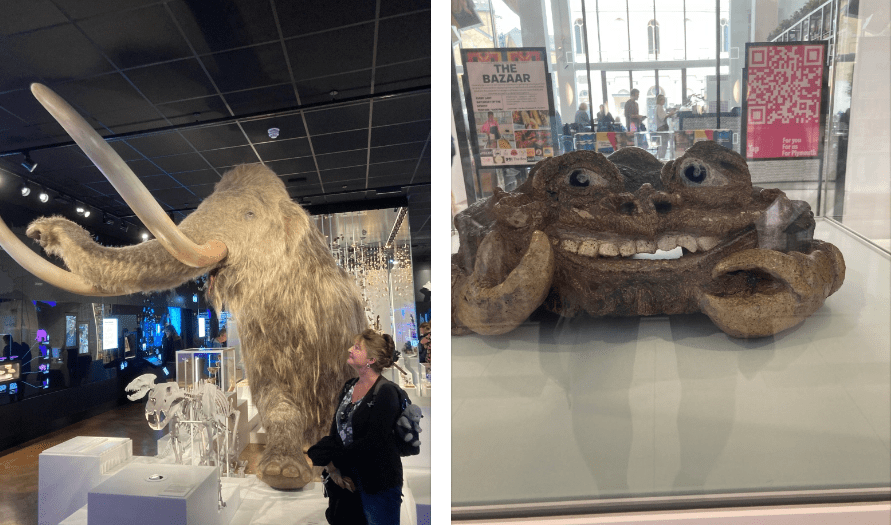
The museum here is called The Box. It has sections on early settlements, lots on the nautical history, plus lots on the dockyards and war. Also covers prehistoric times.
We took a local bus to Saltash, once you cross the river you are in Cornwall. They speak a different language here.
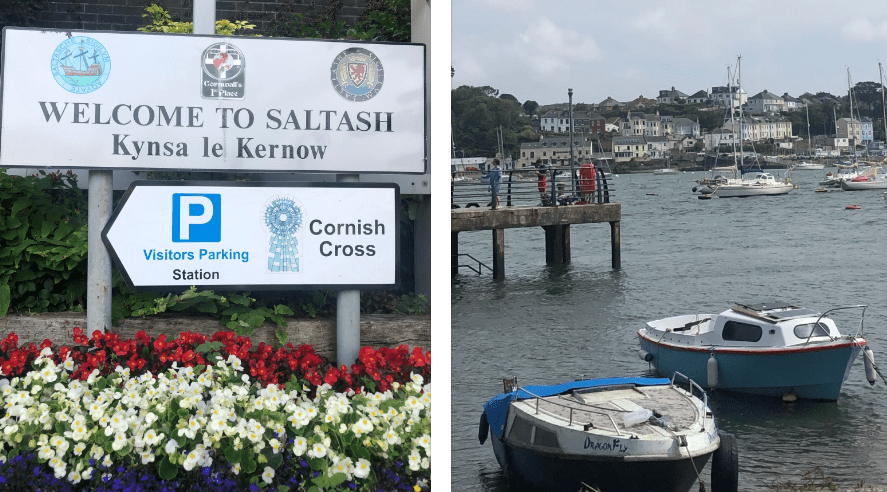
We had a nice walk around Saltash, down to the water then up the main street. It’s good to get out into the nontouristy areas to get an appreciation of ordinary life.
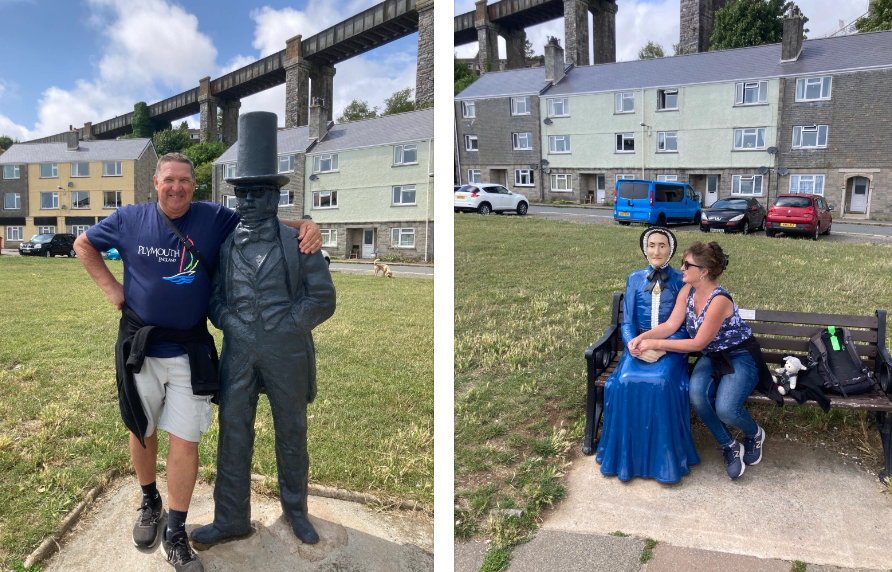
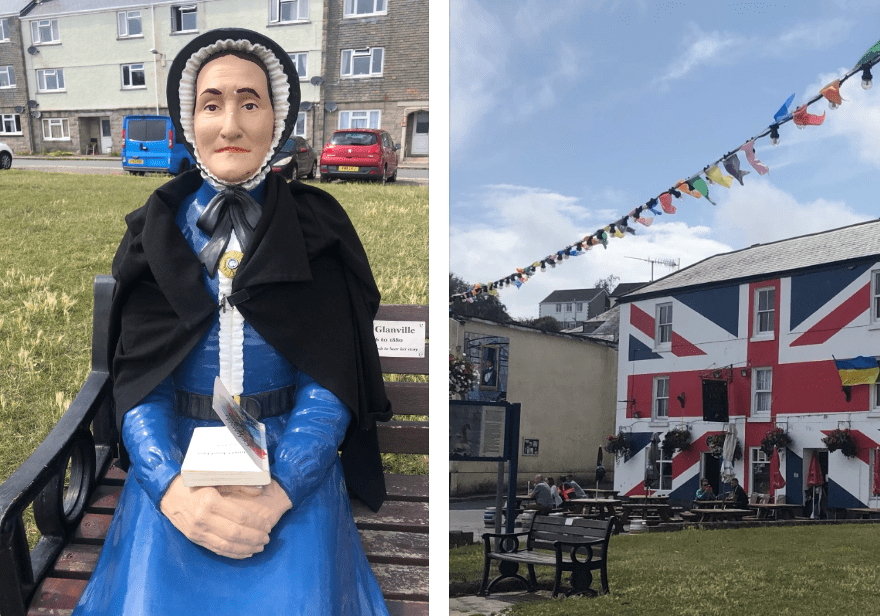
Another nice town is Tavistock. It’s an hour bus ride from Plymouth, and goes through Dartmoor. I thought the moors were pretty barren places like the desert road, but this was lush and green. It rained on the way there but fined up for the rest of the day.
We grabbed a self-guided heritage trail booklet and headed off to explore. Everything was in a 2km radius so was easy to just amble around.

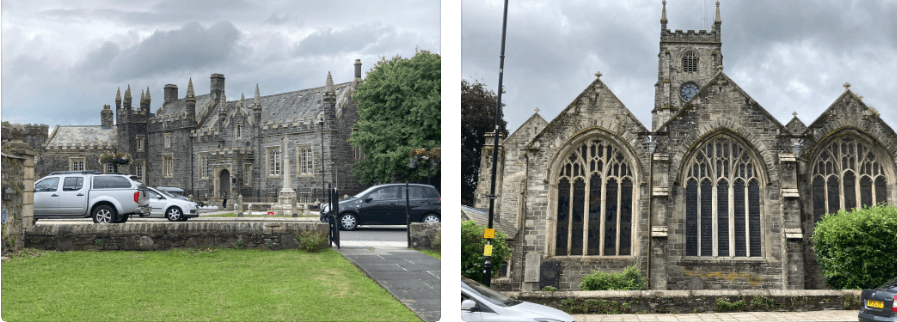
A lot of it was rebuilt in the 1840’s by the 7th Duke of Bedford who owned lots of copper mines in the region worth about a gazillion pounds so he could afford to rebuild the town.
There is the river Tavy running through the town, but they also built a canal to transport the copper ore and there is a nice walkway beside it and a beautiful park.
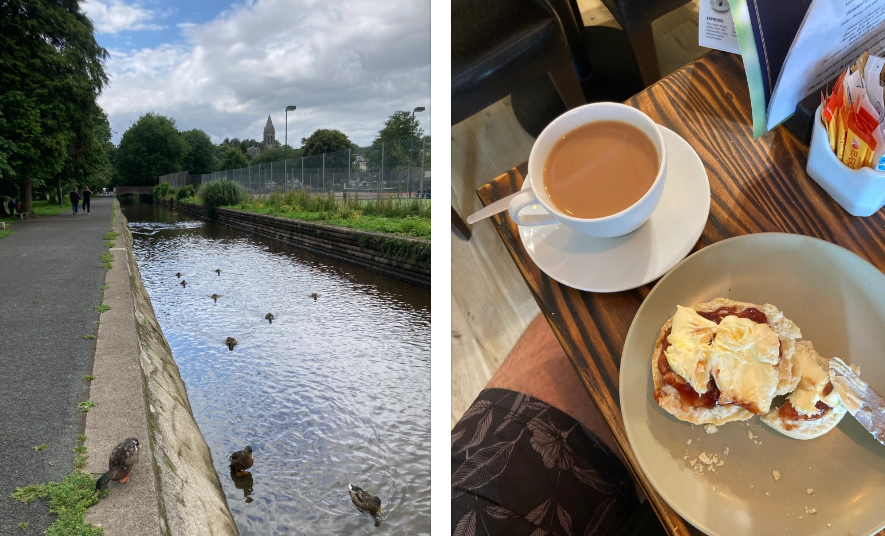
And of course these places have lots of tea shops so we stopped for some tea & scones.
They also have an upmarket market which is purpose built and has some very good stuff.
A pleasant day out.
Tomorrow we leave Plymouth and head to Bath to celebrate Sally’s birthday.
 England 2023